News

Importance of Routine and Structure in Senior Mental Health | Nisarga Care

Aging brings numerous changes, from physical limitations to cognitive challenges, which can affect seniors’ emotional and mental well-being. Maintaining a consistent routine and structured environment is crucial for promoting stability, reducing anxiety, and enhancing overall quality of life. Rehabilitation and elder care homes play a pivotal role in implementing these routines effectively, ensuring seniors feel secure, engaged, and supported.

Why Routine Matters for Seniors

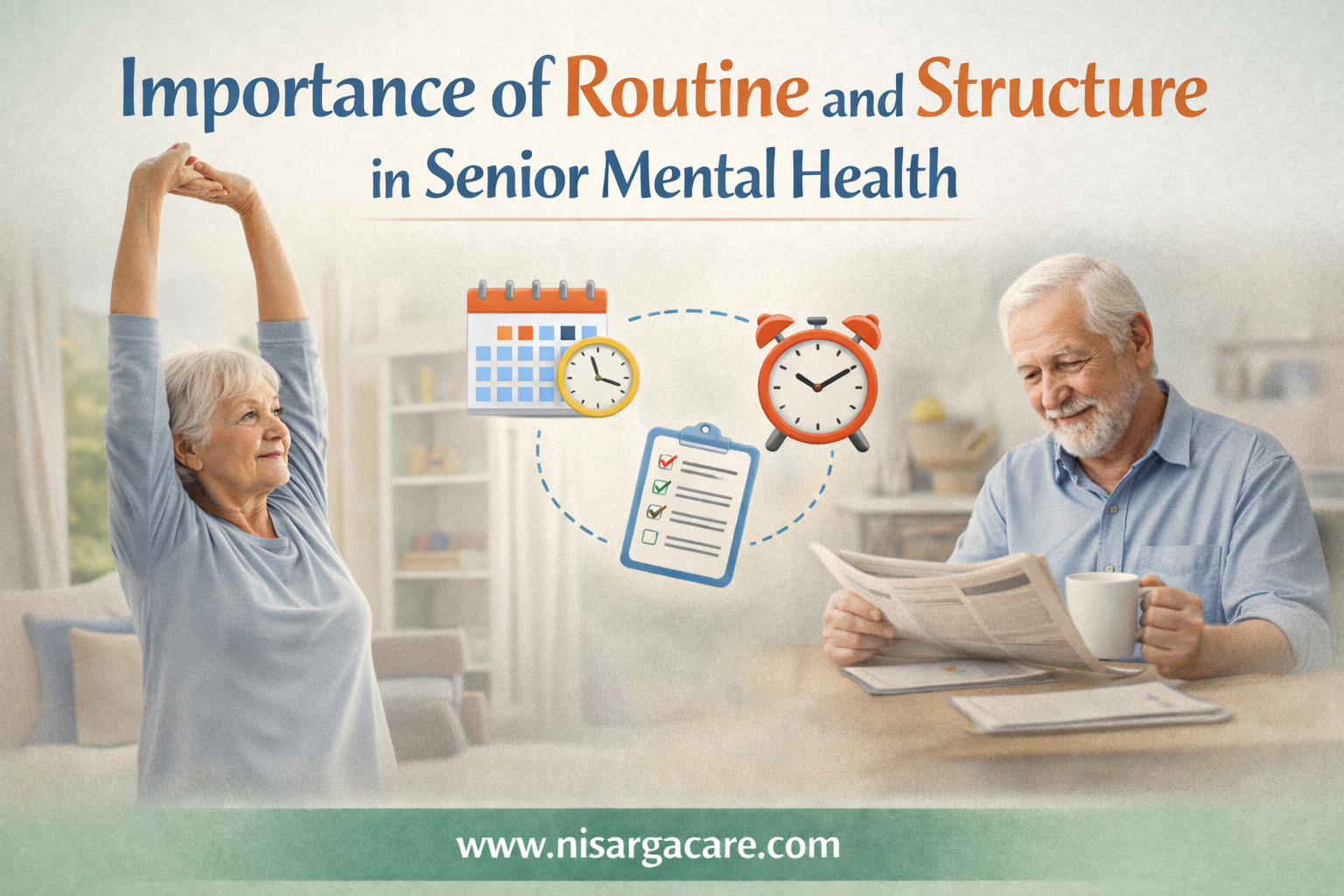
Predictable routines give seniors a sense of control and purpose. Knowing what to expect each day reduces stress and uncertainty, which can otherwise lead to anxiety, confusion, or irritability. Activities like regular meal times, therapy sessions, exercise, and recreational events create mental anchors, helping seniors navigate daily life confidently.

For seniors with memory issues or cognitive decline, routine provides essential cues that support independence and orientation, minimizing frustration and reliance on constant supervision.

Role of Rehabilitation and Elder Care Homes

Care homes and rehabilitation facilities are uniquely equipped to implement structured routines that balance physical, emotional, and social needs. Caregivers design daily schedules incorporating:

  • Physiotherapy and exercise sessions to maintain mobility and strength

  • Medication and health monitoring at consistent times

  • Recreational activities and hobbies to promote engagement

  • Meal planning and hydration reminders for optimal nutrition

These structured schedules not only support physical recovery but also improve cognitive function and emotional stability.

Enhancing Mental Health Through Predictable Activities

Routine activities encourage social interaction, which combats loneliness and depression. Group exercises, craft sessions, or communal meals offer opportunities for connection and engagement, fostering a sense of belonging. Seniors feel motivated to participate and achieve small goals, boosting self-esteem and emotional resilience.

Consistency also aids caregivers and family members in monitoring changes in mood, behavior, or health, enabling timely interventions and personalized care adjustments.

Family Involvement in Structured Care

Even in an elder care home, family participation strengthens the benefits of routine. Families can help seniors adhere to schedules, celebrate milestones, and encourage engagement in activities. Regular visits, involvement in therapy sessions, and emotional encouragement enhance the positive impact of structure on mental health.

Creating a Safe and Supportive Environment

Beyond scheduled activities, the care environment itself should be predictable and supportive. Clear signage, accessible spaces, and personalized rooms help seniors navigate independently, reducing anxiety and improving confidence. A safe, well-organized environment complements structured routines, reinforcing emotional stability.


Conclusion

Routine and structure are essential for maintaining senior mental health, emotional well-being, and independence. Rehabilitation and elder care homes provide a balanced combination of daily schedules, social interaction, and professional support, helping seniors navigate aging with confidence and dignity. At Nisarga Care, we prioritize structured, compassionate care that promotes mental stability, physical recovery, and a fulfilling life for every senior. Families can rely on Nisarga Care to create an environment where loved ones thrive both physically and emotionally.
News

Old Age Homes In India | Building Emotional Resilience in Ageing Parents | Nisarga Care | Rehabilitation and elder care homes |

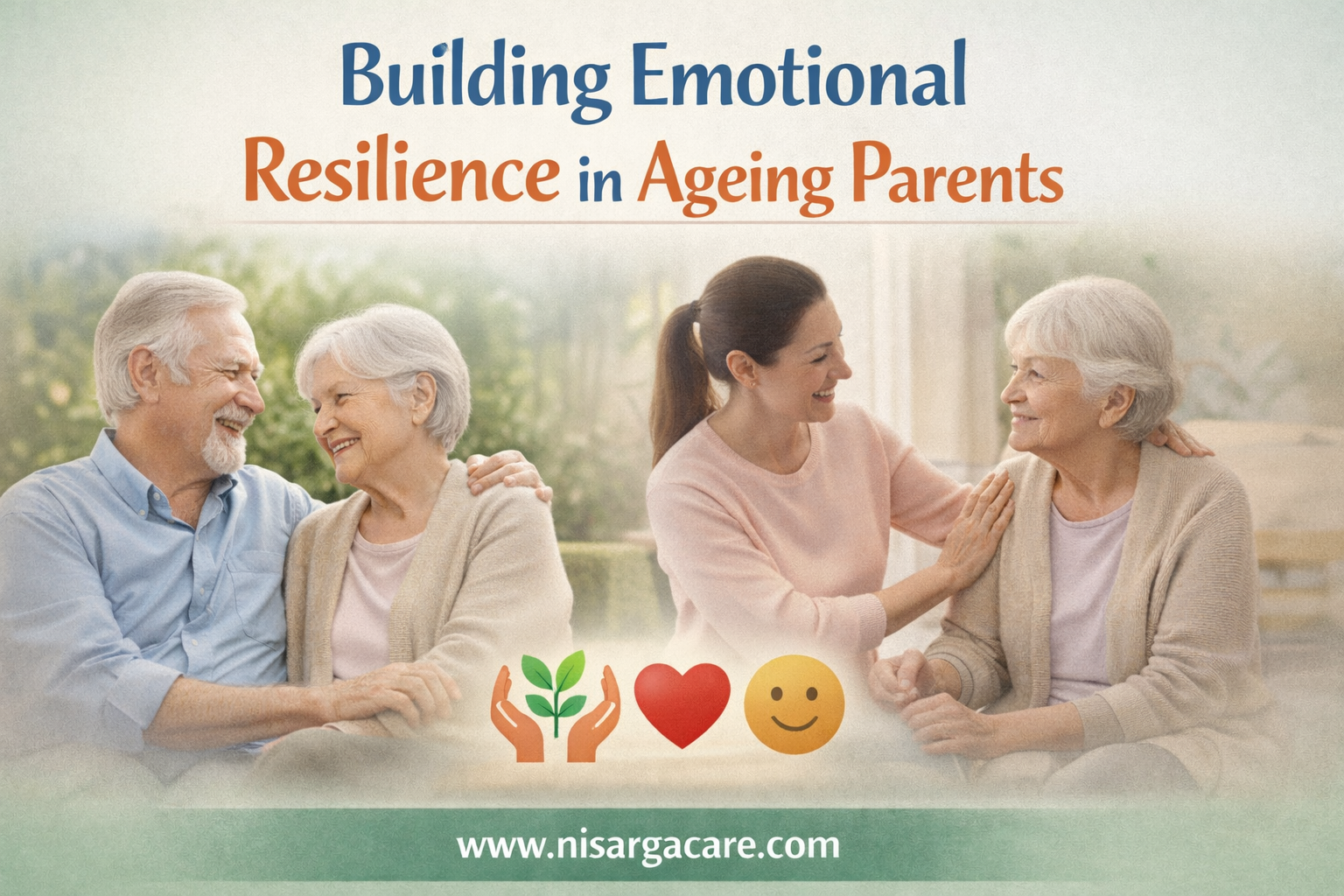
As parents grow older, life transitions such as declining health, reduced mobility, or changes in daily routines can challenge their emotional well-being. Building emotional resilience helps ageing parents cope with stress, maintain confidence, and enjoy a sense of purpose. Rehabilitation and elder care homes play a vital role in fostering resilience through structured programs, supportive staff, and social engagement.

Understanding Emotional Resilience in Seniors

Emotional resilience is the ability to adapt to life changes, recover from setbacks, and manage stress effectively. For ageing parents, this may involve handling health challenges, coping with the loss of independence, or adjusting to new living arrangements. Seniors with strong emotional resilience are more likely to participate actively in rehabilitation, maintain social connections, and experience better overall health outcomes.

The Role of Rehabilitation and Elder Care Homes

Elder care homes provide an environment that encourages seniors to stay engaged, active, and socially connected. Structured daily routines, supervised therapy, and recreational activities reduce feelings of isolation and foster confidence. Rehabilitation programs tailored to individual needs focus on both physical recovery and emotional well-being, empowering seniors to face challenges positively.

Encouraging Social Engagement

Social interaction is a key component of emotional resilience. Participating in group activities, hobby clubs, and community events within care homes promotes meaningful connections. Seniors learn to share experiences, support one another, and celebrate achievements, creating a sense of belonging that strengthens mental and emotional health.

Family Involvement and Support

Even in a care home setting, family support is crucial. Regular visits, calls, and involvement in care planning reassure seniors that they are loved and valued. Families can collaborate with caregivers to encourage participation in therapy sessions, recreational activities, and emotional counseling. This partnership enhances resilience by providing consistent encouragement and understanding.

Therapeutic Interventions

Professional care facilities offer counseling, mindfulness sessions, and emotional support groups. Occupational therapy and light physical activities not only improve physical health but also boost confidence and self-efficacy, key components of resilience. Tailored interventions help seniors navigate stressors while maintaining independence and dignity.

Creating a Safe and Empowering Environment

A nurturing environment in elder care homes contributes significantly to emotional resilience. Ensuring safety, comfort, and accessibility allows seniors to explore activities confidently without fear of injury. Personalizing living spaces and routines helps maintain autonomy, encouraging seniors to adapt positively to change.


Conclusion

Building emotional resilience in ageing parents is essential for their mental, emotional, and physical well-being. Rehabilitation and elder care homes provide structured support, social interaction, and professional guidance, helping seniors cope with challenges confidently. At Nisarga Care, we focus on empowering seniors with compassionate care, fostering resilience, independence, and a fulfilling life. Families can trust Nisarga Care to provide an environment that strengthens both the heart and mind of their loved ones.

News Nisarga care Bangalore

Supporting Seniors with Anxiety and Depression During Recovery || Nisarga Care

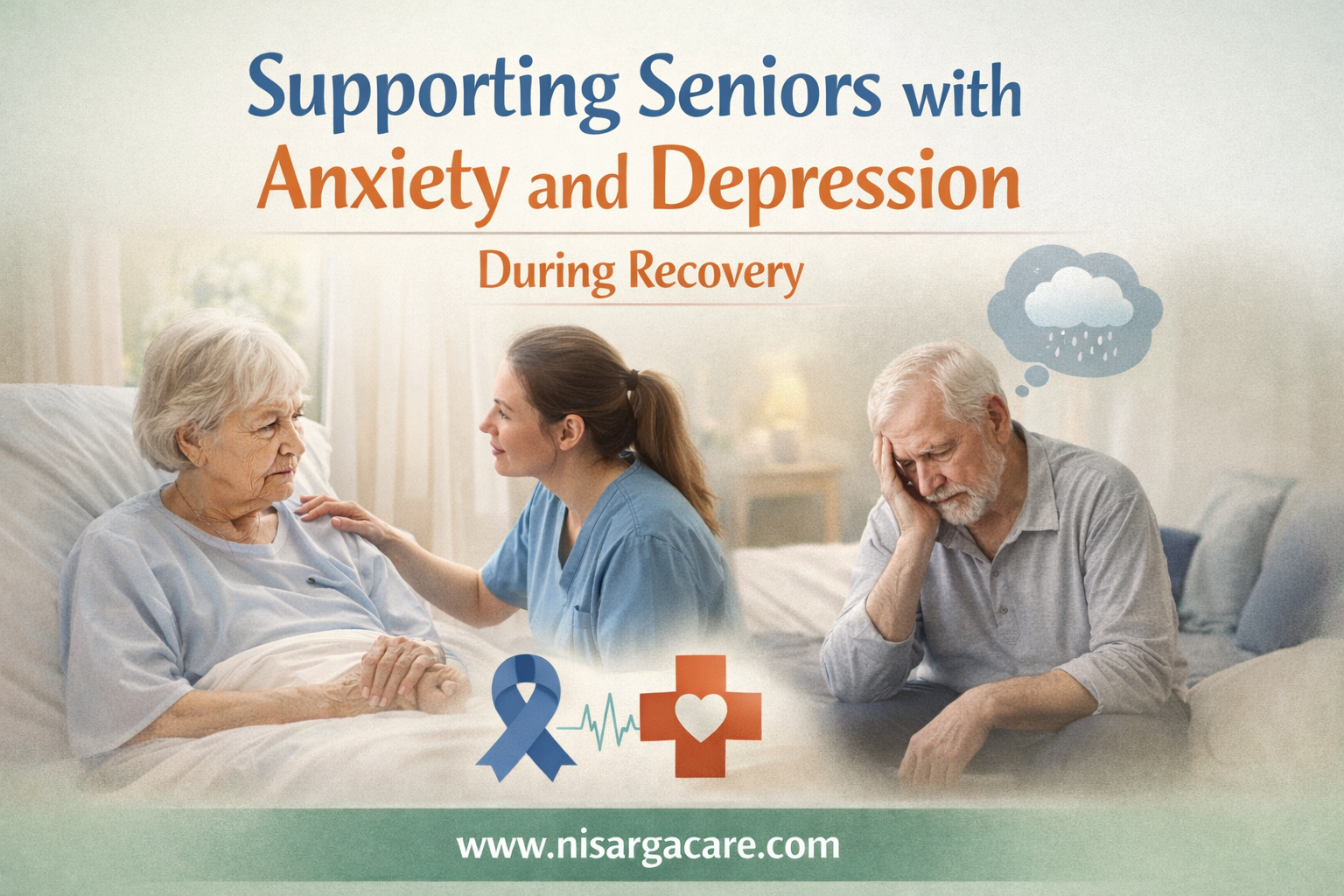
Recovery after illness, surgery, or hospitalization can be a challenging phase for seniors. Physical healing often takes center stage, but emotional well-being is equally important. Many elders experience anxiety, depression, or fear during recovery, especially when adjusting to reduced mobility, new routines, or dependence on caregivers. Rehabilitation and elder care homes play a vital role in providing structured support that addresses both mental and physical health.

Understanding the Emotional Challenges

Seniors in recovery may feel isolated, frustrated, or anxious about their health. Concerns about regaining independence, coping with chronic conditions, or returning home safely can lead to emotional stress. Depression may manifest as withdrawal from social interaction, loss of interest in hobbies, or changes in appetite and sleep patterns. Anxiety may appear as restlessness, excessive worry, or hesitation to participate in therapy sessions. Recognizing these signs early is crucial for timely intervention.

Role of Rehabilitation and Elder Care Homes

Rehabilitation and elder care homes provide a structured environment that supports emotional recovery alongside physical healing. Trained staff monitor seniors closely, offer encouragement, and implement individualized care plans. Social interaction with peers, daily routines, and therapeutic activities reduce feelings of loneliness and build confidence. Seniors benefit from personalized attention, group exercises, and counseling sessions that address their emotional needs.

Therapeutic Interventions for Mental Health

Professional care facilities integrate multiple approaches to manage anxiety and depression:

  • Counseling and psychotherapy help seniors express emotions and develop coping strategies.

  • Occupational therapy engages elders in meaningful activities, improving self-esteem and a sense of purpose.

  • Mindfulness, relaxation exercises, and light physical therapy reduce stress and enhance mood.

  • Regular monitoring ensures that emotional well-being is addressed alongside physical rehabilitation.

Family Involvement and Emotional Support

Even in a care home setting, family support is essential. Frequent visits, video calls, and active participation in care plans reassure seniors that they are valued and not alone. Families can collaborate with caregivers to encourage participation in activities, celebrate milestones, and provide emotional encouragement. This partnership between care homes and families strengthens recovery outcomes and fosters confidence.

Creating a Safe and Comfortable Environment

A nurturing environment in rehabilitation and elder care homes promotes mental well-being. Simple measures such as safe walking spaces, well-lit rooms, accessible recreational areas, and personalized rooms can reduce anxiety. Feeling secure, respected, and supported contributes to a positive mindset, which directly impacts recovery speed and overall health.


Conclusion

Supporting seniors with anxiety and depression during recovery requires a holistic approach that combines emotional, social, and physical care. Rehabilitation and elder care homes provide structured programs, professional counseling, and safe environments that empower seniors to regain independence and confidence. At Nisarga Care, we prioritize both mental and physical well-being, ensuring seniors receive compassionate support that promotes healing, dignity, and a fulfilling life. Families can trust Nisarga Care to guide their loved ones through recovery with empathy and expertise.

News Nisarga care Bangalore

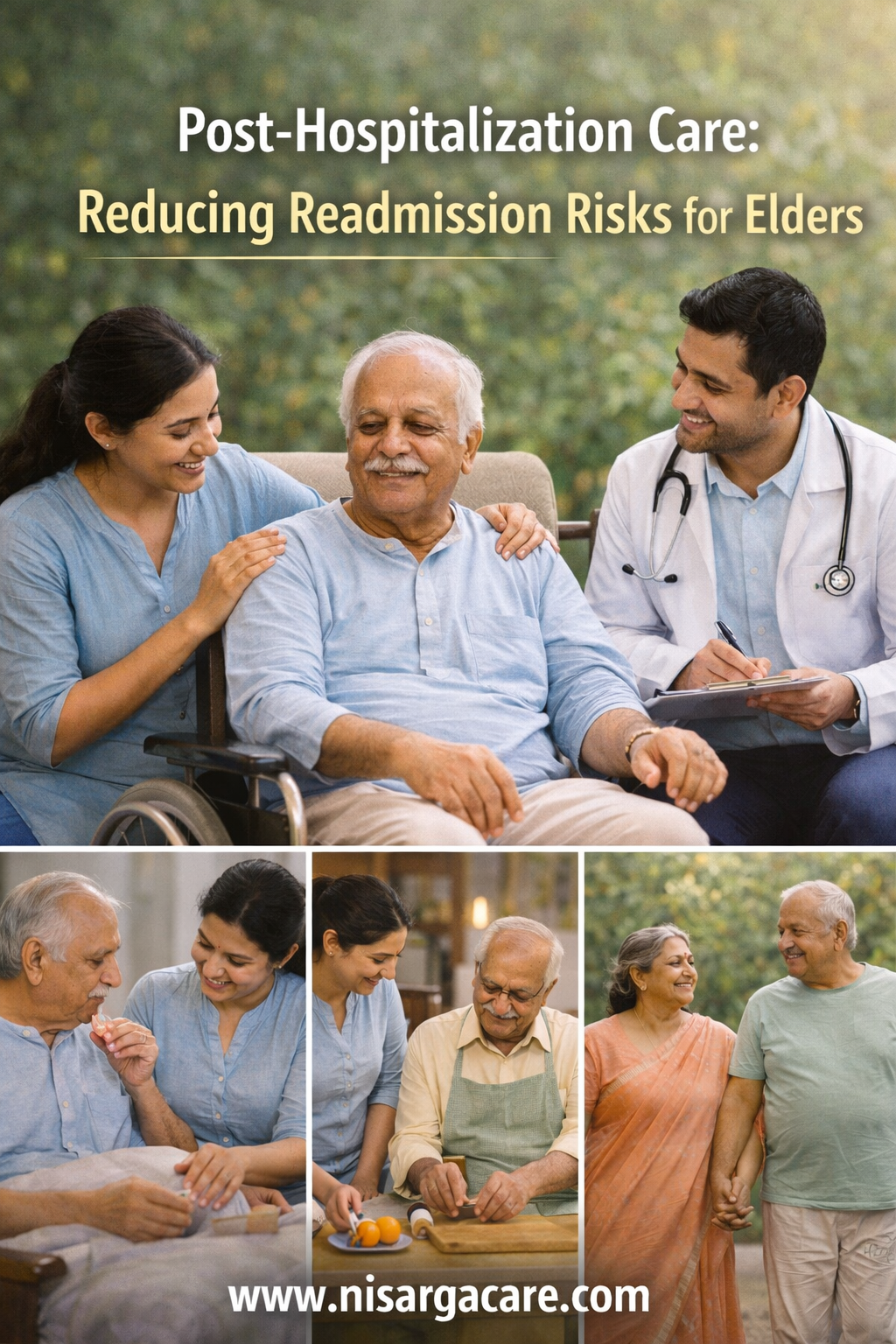
Post-Hospitalization Care: Reducing Readmission Risks for Elders | Nisarga Care

Hospitalization can be a critical turning point in an elder’s health journey. While discharge often marks improvement, it does not always mean full recovery. Many seniors face complications shortly after returning home, increasing the risk of hospital readmission.

Effective post-hospitalization care is essential to ensure safe recovery, prevent complications, and support long-term health in elders.


Why Readmission Risk Is High Among Elders

Older adults are more vulnerable after hospital discharge due to:

  • Weakened immunity and reduced mobility

  • Multiple chronic conditions

  • Medication changes or confusion

  • Inadequate follow-up care

  • Lack of proper home support

Without structured care, minor issues can escalate into emergencies.


Common Causes of Hospital Readmission

Understanding the causes helps prevent avoidable readmissions:

1. Medication Mismanagement

Changes in prescriptions after discharge can cause confusion. Missed doses, overdosing, or drug interactions often lead to complications.


2. Poor Mobility and Fall Risk

Post-illness weakness increases the risk of falls, fractures, and injuries—one of the leading causes of readmission among elders.


3. Inadequate Wound and Post-Surgical Care

Improper wound care or lack of monitoring can result in infections or delayed healing.


4. Lack of Follow-Up Monitoring

Missed medical appointments or unmonitored symptoms can allow conditions to worsen unnoticed.


5. Emotional and Mental Health Challenges

Anxiety, depression, or fear after hospitalization can affect recovery and adherence to care routines.


Key Components of Effective Post-Hospitalization Care

1. Personalized Recovery Plans

Each elder requires a tailored care plan based on their diagnosis, mobility level, and overall health. This ensures continuity of care after discharge.


2. Medication Management and Monitoring

Caregivers help ensure:

  • Correct dosage and timing

  • Awareness of side effects

  • Coordination with healthcare providers

This reduces medication-related complications significantly.


3. Mobility and Rehabilitation Support

Physiotherapy and gentle movement restore strength, balance, and confidence, lowering fall risk and promoting independence.


4. Nutrition and Hydration Support

Proper nutrition supports healing, immunity, and energy levels. Care plans should include balanced meals and adequate hydration.


5. Regular Health Monitoring

Tracking vital signs, symptoms, and recovery progress allows early detection of warning signs—preventing emergencies.


6. Emotional and Psychological Care

Compassionate companionship and reassurance help reduce stress, improve adherence to care routines, and support mental well-being.


Role of Family and Caregivers

Families play an important role in post-hospitalization recovery. Education, communication, and caregiver support ensure elders feel secure and motivated throughout the healing process.


How Nisarga Care Reduces Readmission Risks

At Nisarga Care, we offer structured post-hospitalization care that includes:

  • Trained caregivers for medical and personal support

  • Medication supervision and health monitoring

  • Rehabilitation and mobility assistance

  • Safe, senior-friendly environments

  • Emotional and mental well-being support

Our coordinated approach focuses on safe recovery at home or in care facilities, reducing unnecessary hospital visits.


Conclusion

Post-hospitalization care is a critical phase in an elder’s recovery journey. With proper planning, monitoring, and compassionate support, many hospital readmissions can be prevented—allowing elders to heal safely and regain independence.

Bangalore rehabilitation centers | rehab assisted living facilities in Bangalore News Nisarga care Bangalore

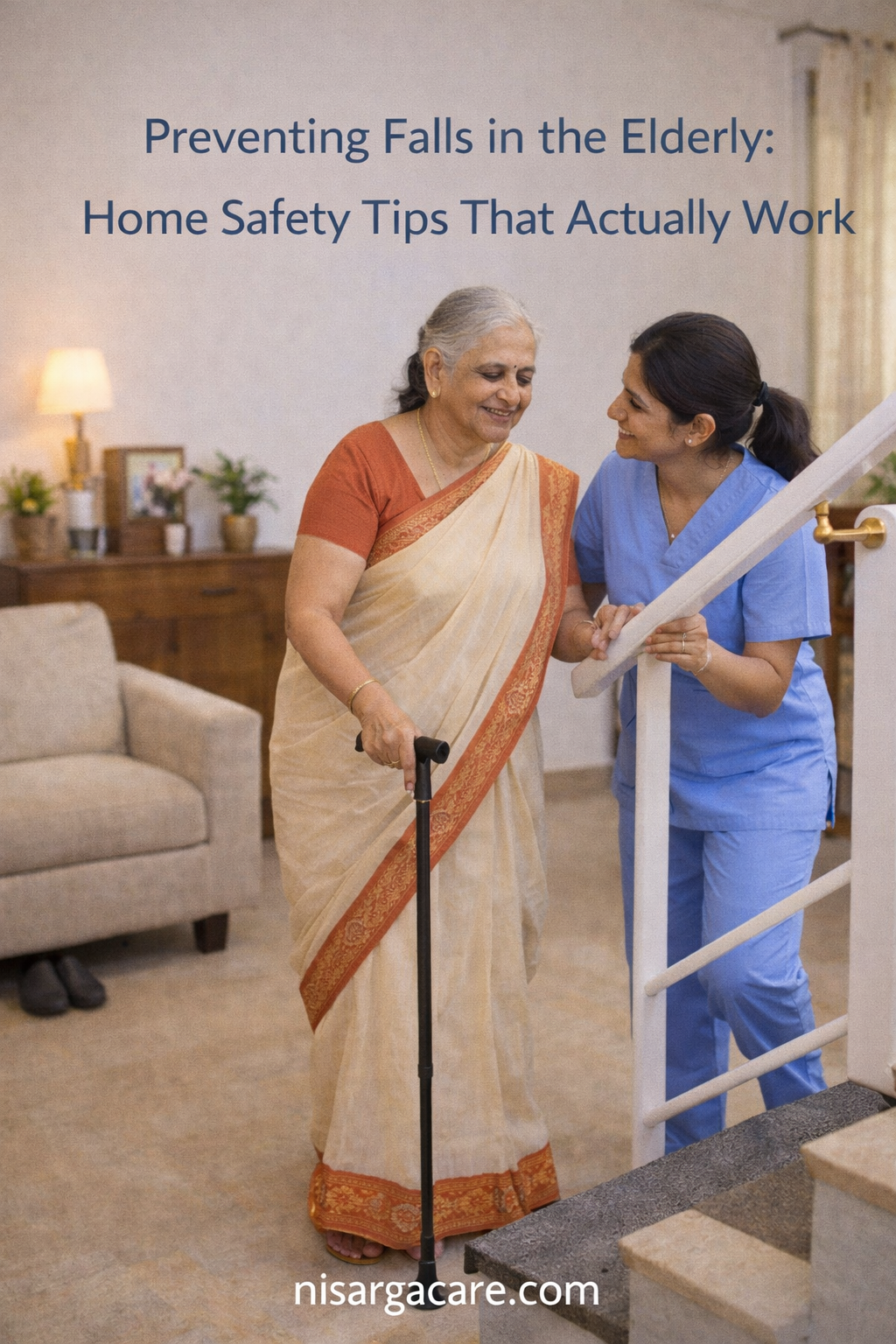
Preventing Falls in the Elderly: Home Safety Tips That Actually Work

Falls are one of the leading causes of injury among seniors, often resulting in fractures, hospitalizations, or long-term mobility challenges. Many falls are preventable with simple home safety measures, lifestyle adjustments, and awareness. Families can play a proactive role in creating a secure environment that supports elderly independence while reducing risks.

Understand Why Seniors Fall

Age-related factors increase fall risk, including:

  • Reduced muscle strength and balance

  • Impaired vision or hearing

  • Chronic conditions such as arthritis or osteoporosis

  • Side effects from medications

By understanding these risk factors, families can implement targeted safety strategies.

1. Clear Walking Paths and Clutter-Free Spaces

Cluttered floors and loose rugs are major hazards. Remove obstacles such as cables, furniture in narrow walkways, and small decorative rugs. Ensure hallways and rooms are spacious enough for walkers or canes. Clear walking paths reduce tripping risks significantly.

2. Proper Lighting Throughout the Home

Poor lighting contributes to falls, especially at night. Install bright, non-glare lighting in hallways, staircases, bathrooms, and entrances. Motion-sensor night lights near the bed and bathroom provide extra safety for nighttime movements.

3. Bathroom and Kitchen Safety

Wet floors and slippery surfaces in bathrooms and kitchens are common fall hazards. Families should:

  • Install grab bars near toilets and showers

  • Use non-slip mats in bathing areas

  • Ensure items are within easy reach to avoid stretching or climbing

In kitchens, maintain clear, organized countertops and avoid high storage that requires ladders.

4. Supportive Furniture and Mobility Aids

Provide chairs with sturdy armrests, beds at proper height, and walkers or canes as recommended by physiotherapists. Regularly check that assistive devices are in good condition. Proper support ensures seniors can move confidently without fear of losing balance.

5. Encourage Regular Exercise

Physical activity strengthens muscles, improves balance, and enhances coordination. Simple exercises, yoga, or physiotherapy routines tailored to seniors can prevent falls. Engaging in daily movement routines also improves confidence and reduces sedentary risks.

6. Monitor Medications and Health Conditions

Some medications may cause dizziness or drowsiness. Families should consult doctors about side effects and adjust routines if necessary. Regular vision and hearing check-ups also prevent accidents caused by sensory impairments.

7. Promote Awareness and Education

Educate seniors on safe movement strategies: rising slowly from chairs, using handrails, and avoiding risky behaviors. Awareness builds habits that reinforce safety in everyday activities.


Conclusion

Preventing falls in the elderly is achievable through practical home safety modifications, exercise, and awareness. Families can reduce risks by creating clutter-free, well-lit environments, using supportive furniture and mobility aids, and encouraging healthy routines. Thoughtful precautions not only protect seniors from injuries but also support confidence, independence, and peace of mind for the entire family.

News Nisarga care Bangalore

health care centre bangalore | Aging with Dignity: How Personalized Care Improves Senior Quality of Life | health care center Bangalore |

Aging is a natural journey, but it comes with physical, cognitive, and emotional changes that can impact independence and quality of life. Personalized care focuses on the unique needs of each senior, promoting comfort, autonomy, and dignity while supporting families in providing compassionate assistance.

Understanding Personalized Care

Personalized care recognizes that every senior has individual health conditions, preferences, and emotional requirements. Unlike generic elder care, it tailors services—medical support, physiotherapy, nutrition, and social engagement—to each senior’s lifestyle. This approach ensures seniors feel respected, valued, and empowered throughout their daily routines.

Enhancing Physical Health

Personalized care includes customized exercise routines, physiotherapy, and mobility support to maintain strength and flexibility. It also addresses chronic conditions like diabetes, arthritis, or heart disease with targeted interventions. By aligning care with a senior’s specific health needs, families can prevent complications, reduce hospital visits, and support independent living.

Supporting Emotional and Cognitive Well-Being

Aging often brings challenges such as loneliness, anxiety, or memory decline. Personalized care emphasizes mental wellness programs, including social interaction, cognitive exercises, and emotional support. Engaging seniors in meaningful activities—hobbies, group sessions, or cultural events—boosts mood, reduces stress, and nurtures self-esteem.

Nutrition and Lifestyle Adaptations

Personalized meal planning considers medical conditions, dietary preferences, and nutritional requirements, ensuring seniors receive balanced, wholesome diets. Coupled with lifestyle adjustments such as sleep schedules, hydration, and stress management, these measures enhance overall health, energy levels, and resilience against illness.

Home Safety and Environmental Modifications

A key aspect of personalized care is creating a safe, comfortable living environment. Care plans may include grab bars, ramps, non-slip mats, ergonomic furniture, and accessible storage. Such adaptations reduce risks of falls or accidents, allowing seniors to move safely and maintain independence at home.

Family Involvement and Continuous Monitoring

Personalized care works best when families are actively involved. Caregivers provide guidance, track health progress, and adjust routines as needed, while family members contribute emotional support and companionship. This collaborative approach strengthens trust and fosters a sense of security for seniors.


Conclusion

Aging with dignity is achievable when care is tailored to a senior’s unique needs. Personalized care for seniors improves physical health, emotional well-being, independence, and overall quality of life, allowing seniors to live confidently and comfortably. Families and caregivers who embrace individualized care empower elders to enjoy their later years with respect, purpose, and joy.

Bangalore rehabilitation centers | rehab assisted living facilities in Bangalore News Nisarga care Bangalore

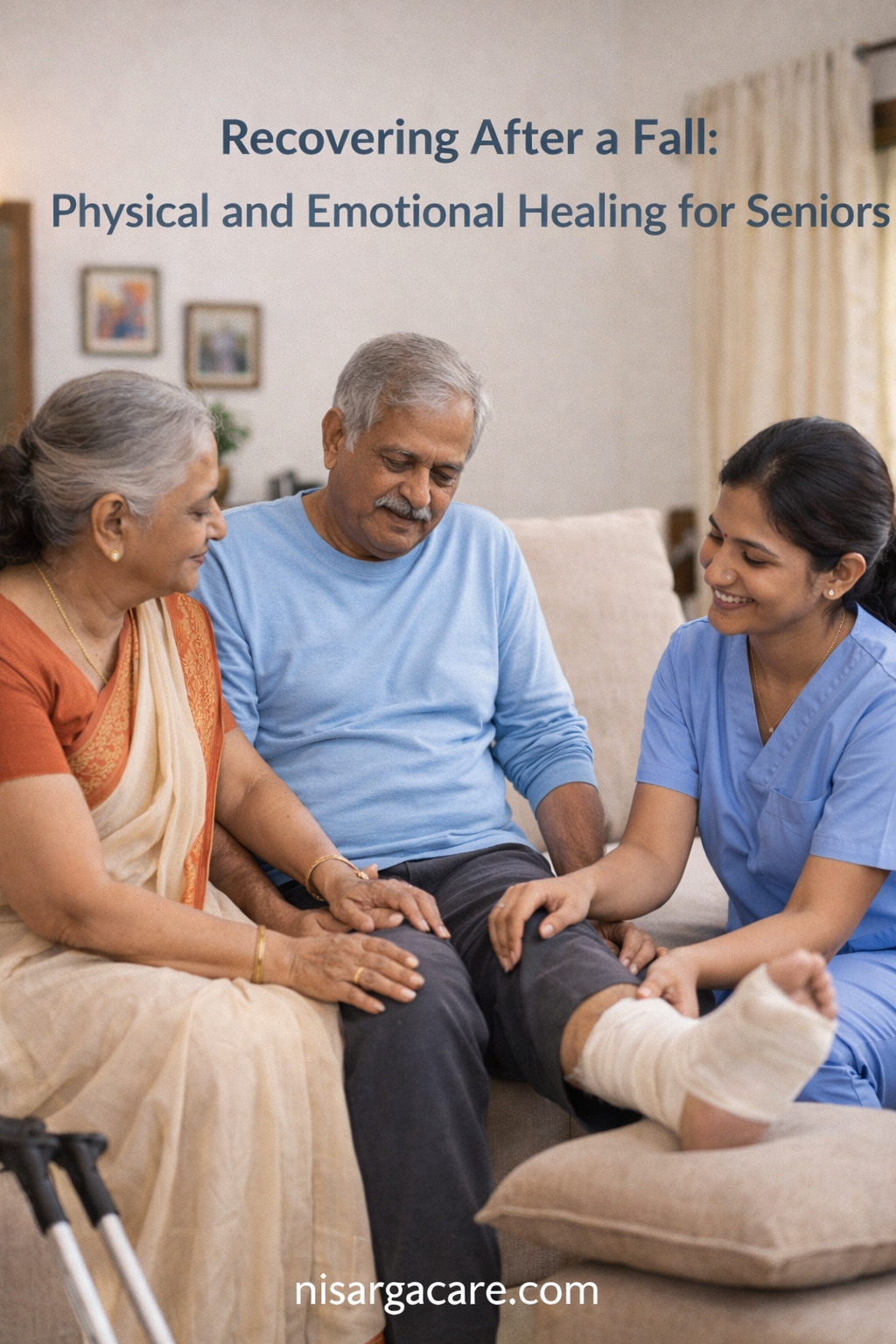
Recovering After a Fall: Physical and Emotional Healing for Seniors

Falls are one of the most common causes of injury among seniors, often leading to fractures, bruises, or a decline in mobility. Beyond physical injuries, falls can also affect confidence and emotional well-being. Recovery requires a holistic approach, addressing both physical rehabilitation and emotional support to ensure seniors regain independence and security.

Understanding the Impact of Falls

Even minor falls can lead to pain, reduced mobility, and fear of future accidents. Seniors may experience anxiety or depression, limiting their willingness to move or participate in daily activities. These emotional consequences can slow physical recovery, making comprehensive post-fall care essential for both body and mind.

Physical Rehabilitation

Physical therapy is crucial for restoring strength, balance, and mobility. Key interventions include:

  • Strengthening exercises for legs, core, and arms

  • Balance and coordination training to prevent future falls

  • Gait training to improve walking stability

  • Use of assistive devices such as walkers or canes if needed

Regular physiotherapy not only accelerates recovery but also builds confidence in movement, helping seniors feel secure performing daily activities.

Home Safety and Environmental Adaptations

A safe home environment reduces the risk of subsequent falls. Families should:

  • Remove loose rugs and clutter from walking paths

  • Install grab bars in bathrooms and handrails on stairs

  • Ensure adequate lighting in all rooms and hallways

  • Arrange furniture to allow easy mobility

These adaptations empower seniors to move safely and maintain independence.

Emotional Support and Confidence Building

After a fall, seniors often fear falling again, which can lead to decreased activity and social withdrawal. Emotional support from family, caregivers, and therapists helps rebuild confidence. Encouragement, reassurance, and celebrating small milestones in recovery can reduce anxiety and foster a positive mindset.

Nutrition and Overall Health

Proper nutrition aids bone healing and overall recovery. Diets rich in calcium, vitamin D, and protein support bone strength and muscle repair. Adequate hydration, balanced meals, and necessary supplements under medical guidance enhance energy levels and promote faster healing.

Family Involvement in Recovery

Family participation is key to comprehensive recovery. Helping with exercises, attending therapy sessions, and providing emotional encouragement improves motivation and adherence to rehabilitation routines. Seniors recover faster when they feel supported, safe, and valued.


Conclusion

Recovering after a fall involves more than just healing injuries—it requires rebuilding confidence, mobility, and emotional resilience. Through physiotherapy, home safety adaptations, proper nutrition, and consistent family support, seniors can regain independence and minimize the risk of future falls. A holistic approach ensures not only physical recovery but also emotional well-being, helping seniors live safely and confidently in their daily lives.

Bangalore rehabilitation centers | rehab assisted living facilities in Bangalore News Nisarga care Bangalore

Post-Hospitalization Care: Reducing Readmission Risks for Elders

Hospitalization can be physically and emotionally draining for seniors. Even after discharge, the recovery journey continues at home or in care facilities. Without proper post-hospitalization care, elders are at higher risk of complications, infections, or readmission. Families play a crucial role in supporting recovery, ensuring adherence to medical guidance, and promoting overall well-being.

Understanding the Risks

Seniors often face weakened immunity, chronic conditions, and reduced mobility after hospitalization. These factors make them more vulnerable to infections, medication errors, or accidental falls. Readmissions are common when recovery plans are unclear, follow-up appointments are missed, or the home environment is not adapted to the elder’s needs.

Medication Management

Proper medication management is vital. Elders often leave the hospital with multiple prescriptions. Families should:

  • Maintain a clear medication schedule

  • Use pill organizers or alarms to avoid missed doses

  • Monitor for side effects or adverse reactions

  • Consult healthcare providers promptly for any issues

Accurate adherence reduces complications and prevents unnecessary readmissions.

Follow-Up Appointments and Monitoring

Regular follow-ups with doctors, physiotherapists, or specialists help track recovery progress. Early detection of complications—such as infections, blood pressure changes, or mobility challenges—enables timely intervention. Monitoring vital signs, nutrition intake, and activity levels at home can further support recovery.

Rehabilitation and Physiotherapy

Post-hospitalization rehabilitation accelerates recovery and restores independence. Physiotherapy helps rebuild strength, improve balance, and prevent falls, especially after surgeries, strokes, or prolonged bed rest. Incorporating exercises and mobility routines as recommended by therapists significantly reduces complications and promotes confidence in daily activities.

Home Safety and Environment Adaptation

A safe environment is essential to prevent accidents. Families should:

  • Remove tripping hazards and install grab bars in bathrooms

  • Ensure proper lighting in hallways and rooms

  • Provide supportive furniture and mobility aids

These measures protect elders and minimize injury risks, supporting smoother recovery.

Nutrition and Hydration

A balanced diet rich in protein, vitamins, and minerals supports healing. Proper hydration aids digestion, circulation, and overall energy levels. Including light, easily digestible meals, along with dietary guidance from healthcare professionals, ensures elders regain strength faster.

Emotional Support and Family Involvement

Hospitalization can be stressful and isolating. Emotional support from family members, encouragement during therapy, and regular communication reduce anxiety and depression. Seniors who feel cared for are more motivated to adhere to recovery plans, follow medical advice, and regain independence.


Conclusion

Post-hospitalization care is a crucial step in reducing readmission risks for elders. By focusing on medication management, follow-up care, rehabilitation, home safety, nutrition, and emotional support, families can ensure seniors recover safely, confidently, and with dignity. Thoughtful, attentive care transforms the recovery journey into a path of healing, independence, and long-term health.

Bangalore rehabilitation centers | rehab assisted living facilities in Bangalore News Nisarga care Bangalore

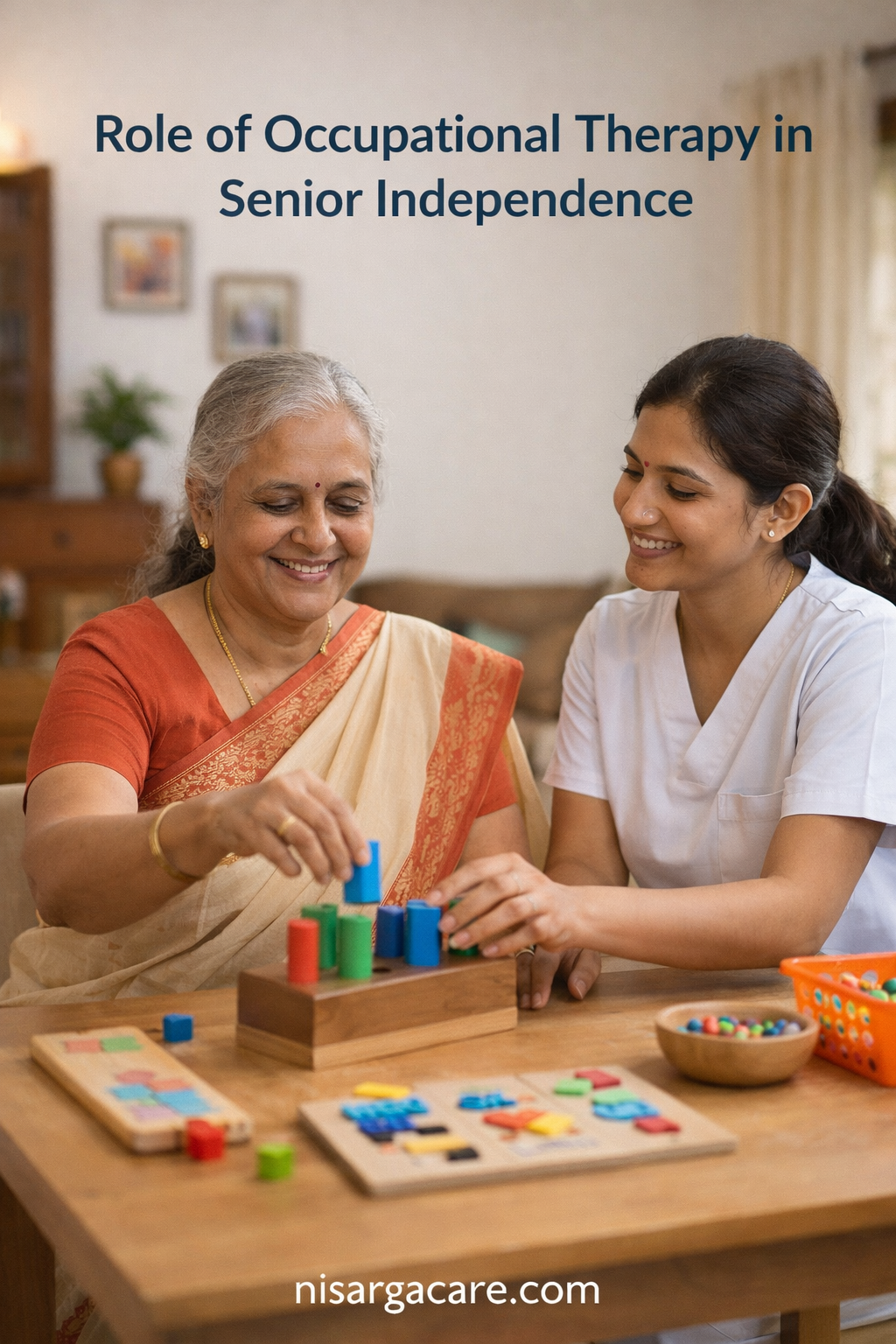
Role of Occupational Therapy in Senior Independence || Nisarga Care

Aging often brings physical limitations, reduced mobility, and difficulty performing everyday tasks. For many seniors, losing the ability to manage daily activities can affect not just physical health but also self-confidence and emotional well-being. Occupational therapy plays a vital role in restoring independence, enabling seniors to live safely, confidently, and with dignity.

Understanding Occupational Therapy for Seniors

Occupational therapy focuses on helping seniors perform daily living activities independently or with minimal assistance. These activities include dressing, bathing, eating, cooking, writing, moving around the home, and managing personal routines. Unlike general exercise therapy, occupational therapy is highly practical and tailored to real-life needs.

Therapists assess a senior’s physical abilities, cognitive function, coordination, and home environment to design personalized therapy plans that improve functionality and safety.

Rebuilding Daily Functional Skills

One of the core goals of occupational therapy is helping seniors regain skills required for everyday life. After long-term illness, surgery, stroke, or neurological conditions, simple tasks can become challenging. Occupational therapy uses structured exercises, adaptive techniques, and repetition to restore motor skills, hand strength, balance, and coordination.

By practicing daily activities in a guided way, seniors gradually rebuild confidence and reduce dependence on caregivers.

Enhancing Safety and Preventing Falls

Falls are a major concern among the elderly. Occupational therapists identify risks within the home and recommend modifications such as grab bars, non-slip mats, proper lighting, and assistive devices. Seniors are trained to move safely, use mobility aids correctly, and adopt energy-saving techniques, reducing the risk of injury.

Improved safety directly supports independence and gives families peace of mind.

Supporting Cognitive and Emotional Independence

Occupational therapy also supports seniors dealing with memory loss, reduced attention, or emotional challenges. Structured routines, memory exercises, and task sequencing help seniors stay mentally engaged and emotionally balanced. Regaining control over daily tasks significantly boosts self-esteem and reduces feelings of helplessness.

Encouraging Meaningful Engagement

Independence is not only about physical ability—it is also about purpose. Occupational therapy encourages seniors to engage in meaningful activities such as hobbies, social interaction, and light household tasks. Staying active and involved improves emotional health and overall quality of life.

Personalized and Respectful Care

Every senior’s journey is unique. Occupational therapy respects individual preferences, cultural habits, and comfort levels. Therapy goals are adjusted gradually, ensuring progress without pressure, while maintaining dignity at every step.


Conclusion

Occupational therapy is a powerful tool in helping seniors regain independence, confidence, and control over daily life. By focusing on practical skills, safety, emotional well-being, and personalized care, occupational therapy enables seniors to live more fulfilling and self-reliant lives. For families seeking long-term independence and dignity for their loved ones, occupational therapy plays an essential role in healthy aging and rehabilitation.

Bangalore rehabilitation centers | rehab assisted living facilities in Bangalore Nisarga care Bangalore

Benefits of Assisted Living vs. Home Care || Nisarga Care

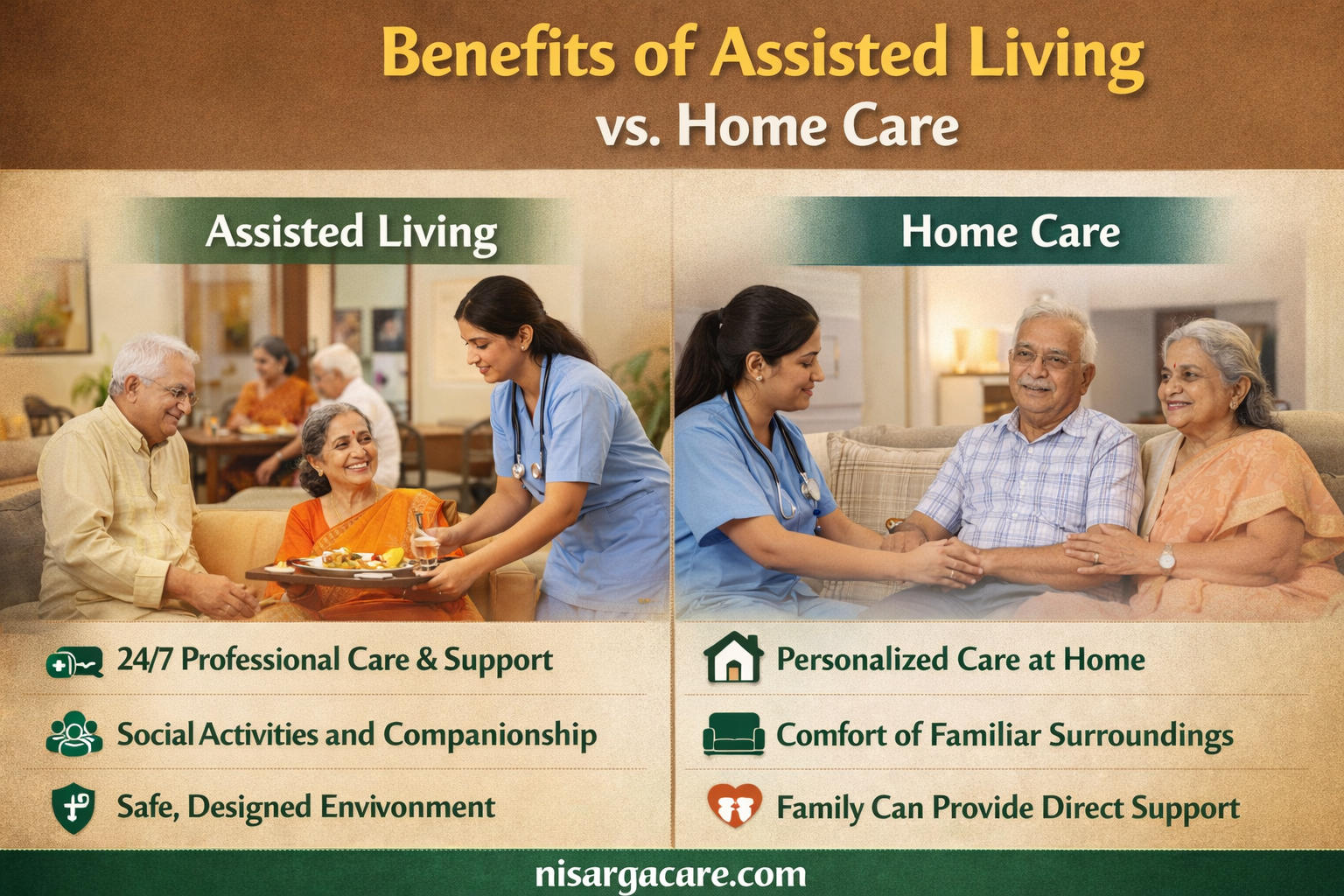
As parents and elders age, families often face a critical decision—whether to opt for assisted living or continue care at home. Both options offer unique advantages, and the right choice depends on health needs, lifestyle preferences, and family involvement. Understanding the benefits of each can help families make a thoughtful, stress-free decision.

Benefits of Assisted Living

Assisted living facilities are designed to support seniors who need help with daily activities while maintaining independence. One major benefit is round-the-clock supervision. Trained caregivers are always available, ensuring immediate assistance during medical or mobility emergencies.

Assisted living also provides structured daily routines, including meals, medication management, and personal care. This consistency helps seniors feel secure and reduces the burden on family members. Many facilities offer on-site physiotherapy, rehabilitation, and wellness programs, which support mobility and faster recovery.

Another important advantage is social engagement. Seniors in assisted living interact with peers through group activities, celebrations, and hobbies, reducing loneliness and depression. Safety features such as handrails, emergency call systems, and wheelchair-friendly spaces further enhance peace of mind for families.

Benefits of Home Care

Home care allows seniors to remain in a familiar environment, which can be emotionally comforting, especially for those with memory-related conditions. Being at home preserves routines, personal space, and a sense of independence that many elders deeply value.

Home care is also highly flexible. Families can customize services—ranging from a few hours of assistance to full-day medical support—based on evolving needs. It enables closer family involvement and stronger emotional bonding, which is especially important in Indian households.

Additionally, home care can be cost-effective for seniors who need limited assistance rather than constant supervision. Professional caregivers, physiotherapists, and nurses can be scheduled as required, without relocating the elder.

Choosing the Right Option

There is no one-size-fits-all solution. Assisted living suits seniors who require regular supervision, medical support, and social interaction. Home care is ideal for elders who are relatively independent but need occasional assistance and emotional familiarity.


Conclusion

Both assisted living and home care offer valuable benefits when chosen thoughtfully. The best decision prioritizes the elder’s safety, comfort, emotional wellbeing, and medical needs. By evaluating these factors carefully, families can ensure their loved ones receive respectful, dignified, and compassionate care.

Posts pagination

WeCreativez WhatsApp Support
Our customer support team is here to answer your questions. Ask us anything!
👋 Hi, how can I help?