Aging brings numerous changes, from physical limitations to cognitive challenges, which can affect seniors’ emotional and mental well-being. Maintaining a consistent routine and structured environment is crucial for promoting stability, reducing anxiety, and enhancing overall quality of life. Rehabilitation and elder care homes play a pivotal role in implementing these routines effectively, ensuring seniors feel secure, engaged, and supported.
Why Routine Matters for Seniors
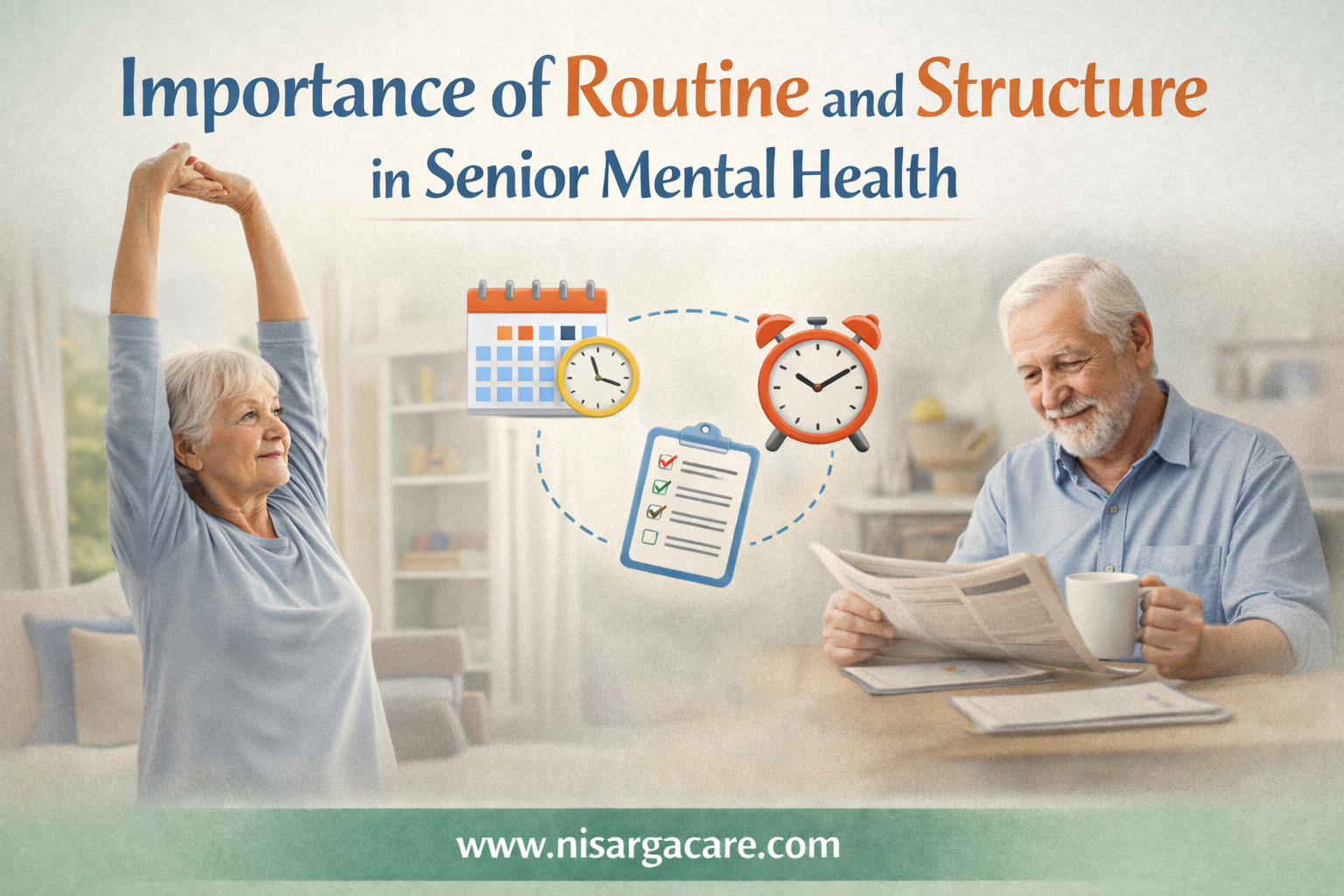
Predictable routines give seniors a sense of control and purpose. Knowing what to expect each day reduces stress and uncertainty, which can otherwise lead to anxiety, confusion, or irritability. Activities like regular meal times, therapy sessions, exercise, and recreational events create mental anchors, helping seniors navigate daily life confidently.
For seniors with memory issues or cognitive decline, routine provides essential cues that support independence and orientation, minimizing frustration and reliance on constant supervision.
Role of Rehabilitation and Elder Care Homes
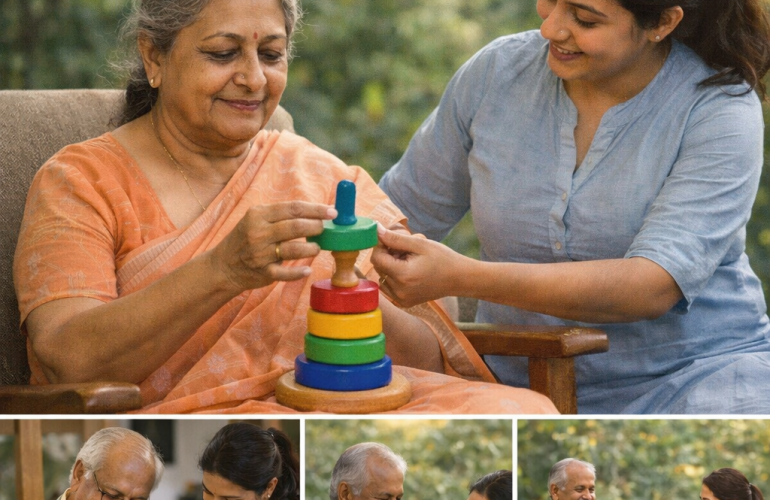
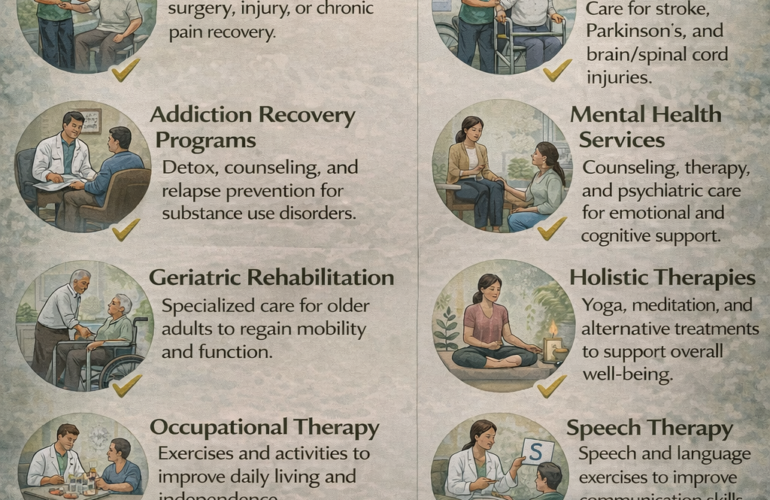
Care homes and rehabilitation facilities are uniquely equipped to implement structured routines that balance physical, emotional, and social needs. Caregivers design daily schedules incorporating:
-
Physiotherapy and exercise sessions to maintain mobility and strength
-
Medication and health monitoring at consistent times
-
Recreational activities and hobbies to promote engagement
-
Meal planning and hydration reminders for optimal nutrition
These structured schedules not only support physical recovery but also improve cognitive function and emotional stability.
Enhancing Mental Health Through Predictable Activities
Routine activities encourage social interaction, which combats loneliness and depression. Group exercises, craft sessions, or communal meals offer opportunities for connection and engagement, fostering a sense of belonging. Seniors feel motivated to participate and achieve small goals, boosting self-esteem and emotional resilience.
Consistency also aids caregivers and family members in monitoring changes in mood, behavior, or health, enabling timely interventions and personalized care adjustments.
Family Involvement in Structured Care
Even in an elder care home, family participation strengthens the benefits of routine. Families can help seniors adhere to schedules, celebrate milestones, and encourage engagement in activities. Regular visits, involvement in therapy sessions, and emotional encouragement enhance the positive impact of structure on mental health.
Creating a Safe and Supportive Environment
Beyond scheduled activities, the care environment itself should be predictable and supportive. Clear signage, accessible spaces, and personalized rooms help seniors navigate independently, reducing anxiety and improving confidence. A safe, well-organized environment complements structured routines, reinforcing emotional stability.
Conclusion
Routine and structure are essential for maintaining senior mental health, emotional well-being, and independence. Rehabilitation and elder care homes provide a balanced combination of daily schedules, social interaction, and professional support, helping seniors navigate aging with confidence and dignity. At Nisarga Care, we prioritize structured, compassionate care that promotes mental stability, physical recovery, and a fulfilling life for every senior. Families can rely on Nisarga Care to create an environment where loved ones thrive both physically and emotionally.