Bangalore rehabilitation centers | rehab assisted living facilities in Bangalore Nisarga care Bangalore

Nutrition and Meal Planning for Seniors: What Every Indian Family Should Know

Aging changes the body in many ways — reduced metabolism, slower digestion, weaker immunity, and lowered appetite. This is why thoughtful and balanced nutrition plays a crucial role in keeping seniors physically strong, mentally active, and emotionally stable. For Indian families caring for elders at home or in a senior care centre, understanding the principles of healthy eating can make a significant difference in long-term health outcomes.

In this guide, we explore essential nutrition needs, ideal foods, common deficiencies, and practical meal-planning tips tailored specifically for aging individuals. Whether you are a caregiver, a family member, or part of a care team, this is everything you should know about nourishing seniors with care and intention.


Why Senior Nutrition Matters

Proper nutrition is not just about avoiding hunger — it is about maintaining vitality, preventing disease, and enhancing quality of life. As the body ages, it needs more targeted nourishment to:

  • Strengthen immunity

  • Improve muscle and bone health

  • Maintain stable energy levels

  • Support faster recovery from illness

  • Prevent cognitive decline

  • Promote emotional well-being

Indian elders are especially vulnerable to nutritional challenges because of digestive issues, loss of appetite, lack of protein intake, and long-standing dietary habits that may not meet current health needs. With careful planning, many of these issues can be corrected early.


Essential Nutrients for Elderly Health

1. Protein – The Foundation of Strength

Protein is vital for maintaining muscle mass and avoiding weakness or frailty. Seniors often consume far less protein than they require.

Best Indian protein sources include:

  • Dal, rajma, chole

  • Paneer, curd, buttermilk

  • Eggs

  • Fish & chicken (for non-vegetarians)

  • Sprouts, soy, tofu

Aim for at least 1–1.2 grams of protein per kg of body weight daily.


2. Fiber – For Smooth Digestion

Constipation is one of the most common issues among elders. Fiber keeps digestion smooth and prevents bloating.

Foods rich in fiber:

  • Whole grains (millets, brown rice, atta rotis)

  • Fruits like papaya, banana, apples

  • Vegetables like lauki, carrots, beans

  • Flax seeds and chia seeds


3. Calcium & Vitamin D – For Strong Bones

Osteoporosis and bone weakness affect mobility and independence.

Sources include:

  • Milk and dairy

  • Ragi

  • Almonds

  • Sunlight exposure

  • Vitamin D supplements (if prescribed)


4. Healthy Fats – For Brain and Heart Health

Good fats support memory, focus, and stable energy levels.

Include:

  • Ghee in moderation

  • Groundnut oil, mustard oil, olive oil

  • Nuts and seeds

  • Avocado (optional)


5. Vitamins & Minerals

Key vitamins for seniors:

  • Vitamin B12: Found in dairy, eggs; often requires supplements

  • Iron: Spinach, beetroot, dates, jaggery

  • Potassium & Magnesium: Banana, dal, coconut water

A balanced diet ensures fewer deficiencies and better overall wellness.


Indian Foods That Support Senior Health

Indian cuisine can be extremely senior-friendly when prepared correctly. Here are nutritious options suited for elders:

  • Soft khichdi with vegetables

  • Moong dal soup

  • Dalia or upma

  • Steamed idlis

  • Fresh fruit bowls

  • Vegetable stew

  • Curd rice

  • Oats with milk and nuts

  • Ragi porridge

  • Homemade paneer bhurji

  • Sabudana khichdi (light and easily digestible)

Avoid overly spicy, oily, or deep-fried foods, which can cause digestion issues.


Common Nutritional Deficiencies in Indian Seniors

Families often overlook silent deficiencies, which later lead to severe health complications.

The most common deficiencies include:

  • Vitamin B12

  • Vitamin D

  • Iron

  • Protein

  • Calcium

  • Omega-3 fatty acids

Regular checkups and a structured diet can prevent most of these issues.


Practical Meal Planning Tips for Families

1. Prefer smaller, frequent meals

Seniors often struggle with large portions. Offering 5–6 small meals improves digestion and steady energy.

2. Ensure hydration

Encourage:

  • Warm water

  • Herbal teas

  • Coconut water

  • Soups

Dehydration is extremely common in elders.

3. Customize meals based on medical conditions

For example:

  • Diabetes → low sugar, low GI foods

  • Blood pressure → low salt meals

  • Kidney issues → controlled protein

A personalized meal plan is crucial.

4. Reduce salt, sugar, and white flour

These increase inflammation and weaken immunity.

5. Include easy-to-chew options

As chewing becomes harder, soft, flexible textures help ensure sufficient intake.

6. Avoid reheated or stale food

Fresh meals reduce acidity and bacterial risk.


Role of Caregivers in Senior Nutrition

Caregivers and family members play a major role in maintaining consistent, balanced diets. Responsibilities include:

  • Monitoring appetite

  • Tracking nutrition and hydration

  • Identifying changes in preferences

  • Encouraging healthy snacking

  • Ensuring meals match medical needs

  • Preparing food safely and hygienically

Strong nutritional support can make aging significantly smoother and healthier.


When Professional Help Makes a Difference

When families struggle with meal planning, specialized elder-care centres offer structured nutrition programs developed by dietitians and medical teams. These ensure that seniors receive:

  • Balanced meals

  • Condition-specific diet plans

  • Regular monitoring

  • Safe food preparation

  • Hydration tracking

This is especially beneficial for seniors with dementia, stroke recovery needs, chronic illnesses, or mobility limitations.


Nisarga Care: Your Partner in Healthy Senior Living

At the end of the day, personalized nutrition is one of the strongest foundations of elder well-being. At Nisarga Care, seniors receive professionally designed meal plans, compassionate support, medical supervision, and customized diets that match their health conditions and personal preferences. This ensures that every elder can eat well, stay strong, and live with dignity.

If you want the best nutritional and holistic care for your aging loved ones, Nisarga Care is here to support you every step of the way.

Bangalore rehabilitation centers | rehab assisted living facilities in Bangalore Nisarga care Bangalore

Physiotherapy for Elders: Restoring Mobility, Confidence, and Daily Independence

As parents grow older, maintaining physical strength, flexibility, and balance becomes essential for living a safe and dignified life. However, aging naturally brings mobility restrictions, chronic pain, stiffness, and a decline in functional independence. This is why physiotherapy for elders has become one of the most effective and trusted ways to restore movement, reduce pain, and help seniors regain control over their daily lives.

In India, where families deeply value the well-being of aging parents, physiotherapy plays a transformative role in empowering seniors to remain active, confident, and self-reliant. Whether recovering from illness, surgery, injury, or simply dealing with age-related issues, physiotherapy offers structured support that significantly enhances quality of life.


Why Mobility Declines With Age

Aging affects the body in several ways:

  • Muscles weaken

  • Bones lose density

  • Joints become stiff

  • Balance reduces

  • Reflexes slow down

  • Chronic diseases affect movement

These changes can make daily tasks—walking, climbing stairs, bathing, or standing for long—more challenging. Without timely support, seniors may experience falls, fractures, dependency, or emotional withdrawal.

That is why elder physiotherapy is not just a treatment—it’s a long-term wellness strategy.


How Physiotherapy Enhances Senior Independence

1. Improves Balance and Prevents Falls

Falls are one of the leading causes of hospitalization among older adults in India.
Physiotherapists use:

  • Balance training

  • Coordination exercises

  • Strength-building techniques

These help seniors move with stability and confidence, dramatically lowering fall risk.


2. Strengthens Muscles and Joints

Age weakens muscle mass and joint function. Physiotherapy rebuilds strength through:

  • Low-impact exercises

  • Resistance training

  • Joint mobility routines

This support makes everyday tasks easier and reduces discomfort.


3. Manages Chronic Pain Effectively

Many elders face pain from arthritis, osteoporosis, nerve damage, or past injuries. Physiotherapy helps by:

  • Reducing inflammation

  • Increasing flexibility

  • Strengthening weak muscles

  • Improving posture

This natural, medication-free approach is ideal for long-term senior care.


4. Supports Post-Surgery and Post-Illness Recovery

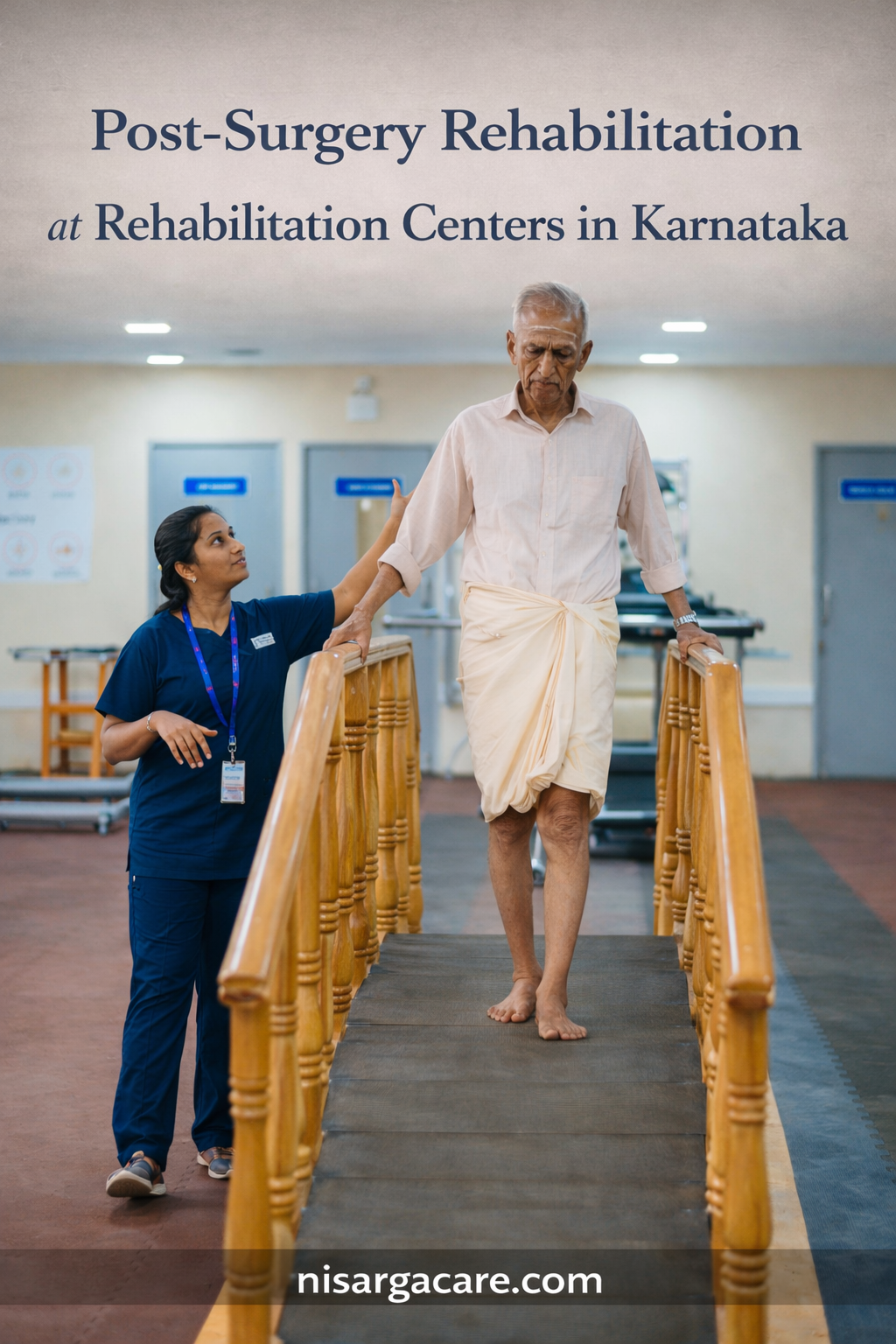
After surgeries like knee replacement, hip replacement, or fracture repair, physiotherapy is essential for:

  • Restoring range of motion

  • Rebuilding strength

  • Correcting posture

  • Regaining independence

It also plays a key role after strokes, neurological issues, and prolonged bed rest.


5. Enhances Cardiovascular and Respiratory Health

Physiotherapy routines improve breathing, stamina, and heart function, especially beneficial for seniors dealing with:

  • COPD

  • Asthma

  • Cardiac conditions

  • Weak endurance

This helps elders stay active and energetic.


6. Boosts Confidence and Emotional Well-Being

Mobility issues can lead to frustration, anxiety, and dependency. Physiotherapy:

  • Encourages movement

  • Increases self-belief

  • Improves mood

  • Provides motivation and structure

A mobile senior is a more confident and socially active senior.


Types of Physiotherapy Beneficial for Elders

1. Geriatric Physiotherapy

Focuses on age-related conditions such as arthritis, joint pain, and balance disorders.


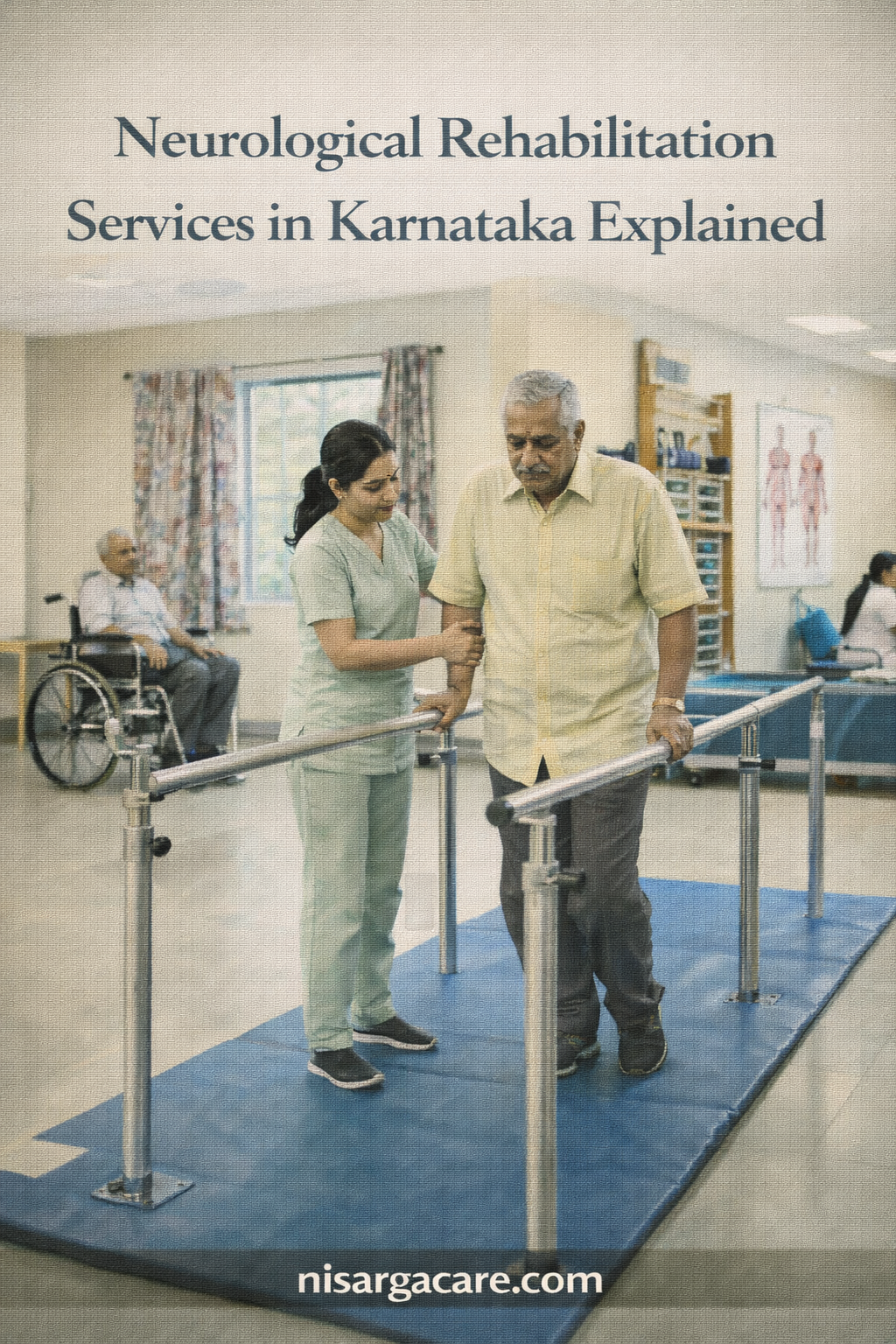
2. Neurological Physiotherapy

Essential for stroke patients and seniors with Parkinson’s, multiple sclerosis, or neuropathy.


3. Orthopedic Physiotherapy

Helps seniors recover from fractures, surgeries, or chronic bone and joint issues.


4. Cardiorespiratory Physiotherapy

Improves breathing, lung capacity, and endurance, especially for elders with respiratory or cardiac disorders.


5. Pain Management Physiotherapy

Uses massage, stretching, heat therapy, and mobilization to reduce chronic pain naturally.


Signs That Your Aging Parent May Need Physiotherapy

Look for these indicators:

  • Difficulty walking or climbing stairs

  • Frequent imbalance or near-falls

  • Chronic knee, back, or shoulder pain

  • Stiff joints, especially morning stiffness

  • Slow movement or fatigue

  • Difficulty standing up from a chair or bed

  • Post-surgery weakness

  • Trouble performing daily activities

  • Visible fear of movement

These symptoms suggest the elder needs structured support to avoid further deterioration.


Physiotherapy and Daily Independence: A Powerful Connection

With the right exercises and professional guidance, seniors can:
✔ Walk more confidently
✔ Reduce or eliminate pain
✔ Perform daily tasks easily
✔ Regain lost mobility
✔ Improve posture and breathing
✔ Strengthen muscles and bones
✔ Reduce dependency on family members
✔ Enjoy a more active and fulfilling lifestyle

Physiotherapy empowers elders to continue living life on their own terms.


Benefits for Indian Families

For families, physiotherapy provides:

  • Reduced caregiving stress

  • Assurance that parents are improving

  • Improved safety and fewer falls

  • Peace of mind knowing elders are under professional care

It helps families maintain balance while ensuring high-quality elder care.


Why Early Physiotherapy Intervention Matters

Starting physiotherapy early helps prevent long-term complications and age-related decline.
It is far easier to preserve mobility than restore it after it has deteriorated.

Early intervention leads to:

  • Faster progress

  • Better posture and alignment

  • Stronger muscles

  • Improved pain management

  • Greater independence


Nisarga Care: Specialized Physiotherapy for Seniors in Karnataka

At Nisarga Care, we understand how important mobility is for a senior’s dignity and happiness. Our dedicated physiotherapy programs for elders include:

  • Personalized exercise plans

  • Daily mobility routines

  • Post-surgery rehabilitation

  • Stroke recovery physiotherapy

  • Balance and fall-prevention training

  • Pain management techniques

  • Strength and endurance building

  • Continuous medical monitoring

With experienced physiotherapists, safe environments, and compassionate elder care, Nisarga Care helps seniors regain strength, confidence, and independence—one step at a time.

If you’re looking for professional, reliable, and heartfelt physiotherapy support for your aging parent, Nisarga Care is here to guide them toward healthier, more confident living.

Bangalore rehabilitation centers | rehab assisted living facilities in Bangalore Nisarga care Bangalore

The Importance of Personalized Care Plans for Seniors in India | housing for elderly in bangalore karnataka |

Aging is a deeply personal journey. No two seniors have the same health conditions, emotional needs, or daily challenges. This is why personalized care plans have become a cornerstone of elder care in India, helping families support their aging parents with greater confidence, clarity, and peace of mind.

With India’s senior population growing rapidly, families are increasingly seeking structured support systems that prioritize individualized elder care, daily assistance, and long-term wellness planning. Personalized care plans fill this essential gap by ensuring that every senior receives attention tailored to their unique health, emotional, and lifestyle needs.


Why Personalized Care Plans Matter for Indian Seniors

1. Every Elder Has Unique Health Needs

Elders may face chronic conditions such as diabetes, hypertension, arthritis, respiratory problems, heart issues, or neurological disorders. A generalized approach doesn’t work.

A personalized care plan focuses on:

  • Medical history

  • Medication management

  • Physiotherapy requirements

  • Nutrition needs

  • Risk assessment (falls, memory loss, mobility issues)

This structured understanding ensures safer and more proactive care, especially for seniors with complex conditions.


2. Emotional and Social Well-Being Requires Individual Attention

Loneliness, anxiety, and emotional distress are significant concerns among elders. Personalized care considers:

  • Their social preferences

  • Favorite daily activities

  • Level of independence

  • Emotional triggers and comfort strategies

By addressing these factors, care providers create an environment where seniors feel heard, supported, and emotionally balanced.


3. Safety Measures Must Match the Senior’s Condition

Safety is a crucial part of elder care services in India, particularly for seniors with mobility limitations, memory loss, or chronic illness.

A personalized plan evaluates:

  • Home safety modifications

  • Supervision needs

  • Emergency response requirements

  • Night-time monitoring or fall-risk precautions

This ensures the elder receives the exact level of protection they require.


Key Components of an Effective Personalized Care Plan

1. Comprehensive Health Assessment

This includes:

  • Medical evaluation

  • Mobility assessment

  • Cognitive screening

  • Nutrition evaluation

  • Sleep and stress analysis

The outcome is a clear picture of the elder’s overall well-being.


2. Daily Routine Mapping

A senior’s comfort comes from predictability.
Personalized plans structure:

  • Wake-up and sleep routines

  • Medication schedules

  • Exercise or physiotherapy sessions

  • Personal hygiene support

  • Meal timings

  • Relaxation periods

This creates a balanced and stress-free daily rhythm.


3. Tailored Diet and Nutrition Plans

Nutrition is central to healthy aging.
Personalized meal planning includes:

  • Indian diet preferences

  • Seasonal foods

  • Medical restrictions

  • Hydration goals

  • Immunity-boosting ingredients

This helps elders maintain strength, digestion, and energy through balanced nutrition.


4. Family Involvement and Transparency

In India, family bonds are strong. Personalized care plans ensure:

  • Families stay updated

  • Progress is shared regularly

  • Care strategies are discussed openly

  • Decisions are aligned with family values

This collaborative model builds trust, understanding, and better care outcomes.


5. Continuous Monitoring and Modifications

A crucial feature is ongoing evaluation.
When a senior’s condition improves or declines, the care plan evolves with them.

Adjustments may include:

  • Increased medical supervision

  • Modified therapy schedules

  • Mental stimulation activities

  • Revised diet plans

  • Enhanced safety measures

This keeps the elder’s care responsive and effective.


Benefits of Personalized Care Plans for Indian Families

✔ Better Health Outcomes

Targeted care leads to:

  • Fewer hospital visits

  • Improved mobility

  • Better nutrition

  • Effective medication adherence

✔ Reduced Family Stress

Families gain clarity on what the elder needs and how support is being managed.

✔ Enhanced Independence

Seniors feel empowered when routines match their abilities and preferences.

✔ Stronger Emotional Stability

Personalized care encourages:

  • Companionship

  • Cognitive stimulation

  • Emotional comfort

  • Social engagement

✔ Respect for Culture and Lifestyle

Care plans adapt to:

  • Indian traditions

  • Religious practices

  • Food preferences

  • Family values

This helps seniors feel more at home.


Why Personalized Care Is the Future of Elder Care in India

As India’s senior population grows, the need for structured, compassionate, and individualized support is rising. Personalized care plans not only meet this demand but also offer a holistic approach that blends medical, emotional, and lifestyle care into one coordinated system.

Families no longer need to feel overwhelmed. Personalized care ensures that elders receive attention that is precise, respectful, and deeply aligned with their identity.


Nisarga Care: Bringing Personalized Senior Care to Life

At Nisarga Care, every senior receives a thoughtfully designed, tailor-made care plan that focuses on safety, dignity, comfort, medical support, and emotional wellness. Our programs are built after detailed assessments, family consultations, and continuous monitoring—ensuring that every elder gets the compassionate, customized care they truly deserve.

If you’re seeking personalized, reliable, and holistic elder care in Karnataka, Nisarga Care is here to support your family with trust and excellence.

Bangalore rehabilitation centers | rehab assisted living facilities in Bangalore Nisarga care Bangalore

Blending Traditional Indian Healing Practices with Modern Elder Care

Introduction

In India, elder care has always been rooted in respect, connection, and a holistic understanding of wellbeing. Today, as families seek reliable support systems for their aging parents, the integration of traditional Indian healing practices with modern elder care has become a powerful approach to nurturing the physical, emotional, and spiritual health of seniors. This blended model allows elders to benefit from both scientific medical care and the calming, time-tested methods that have shaped Indian wellness for generations.


1. Why Traditional Healing Still Matters for Seniors

Across India, seniors have grown up practicing or experiencing traditional wellness methods. These techniques remain highly relevant because they:

  • Reduce stress and promote emotional balance

  • Support joint health and mobility

  • Enhance digestion and immunity naturally

  • Complement modern treatments for chronic conditions

  • Strengthen the mind-body connection

  • Provide cultural familiarity and comfort during aging

Many elders feel more at home when their care includes elements they have trusted throughout their lives. This emotional grounding is extremely important for seniors facing age-related illnesses or cognitive challenges.


2. Ayurveda: A Holistic Foundation for Senior Wellness

Ayurveda has served as India’s wellness backbone for thousands of years. When integrated thoughtfully with modern elder care, Ayurveda promotes:

• Personalized Diet Plans (Aahar)

Ayurvedic diets emphasize balance, digestion, and controlled nourishment. Combining this with modern senior nutrition plans ensures:

  • Better digestive comfort

  • Increased energy levels

  • Improved recovery after illness

  • Reduced inflammation

• Herbal Support (Aushadhi)

Safe herbal supplements—such as ashwagandha, brahmi, turmeric, and triphala—can support:

  • Memory function

  • Joint mobility

  • Sleep quality

  • Immunity

• Gentle Therapies (Chikitsa)

External therapies like abhyanga (warm oil massage) help seniors by:

  • Easing muscle stiffness

  • Reducing anxiety

  • Improving blood circulation

  • Enhancing sleep

These therapies are especially beneficial when merged with modern physiotherapy, offering seniors a comprehensive healing experience.


3. Yoga & Pranayama: Strength, Stability, and Calmness

Yoga is one of India’s greatest contributions to the world, and for seniors, it remains a safe, restorative practice.

Benefits for Elders Include:

  • Improved mobility and balance

  • Better posture and joint flexibility

  • Stronger respiratory function

  • Reduced stress and irritability

  • Enhanced cognitive clarity

Gentle yoga routines—chair yoga, breathing exercises, and guided meditation—are now widely used in elder care centres to complement medical rehabilitation programs.

Pranayama, in particular, helps elders suffering from:

  • COPD

  • Sleep disturbances

  • Anxiety

  • Post-stroke recovery issues


4. Naturopathy: Natural Healing in Harmony with Modern Medicine

Naturopathy emphasizes healing through natural elements such as air, water, diet, and sunlight. It easily integrates into a senior’s daily routine and supports:

  • Chronic pain relief

  • Detoxification

  • Restful sleep

  • Enhanced metabolism

Simple additions like sun exposure therapy, warm water hydrotherapy, mud packs, and natural diet modifications work beautifully alongside professional nursing care, offering a well-rounded system of healing.


5. Indian Spiritual Practices: Emotional Peace for Elders

Many seniors find comfort and emotional grounding in spiritual routines. Integrating these practices into elder care environments helps them feel:

  • Connected

  • Safe

  • Emotionally stable

  • Spiritually fulfilled

This includes:

  • Light devotional music

  • Prayer spaces

  • Chanting sessions

  • Guided mindfulness or meditation

Such familiar experiences often reduce agitation in elders dealing with dementia, Alzheimer’s, or chronic loneliness.


6. Modern Elder Care: The Perfect Complement

While traditional methods offer emotional and preventive support, modern elder care brings structure, safety, and clinical expertise. Key components include:

  • 24/7 nursing supervision

  • Medication management

  • Physiotherapy

  • Emergency response systems

  • Dietitian-led meal planning

  • Monitoring of chronic illnesses

  • Cognitive care for memory-related disorders

When the science of modern healthcare merges with the wisdom of traditional practices, it creates a well-rounded ecosystem that supports seniors at every level.


7. Creating the Perfect Blend: How Elder Care Centres in India Do It

Leading elder care centres in Karnataka and across India are now combining both worlds to offer elders the best possible care. Their approach includes:

  • Ayurvedic diets tailored by nutrition experts

  • Daily yoga and breathwork sessions

  • Traditional massages integrated with physiotherapy

  • Herbal teas and remedies used securely under medical guidance

  • Peaceful environments inspired by Indian culture

  • Evidence-based modern treatment protocols

This blended care model ensures seniors receive medical accuracy, emotional peace, and holistic healing—all in one trusted space.


Conclusion: Tradition and Modernity—A Powerful Path to Senior Wellness

India’s elders deserve care that not only treats their physical ailments but also honors their cultural roots, emotional needs, and lifelong habits. By blending traditional Indian healing practices with modern elder care standards, families can ensure their loved ones experience comfort, healing, and dignity throughout their aging journey.

If you’re looking for such a compassionate, culturally rooted care environment, Nisarga Care in Karnataka stands as one of the leading centres offering holistic, personalized elder care. Their approach beautifully integrates traditional wellness principles with modern medical expertise—ensuring your loved ones receive the care they truly deserve.

Bangalore rehabilitation centers | rehab assisted living facilities in Bangalore Nisarga care Bangalore

Supporting Mentally Disabled Adults: Empowerment Through Compassionate Care

Caring for mentally disabled adults requires much more than supervision—it requires compassion, patience, structured support, and an environment that encourages emotional stability and independence. In India, families often shoulder this responsibility with love, but the complexities of mental disabilities can make full-time care incredibly challenging at home. This is why specialized care environments are becoming increasingly important.

Whether the disability is due to intellectual impairment, developmental delay, autism spectrum conditions, schizophrenia, or genetic disorders, adults require consistent emotional support, medical monitoring, and daily living assistance. Compassionate care ensures that they not only stay safe but also learn, grow, and feel valued.

This guide shares how structured support systems empower mentally disabled adults, promote dignity, and help them engage more meaningfully with the world around them.


Understanding Mental Disability in Adults

Mental disability can vary widely—from mild intellectual differences to severe cognitive impairment. It may affect:

  • Ability to communicate

  • Emotional expression

  • Social interaction

  • Learning and memory

  • Daily living skills

  • Behavioural stability

  • Decision-making

In India, growing awareness around mental health, neurodevelopmental conditions, and psychosocial disabilities has pushed families to explore holistic care options rather than relying solely on home-based support.

Highlighted Keywords: mental disability care India, adult cognitive support, developmental disability services


Why Compassionate Support Matters

Adults with mental disabilities thrive when they are surrounded by consistent attention, positive reinforcement, and structured care. Compassion is not just a soft trait—it directly affects behavioural stability, emotional well-being, and long-term development.

Caregivers trained in mental disability support use:

  • Calm communication

  • Predictable routines

  • Step-by-step guidance

  • Behavioural management techniques

  • Structured activities

This kind of support significantly reduces anxiety and helps individuals remain grounded.

Keywords: compassionate caregiving, behavioural support, special needs adult care


1. Safe and Structured Living Environments

Mentally disabled adults need environments tailored to their cognitive and behavioural needs. Specialized care facilities offer:

  • Secure entrances and monitored movement

  • Non-slip flooring

  • Clearly defined spaces

  • Minimal clutter

  • Quiet sensory zones

  • Tracked routines

These designs help reduce confusion and create a predictable, safe setting.

Keywords: safe care centres India, special needs residential homes, adult disability support Karnataka


2. Daily Living Support and Independence Training

Adults with mental disabilities often require assistance with:

  • Bathing

  • Dressing

  • Eating

  • Medication

  • Personal hygiene

  • Mobility

  • Toileting

But beyond care, the goal is skill-building. Trained caregivers encourage small steps toward independence, like:

  • Folding clothes

  • Simple chores

  • Personal grooming

  • Participating in meals

  • Following routines

These everyday skills improve confidence and self-esteem.

Keywords: independent living for disabled adults, ADL training, life skills development


3. Behavioural Therapy and Emotional Support

Behavioural challenges like aggression, withdrawal, repetitive actions, or emotional outbursts are common. Professional support includes:

  • Behavioural modification therapy

  • Positive reinforcement techniques

  • Sensory calming strategies

  • Anger management exercises

  • One-on-one emotional counselling

Emotional stability is central to improving overall quality of life.

Keywords: behavioural therapy India, emotional regulation support, mental wellness for disabled adults


4. Medical Care and Monitoring

Mental disabilities often coexist with:

  • Epilepsy

  • Sleep disorders

  • Hormonal imbalances

  • Mobility challenges

  • Nutritional deficiencies

A good care environment includes:

  • Regular doctor visits

  • 24×7 nursing

  • Medication management

  • Seizure monitoring

  • Physiotherapy (if required)

This ensures that both mental and physical health are supported.

Keywords: medical care for disabled adults, clinical monitoring, long-term disability care


5. Social Interaction and Community Inclusion

Socializing helps adults with mental disabilities:

  • Improve communication

  • Reduce isolation

  • Develop friendships

  • Gain emotional strength

  • Learn to cooperate

Group activities such as:

  • Music therapy

  • Group games

  • Art sessions

  • Festival celebrations

  • Outdoor walks

provide meaningful engagement and enhance emotional well-being.

Keywords: special needs socialization, community inclusion India, group therapy for adults


6. Skill Development and Purposeful Activities

Purpose gives dignity. Many care homes in India now offer:

  • Vocational training

  • Handicraft sessions

  • Gardening

  • Basic computer learning

  • Simple workstation tasks

These activities help adults feel productive and recognized.

Keywords: vocational training disabled adults, skill development India, purposeful engagement


7. Family Involvement and Emotional Connection

Family involvement is essential—even when the adult lives in a care home. Facilities should encourage:

  • Regular visits

  • Shared sessions

  • Progress updates

  • Collaborative care planning

This strengthens family bonds and reassures the adult that their loved ones are still closely involved.

Keywords: family support disability care, care coordination, holistic special needs care


8. Importance of Consistency and Routine

Routine provides stability for mentally disabled adults. It reduces stress, prevents behavioural issues, and supports emotional balance. A well-managed centre ensures:

  • Fixed waking and sleeping times

  • Predictable meal hours

  • Regular therapy

  • Structured activities

  • Calm evening routines

Routine-based care improves daily functioning significantly.

Keywords: structured care routines, predictable support, disability management India


Nisarga Care: Empowering Mentally Disabled Adults with Dignity and Compassion

At Nisarga Care, mentally disabled adults receive consistent, respectful, and empowering support. Our centres in Karnataka offer:

  • 24×7 caregiving

  • Behavioural and emotional therapy

  • Personalized daily living assistance

  • Safe, sensory-friendly environments

  • Medical monitoring

  • Skill-building and social engagement

  • Family-inclusive care plans

With a foundation built on compassion, patience, and professional expertise, Nisarga Care ensures that every adult feels valued, protected, and encouraged to grow—no matter their challenges.

If you’re seeking trusted, long-term support for mentally disabled adults in Karnataka, Nisarga Care is committed to offering the highest quality of compassionate care.

Bangalore rehabilitation centers | rehab assisted living facilities in Bangalore Nisarga care Bangalore

Choosing the Right Elder Care Home: A Family Decision Guide

Choosing an elder care home for a loved one is one of the most emotionally delicate decisions a family ever makes. In India, where caring for parents is tied deeply to love, respect, and cultural responsibility, the idea of moving seniors to a care facility can be challenging. Families want reassurance that their elders will be safe, supported, valued, and surrounded by compassionate caregivers.

A good elder care home should provide more than accommodation—it should offer personalized senior care, 24×7 medical support, emotional comfort, engaging activities, and a nurturing environment where seniors feel a sense of belonging. This guide walks families through every key factor to consider when choosing an elder care home, especially in regions like Karnataka where senior care services are growing rapidly.


Understanding What Seniors Truly Need

Ageing brings changes in health, mobility, cognition, and social needs. A suitable elder care home must support:

  • Medical monitoring

  • Emotional well-being

  • Daily living assistance

  • Rehabilitation (if needed)

  • Companionship

  • Mental stimulation

  • Nutritious meals

This makes it important to evaluate facilities thoroughly before making a decision.

Highlighted Keywords: elder care India, retirement home services, assisted living for seniors, long-term senior care


1. Assess the Level of Care Required

Different seniors need different levels of support. Families should first understand whether the elder requires:

• Assisted Living Care

For seniors who are independent but need help with meals, mobility, bathing, or medication management.

• Nursing Care

For elders with chronic illnesses, mobility limitations, post-surgery recovery, or age-related frailty.

• Memory Care

For seniors with dementia, Alzheimer’s, or cognitive impairments who need structured routines and behavioral support.

• Palliative or End-of-Life Care

For seniors needing pain management, emotional support, and comfort-focused care.

Choosing an elder care home becomes easier once the care level is clear.

Keywords: senior nursing care India, dementia support homes, post-hospitalization care


2. Check Staff Qualifications and Caregiver Attitude

Skilled caregivers make all the difference. Families should look for:

  • Certified nurses

  • Trained geriatric caregivers

  • Physiotherapists

  • Dementia specialists

  • Doctors on call

Beyond training, attitude matters immensely. Compassion, patience, and respectful communication are essential for senior well-being.

Ask these questions:

  • Do caregivers speak gently?

  • Are they trained for emergencies?

  • Do they know how to handle behavioural changes?

Keywords: trained elder caregivers, professional senior care, geriatric care specialists


3. Evaluate Safety and Facility Design

A safe environment reduces risk and boosts confidence. Look for:

  • Non-slip flooring

  • Handrails and grab bars

  • Wheelchair-accessible pathways

  • Emergency response systems

  • Secured entrances (especially for dementia residents)

  • Clean rooms and hygienic bathrooms

  • Fire safety and medical equipment

Safety-friendly designs are crucial for fall prevention, one of the most common risks among seniors.

Keywords: safe senior living, elder-friendly infrastructure, fall prevention for seniors


4. Medical Support & Emergency Preparedness

Elder care homes should have:

  • 24×7 nursing supervision

  • Regular doctor visits

  • Access to nearby hospitals

  • Medication management

  • Vital checks

  • Physiotherapy support

  • Health monitoring records

Medical readiness plays a vital role, especially for seniors with diabetes, cardiovascular conditions, stroke history, or arthritis.

Keywords: elder medical care, health monitoring for seniors, 24×7 nursing homes


5. Quality of Food & Nutrition Planning

Nutrition directly impacts senior immunity, energy, and mood. Ensure the facility provides:

  • Balanced meals

  • Soft diets (if required)

  • Diabetes-friendly menus

  • Hydration monitoring

  • Fresh ingredients

  • Seasonal fruits and vegetables

Speak to the dietician or caregiver about how they create senior nutrition plans.

Keywords: nutrition for elderly, healthy senior meals, diet plans for Indian seniors


6. Emotional Support & Community Experiences

A good elder care home doesn’t isolate seniors; it engages them. Emotional well-being is highly influenced by:

Daily Activities

  • Music sessions

  • Gardening

  • Board games

  • Gentle exercises

  • Story circles

Festivals & Celebrations

Keeping seniors connected to cultural experiences improves happiness and mental stimulation.

Companionship

Social interaction prevents loneliness, depression, and cognitive decline.

Keywords: senior social engagement, elder emotional care, active ageing India


7. Transparency in Policies and Pricing

Families should always check:

  • Inclusions and exclusions in fees

  • Additional costs (medicine, physiotherapy, special care)

  • Refund and transfer policies

  • Visitation rules

  • Emergency procedures

Clear communication builds trust and avoids future conflicts.

Keywords: senior care pricing India, elder home policies, transparent care services


8. Observe the Environment During Your Visit

Spend time inside the facility. Notice:

  • Are seniors smiling, engaged, or comfortable?

  • Do caregivers offer respectful assistance?

  • Is the atmosphere calm and homely?

  • Are spaces clean and well-maintained?

A peaceful environment is essential for seniors with anxiety, dementia, or mobility challenges.


9. Gather Feedback from Other Families

Speaking with families who already have loved ones in the facility provides real insights into:

  • Quality of care

  • Safety

  • Staff attitude

  • Medical response

  • Communication frequency

Word-of-mouth reviews are powerful indicators of trustworthiness.

Keywords: family feedback elder care, senior care reviews Karnataka


10. Involve the Senior in the Decision

Whenever possible, include your elder in:

  • Facility visits

  • Conversations

  • Preference discussions

  • Room selection

Their comfort, acceptance, and emotional readiness should guide the final choice.


Nisarga Care: Helping Families Make Confident Senior Care Decisions

Choosing an elder care home is a meaningful family milestone. At Nisarga Care, we support families through every step of this journey. Our centres in Karnataka offer:

  • Professional carers trained in geriatric and dementia care

  • 24×7 nursing and medical support

  • Safe, home-like environments

  • Personalized nutrition and rehabilitation plans

  • Engaging activities and emotional companionship

  • Transparent communication with families

With empathy and expertise at the heart of our services, Nisarga Care ensures your loved ones receive the dignity, comfort, and attention they deserve.

If you are looking for trusted elder care homes in Karnataka, Nisarga Care is here to help you make the right choice—warmly, safely, and confidently.

Bangalore rehabilitation centers | rehab assisted living facilities in Bangalore Nisarga care Bangalore

Dementia Care Centres in Karnataka: Why Specialized Support Is Crucial

Dementia is one of the most challenging age-related conditions affecting seniors across India. As memory fades and cognitive abilities decline, families often struggle to provide consistent care at home. While love and support form the foundation, dementia requires specialized senior care, structured routines, trained caregivers, and a safe, controlled environment. This is why dementia care centres in Karnataka are becoming increasingly important—they provide the expertise, calm atmosphere, and therapeutic programs required to ensure seniors live with dignity, comfort, and emotional stability. In a country where ageing parents hold central emotional value, ensuring the right kind of care is not just a medical decision—but a family responsibility.


Understanding Dementia: More Than Just Memory Loss

Dementia isn’t a single disease; it is a group of symptoms affecting:

  • Memory

  • Reasoning

  • Behaviour

  • Decision-making

  • Orientation

  • Communication

Among seniors in India, dementia is commonly caused by Alzheimer’s disease, vascular dementia, and age-related neurological decline.

What makes the condition more complex is that seniors often experience:

  • Personality changes

  • Confusion in familiar surroundings

  • Mood swings

  • Reduced self-care abilities

  • Wandering or unsafe behaviours

This makes dedicated dementia care essential—because home environments, however loving, may not always offer the structure needed for long-term safety.


Why Specialized Dementia Care Centres Are Essential

Dementia care is not only about supervision—it is about a coordinated system built around the senior’s neurological, emotional, and physical needs. Specialised centres in Karnataka are designed with a clear understanding of how dementia progresses.

Here’s why they matter:


1. Trained Caregivers Who Understand Dementia Behaviour

Caring for a senior with dementia requires patience, clinical awareness, and behavioural understanding. Trained caregivers can identify:

  • Triggers for agitation

  • Signs of confusion

  • Wandering patterns

  • Emotional distress

  • Sleep disturbances

This ensures the senior receives timely support, reducing anxiety and preventing behavioural escalation.


2. Safe, Controlled, and Calm Environments

A dementia-friendly space is very different from a regular home. Specialized centres offer:

  • Non-slip flooring

  • Clearly labelled rooms

  • Rounded furniture edges

  • Quiet activity zones

  • Sensor-based monitoring

  • Secured outdoor areas

These safety-centered designs help prevent falls, confusion, and wandering—common risks among seniors with cognitive decline.


3. Structured Routines to Reduce Confusion

Seniors with dementia respond positively to predictable routines. Specialized centres follow daily schedules involving:

  • Meal timing

  • Medication reminders

  • Therapy sessions

  • Social engagement

  • Rest periods

This rhythm reduces anxiety and helps seniors feel more grounded.


4. Cognitive Stimulation & Memory Therapy

Therapies are essential to slow cognitive decline. Dementia centres use:

  • Memory games

  • Music therapy

  • Art therapy

  • Sensory stimulation

  • Reminiscence sessions

  • Storytelling

  • Orientation exercises

These programs enhance neurological activity and improve emotional well-being.


5. 24×7 Medical Monitoring

Dementia can weaken the immune system and disrupt sleep cycles. Centres provide:

  • Round-the-clock nursing

  • Medication management

  • Emergency medical support

  • Regular vitals and health assessments

This minimizes health risks and ensures timely intervention.


6. Emotional Support & Compassionate Interaction

Seniors with dementia are often frightened when they cannot remember names, faces, or familiar surroundings. Specialized caregivers offer:

  • Gentle reassurance

  • Positive communication

  • Non-verbal support

  • Stress reduction techniques

Emotional care plays an equally vital role in promoting dignity and calmness.


7. Social Engagement to Prevent Isolation

Isolation accelerates cognitive decline. Centres provide group activities that include:

  • Singing sessions

  • Gardening

  • Light physical games

  • Group conversations

  • Celebrations and festivals

Social interaction helps maintain identity, happiness, and a sense of community.


8. Support for Families

Families often feel overwhelmed, guilty, or emotionally exhausted. Dementia care centres offer:

  • Regular progress updates

  • Family counselling

  • Education on dementia behaviour

  • Guidance on long-term planning

This allows family members to stay connected while ensuring their loved ones receive professional care.


Why Karnataka Is Emerging as a Dementia Care Hub

Karnataka—especially Bengaluru—is witnessing rapid growth in specialized elder care. Reasons include:

  • Availability of trained nursing staff

  • Advanced healthcare infrastructure

  • Increasing awareness of dementia

  • High-quality physiotherapy and cognitive therapy facilities

  • Calm environments ideal for senior living

Families across India now seek Karnataka-based centres for reliable, long-term dementia care.


Nisarga Care: Specialized Dementia Care with Compassion & Expertise

At Nisarga Care, seniors with dementia receive structured, clinically supervised, and emotionally centred support. Our dementia care programs include:

  • 24×7 monitoring

  • Memory and cognitive therapy

  • Personalized behavioural plans

  • Safe, secure living spaces

  • Trained dementia caregivers

  • Therapeutic activities

  • Family engagement and updates

With a warm, home-like environment and expert care teams, Nisarga Care ensures seniors live with dignity, comfort, and stability—every single day.

If you’re looking for trusted dementia care centres in Karnataka, Nisarga Care offers a perfect blend of medical expertise, compassion, and long-term support.

Bangalore rehabilitation centers | rehab assisted living facilities in Bangalore Nisarga care Bangalore

Creating Home-Like Environments in Elder Care Centres Across Karnataka

Introduction

A warm, familiar, and comforting environment can make all the difference in how elders feel, heal, and interact with the world around them. As families explore elder care centres, one of the biggest concerns is whether these facilities will feel truly “home-like” for their loved ones. Seniors thrive when their surroundings reflect comfort, routine, personal identity, and emotional security.

Across Karnataka, the best senior living homes, assisted living facilities, and long-term care centres are shifting from clinical setups to spaces designed to feel like home—inviting, peaceful, and full of connection.


Why Home-Like Environments Matter for Elders

For many seniors, moving to an elder care centre can feel overwhelming. They may worry about losing independence, routine, or their familiar surroundings. A home-like setting reduces this anxiety significantly. It provides:

  • Emotional safety and reassurance

  • A sense of belonging

  • Comfort during recovery or long-term care

  • Better engagement and mood

  • Reduced stress and confusion, especially for dementia patients

When seniors feel at home, they connect better with caregivers, socialize more confidently, and maintain a healthier outlook on life.


1. Personalized Living Spaces: Familiarity Creates Comfort

A key aspect of recreating a home-like atmosphere is personalization. Elders should be encouraged to bring elements from their own homes such as:

  • Family photos

  • Favourite blankets

  • Personal furniture items

  • Religious symbols

  • Books, trophies, or souvenirs

  • Artwork or decorations

These familiar objects help build emotional continuity. They remind elders of their past, identity, achievements, and family—strengthening their sense of stability and confidence.

Personalizing rooms also supports those with memory-related challenges. Visual cues, photo walls, and comforting items reduce confusion and help seniors navigate their space better.


2. Creating Warm, Comfortable, and Safe Interiors

Home-like interiors in elder care homes rely on thoughtful design. This includes:

  • Soft lighting instead of harsh bright lights

  • Warm colour palettes

  • Easy-to-navigate furniture arrangements

  • Comfortable recliners and seating

  • Non-slip flooring for safety

  • Calm, clutter-free rooms

  • Access to natural light and fresh air

These small details enhance mental well-being and reduce the risk of falls—one of the most common concerns for senior families.


3. Daily Routines That Mirror Home Life

Consistency provides psychological stability, especially for elders managing chronic conditions or cognitive decline. Home-like care centres ensure:

  • Regular meal timings

  • Familiar wake-up and bedtime routines

  • Scheduled recreation activities

  • Predictable medication times

  • Gentle reminders without pressure

This sense of routine helps seniors feel in control, removes anxiety, and encourages healthier daily habits.


4. Nutritious, Home-Style Meals That Feel Familiar

Food is deeply connected to emotion, identity, and comfort—especially for seniors. The best elder care services in Karnataka provide:

  • Home-style vegetarian and non-vegetarian options

  • Regional Karnataka cuisines familiar to elders

  • Customized diets for diabetes, BP, heart disease, and recovery

  • Hygienic kitchen environments

  • Fresh fruits, snacks, and hydration support

Familiar flavours can instantly make elders feel more at home and improve appetite and nutrition—critical for long-term health.


5. Encouraging Social Interaction and Family Bonding

A home is more than a physical space—it is built with relationships. Elder care centres can replicate this through:

  • Group activities and games

  • Festive celebrations and cultural events

  • Music and memories sessions

  • Family visiting areas

  • Outdoor relaxation spaces

  • Interactions with staff who treat elders like family

These interactions eliminate loneliness and encourage elders to stay emotionally active, reducing the risk of depression and social withdrawal.


6. Outdoor Areas That Bring Nature Closer

Many seniors feel connected to outdoor elements—gardens, sunlight, fresh air, and greenery. A home-like care centre includes:

  • Landscaped gardens

  • Walkways

  • Sit-out corners

  • Herbal or flower gardens

  • Morning yoga spaces

  • Sunlight-friendly verandas

Nature-based surroundings promote relaxation, reduce stress, and support better respiratory and cardiovascular health.


7. Companionship and Caregiver Relationships That Feel Like Family

A major factor that determines whether an elder feels at home is the relationship shared with caregivers. Warm, patient, and empathetic staff help create:

  • Emotional trust

  • Reduced fear or hesitation

  • Open communication

  • Better cooperation with routines and treatments

When caregivers treat elders with respect, dignity, and affection, seniors feel genuinely loved and supported.


8. Maintaining Cultural and Religious Familiarity

Cultural comfort is essential for seniors in Karnataka. Many care centres now include:

  • Spaces for prayer or meditation

  • Support for rituals or festivals

  • Access to devotional music

  • Celebrations of Karnataka & Indian festivals

  • Opportunities for spiritual talks or visits from priests

These elements anchor seniors emotionally and preserve their connection to traditions that define their identity.


9. Safety Measures That Blend Seamlessly into Daily Living

Home-like does not mean compromising safety. The best care centres combine comfort and protection through:

  • 24×7 nursing support

  • Emergency response systems

  • Grab rails and anti-slip solutions

  • Zero-step entries for mobility

  • CCTV in common areas

  • Proper hygiene and housekeeping protocols

These precautions help seniors live safely, independently, and comfortably.


Nisarga Care: Where Every Elder Feels at Home

At Nisarga Care, elder living is designed to feel warm, personal, and deeply comforting. From personalized rooms and home-style food to compassionate caregivers and safe, peaceful spaces, Nisarga Care ensures seniors experience true home-like comfort every single day.

If you want your loved one to receive care rooted in dignity, warmth, and family-like connection, Nisarga Care is here to support you across Karnataka.

Bangalore rehabilitation centers | rehab assisted living facilities in Bangalore Nisarga care Bangalore

Family Role in Elder Care: Building Trust, Connection, and Understanding

Family involvement is one of the strongest pillars of quality elder care. While professional caregivers, nursing teams, and senior care centres provide structured support, the emotional and relational strength that families bring is irreplaceable. Whether an elder is living at home or in a care centre in Karnataka, the presence, connection, and encouragement from loved ones significantly influence their physical and emotional well-being. This blog explores the essential family role in elder care, highlighting how trust, communication, and compassion build a safe and supportive environment for seniors. It also reflects the cultural values of Indian families, where togetherness and respect for elders play a central role.


Why Family Involvement Matters in Elder Care

As seniors experience health challenges, reduced mobility, or cognitive decline, they often feel uncertain or anxious about the changes in their lives. Family participation makes them feel safe, valued, and emotionally grounded.

Here are the most impactful reasons:

1. Emotional Security and Stability

Seniors rely heavily on emotional support from family members. Even short visits or regular calls can lift their mood, reduce loneliness, and create a sense of belonging. In many Indian households, elders draw comfort from seeing familiar faces and hearing reassuring voices.

2. Better Health Outcomes

Studies consistently show that seniors with active family participation experience improved mental health, better compliance with treatment plans, and lower stress levels. Families help reinforce routines like medication management, diet, physiotherapy, and checkups.

3. Encouragement and Motivation

When elders face physical limitations or long-term illnesses, they may lose motivation. A supportive family becomes a source of strength, encouraging them through recovery, rehabilitation, or daily challenges. This is especially important for elders recovering from conditions like stroke, arthritis, or chronic illnesses.

4. Cultural and Personal Identity

Family members help seniors maintain a connection to their cultural traditions, values, and memories. This connection becomes even more essential for elders with dementia, who may find comfort in familiar songs, stories, or rituals.


Building Trust: The Foundation of Effective Elder Care

Trust is the emotional glue that binds families and elders during challenging moments. To build it effectively, families should focus on three essential aspects:

1. Transparent Communication

Seniors must feel involved in decisions regarding their health, living arrangements, or daily routines. Open conversations create respect and prevent misunderstandings. Listening patiently to their concerns helps them feel more in control and respected.

2. Consistency and Reliability

Elders often feel vulnerable when routines change unexpectedly. Keeping promises—such as visiting regularly, accompanying them to checkups, or calling at the same time each day—strengthens their sense of security.

3. Respecting Their Independence

Even when elders need assistance, they value autonomy. Encouraging them to make choices, participate in activities, and maintain independence where possible builds trust and dignity.


Strengthening Connection: Small Actions, Big Impact

Families do not always need to make grand gestures. Often, simple, consistent actions create the strongest bonds.

1. Spend Quality Time Together

Watching a movie, reading to them, sharing meals, or simply sitting beside them can bring immense comfort. Quality time reduces feelings of abandonment and keeps their emotional health strong.

2. Encourage Social Interaction

Many seniors in care centres in Karnataka benefit from meeting other residents. Families can support this by participating in group events, celebrations, or recreational activities with them.

3. Share Memories and Stories

Talking about family events, old photos, and shared memories activates cognitive function and reinforces their sense of identity—especially beneficial for those with early dementia or memory loss.


Understanding: The Heart of Compassionate Elder Care

Understanding an elder’s emotional state may require patience and empathy. With aging comes the need for compassion rooted in awareness.

1. Recognize Emotional Challenges

Common emotions among elders include:

  • Fear of dependency

  • Worry about being a burden

  • Loneliness or isolation

  • Confusion from memory loss

Families who understand these emotions respond with kindness rather than frustration.

2. Acknowledge Physical Limitations

Mobility issues, vision problems, and chronic pain affect daily functioning. Families should avoid rushing elders or expecting them to move at the same pace they once did.

3. Adapt to Cognitive Decline

For seniors with Alzheimer’s or dementia, forgetfulness or mood swings are part of the condition. Patience, gentle communication, and repeated reassurance go a long way in maintaining calm and emotional balance.


Working Together With Professional Care Providers

In elder care centres across Karnataka, the most effective support system is one where families and caregivers collaborate.

1. Regular Updates and Check-ins

Families should maintain communication with nursing teams, physiotherapists, and care managers to understand the elder’s progress or challenges.

2. Participate in Care Planning

Including families in discussions about diet, therapy, and medical needs ensures the senior receives personalized care aligned with their preferences.

3. Supporting Routines at Home

If the senior lives at home with visiting nurses or therapists, families play a key role in maintaining schedules and routines that ensure consistent care.


Family Involvement Creates Better Elder Care Outcomes

When families invest time, patience, and emotional energy in their elders, the result is holistic well-being. Seniors feel loved, secure, and respected, while families build deeper emotional bonds and uphold cultural values of care and gratitude.

The combination of professional caregiving and family warmth creates a home-like environment, whether the elder is living in a care centre or at home.

Bangalore rehabilitation centers | rehab assisted living facilities in Bangalore Nisarga care Bangalore

How Modern Technology Enhances Senior Care Quality in Karnataka Homes

Senior care in India is undergoing a major transformation — and technology is at the heart of it. As families juggle careers, responsibilities, and caregiving, modern tools are making it possible to deliver safer, smarter, and more reliable care for aging loved ones. In Karnataka especially, the adoption of digital health platforms, remote monitoring, and AI-enabled systems is redefining senior care standards. For families searching for dependable senior care services India, technology-driven care models offer transparency, consistency, and peace of mind. At Nisarga Care, these innovations allow seniors to enjoy comfort and independence while receiving continuous support.


Why Technology Matters in Senior Care Today

With rising chronic illnesses, mobility challenges, and the increase in nuclear families, integrating technology into caregiving is no longer optional — it’s essential. Seniors today require a blend of human compassion and digital intelligence that ensures safety, health monitoring, and timely intervention.

Modern tools support:

  • Early detection of health complications

  • Real-time communication between caregivers and families

  • Better management of medication and routines

  • Enhanced safety in living environments

  • Greater independence for seniors

This makes technology a powerful asset in senior care services India.


Smart Health Monitoring: Continuous Care Made Easy

One of the most impactful advancements in elder care is remote health monitoring. Devices now track key health indicators such as:

  • Blood pressure

  • Heart rate

  • Blood sugar levels

  • Oxygen saturation

  • Sleep patterns

At Nisarga Care, such monitoring supports preventive health, allowing caregivers to intervene before a condition escalates. This aligns with the demand for structured, reliable elderly support services India.


Emergency Response Systems: Safety at Every Step

For seniors living with mobility issues, chronic conditions, or post-surgery limitations, safety is a major concern. Emergency alert systems, fall-detection sensors, and quick-response alarms ensure that help is always within reach.

These tools are especially valuable in assisted living homes in Karnataka, where prompt action can prevent serious complications. Families feel reassured knowing seniors are protected 24/7 — even during unexpected situations.


Digital Medication Management: No Missed Doses Again

Medication errors are one of the biggest risks for seniors. With multiple prescriptions and complex schedules, even a small mistake can lead to adverse effects.

Technology now provides:

  • Digital reminders

  • Smart pillboxes

  • Automated medication logs

  • Cloud-based health records

These systems make daily routines smoother and support professional caregiving for seniors across India.


Physiotherapy & Rehabilitation Technology

Rehabilitation is becoming more accurate and scientific with the use of digital tools for:

  • Mobility tracking

  • Strength measurement

  • Posture correction

  • Guided physiotherapy exercises

  • Virtual rehabilitation sessions

This is especially important in Karnataka, where the need for rehabilitation centers in India is increasing due to higher rates of stroke, fractures, and surgeries among older adults. Modern rehabilitation helps seniors regain mobility faster and more safely.


Cognitive Wellness Through Technology

Cognitive decline, memory loss, and dementia are common challenges among seniors. Today, technology supports mental wellness through:

  • Brain-training apps

  • Memory-enhancement games

  • Virtual storytelling

  • Audiobooks

  • Interactive learning portals

These tools keep the mind active and strengthen cognitive skills. Such programs support the rising need for mental health support for elderly India and create engaging routines.


Telemedicine: Doctors Just a Click Away

Teleconsultations have become a game-changer for senior health management. Seniors can access specialists without needing to travel long distances. Telemedicine ensures:

  • Timely medical advice

  • Digital prescriptions

  • Convenience for families

  • Reduced hospital visits

This form of hybrid medical care is becoming standard in senior care services India, especially for chronic condition management.


Smart Home Enhancements for Senior Safety

Modern homes in Karnataka are increasingly equipped with tools that make daily living safer for seniors:

  • Motion-sensor lighting

  • Voice-assist devices

  • Smart home cameras

  • Automatic door locks

  • Temperature and appliance controls

These features reduce risks while giving seniors the freedom to navigate their environment independently.


Technology That Connects Seniors Emotionally

Loneliness is a serious concern for older adults. Technology bridges emotional gaps by simplifying communication with family members through:

  • Video calls

  • Photo-sharing apps

  • Social platforms

  • Community forums

This promotes emotional well-being and strengthens family bonds, especially when physical visits are limited.


Nisarga Care: Blending Compassion with Innovation

At Nisarga Care, technology complements human caregiving to create an environment that is safe, supportive, and emotionally uplifting. From remote monitoring to structured rehabilitation, our care ecosystem ensures seniors receive the highest quality support.

Our approach aligns with the evolution of elder care services in India, giving families clarity, confidence, and comfort.


A Future Where Technology and Care Work Together

As Karnataka continues to innovate, senior care homes are evolving into modern, wellness-focused ecosystems where technology enhances every aspect of aging. Seniors deserve security, dignity, and independence — and today’s digital tools make it possible.

With the right mix of compassion and technology, families can ensure their loved ones live peacefully, safely, and joyfully.

Posts pagination

WeCreativez WhatsApp Support
Our customer support team is here to answer your questions. Ask us anything!
👋 Hi, how can I help?