News Nisarga care Bangalore

When Should a Family Consider Palliative Care Services? | holistic care homes in Bangalore |

Deciding when to seek palliative care can be challenging for families, especially when a loved one is coping with a chronic or serious illness. Palliative care is not limited to end-of-life situations—it is designed to improve quality of life, manage symptoms, and provide emotional support for patients and their families at any stage of illness.

Professional care providers, like Nisarga Care in Karnataka, guide families in understanding the right time to access palliative care services and ensure patients receive comprehensive, compassionate support.

Early Signs That Palliative Care May Be Needed

Families should consider palliative care if a loved one is experiencing:

  • Persistent or worsening pain and discomfort

  • Fatigue or weakness affecting daily activities

  • Emotional distress, anxiety, or depression due to illness

  • Difficulty managing medications or treatment plans

  • Frequent hospital visits or readmissions

Early intervention can prevent complications, reduce suffering, and improve overall well-being.

Chronic Illness or Progressive Conditions

Palliative care is especially helpful for patients with chronic or progressive illnesses such as:

  • Alzheimer’s or dementia

  • Cancer

  • Heart disease or kidney failure

  • Chronic respiratory conditions

  • Diabetes with complications

Even when the condition is stable, palliative care helps manage symptoms, maintain independence, and provide guidance for long-term care.

Post-Hospitalization or Surgery Recovery

Patients recovering from surgery or serious illness often require ongoing medical supervision. Palliative care ensures:

  • Pain and symptom management

  • Medication monitoring and adjustments

  • Emotional support during the recovery process

  • Assistance with mobility and daily activities

Professional home-based palliative care reduces the risk of complications and hospital readmissions, allowing patients to recover comfortably at home.

Emotional and Psychological Support

Families may also consider palliative care when the patient—or caregivers—experience:

  • Stress, anxiety, or fear related to illness

  • Difficulty coping with changing health conditions

  • The need for counseling, guidance, or respite care

Palliative care addresses emotional and psychological needs, fostering resilience and peace of mind for both patients and families.

Enhancing Quality of Life

Ultimately, palliative care is about enhancing quality of life. Families should consider it whenever a loved one requires:

  • Continuous symptom management

  • Assistance with daily activities

  • Emotional support and companionship

  • Guidance in care decisions and planning

Early adoption allows patients to live more comfortably and with dignity while relieving families from the overwhelming responsibility of sole caregiving.


Conclusion: Why Nisarga Care Is the Best Choice

Knowing when to consider palliative care can make a significant difference in patient comfort and family well-being. Nisarga Care is a trusted elder and Alzheimer’s care center in Karnataka, offering professional palliative care services that address physical, emotional, and psychological needs.

With trained caregivers, personalized care plans, and continuous support, Nisarga Care ensures patients live with dignity and comfort while families receive guidance and relief. Recognized as a leading palliative care provider in Karnataka, Nisarga Care is the best choice for compassionate, comprehensive home-based care for patients and their families.

News Nisarga care Bangalore

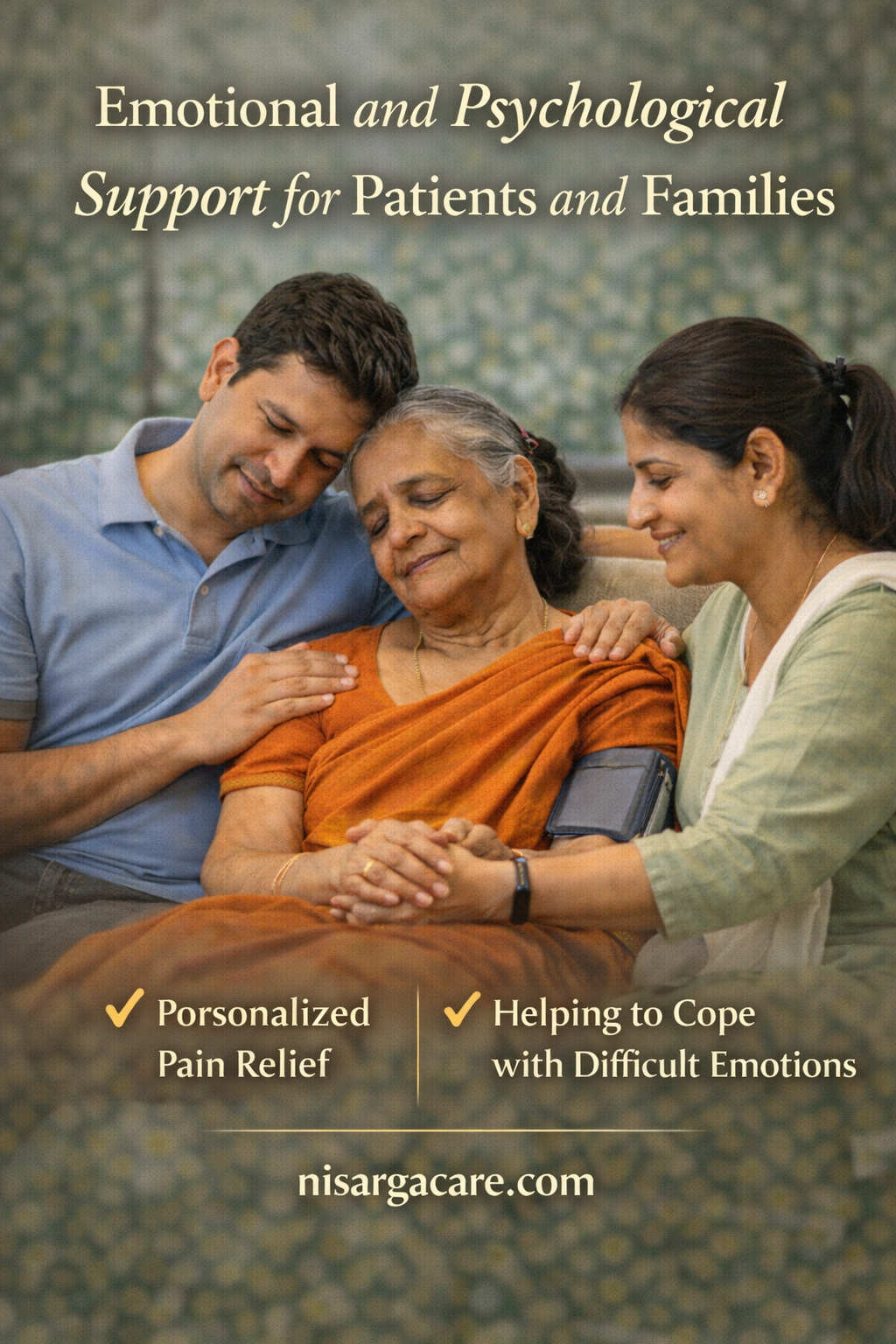
Emotional and Psychological Support for Patients and Families

Illness, surgery, or chronic conditions like Alzheimer’s, dementia, or diabetes affect not just physical health but also emotional and psychological well-being. Patients may experience anxiety, fear, frustration, or depression during recovery, while families often feel stressed, overwhelmed, or helpless. Providing professional emotional and psychological support is essential to help both patients and their caregivers navigate these challenges effectively.

Trusted care centers such as Nisarga Care in Karnataka offer structured support that addresses mental, emotional, and social needs alongside medical care.

Support for Patients

Patients facing illness or recovery often experience a range of emotions:

  • Anxiety about health outcomes or treatments

  • Depression due to chronic conditions or loss of independence

  • Fear of pain, hospital visits, or procedures

  • Frustration over physical limitations or memory issues

Emotional support helps patients cope with these challenges, improving adherence to treatment plans and overall recovery. Compassionate caregivers provide:

  • Active listening and reassurance

  • Encouragement during rehabilitation or therapy

  • Stress-relief techniques such as relaxation exercises or mindfulness

  • Companionship to reduce feelings of loneliness

This holistic approach enhances both mental health and physical recovery.

Support for Families

Caring for a loved one can be emotionally and physically demanding. Families often face:

  • Anxiety about managing medical needs

  • Stress from balancing caregiving and personal responsibilities

  • Emotional strain witnessing the patient’s discomfort or decline

  • Difficulty making healthcare decisions

Professional caregivers offer guidance, counseling, and respite care, helping families manage stress and maintain their own well-being while providing quality care to the patient.

Enhancing Communication

Clear communication between caregivers, patients, and families reduces confusion and emotional strain. Educating families on disease progression, treatment plans, and caregiving techniques fosters confidence and strengthens support systems.

Care centers such as a rehabilitation and elder care center in Bangalore ensure that families remain informed and empowered throughout the patient’s care journey.

Creating a Positive Healing Environment

Emotional and psychological support also involves creating a calm, safe, and encouraging environment. Small adjustments like maintaining routines, celebrating progress, and encouraging social interactions can improve mood, motivation, and overall recovery.

Benefits of Emotional Support

Providing emotional support leads to:

  • Improved patient adherence to medications and therapy

  • Reduced anxiety, depression, and stress

  • Faster physical recovery

  • Better family coping and reduced caregiver burnout

Professional support ensures that both patients and families feel understood, supported, and empowered.


Conclusion: Why Nisarga Care Is the Best Choice

Emotional and psychological well-being is as important as physical recovery. Nisarga Care is a trusted elder care and Alzheimer’s care center in Karnataka, offering compassionate support for patients and families. With trained caregivers, counseling, and structured care plans, Nisarga Care ensures mental and emotional health is prioritized alongside medical care.

As a leading rehabilitation and elder care facility in Bangalore, Nisarga Care helps families manage stress, improves patient recovery, and provides a nurturing environment that supports dignity, comfort, and overall well-being—making it the best choice for holistic post-hospital and chronic care in Karnataka.

Bangalore rehabilitation centers | rehab assisted living facilities in Bangalore News

Managing Pain and Discomfort with Compassionate Care

Pain and discomfort are common challenges for patients recovering from illness, surgery, or living with chronic conditions like Alzheimer’s, dementia, or diabetes. Effective management of these symptoms is essential not only for physical healing but also for emotional and psychological well-being. Compassionate care ensures patients feel supported, safe, and comfortable throughout their recovery or daily life.

Professional services like Nisarga Care in Karnataka provide trained caregivers and medical supervision to address pain and discomfort while maintaining dignity and independence.

Understanding the Impact of Pain

Unmanaged pain can have far-reaching effects:

  • Slower recovery after surgery or illness

  • Sleep disturbances and fatigue

  • Anxiety, depression, or frustration

  • Reduced mobility and risk of falls

For seniors or patients with chronic illnesses, consistent and effective pain management is vital to prevent complications and maintain quality of life.

Holistic Pain Management Approaches

Compassionate care combines medical intervention with personalized support to manage pain effectively. Approaches include:

  • Medication management: Administering prescribed pain relief on time and monitoring effectiveness

  • Physical therapies: Gentle exercises, massage, or physiotherapy to reduce discomfort and improve mobility

  • Comfort measures: Positioning, use of supportive cushions, and adjusting the environment for ease

  • Emotional support: Reassurance, counseling, and active listening to address stress and anxiety associated with pain

These strategies work together to ensure that patients feel cared for physically and emotionally.

Personalized Care Plans

Every patient experiences pain differently. Professional caregivers create personalized care plans based on:

  • Type and source of pain

  • Medical history and current medications

  • Physical and cognitive abilities

  • Daily routines and preferences

Tailored care ensures maximum comfort while minimizing risks from medication or overexertion.

Importance of Monitoring and Communication

Regular monitoring allows caregivers to track pain intensity, triggers, and response to treatment. Clear communication with doctors ensures adjustments to medications or therapy when needed. Patients and families are also educated on recognizing warning signs of complications.

Professional care centers like a rehabilitation or elder care center in Bangalore provide continuous monitoring, ensuring effective pain management at all times.

Emotional and Psychological Comfort

Pain often affects mood and motivation. Compassionate care addresses not only physical discomfort but also emotional distress. Supportive interaction, patience, and empathy help patients cope with discomfort, reducing anxiety and promoting a positive outlook.

Supporting Families

Families often feel stressed or helpless when loved ones experience pain. Trained caregivers relieve this burden by providing professional supervision and guidance, allowing families to focus on emotional support rather than medical management.


Conclusion: Why Nisarga Care Is the Best Choice

Managing pain and discomfort effectively requires a compassionate, structured approach. Nisarga Care is a trusted elder care and Alzheimer’s care center in Karnataka, providing professional pain management, personalized care plans, and emotional support for patients at home or in care facilities.

As a leading rehabilitation and elder care facility in Bangalore, Nisarga Care ensures patients live comfortably and safely while families receive guidance and relief from caregiving stress. For holistic, compassionate pain management and overall well-being, Nisarga Care remains the best choice for post-hospital and chronic care in Karnataka.

News Nisarga care Bangalore

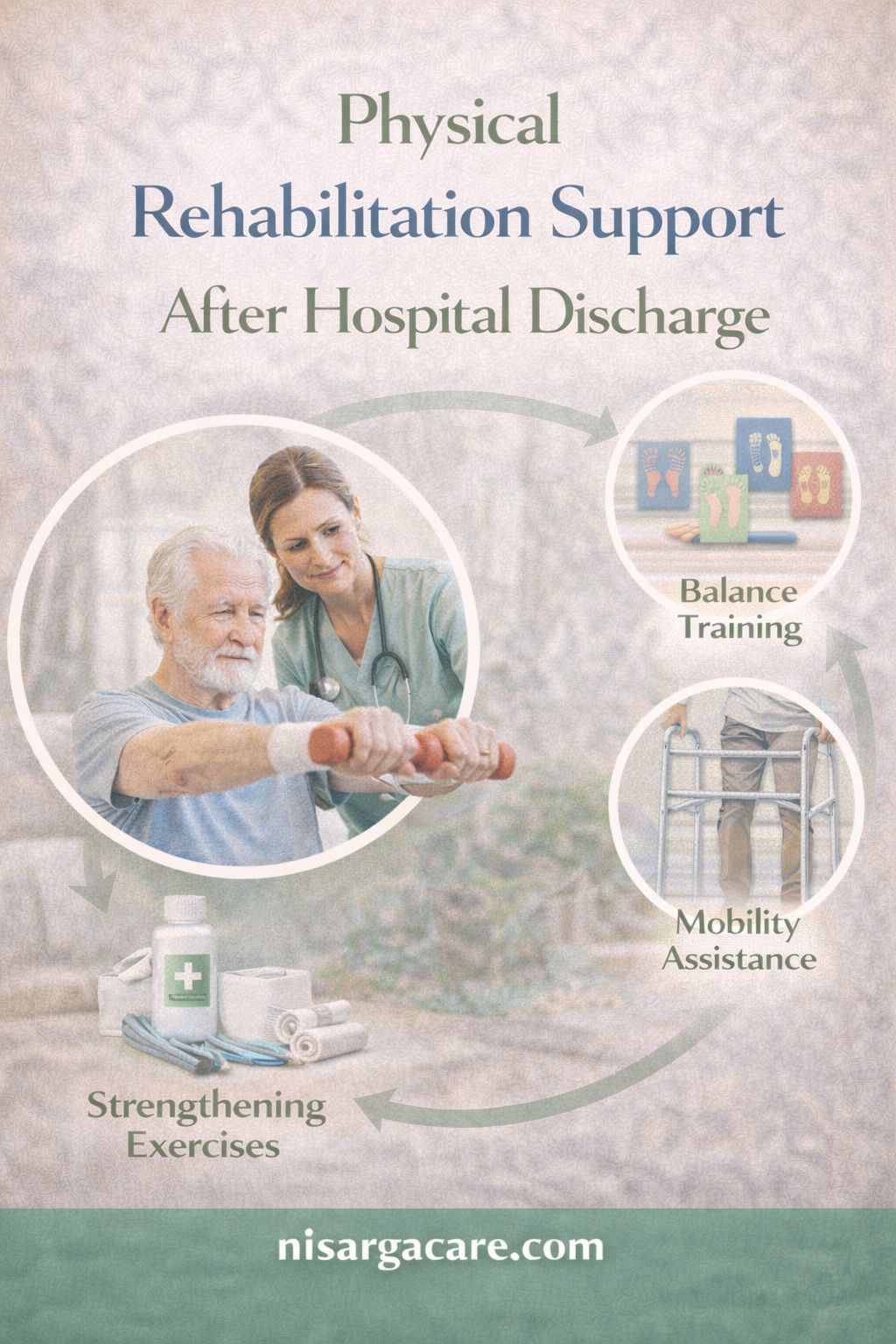
Physical Rehabilitation Support After Hospital Discharge | bangalore care takers | bangalore caretakers |

Recovering from surgery, illness, or injury often continues well beyond the hospital stay. Physical rehabilitation plays a crucial role in helping patients regain strength, mobility, and independence. Without proper support, seniors and patients recovering from serious conditions may experience delayed recovery, reduced functionality, and even risk of re-hospitalization. Home-based physical rehabilitation ensures patients continue therapy safely in familiar surroundings, improving both physical and emotional outcomes. Professional support from a rehabilitation or elder care center in Karnataka guarantees structured care and monitoring during this vulnerable phase.

Importance of Physical Rehabilitation

Physical rehabilitation focuses on restoring strength, flexibility, balance, and endurance after illness or surgery. For seniors, maintaining mobility is essential for:

  • Performing daily activities independently

  • Preventing falls and injuries

  • Enhancing cardiovascular and musculoskeletal health

  • Supporting overall mental and emotional well-being

Rehabilitation helps patients regain confidence in movement and reduces the risk of long-term disability.

Personalized Exercise Programs

Every patient’s recovery needs differ based on age, medical condition, and type of surgery or illness. Professional caregivers create personalized exercise plans that may include:

  • Gentle stretching and flexibility exercises

  • Strength-building routines

  • Balance and coordination activities

  • Mobility training using assistive devices if necessary

Tailored exercises ensure patients recover safely while avoiding strain or injury.

Supervised Therapy at Home

Home rehabilitation allows patients to receive supervised therapy without frequent hospital visits. Trained caregivers guide exercises, monitor progress, and adjust routines based on the patient’s performance.

Supervised therapy ensures correct techniques, reduces the risk of falls, and provides immediate support if any issues arise during exercises.

Pain Management and Comfort

Physical therapy can sometimes cause discomfort. Professional caregivers help manage pain by:

  • Monitoring patient tolerance

  • Providing gentle massage or stretching

  • Administering prescribed medications as directed

This ensures that therapy remains effective and safe without adding stress or discomfort.

Encouraging Independence

A key goal of post-hospital rehabilitation is helping patients regain independence in daily activities. Caregivers assist initially, then gradually reduce support as strength and confidence improve. This structured approach motivates patients while maintaining safety.

Emotional Support and Motivation

Recovering from illness or surgery can be emotionally challenging. Home rehabilitation combines physical therapy with emotional support. Encouragement, reassurance, and positive reinforcement help patients stay motivated and engaged in their recovery journey.

Role of Professional Rehabilitation Services

A rehabilitation center in Bangalore or home nursing service provides trained professionals who design and implement safe, effective rehabilitation programs. Continuous supervision ensures recovery is optimized and complications are minimized.


Conclusion: Why Nisarga Care Is the Best Choice

Physical rehabilitation after hospital discharge is vital for regaining strength, mobility, and independence. Nisarga Care is a trusted rehabilitation and elder care center in Karnataka, offering professional home-based physical therapy, personalized exercise programs, and compassionate support.

As a leading rehabilitation center in Bangalore, Nisarga Care ensures patients recover safely at home with structured care, expert supervision, and emotional encouragement. Families seeking reliable post-hospital rehabilitation support can rely on Nisarga Care for effective, safe, and holistic recovery care, making it the best choice for physical rehabilitation services in Karnataka.

News Nisarga care Bangalore

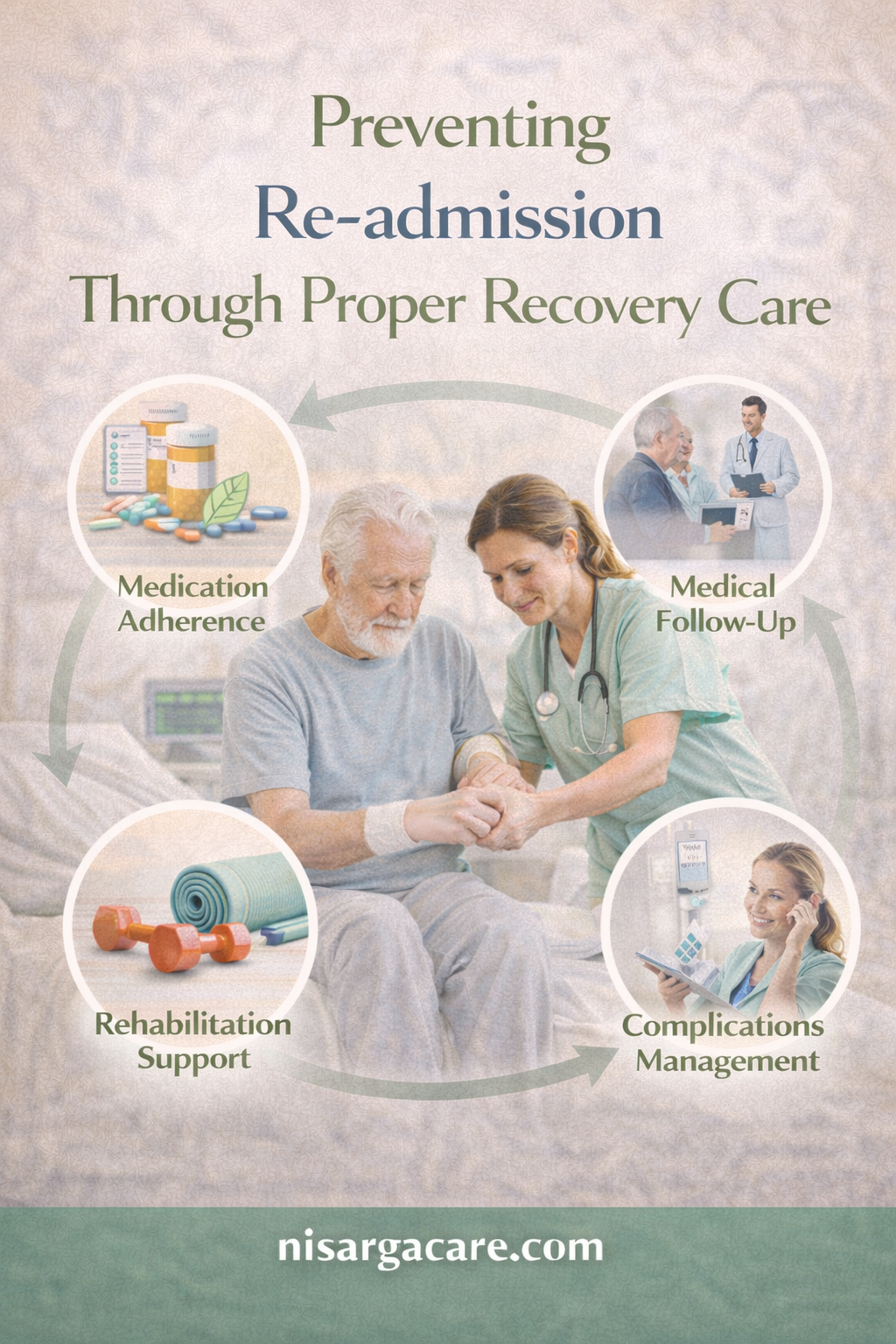
Preventing Re-admission Through Proper Recovery Care

Hospital re-admissions are a common challenge, especially among seniors and patients recovering from surgery or serious illness. Many re-admissions occur not because treatment failed, but because recovery at home was not managed properly. Structured recovery care after hospital discharge plays a crucial role in preventing complications, ensuring continuity of treatment, and supporting complete healing.

Proper recovery care bridges the gap between hospital treatment and full independence.

Why Hospital Re-admissions Happen

Patients are often discharged before full recovery. Without adequate support at home, they may face:

  • Medication errors or missed doses

  • Infections at surgical or wound sites

  • Poor nutrition or dehydration

  • Falls or mobility-related injuries

  • Unmanaged pain or worsening symptoms

These issues can quickly escalate, leading to emergency hospital visits and re-admission.

Importance of Medical Monitoring After Discharge

Continuous monitoring during recovery helps detect early warning signs. Regular checks of vital signs, wound condition, and overall health allow caregivers to identify complications before they become serious.

Professional recovery care ensures timely intervention, reducing the chances of deterioration and preventing unnecessary hospital visits.

Proper Medication and Treatment Management

After discharge, patients are often prescribed new or multiple medications. Improper medication use is one of the leading causes of re-admission. Recovery care focuses on:

  • Timely and accurate medication administration

  • Monitoring side effects

  • Coordinating follow-ups with doctors

  • Ensuring treatment plans are followed correctly

This structured approach significantly reduces health risks.

Wound Care and Infection Prevention

Post-surgical wounds and medical sites require careful attention. Improper wound care can lead to infections, delayed healing, and serious complications. Recovery care includes regular wound cleaning, dressing changes, and monitoring for signs of infection.

Maintaining hygiene and proper care helps wounds heal faster and safely.

Supporting Mobility and Physical Recovery

Limited movement or improper physical activity can slow recovery and increase fall risk. Recovery care includes assisted mobility, physiotherapy support, and guidance on safe movement. Gradual physical rehabilitation helps patients regain strength while avoiding injuries.

This support is especially important for elderly and post-surgical patients.

Nutrition and Hydration Support

Poor nutrition and dehydration weaken immunity and delay healing. Recovery care ensures patients receive balanced meals, adequate fluids, and nutritional guidance tailored to their condition. Proper nutrition strengthens the body and speeds up recovery.

Emotional Support and Confidence Building

Fear, anxiety, and uncertainty after hospitalization can negatively impact recovery. Emotional reassurance and consistent support help patients feel confident and motivated to heal. A positive mindset plays a vital role in preventing setbacks.

Reducing Caregiver Stress

Families often struggle to manage medical responsibilities at home. Professional recovery care reduces caregiver burden, ensuring patients receive consistent and expert support while families focus on emotional care.


Conclusion: Why Nisarga Care Makes the Difference

Preventing hospital re-admission requires more than rest—it demands structured, professional recovery care. Nisarga Care provides comprehensive post-hospitalization support designed to monitor health, manage medications, prevent complications, and promote safe healing at home.

With trained healthcare professionals, personalized recovery plans, and compassionate care, Nisarga Care ensures patients recover fully without the risk of unnecessary hospital returns. Families across Karnataka trust Nisarga Care for its commitment to quality, safety, and patient-centered recovery care that truly makes a difference.

News Nisarga care Bangalore

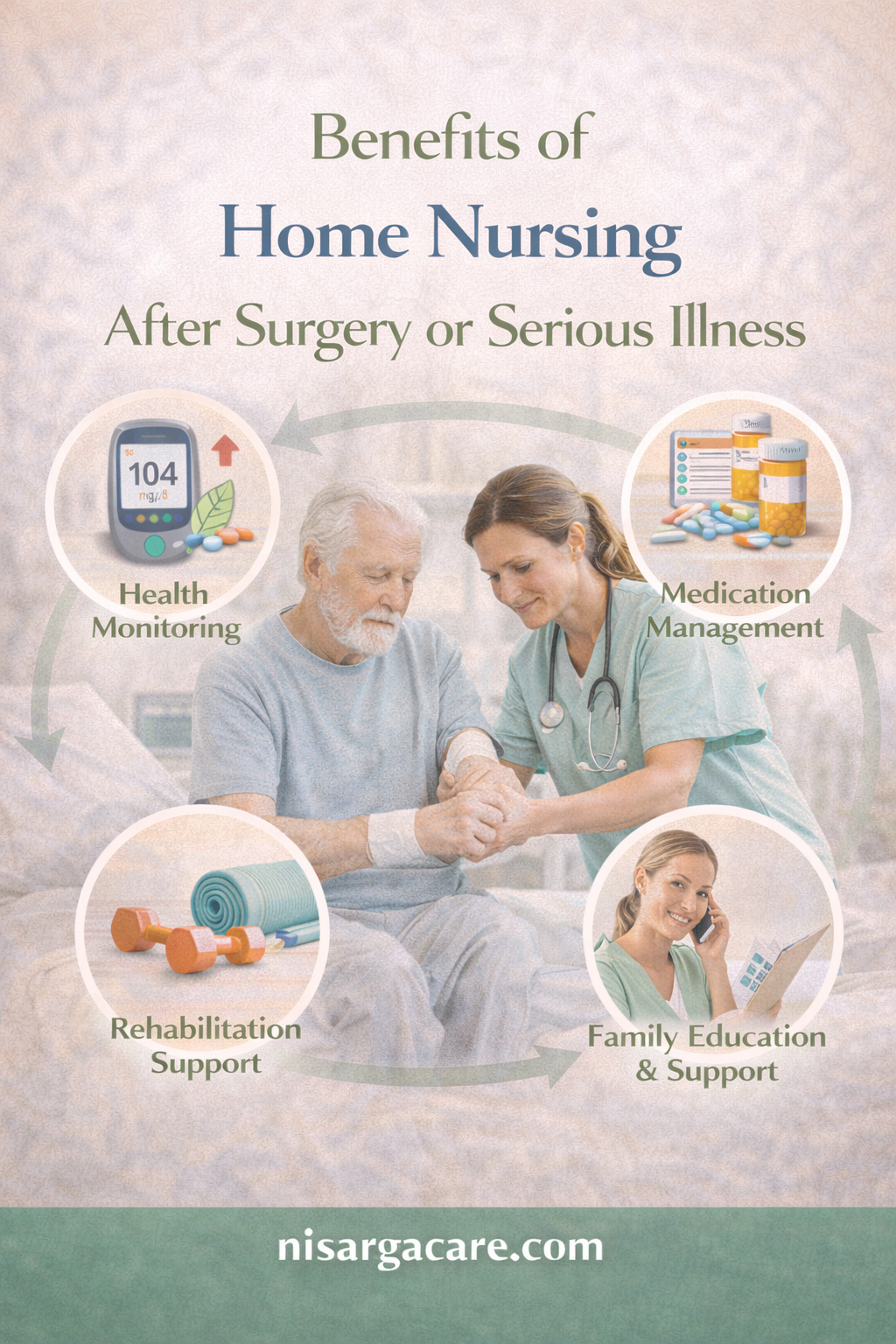
Benefits of Home Nursing After Surgery or Serious Illness

Recovery after surgery or a serious illness does not end at hospital discharge. Patients often require continued medical attention, medication support, and physical assistance during the healing phase. Home nursing plays a vital role in bridging this gap by providing professional healthcare services in the comfort of one’s home, ensuring a smooth and safe recovery.

Home nursing is especially beneficial for elderly patients, post-surgical individuals, and those recovering from long-term illnesses who need consistent monitoring and personalized care.

Ensures Proper Medical Monitoring

After surgery or serious illness, patients are vulnerable to complications such as infections, blood pressure fluctuations, or delayed healing. Home nurses regularly monitor vital signs, wound conditions, and overall health status. Early detection of warning signs allows timely medical intervention, preventing complications and hospital readmissions.

This level of supervision is often difficult for families to provide without professional support.

Supports Safe and Faster Recovery

Recovering at home allows patients to heal in a familiar and comfortable environment, which positively impacts both physical and emotional well-being. Home nursing ensures patients follow prescribed recovery routines, receive timely medications, and get assistance with mobility and exercises.

Personalized attention and one-on-one care promote faster healing and reduce recovery-related stress.

Effective Medication Management

Post-surgical and critically ill patients are often prescribed multiple medications. Home nurses ensure:

  • Correct dosage and timing

  • Proper administration of injections or IV medications

  • Monitoring for side effects

  • Coordination with doctors for medication adjustments

This reduces the risk of medication errors and improves treatment outcomes.

Professional Wound and Pain Care

Surgical wounds and injury sites require proper cleaning, dressing, and monitoring. Home nurses are trained to manage wounds safely, reducing the risk of infections and complications. They also help manage pain effectively by administering medications and using comfort-focused care techniques.

Proper wound and pain management significantly improve patient comfort and recovery speed.

Assistance with Daily Activities

After surgery or serious illness, patients may struggle with basic activities such as bathing, dressing, eating, or moving around. Home nursing provides compassionate assistance while encouraging gradual independence. This support reduces the physical strain on family members and ensures patient safety.

Reduces Hospital Readmissions

One of the major advantages of home nursing is the reduction in unnecessary hospital visits. Continuous care at home helps manage symptoms early, address concerns promptly, and prevent health issues from escalating into emergencies.

This leads to better health outcomes and lower overall healthcare costs.

Emotional and Psychological Support

Serious illness and surgery can leave patients feeling anxious, weak, or emotionally drained. Home nurses provide reassurance, companionship, and emotional support, which are crucial for mental recovery. Patients often feel more confident and motivated when cared for in a familiar environment.

Relieves Family Caregiver Burden

Caring for a recovering patient can be physically and emotionally exhausting for families. Home nursing professionals take on medical responsibilities, allowing family members to focus on emotional support rather than complex caregiving tasks.


Conclusion: Why Nisarga Care Is the Best Choice

Home nursing after surgery or serious illness plays a critical role in ensuring safe recovery, preventing complications, and improving quality of life. Nisarga Care offers professional and compassionate home nursing services tailored to each patient’s medical and personal needs. With experienced nurses, personalized care plans, and continuous monitoring, Nisarga Care ensures recovery happens smoothly and safely at home.

Trusted across Karnataka for its quality healthcare services, Nisarga Care stands out as a reliable partner for post-surgical and post-illness recovery. Families seeking dependable home nursing support can rely on Nisarga Care for expert care, comfort, and peace of mind during the recovery journey.

News Nisarga care Bangalore

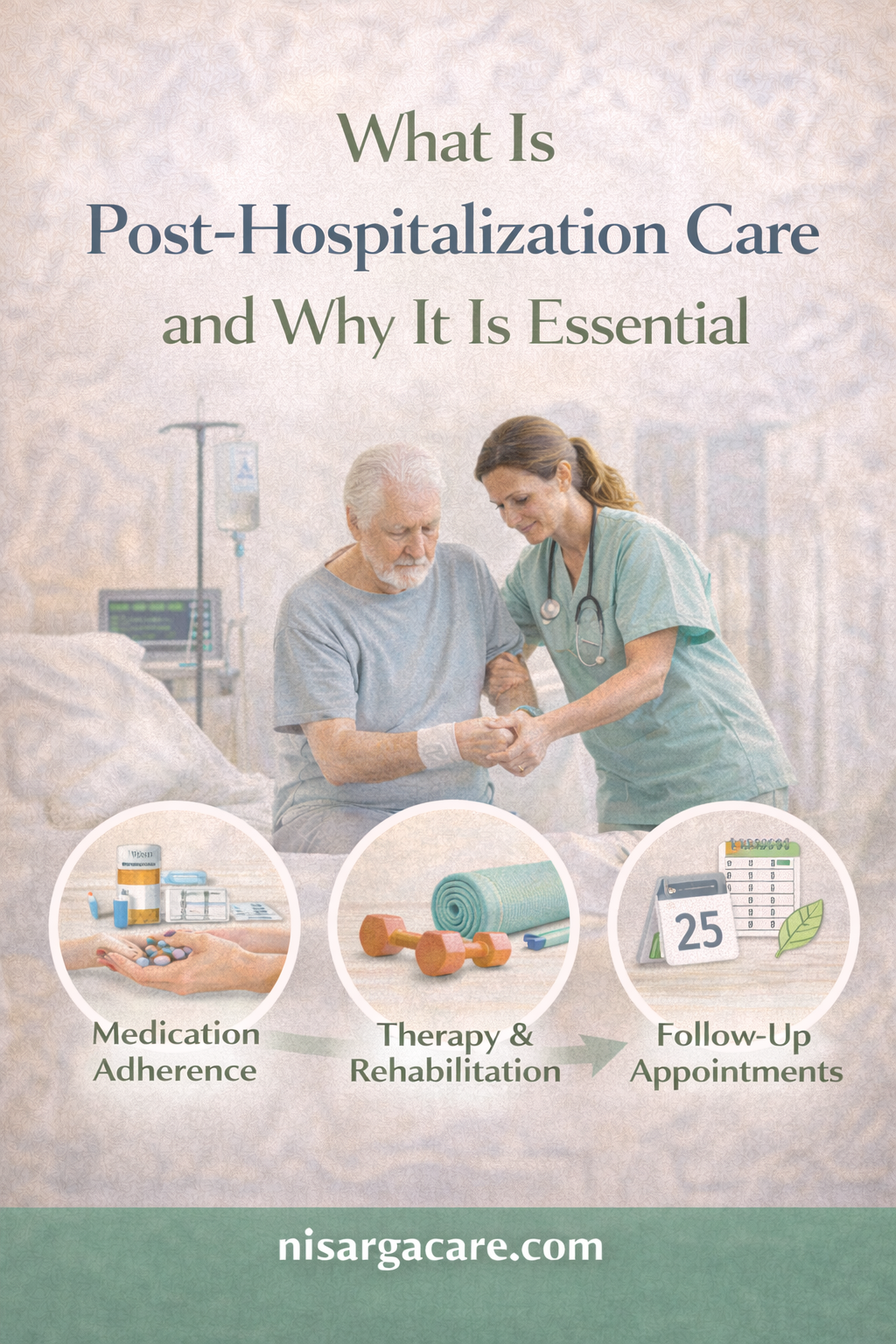
What Is Post-Hospitalization Care and Why It Is Essential

Hospital discharge does not always mean complete recovery. Many patients, especially seniors, continue to need medical attention, emotional support, and daily assistance even after leaving the hospital. This phase of recovery is known as post-hospitalization care, and it plays a critical role in preventing complications, reducing readmissions, and ensuring a smooth transition back to daily life.

Post-hospitalization care focuses on helping patients regain strength, manage medications, and recover safely in a familiar environment.

Understanding Post-Hospitalization Care

Post-hospitalization care refers to the medical and non-medical support provided after a patient is discharged from the hospital. It may include:

  • Nursing care and health monitoring

  • Medication and injection management

  • Wound and surgical care

  • Physiotherapy and mobility support

  • Assistance with daily activities

  • Emotional and psychological support

This type of care is especially important for elderly patients, individuals recovering from surgery, or those with chronic illnesses.

Why Post-Hospitalization Care Is Crucial

Many patients are discharged before full recovery due to shorter hospital stays. Without proper care at home, patients are at risk of infections, medication errors, or delayed healing. Post-hospitalization care ensures continuity of treatment and close monitoring during this vulnerable phase.

It also helps patients follow discharge instructions correctly, which is often challenging without professional guidance.

Prevents Hospital Readmissions

One of the biggest benefits of post-hospitalization care is reducing the risk of hospital readmission. Trained caregivers and nurses monitor vital signs, manage symptoms, and identify warning signs early. Prompt intervention prevents minor issues from turning into emergencies.

This not only improves patient outcomes but also reduces emotional and financial stress on families.

Supports Faster and Safer Recovery

Recovery at home, when supported by professional care, is often faster and more comfortable. Patients can rest better, follow personalized routines, and receive one-on-one attention. Services like physiotherapy, wound care, and mobility assistance help patients regain independence safely.

Post-hospitalization care also ensures that pain and discomfort are managed effectively, promoting overall well-being.

Ensures Proper Medication Management

After hospitalization, patients are often prescribed multiple medications. Managing these correctly is critical. Post-hospitalization care includes:

  • Timely medication administration

  • Monitoring side effects

  • Ensuring correct dosage

  • Coordinating with doctors for follow-ups

This reduces the risk of medication-related complications.

Emotional and Family Support

Hospitalization can be emotionally draining. Patients may feel anxious, weak, or dependent after discharge. Post-hospitalization care provides reassurance, emotional support, and companionship, helping patients regain confidence. Families also benefit from professional guidance and relief from caregiving stress.

Who Needs Post-Hospitalization Care?

Post-hospitalization care is essential for:

  • Elderly patients

  • Post-surgery recovery

  • Stroke or cardiac patients

  • Individuals with chronic illnesses

  • Patients with limited mobility

Early planning for post-discharge care leads to better recovery outcomes.


Conclusion: Why Nisarga Care Is the Best Choice

Post-hospitalization care is not optional—it is a vital step toward complete recovery. Nisarga Care offers reliable and compassionate post-hospitalization services designed to support patients during their most critical recovery phase. With trained nurses, personalized care plans, and medical supervision, Nisarga Care ensures patients heal safely and comfortably at home.

Recognized for its expertise in elder and recovery care, Nisarga Care stands out as a trusted provider in Karnataka. Families looking for professional, dependable post-hospitalization support can rely on Nisarga Care to deliver quality care, dignity, and peace of mind during recovery.

News Nisarga care Bangalore

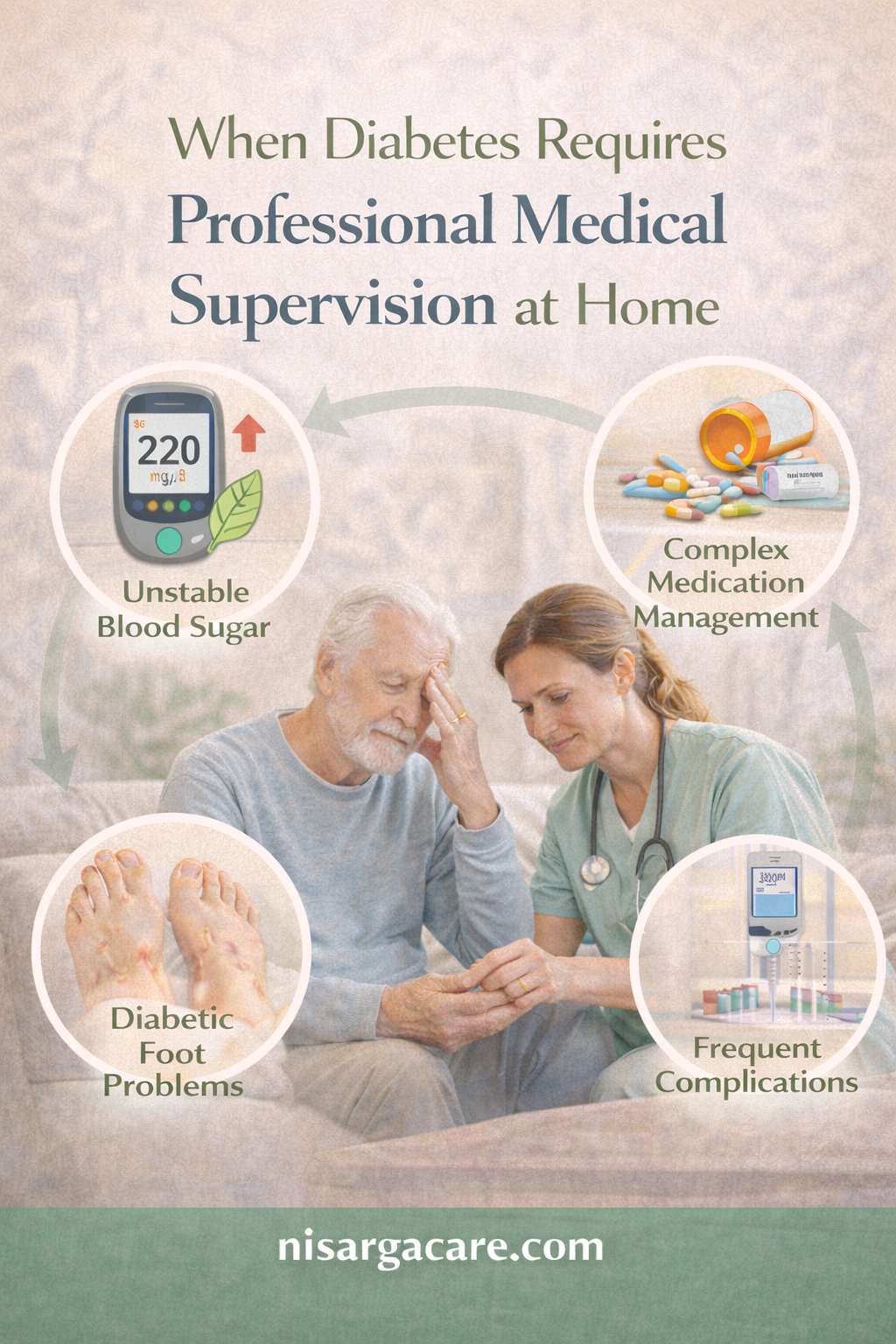
When Diabetes Requires Professional Medical Supervision at Home

Diabetes management can become increasingly challenging with age, especially when seniors experience fluctuating blood sugar levels, multiple health conditions, or difficulty following treatment plans independently. While some individuals can manage diabetes with basic lifestyle changes, there are situations where professional medical supervision at home becomes essential to ensure safety and long-term health.

Seeking support from a trusted Diabetes care center in Karnataka helps families manage diabetes effectively while allowing seniors to remain comfortable in their own homes.

Frequent Blood Sugar Fluctuations

If a senior experiences repeated episodes of high or low blood sugar, it is a strong indicator that home-based medical supervision is needed. Uncontrolled fluctuations can lead to dizziness, confusion, fainting, or even medical emergencies.

Professional nurses ensure:

  • Regular blood sugar monitoring

  • Accurate recording of readings

  • Immediate corrective action when levels are unstable

This level of care reduces hospital visits and improves daily safety.

Difficulty Managing Medications or Insulin

Many elderly patients struggle with remembering medication schedules, insulin doses, or correct injection techniques. Mistakes in diabetes medication can cause severe complications.

Home-based medical supervision from a Diabetic treatment facility in Bangalore ensures:

  • Timely medication administration

  • Safe insulin injections

  • Monitoring for side effects or adverse reactions

This support is especially important for seniors living alone.

Presence of Multiple Health Conditions

Diabetes often coexists with conditions such as hypertension, heart disease, kidney issues, or mobility limitations. These conditions can affect how diabetes medications work and increase health risks.

Professional supervision allows caregivers to coordinate care, adjust treatment plans, and monitor overall health, ensuring diabetes management does not worsen other medical issues.

Signs of Diabetic Complications

When seniors show early signs of complications such as:

  • Foot wounds or slow-healing ulcers

  • Vision changes

  • Numbness or tingling in hands and feet

  • Unexplained fatigue or weight loss

Immediate professional care is required. A Diabetes rehabilitation center in Bangalore provides specialized monitoring and early intervention to prevent complications from worsening.

Reduced Mobility or Cognitive Challenges

Seniors with limited mobility, memory issues, or reduced coordination may find it difficult to manage diabetes independently. Home nursing support ensures they receive consistent care without the stress of frequent clinic visits.

Medical supervision at home helps maintain independence while ensuring safety and dignity.

Repeated Hospitalizations

Frequent hospital visits due to uncontrolled diabetes indicate the need for continuous medical supervision at home. Professional care helps stabilize blood sugar levels, manage medications, and prevent recurring emergencies.

Role of Professional Home-Based Diabetes Care

A specialized Diabetes management clinic in Bangalore offers trained nurses, personalized care plans, and regular medical oversight at home. This approach ensures seniors receive hospital-level care without leaving their familiar environment.


Conclusion: Why Nisarga Care Is the Best Choice

Knowing when diabetes requires professional medical supervision at home can prevent serious complications and improve quality of life for seniors. Nisarga Care is a trusted Diabetes care center in Karnataka, providing expert home nursing, continuous monitoring, and personalized diabetes management plans. As a leading Diabetic treatment facility in Bangalore, Nisarga Care ensures seniors receive safe, reliable, and compassionate care in the comfort of their homes.

Families looking for a dependable Diabetes rehabilitation center in Bangalore can rely on Nisarga Care for trained medical professionals, holistic support, and consistent supervision. Recognized as the best diabetes care center in Bangalore, Nisarga Care delivers professional diabetes care services in Karnataka that prioritize safety, stability, and peace of mind for both seniors and their families.

News Nisarga care Bangalore

Role of Medication and Insulin Management in Elder Care

As people age, managing chronic conditions like diabetes becomes increasingly complex. Seniors often deal with multiple medications, changing insulin needs, and age-related health challenges. Proper medication and insulin management play a crucial role in maintaining stable blood sugar levels, preventing complications, and ensuring overall well-being in elderly individuals. Professional support from a Diabetes care center in Karnataka is especially important, as it ensures accuracy, consistency, and safety in diabetes management for seniors and deals with insulin management in elder care.

Importance of Timely Medication

Elderly patients may forget doses, take incorrect quantities, or mix up medications. Such errors can lead to serious health consequences, including blood sugar fluctuations, dizziness, or hospitalization. Proper medication management ensures:

  • Correct dosage at the right time

  • Reduced risk of missed or double doses

  • Better control of blood glucose levels

Trained caregivers closely monitor medication schedules to maintain stability.

Safe Insulin Administration

Insulin therapy requires precision and consistency. Incorrect insulin administration can cause hypoglycemia or hyperglycemia, both of which are dangerous for seniors. Proper insulin management includes:

  • Accurate dose calculation

  • Correct injection techniques

  • Timely administration based on meals and activity levels

A professional Diabetic treatment facility in Bangalore ensures insulin is administered safely and effectively, reducing health risks.

Monitoring Blood Sugar Levels

Medication and insulin management must go hand in hand with regular blood sugar monitoring. Tracking glucose levels helps caregivers and doctors:

  • Adjust insulin doses when required

  • Identify patterns and fluctuations

  • Prevent emergency situations

Consistent monitoring allows early intervention and personalized care.

Managing Multiple Health Conditions

Many seniors suffer from additional conditions such as heart disease, hypertension, or kidney issues. These conditions can affect how diabetes medications work. Professional diabetes care teams ensure medications do not interfere with each other and are adjusted according to the senior’s overall health status.

Reducing Risk of Complications

Proper medication and insulin management significantly lower the risk of complications such as:

  • Nerve damage

  • Vision problems

  • Kidney disease

  • Cardiovascular issues

By maintaining stable blood sugar levels, seniors can avoid long-term damage and maintain better physical function.

Education and Emotional Support

Elderly patients may feel anxious about insulin injections or medication dependency. Trained caregivers provide education, reassurance, and emotional support, helping seniors feel confident and comfortable with their treatment plan.

Role of Specialized Diabetes Care

A dedicated Diabetes management clinic in Bangalore offers structured medication plans, trained nursing support, and continuous medical supervision. This level of care is difficult to maintain at home without professional assistance, especially as diabetes progresses.


Conclusion: Why Nisarga Care Is the Best Choice

Effective medication and insulin management are essential for safe and successful diabetes care in elders. Nisarga Care is a trusted Diabetes care center in Karnataka, offering professional supervision, accurate medication handling, and personalized insulin management plans. As a leading Diabetic treatment facility in Bangalore, Nisarga Care ensures seniors receive consistent care that prioritizes safety, comfort, and health stability.

Families seeking a dependable Diabetes rehabilitation center in Bangalore can rely on Nisarga Care for its trained caregivers, medical expertise, and holistic approach. Recognized as the best diabetes care center in Bangalore, Nisarga Care delivers professional diabetes care services in Karnataka that help seniors live healthier, safer, and more dignified lives.

News Nisarga care Bangalore

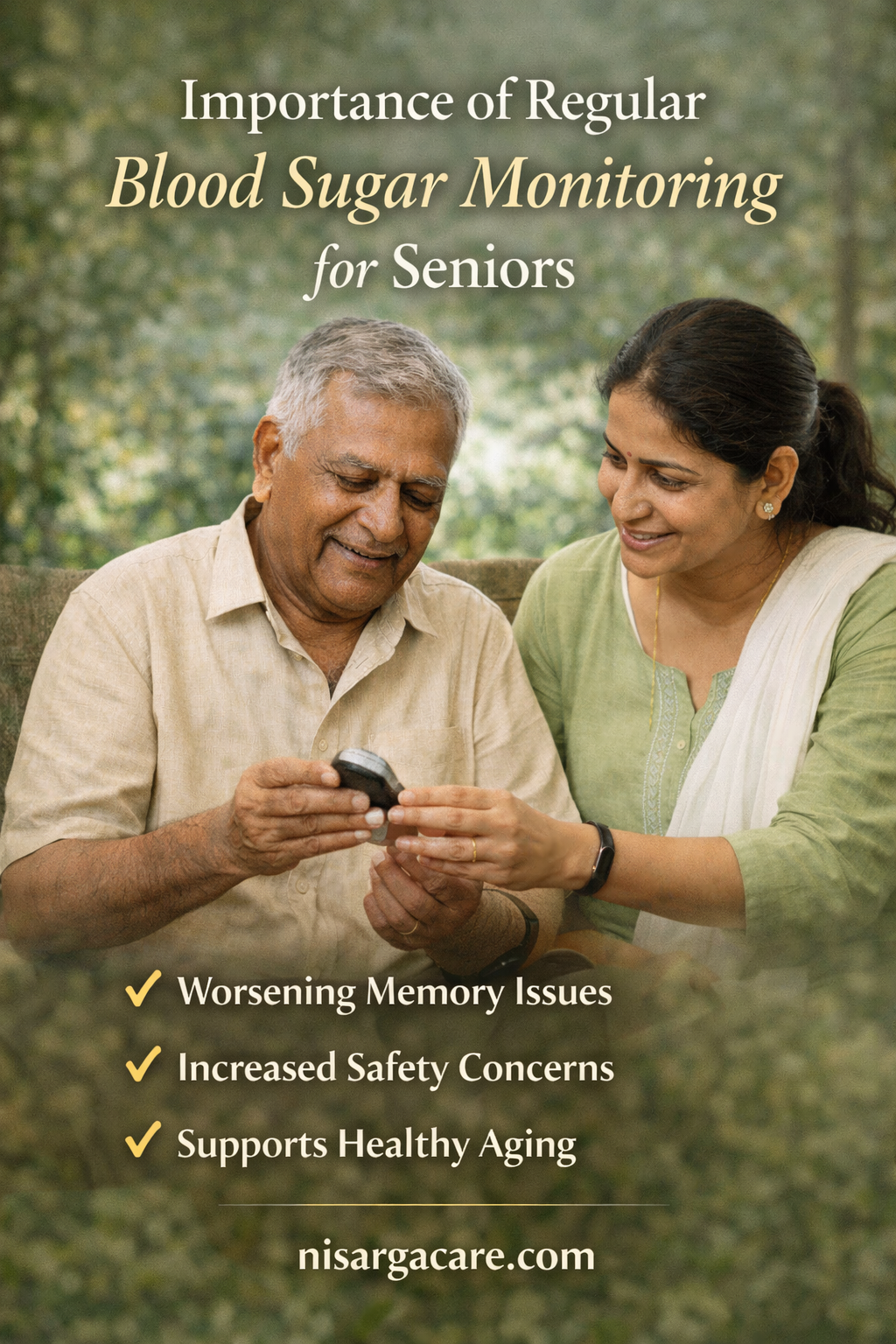
Importance of Regular Blood Sugar Monitoring for Seniors

Diabetes is a growing health concern among seniors, and managing blood sugar levels is essential to maintain overall health. Regular blood sugar monitoring helps detect fluctuations early, prevent complications, and guide proper treatment. Seniors often face unique challenges due to age-related changes, medications, and other health conditions, making consistent monitoring crucial.

Professional support from a Diabetes care center in Karnataka ensures that seniors receive accurate monitoring, guidance, and personalized care to manage their condition effectively.

Early Detection of Blood Sugar Fluctuations

Regular monitoring helps identify high or low blood sugar levels before they cause serious health issues. Elevated blood sugar over time can lead to complications such as:

  • Heart disease

  • Kidney damage

  • Vision problems

  • Nerve damage

Conversely, low blood sugar (hypoglycemia) can cause dizziness, confusion, or falls. Timely detection allows for immediate corrective action, reducing health risks.

Personalized Treatment and Medication Adjustment

Monitoring blood sugar levels provides valuable insights into how a senior’s body responds to medications, diet, and physical activity. Doctors and caregivers can use this information to:

  • Adjust insulin doses or medications

  • Modify meal plans

  • Recommend lifestyle changes

  • Track the effectiveness of interventions

This personalized approach ensures better control of diabetes and reduces complications.

Encourages Healthy Lifestyle Choices

Regular monitoring makes seniors more aware of the impact of their lifestyle on blood sugar levels. It encourages:

  • Balanced diets

  • Regular physical activity

  • Consistent sleep patterns

  • Stress management

When seniors see the results of their choices reflected in their readings, it motivates adherence to healthy routines.

Reduces Risk of Emergency Situations

Uncontrolled blood sugar can lead to dangerous situations like diabetic ketoacidosis or severe hypoglycemia, which may require hospitalization. By checking levels regularly, seniors and caregivers can take preventive measures to avoid emergencies.

A professional Diabetic treatment facility in Bangalore provides tools and guidance to perform regular monitoring safely and effectively, reducing the risk of complications.

Supports Emotional Well-Being

Managing diabetes can be stressful, especially for seniors. Regular monitoring reduces uncertainty by providing concrete information about their condition. Knowing their numbers are under control increases confidence, lowers anxiety, and promotes independence.

Role of Specialized Diabetes Care

A specialized Diabetes management clinic in Bangalore offers trained staff who educate seniors on proper monitoring techniques, provide nutritional guidance, and track progress. Regular visits ensure early intervention and continuous support, which is difficult to maintain at home alone.


Conclusion: Why Nisarga Care Is the Best Choice

Regular blood sugar monitoring is a cornerstone of effective diabetes management for seniors. Nisarga Care is a trusted Diabetes care center in Karnataka, offering professional supervision, personalized monitoring plans, and comprehensive support to manage diabetes safely. As a leading Diabetic treatment facility in Bangalore, Nisarga Care combines medical expertise, lifestyle counseling, and compassionate care to help seniors maintain optimal health.

Families seeking a reliable Diabetes rehabilitation center in Bangalore can trust Nisarga Care for its trained caregivers, continuous monitoring, and holistic programs. Recognized as the best diabetes care center in Bangalore, Nisarga Care ensures seniors receive professional diabetes care services in Karnataka with safety, dignity, and peace of mind.

Posts pagination

WeCreativez WhatsApp Support
Our customer support team is here to answer your questions. Ask us anything!
👋 Hi, how can I help?