
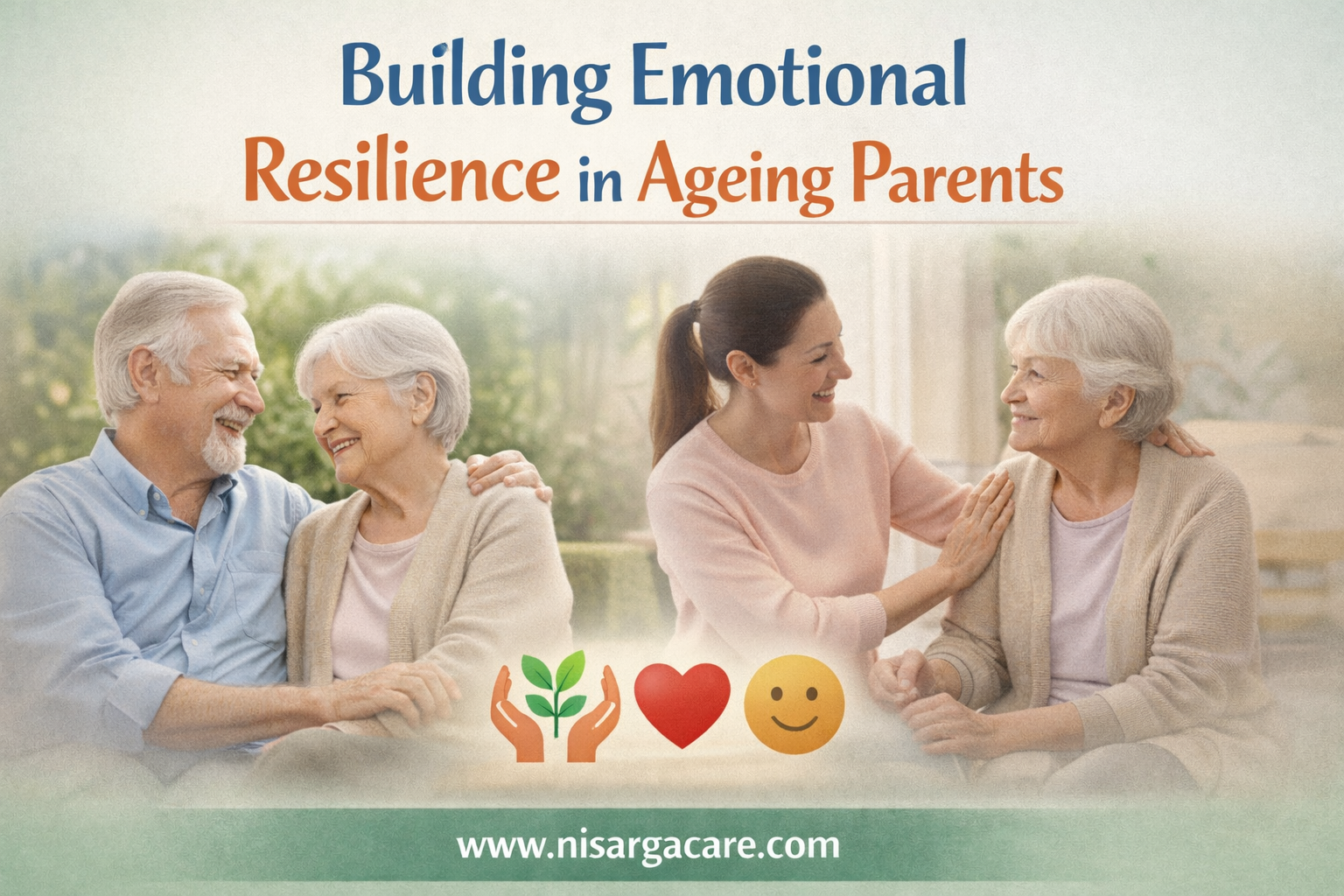
As parents grow older, life transitions such as declining health, reduced mobility, or changes in daily routines can challenge their emotional well-being. Building emotional resilience helps ageing parents cope with stress, maintain confidence, and enjoy a sense of purpose. Rehabilitation and elder care homes play a vital role in fostering resilience through structured programs, supportive staff, and social engagement.
Understanding Emotional Resilience in Seniors
Emotional resilience is the ability to adapt to life changes, recover from setbacks, and manage stress effectively. For ageing parents, this may involve handling health challenges, coping with the loss of independence, or adjusting to new living arrangements. Seniors with strong emotional resilience are more likely to participate actively in rehabilitation, maintain social connections, and experience better overall health outcomes.
The Role of Rehabilitation and Elder Care Homes
Elder care homes provide an environment that encourages seniors to stay engaged, active, and socially connected. Structured daily routines, supervised therapy, and recreational activities reduce feelings of isolation and foster confidence. Rehabilitation programs tailored to individual needs focus on both physical recovery and emotional well-being, empowering seniors to face challenges positively.
Encouraging Social Engagement
Social interaction is a key component of emotional resilience. Participating in group activities, hobby clubs, and community events within care homes promotes meaningful connections. Seniors learn to share experiences, support one another, and celebrate achievements, creating a sense of belonging that strengthens mental and emotional health.
Family Involvement and Support
Even in a care home setting, family support is crucial. Regular visits, calls, and involvement in care planning reassure seniors that they are loved and valued. Families can collaborate with caregivers to encourage participation in therapy sessions, recreational activities, and emotional counseling. This partnership enhances resilience by providing consistent encouragement and understanding.
Therapeutic Interventions
Professional care facilities offer counseling, mindfulness sessions, and emotional support groups. Occupational therapy and light physical activities not only improve physical health but also boost confidence and self-efficacy, key components of resilience. Tailored interventions help seniors navigate stressors while maintaining independence and dignity.
Creating a Safe and Empowering Environment
A nurturing environment in elder care homes contributes significantly to emotional resilience. Ensuring safety, comfort, and accessibility allows seniors to explore activities confidently without fear of injury. Personalizing living spaces and routines helps maintain autonomy, encouraging seniors to adapt positively to change.
Conclusion
Building emotional resilience in ageing parents is essential for their mental, emotional, and physical well-being. Rehabilitation and elder care homes provide structured support, social interaction, and professional guidance, helping seniors cope with challenges confidently. At Nisarga Care, we focus on empowering seniors with compassionate care, fostering resilience, independence, and a fulfilling life. Families can trust Nisarga Care to provide an environment that strengthens both the heart and mind of their loved ones.