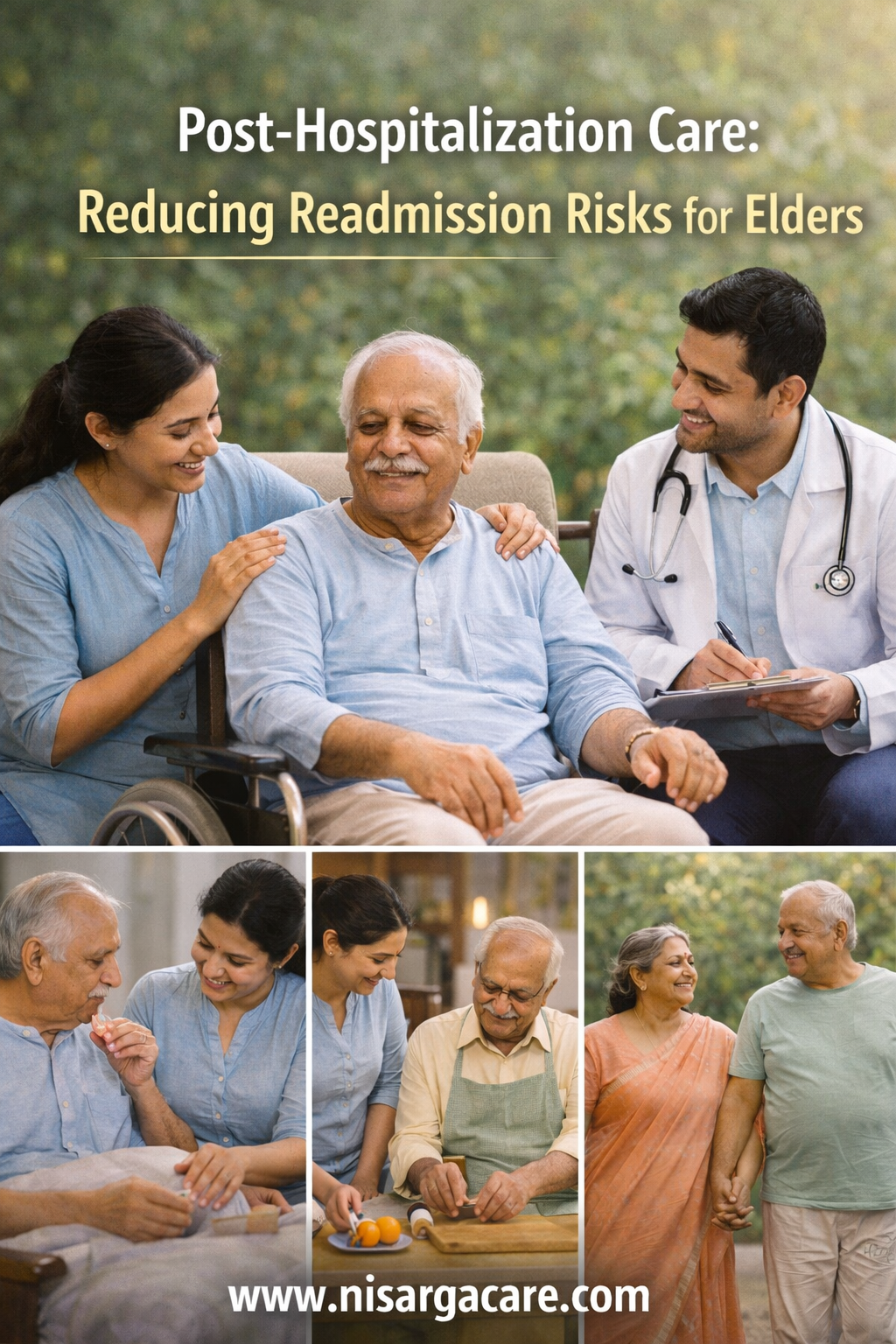
Hospitalization can be a critical turning point in an elder’s health journey. While discharge often marks improvement, it does not always mean full recovery. Many seniors face complications shortly after returning home, increasing the risk of hospital readmission.
Effective post-hospitalization care is essential to ensure safe recovery, prevent complications, and support long-term health in elders.
Why Readmission Risk Is High Among Elders
Older adults are more vulnerable after hospital discharge due to:
-
Weakened immunity and reduced mobility
-
Multiple chronic conditions
-
Medication changes or confusion
-
Inadequate follow-up care
-
Lack of proper home support
Without structured care, minor issues can escalate into emergencies.
Common Causes of Hospital Readmission
Understanding the causes helps prevent avoidable readmissions:
1. Medication Mismanagement
Changes in prescriptions after discharge can cause confusion. Missed doses, overdosing, or drug interactions often lead to complications.
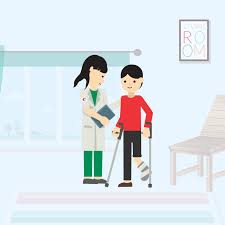
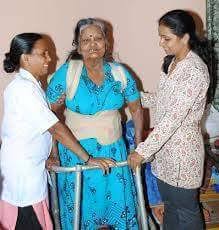
2. Poor Mobility and Fall Risk
Post-illness weakness increases the risk of falls, fractures, and injuries—one of the leading causes of readmission among elders.
3. Inadequate Wound and Post-Surgical Care
Improper wound care or lack of monitoring can result in infections or delayed healing.
4. Lack of Follow-Up Monitoring
Missed medical appointments or unmonitored symptoms can allow conditions to worsen unnoticed.
5. Emotional and Mental Health Challenges
Anxiety, depression, or fear after hospitalization can affect recovery and adherence to care routines.
Key Components of Effective Post-Hospitalization Care
1. Personalized Recovery Plans
Each elder requires a tailored care plan based on their diagnosis, mobility level, and overall health. This ensures continuity of care after discharge.
2. Medication Management and Monitoring
Caregivers help ensure:
-
Correct dosage and timing
-
Awareness of side effects
-
Coordination with healthcare providers
This reduces medication-related complications significantly.
3. Mobility and Rehabilitation Support
Physiotherapy and gentle movement restore strength, balance, and confidence, lowering fall risk and promoting independence.
4. Nutrition and Hydration Support
Proper nutrition supports healing, immunity, and energy levels. Care plans should include balanced meals and adequate hydration.
5. Regular Health Monitoring
Tracking vital signs, symptoms, and recovery progress allows early detection of warning signs—preventing emergencies.
6. Emotional and Psychological Care
Compassionate companionship and reassurance help reduce stress, improve adherence to care routines, and support mental well-being.
Role of Family and Caregivers
Families play an important role in post-hospitalization recovery. Education, communication, and caregiver support ensure elders feel secure and motivated throughout the healing process.
How Nisarga Care Reduces Readmission Risks
At Nisarga Care, we offer structured post-hospitalization care that includes:
-
Trained caregivers for medical and personal support
-
Medication supervision and health monitoring
-
Rehabilitation and mobility assistance
-
Safe, senior-friendly environments
-
Emotional and mental well-being support
Our coordinated approach focuses on safe recovery at home or in care facilities, reducing unnecessary hospital visits.
Conclusion
Post-hospitalization care is a critical phase in an elder’s recovery journey. With proper planning, monitoring, and compassionate support, many hospital readmissions can be prevented—allowing elders to heal safely and regain independence.