
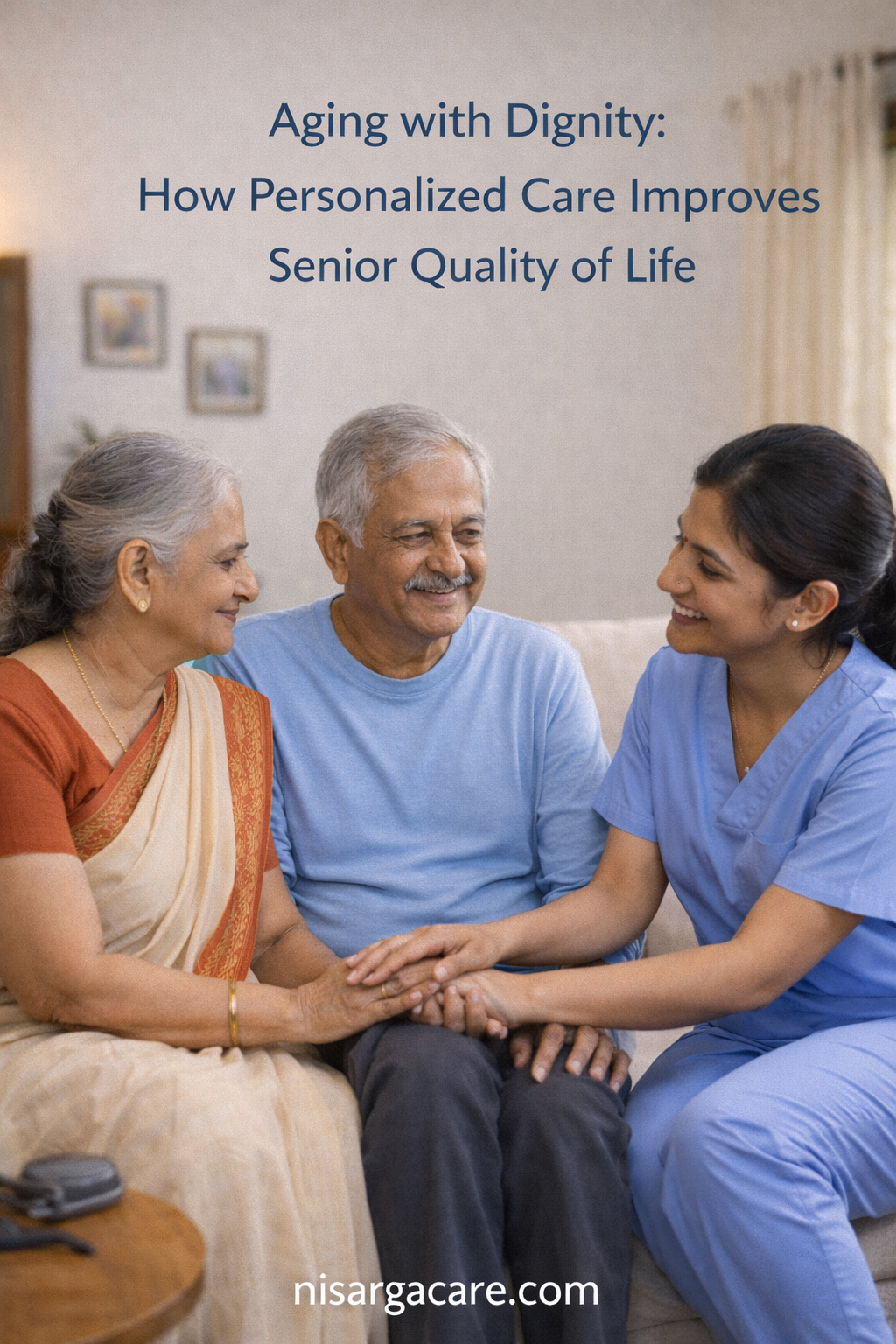
Aging is a natural journey, but it comes with physical, cognitive, and emotional changes that can impact independence and quality of life. Personalized care focuses on the unique needs of each senior, promoting comfort, autonomy, and dignity while supporting families in providing compassionate assistance.
Understanding Personalized Care
Personalized care recognizes that every senior has individual health conditions, preferences, and emotional requirements. Unlike generic elder care, it tailors services—medical support, physiotherapy, nutrition, and social engagement—to each senior’s lifestyle. This approach ensures seniors feel respected, valued, and empowered throughout their daily routines.
Enhancing Physical Health
Personalized care includes customized exercise routines, physiotherapy, and mobility support to maintain strength and flexibility. It also addresses chronic conditions like diabetes, arthritis, or heart disease with targeted interventions. By aligning care with a senior’s specific health needs, families can prevent complications, reduce hospital visits, and support independent living.
Supporting Emotional and Cognitive Well-Being
Aging often brings challenges such as loneliness, anxiety, or memory decline. Personalized care emphasizes mental wellness programs, including social interaction, cognitive exercises, and emotional support. Engaging seniors in meaningful activities—hobbies, group sessions, or cultural events—boosts mood, reduces stress, and nurtures self-esteem.
Nutrition and Lifestyle Adaptations
Personalized meal planning considers medical conditions, dietary preferences, and nutritional requirements, ensuring seniors receive balanced, wholesome diets. Coupled with lifestyle adjustments such as sleep schedules, hydration, and stress management, these measures enhance overall health, energy levels, and resilience against illness.
Home Safety and Environmental Modifications
A key aspect of personalized care is creating a safe, comfortable living environment. Care plans may include grab bars, ramps, non-slip mats, ergonomic furniture, and accessible storage. Such adaptations reduce risks of falls or accidents, allowing seniors to move safely and maintain independence at home.
Family Involvement and Continuous Monitoring
Personalized care works best when families are actively involved. Caregivers provide guidance, track health progress, and adjust routines as needed, while family members contribute emotional support and companionship. This collaborative approach strengthens trust and fosters a sense of security for seniors.
Conclusion
Aging with dignity is achievable when care is tailored to a senior’s unique needs. Personalized care for seniors improves physical health, emotional well-being, independence, and overall quality of life, allowing seniors to live confidently and comfortably. Families and caregivers who embrace individualized care empower elders to enjoy their later years with respect, purpose, and joy.