Bangalore rehabilitation centers | rehab assisted living facilities in Bangalore News

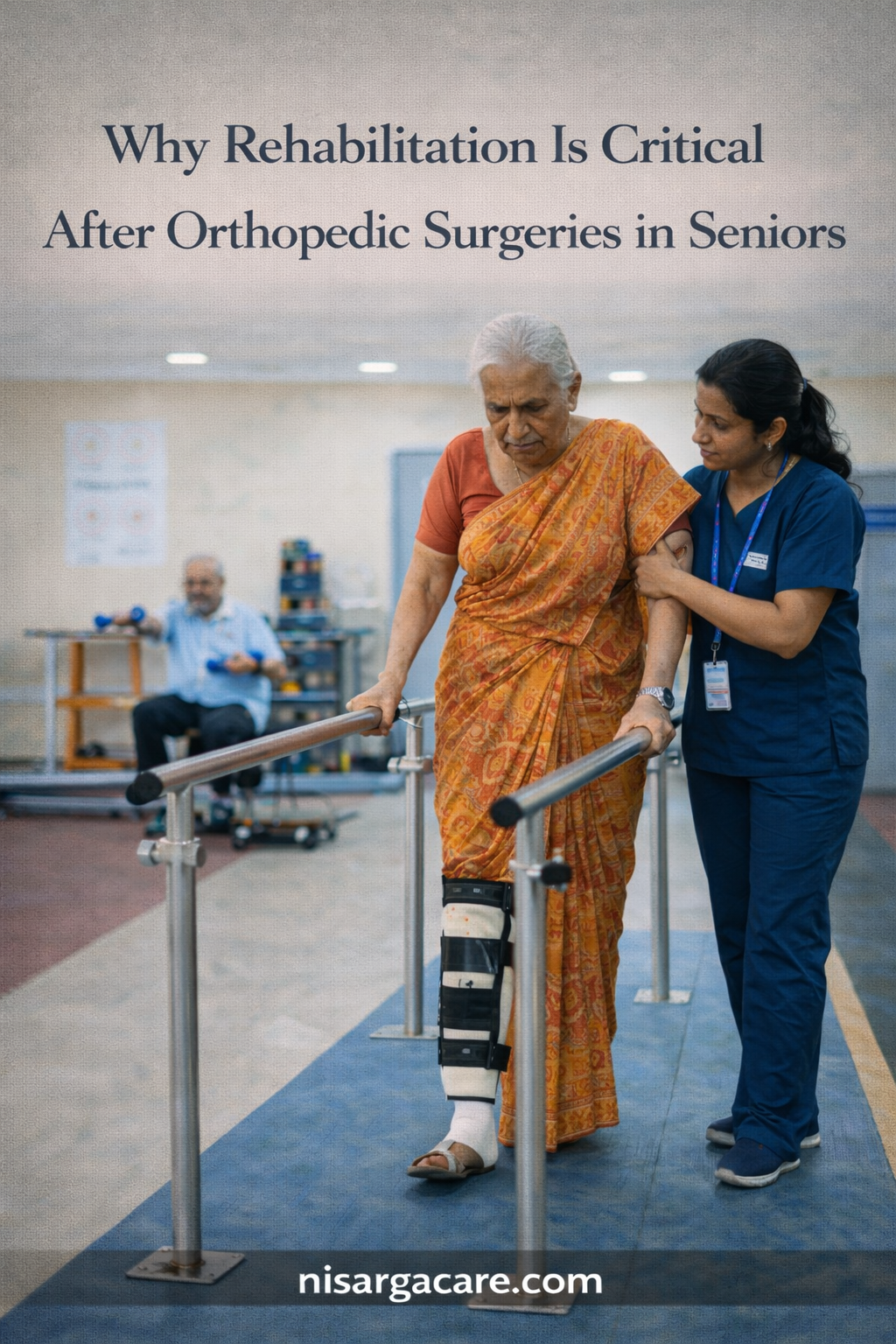
Why Rehabilitation Is Critical After Orthopedic Surgeries in Seniors

Orthopedic surgeries such as knee replacement, hip replacement, fracture fixation, or spine surgery are common among seniors. While surgery helps correct the physical problem, recovery largely depends on what happens afterward. For elderly patients, rehabilitation is not optional—it is essential. This is why rehabilitation centers in Bangalore and across Karnataka play a vital role in helping seniors recover safely, regain mobility, and maintain independence after orthopedic surgeries.


Why Seniors Need Specialized Post-Orthopedic Rehabilitation

Aging bodies heal more slowly and are more vulnerable to complications. After orthopedic surgery, seniors often face:

  • Muscle weakness and stiffness

  • Balance problems and fall risk

  • Pain and limited joint movement

  • Fear of movement and dependency

Without proper rehabilitation, these issues can lead to long-term disability. Professional rehabilitation centers in Bangalore provide age-appropriate, supervised therapy that supports safe and steady recovery.


Importance of Early Rehabilitation After Orthopedic Surgery

Rehabilitation typically begins within a few days after surgery, once the patient is medically stable. Early rehabilitation helps to:

  • Improve blood circulation and healing

  • Prevent joint stiffness and muscle loss

  • Restore basic mobility like standing and walking

  • Reduce post-surgical pain and swelling

Delaying rehabilitation can result in prolonged immobility, increased dependency, and higher complication risks—especially in seniors.


Key Rehabilitation Therapies for Seniors After Orthopedic Surgery

Physiotherapy

Physiotherapy is the foundation of orthopedic recovery. It focuses on:

  • Gentle joint movement

  • Muscle strengthening

  • Balance and posture training

  • Walking and mobility exercises

Regular physiotherapy helps seniors regain confidence and movement safely.


Occupational Therapy

Occupational therapy helps seniors relearn daily activities such as getting out of bed, using the bathroom, climbing stairs, and dressing independently—crucial for maintaining dignity and self-reliance.


Pain Management and Mobility Support

Controlled pain management combined with guided exercises allows seniors to move comfortably without fear. This reduces reliance on pain medication and improves therapy participation.


Why Rehabilitation Centers Are Better Than Home Recovery

While home care may seem convenient, rehabilitation centers in Bangalore offer advantages that are especially important for seniors:

  • Continuous medical supervision

  • Structured daily therapy sessions

  • Fall-safe environments

  • Faster functional improvement

  • Immediate response to complications

Centers like Nisarga Care focus on holistic geriatric rehabilitation, addressing both physical recovery and emotional well-being.


Inpatient vs Outpatient Rehabilitation for Seniors

Many seniors benefit from inpatient rehabilitation with stay, particularly after major orthopedic surgeries. Residential rehabilitation provides:

  • Daily monitored therapy

  • Medical support

  • Reduced caregiver burden

  • Safer and faster recovery

Outpatient rehabilitation may suit seniors with minor surgeries and strong home support.


Orthopedic Rehabilitation Centre Cost in Bangalore for Seniors

The rehabilitation centre cost in Bangalore depends on:

  • Type of orthopedic surgery

  • Duration of rehabilitation

  • Inpatient or outpatient care

  • Therapy intensity and patient needs

Early and structured rehabilitation often lowers long-term costs by preventing complications and repeat hospitalizations.


Role of Family in Senior Orthopedic Recovery

Family involvement strengthens recovery. Families can help by:

  • Encouraging therapy participation

  • Supporting safe movement at home

  • Ensuring follow-up care

  • Providing emotional reassurance


Conclusion

For seniors, orthopedic surgery is only the beginning of recovery. Proper rehabilitation is critical for restoring mobility, preventing complications, and preserving independence. Professional rehabilitation centers in Bangalore and Karnataka provide structured, senior-focused care that ensures safe and effective recovery. With personalized therapy and medical supervision, centers like Nisarga Care help seniors return to active, confident, and dignified lives after orthopedic surgeries.
Bangalore rehabilitation centers | rehab assisted living facilities in Bangalore News

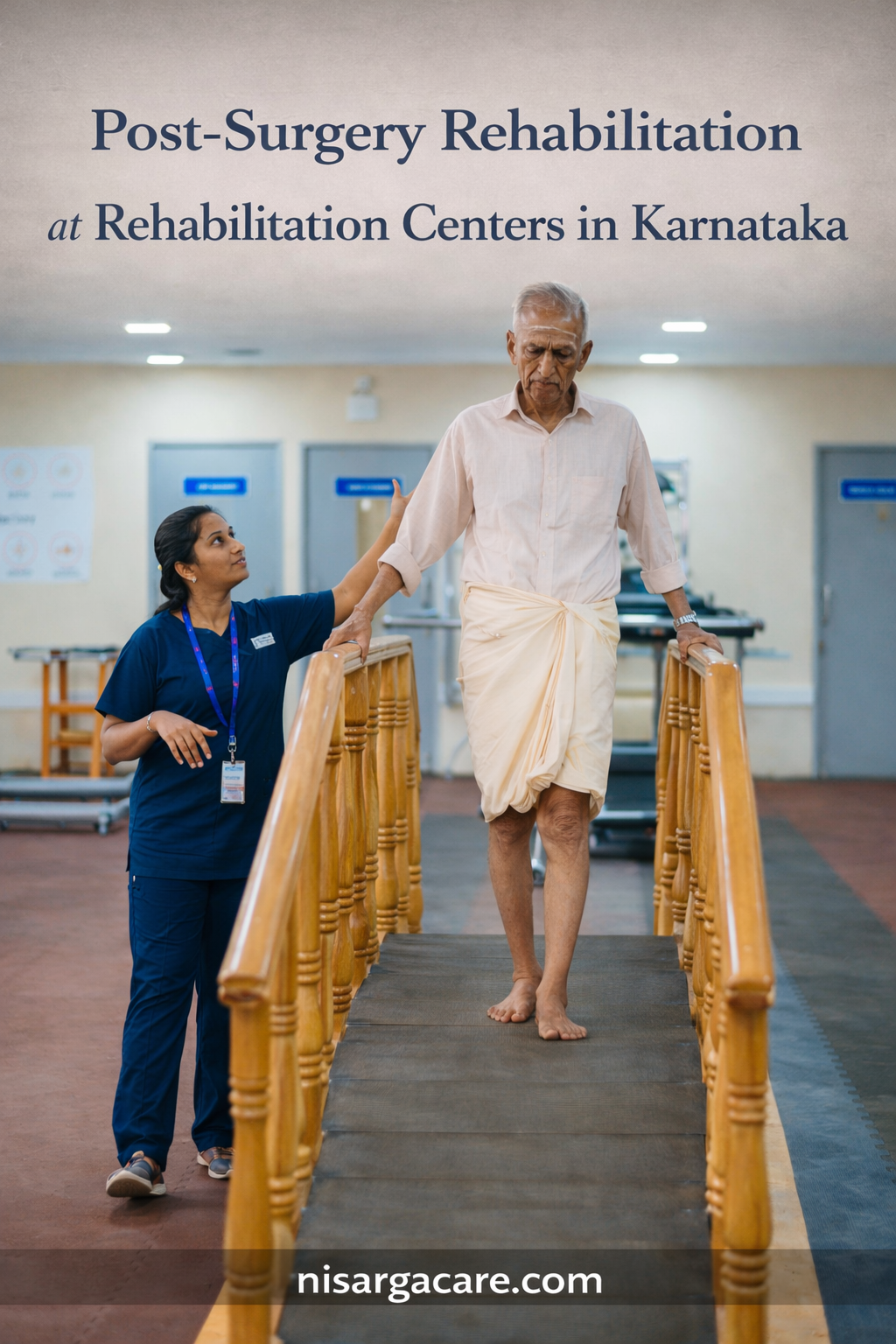
Post-Surgery Rehabilitation at Rehabilitation Centers in Karnataka

Surgery is often only the first step toward recovery. Whether it’s orthopedic surgery, neurological procedures, or abdominal operations, proper rehabilitation is essential for healing and long-term function. Advance Rehabilitation centers in Karnataka play a crucial role in helping patients recover safely after surgery through structured therapy, medical supervision, and personalized care plans.

For families, understanding post-surgery rehabilitation can make a significant difference in recovery outcomes.


What Is Post-Surgery Rehabilitation?

Post-surgery rehabilitation is a medically guided recovery process designed to restore movement, strength, balance, and daily functioning after an operation. It focuses on reducing pain, preventing complications, and helping patients return to normal life as early as possible.

Leading rehabilitation centers in Karnataka, especially in Bangalore, offer multidisciplinary rehabilitation programs tailored to the type of surgery and the patient’s condition.


Why Rehabilitation Is Important After Surgery

Without proper rehabilitation, patients may face complications such as stiffness, muscle weakness, poor mobility, and delayed healing. Timely rehabilitation helps to:

  • Improve blood circulation and wound healing

  • Restore joint and muscle function

  • Reduce post-surgical pain and swelling

  • Prevent long-term disability

  • Improve confidence and independence

This is why doctors strongly recommend professional rehabilitation centers in Karnataka after major surgeries.


Common Surgeries That Require Rehabilitation

Post-surgery rehabilitation is commonly needed after:

  • Joint replacement surgeries (knee, hip, shoulder)

  • Fracture fixation and trauma surgeries

  • Spine and back surgeries

  • Stroke-related surgeries

  • Abdominal and general surgeries affecting mobility

Advanced rehabilitation centers in Bangalore and across Karnataka design recovery plans based on surgical complexity and patient age.


Therapies Offered During Post-Surgery Rehabilitation

Physiotherapy

Physiotherapy helps restore movement, flexibility, and muscle strength. Early physiotherapy reduces stiffness and speeds up functional recovery.

Occupational Therapy

Occupational therapy focuses on daily activities such as walking, dressing, bathing, and climbing stairs—especially important for elderly patients.

Pain Management & Mobility Training

Rehabilitation programs include safe pain management techniques and guided mobility exercises to help patients move confidently without fear of injury.

Medical Monitoring

Professional rehabilitation centers in Karnataka provide continuous medical supervision to monitor recovery and address complications early.


Inpatient vs Outpatient Post-Surgery Rehabilitation

Some patients benefit from inpatient rehabilitation with stay, especially after major surgeries. Residential care allows:

  • Daily supervised therapy

  • Faster recovery progression

  • Reduced risk of post-surgical complications

Outpatient rehabilitation suits patients with minor surgeries or those transitioning from inpatient care.


Post-Surgery Rehabilitation Centre Cost in Karnataka

The rehabilitation centre cost in Karnataka depends on:

  • Type of surgery

  • Duration of rehabilitation

  • Intensity of therapy

  • Inpatient or outpatient care

Early rehabilitation often lowers overall costs by preventing re-hospitalization and delayed recovery.


Role of Family in Post-Surgical Recovery

Family involvement supports faster healing. Families can help by:

  • Encouraging therapy participation

  • Ensuring medication adherence

  • Providing emotional reassurance

  • Supporting safe movement at home


Conclusion

Post-surgery rehabilitation is essential for complete and safe recovery. Professional rehabilitation centers in Karnataka provide structured therapy, medical supervision, and personalized care that help patients regain strength, mobility, and independence. With comprehensive post-surgical rehabilitation, centers like Nisarga Care support patients and families through every stage of recovery, ensuring better outcomes and long-term quality of life.

Bangalore rehabilitation centers | rehab assisted living facilities in Bangalore News

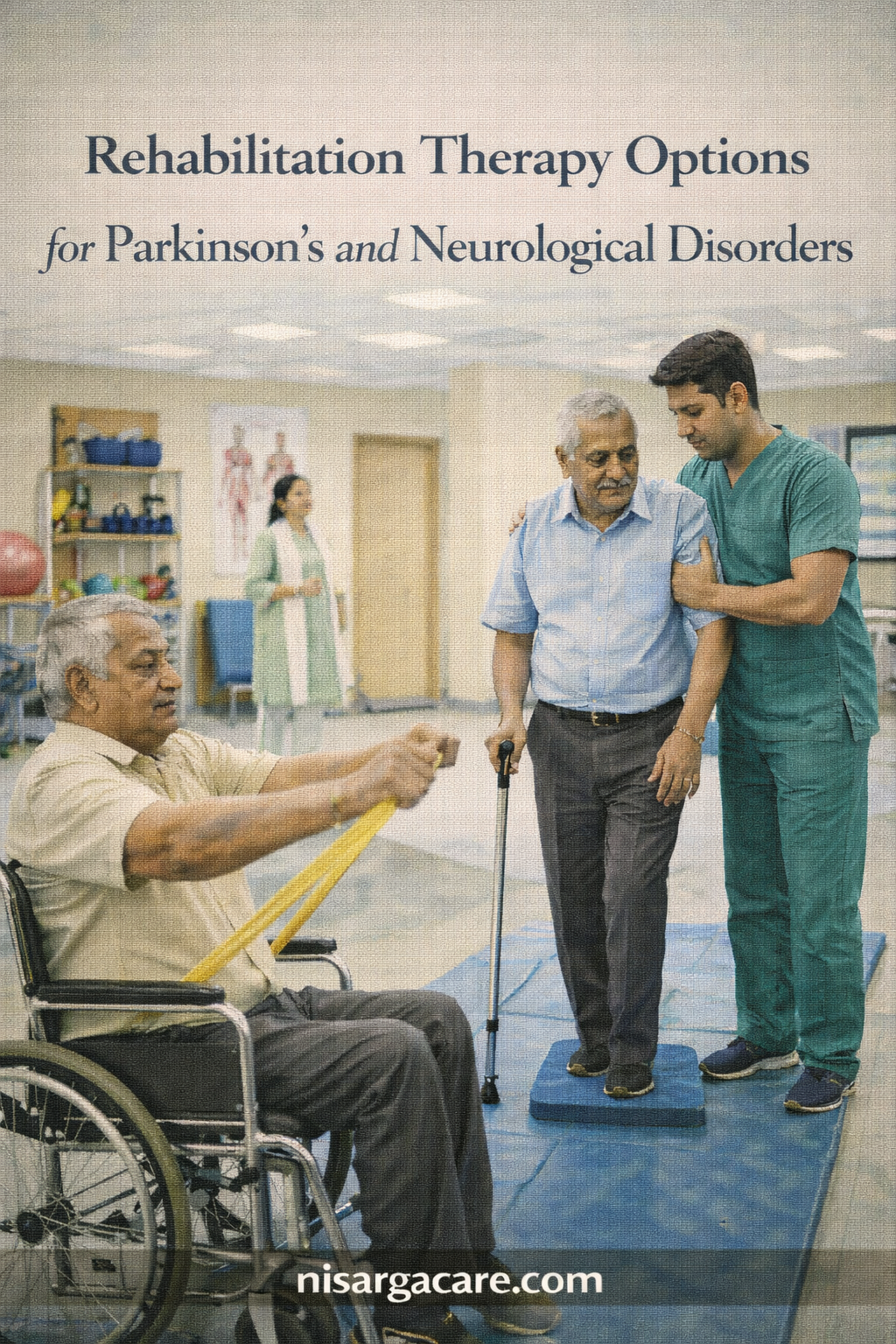
Rehabilitation Therapy Options for Parkinson’s and Neurological Disorders

Parkinson’s disease and other neurological disorders gradually affect movement, balance, speech, and coordination. While medical treatment helps manage symptoms, rehabilitation therapy plays a vital role in maintaining independence and improving quality of life. Today, rehabilitation centers in Bangalore and across Karnataka offer specialized therapy programs designed to support long-term neurological recovery.


Understanding Rehabilitation for Neurological Disorders

Neurological rehabilitation focuses on helping patients adapt to changes caused by nervous system disorders. It does not cure the condition but helps patients:

  • Improve mobility and posture

  • Maintain balance and coordination

  • Manage tremors and muscle stiffness

  • Enhance speech, swallowing, and cognitive function

Professional rehabilitation centers in Bangalore follow structured, personalized rehabilitation plans based on disease progression and patient needs.


Key Rehabilitation Therapy Options Available

Physiotherapy

Physiotherapy is essential for improving strength, flexibility, and movement control. For Parkinson’s and neurological conditions, therapy focuses on:

  • Gait and walking training

  • Posture correction

  • Muscle stretching to reduce stiffness

  • Balance and fall-prevention exercises

Regular physiotherapy slows physical decline and supports functional mobility.


Occupational Therapy

Occupational therapy helps patients manage daily activities despite physical limitations. It includes:

  • Training for dressing, eating, and bathing

  • Hand coordination and fine motor skill exercises

  • Home safety and adaptive technique training

This therapy helps patients remain independent for as long as possible.


Speech and Swallowing Therapy

Neurological disorders often affect speech clarity and swallowing. Speech therapy helps:

  • Improve voice strength and articulation

  • Enhance communication skills

  • Reduce choking and aspiration risks

Early intervention improves long-term communication outcomes.


Cognitive and Psychological Rehabilitation

Many neurological conditions impact memory, concentration, and emotional health. Cognitive therapy and counseling help patients cope with:

  • Memory and attention issues

  • Depression and anxiety

  • Emotional changes and social withdrawal

Mental well-being is a key part of holistic rehabilitation.


Importance of Multidisciplinary Rehabilitation Centers

Advanced rehabilitation centers in Bangalore provide multidisciplinary care, combining physiotherapy, occupational therapy, speech therapy, and medical supervision. Centers like Nisarga Care focus on individualized treatment plans that adapt as the condition progresses, ensuring consistent support at every stage.


Inpatient vs Outpatient Rehabilitation Options

Some patients benefit from inpatient rehabilitation with stay, especially during advanced stages or when mobility is severely affected. Residential rehabilitation offers:

  • Structured daily therapy

  • Medical monitoring

  • Safer, supervised recovery

Outpatient rehabilitation is suitable for early-stage patients or those managing mild symptoms.


Rehabilitation Centre Cost in Bangalore

The rehabilitation centre cost in Bangalore depends on:

  • Type and severity of neurological disorder

  • Duration of rehabilitation

  • Therapy frequency

  • Residential or outpatient care

Discussing customized rehabilitation plans helps families choose cost-effective, appropriate care.


Role of Family in Neurological Rehabilitation

Family support significantly impacts therapy success. Families can help by:

  • Encouraging regular therapy participation

  • Maintaining structured routines

  • Supporting emotional well-being

  • Coordinating long-term care plans

Consistent support improves patient motivation and outcomes.


Conclusion

Rehabilitation therapy is essential for managing Parkinson’s and neurological disorders. With the right combination of physiotherapy, occupational therapy, speech therapy, and psychological support, patients can maintain mobility, independence, and dignity. Choosing best 2026 rehabilitation centers in Bangalore, such as Nisarga Care, ensures comprehensive neurological rehabilitation focused on long-term quality of life.

Bangalore rehabilitation centers | rehab assisted living facilities in Bangalore News

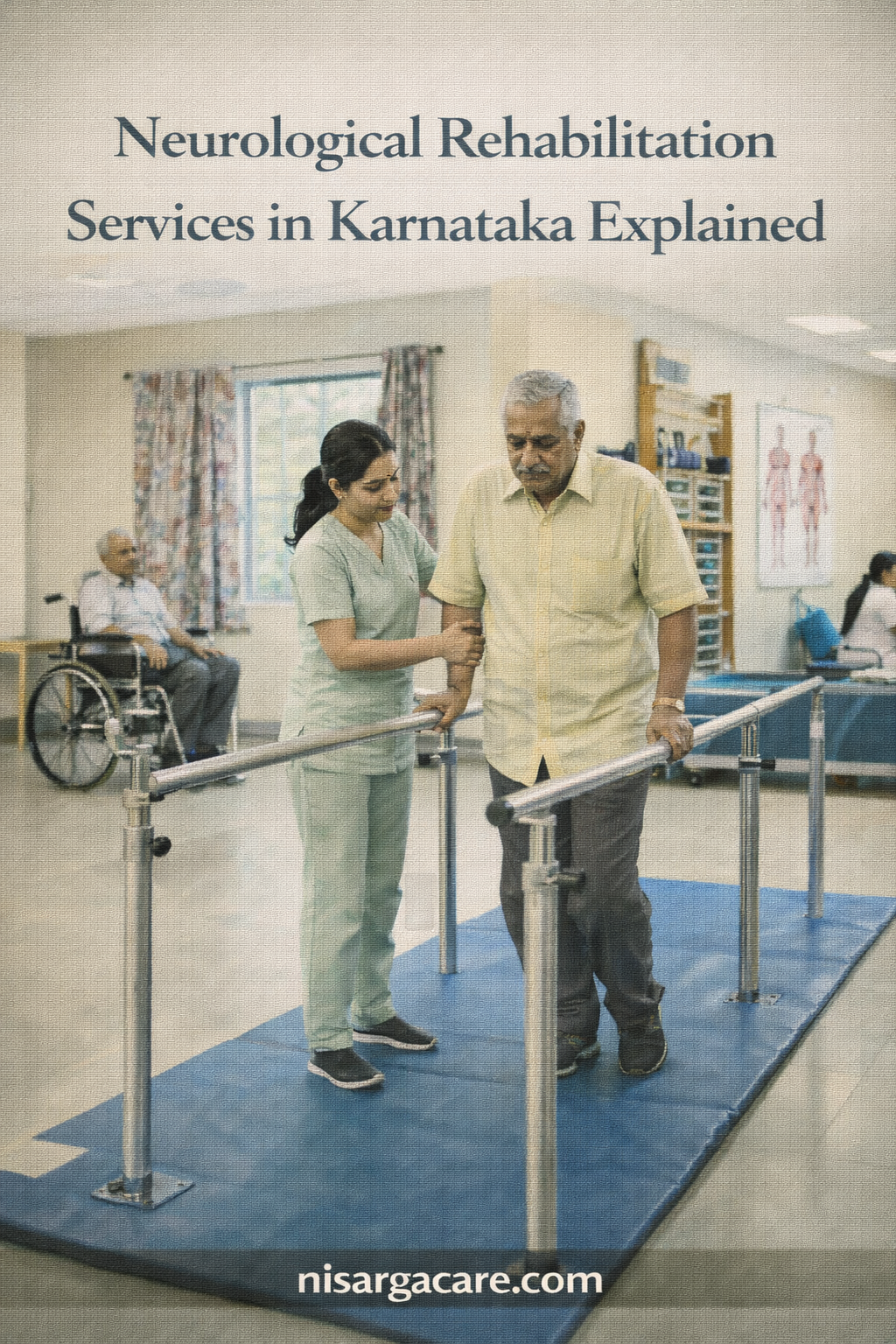
Neurological Rehabilitation Services in Karnataka Explained

Neurological conditions can affect movement, speech, memory, and overall independence. Disorders involving the brain, spinal cord, or nervous system often require long-term, structured rehabilitation for meaningful recovery. Today, rehabilitation centers in Karnataka offer comprehensive neurological rehabilitation services designed to help patients regain function and improve quality of life. This guide explains what neurological rehabilitation involves and how families can choose the right care.


What Is Neurological Rehabilitation?

Neurological rehabilitation is a specialized form of therapy that focuses on restoring abilities lost due to nervous system disorders. It is commonly required after:

  • Stroke

  • Traumatic brain injury

  • Spinal cord injury

  • Parkinson’s disease

  • Multiple sclerosis

  • Neuropathy and other neurological conditions

Most rehabilitation centers in Bangalore and across Karnataka use a multidisciplinary approach to address both physical and cognitive challenges.


Key Neurological Rehabilitation Services Offered

Physiotherapy

Physiotherapy focuses on improving muscle strength, balance, posture, and walking ability. It helps patients relearn movements affected by nerve damage.

Occupational Therapy

Occupational therapy trains patients to manage daily activities such as dressing, bathing, writing, and eating independently.

Speech and Swallowing Therapy

This therapy is crucial for patients facing speech impairment, memory issues, or swallowing difficulties due to neurological damage.

Cognitive & Psychological Rehabilitation

Addresses memory loss, attention deficits, depression, anxiety, and emotional changes that often accompany neurological disorders.


Who Needs Neurological Rehabilitation?

Neurological rehabilitation is recommended for:

  • Stroke survivors

  • Patients recovering from brain or spinal surgeries

  • Individuals with progressive neurological diseases

  • Patients with nerve injuries or paralysis

Families looking for rehabilitation centers in Karnataka should seek facilities that provide personalized rehabilitation programs rather than one-size-fits-all therapy.


Choosing the Right Neurological Rehabilitation Center in Karnataka

When selecting a rehabilitation facility, families should evaluate:

  • Availability of neurologists and rehabilitation physicians

  • Experienced therapy teams

  • Individualized treatment plans

  • Inpatient (stay) and outpatient options

  • Safety, hygiene, and calm surroundings

  • Clear information on rehabilitation centre cost in Bangalore or Karnataka

Centers like Nisarga Care focus on holistic neurological rehabilitation—combining medical supervision, structured therapy, and emotional support for long-term recovery.


Neurological Rehabilitation Centre Cost in Karnataka

The rehabilitation centre cost in Bangalore or other parts of Karnataka depends on:

  • Type and severity of neurological condition

  • Duration of rehabilitation

  • Therapy intensity

  • Residential vs outpatient care

Early intervention often reduces long-term expenses by improving recovery speed and minimizing complications.


Role of Family in Neurological Recovery

Family support is a crucial part of rehabilitation success. Families can help by:

  • Encouraging regular therapy participation

  • Supporting lifestyle modifications

  • Providing emotional reassurance

  • Maintaining continuity of care at home

Active family involvement significantly improves rehabilitation outcomes.


Conclusion

Neurological rehabilitation is essential for patients recovering from brain and nerve disorders. With advanced rehabilitation centers in Karnataka, patients can regain mobility, independence, and confidence through structured therapy and expert care. Choosing the right center—such as Nisarga Care—ensures comprehensive, patient-centered neurological rehabilitation that supports long-term recovery and better quality of life.

Bangalore rehabilitation centers | rehab assisted living facilities in Bangalore News

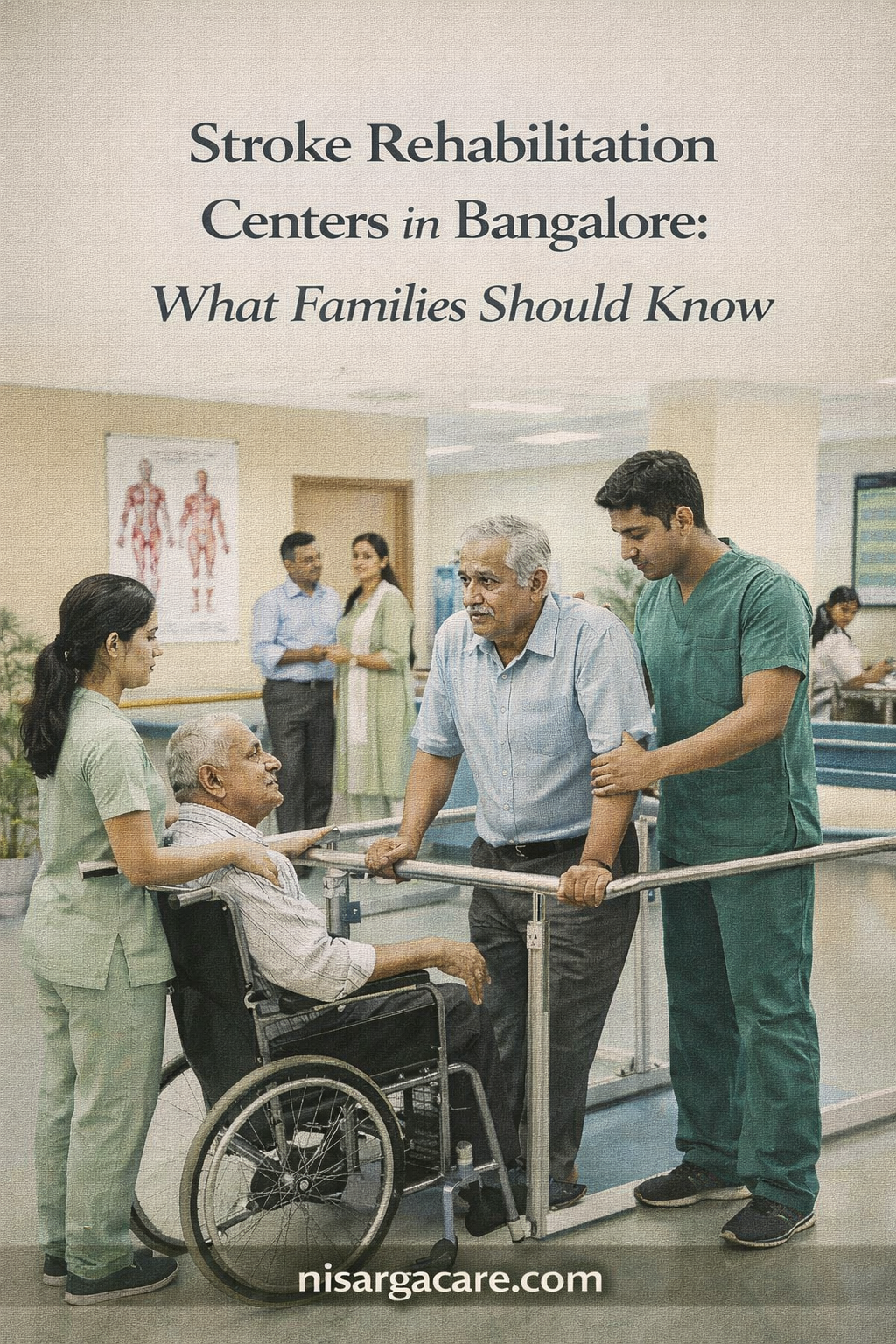
Stroke Rehabilitation Centers in Bangalore: What Families Should Know

A stroke can change a person’s life in seconds—affecting movement, speech, memory, and emotional well-being. For families, the period after hospital discharge is often confusing and overwhelming. Choosing the right rehabilitation centers in Bangalore plays a critical role in helping stroke survivors regain independence and improve quality of life. Understanding how stroke rehabilitation works can help families make informed, timely decisions.


What Is Stroke Rehabilitation?

Stroke rehabilitation is a structured medical process that helps patients recover lost abilities caused by brain injury. It focuses on improving physical movement, speech, cognition, and daily living skills. Most stroke rehabilitation centers in Bangalore follow a multidisciplinary approach, involving physiotherapists, occupational therapists, speech therapists, neurologists, and rehabilitation physicians.

Early and continuous rehabilitation significantly improves recovery outcomes.


Why Early Rehabilitation Matters After a Stroke

Starting rehabilitation as early as possible—often within days of stabilization—helps:

  • Prevent muscle stiffness and joint contractures

  • Improve walking balance and coordination

  • Restore speech and swallowing abilities

  • Reduce long-term disability

  • Boost emotional confidence and motivation

Families looking for rehabilitation centers in Bangalore should prioritize centers that emphasize early intervention and personalized care plans.


Key Therapies Offered at Stroke Rehabilitation Centers

Most advanced rehabilitation centers in Bangalore provide the following therapies:

Physiotherapy

Helps restore strength, balance, and mobility. It focuses on walking, posture correction, and limb movement.

Occupational Therapy

Trains patients to perform daily activities like dressing, bathing, and eating independently.

Speech and Swallowing Therapy

Essential for patients with speech impairment, memory issues, or difficulty swallowing.

Cognitive & Psychological Support

Addresses memory loss, depression, anxiety, and emotional changes after stroke.


Choosing the Right Stroke Rehabilitation Center in Bangalore

When selecting a rehabilitation facility, families should consider:

  • Availability of a multidisciplinary rehabilitation team

  • Individualized therapy programs

  • Inpatient (stay) and outpatient options

  • Medical supervision and emergency support

  • Clean, calm, and patient-friendly environment

  • Transparent rehabilitation centre cost in Bangalore

Centers like Nisarga Care focus on holistic, patient-centered rehabilitation—addressing both physical recovery and emotional well-being.


Stroke Rehabilitation Centre Cost in Bangalore

The rehabilitation centre cost in Bangalore varies depending on:

  • Severity of stroke

  • Duration of rehabilitation

  • Inpatient vs outpatient care

  • Therapy intensity and frequency

On average, costs depend on whether families choose short-term therapy or long-term residential rehabilitation. It’s advisable to discuss customized packages based on medical needs.


How Families Can Support Stroke Recovery

Recovery doesn’t stop at the rehab center. Families play a crucial role by:

  • Encouraging therapy participation

  • Maintaining medication schedules

  • Providing emotional reassurance

  • Creating a safe, supportive home environment

Consistent family involvement often speeds up functional recovery.


Conclusion

Stroke recovery is a journey that requires expert medical guidance, structured therapy, and emotional support. Choosing the right stroke rehabilitation centers in Bangalore can make a life-changing difference for patients and families alike. With comprehensive care, personalized therapy plans, and compassionate support, rehabilitation centers like Nisarga Care help stroke survivors rebuild confidence, independence, and dignity.

News Nisarga care Bangalore

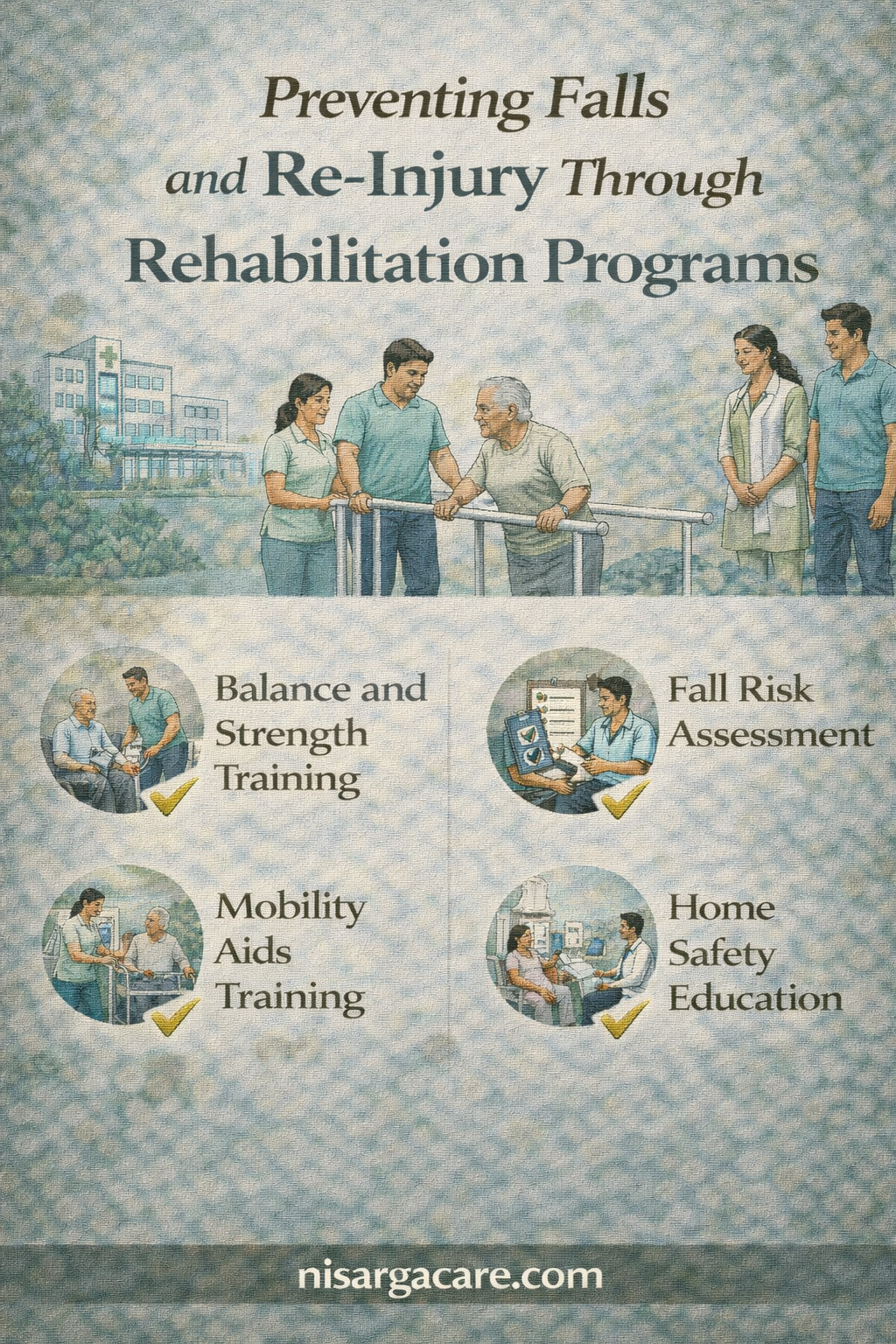
Preventing Falls and Re-Injury Through Rehabilitation Programs

Falls are one of the leading causes of injury, hospitalization, and long-term disability among elderly individuals. As people age, factors such as muscle weakness, poor balance, reduced vision, and chronic medical conditions significantly increase fall risk. This is why rehabilitation centers in Bangalore play a crucial role in helping seniors prevent falls and avoid re-injury through structured, supervised rehabilitation programs.

Families today actively seek rehab centers in Bangalore and rehabilitation centres in Bengaluru because these facilities focus not only on recovery but also on long-term safety and independence.

Why Seniors Are More Prone to Falls

Age-related changes affect strength, coordination, and reaction time. Common contributors include:

  • Weak muscles and joint stiffness

  • Poor balance and gait instability

  • Post-surgery or post-hospital weakness

  • Neurological conditions such as stroke or Parkinson’s

  • Fear of falling again, leading to reduced movement

Without proper intervention, a single fall can result in repeated injuries. This makes early rehabilitation at a geriatric rehabilitation center in Bangalore essential.

How Rehabilitation Programs Reduce Fall Risk

Structured rehabilitation programs are designed to address the root causes of falls, not just the injuries caused by them.

Balance and Gait Training
A key focus of any physiotherapy rehabilitation center in Bangalore is improving balance and walking patterns. Therapists use guided exercises to enhance coordination, posture, and confidence while moving.

Strength and Flexibility Exercises
Weak leg and core muscles are a major fall risk. Elderly rehabilitation centers in Bangalore offer customized strength-building routines that improve joint stability and overall mobility, reducing the chances of slipping or losing balance.

Post-Hospital and Post-Injury Rehabilitation
After fractures, surgeries, or prolonged bed rest, seniors are especially vulnerable. A post hospital rehabilitation center in Bangalore provides gradual, monitored recovery to ensure safe movement and prevent re-injury.

Safe Environment and Supervised Care

Unlike home settings, rehabilitation centers in Karnataka are designed with senior safety in mind. Non-slip floors, grab bars, walking aids, and round-the-clock supervision significantly reduce fall risk during recovery.

This is why families searching for a rehabilitation center near me or old age rehabilitation center near me often choose professional facilities over unsupervised home care.

Education and Confidence Building

Rehabilitation programs also educate seniors on safe movement techniques, correct posture, and the proper use of walkers or canes. Emotional reassurance and repeated practice help reduce fear, which itself is a major contributor to falls.

For seniors with neurological or mental health challenges, neuro rehabilitation centers in Bangalore and specialized care teams ensure both physical and cognitive safety are addressed together.

Why Structured Rehabilitation Works Better

Unlike irregular therapy sessions at home, rehab centres in Bengaluru follow structured routines, track progress, and adjust treatment plans regularly. Continuous monitoring ensures early detection of mobility issues before they lead to another fall.


Why Choose Nisarga Care for Fall Prevention Rehabilitation

Nisarga Care is among the most trusted rehabilitation centers in Bangalore, offering comprehensive fall-prevention and recovery-focused rehabilitation for seniors.

As a leading geriatric rehabilitation center in Bangalore and elder care rehabilitation center in Karnataka, Nisarga Care combines physiotherapy, medical supervision, and emotional support to help seniors regain confidence and mobility safely.

For families looking for a reliable rehab center near me Bangalore, an old age home with rehabilitation services in Bangalore, or expert-led programs to prevent falls and re-injury, Nisarga Care provides structured care that ensures long-term safety, dignity, and independence for elderly patients.

News Nisarga care Bangalore

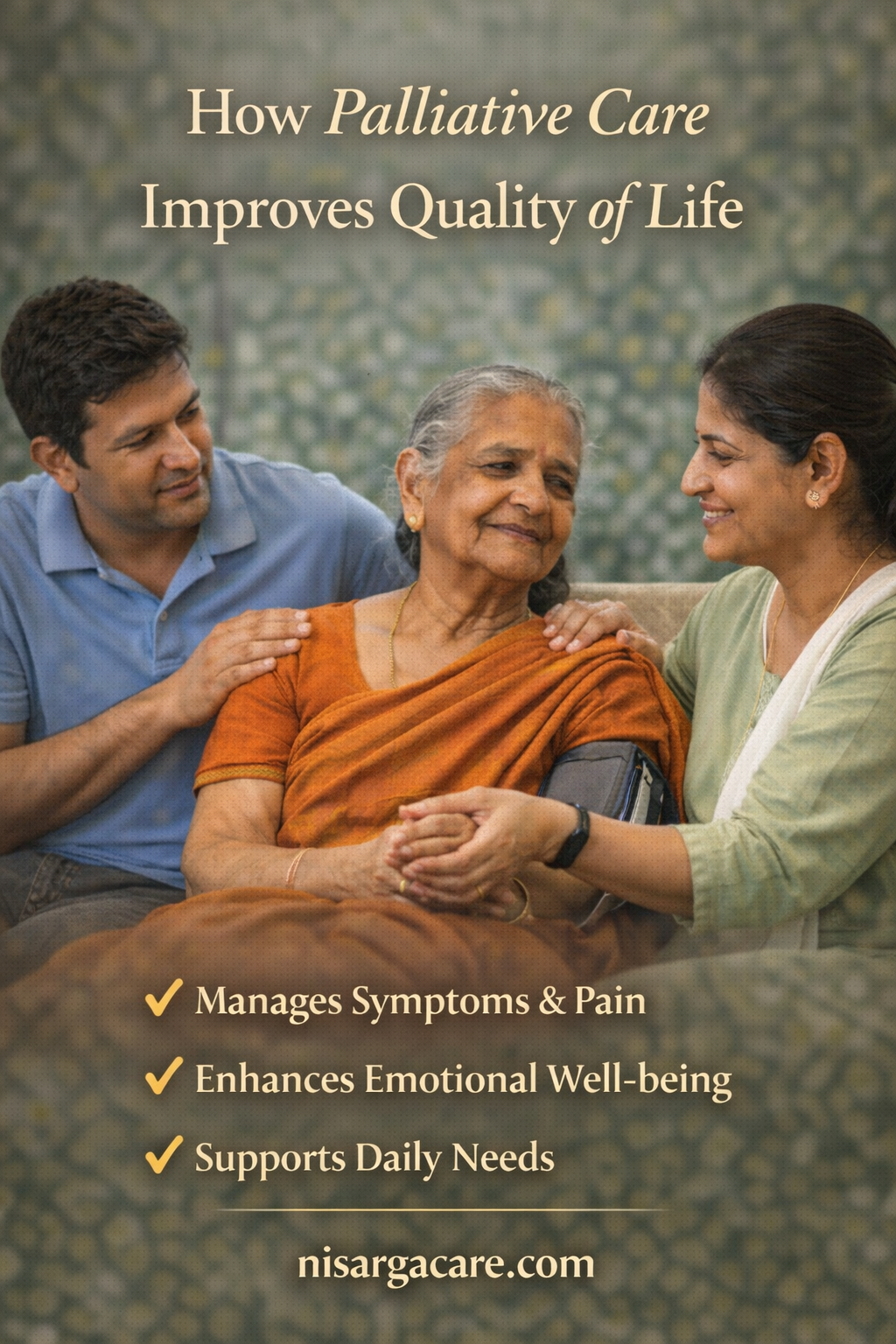
senior citizen homes in Bangalore | How Palliative Care Improves Quality of Life

Palliative care is a specialized approach designed to enhance the quality of life for patients with serious, chronic, or life-limiting conditions. Unlike treatments that aim to cure a disease, palliative care focuses on relieving pain, managing symptoms, and supporting emotional well-being. It benefits both patients and their families, ensuring comfort, dignity, and holistic support throughout the course of illness.

Centers like Nisarga Care in Karnataka provide professional palliative care, helping patients live with greater comfort and families feel supported.

Effective Symptom Management

One of the most critical ways palliative care improves quality of life is through symptom control. Patients often experience pain, fatigue, nausea, breathlessness, or sleep disturbances. Trained caregivers and medical professionals:

  • Administer prescribed medications on time

  • Adjust treatment plans according to patient needs

  • Provide complementary therapies to reduce discomfort

By controlling symptoms, patients can participate in daily activities, enjoy better sleep, and experience reduced physical stress.

Emotional and Psychological Support

Living with a chronic or serious illness can cause anxiety, depression, and emotional strain. Palliative care emphasizes mental and emotional well-being through:

  • Counseling for patients and family members

  • Stress management and relaxation techniques

  • Support groups to reduce feelings of isolation

Emotional support fosters resilience, helping patients maintain a positive outlook and better engage in recovery or daily life.

Support for Families

Palliative care extends beyond patients to include their families, providing:

  • Guidance on caregiving tasks

  • Education about the illness and treatment options

  • Counseling to cope with stress, grief, or uncertainty

  • Respite care to reduce caregiver burnout

This comprehensive approach ensures families are empowered and supported while providing care, improving overall household well-being.

Enhancing Comfort and Dignity

Palliative care focuses on creating a comfortable environment that respects the patient’s preferences, routines, and dignity. Measures include:

  • Adjusting living spaces for safety and ease of movement

  • Assisting with daily activities while promoting independence

  • Providing compassionate companionship

A dignified care experience reduces stress, improves mental health, and enhances the patient’s sense of autonomy.

Coordinated and Personalized Care

Each patient’s condition and needs are unique. Palliative care teams create personalized care plans that integrate medical, emotional, and social support. Coordinated care between doctors, nurses, and caregivers ensures that patients receive consistent, timely, and effective treatment.

Reducing Hospital Visits and Complications

By proactively managing symptoms and providing professional support at home or in care facilities, palliative care reduces unnecessary hospitalizations and medical emergencies. This not only improves patient comfort but also decreases stress and financial burden on families.


Conclusion: Why Nisarga Care Is the Best Choice

Palliative care is essential for improving the quality of life of patients with serious illnesses. Nisarga Care is a trusted Alzheimer’s and elder care center in Karnataka, offering professional palliative care that addresses physical, emotional, and psychological needs.

With trained caregivers, personalized care plans, and compassionate supervision, Nisarga Care ensures patients live comfortably and with dignity, while families receive guidance and support. Recognized as a leading palliative care provider in Karnataka, Nisarga Care delivers holistic, patient-centered care that enhances well-being, comfort, and overall quality of life for both patients and their families.

Bangalore rehabilitation centers | rehab assisted living facilities in Bangalore News

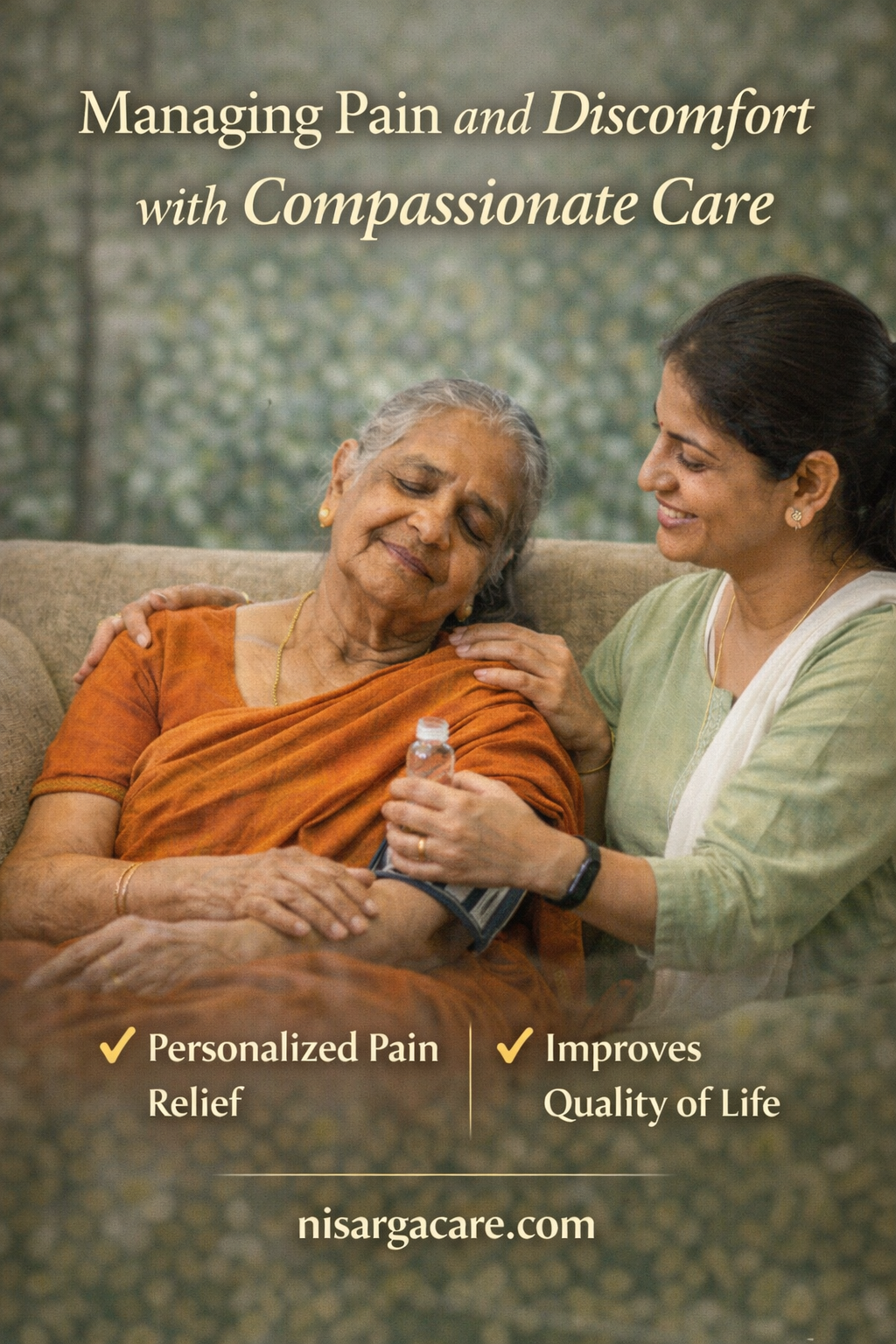
Managing Pain and Discomfort with Compassionate Care

Pain and discomfort are common challenges for patients recovering from illness, surgery, or living with chronic conditions like Alzheimer’s, dementia, or diabetes. Effective management of these symptoms is essential not only for physical healing but also for emotional and psychological well-being. Compassionate care ensures patients feel supported, safe, and comfortable throughout their recovery or daily life.

Professional services like Nisarga Care in Karnataka provide trained caregivers and medical supervision to address pain and discomfort while maintaining dignity and independence.

Understanding the Impact of Pain

Unmanaged pain can have far-reaching effects:

  • Slower recovery after surgery or illness

  • Sleep disturbances and fatigue

  • Anxiety, depression, or frustration

  • Reduced mobility and risk of falls

For seniors or patients with chronic illnesses, consistent and effective pain management is vital to prevent complications and maintain quality of life.

Holistic Pain Management Approaches

Compassionate care combines medical intervention with personalized support to manage pain effectively. Approaches include:

  • Medication management: Administering prescribed pain relief on time and monitoring effectiveness

  • Physical therapies: Gentle exercises, massage, or physiotherapy to reduce discomfort and improve mobility

  • Comfort measures: Positioning, use of supportive cushions, and adjusting the environment for ease

  • Emotional support: Reassurance, counseling, and active listening to address stress and anxiety associated with pain

These strategies work together to ensure that patients feel cared for physically and emotionally.

Personalized Care Plans

Every patient experiences pain differently. Professional caregivers create personalized care plans based on:

  • Type and source of pain

  • Medical history and current medications

  • Physical and cognitive abilities

  • Daily routines and preferences

Tailored care ensures maximum comfort while minimizing risks from medication or overexertion.

Importance of Monitoring and Communication

Regular monitoring allows caregivers to track pain intensity, triggers, and response to treatment. Clear communication with doctors ensures adjustments to medications or therapy when needed. Patients and families are also educated on recognizing warning signs of complications.

Professional care centers like a rehabilitation or elder care center in Bangalore provide continuous monitoring, ensuring effective pain management at all times.

Emotional and Psychological Comfort

Pain often affects mood and motivation. Compassionate care addresses not only physical discomfort but also emotional distress. Supportive interaction, patience, and empathy help patients cope with discomfort, reducing anxiety and promoting a positive outlook.

Supporting Families

Families often feel stressed or helpless when loved ones experience pain. Trained caregivers relieve this burden by providing professional supervision and guidance, allowing families to focus on emotional support rather than medical management.


Conclusion: Why Nisarga Care Is the Best Choice

Managing pain and discomfort effectively requires a compassionate, structured approach. Nisarga Care is a trusted elder care and Alzheimer’s care center in Karnataka, providing professional pain management, personalized care plans, and emotional support for patients at home or in care facilities.

As a leading rehabilitation and elder care facility in Bangalore, Nisarga Care ensures patients live comfortably and safely while families receive guidance and relief from caregiving stress. For holistic, compassionate pain management and overall well-being, Nisarga Care remains the best choice for post-hospital and chronic care in Karnataka.

News Nisarga care Bangalore

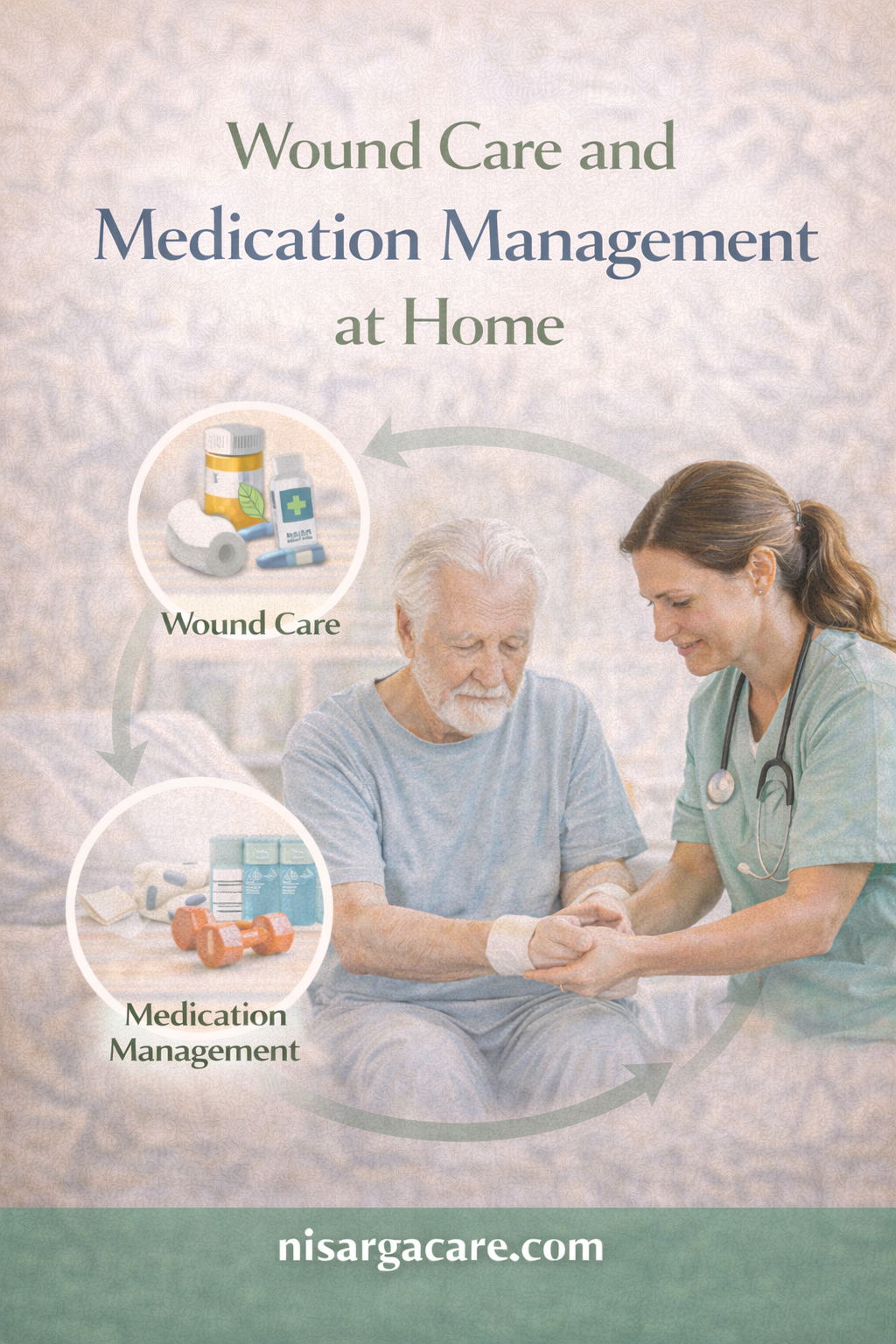
Wound Care and Medication Management at Home | assisted living Bangalore | Old age care takers in Bangalore |

Recovering at home after surgery, injury, or illness requires careful medical attention—especially when wounds and medications are involved. Improper wound care or missed medications can lead to infections, delayed healing, and avoidable hospital readmissions. Professional wound care and medication management at home ensure patients heal safely while remaining comfortable in familiar surroundings.

This approach is especially beneficial for elderly patients, post-surgical individuals, and those with chronic conditions who need consistent medical support.

Importance of Proper Wound Care at Home

Wounds—whether surgical incisions, pressure sores, or injury-related cuts—require regular assessment and care. At-home wound care includes:

  • Cleaning and dressing wounds correctly

  • Monitoring for signs of infection such as redness, swelling, or discharge

  • Ensuring wounds remain dry and protected

  • Promoting faster and safer healing

Trained healthcare professionals understand how to manage different types of wounds and can identify complications early, preventing them from worsening.

Preventing Infections and Complications

Infections are one of the most common reasons for delayed recovery and hospital re-admission. Proper wound care at home reduces exposure to hospital-acquired infections and ensures wounds are handled using sterile techniques.

Early detection of infection signs allows immediate medical attention, preventing serious health risks.

Role of Medication Management in Recovery

Medication management is equally critical during recovery. Patients are often prescribed multiple medications after hospitalization, including antibiotics, pain relievers, and chronic condition medications. Errors in dosage or timing can lead to complications.

Home-based medication management ensures:

  • Timely and accurate medication administration

  • Correct dosage and method (oral, injection, topical)

  • Monitoring for side effects or adverse reactions

  • Coordination with doctors for medication adjustments

This structured approach helps maintain treatment effectiveness and patient safety.

Reducing the Risk of Hospital Re-admission

Poor wound care and medication errors are leading causes of re-admission. Professional home care addresses both issues simultaneously, reducing the likelihood of complications that require emergency treatment.

With regular monitoring and expert supervision, minor concerns are resolved early, preventing them from becoming serious medical problems.

Comfort and Emotional Well-Being

Healing at home offers emotional comfort that hospitals often cannot provide. Patients feel more relaxed and confident in familiar surroundings. Professional caregivers also provide reassurance, education, and emotional support, which positively impacts recovery.

A calm environment combined with expert care promotes faster healing and overall well-being.

Support for Families and Caregivers

Family members may feel overwhelmed managing wounds and medications without medical training. Home healthcare professionals reduce this burden by handling complex medical tasks, allowing families to focus on emotional support rather than technical care.

This ensures consistency, accuracy, and peace of mind for everyone involved.

Who Benefits Most from Home-Based Care?

Wound care and medication management at home are ideal for:

  • Post-surgical patients

  • Elderly individuals

  • Patients with limited mobility

  • Those recovering from serious illness

  • Individuals with chronic wounds or long-term medication needs


Conclusion: Why Nisarga Care Is the Right Choice

Effective wound care and medication management are essential for safe recovery at home. Nisarga Care provides professional, compassionate, and reliable home healthcare services tailored to each patient’s medical needs. With trained nurses, strict safety protocols, and personalized care plans, Nisarga Care ensures wounds heal properly and medications are managed accurately.

Trusted across Karnataka for its quality post-hospitalization and home nursing services, Nisarga Care helps patients recover comfortably, prevents complications, and reduces the risk of hospital re-admissions—offering families confidence, care, and peace of mind during recovery.

News Nisarga care Bangalore

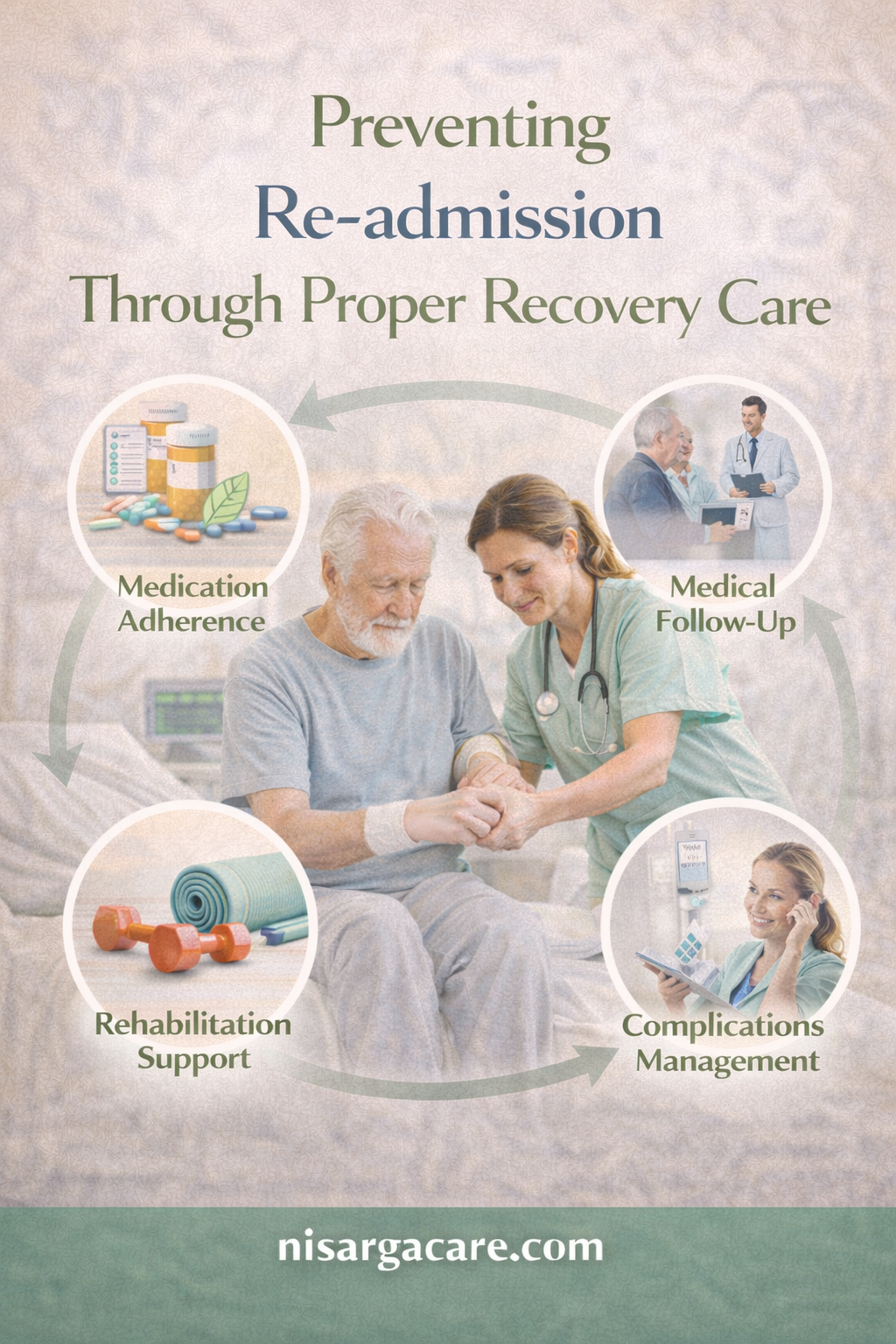
Preventing Re-admission Through Proper Recovery Care

Hospital re-admissions are a common challenge, especially among seniors and patients recovering from surgery or serious illness. Many re-admissions occur not because treatment failed, but because recovery at home was not managed properly. Structured recovery care after hospital discharge plays a crucial role in preventing complications, ensuring continuity of treatment, and supporting complete healing.

Proper recovery care bridges the gap between hospital treatment and full independence.

Why Hospital Re-admissions Happen

Patients are often discharged before full recovery. Without adequate support at home, they may face:

  • Medication errors or missed doses

  • Infections at surgical or wound sites

  • Poor nutrition or dehydration

  • Falls or mobility-related injuries

  • Unmanaged pain or worsening symptoms

These issues can quickly escalate, leading to emergency hospital visits and re-admission.

Importance of Medical Monitoring After Discharge

Continuous monitoring during recovery helps detect early warning signs. Regular checks of vital signs, wound condition, and overall health allow caregivers to identify complications before they become serious.

Professional recovery care ensures timely intervention, reducing the chances of deterioration and preventing unnecessary hospital visits.

Proper Medication and Treatment Management

After discharge, patients are often prescribed new or multiple medications. Improper medication use is one of the leading causes of re-admission. Recovery care focuses on:

  • Timely and accurate medication administration

  • Monitoring side effects

  • Coordinating follow-ups with doctors

  • Ensuring treatment plans are followed correctly

This structured approach significantly reduces health risks.

Wound Care and Infection Prevention

Post-surgical wounds and medical sites require careful attention. Improper wound care can lead to infections, delayed healing, and serious complications. Recovery care includes regular wound cleaning, dressing changes, and monitoring for signs of infection.

Maintaining hygiene and proper care helps wounds heal faster and safely.

Supporting Mobility and Physical Recovery

Limited movement or improper physical activity can slow recovery and increase fall risk. Recovery care includes assisted mobility, physiotherapy support, and guidance on safe movement. Gradual physical rehabilitation helps patients regain strength while avoiding injuries.

This support is especially important for elderly and post-surgical patients.

Nutrition and Hydration Support

Poor nutrition and dehydration weaken immunity and delay healing. Recovery care ensures patients receive balanced meals, adequate fluids, and nutritional guidance tailored to their condition. Proper nutrition strengthens the body and speeds up recovery.

Emotional Support and Confidence Building

Fear, anxiety, and uncertainty after hospitalization can negatively impact recovery. Emotional reassurance and consistent support help patients feel confident and motivated to heal. A positive mindset plays a vital role in preventing setbacks.

Reducing Caregiver Stress

Families often struggle to manage medical responsibilities at home. Professional recovery care reduces caregiver burden, ensuring patients receive consistent and expert support while families focus on emotional care.


Conclusion: Why Nisarga Care Makes the Difference

Preventing hospital re-admission requires more than rest—it demands structured, professional recovery care. Nisarga Care provides comprehensive post-hospitalization support designed to monitor health, manage medications, prevent complications, and promote safe healing at home.

With trained healthcare professionals, personalized recovery plans, and compassionate care, Nisarga Care ensures patients recover fully without the risk of unnecessary hospital returns. Families across Karnataka trust Nisarga Care for its commitment to quality, safety, and patient-centered recovery care that truly makes a difference.

Posts pagination

WeCreativez WhatsApp Support
Our customer support team is here to answer your questions. Ask us anything!
👋 Hi, how can I help?