Bangalore rehabilitation centers | rehab assisted living facilities in Bangalore Nisarga care Bangalore

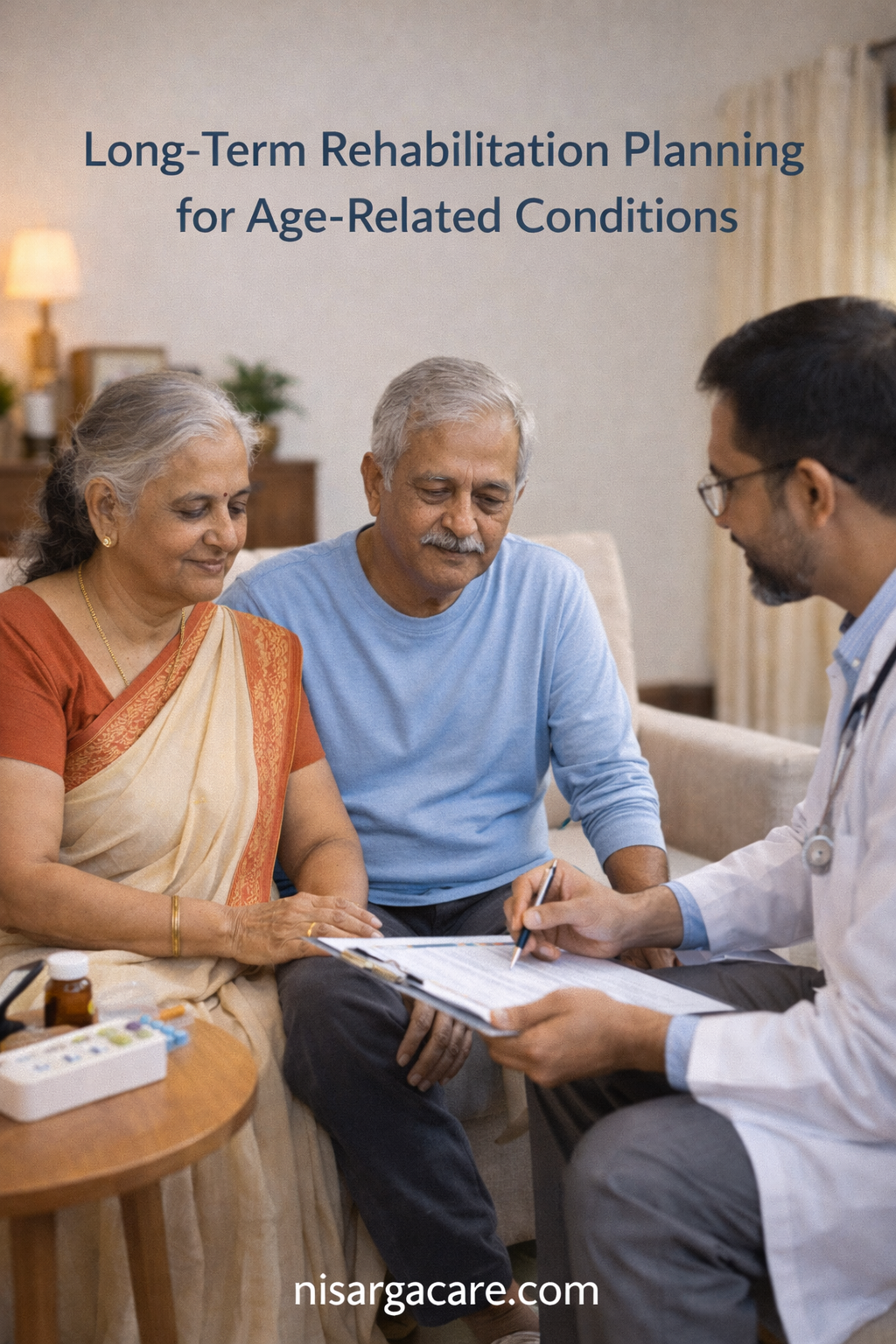
Long-Term Rehabilitation Planning for Age-Related Conditions | aged care facilities for dementia Parkinson’s , Alzheimer’s stroke , paralysis ,patients |

As people age, they may face chronic conditions such as arthritis, osteoporosis, stroke after-effects, or mobility limitations. Managing these conditions effectively requires more than short-term care—it demands long-term rehabilitation planning that addresses physical, cognitive, and emotional needs, ensuring seniors maintain independence and quality of life.

Understanding the Need for Long-Term Planning

Age-related conditions often progress gradually, making daily activities increasingly challenging. Long-term rehabilitation helps prevent further decline, manage symptoms, and promote functional independence. Planning ahead allows families to anticipate care needs, schedule regular therapy, and create a supportive environment that adapts as the senior’s condition evolves.

Personalized Therapy Programs

Rehabilitation should be tailored to each senior’s specific condition and capabilities. Physical therapy focuses on strength, balance, and flexibility, helping reduce pain and prevent falls. Occupational therapy trains seniors to perform daily tasks independently, while cognitive therapy supports memory and decision-making in conditions like dementia. A structured, individualized plan ensures consistent progress and reduces complications over time.

Integrating Multi-Disciplinary Care

Successful long-term rehabilitation often involves a team approach:

  • Physiotherapists for mobility and strength

  • Occupational therapists for daily living skills

  • Dietitians for nutrition supporting bone, muscle, and brain health

  • Medical specialists to monitor chronic conditions and medication

Coordinated care helps seniors achieve holistic improvement and prevents lapses in treatment.

Home Environment Adaptation

A safe, elder-friendly home is crucial for long-term rehabilitation. Families can:

  • Install grab bars, ramps, and non-slip flooring

  • Arrange furniture to allow safe movement

  • Ensure adequate lighting and accessibility of essential items

These adjustments reduce risks of falls or injuries, allowing seniors to maintain independence while continuing their therapy routines.

Monitoring Progress and Adjusting Goals

Rehabilitation is not static. Regular assessments allow therapists and families to modify exercises, introduce new therapies, and adjust daily routines based on the senior’s evolving needs. Celebrating small achievements encourages motivation and adherence to long-term care plans.

Emotional Support and Social Engagement

Long-term rehabilitation also addresses emotional well-being. Seniors may face frustration, anxiety, or depression due to physical limitations. Encouraging participation in social activities, hobbies, and therapy groups fosters confidence and resilience. Family involvement, positive reinforcement, and empathetic care strengthen emotional recovery alongside physical improvement.


Conclusion

Long-term rehabilitation for seniors is essential with age-related conditions, ensuring they maintain independence, mobility, and quality of life. Through personalized therapy, multi-disciplinary care, home adaptations, and emotional support, families can create a structured, supportive recovery journey. Thoughtful planning not only manages chronic conditions effectively but also empowers seniors to live with dignity, confidence, and purpose.
Bangalore rehabilitation centers | rehab assisted living facilities in Bangalore Nisarga care Bangalore

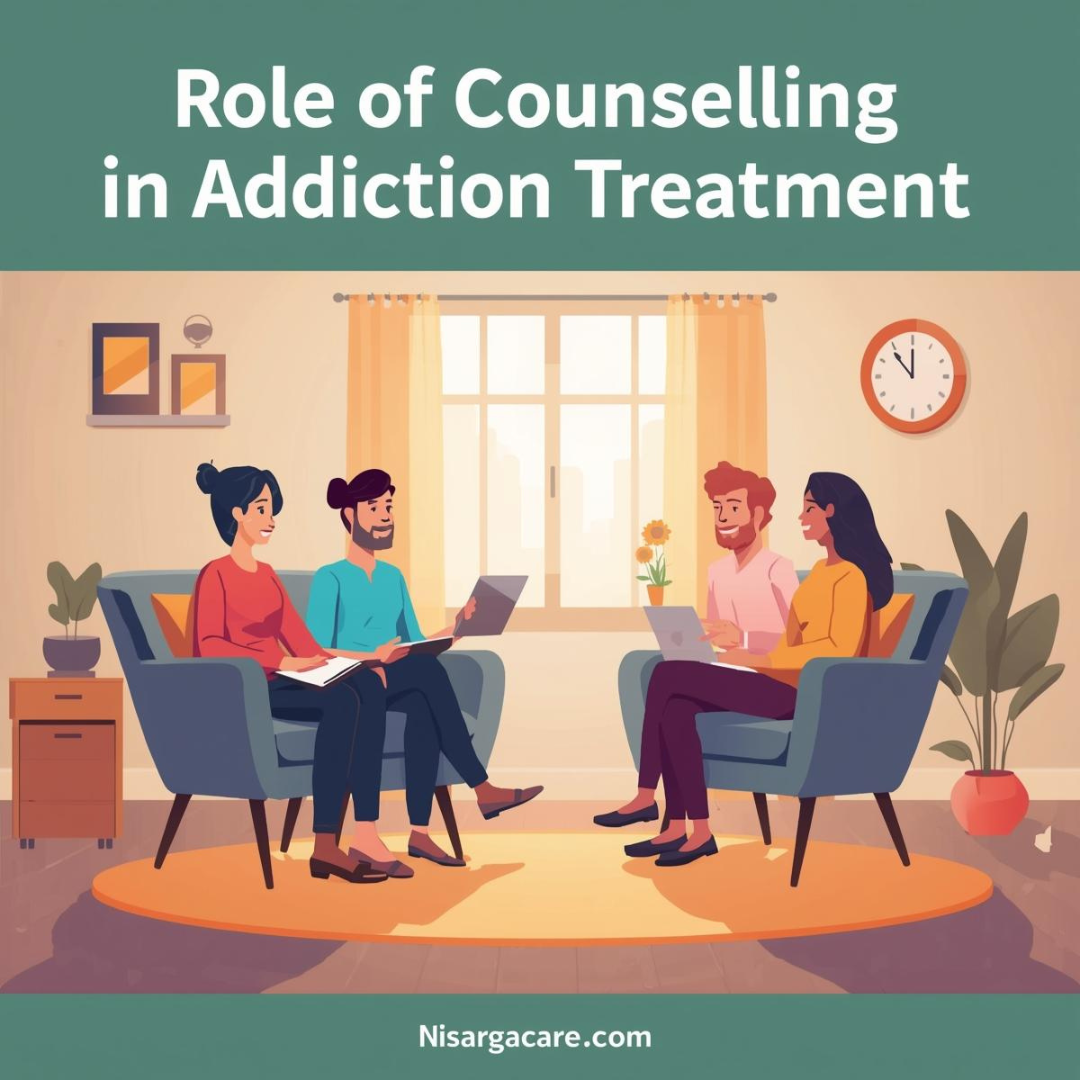
Role of Counseling in Addiction Treatment | | Nisarga Care

Addiction treatment is not only about stopping substance use; it is about healing the mind, emotions, and behaviors that led to dependence in the first place. Counseling plays a central role in addiction treatment by addressing the psychological and emotional roots of addiction. Without counseling, recovery often remains incomplete, increasing the risk of relapse and emotional distress.

Why Counseling Is Essential in Addiction Recovery

Addiction is rarely caused by a single factor. Emotional trauma, stress, loneliness, anxiety, depression, and unresolved life challenges often contribute to substance dependence. Counseling helps individuals understand why addiction developed and how to manage life without relying on substances. It provides a safe, non-judgmental space where individuals can openly express feelings, fears, and struggles that may have been suppressed for years.

Counseling also supports motivation. Many individuals enter treatment feeling uncertain, ashamed, or resistant. Skilled counselors help build self-awareness and encourage individuals to actively participate in their recovery journey.

Types of Counseling Used in Addiction Treatment

Effective addiction treatment programs use a combination of counseling approaches to meet different emotional and psychological needs:

  • Individual counseling focuses on personal challenges, emotional triggers, and thought patterns linked to addiction. It allows for deep self-reflection and personalized guidance.

  • Group counseling creates a sense of belonging. Sharing experiences with others facing similar struggles reduces isolation and builds mutual support.

  • Family counseling addresses the impact of addiction on loved ones. It helps repair relationships, improve communication, and create a healthier home environment.

  • Behavioral therapies help individuals recognize harmful behaviors and replace them with positive coping strategies.

Each form of counseling plays a unique role in strengthening emotional resilience and long-term recovery.

Identifying Triggers and Preventing Relapse

One of the most important contributions of counseling is helping individuals identify triggers—situations, emotions, or environments that increase the urge to use substances. Through guided conversations and therapy exercises, individuals learn how to respond to stress, anger, boredom, or sadness in healthier ways.

Counselors also teach relapse prevention strategies, such as stress management, emotional regulation, and problem-solving skills. These tools empower individuals to face real-life challenges without returning to addictive behaviors.

Emotional Healing and Self-Worth

Addiction often damages self-esteem and personal identity. Many individuals struggle with guilt, shame, and feelings of failure. Counseling helps rebuild self-worth by encouraging self-forgiveness and realistic goal-setting. Over time, individuals begin to see themselves not as addicts, but as people capable of change and growth.

For seniors or long-term substance users, counseling is especially important in addressing grief, loneliness, or loss of purpose, which can otherwise hinder recovery.

Supporting Long-Term Recovery

Counseling does not end when detox or initial treatment is complete. Ongoing counseling supports long-term sobriety by offering continued guidance during life transitions, emotional stress, or health challenges. Regular sessions reinforce healthy habits and ensure individuals do not feel alone after formal treatment ends.

Programs that integrate counseling throughout every stage of recovery—detox, rehabilitation, and aftercare—show better success rates and stronger emotional stability.


Conclusion

Counseling is the emotional backbone of addiction treatment. It helps individuals understand the deeper causes of addiction, develop healthy coping skills, rebuild relationships, and regain confidence. By addressing emotional healing alongside physical recovery, counseling transforms addiction treatment into a path of lasting change. With consistent guidance, empathy, and support, individuals can achieve not only sobriety but also emotional balance, dignity, and a renewed sense of purpose.

Bangalore rehabilitation centers | rehab assisted living facilities in Bangalore Nisarga care Bangalore

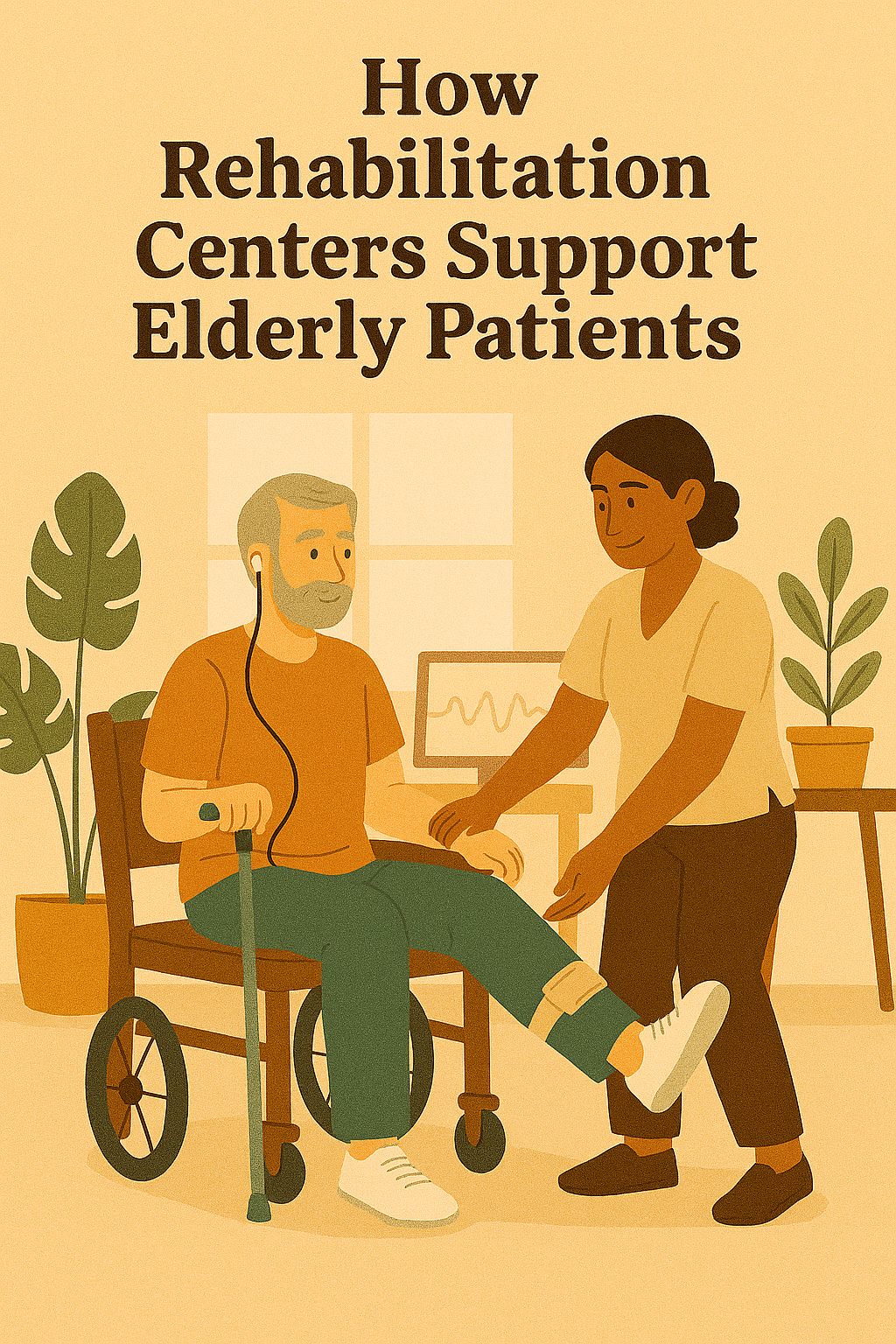
How Rehabilitation Centers Support Elderly Patients- Nisarga Care

As seniors age, the body undergoes significant changes—reduced muscle mass, slower healing, weaker bones, and limited mobility. When an illness, injury, or surgery occurs, these limitations often make recovery harder for elderly individuals. This is why rehabilitation centers play an essential role in helping seniors regain strength, independence, and confidence. For families in India—especially in Karnataka—understanding how Rehabilitation Centers Support Elders and help them to work can help them make informed decisions about their loved one’s care.


What Are Rehabilitation Centers and Why Are They Crucial for Seniors?

A rehabilitation center provides specialized therapy and medical support to help elderly patients recover after injuries, surgeries, strokes, chronic illnesses, or long periods of limited movement. Unlike general hospitals, rehab centres focus exclusively on recovery, restoration, and independence.

They offer structured programs led by trained professionals who understand the unique physical, emotional, and cognitive needs of seniors. The goal is simple: helping older adults return to daily life with strength, dignity, and confidence.


Key Benefits of Rehabilitation for Elderly Patients

1. Restoration of Mobility and Strength

The most immediate benefit of rehabilitation is improved physical function. Through physiotherapy, strength training, and mobility exercises, seniors rebuild muscles weakened by injury or inactivity.

Therapists tailor exercises according to:

  • Pain levels

  • Joint flexibility

  • Balance concerns

  • Medical conditions

This personalized approach ensures safe and effective improvement.


2. Faster Recovery After Surgery or Illness

Whether it’s orthopedic surgery, a stroke, or a cardiac issue, elderly patients need specialized care to regain functional ability. Rehab helps:

  • Reduce swelling

  • Improve circulation

  • Restore joint flexibility

  • Prevent complications

  • Shorten recovery time

Without structured rehab, recovery can be slow, painful, and incomplete.


3. Improved Balance and Fall Prevention

Falls are among the biggest risks for seniors. A single fall can lead to severe fractures or long hospital stays.

Rehabilitation centers focus on:

  • Gait training

  • Balance exercises

  • Coordination drills

  • Muscle strengthening

These help reduce the fear of falling and rebuild walking confidence.


4. Pain Reduction Through Therapeutic Techniques

Elderly patients often live with chronic pain due to arthritis, joint issues, or strained muscles. Rehab centers use advanced techniques like:

  • Heat and cold therapy

  • Ultrasound

  • TENS

  • Manual therapy

  • Stretching routines

These methods provide natural, consistent relief—often reducing dependency on pain medications.


5. Emotional and Cognitive Support

Recovery is not just physical. Many seniors struggle with:

  • Fear of falling again

  • Anxiety

  • Depression

  • Memory issues

  • Loss of confidence

Rehab centers offer emotional support, cognitive therapy, and structured routines that help seniors stay motivated and mentally active.


6. Prevention of Future Injuries

Strengthening weak muscles and improving balance ensures long-term safety. Rehab professionals teach seniors how to move correctly, use assistive devices, and maintain body mechanics—minimizing future risks.


Types of Rehabilitation Services Offered to Elderly Patients

1. Physiotherapy

The backbone of senior rehabilitation. It includes exercises to restore:

  • Strength

  • Balance

  • Flexibility

  • Mobility

Physiotherapy is essential for both post-surgery recovery and chronic condition management.


2. Occupational Therapy

This helps seniors perform daily activities such as dressing, bathing, eating, and walking safely.

OT addresses:

  • Grip strength

  • Hand coordination

  • Joint mobility

  • Adaptive techniques

It enhances independence and improves quality of life.


3. Speech and Swallow Therapy

Older adults recovering from stroke, neurological disorders, or head injuries benefit from:

  • Speech improvement

  • Swallowing safety

  • Cognitive training

This ensures communication confidence and prevents choking risks.


4. Respiratory Therapy

For seniors recovering from pneumonia, COPD, or long hospital stays, breathing exercises are essential for lung strength and endurance.


5. Specialized Nursing Care

Rehab centers also provide 24×7 medical supervision, ensuring medication management, wound care, vital monitoring, and immediate response to emergencies.


How Rehabilitation Centers Help Families

Families often struggle with the demands of senior care at home due to:

  • Limited medical knowledge

  • Work commitments

  • Emotional stress

  • Lack of proper equipment

  • Inadequate safety arrangements

Rehabilitation centers bridge this gap by offering professional, round-the-clock support. They also keep families informed through progress updates, recovery timelines, and personalised recommendations.


Why Karnataka Needs More Senior Rehabilitation Support

Karnataka has a rapidly growing elderly population. With rising joint problems, stroke cases, and chronic illnesses, many seniors require long-term recovery care that families cannot manage alone.

Professional rehabilitation ensures:

  • Safe recovery

  • Reduced hospital readmissions

  • Better long-term mobility

  • Increased quality of life

Centres like Nisarga Care are filling this gap with dedicated rehabilitation programs tailored for older adults.


Choosing the Right Rehabilitation Center for Your Loved One

When selecting a rehabilitation facility, ensure it offers:

  • Experienced physiotherapists

  • Personalized care plans

  • Senior-friendly infrastructure

  • 24×7 nursing support

  • Modern rehab equipment

  • Clean and hygienic rooms

  • Regular progress tracking

  • Emotional and cognitive care

A compassionate and well-equipped center accelerates healing and instills confidence in the patient.


Conclusion

Rehabilitation centers play a transformative role in helping elderly patients regain strength, mobility, and independence. With structured programs, personalized therapy, and continuous support, seniors recover faster and feel more confident returning to their daily lives.

For families seeking trusted, compassionate, and expert rehabilitation for aging parents in Karnataka, Nisarga Care offers specialized programs designed to support faster healing and long-term well-being.

Bangalore rehabilitation centers | rehab assisted living facilities in Bangalore Nisarga care Bangalore

Role of Physiotherapy in Faster Healing | Nisarga Care

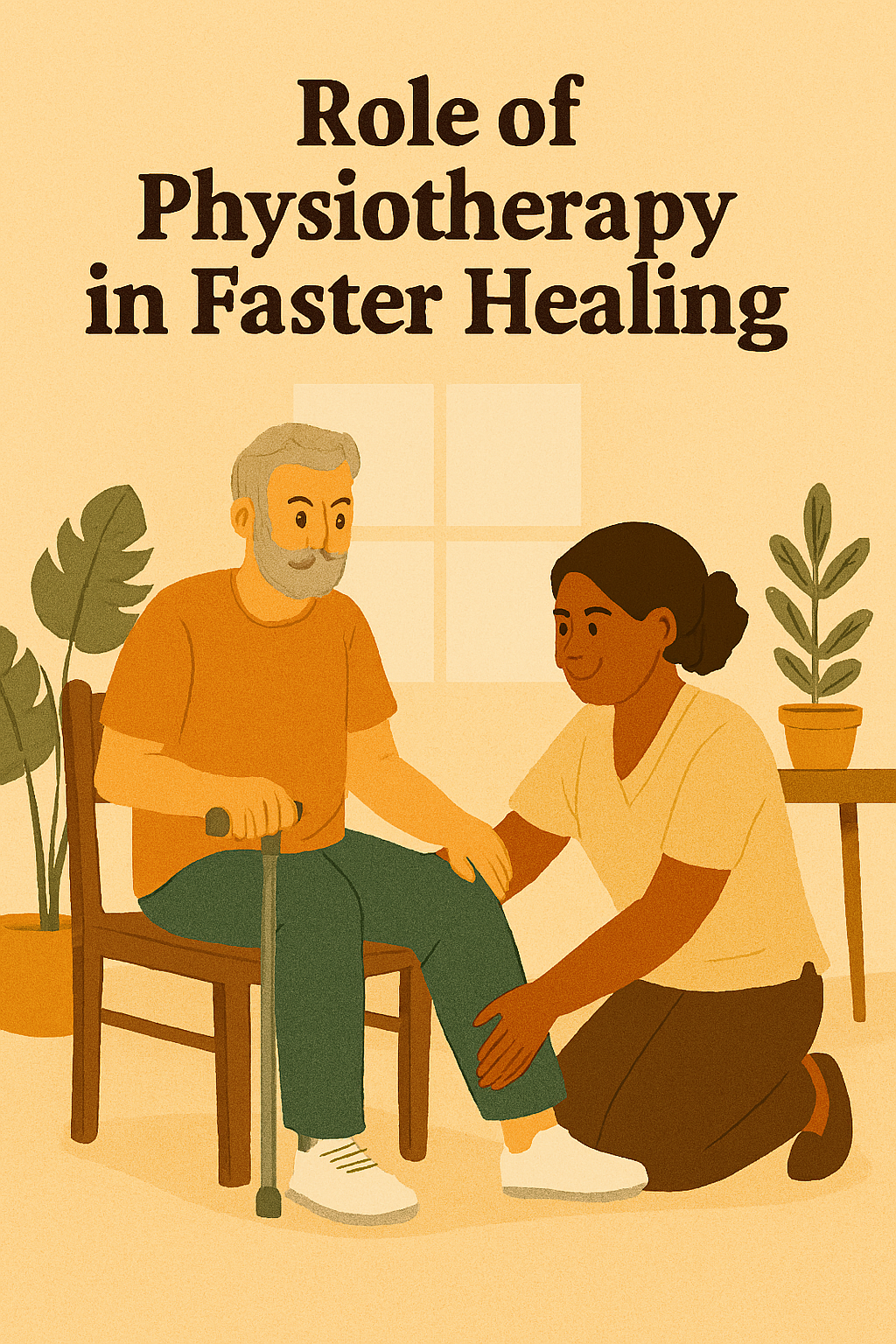
Role of Physiotherapy in Faster Healing

Healing after an injury, illness, or surgery is often slower for seniors because of reduced muscle strength, weaker bones, and decreased circulation. This is why physiotherapy plays a transformative role in ensuring faster healing, better mobility, and long-term independence. For families caring for aging parents in India, understanding the value of physiotherapy can significantly improve recovery outcomes and quality of life.

Physiotherapy is not just exercise. It is a science-backed, personalized approach to restoring function, relieving pain, and helping elders regain confidence in their daily routines. Whether your loved one is recovering from a fracture, stroke, joint replacement, or simply dealing with age-related stiffness, physiotherapy can make healing smoother and more effective.


Why Physiotherapy Is Essential for Seniors

As the body ages, natural processes slow down — circulation decreases, flexibility reduces, and tissues take longer to repair. Without guided rehabilitation, recovery can be delayed, and mobility issues may worsen.

Key reasons physiotherapy is essential:

  • Enhances blood flow to speed up tissue repair

  • Reduces pain and stiffness

  • Prevents muscle weakening

  • Restores balance and coordination

  • Improves posture and spine alignment

  • Reduces fall risk

  • Supports emotional and mental well-being

For elders, physiotherapy is often the difference between long-term dependency and active, confident living.


How Physiotherapy Speeds Up Healing

1. Improves Blood Circulation

Better circulation means faster delivery of nutrients and oxygen to injured areas. Physiotherapy stimulates blood flow, ensuring tissues heal quicker and more efficiently.


2. Reduces Pain Safely

Many seniors cannot tolerate heavy painkillers. Physiotherapy uses safe methods such as:

  • Heat therapy

  • Cold packs

  • Ultrasound therapy

  • Soft tissue mobilization

  • Stretching routines

These techniques relieve pain naturally and promote healing.


3. Prevents Mobility Loss

Bed rest after illness or surgery can cause stiffness, muscle loss, and joint immobility. Physiotherapy ensures gentle movement from day one, preventing secondary complications.


4. Strengthens Muscles and Bones

With age, muscle mass decreases rapidly. Strengthening exercises rebuild lost muscle, supporting the joints and helping seniors move safely.


5. Improves Balance and Coordination

Weak muscles and reduced reflexes increase fall risk. Physiotherapists use targeted balance and gait training to improve coordination and prevent dangerous falls.


6. Restores Independence

Physiotherapy helps seniors perform essential activities such as walking, sitting, standing, bathing, and climbing stairs with reduced assistance. Regaining independence is one of the biggest emotional boosts during recovery.


Conditions Where Physiotherapy Plays a Major Role

Physiotherapy is extremely helpful in a wide range of elder-care scenarios:

1. Post-Surgical Rehabilitation

After joint replacement, fracture surgery, spine procedures, or abdominal surgeries, physiotherapy helps seniors heal faster and regain mobility.

2. Stroke Recovery

Physiotherapy improves limb movement, balance, coordination, and muscle control — crucial steps in restoring independence.

3. Arthritis & Joint Pain

Gentle exercises and pain-relief techniques reduce stiffness and improve joint mobility.

4. Parkinson’s & Neurological Conditions

Physiotherapy maintains flexibility, improves gait, and helps seniors manage tremors and coordination issues.

5. Back & Spine Problems

Physiotherapists strengthen core muscles and improve posture to relieve chronic pain.

6. Age-Related Weakness

General conditioning exercises help seniors stay active, confident, and mobile.


Types of Physiotherapy Techniques Used for Seniors

A good rehabilitation plan includes multiple therapies tailored to each individual. Some of the most common techniques are:

1. Strength Training

Light resistance bands, small weights, and body-weight exercises improve muscle strength and endurance.

2. Range-of-Motion Exercises

Helps maintain joint flexibility and prevent stiffness.

3. Gait Training

Physiotherapists teach safe walking techniques using walkers, sticks, or parallel bars.

4. Balance & Coordination Therapy

Reduces fall risk by improving core stability and reflexes.

5. Pain-Relief Modalities

Including:

  • IFT

  • TENS therapy

  • Ultrasound

  • Hot/cold therapy

6. Breathing Exercises

Improve lung capacity and aid healing, especially after surgery or prolonged bed rest.


The Psychological Benefits of Physiotherapy

Physical healing is only part of the journey — physiotherapy also improves emotional resilience. Seniors feel more hopeful and positive when they see visible progress.

Emotional benefits include:

  • Reduced stress and anxiety

  • Increased motivation

  • Better cognitive engagement

  • Improved sleep and energy

  • Confidence in performing daily tasks

Healing becomes faster when the mind supports the body.


Family’s Role in Supporting Physiotherapy

A supportive home environment accelerates progress. Families can help by:

  • Encouraging consistency in exercises

  • Providing a safe walking space

  • Helping with mobility aids

  • Praising progress, even small steps

  • Ensuring hydration and nutrition

  • Communicating improvements or issues to the physiotherapist

A little encouragement goes a long way in elder recovery.


Why Personalized Physiotherapy Plans Work Best

Every senior has unique needs depending on their age, medical history, surgery type, mobility level, and recovery pace. A personalized care plan ensures exercises are safe, effective, and aligned with the recovery goals of the elder.

A tailored plan helps:

  • Avoid overexertion

  • Prevent injury

  • Maintain steady progress

  • Address specific problem areas

  • Improve long-term outcomes


Nisarga Care: Expert Physiotherapy and Rehabilitation for Seniors

Physiotherapy is one of the strongest pillars of faster healing for seniors. At Nisarga Care, elders receive personalized physiotherapy programs guided by professional therapists, skilled nurses, and experienced caregivers. Each recovery plan is customized to match the senior’s condition, abilities, and goals — ensuring safe, consistent, and effective healing.

From post-surgery rehabilitation to stroke recovery, pain management, and mobility improvement, Nisarga Care provides a structured, compassionate, and medically supervised environment that helps seniors regain confidence and independence.

If your loved one needs reliable, specialized physiotherapy support, Nisarga Care is here to accelerate their healing journey with expertise and care.

Bangalore rehabilitation centers | rehab assisted living facilities in Bangalore Nisarga care Bangalore

Physiotherapy for Elders: Restoring Mobility, Confidence, and Daily Independence

As parents grow older, maintaining physical strength, flexibility, and balance becomes essential for living a safe and dignified life. However, aging naturally brings mobility restrictions, chronic pain, stiffness, and a decline in functional independence. This is why physiotherapy for elders has become one of the most effective and trusted ways to restore movement, reduce pain, and help seniors regain control over their daily lives.

In India, where families deeply value the well-being of aging parents, physiotherapy plays a transformative role in empowering seniors to remain active, confident, and self-reliant. Whether recovering from illness, surgery, injury, or simply dealing with age-related issues, physiotherapy offers structured support that significantly enhances quality of life.


Why Mobility Declines With Age

Aging affects the body in several ways:

  • Muscles weaken

  • Bones lose density

  • Joints become stiff

  • Balance reduces

  • Reflexes slow down

  • Chronic diseases affect movement

These changes can make daily tasks—walking, climbing stairs, bathing, or standing for long—more challenging. Without timely support, seniors may experience falls, fractures, dependency, or emotional withdrawal.

That is why elder physiotherapy is not just a treatment—it’s a long-term wellness strategy.


How Physiotherapy Enhances Senior Independence

1. Improves Balance and Prevents Falls

Falls are one of the leading causes of hospitalization among older adults in India.
Physiotherapists use:

  • Balance training

  • Coordination exercises

  • Strength-building techniques

These help seniors move with stability and confidence, dramatically lowering fall risk.


2. Strengthens Muscles and Joints

Age weakens muscle mass and joint function. Physiotherapy rebuilds strength through:

  • Low-impact exercises

  • Resistance training

  • Joint mobility routines

This support makes everyday tasks easier and reduces discomfort.


3. Manages Chronic Pain Effectively

Many elders face pain from arthritis, osteoporosis, nerve damage, or past injuries. Physiotherapy helps by:

  • Reducing inflammation

  • Increasing flexibility

  • Strengthening weak muscles

  • Improving posture

This natural, medication-free approach is ideal for long-term senior care.


4. Supports Post-Surgery and Post-Illness Recovery

After surgeries like knee replacement, hip replacement, or fracture repair, physiotherapy is essential for:

  • Restoring range of motion

  • Rebuilding strength

  • Correcting posture

  • Regaining independence

It also plays a key role after strokes, neurological issues, and prolonged bed rest.


5. Enhances Cardiovascular and Respiratory Health

Physiotherapy routines improve breathing, stamina, and heart function, especially beneficial for seniors dealing with:

  • COPD

  • Asthma

  • Cardiac conditions

  • Weak endurance

This helps elders stay active and energetic.


6. Boosts Confidence and Emotional Well-Being

Mobility issues can lead to frustration, anxiety, and dependency. Physiotherapy:

  • Encourages movement

  • Increases self-belief

  • Improves mood

  • Provides motivation and structure

A mobile senior is a more confident and socially active senior.


Types of Physiotherapy Beneficial for Elders

1. Geriatric Physiotherapy

Focuses on age-related conditions such as arthritis, joint pain, and balance disorders.


2. Neurological Physiotherapy

Essential for stroke patients and seniors with Parkinson’s, multiple sclerosis, or neuropathy.


3. Orthopedic Physiotherapy

Helps seniors recover from fractures, surgeries, or chronic bone and joint issues.


4. Cardiorespiratory Physiotherapy

Improves breathing, lung capacity, and endurance, especially for elders with respiratory or cardiac disorders.


5. Pain Management Physiotherapy

Uses massage, stretching, heat therapy, and mobilization to reduce chronic pain naturally.


Signs That Your Aging Parent May Need Physiotherapy

Look for these indicators:

  • Difficulty walking or climbing stairs

  • Frequent imbalance or near-falls

  • Chronic knee, back, or shoulder pain

  • Stiff joints, especially morning stiffness

  • Slow movement or fatigue

  • Difficulty standing up from a chair or bed

  • Post-surgery weakness

  • Trouble performing daily activities

  • Visible fear of movement

These symptoms suggest the elder needs structured support to avoid further deterioration.


Physiotherapy and Daily Independence: A Powerful Connection

With the right exercises and professional guidance, seniors can:
✔ Walk more confidently
✔ Reduce or eliminate pain
✔ Perform daily tasks easily
✔ Regain lost mobility
✔ Improve posture and breathing
✔ Strengthen muscles and bones
✔ Reduce dependency on family members
✔ Enjoy a more active and fulfilling lifestyle

Physiotherapy empowers elders to continue living life on their own terms.


Benefits for Indian Families

For families, physiotherapy provides:

  • Reduced caregiving stress

  • Assurance that parents are improving

  • Improved safety and fewer falls

  • Peace of mind knowing elders are under professional care

It helps families maintain balance while ensuring high-quality elder care.


Why Early Physiotherapy Intervention Matters

Starting physiotherapy early helps prevent long-term complications and age-related decline.
It is far easier to preserve mobility than restore it after it has deteriorated.

Early intervention leads to:

  • Faster progress

  • Better posture and alignment

  • Stronger muscles

  • Improved pain management

  • Greater independence


Nisarga Care: Specialized Physiotherapy for Seniors in Karnataka

At Nisarga Care, we understand how important mobility is for a senior’s dignity and happiness. Our dedicated physiotherapy programs for elders include:

  • Personalized exercise plans

  • Daily mobility routines

  • Post-surgery rehabilitation

  • Stroke recovery physiotherapy

  • Balance and fall-prevention training

  • Pain management techniques

  • Strength and endurance building

  • Continuous medical monitoring

With experienced physiotherapists, safe environments, and compassionate elder care, Nisarga Care helps seniors regain strength, confidence, and independence—one step at a time.

If you’re looking for professional, reliable, and heartfelt physiotherapy support for your aging parent, Nisarga Care is here to guide them toward healthier, more confident living.

Bangalore rehabilitation centers | rehab assisted living facilities in Bangalore Nisarga care Bangalore

How Assisted Living Centres in Karnataka Improve Quality of Life for Aging Parents

As parents grow older, families in Karnataka face the delicate challenge of ensuring proper support, safety, and daily care for their loved ones. Many seniors require constant supervision, health monitoring, and emotional companionship—needs that can be difficult for families to meet alone. This is where assisted living centres step in, offering a balanced blend of professional elder care, independence, and comfort.

In recent years, assisted living facilities in Karnataka have evolved into welcoming environments that focus on improving the overall quality of life for seniors. These centres go beyond just daily help; they provide structured routines, medical support, social engagement, nutritious meals, and a secure living space that encourages dignity and emotional wellness.


1. A Safe and Supported Environment

Safety becomes a primary concern as aging parents face mobility issues, memory decline, or chronic illness. Assisted living centres in Karnataka are designed with senior-friendly infrastructure, ensuring that elders move around with confidence and minimal risk.

Key safety features include:

  • Anti-slip flooring

  • Grab bars and handrails

  • Emergency call systems

  • 24×7 caregiver presence

  • Wheelchair-accessible pathways

  • Night-time supervision

This safe environment reduces fall risks and prevents emergency situations—offering families peace of mind and seniors greater independence.


2. Personalized Daily Assistance and Routine Management

Daily tasks once taken for granted—bathing, dressing, grooming, or medication management—can become challenging with age. Assisted living centres provide personalized daily assistance that respects each senior’s comfort, dignity, and habits.

Common support services include:

  • Bathing and hygiene care

  • Medication reminders

  • Mobility support

  • Feeding assistance if required

  • Regular health checks

  • Sleep monitoring and rest schedules

These services ensure that seniors maintain a consistent daily routine, which contributes to emotional stability and healthier living.


3. Access to Professional Healthcare and On-Site Medical Support

One of the biggest advantages of assisted living centres is access to professional medical care. Karnataka’s top centres employ trained nurses, physiotherapists, and visiting doctors who monitor the senior’s health and intervene early when required.

This includes:

  • Regular medical assessments

  • Chronic illness management

  • Medication tracking

  • On-site physiotherapy

  • Emergency care protocols

  • Health documentation and progress reports

This level of medical attention helps seniors stay healthier, reduces hospital visits, and ensures early detection of health concerns.


4. Nutritious and Balanced Meal Plans

Healthy aging begins with nutrition. Assisted living centres ensure that elders receive balanced meals tailored to their medical needs, digestion, and preferences.

Nutrition plans include:

  • Fresh, home-style Indian meals

  • Diabetic-friendly diets

  • Low-salt/heart-safe food options

  • High-protein recovery meals

  • Hydration tracking

  • Seasonal fruits and vegetables

This structured nutrition helps maintain immunity, energy, and overall well-being—key components of quality senior living.


5. Social Interaction and Community Engagement

Loneliness is one of the most common emotional challenges among seniors. Assisted living centres create a warm community where elders build friendships, engage in meaningful conversations, and participate in group activities.

These may include:

  • Music therapy

  • Indoor games

  • Storytelling circles

  • Yoga and meditation

  • Gardening sessions

  • Festival celebrations

  • Outings (temple visits, parks, etc.)

Such interactions boost mental health, reduce anxiety, encourage movement, and foster a deeper sense of belonging.


6. Emotional Support and Companionship

As parents age, they not only need help—they need understanding. Caregivers in assisted living centres are trained to provide emotional support, patience, and companionship.

They help with:

  • Calming anxiety

  • Offering mindful conversations

  • Encouraging hobbies

  • Providing reassurance

  • Supporting memory care needs

This emotional availability significantly enhances an elder’s happiness and stability, especially for those coping with loneliness or cognitive decline.


7. Encouraging Independence With the Right Support

A major misconception is that assisted living reduces independence. In reality, these centres help seniors remain more independent by offering the right amount of support—no more, no less.

Seniors are encouraged to:

  • Walk independently where possible

  • Manage small tasks

  • Participate in activities

  • Make choices about their day

  • Maintain dignity and autonomy

This balance strengthens confidence and promotes a higher quality of life than trying to manage alone at home.


8. Relief and Assurance for Families

Families often struggle with guilt or stress when they cannot provide full-time care for aging parents. Assisted living centres offer relief by ensuring that parents are:

  • Safe

  • Monitored

  • Socially engaged

  • Healthy

  • Emotionally supported

Family members can stay involved through visits, updates, and transparent communication, knowing their loved ones are receiving the care they deserve.


Why Assisted Living in Karnataka Is Becoming a Trusted Choice

With improved infrastructure, trained staff, and a focus on holistic senior care, Karnataka has emerged as a hub for quality assisted living services. These centres bridge the gap between home care and medical care—creating an environment where elders can live with dignity, comfort, and purpose.

They offer the perfect blend of independence and support, helping seniors enjoy their golden years with joy, stability, and security.


Nisarga Care: Enhancing Senior Living With Compassion and Expertise

At Nisarga Care, we specialize in providing personalized assisted living solutions for seniors across Karnataka. Our care programs focus on safety, medical support, nutritious food, companionship, physiotherapy, and emotional well-being—all within a warm, home-like environment.

Suppose you’re searching for a trusted place where your aging parents can receive holistic, respectful, and compassionate care. In that case, Nisarga Care is here to support your family every step of the way.

Bangalore rehabilitation centers | rehab assisted living facilities in Bangalore Nisarga care Bangalore

Dementia Care Centres in Karnataka: Why Specialized Support Is Crucial

Dementia is one of the most challenging age-related conditions affecting seniors across India. As memory fades and cognitive abilities decline, families often struggle to provide consistent care at home. While love and support form the foundation, dementia requires specialized senior care, structured routines, trained caregivers, and a safe, controlled environment. This is why dementia care centres in Karnataka are becoming increasingly important—they provide the expertise, calm atmosphere, and therapeutic programs required to ensure seniors live with dignity, comfort, and emotional stability. In a country where ageing parents hold central emotional value, ensuring the right kind of care is not just a medical decision—but a family responsibility.


Understanding Dementia: More Than Just Memory Loss

Dementia isn’t a single disease; it is a group of symptoms affecting:

  • Memory

  • Reasoning

  • Behaviour

  • Decision-making

  • Orientation

  • Communication

Among seniors in India, dementia is commonly caused by Alzheimer’s disease, vascular dementia, and age-related neurological decline.

What makes the condition more complex is that seniors often experience:

  • Personality changes

  • Confusion in familiar surroundings

  • Mood swings

  • Reduced self-care abilities

  • Wandering or unsafe behaviours

This makes dedicated dementia care essential—because home environments, however loving, may not always offer the structure needed for long-term safety.


Why Specialized Dementia Care Centres Are Essential

Dementia care is not only about supervision—it is about a coordinated system built around the senior’s neurological, emotional, and physical needs. Specialised centres in Karnataka are designed with a clear understanding of how dementia progresses.

Here’s why they matter:


1. Trained Caregivers Who Understand Dementia Behaviour

Caring for a senior with dementia requires patience, clinical awareness, and behavioural understanding. Trained caregivers can identify:

  • Triggers for agitation

  • Signs of confusion

  • Wandering patterns

  • Emotional distress

  • Sleep disturbances

This ensures the senior receives timely support, reducing anxiety and preventing behavioural escalation.


2. Safe, Controlled, and Calm Environments

A dementia-friendly space is very different from a regular home. Specialized centres offer:

  • Non-slip flooring

  • Clearly labelled rooms

  • Rounded furniture edges

  • Quiet activity zones

  • Sensor-based monitoring

  • Secured outdoor areas

These safety-centered designs help prevent falls, confusion, and wandering—common risks among seniors with cognitive decline.


3. Structured Routines to Reduce Confusion

Seniors with dementia respond positively to predictable routines. Specialized centres follow daily schedules involving:

  • Meal timing

  • Medication reminders

  • Therapy sessions

  • Social engagement

  • Rest periods

This rhythm reduces anxiety and helps seniors feel more grounded.


4. Cognitive Stimulation & Memory Therapy

Therapies are essential to slow cognitive decline. Dementia centres use:

  • Memory games

  • Music therapy

  • Art therapy

  • Sensory stimulation

  • Reminiscence sessions

  • Storytelling

  • Orientation exercises

These programs enhance neurological activity and improve emotional well-being.


5. 24×7 Medical Monitoring

Dementia can weaken the immune system and disrupt sleep cycles. Centres provide:

  • Round-the-clock nursing

  • Medication management

  • Emergency medical support

  • Regular vitals and health assessments

This minimizes health risks and ensures timely intervention.


6. Emotional Support & Compassionate Interaction

Seniors with dementia are often frightened when they cannot remember names, faces, or familiar surroundings. Specialized caregivers offer:

  • Gentle reassurance

  • Positive communication

  • Non-verbal support

  • Stress reduction techniques

Emotional care plays an equally vital role in promoting dignity and calmness.


7. Social Engagement to Prevent Isolation

Isolation accelerates cognitive decline. Centres provide group activities that include:

  • Singing sessions

  • Gardening

  • Light physical games

  • Group conversations

  • Celebrations and festivals

Social interaction helps maintain identity, happiness, and a sense of community.


8. Support for Families

Families often feel overwhelmed, guilty, or emotionally exhausted. Dementia care centres offer:

  • Regular progress updates

  • Family counselling

  • Education on dementia behaviour

  • Guidance on long-term planning

This allows family members to stay connected while ensuring their loved ones receive professional care.


Why Karnataka Is Emerging as a Dementia Care Hub

Karnataka—especially Bengaluru—is witnessing rapid growth in specialized elder care. Reasons include:

  • Availability of trained nursing staff

  • Advanced healthcare infrastructure

  • Increasing awareness of dementia

  • High-quality physiotherapy and cognitive therapy facilities

  • Calm environments ideal for senior living

Families across India now seek Karnataka-based centres for reliable, long-term dementia care.


Nisarga Care: Specialized Dementia Care with Compassion & Expertise

At Nisarga Care, seniors with dementia receive structured, clinically supervised, and emotionally centred support. Our dementia care programs include:

  • 24×7 monitoring

  • Memory and cognitive therapy

  • Personalized behavioural plans

  • Safe, secure living spaces

  • Trained dementia caregivers

  • Therapeutic activities

  • Family engagement and updates

With a warm, home-like environment and expert care teams, Nisarga Care ensures seniors live with dignity, comfort, and stability—every single day.

If you’re looking for trusted dementia care centres in Karnataka, Nisarga Care offers a perfect blend of medical expertise, compassion, and long-term support.

Bangalore rehabilitation centers | rehab assisted living facilities in Bangalore Nisarga care Bangalore

Physiotherapy After Stroke: Step-by-Step Recovery for Senior Patients

Recovering from a stroke is never easy, especially for seniors who may already be dealing with other age-related challenges. Physiotherapy becomes the foundation of recovery—helping older adults regain mobility, improve strength, and reclaim independence. In India, where families deeply value caregiving, the role of physiotherapy for seniors, post-stroke rehabilitation, and long-term elder care is becoming increasingly important.

This blog provides a step-by-step breakdown of the stroke recovery process, helping families understand what truly supports healing and how consistent care can make a life-changing difference.


Understanding Stroke Recovery in Seniors

A stroke disrupts blood flow to the brain, leading to weakness, speech difficulties, imbalance, and loss of everyday functioning. Seniors, due to age-related degeneration, often face a longer and more delicate recovery phase.

This is where elder physiotherapy, neuro-rehabilitation, and specialized senior care come in. With structured support, most older adults can regain major functions and significantly improve their quality of life.


Why Physiotherapy Is Essential After a Stroke

Physiotherapy is not just about movements—it retrains the brain. Through neuroplasticity, the brain forms new connections to compensate for damaged areas. For seniors, this means:

  • Better balance and stability

  • Improved coordination

  • Stronger muscles and mobility

  • Reduced risk of falls

  • Enhanced cognitive alertness

  • Emotional confidence

In the Indian elder-care context, where families want seniors to feel safe, supported, and independent, physiotherapy plays an irreplaceable role.


Step-by-Step Stroke Recovery Plan for Senior Patients

1. Initial Assessment & Goal Setting

Every recovery journey begins with a thorough evaluation by a physiotherapist. They check:

  • Muscle strength

  • Range of motion

  • Balance

  • Speech and swallowing (if needed)

  • Ability to perform everyday activities

This stage helps create a personalized rehabilitation plan, ensuring the exercises match the senior’s current abilities and long-term goals.

Highlighted Keywords: post-stroke care, senior rehabilitation India, elder mobility support


2. Early-Stage Physiotherapy (Bed Exercises)

In the first few days or weeks after a stroke, seniors may struggle to sit or move independently. Early therapy focuses on:

  • Gentle limb exercises to prevent stiffness

  • Assisted rolling and sitting

  • Soft joint mobility movements

  • Breathing exercises

These movements prevent complications such as muscle contractures, bed sores, and poor circulation.

Keywords: passive physiotherapy, bedridden senior care, stroke recovery exercises


3. Sitting Balance & Core Strength Training

Once the senior can sit with support, balance training begins. Exercises include:

  • Sitting with hands placed on the bed

  • Leaning forward and sideways

  • Core strengthening movements

  • Hand-eye coordination drills

This stage is crucial to prepare the senior for standing and walking.

Keywords: balance training for seniors, core strengthening, elder neurological rehabilitation


4. Standing & Weight-Bearing Exercises

The next phase focuses on helping seniors stand with or without support:

  • Supported standing using rails or walkers

  • Weight shifting exercises

  • Leg strengthening drills

  • Static standing practice

This builds confidence and prepares the body for gait training.

Keywords: gait training India, elder leg strengthening, fall prevention in seniors


5. Walking & Mobility Rehabilitation

Walking is often one of the biggest milestones after a stroke. Therapists use:

  • Parallel bar walking

  • Assisted gait training

  • Walker-based walking

  • Foot drop correction exercises

  • Balance board activities

Progress is gradual, but consistent practice improves muscle memory and coordination.

Keywords: mobility therapy, stroke walking recovery, senior physiotherapy programs


6. Arm & Hand Function Recovery

Many seniors suffer upper limb weakness, making daily tasks difficult. Therapy includes:

  • Shoulder and elbow mobility drills

  • Grip and release exercises

  • Fine motor training (buttoning, picking objects)

  • Resistance band workouts

This stage improves self-care abilities, helping seniors dress, eat, and groom independently.

Keywords: fine motor rehabilitation, hand therapy for seniors, occupational therapy India


7. Speech, Swallowing & Cognitive Therapy (If Required)

Some stroke survivors may struggle with:

  • Slurred speech

  • Difficulty swallowing

  • Memory gaps

  • Reduced attention span

Speech therapists and cognitive specialists step in to restore these functions.

Keywords: speech therapy for elders, post-stroke cognitive support, swallowing therapy


8. Advanced Functional Training

This phase focuses on helping seniors return to daily routines:

  • Climbing stairs

  • Getting in and out of a bed or chair

  • Using the toilet independently

  • Household movements

Improving Activities of Daily Living (ADLs) is key to emotional and social well-being.

Keywords: ADL training, elder independence, long-term rehabilitation


9. Emotional & Psychological Support

Stroke recovery can be frustrating for seniors. Therapists and caregivers help them stay motivated through:

  • Encouraging small wins

  • Reducing fear of falling

  • Building self-confidence

  • Offering companionship and patience

Keywords: emotional support for seniors, mental health in elder care, post-stroke counseling


10. Long-Term Maintenance & Home Exercises

Even after formal therapy ends, seniors require ongoing mobility exercises, walking practice, and strengthening routines to prevent relapse.

Keywords: long-term elder care, home physiotherapy for seniors, stroke maintenance exercises


Why Choosing the Right Elder Care Centre Matters

Stroke recovery is not a one-time treatment—it requires consistent, compassionate, and professional care. Families in Karnataka often look for facilities offering:

  • 24×7 clinical monitoring

  • Trained physiotherapists

  • Personalized recovery plans

  • Safe mobility infrastructure

  • Emotional and cognitive engagement

A trusted care environment improves outcomes significantly.


Nisarga Care: Your Partner in Stroke Recovery for Seniors

At Nisarga Care, seniors receive structured post-stroke physiotherapy, personalized rehabilitation plans, compassionate caregiving, and continuous medical oversight. With expert physiotherapists, safe environments, and emotional support, we help your loved ones rebuild strength, balance, and independence—one step at a time.

If you’re looking for reliable, expert-led stroke rehabilitation for seniors in Karnataka, Nisarga Care is here to support your family every step of the way.

Nisarga care Bangalore

Life at Assisted Living Facilities: Comfort, Safety, and Companionship Combined |

As seniors age, their needs change — physically, emotionally, and socially. While families do their best to provide care, balancing personal, professional, and caregiving responsibilities can be challenging. That’s where assisted living facilities in Karnataka like Nisarga Care step in, offering the perfect blend of comfort, safety, and companionship that enhances seniors’ quality of life while giving families peace of mind.

At Nisarga Arogyadhama Health Care Centre, our goal is to make every resident feel at home — supported, respected, and surrounded by care.


What Is Assisted Living?

Assisted living is designed for seniors who value independence but may need help with daily activities such as bathing, dressing, medication, or mobility. Unlike traditional old age homes, modern assisted living homes in Karnataka provide professional support while maintaining dignity and personal freedom.

At Nisarga Care, residents enjoy comfortable living arrangements, 24/7 nursing assistance, nutritious meals, and engaging social activities — all within a safe and nurturing environment.


Comfort and Care Tailored for Every Senior

Every senior’s needs are unique. Some may need rehabilitation care after surgery, while others may require assistance with daily routines. Our personalized care plans ensure each resident receives just the right level of support — never too little, never too much.

Our team of trained nurses, caregivers, and physiotherapists create an atmosphere of trust and comfort. From medical supervision to emotional wellness, Nisarga Care’s assisted living services focus on holistic well-being.


Safety: A Priority at Every Step

For families, safety is often the biggest concern when choosing elder care. At Nisarga Care, we go beyond basic safety measures to ensure complete peace of mind.

1. 24/7 Medical Supervision

Our trained nursing staff and on-call doctors ensure residents receive immediate medical attention whenever needed.

2. Secure Infrastructure

Our facilities are designed with senior-friendly architecture — slip-resistant floors, grab bars, ramps, and emergency call systems for maximum safety.

3. Health Monitoring and Medication Support

Regular health checkups, medication reminders, and chronic condition management are part of daily care routines at Nisarga Care’s assisted living centre.

Safety isn’t just about physical protection — it’s also about emotional security, knowing help is always nearby.


The Power of Companionship and Community

Loneliness can have serious effects on senior health, leading to depression and cognitive decline. At Nisarga Care, we understand that emotional connection is as important as medical care.

Residents here are part of a vibrant, supportive community where companionship flourishes. Group activities, music sessions, yoga, and cultural celebrations bring people together, creating a sense of belonging.

Many families share how their loved ones rediscovered joy and confidence after moving into our assisted living home — a testament to the power of companionship and community living.


Rehabilitation and Wellness Programs

Beyond daily assistance, Nisarga Care offers rehabilitation and physiotherapy programs designed to restore mobility, strength, and independence. Whether it’s post-surgery recovery or managing chronic conditions, our rehabilitation team helps seniors regain confidence in movement and everyday activities.

We also focus on preventive health through gentle exercise, meditation, and balanced nutrition — ensuring both body and mind remain active and healthy.


Home-Like Comfort with Professional Support

One of the biggest fears families have is that assisted living might feel impersonal. At Nisarga Care, we’ve created spaces that feel like home — warm, peaceful, and familiar. Residents can personalize their rooms, enjoy home-cooked meals, and participate in activities that make them feel comfortable and valued.

Our caregiving approach blends professional elder care with genuine compassion, ensuring every senior feels respected and loved.


When Families and Professionals Work Together

We believe that great elder care is built on collaboration. Families are always encouraged to stay connected — through visits, regular updates, and participation in care plans. This partnership ensures transparency, trust, and continuity in every senior’s well-being journey.

When families know their loved ones are cared for by experts, they too find peace and balance in their lives.


Why Choose Nisarga Care for Assisted Living in Karnataka

  • Experienced caregivers and nursing staff available round the clock

  • Rehabilitation and physiotherapy support for recovery and mobility

  • Safe, comfortable, and hygienic environment designed for seniors

  • Engaging activities and companionship programs for emotional wellness

  • Personalized care plans that prioritize independence and dignity

At Nisarga Care, assisted living is not just about care — it’s about creating a fulfilling lifestyle where seniors can thrive with comfort, safety, and companionship.


A Place Where Care Feels Like Home

Transitioning to an assisted living facility doesn’t mean giving up independence — it means gaining a supportive community that values you.

At Nisarga Care, we ensure every senior enjoys a peaceful, dignified life filled with warmth, friendship, and security. Families can rest assured that their loved ones are not just cared for — they are cherished.

To explore our assisted living homes in Karnataka, visit nisargacare.com and discover a place where care truly feels like home.

Bangalore rehabilitation centers | rehab assisted living facilities in Bangalore Nisarga care Bangalore

Rehabilitation Nursing for Seniors in Karnataka: Restoring Strength and Hope

Aging gracefully often comes with health challenges that demand the right balance of medical attention, emotional support, and daily assistance. For many families in Karnataka, finding reliable post-hospital and rehabilitation support for their elderly loved ones is not easy. This is where rehabilitation nursing for seniors in Karnataka plays a vital role — helping seniors regain independence, rebuild strength, and restore their hope for a healthier life.

At Nisarga Care, we understand that every senior’s journey to recovery is unique. Through personalized rehabilitation nursing services, we provide comprehensive care designed to heal the body, strengthen the mind, and nurture emotional well-being.


What Is Rehabilitation Nursing?

Rehabilitation nursing focuses on helping patients recover and adapt after illness, injury, or surgery. Unlike regular nursing, it combines medical care with therapeutic guidance — supporting seniors as they relearn mobility, manage pain, and improve their quality of life.

In Karnataka, where families often care deeply for their elders, rehabilitation care for seniors bridges the gap between hospital discharge and full independence. Skilled nurses, physiotherapists, and caregivers at centres like Nisarga Care create tailored recovery plans that focus on long-term wellness, not just short-term treatment.


Why Seniors Need Rehabilitation Nursing

Seniors often face challenges such as limited mobility, chronic conditions, or complications after surgery. Without proper follow-up care, these issues can lead to further decline in health. Rehabilitation nursing in Karnataka helps prevent that by:

  • Supporting post-surgery recovery through continuous monitoring and wound management.

  • Enhancing physical strength with safe exercises guided by trained professionals.

  • Promoting independence in daily activities like walking, dressing, or eating.

  • Managing chronic illnesses such as diabetes, stroke, or Parkinson’s disease.

  • Preventing hospital readmissions by offering ongoing medical supervision at care centres.

At Nisarga Arogyadhama Health Care Centre, our team ensures that seniors not only recover physically but also regain the confidence to live with dignity.


The Role of Physiotherapy in Rehabilitation Care

Physiotherapy for seniors is one of the cornerstones of rehabilitation nursing in Bangalore. With age, muscles weaken and joints stiffen, making movement painful and slow. Professional physiotherapy sessions help in:

  • Restoring balance and coordination

  • Reducing pain and stiffness

  • Rebuilding muscle strength

  • Preventing falls and fractures

Our specialized physiotherapy and rehabilitation programs are designed for elderly patients recovering from surgeries, strokes, fractures, and chronic illnesses. Each plan is supervised by experienced physiotherapists who work closely with nurses to ensure complete recovery.


Emotional and Mental Support During Recovery

Recovery is not just physical — it’s emotional, too. Many seniors experience anxiety, loneliness, or frustration after an illness or hospitalization. Rehabilitation care centres in Karnataka like Nisarga Care focus on holistic healing by integrating mental wellness programs, counseling, and community interaction.

With compassionate staff and a home-like atmosphere, seniors feel encouraged, understood, and motivated to stay positive throughout their rehabilitation journey.


Why Choose Nisarga Care for Rehabilitation Nursing in Karnataka

Nisarga Care stands among the leading geriatric rehabilitation centres in Karnataka, offering expert medical and emotional support under one roof. Here’s what sets us apart:

  • Personalized recovery plans for each patient’s medical condition and goals

  • 24×7 medical supervision with qualified nursing staff

  • Dedicated physiotherapy sessions tailored to each senior’s mobility level

  • Safe and hygienic environment for long-term or short-term care

  • Holistic care approach combining physical, emotional, and spiritual well-being

From post-hospitalization care to stroke rehabilitation, our focus is on restoring every individual’s confidence and independence while ensuring families have complete peace of mind.


The Road to Strength and Hope

Recovery is a journey that requires patience, compassion, and consistency. With the right rehabilitation nursing support, seniors can reclaim their mobility, independence, and sense of purpose. At Nisarga Care, we believe in empowering the elderly to live fulfilling lives through expert care, modern rehabilitation techniques, and heartfelt compassion.

If your loved one needs professional rehabilitation nursing care in Karnataka, reach out to Nisarga Care today. Together, we can help restore strength, dignity, and hope — one step at a time.

Posts pagination

WeCreativez WhatsApp Support
Our customer support team is here to answer your questions. Ask us anything!
👋 Hi, how can I help?