
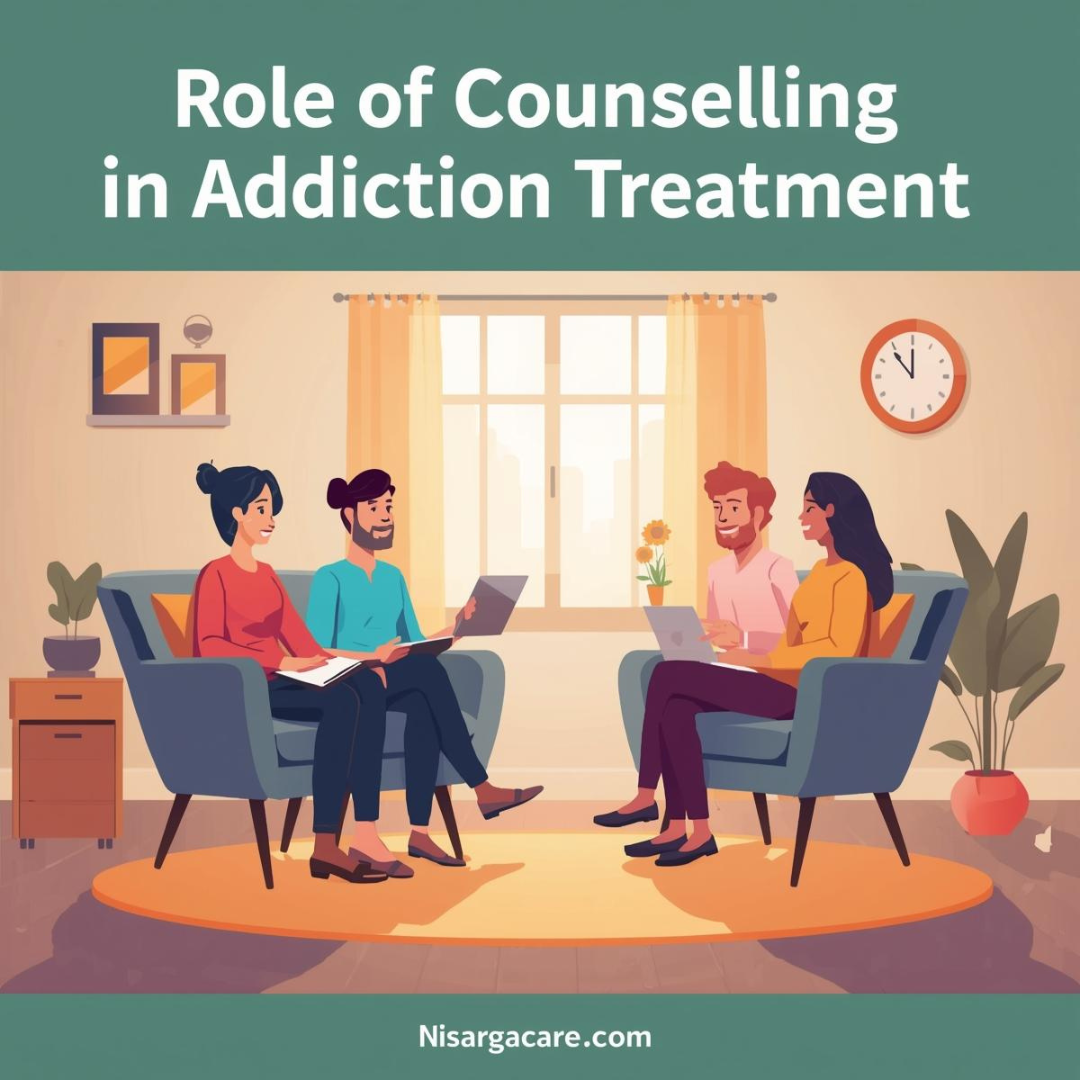
Addiction treatment is not only about stopping substance use; it is about healing the mind, emotions, and behaviors that led to dependence in the first place. Counseling plays a central role in addiction treatment by addressing the psychological and emotional roots of addiction. Without counseling, recovery often remains incomplete, increasing the risk of relapse and emotional distress.
Why Counseling Is Essential in Addiction Recovery
Addiction is rarely caused by a single factor. Emotional trauma, stress, loneliness, anxiety, depression, and unresolved life challenges often contribute to substance dependence. Counseling helps individuals understand why addiction developed and how to manage life without relying on substances. It provides a safe, non-judgmental space where individuals can openly express feelings, fears, and struggles that may have been suppressed for years.
Counseling also supports motivation. Many individuals enter treatment feeling uncertain, ashamed, or resistant. Skilled counselors help build self-awareness and encourage individuals to actively participate in their recovery journey.
Types of Counseling Used in Addiction Treatment
Effective addiction treatment programs use a combination of counseling approaches to meet different emotional and psychological needs:
-
Individual counseling focuses on personal challenges, emotional triggers, and thought patterns linked to addiction. It allows for deep self-reflection and personalized guidance.
-
Group counseling creates a sense of belonging. Sharing experiences with others facing similar struggles reduces isolation and builds mutual support.
-
Family counseling addresses the impact of addiction on loved ones. It helps repair relationships, improve communication, and create a healthier home environment.
-
Behavioral therapies help individuals recognize harmful behaviors and replace them with positive coping strategies.
Each form of counseling plays a unique role in strengthening emotional resilience and long-term recovery.
Identifying Triggers and Preventing Relapse
One of the most important contributions of counseling is helping individuals identify triggers—situations, emotions, or environments that increase the urge to use substances. Through guided conversations and therapy exercises, individuals learn how to respond to stress, anger, boredom, or sadness in healthier ways.
Counselors also teach relapse prevention strategies, such as stress management, emotional regulation, and problem-solving skills. These tools empower individuals to face real-life challenges without returning to addictive behaviors.
Emotional Healing and Self-Worth
Addiction often damages self-esteem and personal identity. Many individuals struggle with guilt, shame, and feelings of failure. Counseling helps rebuild self-worth by encouraging self-forgiveness and realistic goal-setting. Over time, individuals begin to see themselves not as addicts, but as people capable of change and growth.
For seniors or long-term substance users, counseling is especially important in addressing grief, loneliness, or loss of purpose, which can otherwise hinder recovery.
Supporting Long-Term Recovery
Counseling does not end when detox or initial treatment is complete. Ongoing counseling supports long-term sobriety by offering continued guidance during life transitions, emotional stress, or health challenges. Regular sessions reinforce healthy habits and ensure individuals do not feel alone after formal treatment ends.
Programs that integrate counseling throughout every stage of recovery—detox, rehabilitation, and aftercare—show better success rates and stronger emotional stability.
Conclusion
Counseling is the emotional backbone of addiction treatment. It helps individuals understand the deeper causes of addiction, develop healthy coping skills, rebuild relationships, and regain confidence. By addressing emotional healing alongside physical recovery, counseling transforms addiction treatment into a path of lasting change. With consistent guidance, empathy, and support, individuals can achieve not only sobriety but also emotional balance, dignity, and a renewed sense of purpose.