
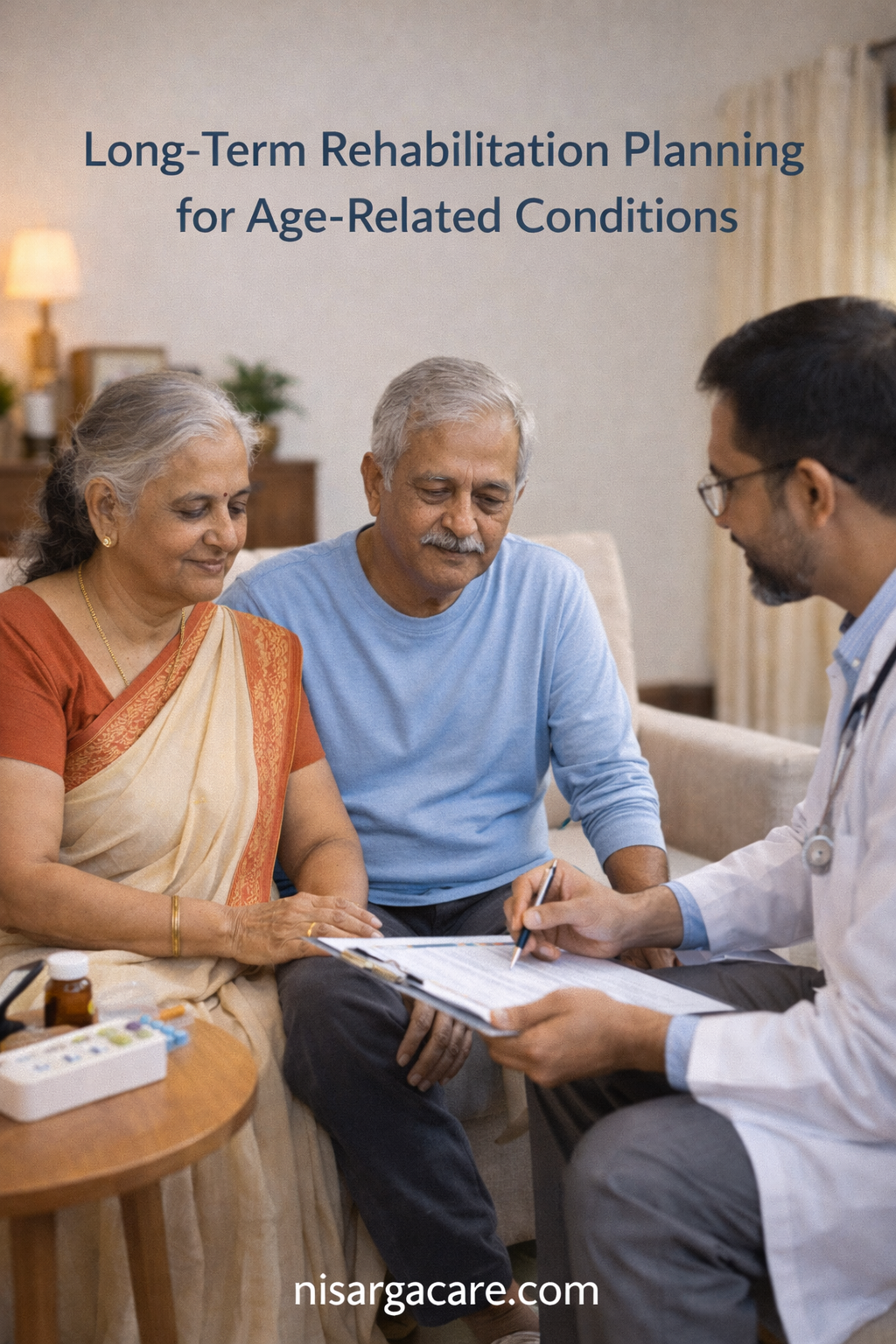
As people age, they may face chronic conditions such as arthritis, osteoporosis, stroke after-effects, or mobility limitations. Managing these conditions effectively requires more than short-term care—it demands long-term rehabilitation planning that addresses physical, cognitive, and emotional needs, ensuring seniors maintain independence and quality of life.
Understanding the Need for Long-Term Planning
Age-related conditions often progress gradually, making daily activities increasingly challenging. Long-term rehabilitation helps prevent further decline, manage symptoms, and promote functional independence. Planning ahead allows families to anticipate care needs, schedule regular therapy, and create a supportive environment that adapts as the senior’s condition evolves.
Personalized Therapy Programs
Rehabilitation should be tailored to each senior’s specific condition and capabilities. Physical therapy focuses on strength, balance, and flexibility, helping reduce pain and prevent falls. Occupational therapy trains seniors to perform daily tasks independently, while cognitive therapy supports memory and decision-making in conditions like dementia. A structured, individualized plan ensures consistent progress and reduces complications over time.
Integrating Multi-Disciplinary Care
Successful long-term rehabilitation often involves a team approach:
-
Physiotherapists for mobility and strength
-
Occupational therapists for daily living skills
-
Dietitians for nutrition supporting bone, muscle, and brain health
-
Medical specialists to monitor chronic conditions and medication
Coordinated care helps seniors achieve holistic improvement and prevents lapses in treatment.
Home Environment Adaptation
A safe, elder-friendly home is crucial for long-term rehabilitation. Families can:
-
Install grab bars, ramps, and non-slip flooring
-
Arrange furniture to allow safe movement
-
Ensure adequate lighting and accessibility of essential items
These adjustments reduce risks of falls or injuries, allowing seniors to maintain independence while continuing their therapy routines.
Monitoring Progress and Adjusting Goals
Rehabilitation is not static. Regular assessments allow therapists and families to modify exercises, introduce new therapies, and adjust daily routines based on the senior’s evolving needs. Celebrating small achievements encourages motivation and adherence to long-term care plans.
Emotional Support and Social Engagement
Long-term rehabilitation also addresses emotional well-being. Seniors may face frustration, anxiety, or depression due to physical limitations. Encouraging participation in social activities, hobbies, and therapy groups fosters confidence and resilience. Family involvement, positive reinforcement, and empathetic care strengthen emotional recovery alongside physical improvement.
Conclusion
Long-term rehabilitation for seniors is essential with age-related conditions, ensuring they maintain independence, mobility, and quality of life. Through personalized therapy, multi-disciplinary care, home adaptations, and emotional support, families can create a structured, supportive recovery journey. Thoughtful planning not only manages chronic conditions effectively but also empowers seniors to live with dignity, confidence, and purpose.