Recovery after illness, surgery, or hospitalization can be a challenging phase for seniors. Physical healing often takes center stage, but emotional well-being is equally important. Many elders experience anxiety, depression, or fear during recovery, especially when adjusting to reduced mobility, new routines, or dependence on caregivers. Rehabilitation and elder care homes play a vital role in providing structured support that addresses both mental and physical health.
Understanding the Emotional Challenges
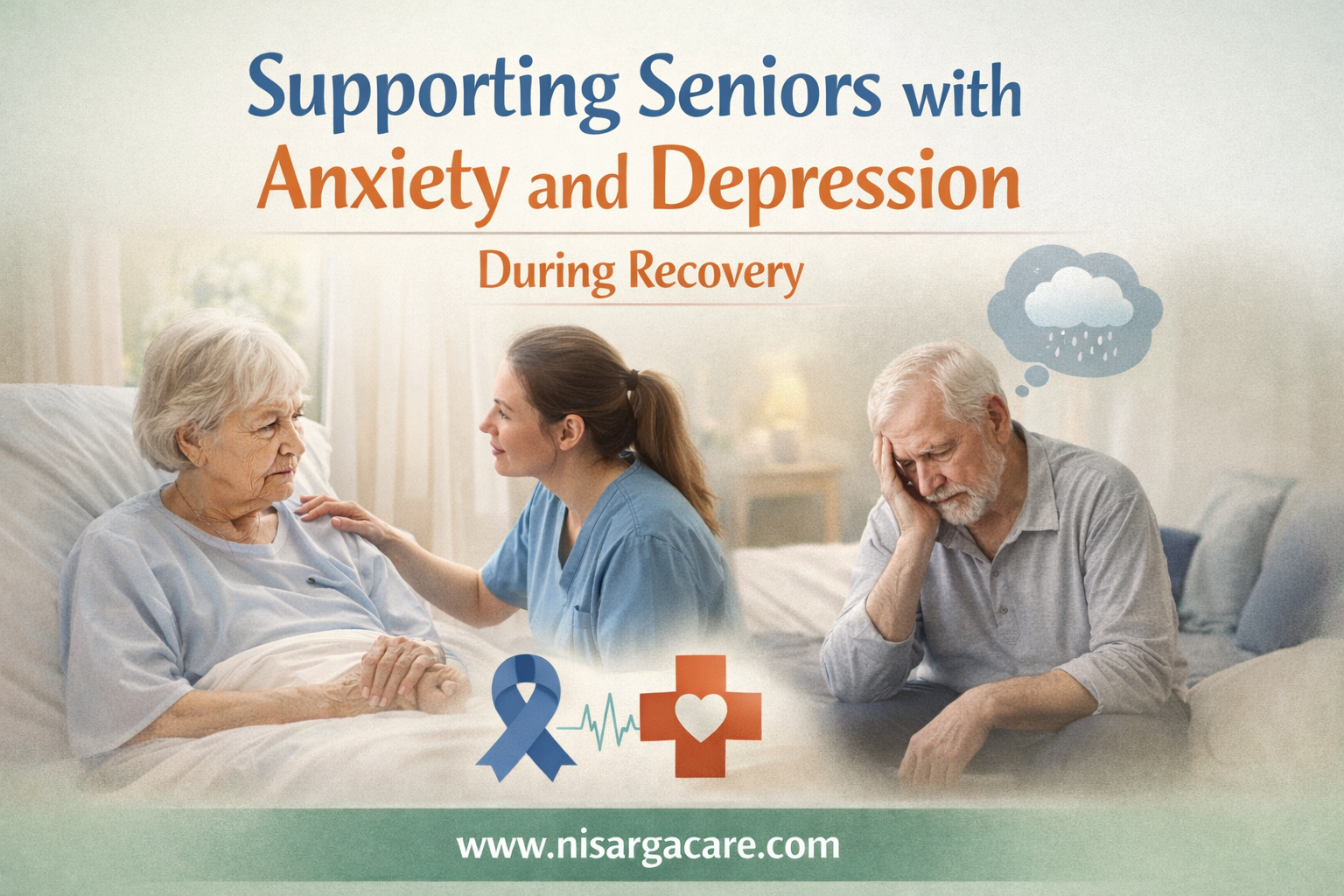
Seniors in recovery may feel isolated, frustrated, or anxious about their health. Concerns about regaining independence, coping with chronic conditions, or returning home safely can lead to emotional stress. Depression may manifest as withdrawal from social interaction, loss of interest in hobbies, or changes in appetite and sleep patterns. Anxiety may appear as restlessness, excessive worry, or hesitation to participate in therapy sessions. Recognizing these signs early is crucial for timely intervention.
Role of Rehabilitation and Elder Care Homes
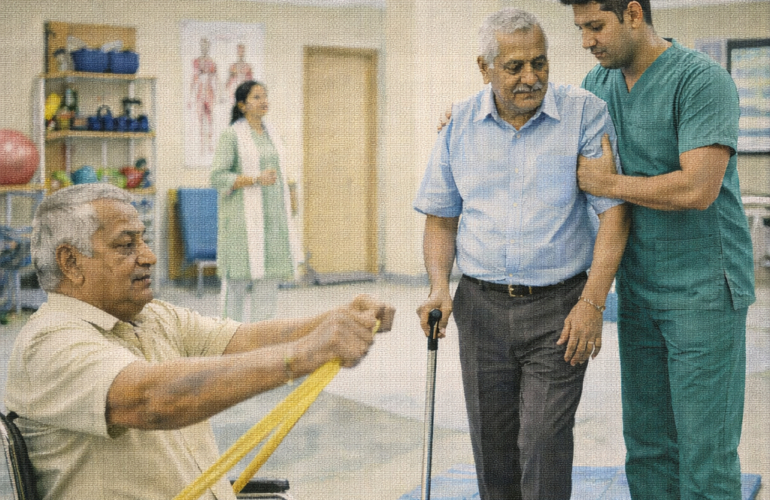
Rehabilitation and elder care homes provide a structured environment that supports emotional recovery alongside physical healing. Trained staff monitor seniors closely, offer encouragement, and implement individualized care plans. Social interaction with peers, daily routines, and therapeutic activities reduce feelings of loneliness and build confidence. Seniors benefit from personalized attention, group exercises, and counseling sessions that address their emotional needs.
Therapeutic Interventions for Mental Health
Professional care facilities integrate multiple approaches to manage anxiety and depression:
-
Counseling and psychotherapy help seniors express emotions and develop coping strategies.
-
Occupational therapy engages elders in meaningful activities, improving self-esteem and a sense of purpose.
-
Mindfulness, relaxation exercises, and light physical therapy reduce stress and enhance mood.
-
Regular monitoring ensures that emotional well-being is addressed alongside physical rehabilitation.
Family Involvement and Emotional Support
Even in a care home setting, family support is essential. Frequent visits, video calls, and active participation in care plans reassure seniors that they are valued and not alone. Families can collaborate with caregivers to encourage participation in activities, celebrate milestones, and provide emotional encouragement. This partnership between care homes and families strengthens recovery outcomes and fosters confidence.
Creating a Safe and Comfortable Environment
A nurturing environment in rehabilitation and elder care homes promotes mental well-being. Simple measures such as safe walking spaces, well-lit rooms, accessible recreational areas, and personalized rooms can reduce anxiety. Feeling secure, respected, and supported contributes to a positive mindset, which directly impacts recovery speed and overall health.
Conclusion
Supporting seniors with anxiety and depression during recovery requires a holistic approach that combines emotional, social, and physical care. Rehabilitation and elder care homes provide structured programs, professional counseling, and safe environments that empower seniors to regain independence and confidence. At Nisarga Care, we prioritize both mental and physical well-being, ensuring seniors receive compassionate support that promotes healing, dignity, and a fulfilling life. Families can trust Nisarga Care to guide their loved ones through recovery with empathy and expertise.