Aging often brings physical limitations, reduced mobility, and difficulty performing everyday tasks. For many seniors, losing the ability to manage daily activities can affect not just physical health but also self-confidence and emotional well-being. Occupational therapy plays a vital role in restoring independence, enabling seniors to live safely, confidently, and with dignity.
Understanding Occupational Therapy for Seniors
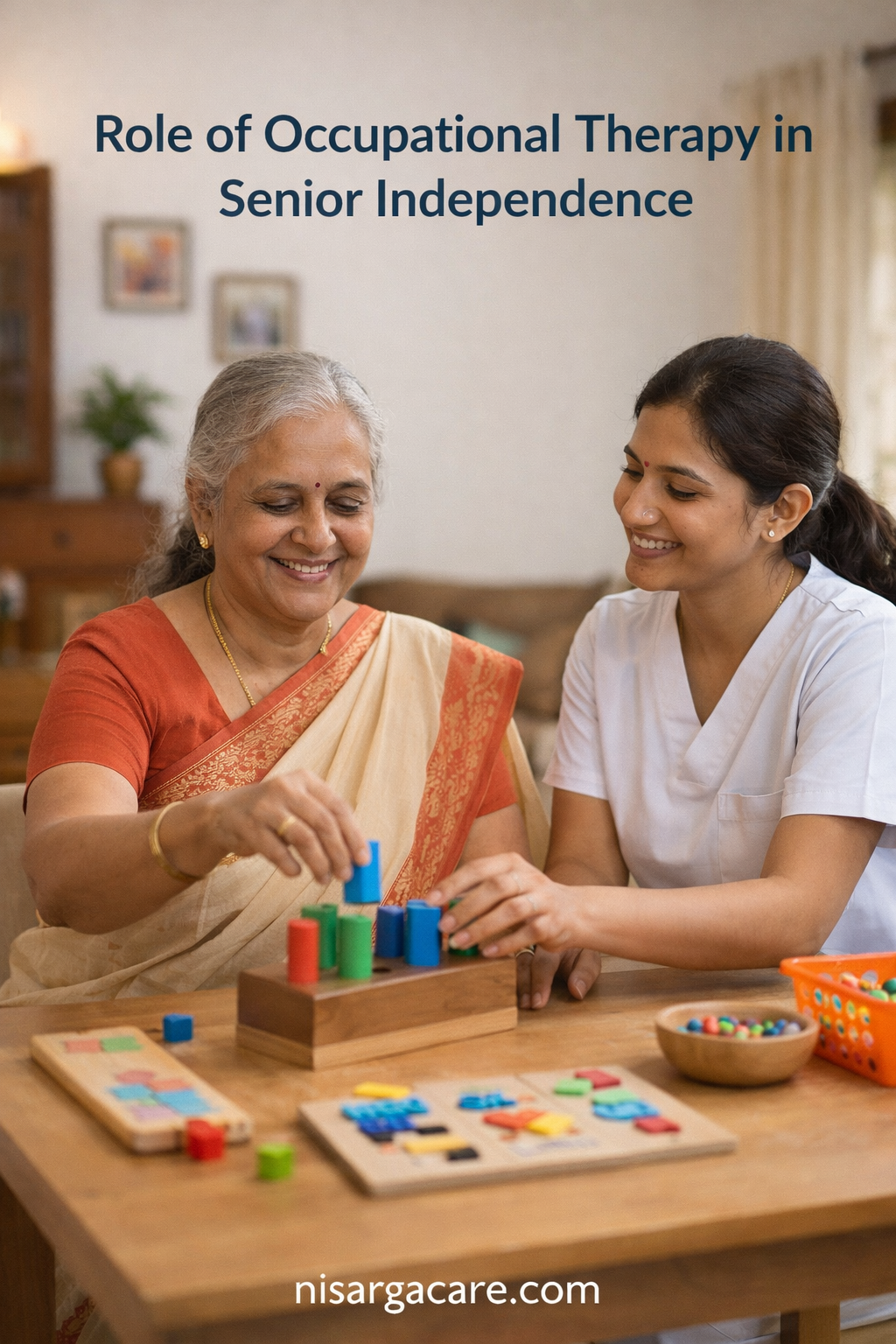
Occupational therapy focuses on helping seniors perform daily living activities independently or with minimal assistance. These activities include dressing, bathing, eating, cooking, writing, moving around the home, and managing personal routines. Unlike general exercise therapy, occupational therapy is highly practical and tailored to real-life needs.
Therapists assess a senior’s physical abilities, cognitive function, coordination, and home environment to design personalized therapy plans that improve functionality and safety.
Rebuilding Daily Functional Skills
One of the core goals of occupational therapy is helping seniors regain skills required for everyday life. After long-term illness, surgery, stroke, or neurological conditions, simple tasks can become challenging. Occupational therapy uses structured exercises, adaptive techniques, and repetition to restore motor skills, hand strength, balance, and coordination.
By practicing daily activities in a guided way, seniors gradually rebuild confidence and reduce dependence on caregivers.
Enhancing Safety and Preventing Falls
Falls are a major concern among the elderly. Occupational therapists identify risks within the home and recommend modifications such as grab bars, non-slip mats, proper lighting, and assistive devices. Seniors are trained to move safely, use mobility aids correctly, and adopt energy-saving techniques, reducing the risk of injury.
Improved safety directly supports independence and gives families peace of mind.
Supporting Cognitive and Emotional Independence
Occupational therapy also supports seniors dealing with memory loss, reduced attention, or emotional challenges. Structured routines, memory exercises, and task sequencing help seniors stay mentally engaged and emotionally balanced. Regaining control over daily tasks significantly boosts self-esteem and reduces feelings of helplessness.
Encouraging Meaningful Engagement
Independence is not only about physical ability—it is also about purpose. Occupational therapy encourages seniors to engage in meaningful activities such as hobbies, social interaction, and light household tasks. Staying active and involved improves emotional health and overall quality of life.
Personalized and Respectful Care
Every senior’s journey is unique. Occupational therapy respects individual preferences, cultural habits, and comfort levels. Therapy goals are adjusted gradually, ensuring progress without pressure, while maintaining dignity at every step.
Conclusion
Occupational therapy is a powerful tool in helping seniors regain independence, confidence, and control over daily life. By focusing on practical skills, safety, emotional well-being, and personalized care, occupational therapy enables seniors to live more fulfilling and self-reliant lives. For families seeking long-term independence and dignity for their loved ones, occupational therapy plays an essential role in healthy aging and rehabilitation.