Bangalore rehabilitation centers | rehab assisted living facilities in Bangalore News

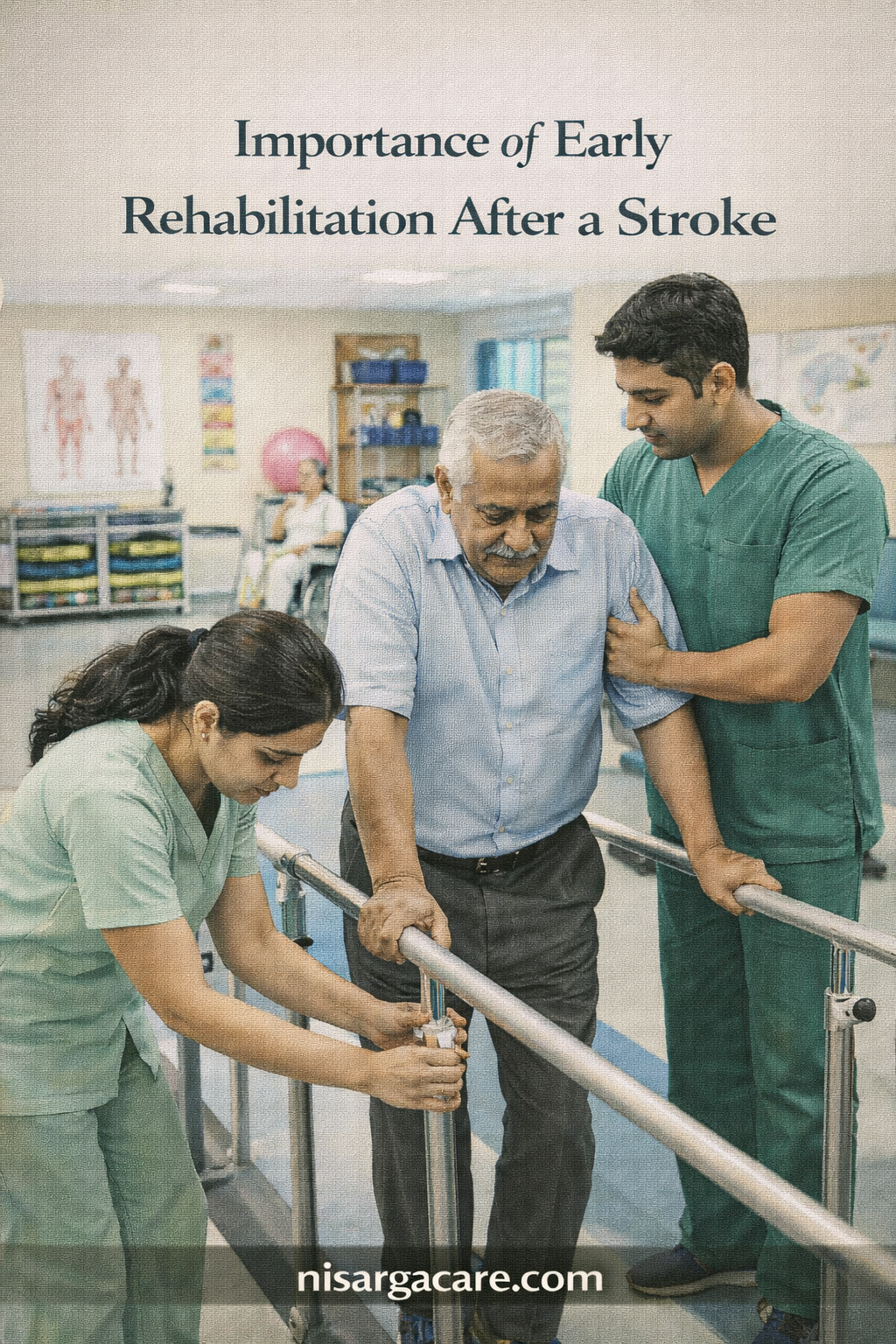
Importance of Early Rehabilitation After a Stroke

A stroke is a medical emergency, but recovery doesn’t end once the patient is stabilized. The period immediately after a stroke is critical for healing the brain and body. Starting rehabilitation early can significantly improve physical function, communication skills, and overall quality of life. Families searching for rehabilitation centers in Bangalore should understand why early intervention matters and how it impacts long-term recovery.


What Is Early Stroke Rehabilitation?

Early rehabilitation begins as soon as a patient is medically stable—sometimes within 24 to 72 hours after a stroke. It involves guided therapies designed to help the brain relearn lost skills. Most advanced stroke rehabilitation centers in Bangalore follow a structured plan that includes physiotherapy, occupational therapy, speech therapy, and psychological support.

Early rehab is not aggressive—it is carefully monitored and customized to the patient’s condition.


Why Timing Is Critical After a Stroke

The brain has a unique ability called neuroplasticity, which allows healthy areas to take over functions damaged by stroke. This ability is strongest in the early weeks after a stroke.

Starting rehabilitation early helps to:

  • Activate unused neural pathways

  • Prevent muscle stiffness and joint deformities

  • Reduce complications such as bedsores and infections

  • Improve balance and coordination

  • Speed up overall recovery

Delaying therapy can lead to permanent functional loss and increased dependency.


Benefits of Early Rehabilitation After Stroke

Faster Physical Recovery

Early physiotherapy improves muscle strength, posture, and walking ability. Patients regain mobility sooner and with better outcomes.

Improved Speech and Swallowing

Speech therapy started early can significantly improve communication, memory, and swallowing difficulties.

Better Independence in Daily Activities

Occupational therapy helps patients relearn essential activities like dressing, eating, and personal hygiene.

Reduced Emotional and Mental Health Issues

Early psychological support lowers the risk of depression, anxiety, and emotional withdrawal, which are common after stroke.


Role of Rehabilitation Centers in Bangalore

Professional rehabilitation centers in Bangalore offer:

  • Multidisciplinary medical teams

  • Structured therapy schedules

  • Safe, supportive environments

  • Inpatient (stay) and outpatient rehabilitation options

Centers like Nisarga Care focus on holistic recovery—addressing physical limitations, emotional well-being, and long-term independence under medical supervision.


Early Rehabilitation and Long-Term Outcomes

Patients who begin rehabilitation early often:

  • Require shorter rehabilitation durations

  • Experience fewer long-term disabilities

  • Return to normal or semi-independent life faster

  • Reduce overall rehabilitation centre cost in Bangalore

Early rehab is not just medically effective—it is also cost-efficient for families.


How Families Can Support Early Rehabilitation

Families can enhance recovery by:

  • Encouraging consistent therapy attendance

  • Creating a calm and motivating environment

  • Avoiding prolonged bed rest unless medically advised

  • Coordinating closely with rehabilitation professionals

Family involvement strengthens motivation and improves therapy outcomes.


Conclusion

Early rehabilitation after a stroke is one of the most important decisions families can make. It accelerates recovery, prevents complications, and restores independence. Choosing experienced stroke rehabilitation centers in Bangalore ensures patients receive timely, personalized care that maximizes recovery potential. With early intervention and expert guidance, stroke survivors can regain dignity, confidence, and quality of life.
News Nisarga care Bangalore

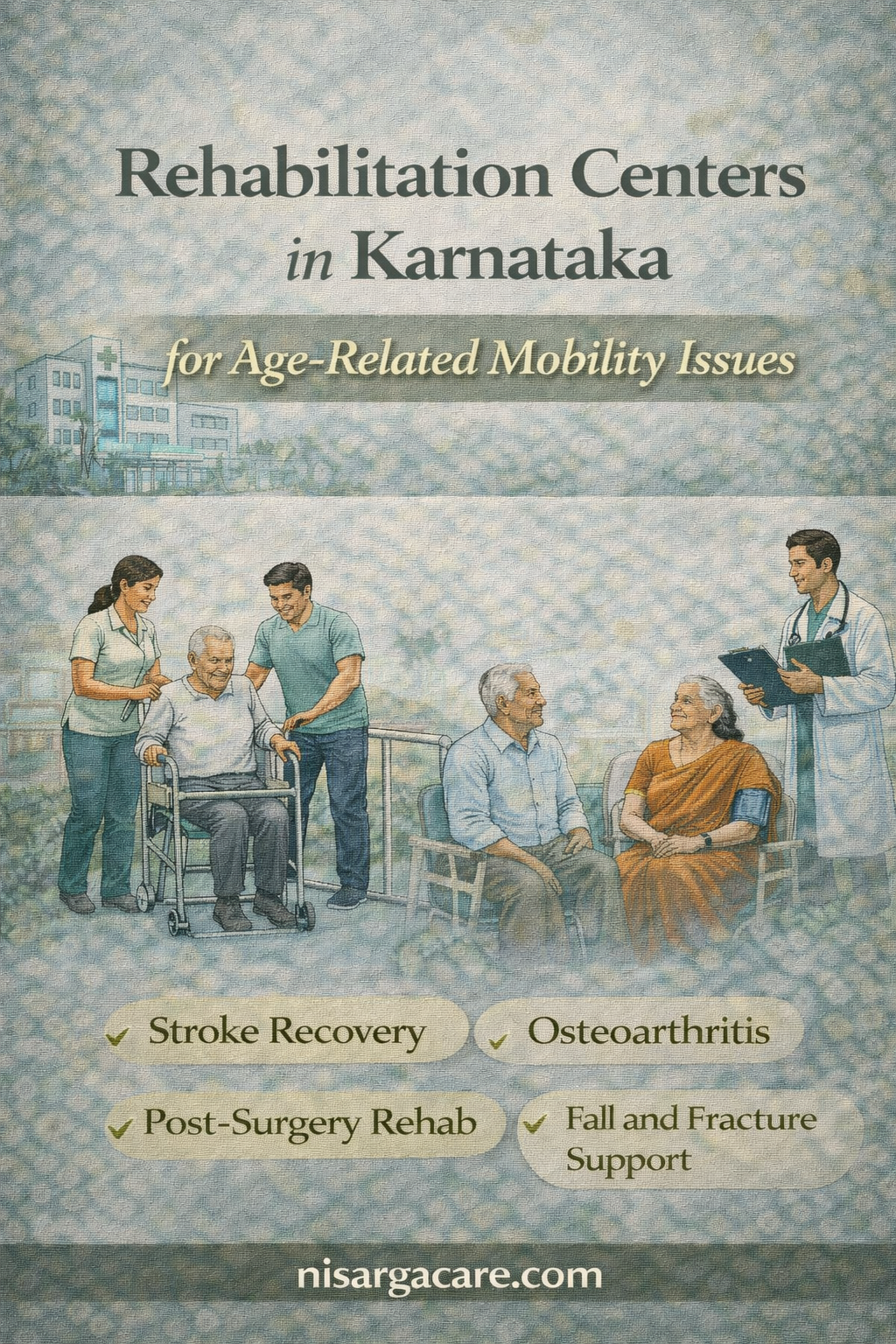
Rehabilitation Centers in Karnataka for Age-Related Mobility Issues

Age-related mobility issues are one of the most common health challenges faced by seniors. Reduced muscle strength, joint stiffness, balance problems, and recovery after illness or surgery can significantly impact independence and quality of life. This is where rehabilitation centers in Karnataka play a vital role by offering structured, medically supervised care focused on restoring mobility and confidence in elderly patients.

Families increasingly prefer rehab centers in Bangalore and rehabilitation centres in Bengaluru because they provide specialized programs designed specifically for senior mobility and long-term recovery.

Common Age-Related Mobility Problems in Seniors

As people age, mobility challenges often arise due to:

  • Arthritis and joint degeneration

  • Muscle weakness and balance loss

  • Post-fracture or post-surgery stiffness

  • Stroke or neurological conditions

  • Prolonged bed rest after hospitalization

Without proper rehabilitation, these issues can worsen, increasing the risk of falls, dependency, and repeated hospital admissions. A professional rehabilitation center in Bangalore addresses these risks through structured care.

How Rehabilitation Centers Support Mobility Recovery

A specialized geriatric rehabilitation center in Bangalore focuses on gradual, safe improvement of movement. Key services include:

Physiotherapy and Strength Training
Daily physiotherapy sessions help seniors rebuild muscle strength, improve joint flexibility, and regain balance. A physiotherapy rehabilitation center in Bangalore ensures exercises are tailored to the senior’s health condition and tolerance levels.

Medical and Nursing Supervision
Age-related mobility issues often coexist with conditions like diabetes, heart disease, or neurological disorders. Medical rehabilitation centers in Bangalore provide continuous nursing care, medication management, and vital monitoring to ensure safe progress.

Post-Hospital and Orthopedic Rehabilitation
Many seniors experience mobility loss after surgery or hospitalization. A post hospital rehabilitation center in Bangalore or orthopedic rehabilitation center in Bangalore supports recovery through pain management, assisted movement, and guided therapy.

Safe and Elder-Friendly Infrastructure

A major advantage of rehabilitation centers in Karnataka is their senior-safe environment. Features such as handrails, non-slip flooring, walkers, wheelchairs, and emergency response systems reduce fall risk and give seniors the confidence to move freely during recovery.

Families searching for an old age rehabilitation center near me or rehab center near me Bangalore often choose structured facilities for this very reason.

Emotional and Mental Support During Recovery

Mobility limitations can lead to frustration, anxiety, or depression in seniors. Elderly rehabilitation centers in Bangalore provide emotional encouragement, routine-based living, and social interaction, which significantly improves motivation and recovery outcomes.

For seniors with neurological or mental health challenges, rehabilitation centers also coordinate neuro rehabilitation and mental well-being support when required.

Why Structured Rehabilitation Is Better Than Home Care

While home care offers comfort, it often lacks consistency in therapy and medical supervision. Structured rehab centres in Bengaluru ensure seniors receive regular treatment, monitored progress, and immediate medical attention—leading to safer and more effective recovery.


Conclusion: Why Nisarga Care Is the Best Choice

Age-related mobility issues require professional, structured, and compassionate care. Nisarga Care is a trusted name among rehab centers in Bangalore and rehabilitation centers in Karnataka, offering specialized mobility rehabilitation for seniors.

As a leading geriatric rehabilitation center in Bangalore and elder care rehabilitation center in Karnataka, Nisarga Care provides personalized physiotherapy plans, post-hospital recovery support, medical supervision, and emotional care—all under one roof.

For families looking for a reliable rehabilitation center near me Bengaluru, an old age home with rehabilitation services in Bangalore, or long-term mobility support for seniors, Nisarga Care stands out as the best choice for safe recovery, dignity, and improved quality of life.

News Nisarga care Bangalore

Geriatric Rehabilitation Centers in Bangalore, Specialized Care for Seniors | senior citizen health care Centre | old age Health Care Centre Bangalore |

As people age, recovery from illness, surgery, or injury often requires more time, patience, and professional support. Seniors may face challenges such as reduced mobility, chronic conditions, cognitive decline, and emotional stress. This is where geriatric rehabilitation centers in Bangalore play a crucial role by offering specialized care designed exclusively for elderly needs.

These centers focus on helping seniors regain strength, maintain independence, and improve overall quality of life in a safe and supportive environment.

What Is Geriatric Rehabilitation?

Geriatric rehabilitation is a structured care approach tailored for older adults who need support after hospitalization, surgery, or while managing age-related health conditions. Unlike general rehabilitation, it addresses the complex physical, medical, and emotional needs of seniors.

A professional rehabilitation center in Bangalore for geriatric care combines medical supervision, therapy, and daily assistance to ensure safe and steady recovery.

Specialized Medical and Nursing Care for Seniors

One of the biggest advantages of geriatric rehabilitation centers is 24/7 medical and nursing supervision. Seniors often have multiple conditions such as diabetes, heart disease, arthritis, or neurological disorders. Trained nurses and doctors monitor vital signs, manage medications, and respond quickly to health changes, reducing the risk of complications.

This continuous care is difficult to provide at home, making a rehabilitation center in Karnataka a preferred choice for many families.

Physiotherapy and Mobility Support

Mobility loss is a common concern among the elderly. Geriatric rehabilitation centers offer customized physiotherapy programs to:

  • Improve strength and balance

  • Prevent falls

  • Support recovery after fractures or joint replacement

  • Restore confidence in movement

Regular therapy sessions help seniors regain independence and safely perform daily activities.

Dementia and Cognitive Rehabilitation

Many seniors require care for memory-related conditions. Specialized geriatric centers provide structured routines, cognitive stimulation, and behavioral support for patients with dementia or Alzheimer’s. A professional dementia rehabilitation center in Bangalore creates a calm and secure environment that supports mental well-being while preserving dignity.

Support with Daily Living Activities

Elderly individuals may struggle with everyday tasks such as bathing, dressing, eating, or walking. Geriatric rehabilitation centers provide trained caregivers to assist with daily living while encouraging independence wherever possible. This balance helps seniors feel supported without losing confidence or self-respect.

Emotional and Social Well-Being

Recovery is not only physical—it is emotional too. Seniors often experience loneliness, anxiety, or depression during recovery. Geriatric rehabilitation centers promote social interaction, companionship, and emotional support, helping seniors stay motivated and mentally healthy.

Reduced Burden on Families

Caring for an elderly loved one can be physically and emotionally demanding. Rehabilitation centers relieve families from round-the-clock caregiving responsibilities while ensuring seniors receive professional, compassionate care. Families can stay involved without the stress of managing medical needs alone.


Conclusion: Why Nisarga Care Is the Best Choice

Geriatric rehabilitation centers in Bangalore offer specialized care that addresses the unique health challenges of seniors. Nisarga Care stands out as a trusted geriatric rehabilitation center in Bangalore and a leading elder care and dementia care center in Karnataka.

With experienced medical professionals, personalized rehabilitation plans, dementia-focused care, and compassionate support, Nisarga Care ensures seniors recover safely, maintain independence, and live with dignity. For families seeking reliable, high-quality geriatric rehabilitation, Nisarga Care is the best rehabilitation center in Karnataka, offering peace of mind and holistic senior care.

News Nisarga care Bangalore

When Should a Family Consider Palliative Care Services? | holistic care homes in Bangalore |

Deciding when to seek palliative care can be challenging for families, especially when a loved one is coping with a chronic or serious illness. Palliative care is not limited to end-of-life situations—it is designed to improve quality of life, manage symptoms, and provide emotional support for patients and their families at any stage of illness.

Professional care providers, like Nisarga Care in Karnataka, guide families in understanding the right time to access palliative care services and ensure patients receive comprehensive, compassionate support.

Early Signs That Palliative Care May Be Needed

Families should consider palliative care if a loved one is experiencing:

  • Persistent or worsening pain and discomfort

  • Fatigue or weakness affecting daily activities

  • Emotional distress, anxiety, or depression due to illness

  • Difficulty managing medications or treatment plans

  • Frequent hospital visits or readmissions

Early intervention can prevent complications, reduce suffering, and improve overall well-being.

Chronic Illness or Progressive Conditions

Palliative care is especially helpful for patients with chronic or progressive illnesses such as:

  • Alzheimer’s or dementia

  • Cancer

  • Heart disease or kidney failure

  • Chronic respiratory conditions

  • Diabetes with complications

Even when the condition is stable, palliative care helps manage symptoms, maintain independence, and provide guidance for long-term care.

Post-Hospitalization or Surgery Recovery

Patients recovering from surgery or serious illness often require ongoing medical supervision. Palliative care ensures:

  • Pain and symptom management

  • Medication monitoring and adjustments

  • Emotional support during the recovery process

  • Assistance with mobility and daily activities

Professional home-based palliative care reduces the risk of complications and hospital readmissions, allowing patients to recover comfortably at home.

Emotional and Psychological Support

Families may also consider palliative care when the patient—or caregivers—experience:

  • Stress, anxiety, or fear related to illness

  • Difficulty coping with changing health conditions

  • The need for counseling, guidance, or respite care

Palliative care addresses emotional and psychological needs, fostering resilience and peace of mind for both patients and families.

Enhancing Quality of Life

Ultimately, palliative care is about enhancing quality of life. Families should consider it whenever a loved one requires:

  • Continuous symptom management

  • Assistance with daily activities

  • Emotional support and companionship

  • Guidance in care decisions and planning

Early adoption allows patients to live more comfortably and with dignity while relieving families from the overwhelming responsibility of sole caregiving.


Conclusion: Why Nisarga Care Is the Best Choice

Knowing when to consider palliative care can make a significant difference in patient comfort and family well-being. Nisarga Care is a trusted elder and Alzheimer’s care center in Karnataka, offering professional palliative care services that address physical, emotional, and psychological needs.

With trained caregivers, personalized care plans, and continuous support, Nisarga Care ensures patients live with dignity and comfort while families receive guidance and relief. Recognized as a leading palliative care provider in Karnataka, Nisarga Care is the best choice for compassionate, comprehensive home-based care for patients and their families.

News Nisarga care Bangalore

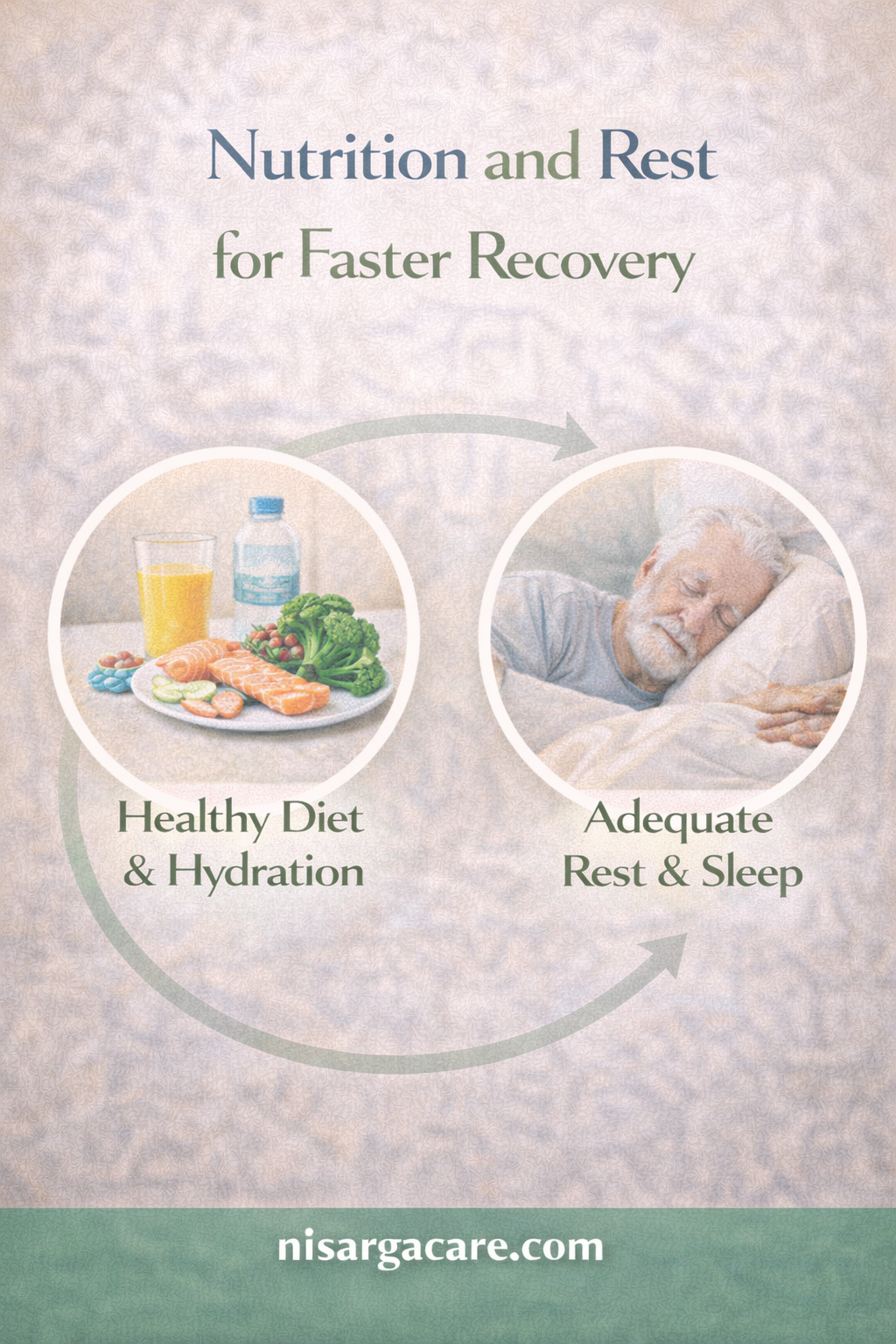
Nutrition and Rest for Faster Recovery Post hospitalization

Recovering after hospitalization requires more than just medical treatment—it demands a holistic approach that includes proper nutrition and rest. Adequate nourishment and sufficient sleep are essential for healing, boosting immunity, and regaining strength. Seniors and patients recovering from surgery or illness benefit significantly when these two elements are prioritized alongside professional care.

A specialized post-hospitalization care service in Karnataka ensures patients receive structured guidance on diet and rest while recovering safely at home.

Importance of Nutrition in Recovery

Nutrition provides the building blocks the body needs to repair tissues, fight infections, and maintain energy levels. Post-hospitalization diets should include:

  • Proteins: for tissue repair (eggs, lean meat, lentils, dairy)

  • Complex carbohydrates: for sustained energy (whole grains, oats, brown rice)

  • Vitamins and minerals: for immunity and healing (fruits, vegetables, nuts)

  • Healthy fats: for cell repair and overall health (olive oil, seeds, avocado)

Balanced nutrition helps prevent fatigue, supports organ function, and reduces the risk of complications during recovery.

Hydration for Optimal Healing

Proper hydration is essential for seniors and recovering patients. Water and electrolyte-rich fluids help:

  • Maintain bodily functions

  • Aid digestion and metabolism

  • Prevent dehydration-related complications

  • Support detoxification and wound healing

A professional Diabetes or elder care center in Karnataka can tailor hydration plans, especially for patients with restrictions due to diabetes, kidney issues, or heart conditions.

Role of Rest in Recovery

Rest allows the body to heal efficiently. Sleep and relaxation support:

  • Tissue repair and muscle recovery

  • Hormone regulation, including those controlling appetite and immunity

  • Reduction of stress and inflammation

  • Mental well-being and emotional stability

Sufficient rest is particularly important for seniors, as sleep patterns may be disrupted post-hospitalization. Structured rest routines help patients regain energy and prevent fatigue-related setbacks.

Combining Nutrition and Rest

Optimal recovery occurs when nutrition and rest work together. Adequate calories, proteins, and micronutrients provide the energy for healing, while rest allows the body to use these nutrients effectively. Caregivers ensure meals are timely and restful periods are maintained, creating a balance that promotes rapid recovery.

Professional Guidance and Support

Home-based care or professional rehabilitation centers in Bangalore provide education on meal planning, dietary adjustments, and sleep hygiene. Trained caregivers monitor progress, encourage compliance, and provide emotional support, ensuring patients adhere to recovery plans safely.

Preventing Post-Hospital Complications

Proper nutrition and rest reduce the risk of:

  • Fatigue and weakness

  • Infections and slow wound healing

  • Re-hospitalization due to poor recovery

  • Cognitive or emotional decline

Structured support ensures patients heal efficiently while minimizing complications.


Conclusion: Why Nisarga Care Is the Best Choice

Nutrition and rest are essential for post-hospital recovery, but professional support ensures these needs are met effectively. Nisarga Care is a trusted post-hospitalization care provider in Karnataka, offering personalized diet plans, structured rest routines, and compassionate supervision.

As a leading rehabilitation and elder care center in Bangalore, Nisarga Care combines medical monitoring, nutritional guidance, and emotional support to help patients recover safely and efficiently at home. Families seeking reliable post-hospitalization recovery support can trust Nisarga Care for its expertise, holistic approach, and commitment to patient well-being, making it the best choice for safe and effective recovery care in Karnataka.

Bangalore rehabilitation centers | rehab assisted living facilities in Bangalore News

Diabetic Diet Plan for Elderly Patients

Managing diabetes in elderly patients requires careful attention to nutrition. A well-planned diet helps control blood sugar levels, maintain energy, prevent complications, and improve quality of life. Elderly individuals often face challenges such as decreased appetite, difficulty chewing, or other chronic conditions, making a balanced diabetic diet essential.

Professional guidance from a Diabetes care center in Karnataka ensures that seniors receive personalized meal plans tailored to their health needs.

Focus on Balanced Meals

A diabetic diet should include a combination of:

  • Complex carbohydrates: whole grains, oats, brown rice

  • Lean proteins: fish, chicken, eggs, lentils

  • Healthy fats: nuts, seeds, olive oil, avocado

  • Fruits and vegetables: high in fiber and antioxidants

Balanced meals help maintain steady blood sugar levels and provide essential nutrients for overall health.

Control Portion Sizes

Elderly patients are prone to overeating or irregular meal timing, which can cause blood sugar spikes. Using smaller, frequent meals throughout the day helps:

  • Stabilize blood sugar levels

  • Improve digestion

  • Maintain energy throughout the day

A professional Diabetic treatment facility in Bangalore guides portion control and meal scheduling for optimal results.

Limit Sugary and Processed Foods

Refined sugar and processed foods can cause rapid blood sugar fluctuations. Seniors should avoid:

  • Sweets, pastries, and sugary drinks

  • Packaged and fast foods

  • Excess salt and saturated fats

Instead, focus on natural, unprocessed foods that support sustained energy and heart health.

Include Fiber-Rich Foods

Fiber slows sugar absorption, aids digestion, and promotes satiety. Ideal sources for elderly patients include:

  • Vegetables like spinach, broccoli, and carrots

  • Fruits like berries, apples, and pears

  • Legumes such as lentils, chickpeas, and beans

  • Whole grains like oats and barley

Fiber also helps reduce cholesterol and supports cardiovascular health.

Hydration Is Key

Proper hydration is crucial for seniors to maintain metabolic function and prevent dehydration, which can affect blood sugar. Encourage:

  • Water intake throughout the day

  • Herbal teas or fresh fruit-infused water

  • Soups and broths

Monitor Blood Sugar and Adjust Diet

Regular monitoring of blood sugar levels ensures that diet adjustments can be made promptly. Caregivers can note how certain foods impact readings and collaborate with healthcare providers for modifications.

Role of Specialized Diabetes Care

A specialized Diabetes management clinic in Bangalore provides tailored diet plans, education, and professional guidance for seniors. Trained staff monitor blood sugar, provide nutritional counseling, and help implement lifestyle changes that enhance diabetes management.


Conclusion: Why Nisarga Care Is the Best Choice

A structured diabetic diet is essential for maintaining health and controlling blood sugar in elderly patients. Nisarga Care is a trusted Diabetes care center in Karnataka, offering personalized meal plans, professional monitoring, and lifestyle support. As a leading Diabetic treatment facility in Bangalore, Nisarga Care ensures seniors receive holistic care that combines nutrition, medical supervision, and compassionate attention.

Families looking for a reliable Diabetes rehabilitation center in Bangalore can depend on Nisarga Care for expert guidance, trained caregivers, and comprehensive programs. Recognized as the best diabetes care center in Bangalore, Nisarga Care provides professional diabetes care services in Karnataka that prioritize health, safety, and quality of life for seniors.

Bangalore rehabilitation centers | rehab assisted living facilities in Bangalore News

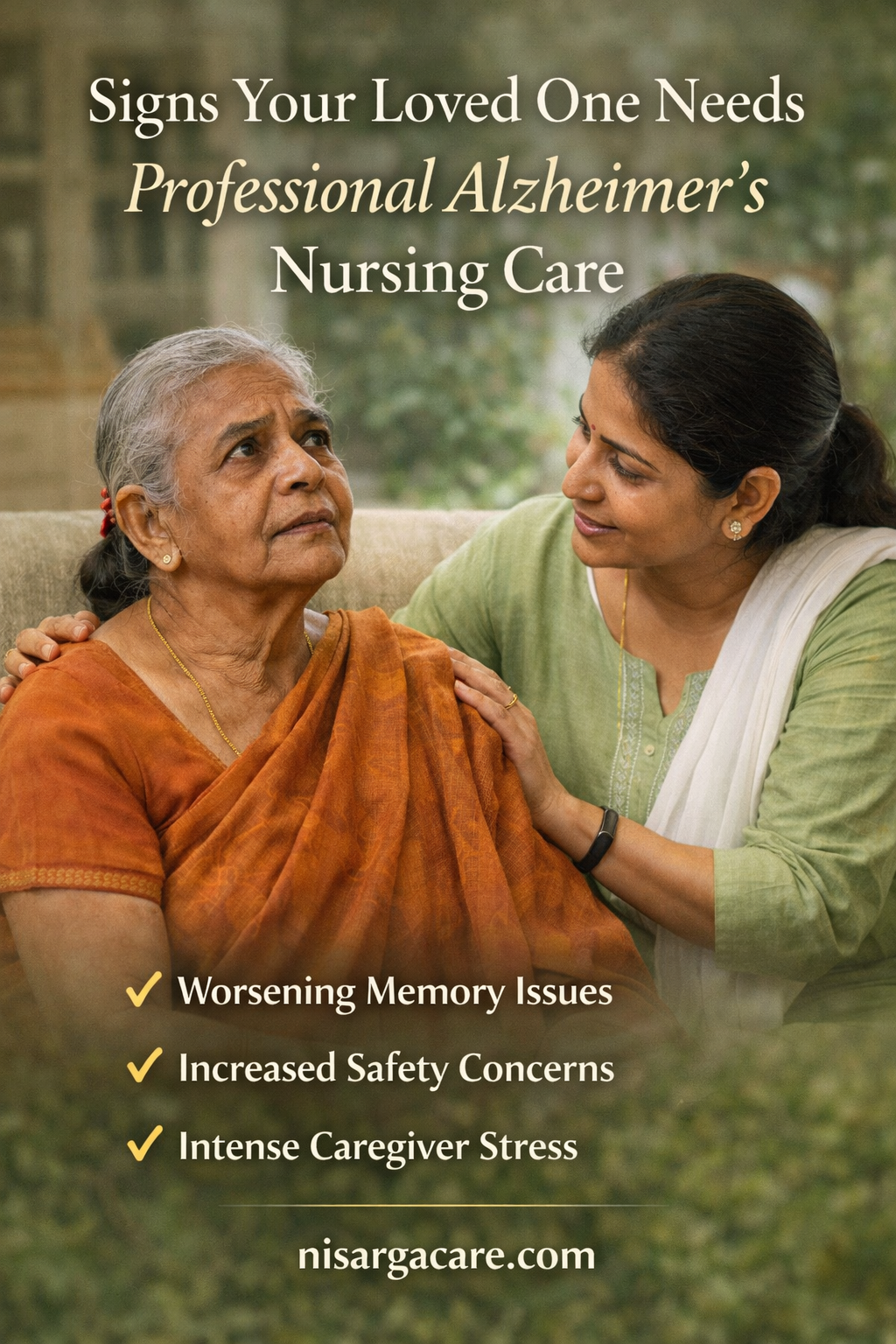
Signs Your Loved One Needs Professional Alzheimer’s Nursing Care

Caring for a loved one with Alzheimer’s can be overwhelming, especially as the disease progresses. While families often provide initial support, there comes a point when professional care is essential. Recognizing the signs that indicate your loved one needs specialized attention can help prevent accidents, reduce stress, and improve overall well-being.

Professional services at an Alzheimer’s care center in Karnataka provide structured care, medical supervision, and emotional support tailored to each patient.

Difficulty with Daily Activities

One of the first indicators is a decline in the ability to perform daily tasks such as:

  • Bathing and grooming

  • Dressing appropriately

  • Eating independently

  • Using the bathroom

If your loved one struggles with these routine activities despite assistance, it may be time to consider professional Alzheimer’s nursing care.

Safety Concerns

Alzheimer’s patients are prone to accidents due to memory loss and impaired judgment. Signs include:

  • Frequent falls or injuries

  • Wandering or trying to leave the house

  • Forgetting to turn off appliances or stoves

  • Getting lost in familiar surroundings

A safe environment with trained supervision, as provided by a Memory care facility in Bangalore, is critical to reduce risks.

Behavioral and Emotional Changes

Alzheimer’s can cause mood swings, aggression, anxiety, or depression. These behavioral changes can be stressful and difficult to manage at home. Professional caregivers are trained to handle such situations with empathy, communication techniques, and therapeutic interventions.

Weight Loss or Poor Nutrition

Sudden weight loss, difficulty eating, or dehydration can indicate that your loved one is struggling to maintain proper nutrition. Trained caregivers in an Alzheimer’s rehabilitation center in Bangalore ensure that meals are nutritious, easy to consume, and served in a calm, supportive environment.

Medication Mismanagement

Alzheimer’s patients often forget to take medications or take incorrect doses, which can affect their health. Professional care centers provide proper medication management, ensuring timely administration and monitoring for side effects.

Increased Confusion or Disorientation

If your loved one frequently forgets familiar people, places, or events, or becomes increasingly confused about time and surroundings, this signals the need for structured support and supervision. Consistent care in a specialized Alzheimer’s care facility can help reduce anxiety and provide orientation support.

Caregiver Burnout

When families feel overwhelmed, stressed, or unable to provide consistent care, professional support becomes necessary. Expert caregivers relieve the physical and emotional burden while maintaining high-quality care for the patient.

Role of Professional Alzheimer’s Care

Professional Alzheimer’s care centers in Karnataka provide trained staff, structured routines, medical monitoring, and therapeutic programs. These services ensure safety, emotional support, and cognitive stimulation, which are often difficult to maintain in a home setting.


Conclusion: Why Nisarga Care Is the Right Choice

Recognizing when your loved one needs professional Alzheimer’s nursing care is essential for their safety and well-being. Nisarga Care is a trusted Alzheimer’s care center in Karnataka, offering personalized support tailored to each patient’s needs. As a leading Memory care facility in Bangalore, Nisarga Care provides structured routines, medical supervision, and compassionate care that promotes comfort, dignity, and quality of life.

Families searching for a reliable Alzheimer’s rehabilitation center in Bangalore can trust Nisarga Care for its experienced caregivers, therapeutic programs, and holistic approach. Recognized as the best Alzheimer’s care center in Bangalore, Nisarga Care ensures seniors live safely, happily, and with emotional security.

News Nisarga care Bangalore

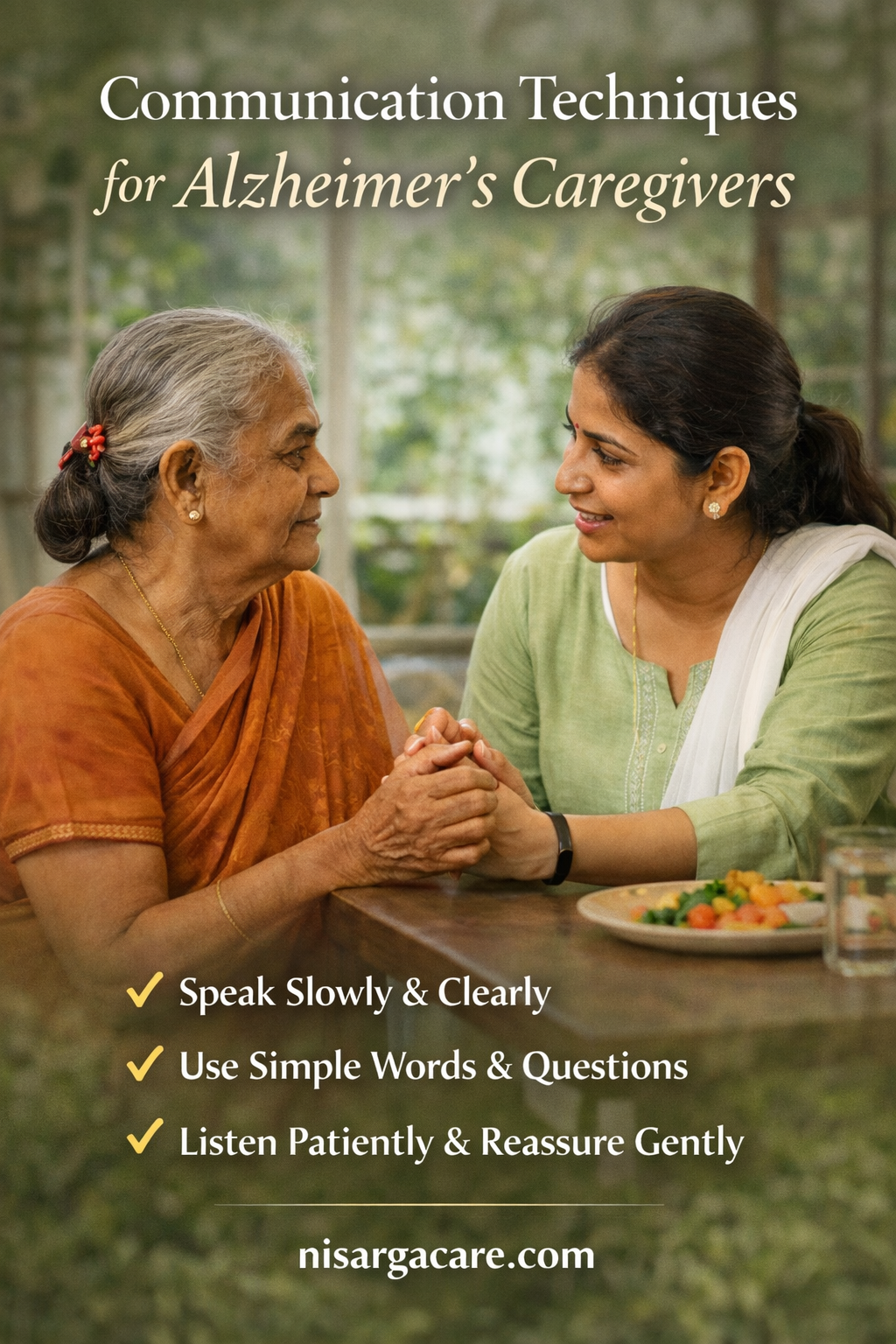
Communication Techniques for Alzheimer’s Caregivers

Effective communication is one of the most important skills for caregivers of Alzheimer’s patients. As the disease progresses, individuals may struggle to express themselves, remember words, or understand instructions. Miscommunication can lead to frustration, agitation, or emotional distress for both the patient and the caregiver. By using specialized techniques, caregivers can ensure clarity, comfort, and emotional connection. Professional guidance from an Alzheimer’s care center in Karnataka can make a significant difference in maintaining communication and building trust.

Use Simple Words and Short Sentences

Alzheimer’s patients process information more slowly and may become overwhelmed by long or complex instructions. Use:

  • Short, simple sentences

  • Clear and direct language

  • One instruction at a time

For example, instead of saying, “Please go to the kitchen, wash your hands, and then come back to sit for lunch,” say, “Let’s wash our hands first.” This reduces confusion and increases compliance.

Maintain Calm and Positive Tone

Tone of voice conveys more than words. Speaking in a calm, gentle, and reassuring tone helps reduce anxiety and agitation. Avoid raising your voice or showing frustration, even when the patient repeats questions or struggles to respond.

Positive tone strengthens trust and encourages cooperation.

Non-Verbal Communication

Non-verbal cues are essential in Alzheimer’s care. Patients may respond better to gestures, facial expressions, and body language than words alone. Techniques include:

  • Smiling and maintaining eye contact

  • Using gentle touch for reassurance

  • Pointing to objects or demonstrating actions

  • Nodding and showing encouragement

Non-verbal communication helps the patient feel understood and emotionally secure.

Be Patient and Allow Time to Respond

Alzheimer’s patients may need extra time to process information and respond. Avoid interrupting or finishing their sentences. Give them patience and space to express themselves, which boosts confidence and reduces frustration.

Validate Feelings

Even if the patient’s statements seem confused or incorrect, validate their emotions rather than correcting them harshly. Phrases like:

  • “I understand you’re worried”

  • “It’s okay, I’m here with you”

This approach reassures the patient and reduces emotional stress.

Avoid Negative Corrections

Correcting mistakes repeatedly can lead to embarrassment, anger, or withdrawal. Instead, redirect attention gently or guide the patient toward the desired action without confrontation.

Maintain Eye-Level Contact

Kneel or sit so you are at the patient’s eye level. This improves engagement, helps them focus on your expressions, and conveys respect and empathy.

Encourage Social Interaction

Regular conversations and shared activities keep communication skills active. Encourage participation in group discussions, storytelling, or singing. Social engagement improves cognitive function and emotional well-being.

Role of Professional Alzheimer’s Care

Professional Memory care facilities in Bangalore provide structured communication strategies. Trained caregivers understand behavioral patterns, emotional triggers, and effective techniques that families may find difficult to maintain at home.


Conclusion: Why Nisarga Care Is the Best Choice

Effective communication is key to improving the quality of life for Alzheimer’s patients. Nisarga Care is a trusted Alzheimer’s care center in Karnataka, offering trained caregivers who specialize in compassionate and effective communication strategies. As a leading Memory care facility in Bangalore, Nisarga Care ensures that each resident receives personalized attention, emotional support, and professional Alzheimer’s care services.

Families seeking a reliable Alzheimer’s rehabilitation center in Bangalore can depend on Nisarga Care for its structured communication programs, holistic care approach, and dedicated team. It is truly the best Alzheimer’s care center in Bangalore, where understanding, patience, and respect create a safe and nurturing environment for seniors living with Alzheimer’s.

News Nisarga care Bangalore

Nutrition and Diet Tips for Alzheimer’s Patients

Proper nutrition plays a vital role in supporting the health and well-being of individuals living with Alzheimer’s disease. While diet cannot cure the condition, balanced and mindful eating habits can help slow cognitive decline, maintain physical strength, and improve emotional stability. Specialized care programs in a professional Alzheimer’s care center in Karnataka focus strongly on nutrition because it directly impacts brain function and overall quality of life.

Alzheimer’s patients often face challenges like loss of appetite, difficulty swallowing, or forgetting to eat. Therefore, meals must be nutritious, easy to consume, and emotionally comforting.

Focus on Brain-Boosting Foods

A diet rich in brain-friendly nutrients supports memory and cognitive function. Include:

  • Leafy green vegetables like spinach and broccoli

  • Fruits such as berries and oranges

  • Whole grains like oats and brown rice

  • Nuts and seeds

  • Healthy fats from olive oil and avocados

These foods provide antioxidants and essential vitamins that protect brain cells and reduce inflammation.

Include Protein in Every Meal

Protein is essential for muscle strength and energy levels. Alzheimer’s patients often experience weakness, so protein-rich foods should be part of daily meals:

  • Eggs

  • Lean meats

  • Fish

  • Pulses and lentils

  • Dairy products

Protein also helps maintain stable blood sugar levels, reducing fatigue and confusion.

Stay Hydrated Throughout the Day

Dehydration can worsen confusion and increase fatigue in Alzheimer’s patients. Encourage regular water intake even if the patient does not feel thirsty.
Offer:

  • Water

  • Fresh fruit juices

  • Soups

  • Coconut water

In a professional Memory care facility in Bangalore, caregivers closely monitor hydration to prevent complications.

Serve Small and Frequent Meals

Large meals may feel overwhelming. Small, frequent meals are easier to manage and improve nutrient intake. This approach:

  • Prevents digestive discomfort

  • Encourages better appetite

  • Maintains steady energy levels

Healthy snacks like fruits, yogurt, and nuts can be included between meals.

Choose Easy-to-Eat Foods

As Alzheimer’s progresses, chewing and swallowing may become difficult. Soft and easy-to-eat foods are ideal:

  • Steamed vegetables

  • Mashed fruits

  • Porridge

  • Soft rice dishes

  • Soups and smoothies

This ensures safety and comfort while eating.

Maintain a Calm Eating Environment

A quiet and peaceful setting helps patients focus on eating. Avoid loud sounds or distractions. Consistent meal timings and familiar surroundings reduce anxiety and improve appetite.

Caregivers should sit with patients and offer gentle encouragement without rushing them.

Limit Sugar and Processed Foods

High sugar and processed foods can cause energy crashes and worsen confusion. Avoid:

  • Sugary snacks

  • Fried foods

  • Packaged meals

  • Excess salt

Instead, choose natural and home-cooked foods that support overall health.

Encourage Independence During Meals

Allow patients to feed themselves when possible. Use:

  • Easy-grip utensils

  • Non-slip plates

  • Finger foods

This maintains dignity and boosts confidence.

Monitor Weight and Nutritional Changes

Weight loss or sudden changes in eating habits should be addressed quickly. Professional supervision in an Alzheimer’s rehabilitation center in Bangalore ensures proper nutritional assessment and timely intervention.

Role of Specialized Alzheimer’s Care

Specialized Alzheimer’s care programs provide customized meal plans, medical supervision, and trained caregivers who understand nutritional challenges. These services ensure balanced nutrition while maintaining safety and comfort.


Conclusion: Why Nisarga Care Is the Best Choice

Proper nutrition is a powerful tool in managing Alzheimer’s disease and slowing its progression. Nisarga Care stands out as a trusted Alzheimer’s care center in Karnataka, offering personalized diet plans that support both physical and cognitive health. As a leading Memory care facility in Bangalore, Nisarga Care ensures every patient receives nutritious meals in a calm and supportive environment.

Families searching for a dependable Alzheimer’s rehabilitation center in Bangalore can rely on Nisarga Care for its expert medical guidance, compassionate caregivers, and holistic nutritional support. Recognized as the best Alzheimer’s care center in Bangalore, Nisarga Care truly provides professional Alzheimer’s care services in Karnataka where nutrition, dignity, and quality of life are always prioritized.

News Nisarga care Bangalore

How Specialized Alzheimer’s Care Helps Slow Decline

Alzheimer’s disease is a progressive neurological condition that affects memory, thinking, and behavior. While there is no cure, specialized Alzheimer’s care can play a major role in slowing cognitive decline and improving the overall quality of life for patients. Unlike general care, specialized care focuses on structured routines, emotional support, cognitive stimulation, and medical supervision, all of which help patients maintain independence and dignity for a longer time.

Families often find it challenging to manage Alzheimer’s care at home because the condition requires constant attention, patience, and expertise. This is why choosing a professional Alzheimer’s care center in Karnataka becomes an important step in ensuring the best possible support.

Personalized Care Plans for Individual Needs

Specialized Alzheimer’s care begins with understanding that every patient is different. Each individual experiences the disease at a different pace and shows unique symptoms. Professional caregivers create personalized care plans based on the patient’s medical condition, emotional needs, and stage of Alzheimer’s.

These care plans include:

  • Medication management

  • Nutrition planning

  • Cognitive therapy

  • Physical activity routines

  • Emotional and behavioral support

Such targeted care helps slow functional decline and ensures that patients receive the right level of support at the right time.

Cognitive Stimulation to Maintain Brain Function

One of the strongest benefits of specialized care is cognitive stimulation. Activities like memory games, music therapy, storytelling, puzzles, and art sessions help keep the brain active. Regular mental engagement:

  • Improves concentration

  • Supports memory retention

  • Reduces confusion

  • Enhances emotional stability

These activities are carefully designed to match the patient’s abilities, preventing frustration while encouraging progress.

Structured Daily Routine Reduces Anxiety

Alzheimer’s patients respond positively to routine. Specialized care centers follow a structured schedule for meals, activities, medication, rest, and sleep. This predictability reduces confusion and anxiety.

A stable routine:

  • Improves emotional security

  • Reduces agitation

  • Helps patients feel safe

  • Encourages better sleep patterns

Routine is one of the most effective ways to slow emotional and cognitive decline.

Emotional Support and Compassionate Communication

Emotional well-being directly affects cognitive health. Specialized caregivers are trained to communicate calmly and with empathy. They validate emotions rather than correcting behavior, which reduces frustration and fear.

This compassionate communication:

  • Builds trust

  • Improves emotional comfort

  • Reduces depression and anxiety

  • Strengthens patient-caregiver relationships

When patients feel emotionally safe, their mental stability improves significantly.

Medical Supervision and Physical Health Care

Alzheimer’s patients often have other health conditions like diabetes, blood pressure issues, or mobility problems. Continuous medical monitoring ensures early detection of complications.

Good physical health supports better brain function and prevents sudden health issues that can worsen cognitive decline. This level of care is best provided in a professional Memory care facility in Bangalore where medical supervision is available at all times.

Safe and Supportive Environment

Safety is essential in Alzheimer’s care. Specialized facilities are designed with features such as:

  • Secure premises

  • Fall-prevention systems

  • Supervised movement

  • Emergency response support

A safe environment allows patients to move confidently, reducing fear and dependence.

Social Interaction and Emotional Engagement

Isolation can accelerate cognitive and emotional decline. Specialized care encourages social interaction through group activities, therapy sessions, and shared experiences. Social engagement:

  • Improves mood

  • Reduces loneliness

  • Strengthens communication skills

  • Builds emotional connection

Human interaction is a powerful tool in slowing emotional deterioration.


Conclusion: Why Nisarga Care Is the Best Choice

Specialized Alzheimer’s care is essential for slowing decline and improving daily life. Nisarga Care stands out as a trusted Alzheimer’s care center in Karnataka, offering compassionate and structured care tailored to every stage of the disease. As a leading Memory care facility in Bangalore, Nisarga Care focuses on safety, emotional support, and cognitive stimulation through personalized programs.

Families searching for a reliable Alzheimer’s rehabilitation center in Bangalore can depend on Nisarga Care for its trained caregivers, medical expertise, and holistic rehabilitation approach. Recognized as the best Alzheimer’s care center in Bangalore, Nisarga Care truly provides professional Alzheimer’s care services in Karnataka where dignity, comfort, and quality of life are always the top priorities.

Posts pagination

WeCreativez WhatsApp Support
Our customer support team is here to answer your questions. Ask us anything!
👋 Hi, how can I help?