News

Home Safety Tips for Dementia Patients

Caring for a loved one with dementia at home requires special attention to safety. As dementia progresses, individuals experience memory loss, confusion, poor judgment, and difficulty recognizing danger. Simple household spaces that were once safe can become risky and call need for Memory care facility in Bangalore. Creating a secure and supportive environment is essential to protect dementia patients from accidents and help them live with comfort and dignity.

Home safety is not about restricting freedom but about enabling independence while minimizing risks. With the right changes, families can make the home a safer place and reduce anxiety for both the patient and caregivers.

Remove Tripping and Falling Hazards

Falls are one of the biggest risks for dementia patients. To prevent accidents:

  • Remove loose rugs and clutter

  • Secure electrical cords against walls

  • Keep floors dry and clean

  • Use non-slip mats in bathrooms

  • Ensure stairways have sturdy handrails

Good lighting is also critical. Poor lighting increases confusion and misjudgment of distance. Install bright, glare-free lights in hallways, staircases, and bathrooms.

Install Safety Locks and Alarms

Dementia patients may wander or try to leave the house without understanding where they are going. Installing safety measures such as:

  • Door and window locks

  • Motion sensors

  • Door alarms

  • GPS tracking devices

can help families monitor movement and prevent dangerous wandering.

Simplify the Living Space

A cluttered home increases confusion and anxiety. Keep rooms simple and organized:

  • Label drawers and cabinets

  • Use pictures or symbols to identify rooms

  • Keep essential items visible and accessible

  • Avoid unnecessary decorations

A calm and organized environment helps dementia patients feel more comfortable and oriented.

Make the Bathroom Safer

Bathrooms are high-risk areas. Consider:

  • Installing grab bars near the toilet and shower

  • Using shower chairs

  • Setting water heater temperature to prevent burns

  • Using non-slip flooring

Supervision during bathing may also be necessary as dementia patients can forget steps or become disoriented.

Secure the Kitchen Area

The kitchen contains multiple hazards such as fire, sharp objects, and harmful chemicals. Safety tips include:

  • Locking away knives and cleaning supplies

  • Using stove safety knobs or automatic shut-off devices

  • Unplugging appliances when not in use

  • Storing medications separately and clearly labeled

Some families restrict kitchen access entirely as dementia advances.

Organize Medications Properly

Medication mistakes can be dangerous. Use:

  • Pill organizers

  • Clear labeling

  • Timely supervision

Never leave medications unattended where a dementia patient can accidentally overdose.

Ensure Safe Outdoor Areas

If the patient enjoys spending time outdoors:

  • Fence the yard securely

  • Remove poisonous plants

  • Keep pathways clear

  • Supervise outdoor activities

Outdoor safety ensures patients enjoy fresh air without risk.

Use Identification Tools

Always ensure your loved one carries:

  • An ID bracelet

  • Emergency contact information

  • Medical condition details

In case they wander, this helps others identify and assist them quickly.

Maintain a Predictable Routine

A consistent routine reduces anxiety and confusion. When patients know what to expect, they feel more secure. Regular meal times, sleep schedules, and activity routines bring emotional stability.

Fire and Emergency Safety

Install:

  • Smoke detectors

  • Carbon monoxide detectors

  • Fire extinguishers

Create an emergency plan and teach caregivers how to respond quickly.

Supervision Is Key

No safety setup can replace human supervision. Regular monitoring ensures that patients remain safe and feel supported. Professional assistance becomes necessary when constant supervision is no longer manageable for families.

Emotional Safety Matters Too

Physical safety alone is not enough. Dementia patients need emotional reassurance:

  • Speak calmly

  • Avoid arguments

  • Offer comfort

  • Provide reassurance

A gentle approach creates trust and emotional security.

When Home Safety Is No Longer Enough

As dementia progresses, home care becomes more challenging. Families may struggle to provide 24/7 supervision, medical support, and structured activities. This is when professional dementia care becomes essential for safety and well-being.

Conclusion: Why Nisarga Care Is the Safest Choice

When home safety measures are no longer sufficient, choosing professional care becomes a responsible and compassionate decision. Nisarga Care is a trusted Dementia care center in Karnataka, offering a secure, structured, and nurturing environment for seniors with cognitive challenges. As a leading Memory care facility in Bangalore, Nisarga Care ensures that every resident receives personalized attention, medical supervision, and emotional support.

Families searching for a dependable Dementia rehabilitation center in Bangalore can rely on Nisarga Care for its advanced safety standards, trained caregivers, and holistic rehabilitation programs. With its commitment to dignity, comfort, and well-being, Nisarga Care stands out as a specialized dementia rehab center in Karnataka where safety and compassionate care go hand in hand.

Bangalore rehabilitation centers | rehab assisted living facilities in Bangalore News Nisarga care Bangalore

What Is Dementia? Early Signs and Symptoms Families Should Never Ignore

Dementia is not a single disease but a collective term used to describe a group of symptoms that affect memory, thinking, behavior, and the ability to perform everyday activities and call the need to reach Dementia rehabilitation center in Bangalore. It is most commonly seen in older adults, but it is not a normal part of aging. Dementia occurs when brain cells are damaged, affecting how they communicate with each other. This disruption leads to problems with reasoning, memory, judgment, and communication.

The most common type of dementia is Alzheimer’s disease, followed by vascular dementia, Lewy body dementia, and frontotemporal dementia. Each type has its own causes and progression, but they share similar symptoms that gradually worsen over time. Understanding dementia at an early stage can make a huge difference in managing the condition and improving the quality of life for both patients and their families.

Many families dismiss the early signs of dementia as “just aging,” which delays diagnosis and professional support. However, early recognition allows for better treatment planning, lifestyle adjustments, emotional preparation, and access to specialized dementia care services.

Early Memory Loss That Disrupts Daily Life

One of the most common early symptoms of dementia is memory loss, especially forgetting recently learned information. A person may repeatedly ask the same questions, forget appointments, or rely heavily on reminder notes. Occasional forgetfulness is normal, but when memory issues interfere with daily routines, it may be a warning sign.

For example, forgetting where the keys are placed is common, but forgetting what keys are used for is not. This kind of confusion should never be ignored.

Difficulty in Planning and Problem Solving

People with dementia often struggle with tasks that require concentration and planning. Managing finances, following a recipe, or keeping track of bills may suddenly become overwhelming. They may take longer to complete familiar activities or make unusual mistakes.

This change can be frustrating for seniors who were once independent and organized. Families should watch for consistent patterns of confusion rather than occasional errors.

Confusion with Time and Place

A person in the early stages of dementia may lose track of dates, seasons, or the passage of time. They may forget where they are or how they got there. In some cases, they may wander and become disoriented, even in familiar surroundings.

This symptom increases safety risks and highlights the need for proper supervision and structured care.

Trouble Understanding Visual Images and Spatial Relationships

Some dementia patients experience vision problems not related to eyesight but to how the brain processes visual information. This can affect reading, judging distances, or identifying colors and contrasts. It may cause difficulty in driving, walking down stairs, or recognizing faces.

Families often overlook this sign, assuming it is a normal vision issue, but it can be a strong indicator of cognitive decline.

Problems with Speaking and Writing

Early dementia can affect communication skills. A person may struggle to find the right words, stop mid-sentence, or repeat themselves frequently. They may also have trouble following conversations or naming familiar objects.

This can lead to social withdrawal and embarrassment, which further affects emotional well-being.

Misplacing Things and Losing the Ability to Retrace Steps

People with dementia may put items in unusual places, such as keeping keys in the refrigerator or a wallet in the bathroom. They are unable to retrace their steps to find missing items and may accuse others of stealing.

This behavior is not intentional and is caused by confusion and memory gaps.

Changes in Mood, Personality, and Behavior

Mood swings, anxiety, depression, irritability, or sudden anger can appear in the early stages of dementia. A once calm and social person may become withdrawn, suspicious, or easily upset. These emotional changes are often distressing for families and caregivers.

Understanding that these behaviors are symptoms of a medical condition helps reduce frustration and promotes compassionate care.

Poor Judgment and Decision-Making

Dementia can impair judgment, leading to unsafe or inappropriate decisions. For instance, a person may give away large sums of money, neglect personal hygiene, or dress inappropriately for the weather.

These signs show the importance of supervision and professional guidance.

Why Early Diagnosis Matters

Early diagnosis of dementia allows families to:

  • Plan future care and financial matters

  • Begin medical treatments that may slow progression

  • Make the home environment safer

  • Seek emotional and professional support

  • Improve the patient’s independence for as long as possible

With timely intervention, patients can maintain dignity and quality of life for a longer period.

Conclusion: Why Nisarga Care Is the Right Choice

Recognizing early dementia symptoms is the first step, but choosing the right care is what truly makes a difference. Nisarga Care stands out as a trusted Dementia care center in Karnataka, offering compassionate, professional, and structured support for seniors living with cognitive challenges. As a leading Memory care facility in Bangalore, Nisarga Care provides personalized programs that focus on safety, emotional well-being, and cognitive stimulation.

Families looking for a reliable Dementia rehabilitation center in Bangalore can trust Nisarga Care for its experienced caregivers, medical supervision, and holistic rehabilitation approach. With a calm environment and patient-centered care plans, Nisarga Care ensures that individuals with dementia receive dignity, respect, and the best possible quality of life. It is truly a specialized dementia rehab center in Karnataka that families can depend on during one of the most challenging journeys of caregiving.

News Nisarga care Bangalore

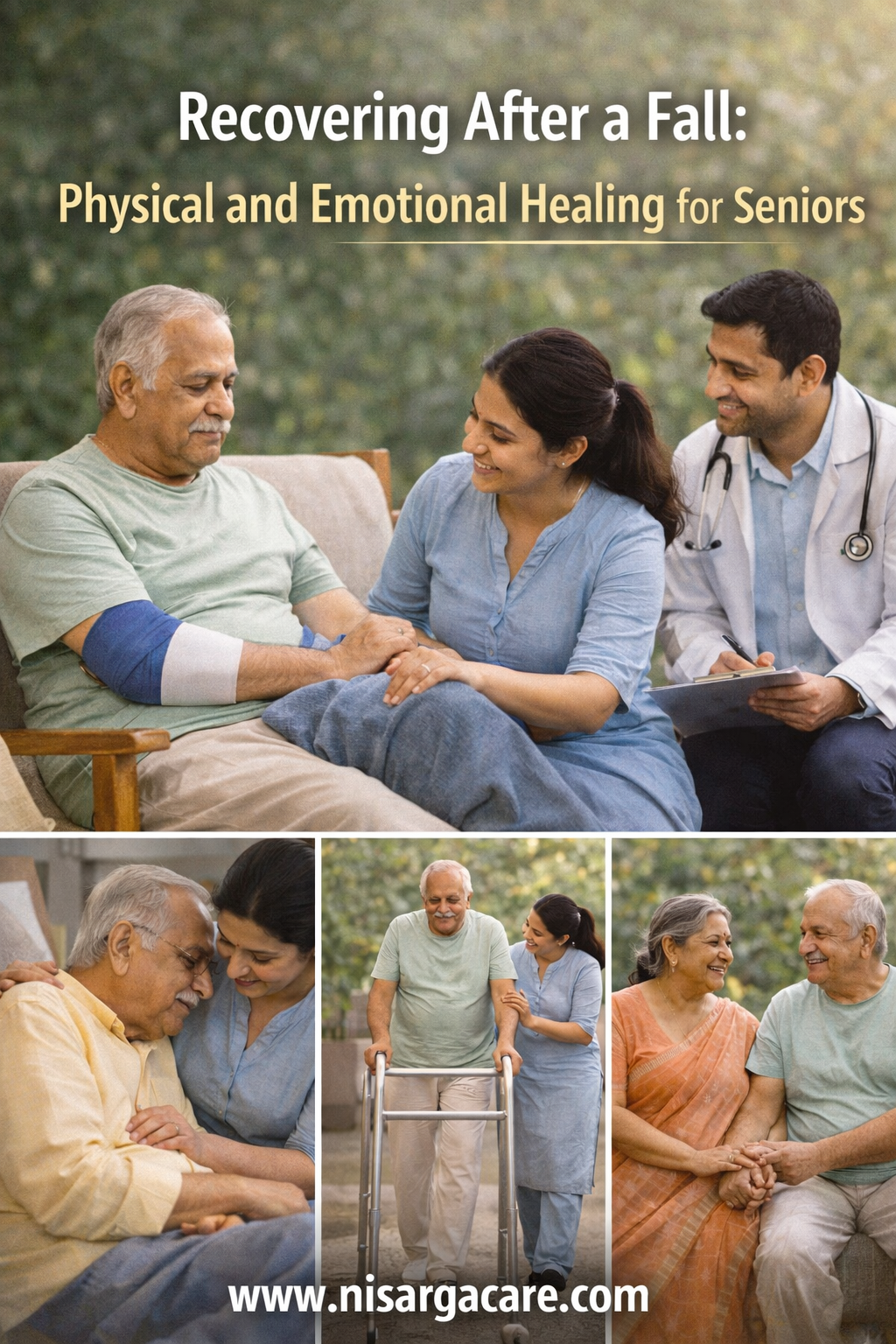
Recovering After a Fall: Physical and Emotional Healing for Seniors | Nisarga Care

Falls are one of the most common and serious health concerns among seniors. Beyond physical injuries, a fall can deeply affect an older adult’s confidence, independence, and emotional well-being. Even a minor fall may create fear of moving, leading to reduced activity and slower recovery.

A holistic recovery approach that addresses both physical healing and emotional reassurance is essential for seniors to regain strength, confidence, and quality of life after a fall.


Physical Impact of Falls on Seniors

Falls can result in:

  • Fractures or joint injuries

  • Muscle weakness and reduced mobility

  • Balance and coordination issues

  • Prolonged bed rest leading to stiffness

Recovery often requires structured care and consistent rehabilitation to prevent long-term complications.


Emotional Effects of a Fall

The emotional consequences of a fall are often overlooked. Seniors may experience:

  • Fear of falling again

  • Anxiety or loss of confidence

  • Depression or social withdrawal

  • Increased dependence on others

These emotional challenges can delay physical recovery if not properly addressed.


Physical Healing Strategies After a Fall

1. Medical Assessment and Monitoring

Prompt medical evaluation ensures injuries are properly diagnosed and treated. Ongoing monitoring helps identify complications early.


2. Physiotherapy and Strength Rehabilitation

Physiotherapy focuses on:

  • Rebuilding muscle strength

  • Improving balance and coordination

  • Restoring safe movement patterns

Gradual, supervised exercises help seniors regain mobility safely.


3. Pain and Discomfort Management

Non-invasive pain management methods—such as heat therapy, positioning support, and gentle movement—reduce discomfort without overmedication.


4. Use of Assistive Devices

Walkers, canes, or orthopedic supports improve stability and confidence during recovery. Proper training ensures safe use.


Emotional Healing and Confidence Building

1. Rebuilding Trust in Movement

Fear of falling again is common. Supportive care and supervised mobility help seniors feel safe while regaining confidence.


2. Emotional Support and Encouragement

Compassionate caregivers provide reassurance, motivation, and emotional stability, helping seniors cope with anxiety and frustration.


3. Maintaining Social Connection

Staying socially engaged reduces isolation and supports emotional resilience during recovery.


Preventing Future Falls

Fall recovery also involves prevention. Key strategies include:

  • Home safety modifications

  • Balance and strength exercises

  • Vision and medication reviews

  • Proper footwear and mobility aids

Prevention empowers seniors to move confidently without fear.


Role of Caregivers and Family

Caregivers and family members play a vital role in recovery by:

  • Encouraging independence while ensuring safety

  • Providing emotional reassurance

  • Supporting rehabilitation routines

Positive reinforcement significantly improves outcomes.


How Nisarga Care Supports Fall Recovery

Nisarga Care offers comprehensive fall recovery support through:

  • Trained caregivers and rehabilitation assistance

  • Personalized mobility and safety plans

  • Senior-friendly environments

  • Emotional and psychological care

Our approach focuses on healing the body, restoring confidence, and preventing future falls.


Conclusion

Recovering after a fall involves more than physical healing—it requires emotional strength, reassurance, and compassionate support. With the right care, seniors can regain mobility, confidence, and independence, allowing them to return to active, fulfilling lives.

Nisarga care Bangalore

Sleep Problems in Older Adults: Causes, Impact, and Care Solutions || Nisarga Care

Quality sleep is essential at every stage of life, yet many older adults struggle with sleep-related issues. Difficulty falling asleep, frequent nighttime awakenings, or waking up too early are common concerns among seniors. Over time, poor sleep can affect physical health, emotional well-being, and overall quality of life.

Understanding the causes of sleep problems in older adults—and providing the right care solutions—can significantly improve comfort, safety, and daily functioning.


Common Causes of Sleep Problems in Seniors

Sleep patterns naturally change with age, but persistent sleep issues are often linked to underlying factors such as:

1. Medical Conditions

Chronic illnesses like arthritis, heart disease, diabetes, respiratory disorders, and neurological conditions can cause discomfort and disrupt sleep. Pain, shortness of breath, or frequent urination often worsen at night.


2. Medication Side Effects

Many seniors take multiple medications. Some drugs can:

  • Cause insomnia or restlessness

  • Lead to excessive daytime sleepiness

  • Disrupt natural sleep cycles

Without regular medical review, these side effects can compound sleep problems.


3. Mental and Emotional Health Challenges

Anxiety, depression, loneliness, or grief—especially after retirement or loss of a spouse—can interfere with restful sleep. Emotional distress often makes it harder to fall or stay asleep.


4. Reduced Physical Activity

Limited movement during the day can lead to lower sleep drive at night. Seniors who are inactive may experience lighter, fragmented sleep.


5. Changes in Circadian Rhythm

As people age, their internal body clock shifts. Many seniors feel sleepy earlier in the evening and wake up very early in the morning, leading to disrupted sleep patterns.


Impact of Poor Sleep on Older Adults

Chronic sleep deprivation can have serious consequences, including:

  • Daytime fatigue and low energy

  • Reduced memory and concentration

  • Mood changes and irritability

  • Increased risk of falls and accidents

  • Weakened immune function

Over time, poor sleep may worsen existing health conditions and reduce independence.


Care Solutions for Better Sleep in Seniors

Managing sleep problems in older adults requires a holistic, non-invasive approach that addresses both physical and emotional needs.


1. Establishing a Consistent Sleep Routine

Encouraging seniors to:

  • Go to bed and wake up at the same time daily

  • Follow calming pre-sleep routines

  • Avoid long daytime naps

helps regulate the body’s natural sleep cycle.


2. Creating a Sleep-Friendly Environment

A comfortable bedroom can make a significant difference:

  • Quiet, dimly lit surroundings

  • Comfortable bedding and supportive mattresses

  • Proper room temperature

These small adjustments promote deeper, uninterrupted sleep.


3. Managing Pain and Discomfort

Addressing nighttime pain through:

  • Gentle physiotherapy

  • Heat or cold therapy

  • Proper positioning and support

reduces sleep interruptions without over-reliance on medication.


4. Encouraging Daytime Activity

Light exercise, walking, stretching, or yoga improves circulation, reduces stiffness, and promotes natural tiredness by evening.


5. Supporting Mental and Emotional Well-Being

Emotional support plays a crucial role in sleep health. Regular companionship, counseling, relaxation techniques, and mindfulness practices help reduce stress and nighttime anxiety.


6. Reviewing Medications Regularly

Healthcare professionals should periodically evaluate medications to identify sleep-disrupting side effects and adjust dosages when necessary.


When to Seek Professional Support

If sleep problems persist for weeks or begin affecting daily life, professional evaluation is essential. Conditions such as sleep apnea, restless leg syndrome, or depression may require specialized care.


How Nisarga Care Helps Seniors Sleep Better

At Nisarga Care, we take a personalized approach to sleep management by offering:

  • Trained caregivers who monitor sleep patterns

  • Holistic routines that support physical and emotional comfort

  • Safe, calm living environments

  • Coordination with healthcare professionals

Our goal is to help seniors achieve restful sleep, leading to better health, mood, and independence.


Conclusion

Sleep problems in older adults are common—but they are not something seniors must simply accept. With the right care solutions, supportive environments, and compassionate attention, restful sleep is achievable at any age.

Bangalore rehabilitation centers | rehab assisted living facilities in Bangalore News Nisarga care Bangalore

Early Signs Seniors Need Professional Care: A Family Guide

As parents and elders age, subtle changes in their health, behavior, or daily routines can signal the need for professional care. Families often hesitate to intervene, thinking minor issues will resolve naturally. However, early detection and timely support can prevent complications, enhance quality of life, and provide peace of mind for both seniors and their families.

1. Changes in Physical Health

Declining physical health is often the first indicator that professional care may be needed. Look for:

  • Unexplained weight loss or gain

  • Difficulty walking, frequent falls, or decreased mobility

  • Persistent fatigue or weakness

  • Worsening chronic conditions, such as diabetes, heart disease, or arthritis

Prompt evaluation by healthcare professionals can prevent minor issues from escalating into serious complications.

2. Cognitive and Memory Concerns

Cognitive decline is another warning sign. Families should monitor for:

  • Increased forgetfulness or confusion

  • Difficulty managing finances or medications

  • Repeating questions or conversations

  • Getting lost in familiar places

Early intervention from doctors, therapists, or specialized caregivers can slow progression and provide necessary support.

3. Emotional and Behavioral Changes

Seniors may experience emotional shifts due to isolation, loss, or medical conditions. Signs include:

  • Withdrawal from social activities or hobbies

  • Irritability, anxiety, or sudden mood swings

  • Signs of depression or hopelessness

Professional care, counseling, and emotional support can restore confidence, prevent loneliness, and improve mental well-being.

4. Challenges with Daily Activities

Difficulty performing routine tasks often indicates the need for assistance:

  • Trouble dressing, bathing, or grooming

  • Difficulty cooking, cleaning, or managing household chores

  • Missing medications or appointments

Occupational therapy, home care, or assisted living options can help seniors maintain independence safely.

5. Safety Concerns at Home

Safety risks are a major indicator for professional care. Look for:

  • Increased accidents, burns, or falls

  • Poor hygiene or neglect of personal care

  • Leaving appliances on, forgetting doors locked, or wandering

A professional caregiver can monitor seniors, reduce risks, and adapt the home environment to ensure safety.

Taking the Next Step

If any of these signs appear, families should initiate a discussion with the senior, evaluate care options, and consult healthcare professionals. Early planning allows seniors to remain involved in decisions, preserving dignity while ensuring they receive the necessary support.


Conclusion

Recognizing early signs that seniors need professional care is vital for prevention, safety, and emotional well-being. By observing physical, cognitive, emotional, and daily living changes, families can take timely action. Early intervention ensures seniors receive personalized care, maintain independence, and enjoy their later years with confidence, dignity, and peace of mind.

Bangalore rehabilitation centers | rehab assisted living facilities in Bangalore News Nisarga care Bangalore

Post-Hospitalization Care: Reducing Readmission Risks for Elders

Hospitalization can be physically and emotionally draining for seniors. Even after discharge, the recovery journey continues at home or in care facilities. Without proper post-hospitalization care, elders are at higher risk of complications, infections, or readmission. Families play a crucial role in supporting recovery, ensuring adherence to medical guidance, and promoting overall well-being.

Understanding the Risks

Seniors often face weakened immunity, chronic conditions, and reduced mobility after hospitalization. These factors make them more vulnerable to infections, medication errors, or accidental falls. Readmissions are common when recovery plans are unclear, follow-up appointments are missed, or the home environment is not adapted to the elder’s needs.

Medication Management

Proper medication management is vital. Elders often leave the hospital with multiple prescriptions. Families should:

  • Maintain a clear medication schedule

  • Use pill organizers or alarms to avoid missed doses

  • Monitor for side effects or adverse reactions

  • Consult healthcare providers promptly for any issues

Accurate adherence reduces complications and prevents unnecessary readmissions.

Follow-Up Appointments and Monitoring

Regular follow-ups with doctors, physiotherapists, or specialists help track recovery progress. Early detection of complications—such as infections, blood pressure changes, or mobility challenges—enables timely intervention. Monitoring vital signs, nutrition intake, and activity levels at home can further support recovery.

Rehabilitation and Physiotherapy

Post-hospitalization rehabilitation accelerates recovery and restores independence. Physiotherapy helps rebuild strength, improve balance, and prevent falls, especially after surgeries, strokes, or prolonged bed rest. Incorporating exercises and mobility routines as recommended by therapists significantly reduces complications and promotes confidence in daily activities.

Home Safety and Environment Adaptation

A safe environment is essential to prevent accidents. Families should:

  • Remove tripping hazards and install grab bars in bathrooms

  • Ensure proper lighting in hallways and rooms

  • Provide supportive furniture and mobility aids

These measures protect elders and minimize injury risks, supporting smoother recovery.

Nutrition and Hydration

A balanced diet rich in protein, vitamins, and minerals supports healing. Proper hydration aids digestion, circulation, and overall energy levels. Including light, easily digestible meals, along with dietary guidance from healthcare professionals, ensures elders regain strength faster.

Emotional Support and Family Involvement

Hospitalization can be stressful and isolating. Emotional support from family members, encouragement during therapy, and regular communication reduce anxiety and depression. Seniors who feel cared for are more motivated to adhere to recovery plans, follow medical advice, and regain independence.


Conclusion

Post-hospitalization care is a crucial step in reducing readmission risks for elders. By focusing on medication management, follow-up care, rehabilitation, home safety, nutrition, and emotional support, families can ensure seniors recover safely, confidently, and with dignity. Thoughtful, attentive care transforms the recovery journey into a path of healing, independence, and long-term health.

Bangalore rehabilitation centers | rehab assisted living facilities in Bangalore News Nisarga care Bangalore

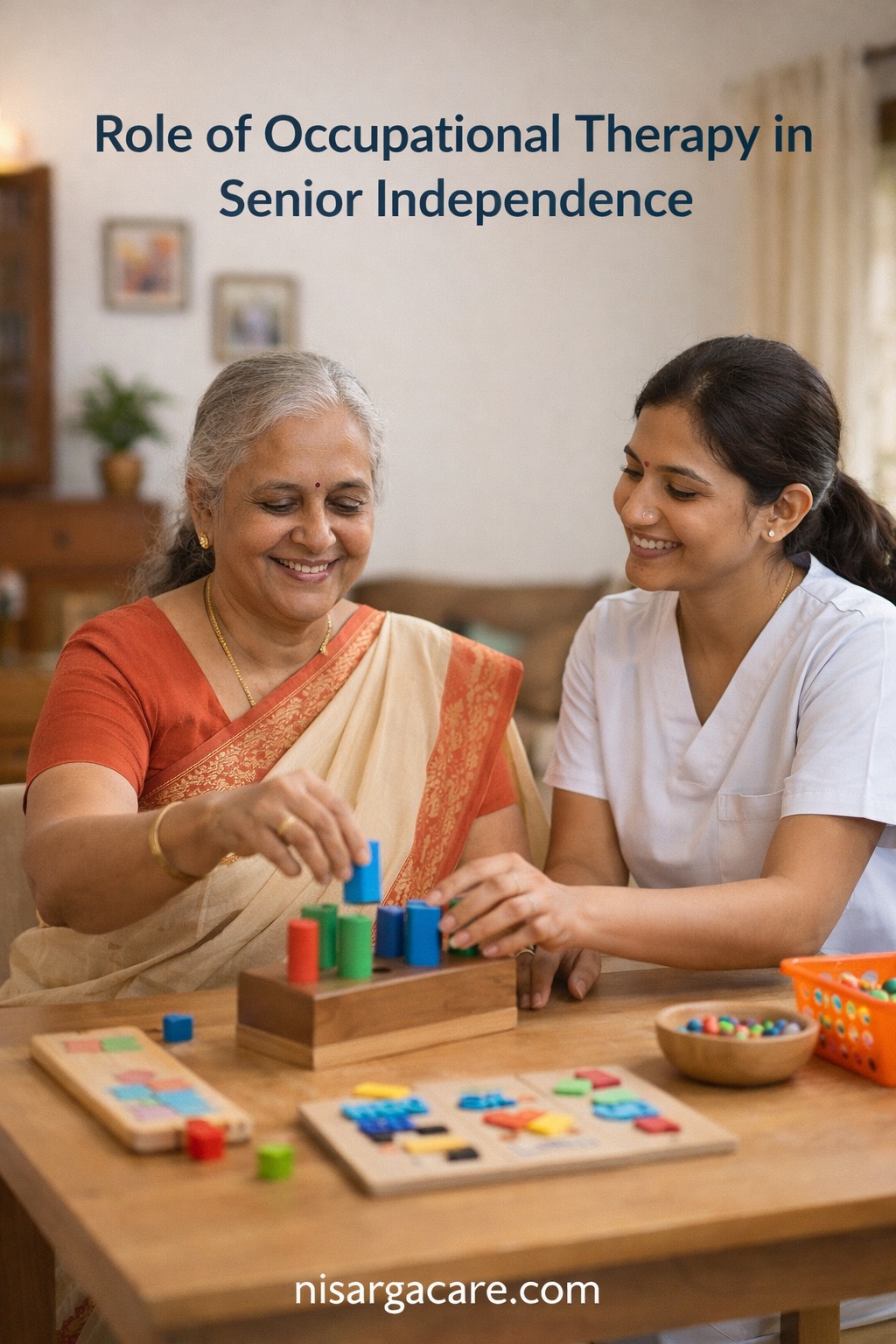
Role of Occupational Therapy in Senior Independence || Nisarga Care

Aging often brings physical limitations, reduced mobility, and difficulty performing everyday tasks. For many seniors, losing the ability to manage daily activities can affect not just physical health but also self-confidence and emotional well-being. Occupational therapy plays a vital role in restoring independence, enabling seniors to live safely, confidently, and with dignity.

Understanding Occupational Therapy for Seniors

Occupational therapy focuses on helping seniors perform daily living activities independently or with minimal assistance. These activities include dressing, bathing, eating, cooking, writing, moving around the home, and managing personal routines. Unlike general exercise therapy, occupational therapy is highly practical and tailored to real-life needs.

Therapists assess a senior’s physical abilities, cognitive function, coordination, and home environment to design personalized therapy plans that improve functionality and safety.

Rebuilding Daily Functional Skills

One of the core goals of occupational therapy is helping seniors regain skills required for everyday life. After long-term illness, surgery, stroke, or neurological conditions, simple tasks can become challenging. Occupational therapy uses structured exercises, adaptive techniques, and repetition to restore motor skills, hand strength, balance, and coordination.

By practicing daily activities in a guided way, seniors gradually rebuild confidence and reduce dependence on caregivers.

Enhancing Safety and Preventing Falls

Falls are a major concern among the elderly. Occupational therapists identify risks within the home and recommend modifications such as grab bars, non-slip mats, proper lighting, and assistive devices. Seniors are trained to move safely, use mobility aids correctly, and adopt energy-saving techniques, reducing the risk of injury.

Improved safety directly supports independence and gives families peace of mind.

Supporting Cognitive and Emotional Independence

Occupational therapy also supports seniors dealing with memory loss, reduced attention, or emotional challenges. Structured routines, memory exercises, and task sequencing help seniors stay mentally engaged and emotionally balanced. Regaining control over daily tasks significantly boosts self-esteem and reduces feelings of helplessness.

Encouraging Meaningful Engagement

Independence is not only about physical ability—it is also about purpose. Occupational therapy encourages seniors to engage in meaningful activities such as hobbies, social interaction, and light household tasks. Staying active and involved improves emotional health and overall quality of life.

Personalized and Respectful Care

Every senior’s journey is unique. Occupational therapy respects individual preferences, cultural habits, and comfort levels. Therapy goals are adjusted gradually, ensuring progress without pressure, while maintaining dignity at every step.


Conclusion

Occupational therapy is a powerful tool in helping seniors regain independence, confidence, and control over daily life. By focusing on practical skills, safety, emotional well-being, and personalized care, occupational therapy enables seniors to live more fulfilling and self-reliant lives. For families seeking long-term independence and dignity for their loved ones, occupational therapy plays an essential role in healthy aging and rehabilitation.

Bangalore rehabilitation centers | rehab assisted living facilities in Bangalore Nisarga care Bangalore

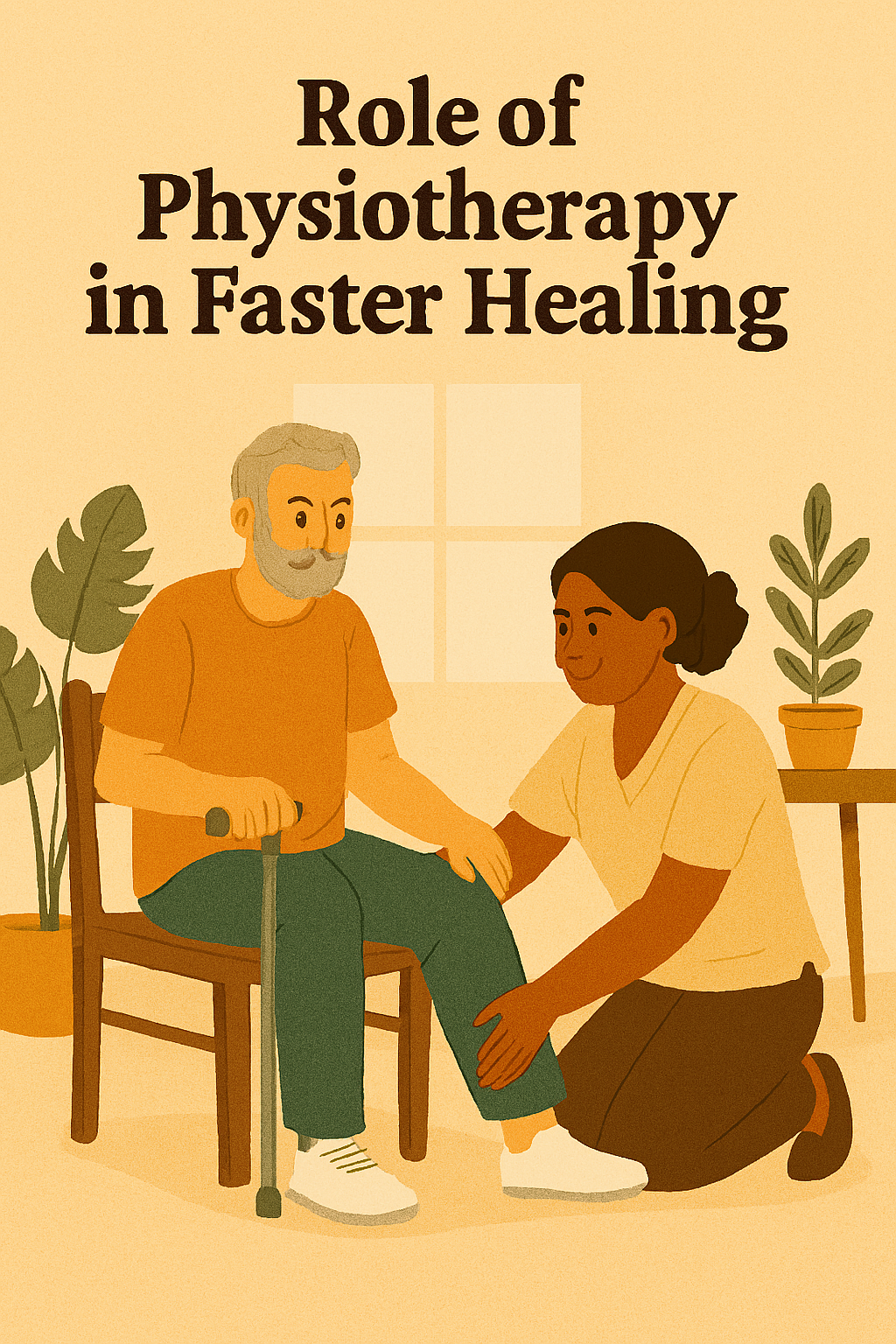
Role of Physiotherapy in Faster Healing | Nisarga Care

Role of Physiotherapy in Faster Healing

Healing after an injury, illness, or surgery is often slower for seniors because of reduced muscle strength, weaker bones, and decreased circulation. This is why physiotherapy plays a transformative role in ensuring faster healing, better mobility, and long-term independence. For families caring for aging parents in India, understanding the value of physiotherapy can significantly improve recovery outcomes and quality of life.

Physiotherapy is not just exercise. It is a science-backed, personalized approach to restoring function, relieving pain, and helping elders regain confidence in their daily routines. Whether your loved one is recovering from a fracture, stroke, joint replacement, or simply dealing with age-related stiffness, physiotherapy can make healing smoother and more effective.


Why Physiotherapy Is Essential for Seniors

As the body ages, natural processes slow down — circulation decreases, flexibility reduces, and tissues take longer to repair. Without guided rehabilitation, recovery can be delayed, and mobility issues may worsen.

Key reasons physiotherapy is essential:

  • Enhances blood flow to speed up tissue repair

  • Reduces pain and stiffness

  • Prevents muscle weakening

  • Restores balance and coordination

  • Improves posture and spine alignment

  • Reduces fall risk

  • Supports emotional and mental well-being

For elders, physiotherapy is often the difference between long-term dependency and active, confident living.


How Physiotherapy Speeds Up Healing

1. Improves Blood Circulation

Better circulation means faster delivery of nutrients and oxygen to injured areas. Physiotherapy stimulates blood flow, ensuring tissues heal quicker and more efficiently.


2. Reduces Pain Safely

Many seniors cannot tolerate heavy painkillers. Physiotherapy uses safe methods such as:

  • Heat therapy

  • Cold packs

  • Ultrasound therapy

  • Soft tissue mobilization

  • Stretching routines

These techniques relieve pain naturally and promote healing.


3. Prevents Mobility Loss

Bed rest after illness or surgery can cause stiffness, muscle loss, and joint immobility. Physiotherapy ensures gentle movement from day one, preventing secondary complications.


4. Strengthens Muscles and Bones

With age, muscle mass decreases rapidly. Strengthening exercises rebuild lost muscle, supporting the joints and helping seniors move safely.


5. Improves Balance and Coordination

Weak muscles and reduced reflexes increase fall risk. Physiotherapists use targeted balance and gait training to improve coordination and prevent dangerous falls.


6. Restores Independence

Physiotherapy helps seniors perform essential activities such as walking, sitting, standing, bathing, and climbing stairs with reduced assistance. Regaining independence is one of the biggest emotional boosts during recovery.


Conditions Where Physiotherapy Plays a Major Role

Physiotherapy is extremely helpful in a wide range of elder-care scenarios:

1. Post-Surgical Rehabilitation

After joint replacement, fracture surgery, spine procedures, or abdominal surgeries, physiotherapy helps seniors heal faster and regain mobility.

2. Stroke Recovery

Physiotherapy improves limb movement, balance, coordination, and muscle control — crucial steps in restoring independence.

3. Arthritis & Joint Pain

Gentle exercises and pain-relief techniques reduce stiffness and improve joint mobility.

4. Parkinson’s & Neurological Conditions

Physiotherapy maintains flexibility, improves gait, and helps seniors manage tremors and coordination issues.

5. Back & Spine Problems

Physiotherapists strengthen core muscles and improve posture to relieve chronic pain.

6. Age-Related Weakness

General conditioning exercises help seniors stay active, confident, and mobile.


Types of Physiotherapy Techniques Used for Seniors

A good rehabilitation plan includes multiple therapies tailored to each individual. Some of the most common techniques are:

1. Strength Training

Light resistance bands, small weights, and body-weight exercises improve muscle strength and endurance.

2. Range-of-Motion Exercises

Helps maintain joint flexibility and prevent stiffness.

3. Gait Training

Physiotherapists teach safe walking techniques using walkers, sticks, or parallel bars.

4. Balance & Coordination Therapy

Reduces fall risk by improving core stability and reflexes.

5. Pain-Relief Modalities

Including:

  • IFT

  • TENS therapy

  • Ultrasound

  • Hot/cold therapy

6. Breathing Exercises

Improve lung capacity and aid healing, especially after surgery or prolonged bed rest.


The Psychological Benefits of Physiotherapy

Physical healing is only part of the journey — physiotherapy also improves emotional resilience. Seniors feel more hopeful and positive when they see visible progress.

Emotional benefits include:

  • Reduced stress and anxiety

  • Increased motivation

  • Better cognitive engagement

  • Improved sleep and energy

  • Confidence in performing daily tasks

Healing becomes faster when the mind supports the body.


Family’s Role in Supporting Physiotherapy

A supportive home environment accelerates progress. Families can help by:

  • Encouraging consistency in exercises

  • Providing a safe walking space

  • Helping with mobility aids

  • Praising progress, even small steps

  • Ensuring hydration and nutrition

  • Communicating improvements or issues to the physiotherapist

A little encouragement goes a long way in elder recovery.


Why Personalized Physiotherapy Plans Work Best

Every senior has unique needs depending on their age, medical history, surgery type, mobility level, and recovery pace. A personalized care plan ensures exercises are safe, effective, and aligned with the recovery goals of the elder.

A tailored plan helps:

  • Avoid overexertion

  • Prevent injury

  • Maintain steady progress

  • Address specific problem areas

  • Improve long-term outcomes


Nisarga Care: Expert Physiotherapy and Rehabilitation for Seniors

Physiotherapy is one of the strongest pillars of faster healing for seniors. At Nisarga Care, elders receive personalized physiotherapy programs guided by professional therapists, skilled nurses, and experienced caregivers. Each recovery plan is customized to match the senior’s condition, abilities, and goals — ensuring safe, consistent, and effective healing.

From post-surgery rehabilitation to stroke recovery, pain management, and mobility improvement, Nisarga Care provides a structured, compassionate, and medically supervised environment that helps seniors regain confidence and independence.

If your loved one needs reliable, specialized physiotherapy support, Nisarga Care is here to accelerate their healing journey with expertise and care.

Bangalore rehabilitation centers | rehab assisted living facilities in Bangalore Nisarga care Bangalore

Stroke Recovery: Steps Toward Independence | Nisarga Care

A stroke changes life instantly — for the senior who experiences it and the family who supports them. Recovery is often slow, emotional, and filled with uncertainty. But with early intervention, structured rehabilitation, and compassionate stroke care, seniors can relearn essential skills, regain mobility, and gradually reclaim independence. For Indian families, understanding how recovery works can make the journey smoother and far more successful.

This guide highlights the key stages of stroke rehabilitation, the role of physiotherapy for elders, emotional and cognitive support, and how personalized care improves outcomes.


Why Stroke Rehabilitation Is Crucial

A stroke affects the brain’s ability to control movement, speech, memory, and daily functions. Rehabilitation helps rewire these pathways through consistent and guided practice.

Essential reasons why stroke rehab matters:

  • Restores mobility and muscle strength

  • Reduces stiffness and contractures

  • Prevents bedsores and infections

  • Improves speech and swallowing

  • Supports emotional healing

  • Builds confidence and independence

Without structured rehabilitation, seniors face long-term complications including immobility, depression, and dependency.


The First Step: Early Intervention

Doctors often recommend starting rehabilitation as early as 24–48 hours after stabilization. Early movement improves blood circulation, prevents muscle wasting, and primes the brain for recovery.

Common early-stage interventions include:

  • Passive stretching

  • Gentle limb movements

  • Breathing exercises

  • Assisted sitting and balance training

This stage sets the foundation for progress.


Key Components of Stroke Recovery

1. Physiotherapy for Mobility and Strength

This is the core of stroke rehabilitation. Physiotherapy helps rebuild muscle coordination, balance, and overall mobility.

Physiotherapists use:

  • Gait training

  • Balance exercises

  • Strength-building routines

  • Range-of-motion activities

  • Walking aids (walker, stick, wheelchair transitions)

Consistent practice improves independence significantly.


2. Occupational Therapy for Daily Activities

After a stroke, everyday tasks — grooming, dressing, eating, bathing — become difficult. Occupational therapists help seniors relearn these skills safely.

Support includes:

  • Hand coordination exercises

  • Fine motor skill training

  • Teaching safe movement techniques

  • Adaptive tools (grip aids, seated supports)

This helps seniors return to familiar routines with confidence.


3. Speech and Swallowing Therapy

Strokes often affect communication and swallowing abilities.

Speech therapy assists with:

  • Clearer speech

  • Language comprehension

  • Memory and cognitive exercises

  • Safer swallowing techniques

This reduces choking risks and improves overall communication.


4. Psychological & Emotional Support

Recovery is not just physical. Many seniors feel frustrated, scared, or depressed after a stroke. Emotional stability is key to regaining independence.

Counsellors and caregivers help with:

  • Motivation and encouragement

  • Managing anxiety or sadness

  • Building mental resilience

This support can significantly improve participation in therapy.


5. Nutrition and Hydration

Many seniors struggle with appetite or swallowing post-stroke. A personalized diet can prevent complications and improve energy levels.

Nutritious foods recommended include:

  • Soft dals

  • Khichdi

  • Light soups

  • Fresh fruits

  • Curd-based meals

  • Protein-rich foods (paneer, eggs, lentils)

Hydration is equally important, especially during physiotherapy.


Stages of Stroke Recovery

1. Acute Stage (First Few Days)

Stabilization, early movement, preventing complications.

2. Sub-Acute Stage (Weeks 1–12)

Most rapid recovery happens here. Focus on mobility, speech, and daily tasks.

3. Long-Term Stage (Months 3–12+)

Progress becomes steady and meaningful. Seniors continue strengthening and regaining independence.

Stroke recovery can continue for years — there is no strict timeline. Every improvement matters.


Family’s Role in Stroke Rehabilitation

Families play a powerful role in recovery. Your support can build hope, reduce stress, and encourage daily progress.

You can assist by:

  • Maintaining consistency with physiotherapy

  • Promoting safe movement at home

  • Offering emotional reassurance

  • Creating a calm, safe environment

  • Tracking medicines and doctor reviews

  • Helping with memory and speech exercises

Patience and positivity from family members greatly speed up recovery.


Creating a Safe Home for Stroke Survivors

Safety is essential to prevent falls or re-injury.
Consider these changes:

  • Install grab bars in bathroom

  • Remove loose rugs

  • Add anti-slip mats

  • Keep pathways clear

  • Ensure proper lighting

  • Arrange a comfortable bed height

  • Provide supportive seating

A safe space encourages movement and independence.


Why Personalized Care Plans Matter

No two stroke survivors recover the same way. Age, severity, medical conditions, and mobility levels vary widely. This is why personalized elder care plans make a significant difference.

A customized recovery plan includes:

  • Tailored physiotherapy routines

  • Condition-specific diet

  • Daily mobility goals

  • Speech therapy schedules

  • Emotional and cognitive support

  • Doctor-supervised monitoring

This approach ensures the best possible recovery with minimal complications.


How Professional Stroke Care Centres Support Recovery

While home care is valuable, professional rehabilitation centres offer structured programs and expert supervision.

Benefits include:

  • 24×7 nursing support

  • Regular physiotherapy

  • Speech and occupational therapy

  • Emergency support

  • Progress tracking

  • Safer environment for mobility training

  • Doctor-guided recovery plans

  • Social engagement for emotional well-being

This combination greatly increases the chances of long-term independence.


Nisarga Care: Trusted Stroke Rehabilitation for Seniors in Karnataka

Stroke recovery demands expertise, patience, and consistent care. At Nisarga Care, seniors receive specialized rehabilitation programs designed to restore mobility, confidence, and independence. With professional physiotherapists, trained caregivers, skilled nurses, and doctor supervision, every senior receives individualized support tailored to their condition and pace.

If your loved one needs compassionate, effective, and medically guided post-stroke rehabilitation, Nisarga Care is here to help them rebuild strength, regain independence, and move confidently toward a brighter future.

Bangalore rehabilitation centers | rehab assisted living facilities in Bangalore Nisarga care Bangalore

Caring for Bedridden Seniors: Ensuring Dignity, Comfort, and Daily Safety

Caring for a bedridden senior is one of the most delicate responsibilities a family can undertake. When mobility becomes limited due to chronic illness, surgery, disability, or age-related weakening, seniors depend heavily on others for their daily needs. This dependence often brings emotional vulnerability, physical discomfort, and health risks that require round-the-clock care and bedridden patient care services in India.

At Nisarga Care, we understand that bedridden care is not only about medical assistance—it is about preserving dignity, ensuring comfort, safeguarding health, and providing emotional reassurance. As a trusted provider of elder care services in Karnataka, Nisarga Care Karnataka has supported countless families looking for reliable and compassionate long-term care for bedridden seniors.


Why Bedridden Seniors Need Specialised Attention

Being bedridden affects every aspect of a senior’s life—physically, mentally, and emotionally. Limited movement can lead to:

  • Bedsores (pressure ulcers)

  • Muscle stiffness and joint pain

  • Poor circulation

  • Digestive issues

  • Breathing difficulties

  • Feelings of isolation or helplessness

These challenges make families seek professional support such as bedridden patient care services, home health care for seniors in Karnataka, or specialised supervision at a geriatric care centre in Karnataka India.

At Nisarga Arogyadhama Health Care Centre India, our dedicated team ensures that seniors experience comfort and safety every day, even when mobility is severely limited.


Core Principles of Bedridden Senior Care at Nisarga Care

1. Maintaining Dignity in Every Interaction

Dignity is the foundation of compassionate caregiving. Bedridden seniors may feel embarrassed or dependent due to their limitations. Caregivers at Nisarga Care ensure that:

  • Conversations are respectful and encouraging

  • Privacy is protected during bathing and hygiene routines

  • Assistance is offered gently and patiently

  • Seniors feel valued, not burdened

Families searching for compassionate senior care professionals in India appreciate our respectful, human-first approach.


2. Preventing Bedsores and Ensuring Skin Health

Skin breakdown is one of the biggest risks for bedridden seniors. Our trained staff prevents bedsores through:

  • Frequent repositioning

  • Use of air or water mattresses

  • Maintaining dry, clean bedding

  • Regular skin moisturisation

  • Monitoring for redness or early symptoms

This specialised attention aligns with the expectations of families looking for long-term senior care in Karnataka or assisted living facilities in Karnataka India for immobile seniors.


3. Ensuring Proper Nutrition and Hydration

Nutrition plays a vital role in maintaining strength, immunity, and wound healing. Our dieticians create personalised plans based on:

  • Medical conditions

  • Caloric needs

  • Digestion capacity

  • Medication impact

For families seeking nutrition and diet planning for seniors in India, our tailored menus ensure comfort, safety, and balanced nourishment.


4. Daily Hygiene and Comfort Care

Physical comfort significantly affects mood and health. Our caregivers ensure:

  • Warm sponge baths

  • Oral hygiene

  • Clean clothing and bedding

  • Comfortable positioning

  • Light massages to improve circulation

These continuous efforts enhance wellbeing and support those evaluating senior citizen care homes in Bangalore India for long-term bedridden support.


5. Physiotherapy and Light Mobility Therapy

Even bedridden seniors benefit from gentle physiotherapy to avoid muscle stiffness and support circulation. Our physiotherapists offer:

  • Passive range-of-motion exercises

  • Gentle limb stretches

  • Light joint mobilisations

  • Breathing exercises

  • Positioning techniques to reduce pain

These are part of our broader physiotherapy and recovery services in Karnataka India and programs for rehabilitation for bedridden patients in India.


6. Managing Chronic Illnesses with Skilled Nursing Care

Bedridden seniors often live with chronic health conditions such as diabetes, stroke effects, Parkinson’s, dementia, heart disease, or kidney problems. Our skilled nurses provide:

  • Medication management

  • IV/IM administration

  • Monitoring of vital signs

  • Wound care

  • Catheter care

  • Oxygen support (if needed)

This aligns with families looking for palliative nursing care for seniors in India, post-operative nursing care in India, or medical-focused bedridden support.


Supporting Seniors with Cognitive Decline

Many bedridden seniors also experience Alzheimer’s, dementia, or memory loss. Our memory-care specialists offer:

  • Gentle reorientation

  • Mood calming techniques

  • Sensory engagement

  • Behavioural support

  • Memory-stimulating activities (as tolerated)

Families searching for Alzheimer’s and dementia care in Karnataka or Dementia and Alzheimer’s care services in India trust our patient, responsive approach to cognitive care.


Emotional Support and Companionship

Isolation can be emotionally draining for bedridden seniors. Our caregivers ensure they never feel alone by offering:

  • Daily conversations

  • Music therapy

  • Reading assistance

  • Light recreational activities

  • Emotional comfort and reassurance

This aligns with the need for emotional and mental wellness for elderly in India, helping seniors feel connected and valued.


A Safe and Supervised Living Environment

Safety is essential for bedridden care. At Nisarga Care, we offer:

  • 24×7 supervision

  • Emergency response systems

  • Fall-prevention measures

  • Senior-friendly room arrangements

  • Calm, peaceful surroundings

With our accessible location as an elder care home near Horamavu Bangalore India and a senior rehabilitation centre in Banaswadi India, families find it easier to stay connected and informed.


Why Families Across Karnataka Trust Nisarga Care for Bedridden Senior Support

Families choose Nisarga Care because we deliver:

  • Experienced, trained caregivers

  • Ethical and transparent care standards

  • Personalised health plans

  • Compassionate emotional support

  • Comfortable long-term living environment

  • Continuous communication with families

Whether your loved one needs chronic illness management for elderly in India, post-hospitalization care for elderly in India, or long-term specialised bedridden care, Nisarga Care ensures they receive consistent, loving, and professional support.


Bringing Comfort, Dignity, and Peace to Every Senior

Being bedridden does not mean losing dignity or quality of life. At Nisarga Care, we make sure every senior feels safe, respected, comfortable, and deeply cared for—every single day.

Posts pagination

WeCreativez WhatsApp Support
Our customer support team is here to answer your questions. Ask us anything!
👋 Hi, how can I help?