
A stroke changes life instantly — for the senior who experiences it and the family who supports them. Recovery is often slow, emotional, and filled with uncertainty. But with early intervention, structured rehabilitation, and compassionate stroke care, seniors can relearn essential skills, regain mobility, and gradually reclaim independence. For Indian families, understanding how recovery works can make the journey smoother and far more successful.
This guide highlights the key stages of stroke rehabilitation, the role of physiotherapy for elders, emotional and cognitive support, and how personalized care improves outcomes.
Why Stroke Rehabilitation Is Crucial
A stroke affects the brain’s ability to control movement, speech, memory, and daily functions. Rehabilitation helps rewire these pathways through consistent and guided practice.
Essential reasons why stroke rehab matters:
-
Restores mobility and muscle strength
-
Reduces stiffness and contractures
-
Prevents bedsores and infections
-
Improves speech and swallowing
-
Supports emotional healing
-
Builds confidence and independence
Without structured rehabilitation, seniors face long-term complications including immobility, depression, and dependency.
The First Step: Early Intervention
Doctors often recommend starting rehabilitation as early as 24–48 hours after stabilization. Early movement improves blood circulation, prevents muscle wasting, and primes the brain for recovery.
Common early-stage interventions include:
-
Passive stretching
-
Gentle limb movements
-
Breathing exercises
-
Assisted sitting and balance training
This stage sets the foundation for progress.
Key Components of Stroke Recovery
1. Physiotherapy for Mobility and Strength
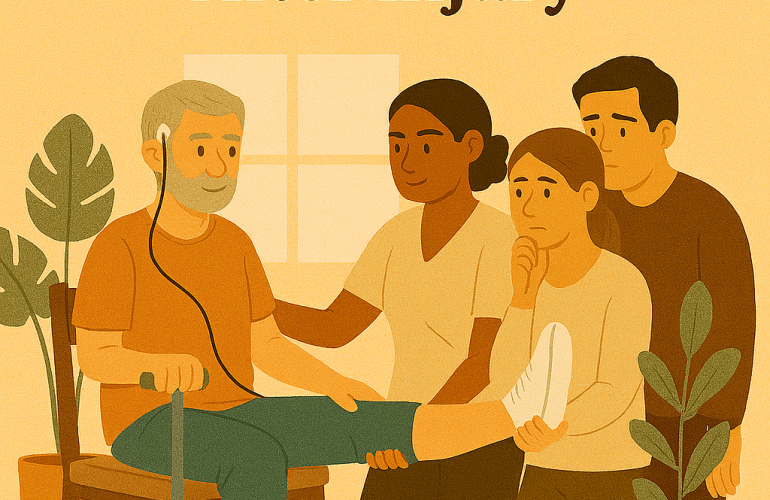
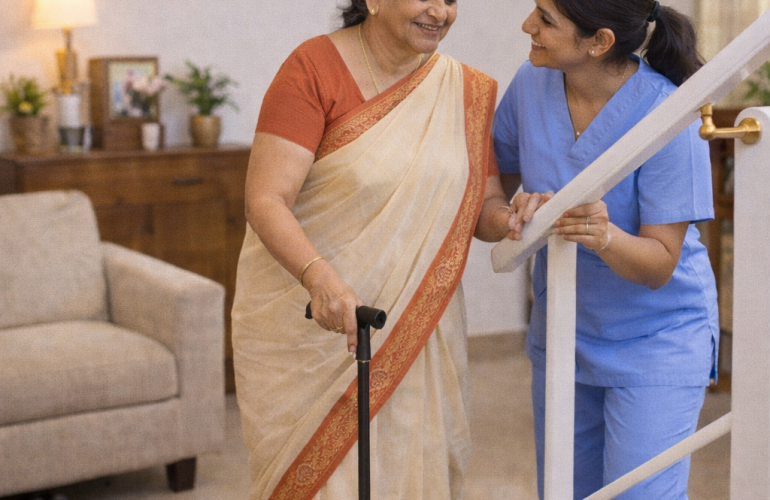
This is the core of stroke rehabilitation. Physiotherapy helps rebuild muscle coordination, balance, and overall mobility.
Physiotherapists use:
-
Gait training
-
Balance exercises
-
Strength-building routines
-
Range-of-motion activities
-
Walking aids (walker, stick, wheelchair transitions)
Consistent practice improves independence significantly.
2. Occupational Therapy for Daily Activities
After a stroke, everyday tasks — grooming, dressing, eating, bathing — become difficult. Occupational therapists help seniors relearn these skills safely.
Support includes:
-
Hand coordination exercises
-
Fine motor skill training
-
Teaching safe movement techniques
-
Adaptive tools (grip aids, seated supports)
This helps seniors return to familiar routines with confidence.
3. Speech and Swallowing Therapy
Strokes often affect communication and swallowing abilities.
Speech therapy assists with:
-
Clearer speech
-
Language comprehension
-
Memory and cognitive exercises
-
Safer swallowing techniques
This reduces choking risks and improves overall communication.
4. Psychological & Emotional Support
Recovery is not just physical. Many seniors feel frustrated, scared, or depressed after a stroke. Emotional stability is key to regaining independence.
Counsellors and caregivers help with:
-
Motivation and encouragement
-
Managing anxiety or sadness
-
Building mental resilience
This support can significantly improve participation in therapy.
5. Nutrition and Hydration
Many seniors struggle with appetite or swallowing post-stroke. A personalized diet can prevent complications and improve energy levels.
Nutritious foods recommended include:
-
Soft dals
-
Khichdi
-
Light soups
-
Fresh fruits
-
Curd-based meals
-
Protein-rich foods (paneer, eggs, lentils)
Hydration is equally important, especially during physiotherapy.
Stages of Stroke Recovery
1. Acute Stage (First Few Days)
Stabilization, early movement, preventing complications.
2. Sub-Acute Stage (Weeks 1–12)
Most rapid recovery happens here. Focus on mobility, speech, and daily tasks.
3. Long-Term Stage (Months 3–12+)
Progress becomes steady and meaningful. Seniors continue strengthening and regaining independence.
Stroke recovery can continue for years — there is no strict timeline. Every improvement matters.
Family’s Role in Stroke Rehabilitation
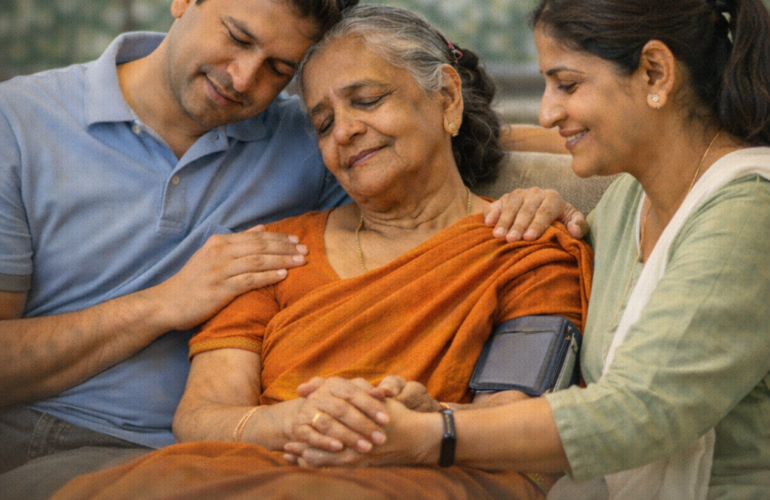
Families play a powerful role in recovery. Your support can build hope, reduce stress, and encourage daily progress.
You can assist by:
-
Maintaining consistency with physiotherapy
-
Promoting safe movement at home
-
Offering emotional reassurance
-
Creating a calm, safe environment
-
Tracking medicines and doctor reviews
-
Helping with memory and speech exercises
Patience and positivity from family members greatly speed up recovery.
Creating a Safe Home for Stroke Survivors
Safety is essential to prevent falls or re-injury.
Consider these changes:
-
Install grab bars in bathroom
-
Remove loose rugs
-
Add anti-slip mats
-
Keep pathways clear
-
Ensure proper lighting
-
Arrange a comfortable bed height
-
Provide supportive seating
A safe space encourages movement and independence.
Why Personalized Care Plans Matter
No two stroke survivors recover the same way. Age, severity, medical conditions, and mobility levels vary widely. This is why personalized elder care plans make a significant difference.
A customized recovery plan includes:
-
Tailored physiotherapy routines
-
Condition-specific diet
-
Daily mobility goals
-
Speech therapy schedules
-
Emotional and cognitive support
-
Doctor-supervised monitoring
This approach ensures the best possible recovery with minimal complications.
How Professional Stroke Care Centres Support Recovery
While home care is valuable, professional rehabilitation centres offer structured programs and expert supervision.
Benefits include:
-
24×7 nursing support
-
Regular physiotherapy
-
Speech and occupational therapy
-
Emergency support
-
Progress tracking
-
Safer environment for mobility training
-
Doctor-guided recovery plans
-
Social engagement for emotional well-being
This combination greatly increases the chances of long-term independence.
Nisarga Care: Trusted Stroke Rehabilitation for Seniors in Karnataka
Stroke recovery demands expertise, patience, and consistent care. At Nisarga Care, seniors receive specialized rehabilitation programs designed to restore mobility, confidence, and independence. With professional physiotherapists, trained caregivers, skilled nurses, and doctor supervision, every senior receives individualized support tailored to their condition and pace.
If your loved one needs compassionate, effective, and medically guided post-stroke rehabilitation, Nisarga Care is here to help them rebuild strength, regain independence, and move confidently toward a brighter future.