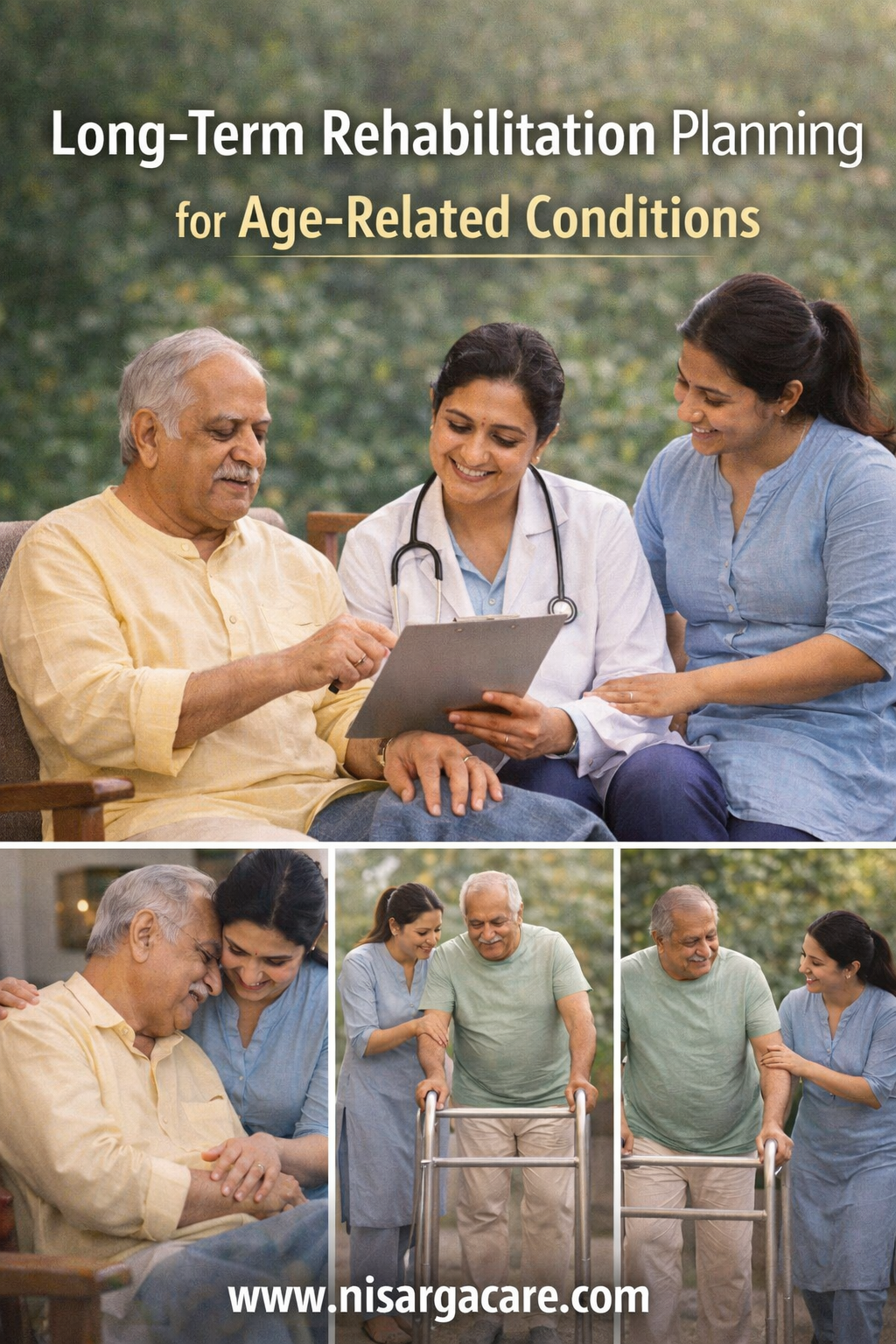
As people age, gradual physical and cognitive changes can affect mobility, strength, balance, and daily functioning. Age-related conditions such as arthritis, stroke recovery, Parkinson’s disease, osteoporosis, and dementia often require ongoing support rather than short-term treatment.
Long-term rehabilitation planning is essential to help seniors maintain independence, slow functional decline, and improve quality of life through structured, consistent care.
Understanding Age-Related Rehabilitation Needs
Age-related conditions are often progressive and vary widely from person to person. Seniors may experience:
-
Reduced mobility and muscle strength
-
Joint stiffness and chronic pain
-
Balance and coordination challenges
-
Cognitive or neurological changes
Effective rehabilitation planning focuses on adapting care as needs evolve over time.
Why Long-Term Rehabilitation Planning Matters
Without a structured rehabilitation plan, seniors risk:
-
Accelerated physical decline
-
Increased dependence on caregivers
-
Higher fall and hospitalization risks
-
Reduced confidence and social engagement
Long-term planning provides continuity, stability, and measurable progress, even in the presence of chronic conditions.
Key Components of Long-Term Rehabilitation Planning
1. Comprehensive Assessment
Rehabilitation planning begins with a detailed evaluation of physical abilities, cognitive function, medical history, and lifestyle. This helps create realistic goals tailored to each senior’s condition.
2. Personalized Rehabilitation Goals
Long-term goals are broken into achievable milestones, such as:
-
Improving walking endurance
-
Maintaining joint flexibility
-
Enhancing balance and coordination
-
Preserving daily living skills
These goals evolve as the senior’s condition changes.
3. Physiotherapy for Mobility and Strength
Regular physiotherapy helps:
-
Maintain muscle strength
-
Reduce stiffness and pain
-
Improve posture and balance
Consistency is key in preventing functional decline.
4. Occupational Therapy for Daily Independence
Occupational therapy supports seniors in managing daily activities safely by:
-
Teaching adaptive techniques
-
Recommending assistive devices
-
Modifying home environments
This ensures seniors remain engaged in their routines.
5. Cognitive and Neurological Support
For conditions affecting memory or coordination, rehabilitation may include:
-
Cognitive stimulation activities
-
Speech and communication therapy
-
Routine-based care strategies
These interventions help maintain mental function and engagement.
6. Pain and Fatigue Management
Long-term rehabilitation integrates non-invasive pain management techniques such as gentle movement, posture correction, relaxation therapies, and lifestyle adjustments to enhance comfort.
Role of Emotional and Psychological Support
Chronic conditions can affect emotional well-being. Rehabilitation planning must address:
-
Motivation and morale
-
Coping with limitations
-
Reducing anxiety and depression
Emotional support encourages consistency and long-term participation in therapy.
Family and Caregiver Involvement
Successful long-term rehabilitation requires collaboration between therapists, caregivers, and family members. Education and communication ensure care routines are followed consistently and safely.
How Nisarga Care Supports Long-Term Rehabilitation
At Nisarga Care, we provide structured long-term rehabilitation programs that include:
-
Ongoing assessments and therapy adjustments
-
Integrated physiotherapy and occupational therapy
-
Trained caregivers for daily support
-
Safe, senior-friendly environments
-
Emotional and mental well-being focus
Our approach ensures rehabilitation evolves alongside the senior’s changing needs.
Conclusion
Long-term rehabilitation planning empowers seniors to age with dignity, independence, and confidence. By focusing on consistent care, adaptability, and holistic well-being, seniors can continue leading meaningful and active lives despite age-related challenges.