Bangalore rehabilitation centers | rehab assisted living facilities in Bangalore News

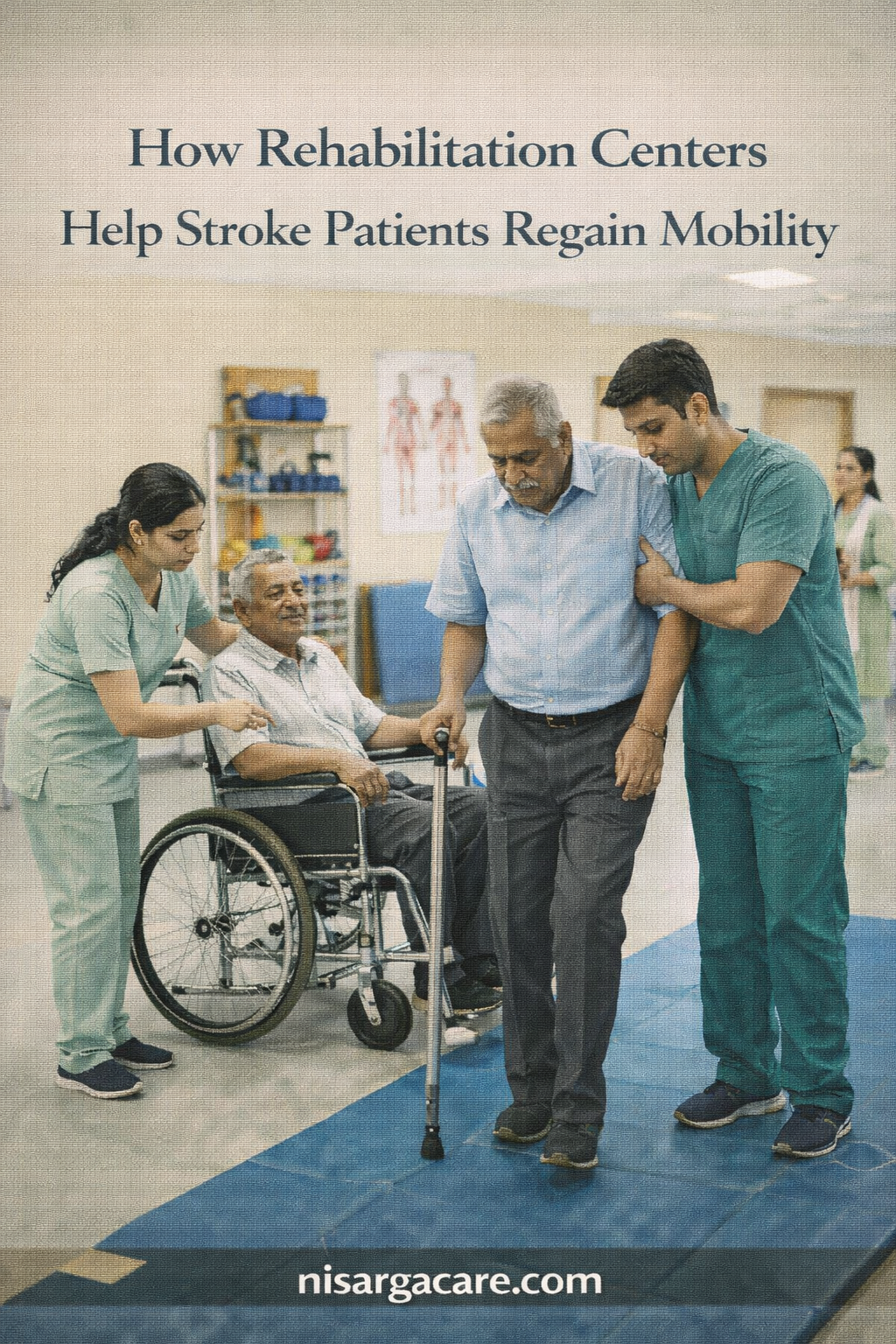
How Rehabilitation Centers Help Stroke Patients Regain Mobility

A stroke can severely impact a person’s ability to move, walk, or maintain balance. Muscle weakness, paralysis, and coordination problems are common challenges after a stroke. Regaining mobility is often the top priority for patients and families. This is where advance rehabilitation centers in Bangalore play a crucial role by providing structured, medically supervised recovery programs focused on movement and independence.


Why Mobility Is Affected After a Stroke

A stroke damages specific areas of the brain that control movement and muscle coordination. As a result, patients may experience:

  • Partial or complete paralysis on one side of the body

  • Muscle stiffness or weakness

  • Poor balance and coordination

  • Difficulty standing or walking

Without proper rehabilitation, these mobility issues can become permanent.


Role of Rehabilitation Centers in Stroke Recovery

Professional rehabilitation centers in Bangalore focus on restoring mobility through targeted therapies and continuous monitoring. These centers provide a controlled environment where patients can safely relearn movement patterns and build strength under expert guidance.

Centers like Nisarga Care adopt a patient-centric approach that combines physical therapy, medical supervision, and emotional support.


Key Therapies That Help Stroke Patients Regain Mobility

Physiotherapy

Physiotherapy is the foundation of mobility recovery. Therapists work on:

  • Muscle strengthening

  • Balance and posture correction

  • Walking training

  • Joint flexibility

Early and consistent physiotherapy helps prevent muscle stiffness and improves movement control.

Gait Training

Gait training focuses on teaching patients how to walk again safely. Therapists use parallel bars, walkers, or assistive devices to improve step coordination and weight shifting.

Occupational Therapy

Occupational therapy supports mobility by helping patients perform daily movements such as sitting, standing, transferring from bed to chair, and climbing stairs.

Balance and Coordination Exercises

Special exercises improve body awareness and reduce the risk of falls—an important concern for stroke survivors.


Importance of Structured Rehabilitation Programs

Unlike home-based recovery, rehabilitation centers in Bangalore offer:

  • Personalized therapy plans

  • Daily monitored exercise sessions

  • Advanced rehabilitation equipment

  • Immediate medical support if complications arise

Structured programs ensure steady progress while reducing setbacks.


Inpatient vs Outpatient Rehabilitation for Mobility Recovery

Some patients benefit from inpatient rehabilitation with stay, especially in the early stages. Residential care allows:

  • Intensive daily therapy

  • Continuous medical observation

  • Faster functional improvement

Outpatient programs are suitable for patients with mild mobility issues or those transitioning from inpatient care.


Rehabilitation Centre Cost in Bangalore for Stroke Mobility Recovery

The rehabilitation centre cost in Bangalore depends on:

  • Severity of mobility impairment

  • Duration of therapy

  • Type of rehabilitation program

  • Inpatient or outpatient care

Early rehabilitation often reduces overall costs by shortening recovery time and preventing complications.


How Families Can Support Mobility Recovery

Families can support stroke patients by:

  • Encouraging consistent therapy participation

  • Following therapist-recommended exercises at home

  • Ensuring safety measures to prevent falls

  • Providing emotional encouragement

Family involvement improves motivation and long-term outcomes.


Conclusion

Mobility recovery after a stroke requires expert guidance, patience, and structured therapy. Rehabilitation centers in Bangalore play a vital role in helping stroke patients regain movement, balance, and independence. Through personalized physiotherapy, gait training, and supportive care, centers like Nisarga Care empower patients to rebuild confidence and improve quality of life.

News Nisarga care Bangalore

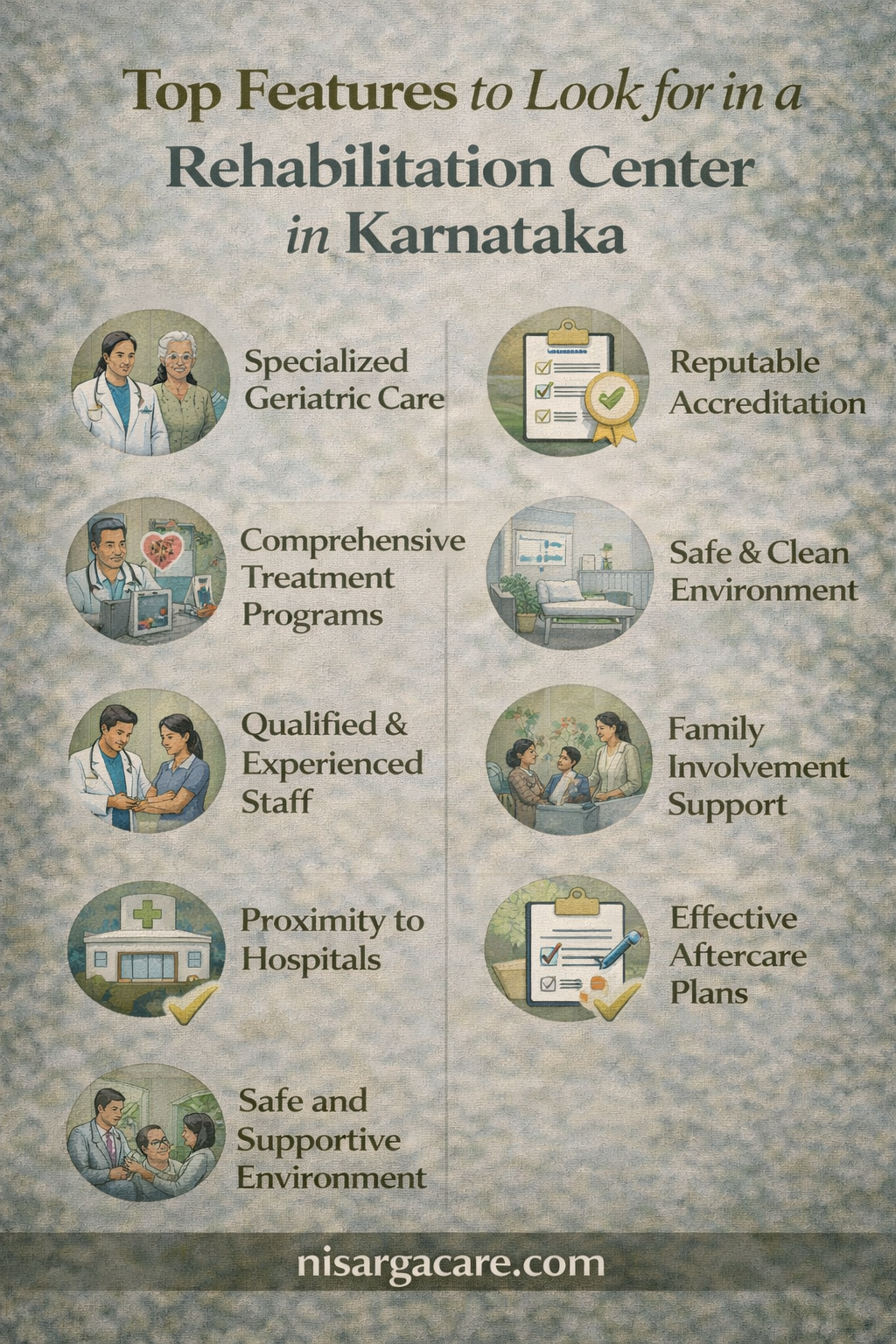
rehabilitation Centres in Bangalore city | Top Features to Look for in a Rehabilitation Center in Karnataka |

Choosing the right rehabilitation center is one of the most important decisions for families when a loved one needs recovery support after illness, surgery, or chronic health conditions. The ideal facility should not only support physical healing but also provide emotional comfort, safety, and a structured environment.

Here are the top features to look for in a rehabilitation center in Karnataka to ensure your loved one receives compassionate, high-quality care.


1. Licensed and Accredited Facility

The first thing to check is whether the center is licensed and accredited by relevant healthcare authorities. Accreditation ensures that the facility meets established standards for safety, infrastructure, staffing, and patient care. This gives families confidence that their loved one is receiving professional and regulated care.


2. Experienced Medical and Nursing Staff

A quality rehabilitation center should have:

  • Qualified doctors

  • Registered nurses

  • Trained physiotherapists

  • Certified caregivers

Experienced staff are crucial for monitoring health, managing medications, and handling emergencies. They help prevent complications and ensure recovery stays on track.


3. Personalized Care Plans

Every patient’s recovery journey is unique. The best centers create individualized care plans based on:

  • Medical history

  • Current health condition

  • Mobility and physical needs

  • Emotional and psychological well-being

Customized plans ensure that care is tailored to the specific needs of the patient.


4. Structured Rehabilitation Programs

A good rehabilitation center offers structured programs such as:

  • Physiotherapy and mobility training

  • Occupational therapy

  • Pain management

  • Nutrition planning

  • Speech therapy (if needed)

These programs help patients rebuild strength, improve balance, regain independence, and return to daily activities with confidence.


5. Safe and Elder-Friendly Infrastructure

Safety features are essential, especially for seniors. Look for centers with:

  • Handrails in hallways and bathrooms

  • Non-slip flooring

  • Wheelchair accessibility

  • Emergency response systems

  • Well-lit rooms and common areas

A safe environment reduces the risk of falls and enhances comfort during recovery.


6. Emotional and Psychological Support

Recovery isn’t just physical—it’s emotional too. The best centers provide:

  • Counseling services

  • Support groups

  • Activities that promote mental well-being

  • Compassionate communication from caregivers

Emotional support improves motivation, reduces anxiety, and promotes overall well-being.


7. Nutrition and Dietary Management

Diet plays a key role in recovery. A quality center offers:

  • Balanced meal plans

  • Customized diets for diabetics, cardiac patients, elderly individuals, etc.

  • Guidance on hydration and nutrient intake

Proper nutrition accelerates healing and boosts immunity.


8. Regular Health Monitoring

Continuous monitoring of health indicators such as:

  • Blood pressure

  • Blood sugar levels

  • Vital signs

  • Medication reviews
    ensures that any complications are detected early and managed effectively.


9. Family Involvement and Transparent Communication

The best rehabilitation centers encourage family involvement. They provide:

  • Regular updates on patient progress

  • Clear communication about treatment plans

  • Opportunities for family members to participate in care decisions

This ensures transparency, trust, and peace of mind.


10. Positive Reviews and Reputation

Finally, look for centers with:

  • Good online reviews

  • Testimonials from families

  • Word-of-mouth recommendations

Positive feedback reflects the center’s commitment to quality care and patient satisfaction.


Conclusion: Why Nisarga Care Is the Best Choice

When selecting a rehabilitation center in Karnataka, prioritizing safety, personalized care, structured programs, and emotional support is essential. Nisarga Care embodies all these top features and more. As a trusted rehabilitation center in Bangalore and leading elder care and dementia care center in Karnataka, Nisarga Care combines professional medical supervision, compassionate caregivers, tailored recovery plans, and a safe environment designed for optimal healing.

Families seeking reliable, high-quality rehabilitation services can depend on Nisarga Care for effective recovery, comfort, and peace of mind—making it the best rehabilitation center in Karnataka for your loved one’s needs.

News Nisarga care Bangalore

Difference Between Palliative Care and Hospice Care | Senior Citizen home and holistic health recent in Bangalore |

Understanding the difference between palliative care and hospice care is essential for families navigating serious or chronic illnesses. While both provide compassionate support and focus on improving quality of life, they differ in timing, goals, and settings. Choosing the right type of care ensures patients receive appropriate medical attention, comfort, and emotional support.

Professional care centers, such as Nisarga Care in Karnataka, provide both services tailored to patient needs, making it easier for families to manage care effectively.

Palliative Care: Support at Any Stage

Palliative care is a medical approach aimed at relieving pain, discomfort, and emotional stress for patients with serious illnesses. It can be offered at any stage of the disease, alongside curative treatments.

Key features include:

  • Pain and symptom management for chronic or serious conditions

  • Emotional, psychological, and spiritual support

  • Assistance with care planning and treatment decisions

  • Available in hospitals, homes, or specialized care facilities

Palliative care is ideal for patients with Alzheimer’s, dementia, cancer, heart disease, diabetes, or other chronic conditions. Its focus is improving quality of life, regardless of the prognosis, and supporting both patients and their families.

Hospice Care: Support at Life’s End

Hospice care is a specialized form of palliative care designed for patients who are terminally ill and have a prognosis of six months or less. Its primary focus is comfort rather than cure, ensuring that the patient’s remaining time is as peaceful and dignified as possible.

Key aspects include:

  • Comprehensive symptom management for terminal illnesses

  • Emotional and spiritual support for patients and families

  • End-of-life planning and guidance

  • Care provided mostly at home or in hospice facilities

Hospice care emphasizes quality of life and dignity, helping families cope with the emotional challenges of terminal illness.

Key Differences Between Palliative and Hospice Care

Aspect Palliative Care Hospice Care
Timing Any stage of serious illness Terminal stage, typically 6 months or less
Goal Improve quality of life while possibly continuing treatment Comfort and dignity at end-of-life
Treatment Can be combined with curative or life-prolonging treatment Focuses on comfort; curative treatment is usually stopped
Setting Hospitals, homes, or care centers Home, hospice facilities, or specialized centers
Duration Can be short-term or long-term End-of-life care until death

Supporting Families

Both palliative and hospice care provide vital support for families:

  • Education on care and symptom management

  • Emotional guidance to handle stress and grief

  • Assistance with decision-making and care coordination

  • Relief for caregivers through professional supervision

Professional care ensures families feel confident and supported during challenging times.


Conclusion: Why Nisarga Care Is the Best Choice

Choosing between palliative and hospice care depends on the patient’s medical condition and prognosis. Nisarga Care is a trusted elder care and Alzheimer’s care center in Karnataka, providing both palliative and hospice care tailored to individual needs.

Families seeking professional guidance, compassionate care, and medical supervision can rely on Nisarga Care to deliver personalized support, comfort, and dignity for patients while easing caregiver stress. Recognized as a leading palliative and hospice care provider in Karnataka, Nisarga Care ensures patients live with quality, safety, and emotional support throughout their care journey.

News Nisarga care Bangalore

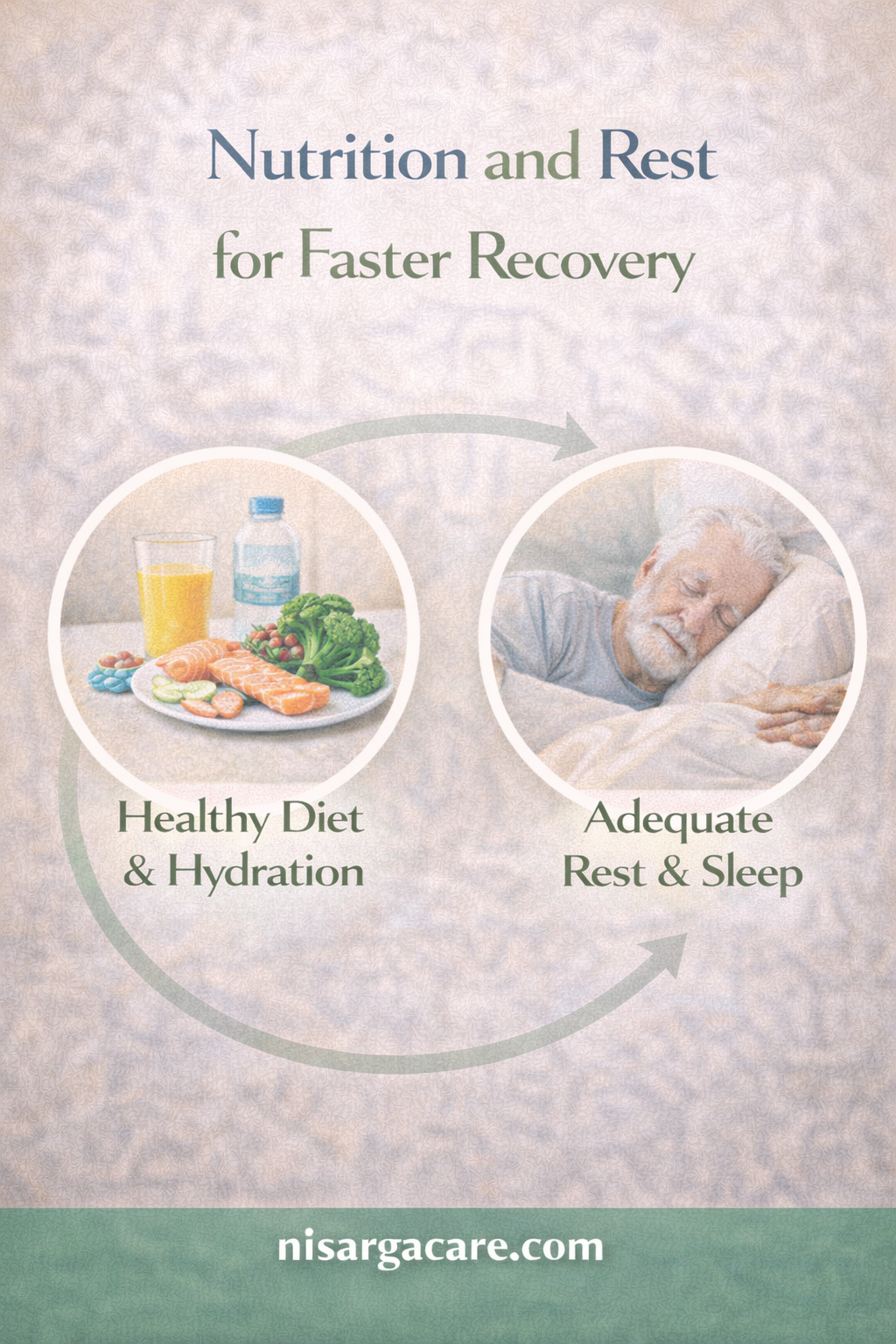
Nutrition and Rest for Faster Recovery Post hospitalization

Recovering after hospitalization requires more than just medical treatment—it demands a holistic approach that includes proper nutrition and rest. Adequate nourishment and sufficient sleep are essential for healing, boosting immunity, and regaining strength. Seniors and patients recovering from surgery or illness benefit significantly when these two elements are prioritized alongside professional care.

A specialized post-hospitalization care service in Karnataka ensures patients receive structured guidance on diet and rest while recovering safely at home.

Importance of Nutrition in Recovery

Nutrition provides the building blocks the body needs to repair tissues, fight infections, and maintain energy levels. Post-hospitalization diets should include:

  • Proteins: for tissue repair (eggs, lean meat, lentils, dairy)

  • Complex carbohydrates: for sustained energy (whole grains, oats, brown rice)

  • Vitamins and minerals: for immunity and healing (fruits, vegetables, nuts)

  • Healthy fats: for cell repair and overall health (olive oil, seeds, avocado)

Balanced nutrition helps prevent fatigue, supports organ function, and reduces the risk of complications during recovery.

Hydration for Optimal Healing

Proper hydration is essential for seniors and recovering patients. Water and electrolyte-rich fluids help:

  • Maintain bodily functions

  • Aid digestion and metabolism

  • Prevent dehydration-related complications

  • Support detoxification and wound healing

A professional Diabetes or elder care center in Karnataka can tailor hydration plans, especially for patients with restrictions due to diabetes, kidney issues, or heart conditions.

Role of Rest in Recovery

Rest allows the body to heal efficiently. Sleep and relaxation support:

  • Tissue repair and muscle recovery

  • Hormone regulation, including those controlling appetite and immunity

  • Reduction of stress and inflammation

  • Mental well-being and emotional stability

Sufficient rest is particularly important for seniors, as sleep patterns may be disrupted post-hospitalization. Structured rest routines help patients regain energy and prevent fatigue-related setbacks.

Combining Nutrition and Rest

Optimal recovery occurs when nutrition and rest work together. Adequate calories, proteins, and micronutrients provide the energy for healing, while rest allows the body to use these nutrients effectively. Caregivers ensure meals are timely and restful periods are maintained, creating a balance that promotes rapid recovery.

Professional Guidance and Support

Home-based care or professional rehabilitation centers in Bangalore provide education on meal planning, dietary adjustments, and sleep hygiene. Trained caregivers monitor progress, encourage compliance, and provide emotional support, ensuring patients adhere to recovery plans safely.

Preventing Post-Hospital Complications

Proper nutrition and rest reduce the risk of:

  • Fatigue and weakness

  • Infections and slow wound healing

  • Re-hospitalization due to poor recovery

  • Cognitive or emotional decline

Structured support ensures patients heal efficiently while minimizing complications.


Conclusion: Why Nisarga Care Is the Best Choice

Nutrition and rest are essential for post-hospital recovery, but professional support ensures these needs are met effectively. Nisarga Care is a trusted post-hospitalization care provider in Karnataka, offering personalized diet plans, structured rest routines, and compassionate supervision.

As a leading rehabilitation and elder care center in Bangalore, Nisarga Care combines medical monitoring, nutritional guidance, and emotional support to help patients recover safely and efficiently at home. Families seeking reliable post-hospitalization recovery support can trust Nisarga Care for its expertise, holistic approach, and commitment to patient well-being, making it the best choice for safe and effective recovery care in Karnataka.

News

Difference Between Alzheimer’s and Dementia: What Caregivers Must Know

Many people use the terms Alzheimer’s and dementia interchangeably, but they are not the same. Understanding the difference is important for caregivers because it helps in choosing the right care approach, treatment options, and long-term support. While both affect memory and thinking abilities, their causes, progression, and management can differ.

Knowing this difference allows families to respond with clarity instead of confusion and fear.

What Is Dementia?

Dementia is an umbrella term used to describe a group of symptoms that affect memory, thinking, reasoning, behavior, and the ability to perform daily activities. It is not a disease by itself but a condition caused by various brain disorders.

Common symptoms of dementia include:

  • Memory loss that disrupts daily life

  • Difficulty in communication

  • Poor judgment and decision-making

  • Confusion about time and place

  • Changes in mood and personality

There are different types of dementia, such as vascular dementia, Lewy body dementia, frontotemporal dementia, and Alzheimer’s disease.

What Is Alzheimer’s Disease?

Alzheimer’s disease is the most common type of dementia. It accounts for nearly 60–70% of all dementia cases. It is a progressive brain disease that slowly destroys memory, thinking skills, and eventually the ability to carry out simple tasks.

Alzheimer’s is caused by abnormal protein deposits in the brain that damage and kill brain cells. Symptoms usually start gradually and worsen over time.

Early signs include:

  • Forgetting recent events

  • Difficulty remembering names

  • Repeating questions

  • Trouble with planning and organizing

As the disease advances, patients lose the ability to recognize loved ones, communicate clearly, and care for themselves.

Key Differences Caregivers Should Know

The main difference is that dementia is a broad category, while Alzheimer’s is a specific disease within that category. All Alzheimer’s patients have dementia, but not all dementia patients have Alzheimer’s.

Another difference lies in progression. Alzheimer’s follows a predictable and slow decline, while other types of dementia may progress differently. For example, vascular dementia may worsen suddenly after strokes, and Lewy body dementia may cause hallucinations early on.

Treatment and care plans also differ. Alzheimer’s focuses more on memory preservation and emotional stability, while other dementias may require stronger attention to physical symptoms or behavioral challenges.

Why the Difference Matters for Caregivers

Understanding whether a loved one has Alzheimer’s or another type of dementia helps caregivers:

  • Choose the right medical treatment

  • Plan appropriate daily routines

  • Prepare for future care needs

  • Provide emotional and psychological support

  • Reduce stress through proper expectations

Each condition requires a slightly different approach to care and rehabilitation.

Care Needs Are Similar but Must Be Personalized

Even though the causes differ, both Alzheimer’s and dementia patients need:

  • Safe and structured environments

  • Emotional reassurance

  • Cognitive stimulation

  • Medical supervision

  • Compassionate caregiving

Personalized care plans make a significant difference in improving quality of life.

Role of Professional Dementia Care

Professional dementia care centers have trained caregivers who understand the differences between Alzheimer’s and other dementias. They design care routines, therapies, and medical plans based on the specific condition and stage of the disease.

This expertise is often difficult to achieve through home care alone.


Conclusion: Why Nisarga Care Is the Right Choice

Whether your loved one is living with Alzheimer’s or another form of dementia, choosing the right care facility is essential. Nisarga Care stands as a trusted Dementia care center in Karnataka, offering personalized care that respects each patient’s unique needs. As a leading Memory care facility in Bangalore, Nisarga Care provides structured routines, emotional therapy, and medical supervision for seniors facing cognitive decline.

Families looking for a reliable Dementia rehabilitation center in Bangalore can depend on Nisarga Care for its trained caregivers, holistic rehabilitation programs, and compassionate environment. It is a specialized dementia rehab center in Karnataka where both Alzheimer’s and dementia patients receive dignified, professional, and life-enhancing care.

News Nisarga care Bangalore

Daily Care Routine for Someone Living with Dementia

A daily care routine plays a vital role in supporting someone living with dementia. Structure and consistency help reduce confusion, anxiety, and agitation while promoting comfort and emotional security. When patients know what to expect, they feel safer and more confident in their surroundings. A well-planned routine also makes caregiving more manageable and improves the overall quality of life.

Morning: A Calm and Gentle Start

Mornings should begin slowly and peacefully. Sudden changes or rushing can increase anxiety. Greet the person warmly and give them time to wake up fully. Assist with personal hygiene such as brushing teeth, bathing, and dressing, while encouraging independence wherever possible.

Choose comfortable, easy-to-wear clothing and offer limited options to avoid confusion. Maintain a friendly and reassuring tone to make them feel respected and valued.

Breakfast and Medication Management

Nutrition is essential for physical and cognitive health. Serve a balanced breakfast that includes fruits, whole grains, and proteins. Ensure the food is easy to chew and swallow if required.

Medication should always be given on time and under supervision. Using pill organizers and maintaining a medication schedule helps prevent missed doses or overdosing.

Mid-Morning: Light Physical and Mental Activity

Physical movement keeps the body active and improves mood. Simple exercises such as walking, stretching, or chair exercises are beneficial. These activities improve circulation, reduce stiffness, and enhance sleep quality.

Mental stimulation is equally important. Activities like listening to music, reading aloud, solving simple puzzles, or looking through photo albums help maintain cognitive function and emotional connection.

Lunch and Rest Time

Lunch should be nutritious and served in a calm environment. Avoid distractions like loud noises or crowded spaces. Encourage slow eating and proper hydration.

After lunch, allow time for rest. Short naps are fine, but long daytime sleeping should be avoided as it may disturb nighttime sleep. Gentle relaxation promotes emotional balance.

Afternoon: Engagement and Social Interaction

Afternoons are ideal for creative and social activities. Art, gardening, light household tasks, or simple games help patients feel productive and engaged. Social interaction reduces loneliness and boosts self-esteem.

Conversation should be simple and reassuring. Even if the person struggles to respond, your presence provides comfort and emotional stability.

Evening: Preparing for Calmness

As evening approaches, reduce stimulation. Bright lights, loud sounds, and active tasks can increase confusion. A calm environment helps prepare the mind for rest.

Dinner should be light and easy to digest. Encourage hydration but limit excessive fluids before bedtime to avoid sleep disturbances.

Night Routine and Sleep Support

Establishing a regular bedtime routine is essential. Activities like listening to soft music, reading, or prayer create a sense of closure to the day. Keep the bedroom quiet, dimly lit, and comfortable.

Consistent sleep schedules help regulate the body clock and reduce nighttime agitation.

Emotional Care Throughout the Day

Emotional support is as important as physical care. Use gentle communication, positive reinforcement, and patience. Avoid arguments and never force tasks. Offering reassurance and understanding builds trust and emotional security.

Importance of Professional Support

As dementia progresses, maintaining a daily routine becomes more challenging for families. Professional dementia care ensures structured schedules, medical monitoring, emotional therapy, and trained caregivers who understand the complexities of dementia.


Conclusion: Why Nisarga Care Is the Best Choice

Creating and maintaining a daily routine for someone living with dementia requires experience, patience, and professional guidance. Nisarga Care stands out as a trusted Dementia care center in Karnataka, offering personalized care routines that focus on safety, dignity, and emotional well-being. As a leading Memory care facility in Bangalore, Nisarga Care ensures that every patient receives compassionate support in a structured and calm environment.

For families searching for a reliable Dementia rehabilitation center in Bangalore, Nisarga Care provides expert medical supervision, trained caregivers, and holistic rehabilitation programs. It is truly a specialized dementia rehab center in Karnataka where seniors receive the highest quality of care and families gain peace of mind knowing their loved ones are in safe and capable hands.

News

Nutrition Challenges in Seniors: Ensuring Balanced Diets at Home | Nisarga Care

As people age, their nutritional needs change, and maintaining a balanced diet can become a significant challenge. Seniors may experience reduced appetite, difficulty chewing or swallowing, digestive issues, or chronic health conditions that affect how their bodies absorb nutrients. Proper nutrition is essential for maintaining strength, immunity, and overall well-being, and families play a key role in supporting elders at home. Elder care homes like Nisarga Care also provide structured guidance for nutrition management, ensuring seniors receive optimal care.

Common Nutrition Challenges in Seniors

Several factors can affect seniors’ diets:

  • Loss of appetite due to medications, illness, or changes in taste and smell

  • Difficulty chewing or swallowing caused by dental issues or medical conditions

  • Digestive problems, including constipation or reduced absorption of nutrients

  • Chronic conditions like diabetes, hypertension, or heart disease that require dietary restrictions

Recognizing these challenges early allows families to adjust meals and seek professional guidance, preventing malnutrition and supporting recovery or rehabilitation.

Practical Strategies for Balanced Diets at Home

  1. Focus on Nutrient-Dense Foods
    Prioritize fresh fruits, vegetables, whole grains, lean proteins, and dairy or alternatives. Nutrient-dense foods provide essential vitamins, minerals, and energy without excessive calories, supporting immunity and muscle health.

  2. Modify Food Textures
    For seniors with chewing or swallowing difficulties, prepare soft, well-cooked, or pureed meals. Smoothies, soups, and stews can provide variety while making eating easier and enjoyable.

  3. Small, Frequent Meals
    Smaller, more frequent meals can help seniors meet nutritional needs without feeling overwhelmed. This approach encourages regular intake and prevents fatigue or loss of appetite during long gaps between meals.

  4. Hydration Is Key
    Seniors often feel less thirsty, leading to dehydration. Offer water, herbal teas, soups, or fresh fruit juices regularly to maintain fluid balance, aid digestion, and support overall health.

  5. Involve Family and Caregivers
    Meal planning with family ensures dietary preferences, restrictions, and cultural considerations are respected. Engaging seniors in meal preparation can also stimulate appetite and provide a sense of involvement.

Support From Elder Care Homes

Facilities like Nisarga Care provide professional nutritional guidance and monitoring. Caregivers ensure meals meet individual dietary needs, manage chronic conditions, and encourage proper hydration. Nutrition programs are combined with rehabilitation and social engagement, making meals both healthy and enjoyable for seniors.


Conclusion

Nutrition plays a critical role in seniors’ physical health, emotional well-being, and recovery. Families and elder care providers must address appetite changes, dietary restrictions, and hydration challenges to maintain balanced diets. At Nisarga Care, we prioritize personalized nutrition plans, professional support, and holistic care, ensuring seniors enjoy meals that nourish the body, support rehabilitation, and promote overall quality of life. With proper guidance, seniors can thrive at home or in care facilities, living healthier and more fulfilling lives.

News Nisarga care Bangalore

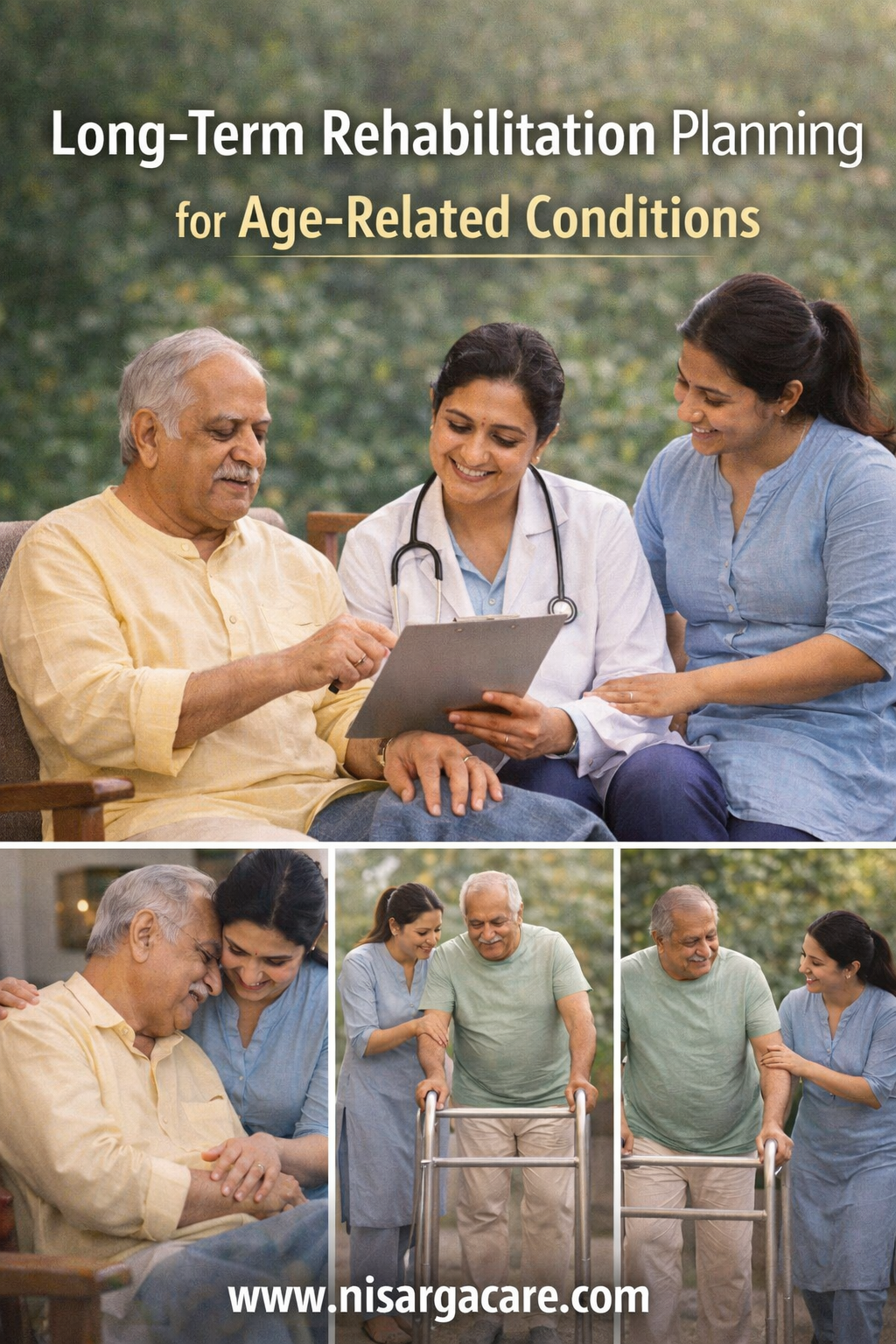
Long-Term Rehabilitation Planning for Age-Related Conditions | Nisarga Care

As people age, gradual physical and cognitive changes can affect mobility, strength, balance, and daily functioning. Age-related conditions such as arthritis, stroke recovery, Parkinson’s disease, osteoporosis, and dementia often require ongoing support rather than short-term treatment.

Long-term rehabilitation planning is essential to help seniors maintain independence, slow functional decline, and improve quality of life through structured, consistent care.


Understanding Age-Related Rehabilitation Needs

Age-related conditions are often progressive and vary widely from person to person. Seniors may experience:

  • Reduced mobility and muscle strength

  • Joint stiffness and chronic pain

  • Balance and coordination challenges

  • Cognitive or neurological changes

Effective rehabilitation planning focuses on adapting care as needs evolve over time.


Why Long-Term Rehabilitation Planning Matters

Without a structured rehabilitation plan, seniors risk:

  • Accelerated physical decline

  • Increased dependence on caregivers

  • Higher fall and hospitalization risks

  • Reduced confidence and social engagement

Long-term planning provides continuity, stability, and measurable progress, even in the presence of chronic conditions.


Key Components of Long-Term Rehabilitation Planning

1. Comprehensive Assessment

Rehabilitation planning begins with a detailed evaluation of physical abilities, cognitive function, medical history, and lifestyle. This helps create realistic goals tailored to each senior’s condition.


2. Personalized Rehabilitation Goals

Long-term goals are broken into achievable milestones, such as:

  • Improving walking endurance

  • Maintaining joint flexibility

  • Enhancing balance and coordination

  • Preserving daily living skills

These goals evolve as the senior’s condition changes.


3. Physiotherapy for Mobility and Strength

Regular physiotherapy helps:

  • Maintain muscle strength

  • Reduce stiffness and pain

  • Improve posture and balance

Consistency is key in preventing functional decline.


4. Occupational Therapy for Daily Independence

Occupational therapy supports seniors in managing daily activities safely by:

  • Teaching adaptive techniques

  • Recommending assistive devices

  • Modifying home environments

This ensures seniors remain engaged in their routines.


5. Cognitive and Neurological Support

For conditions affecting memory or coordination, rehabilitation may include:

  • Cognitive stimulation activities

  • Speech and communication therapy

  • Routine-based care strategies

These interventions help maintain mental function and engagement.


6. Pain and Fatigue Management

Long-term rehabilitation integrates non-invasive pain management techniques such as gentle movement, posture correction, relaxation therapies, and lifestyle adjustments to enhance comfort.


Role of Emotional and Psychological Support

Chronic conditions can affect emotional well-being. Rehabilitation planning must address:

  • Motivation and morale

  • Coping with limitations

  • Reducing anxiety and depression

Emotional support encourages consistency and long-term participation in therapy.


Family and Caregiver Involvement

Successful long-term rehabilitation requires collaboration between therapists, caregivers, and family members. Education and communication ensure care routines are followed consistently and safely.


How Nisarga Care Supports Long-Term Rehabilitation

At Nisarga Care, we provide structured long-term rehabilitation programs that include:

  • Ongoing assessments and therapy adjustments

  • Integrated physiotherapy and occupational therapy

  • Trained caregivers for daily support

  • Safe, senior-friendly environments

  • Emotional and mental well-being focus

Our approach ensures rehabilitation evolves alongside the senior’s changing needs.


Conclusion

Long-term rehabilitation planning empowers seniors to age with dignity, independence, and confidence. By focusing on consistent care, adaptability, and holistic well-being, seniors can continue leading meaningful and active lives despite age-related challenges.

News Nisarga care Bangalore

Role of Occupational Therapy in Senior Independence | Nisarga Care

As people age, everyday tasks that were once simple—such as dressing, bathing, cooking, or moving around the home—can become challenging. Physical limitations, chronic illness, cognitive decline, or recovery after injury often reduce a senior’s sense of independence.

Occupational therapy plays a vital role in helping seniors maintain autonomy, confidence, and dignity by enabling them to perform daily activities safely and effectively.


What Is Occupational Therapy?

Occupational therapy (OT) focuses on helping individuals perform meaningful daily activities—also known as “occupations”—that are essential for independent living. For seniors, this includes:

  • Self-care tasks (bathing, grooming, dressing)

  • Household activities (cooking, cleaning, managing medications)

  • Mobility and safe movement

  • Cognitive and emotional functioning

Occupational therapists assess each senior’s abilities and create personalized strategies to support independence.


How Occupational Therapy Supports Senior Independence

1. Improving Daily Living Skills

Occupational therapy helps seniors relearn or adapt everyday tasks using safer and more efficient methods. With guided practice, seniors gain confidence in managing their routines independently.


2. Promoting Safe Mobility

OT focuses on improving balance, coordination, and movement patterns to reduce the risk of falls. Therapists also train seniors in safe transfers—such as getting in and out of bed or chairs.


3. Home Environment Modifications

A senior-friendly environment is essential for independence. Occupational therapists recommend modifications such as:

  • Grab bars and handrails

  • Non-slip flooring

  • Proper lighting and furniture placement

These changes make daily activities safer and more accessible.


4. Use of Assistive Devices

Occupational therapy introduces tools that simplify tasks without reducing independence, including:

  • Walkers or canes

  • Adaptive utensils

  • Dressing aids and bathroom supports

Therapists ensure seniors are comfortable and confident using these aids.


5. Supporting Cognitive Function

For seniors with memory issues or early dementia, occupational therapy helps with:

  • Routine building

  • Attention and problem-solving exercises

  • Memory strategies

This support enhances functional independence and daily participation.


6. Emotional Well-Being and Confidence Building

Losing independence can affect mental health. Occupational therapy emphasizes encouragement, achievable goals, and positive reinforcement, helping seniors regain confidence and self-worth.


Conditions That Benefit from Occupational Therapy

Occupational therapy is especially beneficial for seniors recovering from or living with:

  • Stroke

  • Arthritis and joint disorders

  • Parkinson’s disease

  • Dementia

  • Post-surgical recovery

  • Age-related mobility decline

Early intervention improves long-term outcomes and quality of life.


Family and Caregiver Involvement

Occupational therapists work closely with families and caregivers, educating them on:

  • Safe assistance techniques

  • Environmental adjustments

  • Encouraging independence without over-supporting

This collaboration ensures consistent progress and emotional support.


How Nisarga Care Integrates Occupational Therapy

At Nisarga Care, occupational therapy is part of a holistic care approach that focuses on:

  • Personalized therapy plans

  • Safe, senior-friendly living environments

  • Trained caregivers supporting daily independence

  • Emotional and social well-being

Our goal is to help seniors live confidently, safely, and independently for as long as possible.


Conclusion

Occupational therapy empowers seniors to adapt, overcome challenges, and remain active participants in their own lives. By focusing on practical skills, safety, and emotional well-being, occupational therapy plays a crucial role in preserving independence and dignity in older adults.

Bangalore rehabilitation centers | rehab assisted living facilities in Bangalore Nisarga care Bangalore

Understanding Early Signs of Dementia: A Complete Guide for Indian Families

Dementia is one of the most challenging conditions affecting India’s aging population today. It impacts memory, behavior, emotions, and daily functioning—making early detection crucial for families seeking to provide the best possible elder care and long-term support.

For Indian households, where caregiving responsibilities often rest on family members, understanding the early symptoms of dementia can help ensure timely diagnosis, structured care, and better quality of life for seniors.

Dementia is not a normal part of aging. Identifying signs early allows families to seek medical help, plan long-term senior care, and create a safe, comforting environment for their loved one.


What Is Dementia?

Dementia refers to a group of neurological disorders where there is a decline in cognitive function, memory, and reasoning abilities. The most common type is Alzheimer’s disease, but others include vascular dementia, Lewy body dementia, and frontotemporal dementia.

Regardless of the type, early symptoms often appear subtly—and families are usually the first to notice.


1. Memory Loss That Disrupts Daily Life

Forgetfulness is common with age, but memory loss linked to dementia is different.
Families may observe:

  • Repeating the same questions

  • Forgetting recent events or conversations

  • Misplacing items and accusing others of taking them

  • Struggling to remember names of close people

This type of memory loss is persistent and worsens over time, making it a key early symptom.

Why it matters: Early memory lapses are a major warning sign that your parent may need structured elder care support.


2. Difficulty Completing Familiar Tasks

Tasks that once seemed simple suddenly become confusing.
Examples include:

  • Trouble preparing a familiar recipe

  • Forgetting how to use household appliances

  • Difficulty managing monthly bills

  • Struggling with puja routines or daily habits

These difficulties affect independence and are often noticeable during daily interactions.


3. Challenges in Communication and Language

Dementia often affects a senior’s ability to find words or express thoughts clearly.

Signs include:

  • Pausing mid-sentence and feeling lost

  • Using incorrect words

  • Repeating phrases

  • Losing the ability to follow conversations

Families may feel conversations take longer or seem disconnected—an important behavioral clue.


4. Disorientation in Time and Place

Seniors may:

  • Forget the date or season

  • Lose track of time

  • Feel confused in familiar places

  • Forget where they are or why they are there

This disorientation can be frightening for both elders and families, often requiring increased supervision and senior care.


5. Poor Judgment or Decision-Making

A common early sign is impaired judgment.
Families may notice:

  • Giving away money to strangers

  • Falling for scams

  • Dressing inappropriately for the weather

  • Poor hygiene habits

These changes indicate the senior is struggling with rational thinking.


6. Withdrawal from Social Activities

Seniors with early dementia often lose interest in:

  • Talking to family

  • Participating in festivals

  • Attending social events

  • Pursuing hobbies they once loved

They may feel overwhelmed, confused, or embarrassed, leading to emotional withdrawal.


7. Changes in Mood and Personality

Dementia can cause dramatic emotional shifts, such as:

  • Increased irritability

  • Anxiety or restlessness

  • Depression

  • Suspicion or paranoia

  • Sudden mood swings

Families often feel the elder is “not themselves anymore,” a common but painful early sign.


8. Difficulty Understanding Visual or Spatial Information

Some seniors may struggle with:

  • Reading

  • Judging distances

  • Recognizing familiar faces

  • Navigating stairs or turns

These issues can lead to falls, a major risk factor that families must not overlook.


Why Early Detection Matters for Indian Families

✔ Better Medical Management

Early diagnosis allows doctors to slow progression, manage symptoms, and create a structured health plan.

✔ Reduced Stress for Families

Understanding the condition helps families prepare for caregiving demands, ensuring seniors receive safe and stable support.

✔ Improved Quality of Life for Seniors

Early interventions, cognitive therapy, routines, and emotional care help elders maintain dignity and independence longer.

✔ Safety and Monitoring

Families can modify the home environment or consider professional elder care services if supervision becomes necessary.

✔ Care Planning and Financial Preparedness

Knowing what’s ahead allows families to plan for medical needs, long-term care, and elder-friendly living arrangements.


How Indian Families Can Support Seniors Showing Early Signs of Dementia

1. Seek Medical Evaluation Immediately

Do not wait for symptoms to worsen. Early diagnosis opens doors to treatment and long-term planning.

2. Maintain a Structured Daily Routine

Routine reduces confusion and helps seniors feel grounded.

3. Encourage Brain-Stimulating Activities

Music, puzzles, memory games, reading, and conversations help slow cognitive decline.

4. Create a Safe Home Environment

Remove fall risks, install grab bars, and ensure lighting is adequate.

5. Offer Emotional Support

Patience, reassurance, and positive communication go a long way in reducing anxiety.

6. Plan for Professional Care if Needed

Memory care support, dedicated supervision, and trained caregivers can dramatically improve quality of life.


Nisarga Care: Specialized Dementia Support for Seniors in Karnataka

At Nisarga Care, we understand the emotional and practical challenges dementia brings to families. Our team specializes in memory care, offering:

  • Personalized support plans

  • Safe and monitored living environments

  • Cognitive stimulation activities

  • Experienced caregivers

  • Medical supervision

  • Emotional and social engagement

We ensure every senior receives compassionate, structured, and dignified care, helping families navigate dementia with confidence and peace of mind.

If you want your loved one to receive the best elder care in Karnataka, Nisarga Care is here to support you every step of the way.

Posts pagination

WeCreativez WhatsApp Support
Our customer support team is here to answer your questions. Ask us anything!
👋 Hi, how can I help?