Bangalore rehabilitation centers | rehab assisted living facilities in Bangalore Nisarga care Bangalore

Supporting Mentally Disabled Adults: Empowerment Through Compassionate Care

Caring for mentally disabled adults requires much more than supervision—it requires compassion, patience, structured support, and an environment that encourages emotional stability and independence. In India, families often shoulder this responsibility with love, but the complexities of mental disabilities can make full-time care incredibly challenging at home. This is why specialized care environments are becoming increasingly important.

Whether the disability is due to intellectual impairment, developmental delay, autism spectrum conditions, schizophrenia, or genetic disorders, adults require consistent emotional support, medical monitoring, and daily living assistance. Compassionate care ensures that they not only stay safe but also learn, grow, and feel valued.

This guide shares how structured support systems empower mentally disabled adults, promote dignity, and help them engage more meaningfully with the world around them.


Understanding Mental Disability in Adults

Mental disability can vary widely—from mild intellectual differences to severe cognitive impairment. It may affect:

  • Ability to communicate

  • Emotional expression

  • Social interaction

  • Learning and memory

  • Daily living skills

  • Behavioural stability

  • Decision-making

In India, growing awareness around mental health, neurodevelopmental conditions, and psychosocial disabilities has pushed families to explore holistic care options rather than relying solely on home-based support.

Highlighted Keywords: mental disability care India, adult cognitive support, developmental disability services


Why Compassionate Support Matters

Adults with mental disabilities thrive when they are surrounded by consistent attention, positive reinforcement, and structured care. Compassion is not just a soft trait—it directly affects behavioural stability, emotional well-being, and long-term development.

Caregivers trained in mental disability support use:

  • Calm communication

  • Predictable routines

  • Step-by-step guidance

  • Behavioural management techniques

  • Structured activities

This kind of support significantly reduces anxiety and helps individuals remain grounded.

Keywords: compassionate caregiving, behavioural support, special needs adult care


1. Safe and Structured Living Environments

Mentally disabled adults need environments tailored to their cognitive and behavioural needs. Specialized care facilities offer:

  • Secure entrances and monitored movement

  • Non-slip flooring

  • Clearly defined spaces

  • Minimal clutter

  • Quiet sensory zones

  • Tracked routines

These designs help reduce confusion and create a predictable, safe setting.

Keywords: safe care centres India, special needs residential homes, adult disability support Karnataka


2. Daily Living Support and Independence Training

Adults with mental disabilities often require assistance with:

  • Bathing

  • Dressing

  • Eating

  • Medication

  • Personal hygiene

  • Mobility

  • Toileting

But beyond care, the goal is skill-building. Trained caregivers encourage small steps toward independence, like:

  • Folding clothes

  • Simple chores

  • Personal grooming

  • Participating in meals

  • Following routines

These everyday skills improve confidence and self-esteem.

Keywords: independent living for disabled adults, ADL training, life skills development


3. Behavioural Therapy and Emotional Support

Behavioural challenges like aggression, withdrawal, repetitive actions, or emotional outbursts are common. Professional support includes:

  • Behavioural modification therapy

  • Positive reinforcement techniques

  • Sensory calming strategies

  • Anger management exercises

  • One-on-one emotional counselling

Emotional stability is central to improving overall quality of life.

Keywords: behavioural therapy India, emotional regulation support, mental wellness for disabled adults


4. Medical Care and Monitoring

Mental disabilities often coexist with:

  • Epilepsy

  • Sleep disorders

  • Hormonal imbalances

  • Mobility challenges

  • Nutritional deficiencies

A good care environment includes:

  • Regular doctor visits

  • 24×7 nursing

  • Medication management

  • Seizure monitoring

  • Physiotherapy (if required)

This ensures that both mental and physical health are supported.

Keywords: medical care for disabled adults, clinical monitoring, long-term disability care


5. Social Interaction and Community Inclusion

Socializing helps adults with mental disabilities:

  • Improve communication

  • Reduce isolation

  • Develop friendships

  • Gain emotional strength

  • Learn to cooperate

Group activities such as:

  • Music therapy

  • Group games

  • Art sessions

  • Festival celebrations

  • Outdoor walks

provide meaningful engagement and enhance emotional well-being.

Keywords: special needs socialization, community inclusion India, group therapy for adults


6. Skill Development and Purposeful Activities

Purpose gives dignity. Many care homes in India now offer:

  • Vocational training

  • Handicraft sessions

  • Gardening

  • Basic computer learning

  • Simple workstation tasks

These activities help adults feel productive and recognized.

Keywords: vocational training disabled adults, skill development India, purposeful engagement


7. Family Involvement and Emotional Connection

Family involvement is essential—even when the adult lives in a care home. Facilities should encourage:

  • Regular visits

  • Shared sessions

  • Progress updates

  • Collaborative care planning

This strengthens family bonds and reassures the adult that their loved ones are still closely involved.

Keywords: family support disability care, care coordination, holistic special needs care


8. Importance of Consistency and Routine

Routine provides stability for mentally disabled adults. It reduces stress, prevents behavioural issues, and supports emotional balance. A well-managed centre ensures:

  • Fixed waking and sleeping times

  • Predictable meal hours

  • Regular therapy

  • Structured activities

  • Calm evening routines

Routine-based care improves daily functioning significantly.

Keywords: structured care routines, predictable support, disability management India


Nisarga Care: Empowering Mentally Disabled Adults with Dignity and Compassion

At Nisarga Care, mentally disabled adults receive consistent, respectful, and empowering support. Our centres in Karnataka offer:

  • 24×7 caregiving

  • Behavioural and emotional therapy

  • Personalized daily living assistance

  • Safe, sensory-friendly environments

  • Medical monitoring

  • Skill-building and social engagement

  • Family-inclusive care plans

With a foundation built on compassion, patience, and professional expertise, Nisarga Care ensures that every adult feels valued, protected, and encouraged to grow—no matter their challenges.

If you’re seeking trusted, long-term support for mentally disabled adults in Karnataka, Nisarga Care is committed to offering the highest quality of compassionate care.

Bangalore rehabilitation centers | rehab assisted living facilities in Bangalore Nisarga care Bangalore

Choosing the Right Elder Care Home: A Family Decision Guide

Choosing an elder care home for a loved one is one of the most emotionally delicate decisions a family ever makes. In India, where caring for parents is tied deeply to love, respect, and cultural responsibility, the idea of moving seniors to a care facility can be challenging. Families want reassurance that their elders will be safe, supported, valued, and surrounded by compassionate caregivers.

A good elder care home should provide more than accommodation—it should offer personalized senior care, 24×7 medical support, emotional comfort, engaging activities, and a nurturing environment where seniors feel a sense of belonging. This guide walks families through every key factor to consider when choosing an elder care home, especially in regions like Karnataka where senior care services are growing rapidly.


Understanding What Seniors Truly Need

Ageing brings changes in health, mobility, cognition, and social needs. A suitable elder care home must support:

  • Medical monitoring

  • Emotional well-being

  • Daily living assistance

  • Rehabilitation (if needed)

  • Companionship

  • Mental stimulation

  • Nutritious meals

This makes it important to evaluate facilities thoroughly before making a decision.

Highlighted Keywords: elder care India, retirement home services, assisted living for seniors, long-term senior care


1. Assess the Level of Care Required

Different seniors need different levels of support. Families should first understand whether the elder requires:

• Assisted Living Care

For seniors who are independent but need help with meals, mobility, bathing, or medication management.

• Nursing Care

For elders with chronic illnesses, mobility limitations, post-surgery recovery, or age-related frailty.

• Memory Care

For seniors with dementia, Alzheimer’s, or cognitive impairments who need structured routines and behavioral support.

• Palliative or End-of-Life Care

For seniors needing pain management, emotional support, and comfort-focused care.

Choosing an elder care home becomes easier once the care level is clear.

Keywords: senior nursing care India, dementia support homes, post-hospitalization care


2. Check Staff Qualifications and Caregiver Attitude

Skilled caregivers make all the difference. Families should look for:

  • Certified nurses

  • Trained geriatric caregivers

  • Physiotherapists

  • Dementia specialists

  • Doctors on call

Beyond training, attitude matters immensely. Compassion, patience, and respectful communication are essential for senior well-being.

Ask these questions:

  • Do caregivers speak gently?

  • Are they trained for emergencies?

  • Do they know how to handle behavioural changes?

Keywords: trained elder caregivers, professional senior care, geriatric care specialists


3. Evaluate Safety and Facility Design

A safe environment reduces risk and boosts confidence. Look for:

  • Non-slip flooring

  • Handrails and grab bars

  • Wheelchair-accessible pathways

  • Emergency response systems

  • Secured entrances (especially for dementia residents)

  • Clean rooms and hygienic bathrooms

  • Fire safety and medical equipment

Safety-friendly designs are crucial for fall prevention, one of the most common risks among seniors.

Keywords: safe senior living, elder-friendly infrastructure, fall prevention for seniors


4. Medical Support & Emergency Preparedness

Elder care homes should have:

  • 24×7 nursing supervision

  • Regular doctor visits

  • Access to nearby hospitals

  • Medication management

  • Vital checks

  • Physiotherapy support

  • Health monitoring records

Medical readiness plays a vital role, especially for seniors with diabetes, cardiovascular conditions, stroke history, or arthritis.

Keywords: elder medical care, health monitoring for seniors, 24×7 nursing homes


5. Quality of Food & Nutrition Planning

Nutrition directly impacts senior immunity, energy, and mood. Ensure the facility provides:

  • Balanced meals

  • Soft diets (if required)

  • Diabetes-friendly menus

  • Hydration monitoring

  • Fresh ingredients

  • Seasonal fruits and vegetables

Speak to the dietician or caregiver about how they create senior nutrition plans.

Keywords: nutrition for elderly, healthy senior meals, diet plans for Indian seniors


6. Emotional Support & Community Experiences

A good elder care home doesn’t isolate seniors; it engages them. Emotional well-being is highly influenced by:

Daily Activities

  • Music sessions

  • Gardening

  • Board games

  • Gentle exercises

  • Story circles

Festivals & Celebrations

Keeping seniors connected to cultural experiences improves happiness and mental stimulation.

Companionship

Social interaction prevents loneliness, depression, and cognitive decline.

Keywords: senior social engagement, elder emotional care, active ageing India


7. Transparency in Policies and Pricing

Families should always check:

  • Inclusions and exclusions in fees

  • Additional costs (medicine, physiotherapy, special care)

  • Refund and transfer policies

  • Visitation rules

  • Emergency procedures

Clear communication builds trust and avoids future conflicts.

Keywords: senior care pricing India, elder home policies, transparent care services


8. Observe the Environment During Your Visit

Spend time inside the facility. Notice:

  • Are seniors smiling, engaged, or comfortable?

  • Do caregivers offer respectful assistance?

  • Is the atmosphere calm and homely?

  • Are spaces clean and well-maintained?

A peaceful environment is essential for seniors with anxiety, dementia, or mobility challenges.


9. Gather Feedback from Other Families

Speaking with families who already have loved ones in the facility provides real insights into:

  • Quality of care

  • Safety

  • Staff attitude

  • Medical response

  • Communication frequency

Word-of-mouth reviews are powerful indicators of trustworthiness.

Keywords: family feedback elder care, senior care reviews Karnataka


10. Involve the Senior in the Decision

Whenever possible, include your elder in:

  • Facility visits

  • Conversations

  • Preference discussions

  • Room selection

Their comfort, acceptance, and emotional readiness should guide the final choice.


Nisarga Care: Helping Families Make Confident Senior Care Decisions

Choosing an elder care home is a meaningful family milestone. At Nisarga Care, we support families through every step of this journey. Our centres in Karnataka offer:

  • Professional carers trained in geriatric and dementia care

  • 24×7 nursing and medical support

  • Safe, home-like environments

  • Personalized nutrition and rehabilitation plans

  • Engaging activities and emotional companionship

  • Transparent communication with families

With empathy and expertise at the heart of our services, Nisarga Care ensures your loved ones receive the dignity, comfort, and attention they deserve.

If you are looking for trusted elder care homes in Karnataka, Nisarga Care is here to help you make the right choice—warmly, safely, and confidently.

Bangalore rehabilitation centers | rehab assisted living facilities in Bangalore Nisarga care Bangalore

Family Role in Elder Care: Building Trust, Connection, and Understanding

Family involvement is one of the strongest pillars of quality elder care. While professional caregivers, nursing teams, and senior care centres provide structured support, the emotional and relational strength that families bring is irreplaceable. Whether an elder is living at home or in a care centre in Karnataka, the presence, connection, and encouragement from loved ones significantly influence their physical and emotional well-being. This blog explores the essential family role in elder care, highlighting how trust, communication, and compassion build a safe and supportive environment for seniors. It also reflects the cultural values of Indian families, where togetherness and respect for elders play a central role.


Why Family Involvement Matters in Elder Care

As seniors experience health challenges, reduced mobility, or cognitive decline, they often feel uncertain or anxious about the changes in their lives. Family participation makes them feel safe, valued, and emotionally grounded.

Here are the most impactful reasons:

1. Emotional Security and Stability

Seniors rely heavily on emotional support from family members. Even short visits or regular calls can lift their mood, reduce loneliness, and create a sense of belonging. In many Indian households, elders draw comfort from seeing familiar faces and hearing reassuring voices.

2. Better Health Outcomes

Studies consistently show that seniors with active family participation experience improved mental health, better compliance with treatment plans, and lower stress levels. Families help reinforce routines like medication management, diet, physiotherapy, and checkups.

3. Encouragement and Motivation

When elders face physical limitations or long-term illnesses, they may lose motivation. A supportive family becomes a source of strength, encouraging them through recovery, rehabilitation, or daily challenges. This is especially important for elders recovering from conditions like stroke, arthritis, or chronic illnesses.

4. Cultural and Personal Identity

Family members help seniors maintain a connection to their cultural traditions, values, and memories. This connection becomes even more essential for elders with dementia, who may find comfort in familiar songs, stories, or rituals.


Building Trust: The Foundation of Effective Elder Care

Trust is the emotional glue that binds families and elders during challenging moments. To build it effectively, families should focus on three essential aspects:

1. Transparent Communication

Seniors must feel involved in decisions regarding their health, living arrangements, or daily routines. Open conversations create respect and prevent misunderstandings. Listening patiently to their concerns helps them feel more in control and respected.

2. Consistency and Reliability

Elders often feel vulnerable when routines change unexpectedly. Keeping promises—such as visiting regularly, accompanying them to checkups, or calling at the same time each day—strengthens their sense of security.

3. Respecting Their Independence

Even when elders need assistance, they value autonomy. Encouraging them to make choices, participate in activities, and maintain independence where possible builds trust and dignity.


Strengthening Connection: Small Actions, Big Impact

Families do not always need to make grand gestures. Often, simple, consistent actions create the strongest bonds.

1. Spend Quality Time Together

Watching a movie, reading to them, sharing meals, or simply sitting beside them can bring immense comfort. Quality time reduces feelings of abandonment and keeps their emotional health strong.

2. Encourage Social Interaction

Many seniors in care centres in Karnataka benefit from meeting other residents. Families can support this by participating in group events, celebrations, or recreational activities with them.

3. Share Memories and Stories

Talking about family events, old photos, and shared memories activates cognitive function and reinforces their sense of identity—especially beneficial for those with early dementia or memory loss.


Understanding: The Heart of Compassionate Elder Care

Understanding an elder’s emotional state may require patience and empathy. With aging comes the need for compassion rooted in awareness.

1. Recognize Emotional Challenges

Common emotions among elders include:

  • Fear of dependency

  • Worry about being a burden

  • Loneliness or isolation

  • Confusion from memory loss

Families who understand these emotions respond with kindness rather than frustration.

2. Acknowledge Physical Limitations

Mobility issues, vision problems, and chronic pain affect daily functioning. Families should avoid rushing elders or expecting them to move at the same pace they once did.

3. Adapt to Cognitive Decline

For seniors with Alzheimer’s or dementia, forgetfulness or mood swings are part of the condition. Patience, gentle communication, and repeated reassurance go a long way in maintaining calm and emotional balance.


Working Together With Professional Care Providers

In elder care centres across Karnataka, the most effective support system is one where families and caregivers collaborate.

1. Regular Updates and Check-ins

Families should maintain communication with nursing teams, physiotherapists, and care managers to understand the elder’s progress or challenges.

2. Participate in Care Planning

Including families in discussions about diet, therapy, and medical needs ensures the senior receives personalized care aligned with their preferences.

3. Supporting Routines at Home

If the senior lives at home with visiting nurses or therapists, families play a key role in maintaining schedules and routines that ensure consistent care.


Family Involvement Creates Better Elder Care Outcomes

When families invest time, patience, and emotional energy in their elders, the result is holistic well-being. Seniors feel loved, secure, and respected, while families build deeper emotional bonds and uphold cultural values of care and gratitude.

The combination of professional caregiving and family warmth creates a home-like environment, whether the elder is living in a care centre or at home.

Bangalore rehabilitation centers | rehab assisted living facilities in Bangalore Nisarga care Bangalore

Safe Living Spaces for Disabled and Handicapped Seniors in Care Centres

Creating safe, comfortable, and dignified living spaces for disabled and handicapped seniors is one of the most important responsibilities of modern elder care providers. In India—where families are increasingly turning to professional elder care services, rehabilitation centres, and long-term care homes—the need for thoughtfully designed environments has never been greater. Today’s families want assurance that their loved ones are not only cared for medically, but also protected, respected, and supported emotionally and physically. Care centres across the country, including facilities in Karnataka, are now prioritising safe senior living spaces India safe senior living spaces India that blend accessibility, medical readiness, comfort, and companionship.

These spaces help seniors maintain independence, reduce risks, and enjoy a fulfilling life despite mobility challenges, chronic conditions, or age-related disabilities.


Why Safe Environments Matter for Disabled and Handicapped Seniors

Seniors with disabilities often face a unique combination of physical and cognitive challenges. Limited mobility, difficulty with balance, impaired vision, chronic pain, or neurological conditions can make everyday tasks overwhelming and unsafe. In such situations, professional senior care in India becomes essential to ensure safety and dignity.

Common challenges include:

  • Difficulty moving independently

  • Fear of falling

  • Dependency on caregivers

  • Isolation or loneliness

  • Anxiety and reduced confidence

  • Complications from chronic illnesses

Specially designed safe senior living spaces India address these risks by creating barrier-free layouts, offering 24/7 supervision, and providing individualized care programs that support health, mobility, and emotional well-being.


Accessibility-Focused Design for Maximum Safety

Modern care centres follow international accessibility guidelines to create spaces that seniors can move through easily and confidently. Features of safe living environments for seniors in India include:

1. Wheelchair-Friendly Architecture

Wide hallways, ramps with rails, non-slip flooring, and zero-step entrances ensure seniors using mobility aids can move around without limitations.

2. Grab Bars and Support Rails

Bathrooms, bedrooms, and common areas include strong, ergonomically placed grab bars to prevent falls—the leading cause of injuries among seniors.

3. Fall-Resistant Flooring

Shock-absorbent flooring and anti-slip tiles significantly reduce the impact of accidental slips, especially for seniors with balance issues.

4. Height-Adjusted Furniture

Beds, chairs, washbasins, and dining tables are designed to match mobility levels, making daily tasks easier and more comfortable.

5. Emergency Response Systems

Call buttons, motion sensors, and 24/7 nurse availability ensure seniors receive fast medical attention when needed.


Specialised Care for Disabled and Handicapped Seniors

Creating a safe living space involves more than just infrastructure. The expertise and compassion of caregivers play a major role in maintaining safety and well-being.

1. Personalised Care Plans

Each resident receives a tailored care program based on their medical history, disability needs, and rehabilitation goals.

2. 24/7 Monitoring

Nurses and trained caregivers ensure constant supervision, especially for seniors with critical health conditions or limited mobility.

3. Assistive Devices and Technology

From walkers and orthopaedic support to digital monitoring devices, technology enhances both safety and independence.

4. Medication and Therapy Support

Scheduled medication administration, physiotherapy, occupational therapy, and rehabilitation services in India help seniors regain or preserve mobility and strength.


Emotional Support and Community Living

A safe environment is not just physical—it also nurtures emotional well-being. Care centres create community-oriented senior living by offering:

  • Group activities

  • Mind relaxation sessions

  • Social interaction spaces

  • Cultural and festival celebrations

  • Cognitive stimulation programs

These experiences reduce loneliness, build friendships, and improve mental health—especially for disabled seniors who may feel isolated in traditional home settings.


Nutritional and Lifestyle Support

Healthy living is a core component of senior safety. Care centres ensure:

  • Balanced meals tailored to medical needs

  • Regular hydration monitoring

  • Assistance with eating, where required

  • Special diets for diabetes, hypertension, cardiac issues, etc.

This reduces health complications and keeps seniors energetic and emotionally stable.


Why Families Across India Are Choosing Professional Care Centres

With rising work commitments, nuclear families, and increased awareness, many families now look for trusted senior care homes in India that offer:

  • Safety-focused infrastructure

  • Professional medical supervision

  • Rehabilitation programs

  • Companionship and community

  • Peace of mind for both seniors and families

These centres ensure that seniors—especially those with disabilities—receive the care, respect, and comfort they deserve.


Conclusion

Safe living spaces for disabled and handicapped seniors are not just about design—they are about dignity, independence, confidence, and quality of life. With India’s elder population growing rapidly, families increasingly rely on professional elder care, assisted living, and rehabilitation care to ensure their loved ones thrive in safe, nurturing environments.
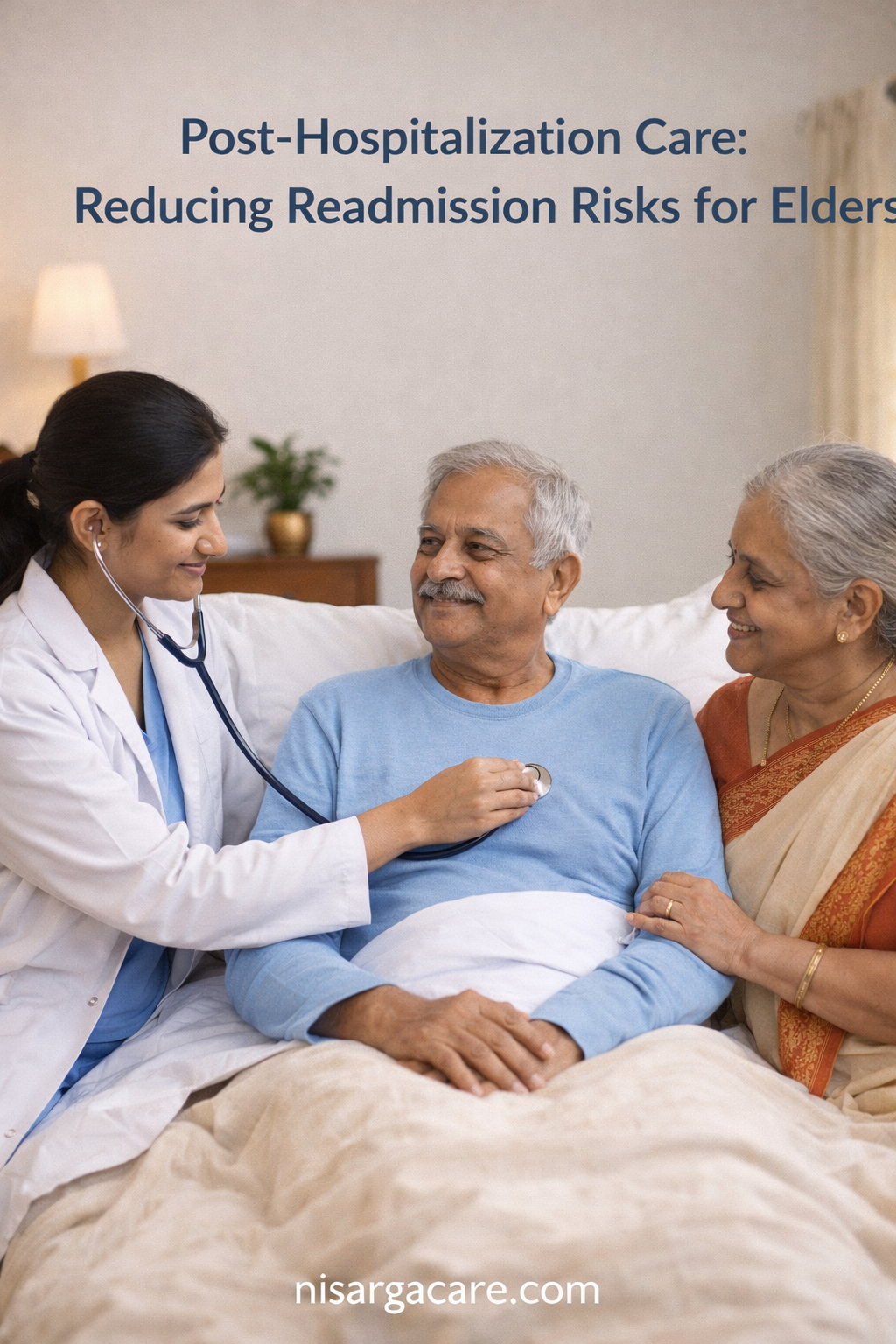
Care centres that prioritise safety, compassion, accessibility, and personalised support are paving the way for a healthier, more respectful future for senior living in India.

Bangalore rehabilitation centers | rehab assisted living facilities in Bangalore Nisarga care Bangalore

Essential Health Checkups for Seniors: Preventive Care for Active Aging

Aging is a natural process, but healthy aging requires awareness, routine monitoring, and timely medical intervention. As seniors grow older, their bodies undergo physiological changes that can make them vulnerable to chronic illnesses, reduced immunity, and mobility limitations. This is why essential health checkups for seniors are a vital part of preventive care. In India, where lifestyle diseases, stress, and late diagnoses are common, routine screenings can significantly enhance quality of life. For families seeking structured support, elder care services in India now prioritize preventive health, focusing on early detection and active aging.

At Nisarga Care, we believe that prevention is the strongest path to long-term well-being, independence, and confidence for seniors.


Why Preventive Health Checkups Matter for Seniors

Preventive care is not only about identifying diseases — it’s about enabling seniors to stay active, mobile, and emotionally balanced. Regular checkups help detect health issues before they worsen, reducing hospitalizations and ensuring seniors enjoy their daily life with ease.

Senior care services India are increasingly emphasizing preventive screenings because:

  • Chronic conditions like diabetes and hypertension are rising

  • Many illnesses show delayed symptoms in seniors

  • Early diagnosis improves treatment outcomes

  • Preventive care reduces long-term medical costs

  • Routine checkups support healthy, active aging

A structured checkup plan gives families confidence that their loved ones are healthy, safe, and well cared for.


Essential Health Checkups Recommended for Seniors

To support active aging, seniors should undergo the following essential health evaluations:


1. Comprehensive Physical Examination

This includes blood pressure, heart rate, weight, BMI, reflex testing, and general body function analysis. Such examinations help detect early signs of health decline.
Facilities offering senior citizen care India include these in their baseline assessments.


2. Blood Tests and Metabolic Screening

Regular blood tests help monitor:

  • Complete blood count

  • Blood sugar levels

  • Thyroid function

  • Vitamin D & B12

  • Kidney and liver function

  • Lipid profile

These tests help manage conditions like diabetes, anemia, thyroid disorders, and nutritional deficiencies — major concerns in older adults.


3. Heart Health and ECG Monitoring

With rising cardiac problems among seniors in India, ECG and cardiac evaluations are crucial.
This aligns with the growing need for elderly support services India focused on heart health, especially for seniors with hypertension or past cardiac events.


4. Bone Density and Arthritis Screening

Age-related bone loss increases the risk of fractures. Bone density tests, arthritis screenings, and calcium monitoring help in preventing mobility issues.
Elder care centres offering rehabilitation care services India pay close attention to bone health to maintain mobility and independence.


5. Vision and Hearing Tests

Decline in vision and hearing is common with age but often goes unnoticed until it affects daily activities. Regular eye exams help detect cataracts, glaucoma, and retinal issues, while hearing tests prevent communication challenges.


6. Dental and Oral Health Checkups

Dental pain or infections can affect nutrition and overall health. A senior’s dental health is closely linked to digestion, immunity, and comfort.


7. Cognitive and Mental Health Assessment

Screening for memory issues, depression, or anxiety is essential for early intervention.
With rising awareness, mental health support for elderly India is becoming a core part of preventive healthcare.


8. Mobility and Fall Risk Assessment

Physiotherapists evaluate gait, balance, strength, and flexibility to prevent falls — one of the leading causes of injuries among seniors.
This is a key service in most rehabilitation centers in India, ensuring seniors stay mobile and confident.


9. Vaccinations and Immunity Boosters

Seniors should maintain updated vaccinations such as:

  • Influenza

  • Pneumococcal

  • COVID-19 boosters

  • Tetanus

Vaccines reduce infection risk and support stronger immunity.


Preventive Care at Elder Care Facilities: A Holistic Approach

At Nisarga Care, preventive health is not just about medical tests — it’s about nurturing a lifestyle of wellness. Through structured routines, monitoring, rehabilitation, and emotional support, seniors experience a secure and balanced environment.

Our preventive care model includes:

  • Regular health checkups

  • Medication management

  • Physiotherapy for mobility

  • Cognitive and emotional wellness programs

  • Nutrition-rich meals

  • Daily activity tracking

  • Safety assessments

  • Strong family communication

This approach reflects the rising importance of comprehensive elder care services in India.


Role of Families in Supporting Active Aging

Family participation encourages seniors to prioritize their health. Simple actions such as ensuring regular doctor visits, understanding their medical history, and engaging them in conversations about well-being can boost their confidence and compliance.

At Nisarga Care, families remain involved in every stage of preventive care — from reports to progress updates.


Promoting Active Aging Through Prevention

Active aging isn’t about avoiding aging — it’s about staying healthy, independent, and emotionally fulfilled throughout the journey. With regular health checkups and proactive monitoring, seniors can enjoy a vibrant lifestyle filled with energy and purpose.

By embracing structured preventive care, families across India can ensure their loved ones age gracefully, confidently, and comfortably.

Bangalore rehabilitation centers | rehab assisted living facilities in Bangalore Nisarga care Bangalore

Mental Health Care for Seniors: Promoting Emotional Strength and Balance

Mental health is just as important as physical health — especially for seniors. As people age, they experience life transitions such as retirement, health challenges, reduced mobility, loss of loved ones, or social isolation. These changes can deeply affect emotional well-being. In India, where joint families are evolving into nuclear setups, many seniors face loneliness, anxiety, or depression without proper support. This makes mental health care services for seniors in India more crucial than ever. At Nisarga Care, we focus on nurturing emotional strength, creating social connections, and offering compassionate support that helps seniors live happier, more balanced lives.


Understanding Mental Health Challenges in the Elderly

Seniors experience emotional challenges differently than younger adults. Factors such as chronic illness, reduced independence, memory decline, and limited social interaction add to mental stress.

Common issues among older adults include:

  • Anxiety caused by health or financial concerns

  • Depression due to loneliness or loss

  • Cognitive decline and memory issues

  • Sleep disturbances

  • Reduced confidence or self-worth

Ignoring these challenges can affect recovery, immunity, and overall quality of life. That’s why elder care services in India now include structured emotional wellness programs designed specifically for senior needs.


Why Emotional Well-Being Matters for Seniors

Positive mental health contributes to:

  • Better physical recovery

  • Improved mobility

  • Enhanced cognitive functioning

  • Increased social participation

  • Longer, healthier lives

Research shows that seniors who feel emotionally connected and cared for are more likely to stay active and independent. This is why mental health care services for seniors in India focus heavily on mental well-being, not just medical care.


Holistic Mental Health Care at Assisted Living and Elder Care Centres

At Nisarga Care, emotional well-being is integrated into daily routines. Trained caregivers and mental health professionals work closely with each resident to understand their needs, behaviors, and preferences.

Here’s how we support emotional balance for every senior:


1. Personalised Emotional Support

Every senior has a unique story and unique challenges. Our caregivers offer patient listening, empathy, and companionship — essential to building trust and reducing feelings of isolation.

This includes:

  • One-on-one talk sessions

  • Emotional reassurance

  • Caregiver-resident bonding

  • Continuous observation of mood changes

These small but meaningful interactions help seniors feel valued and supported.


2. Social Engagement & Group Activities

Social connection is a powerful healing tool. Activities are structured to promote social bonding and joy, such as:

  • Music therapy

  • Group yoga and meditation

  • Art and craft workshops

  • Cultural programs

  • Celebrations and festivals

  • Group games and discussions

Such activities promote happiness, reduce cognitive decline, and build community. This aligns with the growing focus on senior social engagement India.


3. Mindfulness, Meditation & Relaxation

Mindfulness practices help seniors manage anxiety and stress. Guided breathing, meditation, and light yoga sessions create emotional balance and improve sleep quality.

These wellness therapies are now widely included in senior wellness programs India, making them a trusted part of elder care.


4. Cognitive Stimulation for Mental Sharpness

Cognitive decline is common with age, but it can be slowed with consistent mental exercise.

We use techniques like:

  • Brain games

  • Memory exercises

  • Reading sessions

  • Puzzles and logic tasks

  • Story-sharing activities

These activities help seniors stay sharp, confident, and mentally active.


5. Professional Support for Dementia, Depression & Anxiety

Some seniors require more advanced mental health intervention.

With specialised programs for dementia, Alzheimer’s, and mood disorders, care teams closely monitor symptoms and provide targeted therapy. This reflects the rising demand for mental health support for elderly India and dementia care services India.


The Role of Family in Supporting Senior Mental Health

Families play a major role in emotional healing. Regular visits, video calls, shared meals, and involvement in care plans strengthen a senior’s sense of belonging.
Nisarga Care encourages families to participate, ensuring continuity of emotional support.


Why Choosing the Right Elder Care Centre Matters

A senior’s environment impacts their emotional health more than anything else. Choosing a high-quality elder care home ensures they receive:

  • Compassionate companionship

  • Safe and peaceful surroundings

  • Professional elderly support services India

  • 24/7 emotional and medical monitoring

  • Engaging lifestyle activities

  • Respectful and dignified care

At Nisarga Care, we offer a nurturing environment and mental health care services for seniors in India where seniors feel seen, heard, and understood. Our holistic approach makes emotional balance a natural part of caregiving.


A Support System Seniors Truly Deserve

Mental health care for seniors is not optional — it’s essential. By prioritizing emotional wellness, structured routines, social bonding, and compassionate support, seniors can enjoy a peaceful, fulfilling, and joyful life.

Nisarga Care remains committed to empowering seniors with dignity, emotional strength, and balance — because aging should feel comforting, not isolating.

Nisarga care Bangalore

Senior Citizen Clubs & Community Activities in Karnataka Care Facilities | Affordable Senior Care | Old age homes in Bangalore |

Introduction:

As our loved ones age, their social and emotional needs grow just as important as their physical well-being. Beyond healthcare, companionship and a sense of purpose are essential for healthy aging. Across the state, elder care in Karnataka is evolving beautifully, with old age homes in Karnataka transforming into vibrant communities full of laughter, activity, and togetherness.

At Nisarga Care, we understand that a happy elder life means more than comfort — it means connection. Our community-driven programs and senior clubs help residents rediscover the joy of belonging, learn new things, and build friendships that brighten their days.

Why Social Engagement Matters in Elder Care

Human beings are social by nature. For seniors, social interaction directly impacts emotional stability, cognitive function, and even longevity. Isolation can lead to anxiety, depression, and memory decline. Recognizing this, many care facilities now focus on creating engaging environments where elders remain active participants in community life.

At Nisarga Care, we encourage residents to join senior citizen clubs, hobby groups, and wellness activities that nurture both body and mind. From morning yoga sessions to evening music circles, these activities help elders stay physically agile, emotionally balanced, and mentally sharp.

Senior Citizen Clubs: A Home Beyond Home

One of the most beautiful aspects of elder care in Karnataka is the way senior clubs create strong, family-like communities. These clubs are not just about fun; they serve as platforms for lifelong learning, cultural exchange, and emotional bonding.

At Nisarga Care, our senior citizen clubs bring together residents who share common interests. Whether it’s gardening, singing, painting, or storytelling, these groups spark joy and help elders rediscover old passions or explore new ones.

The environment is intentionally designed to be inclusive and supportive. Every member is encouraged to contribute — whether by leading an activity, sharing life experiences, or simply being a cheerful presence. The result is a vibrant social ecosystem where laughter, empathy, and purpose thrive.

Cultural and Festive Celebrations

Karnataka is a land rich in culture, festivals, and community spirit — and our care facilities reflect exactly that. Old age homes in Karnataka now celebrate every local and national festival with enthusiasm, ensuring that residents never feel disconnected from their traditions.

At Nisarga Care, festivals like Ugadi, Dasara, Deepavali, and Sankranti are celebrated with decorations, traditional music, and special meals. Elders actively participate in preparations — lighting diyas, singing folk songs, or sharing childhood memories of celebrations from years gone by.

These moments not only bring back nostalgia but also strengthen intergenerational ties when families join the festivities. For many residents, these events become highlights of the year, filling the air with warmth and belonging.

Health and Wellness Activities

Physical wellness plays a vital role in emotional well-being. Most modern elder care in Karnataka facilities integrate exercise, physiotherapy, and meditation into daily routines.

At Nisarga Care, elders begin their mornings with yoga or light stretching sessions, guided by trained instructors who understand the unique needs of aging bodies. Afternoon wellness workshops focus on nutrition, sleep habits, and stress management. Evening walks and group meditation help promote calm and connection.

Beyond fitness, our “Mindful Living” sessions include activities like laughter therapy, chair yoga, and breathing exercises — simple yet powerful ways to promote relaxation and community bonding.

Creative Expression and Lifelong Learning

Aging doesn’t mean slowing down; it means finding new ways to express oneself. Creative programs are a cornerstone of modern old age homes in Karnataka, where art, music, and storytelling help elders express emotions and preserve memories.

At Nisarga Care, our residents participate in art therapy sessions, poetry recitals, and book clubs. Many rediscover hidden talents — a love for painting, singing devotional songs, or crafting traditional decorations.

We as the best elder care in Karnataka also host guest lectures and workshops on topics ranging from digital literacy to gardening. These activities not only keep minds active but also empower seniors to feel independent and proud of their continued learning journey.

Community Outreach and Volunteering

A strong sense of purpose adds meaning to life at any age. At Nisarga Care, residents take part in community outreach programs — visiting schools, mentoring younger generations, and supporting charitable causes.

Such initiatives give elders a renewed sense of pride and usefulness. It reminds them that their wisdom and experience still play a vital role in shaping society. This approach reflects the compassionate essence of elder care in Karnataka — one that respects seniors not just as care recipients, but as contributors to the community.

Building Friendships and Emotional Well-being

Every day at Nisarga Care begins with smiles and greetings and turning out to be home for best elder care in Karnataka. Friendships often blossom over shared tea breaks, board games, or evening devotional gatherings. Residents look out for one another, creating a true sense of extended family.

This deep emotional connection is what sets apart modern old age homes in Karnataka. Elders no longer live in isolation; instead, they thrive within a supportive network that values empathy, joy, and companionship.

At Nisarga Care, our trained caregivers facilitate social engagement gently — encouraging shy residents to join activities, listen to stories, or simply enjoy peaceful moments of connection. This careful balance of independence and emotional support ensures that every individual feels respected and included.

Technology and Connectivity

Even in their golden years, many seniors love to stay connected with their families and friends digitally. Recognizing this, elder care in Karnataka has embraced technology as a bridge for emotional connection.

Nisarga Care provides video calling setups, digital workshops, and online hobby sessions. Elders enjoy attending virtual bhajans, interacting with family members abroad, or watching educational talks online — all within a secure, assisted environment.

Bangalore rehabilitation centers | rehab assisted living facilities in Bangalore Nisarga care Bangalore

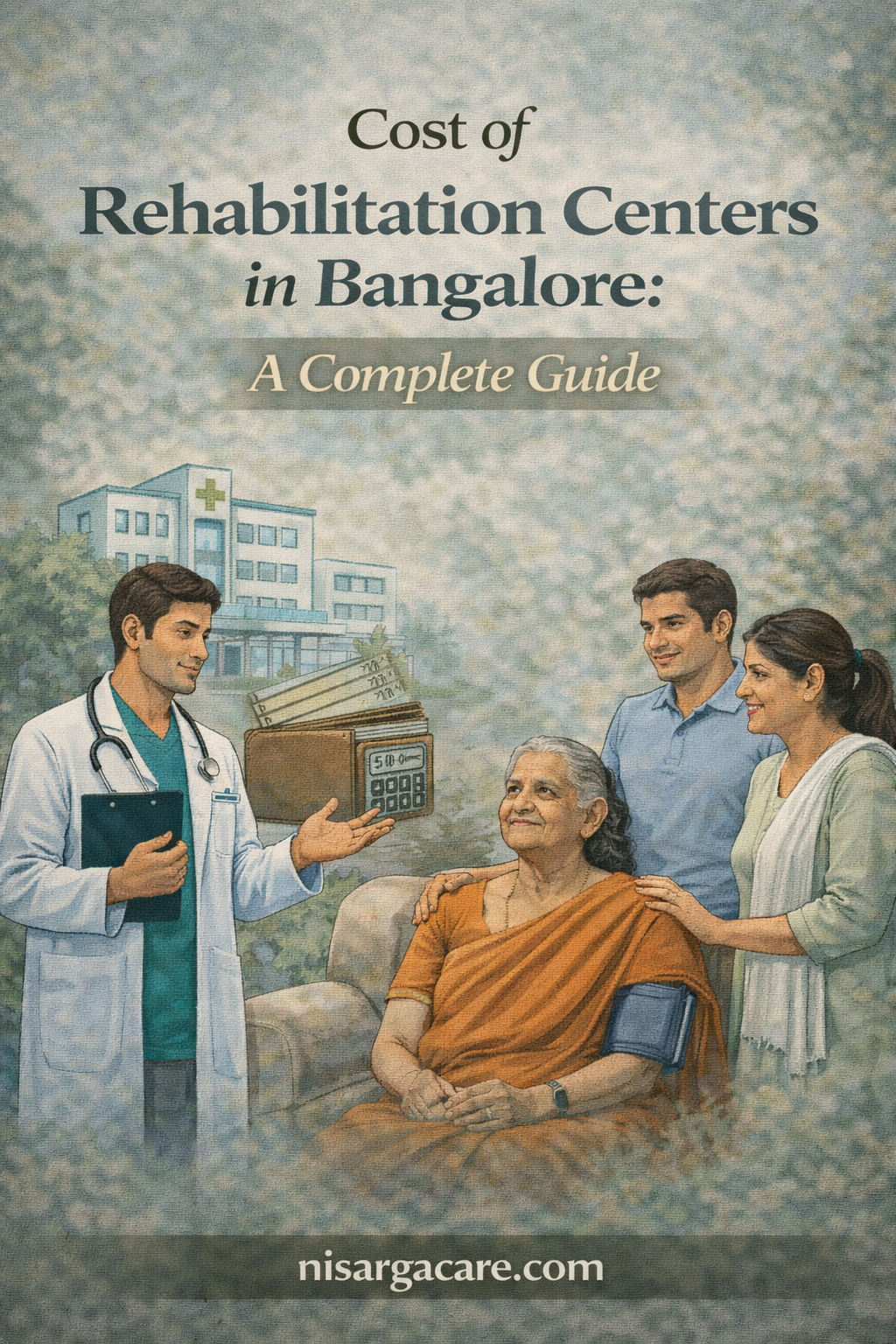
Understanding the Cost of Elder Care in Bangalore: A Family Guide

Introduction:

As India’s population ages, more families are exploring professional elder care in Bangalore to ensure their loved ones receive the best possible support. Whether it’s assisted living, 24/7 nursing care, or specialized dementia services, understanding the cost of elder care is crucial for making informed decisions. This guide helps families plan wisely, comparing the different options and highlighting how Nisarga Care offers exceptional value and quality.

Factors That Influence the Cost of Elder Care

The price of senior care in Bangalore varies widely depending on the type of service and the individual’s medical needs. Key cost drivers include:

Type of Care Facility

    • Old age homes provide basic lodging, meals, and social activities.
    • Premium elder care homes add medical supervision, physiotherapy, and personalized assistance.
    • Specialized dementia care or post-surgical rehabilitation requires skilled nursing and advanced facilities.

Level of Medical Support

Residents with chronic illnesses or mobility challenges need round-the-clock nursing, regular health monitoring, and access to doctors. Higher medical involvement naturally increases the cost.

Location and Amenities

Central Bangalore facilities may cost more than those on the outskirts. Homes with modern infrastructure—private rooms, landscaped gardens, or on-site physiotherapy—also reflect these comforts in their pricing.

Additional Services

Services such as physiotherapy, occupational therapy, dietary counseling, and emergency response systems can add to the monthly bill but significantly improve the resident’s quality of life.

Average Price Range in Bangalore

While costs differ from one provider to another, families can expect approximate monthly fees such as:

  • Basic old age home: ₹20,000 – ₹35,000
  • Premium elder care homes with 24/7 nursing: ₹40,000 – ₹80,000
  • Specialized dementia or rehabilitation centers: ₹70,000 and above, depending on complexity

These figures may vary, but they provide a useful starting point for budgeting.

Why Quality Matters More Than the Lowest Price

Choosing Premium Elder Care in Bangalore based only on cost can be risky. Substandard facilities may lack trained staff, proper hygiene, or reliable emergency support. Families should consider:

  • Qualified medical professionals on site
  • A clean, elder-friendly environment
  • Transparent communication about health updates
  • Nutritious, doctor-approved meals

Paying a slightly higher monthly fee often translates into better safety, comfort, and peace of mind.

Nisarga Care: Exceptional Value in Premium Elder Care

Among the many options in the city, Nisarga Care stands out for its balance of high-quality services and reasonable pricing. As one of the leading providers of 24/7 elder care in Bangalore, Nisarga Care offers:

  • Round-the-clock nursing support by experienced medical staff
  • Individualized care plans for seniors with chronic illnesses or post-surgery needs
  • Comfortable, well-maintained living spaces that feel like home
  • Regular health monitoring and access to doctors and specialists
  • Transparent pricing with no hidden charges

Families appreciate that Nisarga Care delivers not only medical excellence but also a warm, community-oriented environment where seniors feel respected and valued.

Planning Financially for Long-Term Care

Budgeting for elder care is easier with careful preparation:

  • Evaluate health insurance: Some policies cover aspects of long-term care or rehabilitation.
  • Explore government schemes: Check if any state or central programs provide senior care subsidies.
  • Create a family care fund: Pooling resources among siblings can distribute costs fairly.

These steps reduce stress and help families focus on what matters most—ensuring their loved ones receive compassionate attention.

Additional Benefits of Professional Elder Care Services

Investing in reputable elder care is not just about housing; it’s about quality of life. Seniors gain:

  • Daily social interaction, which prevents loneliness
  • Access to regular physiotherapy and fitness activities
  • Balanced nutrition and timely medications
  • Emotional well-being through group events and cultural programs

With Nisarga Care, families see the positive difference in their elders’ physical health and happiness.

Comparing Home Care Services with Residential Elder Care

Many families wonder whether to hire in-home help or move a loved one into a professional Premium Elder Care in Bangalore. Both options have benefits and cost considerations:

Home Care Services

    • Ideal for seniors who prefer the comfort of their own house.
    • Flexible—families can choose part-time or full-time caregivers.
    • Costs depend on the caregiver’s qualifications and hours, often ranging from ₹25,000 to ₹60,000 per month.

Residential Elder Care

    • Provides 24/7 nursing care, emergency readiness, and social engagement.
    • Offers structured routines, professional supervision, and a safe environment.
    • Typically includes meals, housekeeping, and medical monitoring in one monthly fee.

While home care may suit seniors with minimal medical needs, those managing chronic illnesses or requiring constant supervision often find premium elder care homes like Nisarga Care to be the more cost-effective and safer choice in the long run.


Bangalore rehabilitation centers | rehab assisted living facilities in Bangalore

Managing Parkinson’s: Rehabilitation Centers in Bangalore

Introduction:

Parkinson’s disease is a progressive neurological disorder that affects movement, muscle control, and balance. For those diagnosed, everyday tasks such as walking, eating, or even speaking can become increasingly difficult over time. Families often feel helpless watching their loved ones struggle, but structured care and therapy can make a remarkable difference. This is where a rehabilitation center in Bangalore becomes essential.

While there is currently no cure for Parkinson’s, the right rehabilitation plan helps slow down symptoms, improve mobility, and restore confidence. With specialized programs, professional caregivers, and therapy-driven environments, patients can continue living fulfilling lives while maintaining independence.

Understanding Parkinson’s Disease

Parkinson’s is caused by the loss of dopamine-producing nerve cells in the brain. The result is tremors, stiffness, slowness of movement, and difficulties with coordination. Beyond physical symptoms, many patients also face challenges such as depression, anxiety, and memory issues.

Medication helps manage symptoms, but it is rarely enough on its own. Comprehensive support from a rehabilitation center in Bangalore plays a vital role in managing the disease effectively.

How Rehabilitation Helps Parkinson’s Patients

1. Physiotherapy for Mobility and Balance

One of the most effective ways to manage Parkinson’s is through regular physiotherapy. Trained therapists guide patients through exercises that strengthen muscles, improve flexibility, and enhance balance. This reduces the risk of falls and helps individuals stay mobile longer.

2. Speech and Occupational Therapy

Parkinson’s often affects speech, swallowing, and hand movements. Speech therapy works on improving communication and swallowing safety, while occupational therapy teaches practical techniques for daily tasks like buttoning a shirt, eating independently, or writing clearly.

3. Psychological Support

Living with Parkinson’s can be emotionally overwhelming. Counseling sessions and group therapy provided at a rehabilitation center in Bangalore help patients cope with mood swings, depression, and social isolation. This emotional care is just as important as physical rehabilitation.

4. Medication Management

Rehabilitation centers ensure that patients take prescribed medication on time, which is critical for symptom control. Professional caregivers monitor side effects and adjust routines to complement medical treatments prescribed by doctors.

5. Lifestyle Adaptations

Simple modifications in living spaces, diet, and routines can make a huge difference. Rehabilitation teams teach families how to create safe environments at home and provide seniors with confidence to live independently despite challenges.

Why Choose a Rehabilitation Center in Bangalore?

Bangalore has become a hub for quality healthcare, including specialized elder care. Families here have access to advanced facilities, trained professionals, and holistic treatment programs. Choosing a rehabilitation center in Bangalore ensures patients receive consistent care, structured therapies, and a community that understands their struggles.

Unlike hospitals, rehabilitation centers provide a homely environment focused on long-term care. They bridge the gap between medical treatment and daily living, giving families reassurance that their loved one is safe and cared for.

What to Look for in Parkinson’s Care

When selecting a rehabilitation center in Bangalore, families should look for:

  • Experience in Parkinson’s management – trained staff who understand the condition.
  • Therapy-based programs – physiotherapy, occupational therapy, and speech therapy tailored to Parkinson’s patients.
  • Round-the-clock medical supervision – to manage emergencies and adjust care plans.
  • Supportive community environment – group activities and companionship to prevent isolation.
  • Family involvement – centers that encourage loved ones to actively participate in the care journey.

Parkinson’s Care at Nisarga Care

For over three decades, Nisarga Care has been a trusted name in senior care. As a leading rehabilitation center in Bangalore, Nisarga Care specializes in providing compassionate support to Parkinson’s patients. With dedicated physiotherapists, speech therapists, and medical staff, the focus is not only on managing symptoms but also on improving overall quality of life.

Nisarga Care’s green, peaceful campus creates a stress-free environment where patients can recover and adapt at their own pace. The team ensures personalized care, whether it’s mobility training, emotional support, or everyday assistance.

For families struggling with the challenges of Parkinson’s, Nisarga Care offers more than medical help — it offers hope, dignity, and comfort.


News

home for mentally retarded , home for disabled , home for handicapped people , home for mentally challenged | Residential Home for Intellectually Challenged ,

home for mentally retarded , home for disabled , home for handicapped people , home for mentally challenged , vrudhaashram , nisarga old age homes bangalore, Old age homes in india
, old age homes in india, old age homes in bangalore, Home For The Aged in bangalore ,
luxury old age home bangalore, old age home bangalore Elder Home, Seniors Home, Senior citizen Home, Old age Home, Home for Senior citizens — Bangalore , We don’t publicize our achievements unlike others. We believe in doing silent good work which we know will bring us laurels. We, at Navachaithanya have developed a good reputation in the community by offering high-class and long term care services to the needy who come to us. We provide various types of services such as Elder Care, Dementia Care, Respite Care, Long Term Care, Assisted Living, etc. In order to get quality service,
we Provide Good Facility with Food Accommodation 24/7 Nursing care, medical, doctor, hygienic, Good Air , Garden , Neat & Clean, old age home for movable person & bedridden, disabled people too

Contact Us


Posts pagination

WeCreativez WhatsApp Support
Our customer support team is here to answer your questions. Ask us anything!
👋 Hi, how can I help?