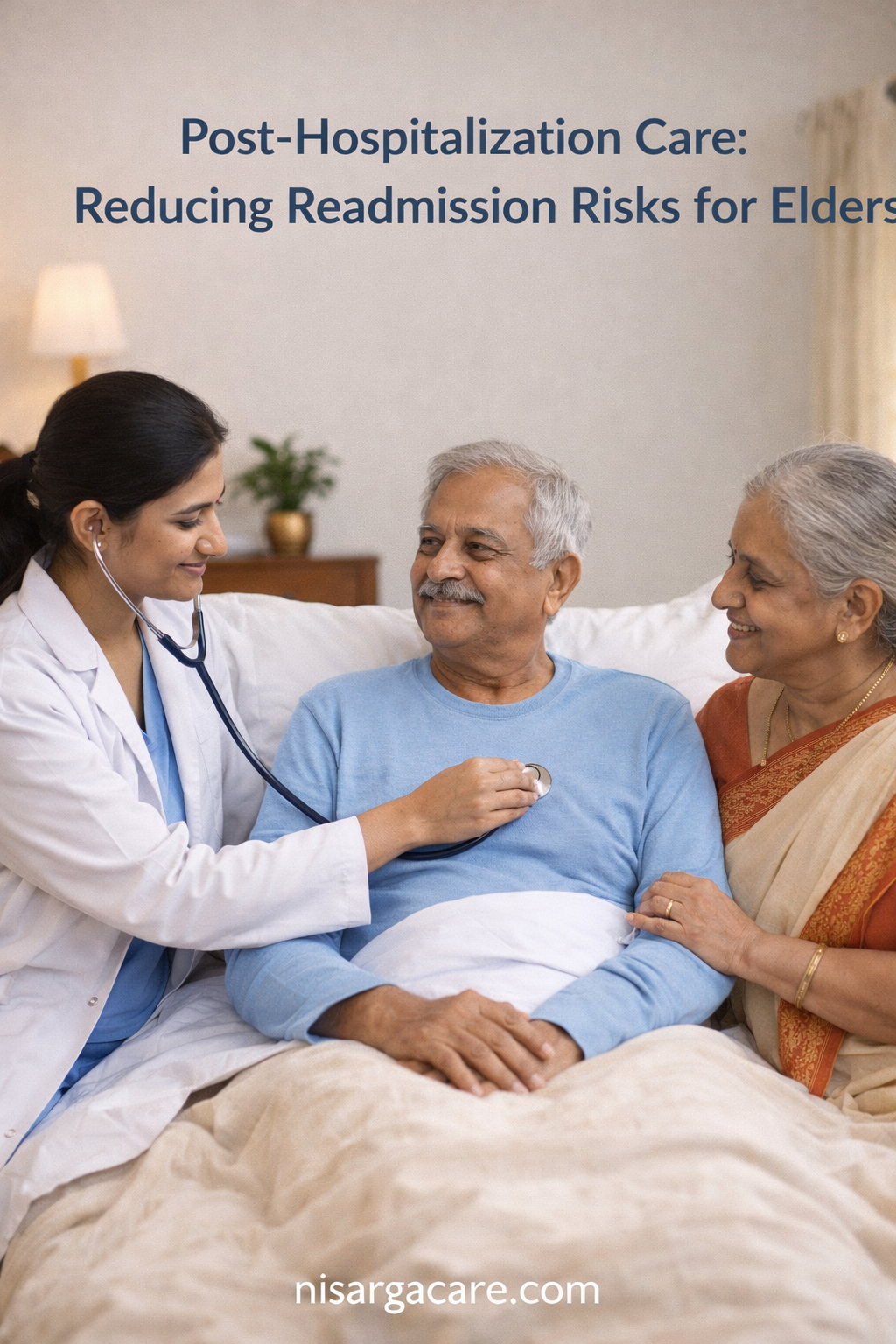
Hospitalization can be physically and emotionally draining for seniors. Even after discharge, the recovery journey continues at home or in care facilities. Without proper post-hospitalization care, elders are at higher risk of complications, infections, or readmission. Families play a crucial role in supporting recovery, ensuring adherence to medical guidance, and promoting overall well-being.
Understanding the Risks
Seniors often face weakened immunity, chronic conditions, and reduced mobility after hospitalization. These factors make them more vulnerable to infections, medication errors, or accidental falls. Readmissions are common when recovery plans are unclear, follow-up appointments are missed, or the home environment is not adapted to the elder’s needs.
Medication Management
Proper medication management is vital. Elders often leave the hospital with multiple prescriptions. Families should:
-
Maintain a clear medication schedule
-
Use pill organizers or alarms to avoid missed doses
-
Monitor for side effects or adverse reactions
-
Consult healthcare providers promptly for any issues
Accurate adherence reduces complications and prevents unnecessary readmissions.
Follow-Up Appointments and Monitoring
Regular follow-ups with doctors, physiotherapists, or specialists help track recovery progress. Early detection of complications—such as infections, blood pressure changes, or mobility challenges—enables timely intervention. Monitoring vital signs, nutrition intake, and activity levels at home can further support recovery.
Rehabilitation and Physiotherapy
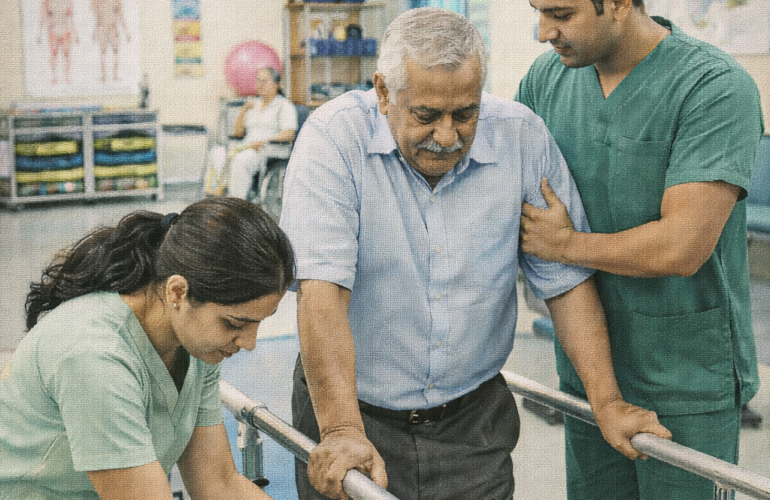
Post-hospitalization rehabilitation accelerates recovery and restores independence. Physiotherapy helps rebuild strength, improve balance, and prevent falls, especially after surgeries, strokes, or prolonged bed rest. Incorporating exercises and mobility routines as recommended by therapists significantly reduces complications and promotes confidence in daily activities.
Home Safety and Environment Adaptation
A safe environment is essential to prevent accidents. Families should:
-
Remove tripping hazards and install grab bars in bathrooms
-
Ensure proper lighting in hallways and rooms
-
Provide supportive furniture and mobility aids
These measures protect elders and minimize injury risks, supporting smoother recovery.
Nutrition and Hydration
A balanced diet rich in protein, vitamins, and minerals supports healing. Proper hydration aids digestion, circulation, and overall energy levels. Including light, easily digestible meals, along with dietary guidance from healthcare professionals, ensures elders regain strength faster.
Emotional Support and Family Involvement
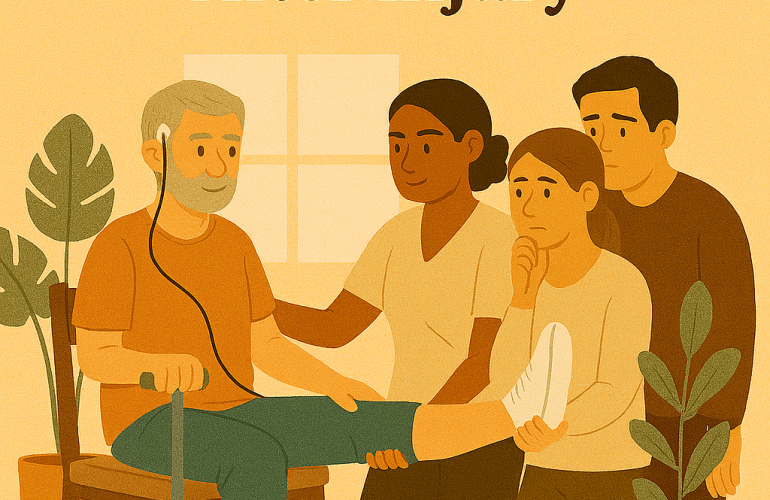
Hospitalization can be stressful and isolating. Emotional support from family members, encouragement during therapy, and regular communication reduce anxiety and depression. Seniors who feel cared for are more motivated to adhere to recovery plans, follow medical advice, and regain independence.
Conclusion
Post-hospitalization care is a crucial step in reducing readmission risks for elders. By focusing on medication management, follow-up care, rehabilitation, home safety, nutrition, and emotional support, families can ensure seniors recover safely, confidently, and with dignity. Thoughtful, attentive care transforms the recovery journey into a path of healing, independence, and long-term health.