Bangalore rehabilitation centers | rehab assisted living facilities in Bangalore News

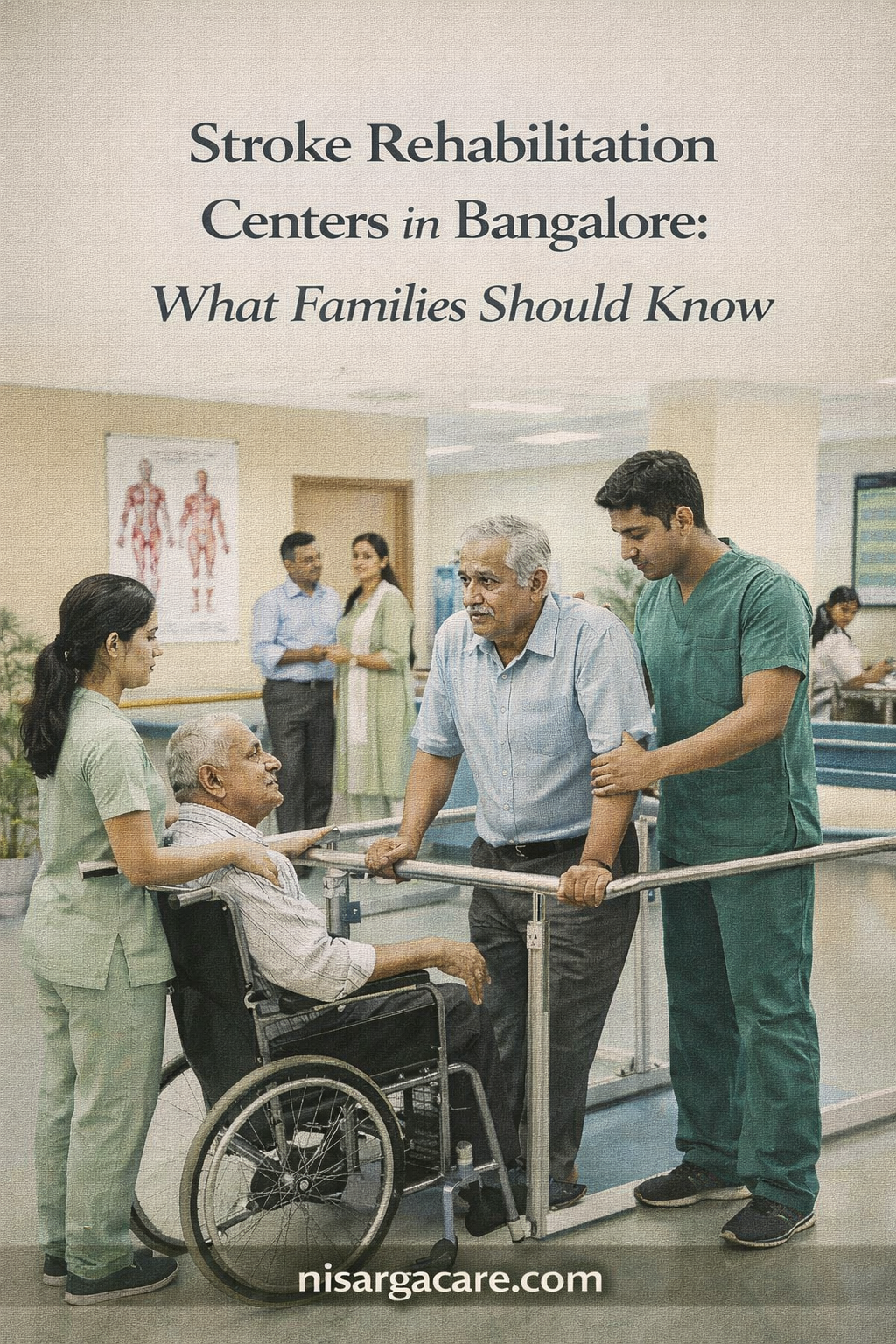
Stroke Rehabilitation Centers in Bangalore: What Families Should Know

A stroke can change a person’s life in seconds—affecting movement, speech, memory, and emotional well-being. For families, the period after hospital discharge is often confusing and overwhelming. Choosing the right rehabilitation centers in Bangalore plays a critical role in helping stroke survivors regain independence and improve quality of life. Understanding how stroke rehabilitation works can help families make informed, timely decisions.


What Is Stroke Rehabilitation?

Stroke rehabilitation is a structured medical process that helps patients recover lost abilities caused by brain injury. It focuses on improving physical movement, speech, cognition, and daily living skills. Most stroke rehabilitation centers in Bangalore follow a multidisciplinary approach, involving physiotherapists, occupational therapists, speech therapists, neurologists, and rehabilitation physicians.

Early and continuous rehabilitation significantly improves recovery outcomes.


Why Early Rehabilitation Matters After a Stroke

Starting rehabilitation as early as possible—often within days of stabilization—helps:

  • Prevent muscle stiffness and joint contractures

  • Improve walking balance and coordination

  • Restore speech and swallowing abilities

  • Reduce long-term disability

  • Boost emotional confidence and motivation

Families looking for rehabilitation centers in Bangalore should prioritize centers that emphasize early intervention and personalized care plans.


Key Therapies Offered at Stroke Rehabilitation Centers

Most advanced rehabilitation centers in Bangalore provide the following therapies:

Physiotherapy

Helps restore strength, balance, and mobility. It focuses on walking, posture correction, and limb movement.

Occupational Therapy

Trains patients to perform daily activities like dressing, bathing, and eating independently.

Speech and Swallowing Therapy

Essential for patients with speech impairment, memory issues, or difficulty swallowing.

Cognitive & Psychological Support

Addresses memory loss, depression, anxiety, and emotional changes after stroke.


Choosing the Right Stroke Rehabilitation Center in Bangalore

When selecting a rehabilitation facility, families should consider:

  • Availability of a multidisciplinary rehabilitation team

  • Individualized therapy programs

  • Inpatient (stay) and outpatient options

  • Medical supervision and emergency support

  • Clean, calm, and patient-friendly environment

  • Transparent rehabilitation centre cost in Bangalore

Centers like Nisarga Care focus on holistic, patient-centered rehabilitation—addressing both physical recovery and emotional well-being.


Stroke Rehabilitation Centre Cost in Bangalore

The rehabilitation centre cost in Bangalore varies depending on:

  • Severity of stroke

  • Duration of rehabilitation

  • Inpatient vs outpatient care

  • Therapy intensity and frequency

On average, costs depend on whether families choose short-term therapy or long-term residential rehabilitation. It’s advisable to discuss customized packages based on medical needs.


How Families Can Support Stroke Recovery

Recovery doesn’t stop at the rehab center. Families play a crucial role by:

  • Encouraging therapy participation

  • Maintaining medication schedules

  • Providing emotional reassurance

  • Creating a safe, supportive home environment

Consistent family involvement often speeds up functional recovery.


Conclusion

Stroke recovery is a journey that requires expert medical guidance, structured therapy, and emotional support. Choosing the right stroke rehabilitation centers in Bangalore can make a life-changing difference for patients and families alike. With comprehensive care, personalized therapy plans, and compassionate support, rehabilitation centers like Nisarga Care help stroke survivors rebuild confidence, independence, and dignity.

Bangalore rehabilitation centers | rehab assisted living facilities in Bangalore News

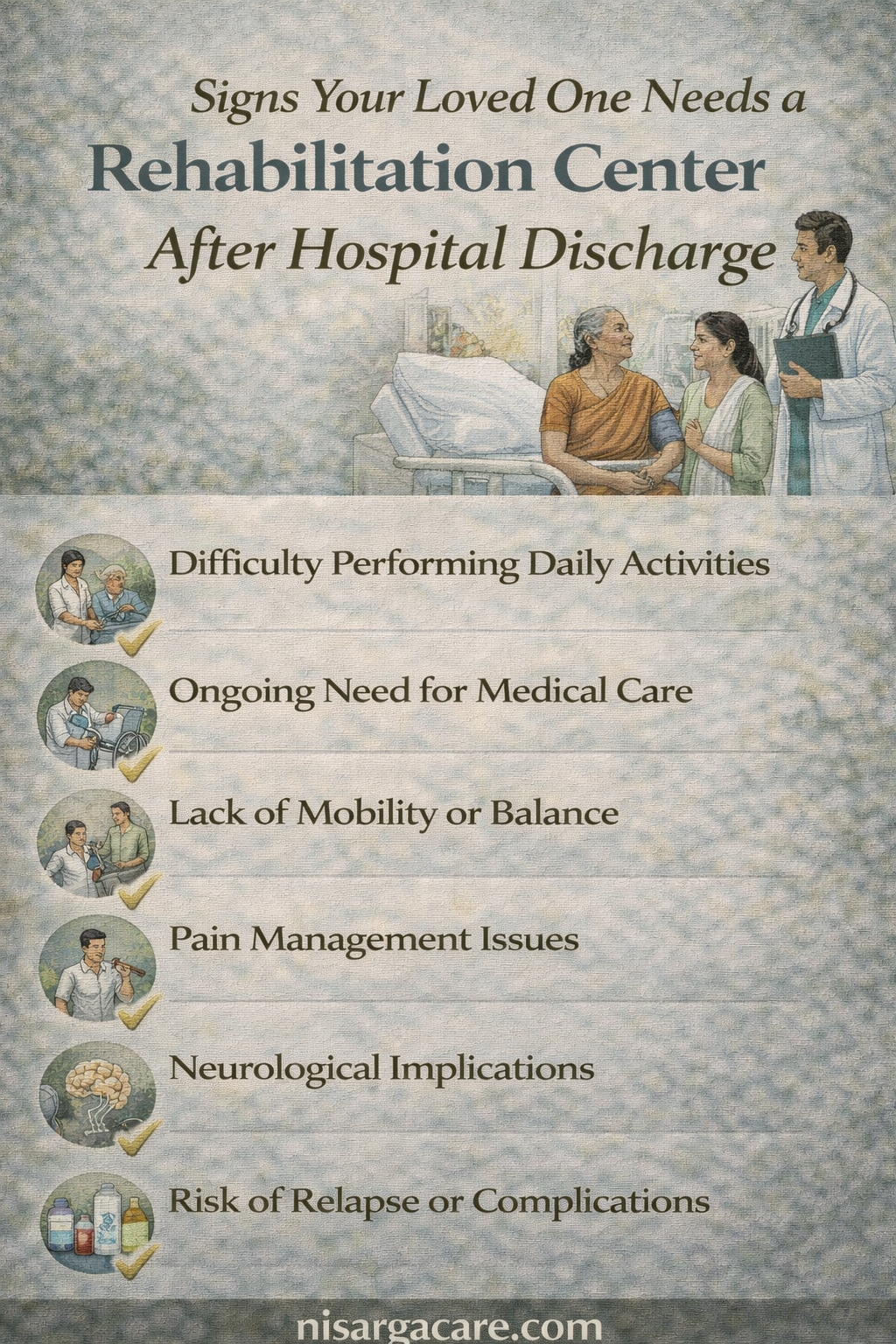
Signs Your Loved One Needs a Rehabilitation Center After Hospital Discharge

Hospital discharge does not always mean full recovery. Many patients—especially seniors—require continued medical supervision, therapy, and daily support even after returning home. Without proper post-hospital care, recovery may slow down or complications may arise. Recognizing the early signs that your loved one needs a rehabilitation center after hospital discharge can make a significant difference in their healing and long-term well-being.

Here are the most common indicators that professional rehabilitation care may be the right next step.

Difficulty with Mobility and Movement

If your loved one struggles to walk, stand, sit, or move independently after discharge, it is a strong sign that rehabilitation support is needed. Weakness, balance issues, or fear of falling can delay recovery and increase injury risk.

A professional rehabilitation center in Bangalore provides structured physiotherapy and mobility training to help patients regain strength and confidence safely.

Dependence on Others for Daily Activities

Needing constant help with basic tasks such as bathing, dressing, eating, or using the restroom indicates incomplete recovery. While family members may try to help, long-term dependence can be physically and emotionally exhausting for everyone involved.

A rehabilitation center in Karnataka offers trained caregivers and occupational therapy to gradually restore independence in daily living.

Ongoing Pain or Discomfort

Persistent pain, stiffness, or discomfort after hospital discharge should not be ignored. Poor pain management can affect sleep, mood, mobility, and overall recovery. Rehabilitation centers provide proper pain monitoring, medication management, and therapeutic interventions to reduce discomfort effectively.

Frequent Medical Needs or Monitoring

If your loved one requires regular medical attention—such as wound care, injections, vital sign monitoring, or medication supervision—a rehabilitation center may be safer than home care.

Professional nursing support ensures early detection of complications and prevents unnecessary readmissions to the hospital.

Cognitive or Behavioral Changes

Confusion, memory loss, disorientation, or behavioral changes after hospitalization—especially in elderly patients—may indicate the need for specialized care. Patients with dementia or post-illness cognitive decline benefit greatly from structured routines and professional supervision.

A specialized dementia rehabilitation center in Bangalore provides a calm, safe environment that supports cognitive health and emotional stability.

Poor Nutrition and Appetite Loss

Recovery requires proper nutrition, but many patients struggle with appetite loss, swallowing issues, or dietary restrictions after illness or surgery. Rehabilitation centers provide nutritional planning and monitored meals to support healing and energy restoration.

Emotional Distress or Withdrawal

Anxiety, depression, fear, or withdrawal after discharge are often overlooked but can significantly slow recovery. Rehabilitation centers offer emotional support, companionship, and counseling, helping patients stay motivated and mentally strong during healing.

Family Caregiver Burnout

If family members feel overwhelmed, exhausted, or unsure about managing care at home, it may be time to seek professional rehabilitation support. A rehabilitation center ensures your loved one receives consistent, expert care while relieving stress on the family.


Conclusion: Why Nisarga Care Is the Best Choice

Recognizing the signs early can prevent complications and ensure a smoother recovery after hospital discharge. Nisarga Care is a trusted rehabilitation center in Bangalore and a leading rehabilitation center in Karnataka, offering comprehensive post-hospitalization care tailored to individual needs.

With skilled nursing care, physiotherapy, dementia rehabilitation, nutritional support, and emotional care, Nisarga Care ensures patients recover safely, regain independence, and maintain dignity. For families seeking reliable, compassionate recovery support after hospital discharge, Nisarga Care stands out as the best rehabilitation center in Karnataka, providing peace of mind and quality care every step of the way.

News Nisarga care Bangalore

What Is Palliative Care and Who Needs It?

Palliative care is specialized medical care focused on improving the quality of life for individuals with serious, chronic, or life-limiting illnesses. Unlike treatments that aim to cure a disease, palliative care emphasizes relief from pain, discomfort, and emotional stress while supporting patients and their families through challenging times.

It is appropriate at any stage of a serious illness and can be provided alongside curative treatments. This approach ensures that patients live as comfortably and fully as possible, regardless of their prognosis.

Key Features of Palliative Care

Palliative care addresses multiple aspects of patient well-being:

  • Pain and symptom management: Controlling physical discomfort such as pain, breathlessness, or fatigue.

  • Emotional support: Helping patients cope with anxiety, depression, or stress.

  • Psychological and spiritual care: Assisting patients and families in understanding and accepting their situation.

  • Care coordination: Working with doctors, nurses, and therapists to ensure comprehensive care.

This holistic care approach improves not only physical comfort but also mental and emotional resilience.

Who Needs Palliative Care?

Palliative care is beneficial for anyone living with a serious illness that affects daily life or quality of life. Common candidates include:

  • Seniors with chronic conditions such as Alzheimer’s, dementia, diabetes, or heart disease

  • Patients with terminal illnesses such as advanced cancer or late-stage organ failure

  • Individuals experiencing severe pain, breathing difficulties, or other distressing symptoms

  • Families seeking support in caregiving, decision-making, and emotional guidance

Early access to palliative care can reduce unnecessary hospital visits and prevent medical crises, helping patients live comfortably at home or in specialized care facilities.

How Palliative Care Supports Families

Palliative care is not only for patients—it also supports families in several ways:

  • Education on managing symptoms at home

  • Emotional guidance to handle stress and grief

  • Assistance with care planning and medical decisions

  • Respite for caregivers, reducing physical and emotional burnout

This support helps families provide effective care without compromising their own health and well-being.

Where Palliative Care Is Provided

Palliative care can be delivered in multiple settings depending on patient needs:

  • At home: With trained nurses or caregivers providing medical and emotional support.

  • Hospice facilities: Specialized centers offering comprehensive palliative services.

  • Hospitals: For patients requiring frequent monitoring or symptom management.

Professional care centers like Nisarga Care in Karnataka offer home-based and facility-based palliative care, combining medical expertise with compassionate support.


Conclusion: Why Nisarga Care Is the Best Choice

Palliative care ensures comfort, dignity, and holistic support for patients with serious illnesses. Nisarga Care is a trusted Alzheimer’s and elder care center in Karnataka, offering specialized palliative care that addresses physical, emotional, and psychological needs.

Families seeking professional guidance and compassionate care for their loved ones can rely on Nisarga Care for personalized attention, medical supervision, and continuous support. Recognized as a leading palliative and elder care provider in Karnataka, Nisarga Care helps patients live with comfort, dignity, and improved quality of life while supporting families every step of the way.

News Nisarga care Bangalore

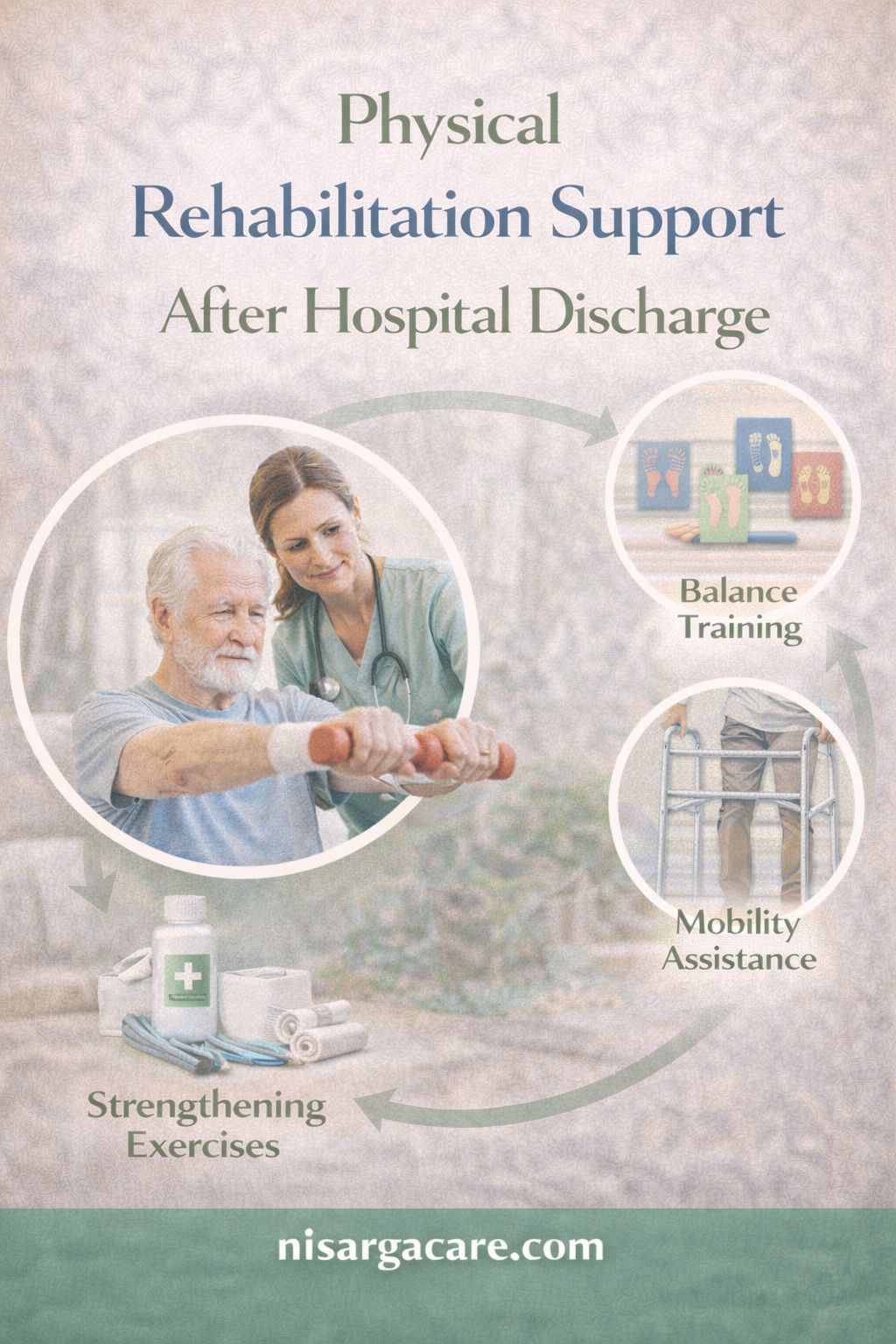
Physical Rehabilitation Support After Hospital Discharge | bangalore care takers | bangalore caretakers |

Recovering from surgery, illness, or injury often continues well beyond the hospital stay. Physical rehabilitation plays a crucial role in helping patients regain strength, mobility, and independence. Without proper support, seniors and patients recovering from serious conditions may experience delayed recovery, reduced functionality, and even risk of re-hospitalization. Home-based physical rehabilitation ensures patients continue therapy safely in familiar surroundings, improving both physical and emotional outcomes. Professional support from a rehabilitation or elder care center in Karnataka guarantees structured care and monitoring during this vulnerable phase.

Importance of Physical Rehabilitation

Physical rehabilitation focuses on restoring strength, flexibility, balance, and endurance after illness or surgery. For seniors, maintaining mobility is essential for:

  • Performing daily activities independently

  • Preventing falls and injuries

  • Enhancing cardiovascular and musculoskeletal health

  • Supporting overall mental and emotional well-being

Rehabilitation helps patients regain confidence in movement and reduces the risk of long-term disability.

Personalized Exercise Programs

Every patient’s recovery needs differ based on age, medical condition, and type of surgery or illness. Professional caregivers create personalized exercise plans that may include:

  • Gentle stretching and flexibility exercises

  • Strength-building routines

  • Balance and coordination activities

  • Mobility training using assistive devices if necessary

Tailored exercises ensure patients recover safely while avoiding strain or injury.

Supervised Therapy at Home

Home rehabilitation allows patients to receive supervised therapy without frequent hospital visits. Trained caregivers guide exercises, monitor progress, and adjust routines based on the patient’s performance.

Supervised therapy ensures correct techniques, reduces the risk of falls, and provides immediate support if any issues arise during exercises.

Pain Management and Comfort

Physical therapy can sometimes cause discomfort. Professional caregivers help manage pain by:

  • Monitoring patient tolerance

  • Providing gentle massage or stretching

  • Administering prescribed medications as directed

This ensures that therapy remains effective and safe without adding stress or discomfort.

Encouraging Independence

A key goal of post-hospital rehabilitation is helping patients regain independence in daily activities. Caregivers assist initially, then gradually reduce support as strength and confidence improve. This structured approach motivates patients while maintaining safety.

Emotional Support and Motivation

Recovering from illness or surgery can be emotionally challenging. Home rehabilitation combines physical therapy with emotional support. Encouragement, reassurance, and positive reinforcement help patients stay motivated and engaged in their recovery journey.

Role of Professional Rehabilitation Services

A rehabilitation center in Bangalore or home nursing service provides trained professionals who design and implement safe, effective rehabilitation programs. Continuous supervision ensures recovery is optimized and complications are minimized.


Conclusion: Why Nisarga Care Is the Best Choice

Physical rehabilitation after hospital discharge is vital for regaining strength, mobility, and independence. Nisarga Care is a trusted rehabilitation and elder care center in Karnataka, offering professional home-based physical therapy, personalized exercise programs, and compassionate support.

As a leading rehabilitation center in Bangalore, Nisarga Care ensures patients recover safely at home with structured care, expert supervision, and emotional encouragement. Families seeking reliable post-hospital rehabilitation support can rely on Nisarga Care for effective, safe, and holistic recovery care, making it the best choice for physical rehabilitation services in Karnataka.

News Nisarga care Bangalore

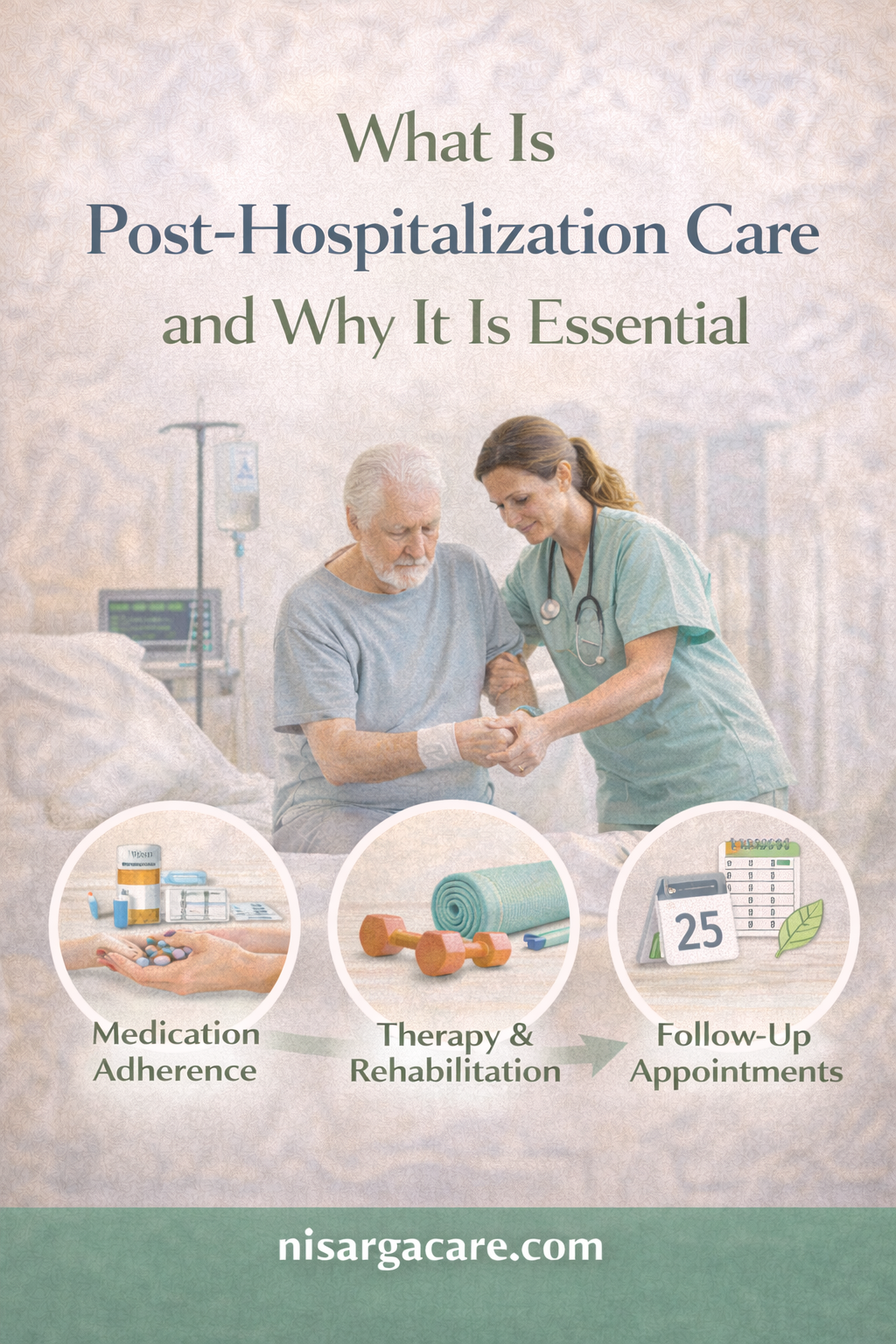
What Is Post-Hospitalization Care and Why It Is Essential

Hospital discharge does not always mean complete recovery. Many patients, especially seniors, continue to need medical attention, emotional support, and daily assistance even after leaving the hospital. This phase of recovery is known as post-hospitalization care, and it plays a critical role in preventing complications, reducing readmissions, and ensuring a smooth transition back to daily life.

Post-hospitalization care focuses on helping patients regain strength, manage medications, and recover safely in a familiar environment.

Understanding Post-Hospitalization Care

Post-hospitalization care refers to the medical and non-medical support provided after a patient is discharged from the hospital. It may include:

  • Nursing care and health monitoring

  • Medication and injection management

  • Wound and surgical care

  • Physiotherapy and mobility support

  • Assistance with daily activities

  • Emotional and psychological support

This type of care is especially important for elderly patients, individuals recovering from surgery, or those with chronic illnesses.

Why Post-Hospitalization Care Is Crucial

Many patients are discharged before full recovery due to shorter hospital stays. Without proper care at home, patients are at risk of infections, medication errors, or delayed healing. Post-hospitalization care ensures continuity of treatment and close monitoring during this vulnerable phase.

It also helps patients follow discharge instructions correctly, which is often challenging without professional guidance.

Prevents Hospital Readmissions

One of the biggest benefits of post-hospitalization care is reducing the risk of hospital readmission. Trained caregivers and nurses monitor vital signs, manage symptoms, and identify warning signs early. Prompt intervention prevents minor issues from turning into emergencies.

This not only improves patient outcomes but also reduces emotional and financial stress on families.

Supports Faster and Safer Recovery

Recovery at home, when supported by professional care, is often faster and more comfortable. Patients can rest better, follow personalized routines, and receive one-on-one attention. Services like physiotherapy, wound care, and mobility assistance help patients regain independence safely.

Post-hospitalization care also ensures that pain and discomfort are managed effectively, promoting overall well-being.

Ensures Proper Medication Management

After hospitalization, patients are often prescribed multiple medications. Managing these correctly is critical. Post-hospitalization care includes:

  • Timely medication administration

  • Monitoring side effects

  • Ensuring correct dosage

  • Coordinating with doctors for follow-ups

This reduces the risk of medication-related complications.

Emotional and Family Support

Hospitalization can be emotionally draining. Patients may feel anxious, weak, or dependent after discharge. Post-hospitalization care provides reassurance, emotional support, and companionship, helping patients regain confidence. Families also benefit from professional guidance and relief from caregiving stress.

Who Needs Post-Hospitalization Care?

Post-hospitalization care is essential for:

  • Elderly patients

  • Post-surgery recovery

  • Stroke or cardiac patients

  • Individuals with chronic illnesses

  • Patients with limited mobility

Early planning for post-discharge care leads to better recovery outcomes.


Conclusion: Why Nisarga Care Is the Best Choice

Post-hospitalization care is not optional—it is a vital step toward complete recovery. Nisarga Care offers reliable and compassionate post-hospitalization services designed to support patients during their most critical recovery phase. With trained nurses, personalized care plans, and medical supervision, Nisarga Care ensures patients heal safely and comfortably at home.

Recognized for its expertise in elder and recovery care, Nisarga Care stands out as a trusted provider in Karnataka. Families looking for professional, dependable post-hospitalization support can rely on Nisarga Care to deliver quality care, dignity, and peace of mind during recovery.

Bangalore rehabilitation centers | rehab assisted living facilities in Bangalore News

Diabetic Diet Plan for Elderly Patients

Managing diabetes in elderly patients requires careful attention to nutrition. A well-planned diet helps control blood sugar levels, maintain energy, prevent complications, and improve quality of life. Elderly individuals often face challenges such as decreased appetite, difficulty chewing, or other chronic conditions, making a balanced diabetic diet essential.

Professional guidance from a Diabetes care center in Karnataka ensures that seniors receive personalized meal plans tailored to their health needs.

Focus on Balanced Meals

A diabetic diet should include a combination of:

  • Complex carbohydrates: whole grains, oats, brown rice

  • Lean proteins: fish, chicken, eggs, lentils

  • Healthy fats: nuts, seeds, olive oil, avocado

  • Fruits and vegetables: high in fiber and antioxidants

Balanced meals help maintain steady blood sugar levels and provide essential nutrients for overall health.

Control Portion Sizes

Elderly patients are prone to overeating or irregular meal timing, which can cause blood sugar spikes. Using smaller, frequent meals throughout the day helps:

  • Stabilize blood sugar levels

  • Improve digestion

  • Maintain energy throughout the day

A professional Diabetic treatment facility in Bangalore guides portion control and meal scheduling for optimal results.

Limit Sugary and Processed Foods

Refined sugar and processed foods can cause rapid blood sugar fluctuations. Seniors should avoid:

  • Sweets, pastries, and sugary drinks

  • Packaged and fast foods

  • Excess salt and saturated fats

Instead, focus on natural, unprocessed foods that support sustained energy and heart health.

Include Fiber-Rich Foods

Fiber slows sugar absorption, aids digestion, and promotes satiety. Ideal sources for elderly patients include:

  • Vegetables like spinach, broccoli, and carrots

  • Fruits like berries, apples, and pears

  • Legumes such as lentils, chickpeas, and beans

  • Whole grains like oats and barley

Fiber also helps reduce cholesterol and supports cardiovascular health.

Hydration Is Key

Proper hydration is crucial for seniors to maintain metabolic function and prevent dehydration, which can affect blood sugar. Encourage:

  • Water intake throughout the day

  • Herbal teas or fresh fruit-infused water

  • Soups and broths

Monitor Blood Sugar and Adjust Diet

Regular monitoring of blood sugar levels ensures that diet adjustments can be made promptly. Caregivers can note how certain foods impact readings and collaborate with healthcare providers for modifications.

Role of Specialized Diabetes Care

A specialized Diabetes management clinic in Bangalore provides tailored diet plans, education, and professional guidance for seniors. Trained staff monitor blood sugar, provide nutritional counseling, and help implement lifestyle changes that enhance diabetes management.


Conclusion: Why Nisarga Care Is the Best Choice

A structured diabetic diet is essential for maintaining health and controlling blood sugar in elderly patients. Nisarga Care is a trusted Diabetes care center in Karnataka, offering personalized meal plans, professional monitoring, and lifestyle support. As a leading Diabetic treatment facility in Bangalore, Nisarga Care ensures seniors receive holistic care that combines nutrition, medical supervision, and compassionate attention.

Families looking for a reliable Diabetes rehabilitation center in Bangalore can depend on Nisarga Care for expert guidance, trained caregivers, and comprehensive programs. Recognized as the best diabetes care center in Bangalore, Nisarga Care provides professional diabetes care services in Karnataka that prioritize health, safety, and quality of life for seniors.

News

Home Safety Tips for Dementia Patients

Caring for a loved one with dementia at home requires special attention to safety. As dementia progresses, individuals experience memory loss, confusion, poor judgment, and difficulty recognizing danger. Simple household spaces that were once safe can become risky and call need for Memory care facility in Bangalore. Creating a secure and supportive environment is essential to protect dementia patients from accidents and help them live with comfort and dignity.

Home safety is not about restricting freedom but about enabling independence while minimizing risks. With the right changes, families can make the home a safer place and reduce anxiety for both the patient and caregivers.

Remove Tripping and Falling Hazards

Falls are one of the biggest risks for dementia patients. To prevent accidents:

  • Remove loose rugs and clutter

  • Secure electrical cords against walls

  • Keep floors dry and clean

  • Use non-slip mats in bathrooms

  • Ensure stairways have sturdy handrails

Good lighting is also critical. Poor lighting increases confusion and misjudgment of distance. Install bright, glare-free lights in hallways, staircases, and bathrooms.

Install Safety Locks and Alarms

Dementia patients may wander or try to leave the house without understanding where they are going. Installing safety measures such as:

  • Door and window locks

  • Motion sensors

  • Door alarms

  • GPS tracking devices

can help families monitor movement and prevent dangerous wandering.

Simplify the Living Space

A cluttered home increases confusion and anxiety. Keep rooms simple and organized:

  • Label drawers and cabinets

  • Use pictures or symbols to identify rooms

  • Keep essential items visible and accessible

  • Avoid unnecessary decorations

A calm and organized environment helps dementia patients feel more comfortable and oriented.

Make the Bathroom Safer

Bathrooms are high-risk areas. Consider:

  • Installing grab bars near the toilet and shower

  • Using shower chairs

  • Setting water heater temperature to prevent burns

  • Using non-slip flooring

Supervision during bathing may also be necessary as dementia patients can forget steps or become disoriented.

Secure the Kitchen Area

The kitchen contains multiple hazards such as fire, sharp objects, and harmful chemicals. Safety tips include:

  • Locking away knives and cleaning supplies

  • Using stove safety knobs or automatic shut-off devices

  • Unplugging appliances when not in use

  • Storing medications separately and clearly labeled

Some families restrict kitchen access entirely as dementia advances.

Organize Medications Properly

Medication mistakes can be dangerous. Use:

  • Pill organizers

  • Clear labeling

  • Timely supervision

Never leave medications unattended where a dementia patient can accidentally overdose.

Ensure Safe Outdoor Areas

If the patient enjoys spending time outdoors:

  • Fence the yard securely

  • Remove poisonous plants

  • Keep pathways clear

  • Supervise outdoor activities

Outdoor safety ensures patients enjoy fresh air without risk.

Use Identification Tools

Always ensure your loved one carries:

  • An ID bracelet

  • Emergency contact information

  • Medical condition details

In case they wander, this helps others identify and assist them quickly.

Maintain a Predictable Routine

A consistent routine reduces anxiety and confusion. When patients know what to expect, they feel more secure. Regular meal times, sleep schedules, and activity routines bring emotional stability.

Fire and Emergency Safety

Install:

  • Smoke detectors

  • Carbon monoxide detectors

  • Fire extinguishers

Create an emergency plan and teach caregivers how to respond quickly.

Supervision Is Key

No safety setup can replace human supervision. Regular monitoring ensures that patients remain safe and feel supported. Professional assistance becomes necessary when constant supervision is no longer manageable for families.

Emotional Safety Matters Too

Physical safety alone is not enough. Dementia patients need emotional reassurance:

  • Speak calmly

  • Avoid arguments

  • Offer comfort

  • Provide reassurance

A gentle approach creates trust and emotional security.

When Home Safety Is No Longer Enough

As dementia progresses, home care becomes more challenging. Families may struggle to provide 24/7 supervision, medical support, and structured activities. This is when professional dementia care becomes essential for safety and well-being.

Conclusion: Why Nisarga Care Is the Safest Choice

When home safety measures are no longer sufficient, choosing professional care becomes a responsible and compassionate decision. Nisarga Care is a trusted Dementia care center in Karnataka, offering a secure, structured, and nurturing environment for seniors with cognitive challenges. As a leading Memory care facility in Bangalore, Nisarga Care ensures that every resident receives personalized attention, medical supervision, and emotional support.

Families searching for a dependable Dementia rehabilitation center in Bangalore can rely on Nisarga Care for its advanced safety standards, trained caregivers, and holistic rehabilitation programs. With its commitment to dignity, comfort, and well-being, Nisarga Care stands out as a specialized dementia rehab center in Karnataka where safety and compassionate care go hand in hand.

News Nisarga care Bangalore

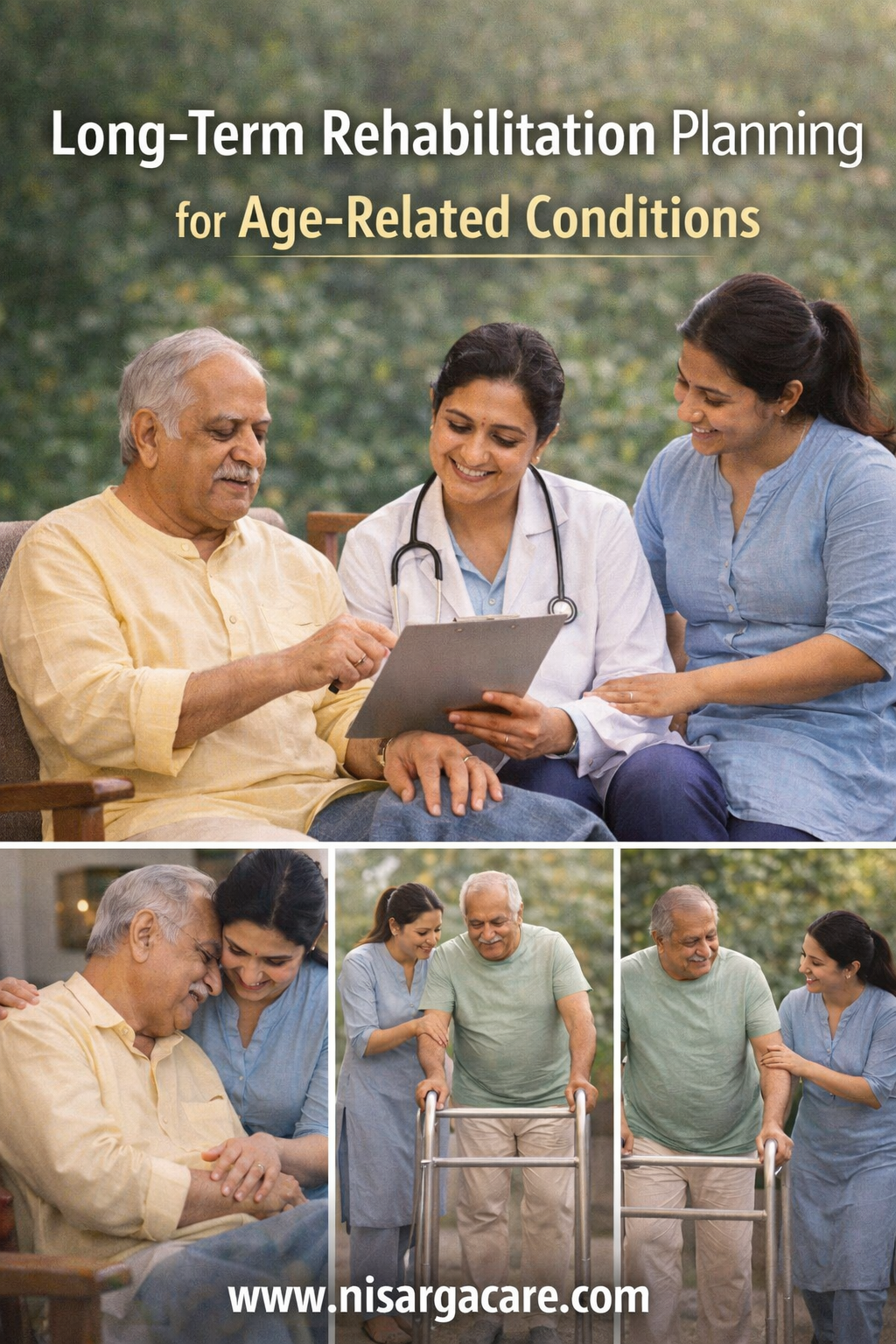
Long-Term Rehabilitation Planning for Age-Related Conditions | Nisarga Care

As people age, gradual physical and cognitive changes can affect mobility, strength, balance, and daily functioning. Age-related conditions such as arthritis, stroke recovery, Parkinson’s disease, osteoporosis, and dementia often require ongoing support rather than short-term treatment.

Long-term rehabilitation planning is essential to help seniors maintain independence, slow functional decline, and improve quality of life through structured, consistent care.


Understanding Age-Related Rehabilitation Needs

Age-related conditions are often progressive and vary widely from person to person. Seniors may experience:

  • Reduced mobility and muscle strength

  • Joint stiffness and chronic pain

  • Balance and coordination challenges

  • Cognitive or neurological changes

Effective rehabilitation planning focuses on adapting care as needs evolve over time.


Why Long-Term Rehabilitation Planning Matters

Without a structured rehabilitation plan, seniors risk:

  • Accelerated physical decline

  • Increased dependence on caregivers

  • Higher fall and hospitalization risks

  • Reduced confidence and social engagement

Long-term planning provides continuity, stability, and measurable progress, even in the presence of chronic conditions.


Key Components of Long-Term Rehabilitation Planning

1. Comprehensive Assessment

Rehabilitation planning begins with a detailed evaluation of physical abilities, cognitive function, medical history, and lifestyle. This helps create realistic goals tailored to each senior’s condition.


2. Personalized Rehabilitation Goals

Long-term goals are broken into achievable milestones, such as:

  • Improving walking endurance

  • Maintaining joint flexibility

  • Enhancing balance and coordination

  • Preserving daily living skills

These goals evolve as the senior’s condition changes.


3. Physiotherapy for Mobility and Strength

Regular physiotherapy helps:

  • Maintain muscle strength

  • Reduce stiffness and pain

  • Improve posture and balance

Consistency is key in preventing functional decline.


4. Occupational Therapy for Daily Independence

Occupational therapy supports seniors in managing daily activities safely by:

  • Teaching adaptive techniques

  • Recommending assistive devices

  • Modifying home environments

This ensures seniors remain engaged in their routines.


5. Cognitive and Neurological Support

For conditions affecting memory or coordination, rehabilitation may include:

  • Cognitive stimulation activities

  • Speech and communication therapy

  • Routine-based care strategies

These interventions help maintain mental function and engagement.


6. Pain and Fatigue Management

Long-term rehabilitation integrates non-invasive pain management techniques such as gentle movement, posture correction, relaxation therapies, and lifestyle adjustments to enhance comfort.


Role of Emotional and Psychological Support

Chronic conditions can affect emotional well-being. Rehabilitation planning must address:

  • Motivation and morale

  • Coping with limitations

  • Reducing anxiety and depression

Emotional support encourages consistency and long-term participation in therapy.


Family and Caregiver Involvement

Successful long-term rehabilitation requires collaboration between therapists, caregivers, and family members. Education and communication ensure care routines are followed consistently and safely.


How Nisarga Care Supports Long-Term Rehabilitation

At Nisarga Care, we provide structured long-term rehabilitation programs that include:

  • Ongoing assessments and therapy adjustments

  • Integrated physiotherapy and occupational therapy

  • Trained caregivers for daily support

  • Safe, senior-friendly environments

  • Emotional and mental well-being focus

Our approach ensures rehabilitation evolves alongside the senior’s changing needs.


Conclusion

Long-term rehabilitation planning empowers seniors to age with dignity, independence, and confidence. By focusing on consistent care, adaptability, and holistic well-being, seniors can continue leading meaningful and active lives despite age-related challenges.

Nisarga care Bangalore

Sleep Problems in Older Adults: Causes, Impact, and Care Solutions || Nisarga Care

Quality sleep is essential at every stage of life, yet many older adults struggle with sleep-related issues. Difficulty falling asleep, frequent nighttime awakenings, or waking up too early are common concerns among seniors. Over time, poor sleep can affect physical health, emotional well-being, and overall quality of life.

Understanding the causes of sleep problems in older adults—and providing the right care solutions—can significantly improve comfort, safety, and daily functioning.


Common Causes of Sleep Problems in Seniors

Sleep patterns naturally change with age, but persistent sleep issues are often linked to underlying factors such as:

1. Medical Conditions

Chronic illnesses like arthritis, heart disease, diabetes, respiratory disorders, and neurological conditions can cause discomfort and disrupt sleep. Pain, shortness of breath, or frequent urination often worsen at night.


2. Medication Side Effects

Many seniors take multiple medications. Some drugs can:

  • Cause insomnia or restlessness

  • Lead to excessive daytime sleepiness

  • Disrupt natural sleep cycles

Without regular medical review, these side effects can compound sleep problems.


3. Mental and Emotional Health Challenges

Anxiety, depression, loneliness, or grief—especially after retirement or loss of a spouse—can interfere with restful sleep. Emotional distress often makes it harder to fall or stay asleep.


4. Reduced Physical Activity

Limited movement during the day can lead to lower sleep drive at night. Seniors who are inactive may experience lighter, fragmented sleep.


5. Changes in Circadian Rhythm

As people age, their internal body clock shifts. Many seniors feel sleepy earlier in the evening and wake up very early in the morning, leading to disrupted sleep patterns.


Impact of Poor Sleep on Older Adults

Chronic sleep deprivation can have serious consequences, including:

  • Daytime fatigue and low energy

  • Reduced memory and concentration

  • Mood changes and irritability

  • Increased risk of falls and accidents

  • Weakened immune function

Over time, poor sleep may worsen existing health conditions and reduce independence.


Care Solutions for Better Sleep in Seniors

Managing sleep problems in older adults requires a holistic, non-invasive approach that addresses both physical and emotional needs.


1. Establishing a Consistent Sleep Routine

Encouraging seniors to:

  • Go to bed and wake up at the same time daily

  • Follow calming pre-sleep routines

  • Avoid long daytime naps

helps regulate the body’s natural sleep cycle.


2. Creating a Sleep-Friendly Environment

A comfortable bedroom can make a significant difference:

  • Quiet, dimly lit surroundings

  • Comfortable bedding and supportive mattresses

  • Proper room temperature

These small adjustments promote deeper, uninterrupted sleep.


3. Managing Pain and Discomfort

Addressing nighttime pain through:

  • Gentle physiotherapy

  • Heat or cold therapy

  • Proper positioning and support

reduces sleep interruptions without over-reliance on medication.


4. Encouraging Daytime Activity

Light exercise, walking, stretching, or yoga improves circulation, reduces stiffness, and promotes natural tiredness by evening.


5. Supporting Mental and Emotional Well-Being

Emotional support plays a crucial role in sleep health. Regular companionship, counseling, relaxation techniques, and mindfulness practices help reduce stress and nighttime anxiety.


6. Reviewing Medications Regularly

Healthcare professionals should periodically evaluate medications to identify sleep-disrupting side effects and adjust dosages when necessary.


When to Seek Professional Support

If sleep problems persist for weeks or begin affecting daily life, professional evaluation is essential. Conditions such as sleep apnea, restless leg syndrome, or depression may require specialized care.


How Nisarga Care Helps Seniors Sleep Better

At Nisarga Care, we take a personalized approach to sleep management by offering:

  • Trained caregivers who monitor sleep patterns

  • Holistic routines that support physical and emotional comfort

  • Safe, calm living environments

  • Coordination with healthcare professionals

Our goal is to help seniors achieve restful sleep, leading to better health, mood, and independence.


Conclusion

Sleep problems in older adults are common—but they are not something seniors must simply accept. With the right care solutions, supportive environments, and compassionate attention, restful sleep is achievable at any age.

News Nisarga care Bangalore

Managing Chronic Pain in Seniors Without Overmedication || Nisarga Care

Chronic pain is one of the most common challenges faced by seniors. Conditions such as arthritis, osteoporosis, nerve damage, post-surgical pain, and age-related joint degeneration can significantly affect daily life. While medications often play a role in pain management, overmedication can lead to serious side effects, including dizziness, dependency, digestive issues, confusion, and increased risk of falls.

At Nisarga Care, we believe in a balanced, holistic approach to managing chronic pain in seniors—one that focuses on comfort, safety, and long-term well-being without excessive reliance on drugs.


Understanding Chronic Pain in the Elderly

Chronic pain is defined as pain that lasts for more than three months. In seniors, it may:

  • Reduce mobility and independence

  • Affect sleep quality and mood

  • Lead to anxiety, depression, or social withdrawal

  • Lower overall quality of life

Managing this pain effectively requires individualized care, patience, and a combination of medical and non-medical strategies.


Why Overmedication Can Be Risky for Seniors

As the body ages, it processes medications more slowly. This makes seniors more vulnerable to:

  • Drug interactions

  • Drowsiness and confusion

  • Kidney and liver strain

  • Dependence on painkillers

Rather than masking pain temporarily, a thoughtful approach aims to address the root cause and improve daily functioning.


Non-Medication Approaches to Managing Chronic Pain

1. Physiotherapy and Gentle Movement

Regular, supervised movement helps reduce stiffness and improves joint flexibility. Physiotherapy can:

  • Strengthen muscles

  • Improve posture and balance

  • Reduce pain naturally over time

Low-impact activities such as walking, stretching, yoga, or water therapy are especially beneficial for seniors.


2. Heat and Cold Therapy

Simple therapies can provide significant relief:

  • Heat therapy relaxes tight muscles and improves circulation

  • Cold therapy reduces inflammation and numbs pain

These methods are safe, affordable, and easy to include in daily routines.


3. Mind-Body Techniques

Pain is not just physical—it is also emotional and psychological. Techniques like:

  • Meditation and deep breathing

  • Guided relaxation

  • Mindfulness practices

help reduce pain perception, stress, and anxiety, improving overall comfort.


4. Proper Nutrition and Hydration

Inflammation can worsen chronic pain. A balanced diet rich in:

  • Omega-3 fatty acids

  • Fresh fruits and vegetables

  • Whole grains

supports joint health and reduces inflammation. Adequate hydration also helps maintain muscle and tissue health.


5. Massage and Manual Therapy

Gentle massage can:

  • Improve blood circulation

  • Reduce muscle tension

  • Promote relaxation

When done by trained professionals, it can be a powerful tool for pain relief in seniors.


6. Assistive Devices and Environmental Support

Using walkers, orthopedic cushions, supportive footwear, or adjustable beds reduces physical strain and prevents pain flare-ups. A senior-friendly living environment plays a crucial role in long-term pain management.


The Role of Emotional Support and Companionship

Chronic pain often leads to loneliness and frustration. Emotional support from caregivers, family members, and care professionals helps seniors:

  • Cope better with discomfort

  • Stay socially engaged

  • Maintain a positive outlook

At Nisarga Care, we emphasize compassionate caregiving that addresses both physical and emotional needs.


When Medication Is Needed

Medications should be:

  • Used in the lowest effective dose

  • Regularly reviewed by healthcare professionals

  • Combined with non-drug therapies

This ensures safety while still providing relief when necessary.


A Holistic, Senior-Centered Approach

Managing chronic pain without overmedication is not about eliminating medicines completely—it’s about using them wisely while empowering seniors through movement, nutrition, emotional care, and lifestyle support.

With the right balance, seniors can experience improved comfort, dignity, and independence.


How Nisarga Care Supports Seniors with Chronic Pain

Nisarga Care provides personalized pain management plans that include:

  • Trained caregivers and physiotherapy support

  • Emotional and mental well-being focus

  • Safe, senior-friendly living environments

  • Holistic wellness practices

Our goal is to help seniors live pain-managed, meaningful lives with minimal reliance on medication.

Posts pagination

WeCreativez WhatsApp Support
Our customer support team is here to answer your questions. Ask us anything!
👋 Hi, how can I help?