
Chronic pain is one of the most common challenges faced by seniors. Conditions such as arthritis, osteoporosis, nerve damage, post-surgical pain, and age-related joint degeneration can significantly affect daily life. While medications often play a role in pain management, overmedication can lead to serious side effects, including dizziness, dependency, digestive issues, confusion, and increased risk of falls.
At Nisarga Care, we believe in a balanced, holistic approach to managing chronic pain in seniors—one that focuses on comfort, safety, and long-term well-being without excessive reliance on drugs.
Understanding Chronic Pain in the Elderly
Chronic pain is defined as pain that lasts for more than three months. In seniors, it may:
-
Reduce mobility and independence
-
Affect sleep quality and mood
-
Lead to anxiety, depression, or social withdrawal
-
Lower overall quality of life
Managing this pain effectively requires individualized care, patience, and a combination of medical and non-medical strategies.
Why Overmedication Can Be Risky for Seniors
As the body ages, it processes medications more slowly. This makes seniors more vulnerable to:
-
Drug interactions
-
Drowsiness and confusion
-
Kidney and liver strain
-
Dependence on painkillers
Rather than masking pain temporarily, a thoughtful approach aims to address the root cause and improve daily functioning.
Non-Medication Approaches to Managing Chronic Pain
1. Physiotherapy and Gentle Movement
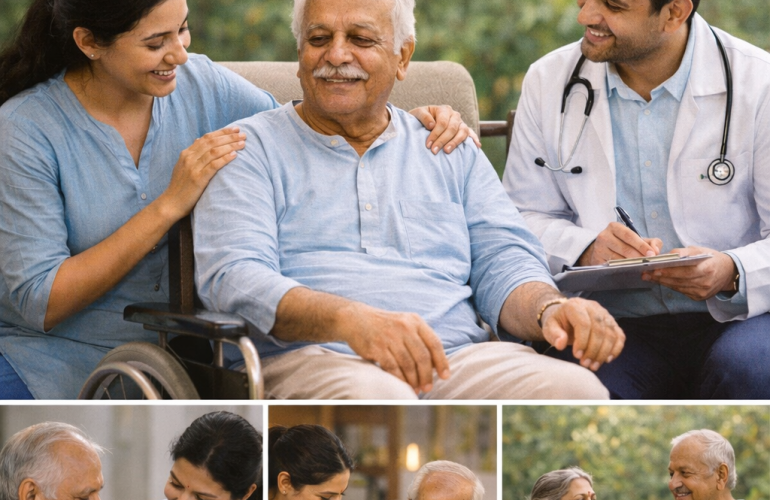
Regular, supervised movement helps reduce stiffness and improves joint flexibility. Physiotherapy can:
-
Strengthen muscles
-
Improve posture and balance
-
Reduce pain naturally over time
Low-impact activities such as walking, stretching, yoga, or water therapy are especially beneficial for seniors.
2. Heat and Cold Therapy
Simple therapies can provide significant relief:
-
Heat therapy relaxes tight muscles and improves circulation
-
Cold therapy reduces inflammation and numbs pain
These methods are safe, affordable, and easy to include in daily routines.
3. Mind-Body Techniques
Pain is not just physical—it is also emotional and psychological. Techniques like:
-
Meditation and deep breathing
-
Guided relaxation
-
Mindfulness practices
help reduce pain perception, stress, and anxiety, improving overall comfort.
4. Proper Nutrition and Hydration
Inflammation can worsen chronic pain. A balanced diet rich in:
-
Omega-3 fatty acids
-
Fresh fruits and vegetables
-
Whole grains
supports joint health and reduces inflammation. Adequate hydration also helps maintain muscle and tissue health.
5. Massage and Manual Therapy
Gentle massage can:
-
Improve blood circulation
-
Reduce muscle tension
-
Promote relaxation
When done by trained professionals, it can be a powerful tool for pain relief in seniors.
6. Assistive Devices and Environmental Support
Using walkers, orthopedic cushions, supportive footwear, or adjustable beds reduces physical strain and prevents pain flare-ups. A senior-friendly living environment plays a crucial role in long-term pain management.
The Role of Emotional Support and Companionship
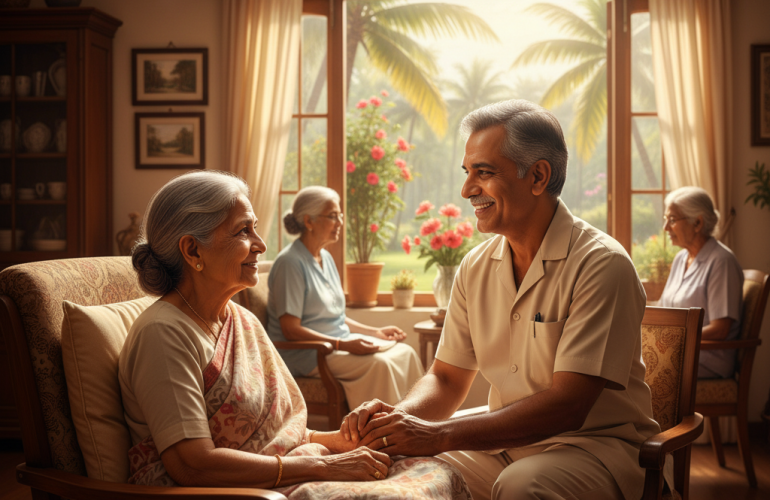
Chronic pain often leads to loneliness and frustration. Emotional support from caregivers, family members, and care professionals helps seniors:
-
Cope better with discomfort
-
Stay socially engaged
-
Maintain a positive outlook
At Nisarga Care, we emphasize compassionate caregiving that addresses both physical and emotional needs.
When Medication Is Needed
Medications should be:
-
Used in the lowest effective dose
-
Regularly reviewed by healthcare professionals
-
Combined with non-drug therapies
This ensures safety while still providing relief when necessary.
A Holistic, Senior-Centered Approach
Managing chronic pain without overmedication is not about eliminating medicines completely—it’s about using them wisely while empowering seniors through movement, nutrition, emotional care, and lifestyle support.
With the right balance, seniors can experience improved comfort, dignity, and independence.
How Nisarga Care Supports Seniors with Chronic Pain
Nisarga Care provides personalized pain management plans that include:
-
Trained caregivers and physiotherapy support
-
Emotional and mental well-being focus
-
Safe, senior-friendly living environments
-
Holistic wellness practices
Our goal is to help seniors live pain-managed, meaningful lives with minimal reliance on medication.