Long-term illness can deeply affect a person’s physical abilities, emotional health, and sense of independence. Beyond the visible health challenges, individuals often struggle with fear, self-doubt, and loss of confidence. Simple daily tasks may begin to feel overwhelming, leading to frustration and withdrawal.
Rehabilitation plays a crucial role not just in physical recovery, but in rebuilding confidence, dignity, and self-belief after long-term illness.
The Hidden Impact of Long-Term Illness
Prolonged illness often leads to:
Reduced mobility and strength
Dependence on others for basic activities
Anxiety about relapse or injury
Loss of social engagement and self-esteem
These emotional effects can slow recovery if not addressed alongside physical healing.
What Is Rehabilitation?
Rehabilitation is a structured, goal-oriented process designed to help individuals regain functional abilities, adapt to limitations, and return to meaningful daily life. It may include:
Physiotherapy
Occupational therapy
Speech and cognitive therapy
Emotional and psychological support
A comprehensive rehabilitation plan focuses on the whole person, not just the illness.
Ways Rehabilitation Restores Confidence
1. Regaining Physical Independence
Through guided exercises and therapy, individuals gradually rebuild strength, balance, and coordination. Being able to perform everyday tasks—such as walking, dressing, or eating independently—restores a sense of control and achievement.
2. Setting Achievable Goals
Rehabilitation programs break recovery into small, realistic milestones. Each success, no matter how small, reinforces self-confidence and motivates continued progress.
3. Reducing Fear of Movement and Injury
After long illness or hospitalization, many individuals fear falling or worsening their condition. Supervised rehabilitation provides a safe environment to rebuild trust in their own body.
4. Emotional and Psychological Support
Rehabilitation addresses mental health by offering encouragement, reassurance, and coping strategies. Emotional support helps individuals overcome frustration, depression, and anxiety associated with prolonged illness.
5. Rebuilding Social Interaction
Group activities, caregiver engagement, and therapist interaction help individuals reconnect socially. Feeling supported and understood plays a powerful role in restoring self-worth.
6. Learning to Adapt, Not Give Up
Rehabilitation teaches adaptive techniques and use of assistive devices, empowering individuals to live independently despite physical limitations. Confidence grows when people realize they can still lead fulfilling lives.
The Role of Family and Caregivers
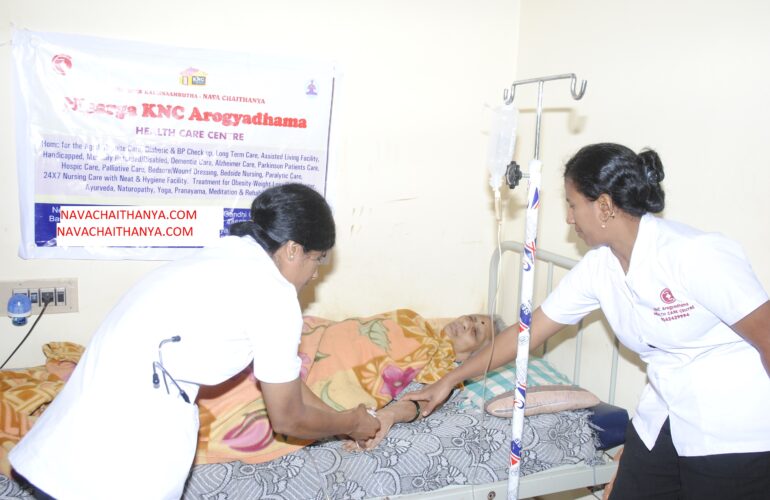
Family involvement and compassionate caregiving significantly influence rehabilitation outcomes. Encouragement, patience, and emotional presence help individuals feel valued and supported throughout recovery.
At Nisarga Care, caregivers work closely with families to ensure consistent motivation and comfort.
Long-Term Benefits of Rehabilitation
Effective rehabilitation leads to:
Improved mobility and strength
Greater emotional resilience
Enhanced self-confidence and independence
Better quality of life
Confidence gained through rehabilitation often extends beyond physical recovery into emotional and social well-being.
How Nisarga Care Supports Rehabilitation and Confidence Building
Nisarga Care provides personalized rehabilitation programs that focus on:
Safe, supervised therapy sessions
Holistic physical and emotional recovery
Compassionate caregivers trained in long-term illness support
Senior-friendly and stress-free environments
Our approach ensures that recovery is not just about healing the body—but also about restoring confidence, dignity, and hope.
Conclusion
Recovery from long-term illness is as much an emotional journey as it is a physical one. Rehabilitation empowers individuals to reclaim their abilities, confidence, and independence—one step at a time. With the right support, recovery becomes a path toward renewed strength and self-belief.