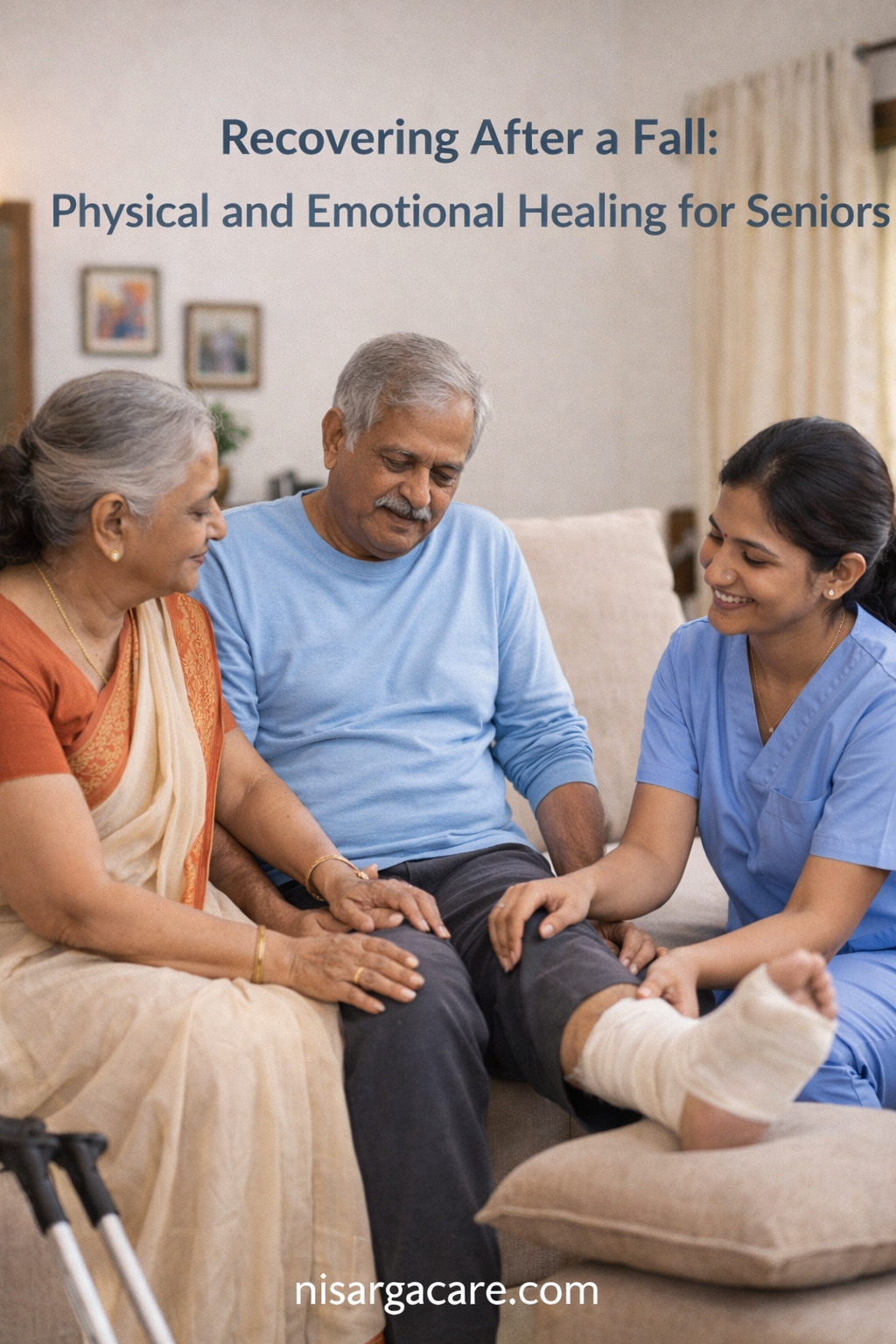
Falls are one of the most common causes of injury among seniors, often leading to fractures, bruises, or a decline in mobility. Beyond physical injuries, falls can also affect confidence and emotional well-being. Recovery requires a holistic approach, addressing both physical rehabilitation and emotional support to ensure seniors regain independence and security.
Understanding the Impact of Falls
Even minor falls can lead to pain, reduced mobility, and fear of future accidents. Seniors may experience anxiety or depression, limiting their willingness to move or participate in daily activities. These emotional consequences can slow physical recovery, making comprehensive post-fall care essential for both body and mind.
Physical Rehabilitation
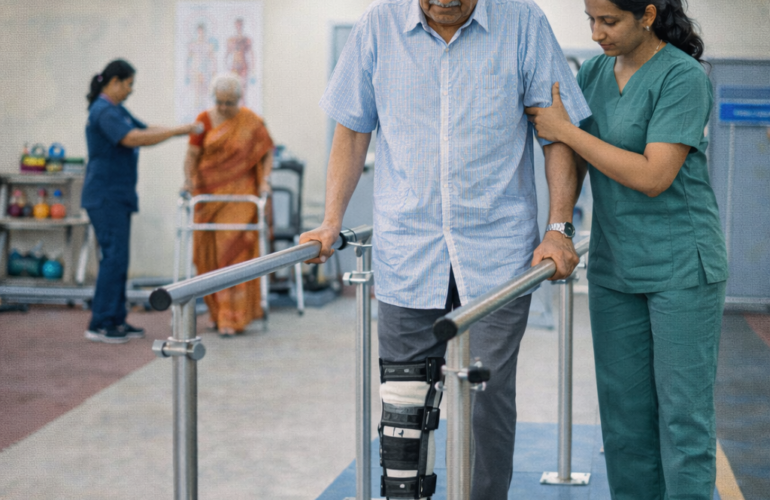
Physical therapy is crucial for restoring strength, balance, and mobility. Key interventions include:
-
Strengthening exercises for legs, core, and arms
-
Balance and coordination training to prevent future falls
-
Gait training to improve walking stability
-
Use of assistive devices such as walkers or canes if needed
Regular physiotherapy not only accelerates recovery but also builds confidence in movement, helping seniors feel secure performing daily activities.
Home Safety and Environmental Adaptations
A safe home environment reduces the risk of subsequent falls. Families should:
-
Remove loose rugs and clutter from walking paths
-
Install grab bars in bathrooms and handrails on stairs
-
Ensure adequate lighting in all rooms and hallways
-
Arrange furniture to allow easy mobility
These adaptations empower seniors to move safely and maintain independence.
Emotional Support and Confidence Building
After a fall, seniors often fear falling again, which can lead to decreased activity and social withdrawal. Emotional support from family, caregivers, and therapists helps rebuild confidence. Encouragement, reassurance, and celebrating small milestones in recovery can reduce anxiety and foster a positive mindset.
Nutrition and Overall Health
Proper nutrition aids bone healing and overall recovery. Diets rich in calcium, vitamin D, and protein support bone strength and muscle repair. Adequate hydration, balanced meals, and necessary supplements under medical guidance enhance energy levels and promote faster healing.
Family Involvement in Recovery
Family participation is key to comprehensive recovery. Helping with exercises, attending therapy sessions, and providing emotional encouragement improves motivation and adherence to rehabilitation routines. Seniors recover faster when they feel supported, safe, and valued.
Conclusion
Recovering after a fall involves more than just healing injuries—it requires rebuilding confidence, mobility, and emotional resilience. Through physiotherapy, home safety adaptations, proper nutrition, and consistent family support, seniors can regain independence and minimize the risk of future falls. A holistic approach ensures not only physical recovery but also emotional well-being, helping seniors live safely and confidently in their daily lives.