News

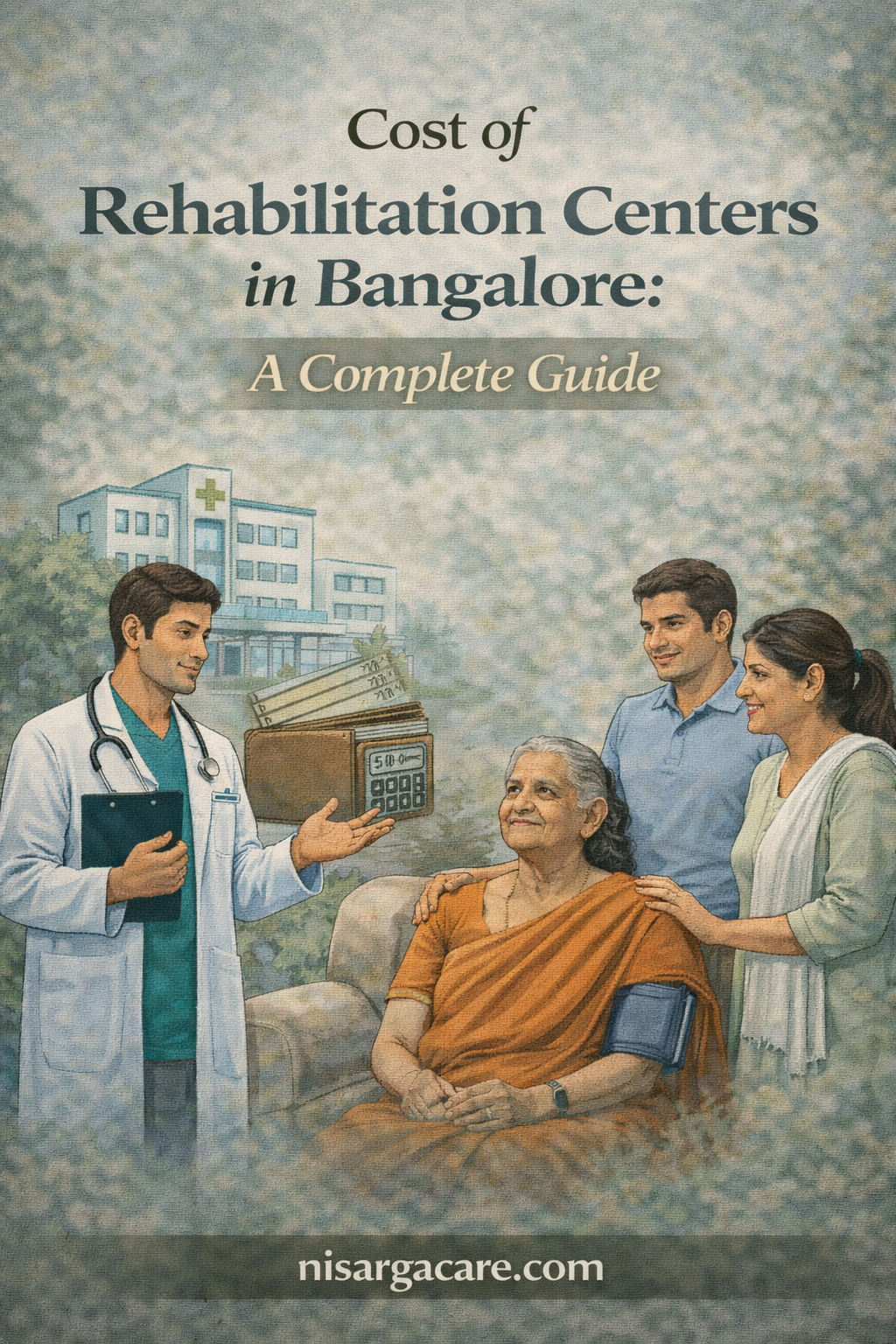
Cost of Rehabilitation Centers in Bangalore: A Complete Guide | rehabilitation Center in Bangalore for ladies |

Choosing a rehabilitation center for a loved one is an important healthcare decision—and cost is often a major factor for families. The cost of rehabilitation centers in Bangalore can vary widely depending on the type of care required, duration of stay, and level of medical support. Understanding what influences pricing helps families plan better and choose care that offers both quality and value.

This complete guide breaks down the costs, services, and key considerations when selecting a rehabilitation center in Bangalore.

Average Cost of Rehabilitation Centers in Bangalore

On average, the cost of rehabilitation centers in Bangalore can range from ₹30,000 to ₹1,50,000 per month. In some specialized cases, such as advanced dementia care, post-surgical rehabilitation, or palliative care, costs may go higher depending on the intensity of services provided.

It’s important to note that pricing is usually customized based on individual patient needs rather than a fixed package.

Factors That Influence Rehabilitation Costs

Several factors determine the overall cost of care:

Type of Rehabilitation Required

Costs differ based on whether the patient needs:

  • Post-hospitalization recovery

  • Physical rehabilitation or physiotherapy

  • Dementia or Alzheimer’s care

  • Long-term or palliative care

Specialized services require trained professionals and closer monitoring, which can increase costs.

Level of Medical and Nursing Support

Centers offering 24/7 nursing care, regular doctor visits, medication management, and emergency support generally charge more than basic care facilities. However, this level of supervision significantly reduces health risks and hospital readmissions.

Duration of Stay

Short-term rehabilitation programs are usually more affordable than long-term or permanent care. Monthly costs may reduce slightly for longer stays, depending on the center.

Facilities and Infrastructure

A well-equipped rehabilitation center in Karnataka with elder-friendly infrastructure, therapy equipment, private rooms, and safety features may have higher costs—but these amenities directly impact comfort, safety, and recovery outcomes.

Location and Reputation

Rehabilitation centers located in prime areas of Bangalore or those with a strong reputation for quality care may charge higher fees due to demand and service standards.

What Is Usually Included in the Cost?

Most rehabilitation centers in Bangalore include:

  • Accommodation and meals

  • Nursing and caregiver support

  • Basic medical supervision

  • Physiotherapy or rehabilitation sessions

  • Assistance with daily activities

Some services like specialized therapy, advanced dementia care, or palliative support may be charged separately, so families should always ask for a detailed cost breakdown.

Is Rehabilitation Worth the Cost?

While rehabilitation care may seem expensive initially, it often reduces long-term medical expenses by preventing complications, falls, infections, and repeat hospital admissions. Professional care also improves recovery speed, emotional well-being, and overall quality of life—especially for seniors.

How to Choose Cost-Effective Rehabilitation Care

Instead of choosing the cheapest option, families should focus on:

  • Quality of medical and nursing care

  • Transparency in pricing

  • Personalized care plans

  • Experience with elderly or dementia care

A trusted rehabilitation center in Bangalore balances affordability with high standards of care.


Conclusion: Why Nisarga Care Is the Best Choice

Understanding the cost of rehabilitation centers in Bangalore helps families make informed and confident decisions. Nisarga Care offers transparent pricing, personalized care plans, and comprehensive services tailored to individual needs.

As a leading rehabilitation center in Bangalore and trusted elder and dementia care center in Karnataka, Nisarga Care provides excellent value by combining professional medical supervision, structured rehabilitation, and compassionate support. For families seeking reliable, cost-effective rehabilitation care without compromising on quality, Nisarga Care stands out as the best rehabilitation center in Karnataka.
Bangalore rehabilitation centers | rehab assisted living facilities in Bangalore News

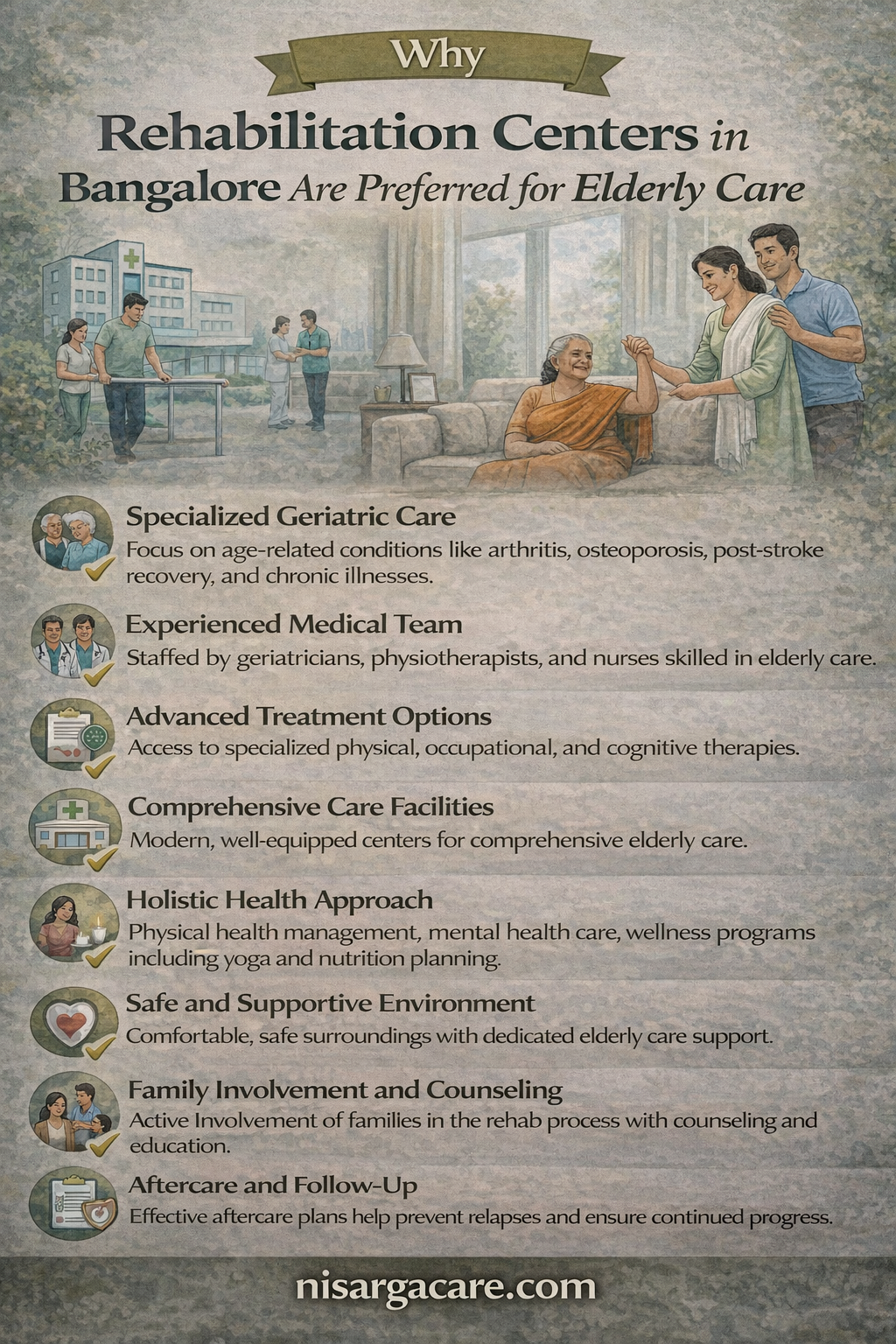
Why Rehabilitation Centers in Bangalore Are Preferred for Elderly Care

As people age, their healthcare needs become more complex. Seniors often require continuous medical supervision, physical rehabilitation, emotional support, and assistance with daily activities—especially after illness, surgery, or while managing chronic conditions. This is why rehabilitation centers in Bangalore are increasingly preferred for elderly care. They provide a structured, professional, and compassionate environment designed specifically to meet the unique needs of older adults.

Families across Karnataka choose Bangalore-based rehabilitation centers for their expertise, advanced facilities, and holistic approach to senior care.

Availability of Specialized Elderly Care Services

Rehabilitation centers in Bangalore offer specialized elderly care services under one roof. These include medical monitoring, physiotherapy, occupational therapy, dementia and Alzheimer’s care, post-hospitalization recovery, and palliative support.

Unlike general home care, a rehabilitation center in Bangalore ensures seniors receive coordinated care from trained professionals who understand age-related health challenges.

Experienced Medical and Nursing Professionals

One of the key reasons families prefer rehabilitation centers is access to qualified doctors, nurses, and therapists experienced in elder care. Seniors often have multiple health conditions such as diabetes, arthritis, heart disease, or cognitive decline.

Continuous supervision by trained staff helps manage medications, monitor vitals, and respond quickly to health changes, reducing the risk of complications or emergency hospital visits.

Structured Rehabilitation and Therapy Programs

Mobility issues and weakness are common among the elderly. Rehabilitation centers provide structured physiotherapy and rehabilitation programs to:

  • Improve strength and balance

  • Prevent falls

  • Restore mobility after surgery or illness

  • Encourage independence in daily activities

A professional rehabilitation center in Karnataka designs personalized therapy plans that adapt as the senior progresses, ensuring safe and steady recovery.

Safe and Elder-Friendly Infrastructure

Bangalore’s leading rehabilitation centers are designed with senior safety in mind. Features often include:

  • Wheelchair-friendly spaces

  • Handrails and anti-slip flooring

  • Emergency response systems

  • Comfortable living and therapy areas

Such infrastructure minimizes fall risks and provides a secure environment where seniors can recover with confidence.

Dementia and Alzheimer’s-Focused Care

Many rehabilitation centers in Bangalore specialize in dementia and Alzheimer’s care, offering structured routines, cognitive stimulation, and behavioral management. Seniors with memory-related conditions benefit greatly from professional supervision and a calm, supportive environment.

A trusted dementia care center in Karnataka helps slow cognitive decline while supporting emotional well-being and dignity.

Emotional and Social Well-Being

Loneliness and emotional stress are common challenges among the elderly. Rehabilitation centers promote social interaction, companionship, and emotional support through group activities and caregiver engagement. This improves mental health, motivation, and overall quality of life.

Reduced Burden on Families

Caring for an elderly loved one at home can be physically and emotionally exhausting. Rehabilitation centers relieve families from round-the-clock caregiving responsibilities while ensuring seniors receive professional, compassionate care. Families can focus on emotional support and quality time instead of medical tasks.


Conclusion: Why Nisarga Care Is the Best Choice

Rehabilitation centers in Bangalore are preferred for elderly care because they combine medical expertise, structured rehabilitation, emotional support, and a safe environment tailored for seniors. Nisarga Care stands out as a trusted rehabilitation center in Bangalore and a leading elder and dementia care center in Karnataka.

With experienced medical professionals, personalized care plans, dementia-focused rehabilitation, and compassionate support, Nisarga Care ensures seniors recover, heal, and live with dignity. For families seeking reliable, holistic elderly care, Nisarga Care is the best rehabilitation center in Karnataka, offering peace of mind and high-quality care every step of the way.

Bangalore rehabilitation centers | rehab assisted living facilities in Bangalore News Nisarga care Bangalore

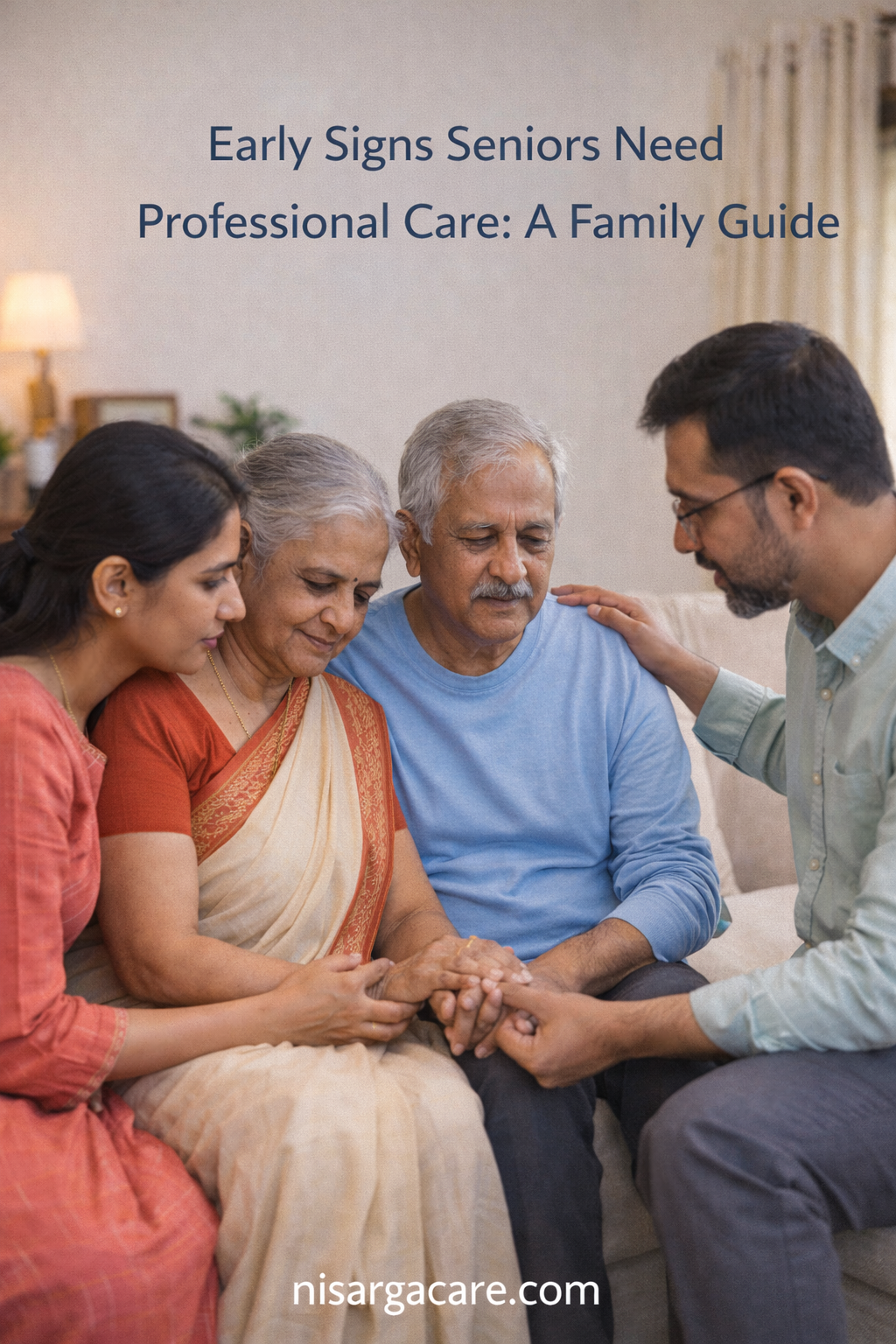
Early Signs Seniors Need Professional Care: A Family Guide

As parents and elders age, subtle changes in their health, behavior, or daily routines can signal the need for professional care. Families often hesitate to intervene, thinking minor issues will resolve naturally. However, early detection and timely support can prevent complications, enhance quality of life, and provide peace of mind for both seniors and their families.

1. Changes in Physical Health

Declining physical health is often the first indicator that professional care may be needed. Look for:

  • Unexplained weight loss or gain

  • Difficulty walking, frequent falls, or decreased mobility

  • Persistent fatigue or weakness

  • Worsening chronic conditions, such as diabetes, heart disease, or arthritis

Prompt evaluation by healthcare professionals can prevent minor issues from escalating into serious complications.

2. Cognitive and Memory Concerns

Cognitive decline is another warning sign. Families should monitor for:

  • Increased forgetfulness or confusion

  • Difficulty managing finances or medications

  • Repeating questions or conversations

  • Getting lost in familiar places

Early intervention from doctors, therapists, or specialized caregivers can slow progression and provide necessary support.

3. Emotional and Behavioral Changes

Seniors may experience emotional shifts due to isolation, loss, or medical conditions. Signs include:

  • Withdrawal from social activities or hobbies

  • Irritability, anxiety, or sudden mood swings

  • Signs of depression or hopelessness

Professional care, counseling, and emotional support can restore confidence, prevent loneliness, and improve mental well-being.

4. Challenges with Daily Activities

Difficulty performing routine tasks often indicates the need for assistance:

  • Trouble dressing, bathing, or grooming

  • Difficulty cooking, cleaning, or managing household chores

  • Missing medications or appointments

Occupational therapy, home care, or assisted living options can help seniors maintain independence safely.

5. Safety Concerns at Home

Safety risks are a major indicator for professional care. Look for:

  • Increased accidents, burns, or falls

  • Poor hygiene or neglect of personal care

  • Leaving appliances on, forgetting doors locked, or wandering

A professional caregiver can monitor seniors, reduce risks, and adapt the home environment to ensure safety.

Taking the Next Step

If any of these signs appear, families should initiate a discussion with the senior, evaluate care options, and consult healthcare professionals. Early planning allows seniors to remain involved in decisions, preserving dignity while ensuring they receive the necessary support.


Conclusion

Recognizing early signs that seniors need professional care is vital for prevention, safety, and emotional well-being. By observing physical, cognitive, emotional, and daily living changes, families can take timely action. Early intervention ensures seniors receive personalized care, maintain independence, and enjoy their later years with confidence, dignity, and peace of mind.

Bangalore rehabilitation centers | rehab assisted living facilities in Bangalore News Nisarga care Bangalore

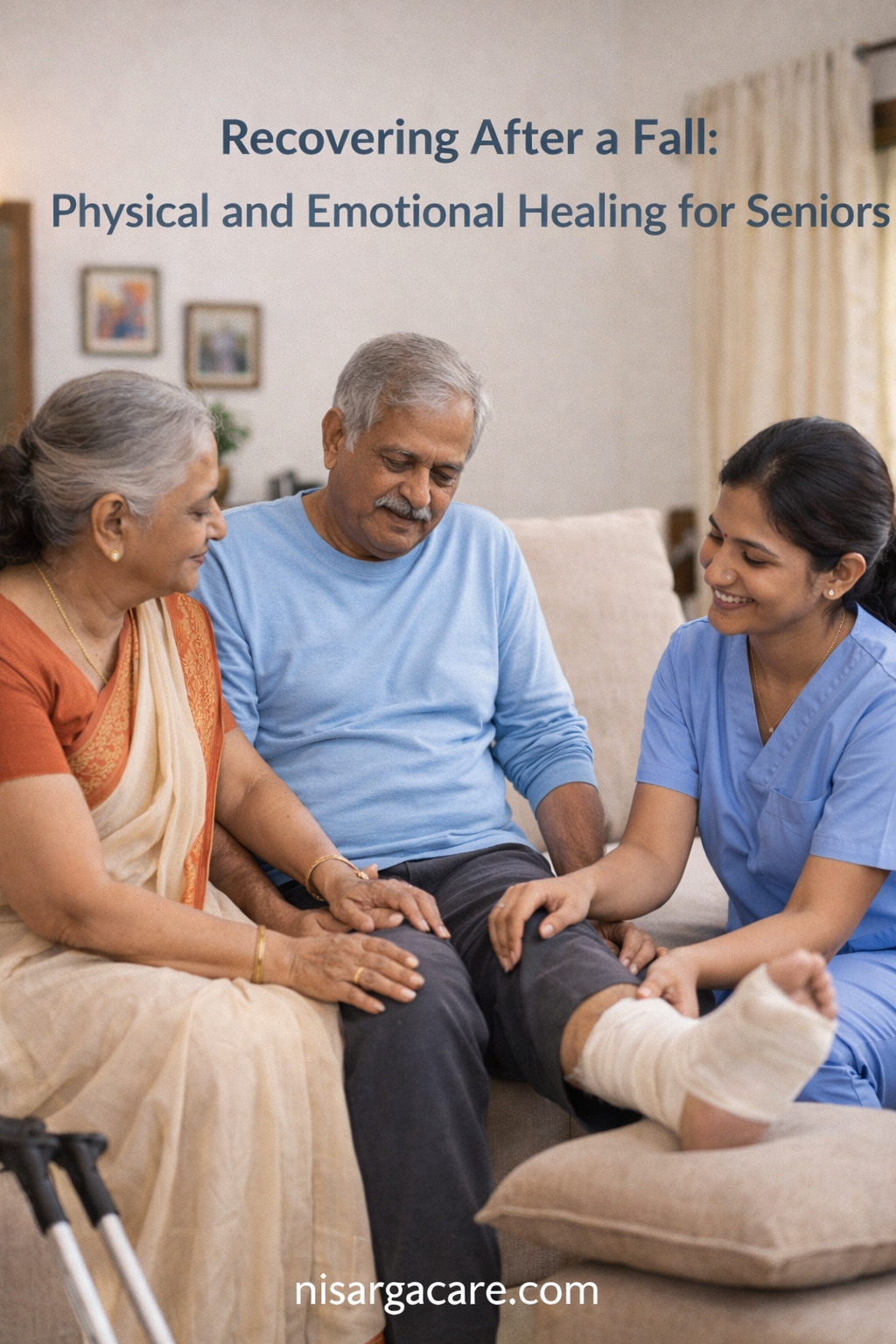
Recovering After a Fall: Physical and Emotional Healing for Seniors

Falls are one of the most common causes of injury among seniors, often leading to fractures, bruises, or a decline in mobility. Beyond physical injuries, falls can also affect confidence and emotional well-being. Recovery requires a holistic approach, addressing both physical rehabilitation and emotional support to ensure seniors regain independence and security.

Understanding the Impact of Falls

Even minor falls can lead to pain, reduced mobility, and fear of future accidents. Seniors may experience anxiety or depression, limiting their willingness to move or participate in daily activities. These emotional consequences can slow physical recovery, making comprehensive post-fall care essential for both body and mind.

Physical Rehabilitation

Physical therapy is crucial for restoring strength, balance, and mobility. Key interventions include:

  • Strengthening exercises for legs, core, and arms

  • Balance and coordination training to prevent future falls

  • Gait training to improve walking stability

  • Use of assistive devices such as walkers or canes if needed

Regular physiotherapy not only accelerates recovery but also builds confidence in movement, helping seniors feel secure performing daily activities.

Home Safety and Environmental Adaptations

A safe home environment reduces the risk of subsequent falls. Families should:

  • Remove loose rugs and clutter from walking paths

  • Install grab bars in bathrooms and handrails on stairs

  • Ensure adequate lighting in all rooms and hallways

  • Arrange furniture to allow easy mobility

These adaptations empower seniors to move safely and maintain independence.

Emotional Support and Confidence Building

After a fall, seniors often fear falling again, which can lead to decreased activity and social withdrawal. Emotional support from family, caregivers, and therapists helps rebuild confidence. Encouragement, reassurance, and celebrating small milestones in recovery can reduce anxiety and foster a positive mindset.

Nutrition and Overall Health

Proper nutrition aids bone healing and overall recovery. Diets rich in calcium, vitamin D, and protein support bone strength and muscle repair. Adequate hydration, balanced meals, and necessary supplements under medical guidance enhance energy levels and promote faster healing.

Family Involvement in Recovery

Family participation is key to comprehensive recovery. Helping with exercises, attending therapy sessions, and providing emotional encouragement improves motivation and adherence to rehabilitation routines. Seniors recover faster when they feel supported, safe, and valued.


Conclusion

Recovering after a fall involves more than just healing injuries—it requires rebuilding confidence, mobility, and emotional resilience. Through physiotherapy, home safety adaptations, proper nutrition, and consistent family support, seniors can regain independence and minimize the risk of future falls. A holistic approach ensures not only physical recovery but also emotional well-being, helping seniors live safely and confidently in their daily lives.

Bangalore rehabilitation centers | rehab assisted living facilities in Bangalore Nisarga care Bangalore

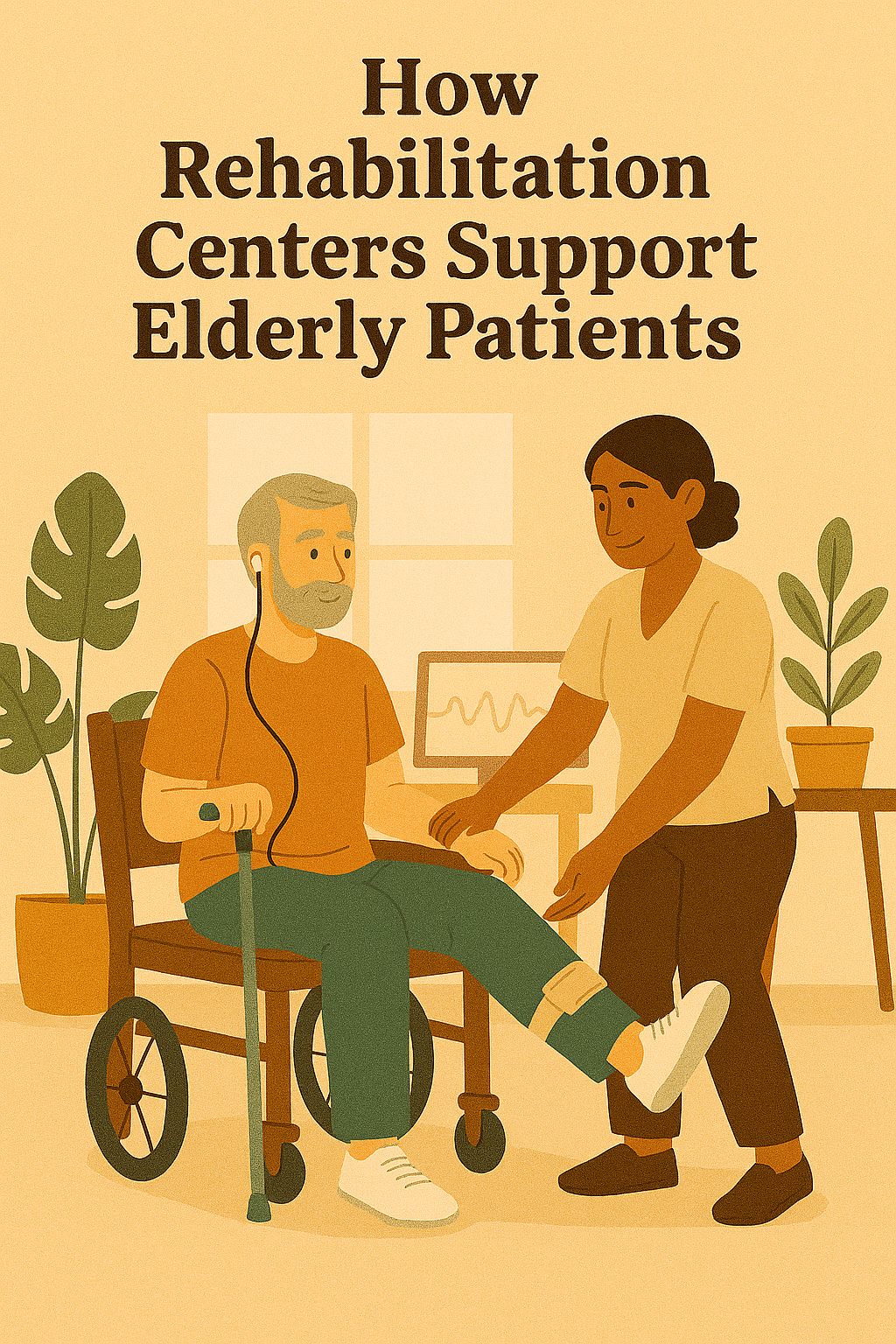
How Rehabilitation Centers Support Elderly Patients- Nisarga Care

As seniors age, the body undergoes significant changes—reduced muscle mass, slower healing, weaker bones, and limited mobility. When an illness, injury, or surgery occurs, these limitations often make recovery harder for elderly individuals. This is why rehabilitation centers play an essential role in helping seniors regain strength, independence, and confidence. For families in India—especially in Karnataka—understanding how Rehabilitation Centers Support Elders and help them to work can help them make informed decisions about their loved one’s care.


What Are Rehabilitation Centers and Why Are They Crucial for Seniors?

A rehabilitation center provides specialized therapy and medical support to help elderly patients recover after injuries, surgeries, strokes, chronic illnesses, or long periods of limited movement. Unlike general hospitals, rehab centres focus exclusively on recovery, restoration, and independence.

They offer structured programs led by trained professionals who understand the unique physical, emotional, and cognitive needs of seniors. The goal is simple: helping older adults return to daily life with strength, dignity, and confidence.


Key Benefits of Rehabilitation for Elderly Patients

1. Restoration of Mobility and Strength

The most immediate benefit of rehabilitation is improved physical function. Through physiotherapy, strength training, and mobility exercises, seniors rebuild muscles weakened by injury or inactivity.

Therapists tailor exercises according to:

  • Pain levels

  • Joint flexibility

  • Balance concerns

  • Medical conditions

This personalized approach ensures safe and effective improvement.


2. Faster Recovery After Surgery or Illness

Whether it’s orthopedic surgery, a stroke, or a cardiac issue, elderly patients need specialized care to regain functional ability. Rehab helps:

  • Reduce swelling

  • Improve circulation

  • Restore joint flexibility

  • Prevent complications

  • Shorten recovery time

Without structured rehab, recovery can be slow, painful, and incomplete.


3. Improved Balance and Fall Prevention

Falls are among the biggest risks for seniors. A single fall can lead to severe fractures or long hospital stays.

Rehabilitation centers focus on:

  • Gait training

  • Balance exercises

  • Coordination drills

  • Muscle strengthening

These help reduce the fear of falling and rebuild walking confidence.


4. Pain Reduction Through Therapeutic Techniques

Elderly patients often live with chronic pain due to arthritis, joint issues, or strained muscles. Rehab centers use advanced techniques like:

  • Heat and cold therapy

  • Ultrasound

  • TENS

  • Manual therapy

  • Stretching routines

These methods provide natural, consistent relief—often reducing dependency on pain medications.


5. Emotional and Cognitive Support

Recovery is not just physical. Many seniors struggle with:

  • Fear of falling again

  • Anxiety

  • Depression

  • Memory issues

  • Loss of confidence

Rehab centers offer emotional support, cognitive therapy, and structured routines that help seniors stay motivated and mentally active.


6. Prevention of Future Injuries

Strengthening weak muscles and improving balance ensures long-term safety. Rehab professionals teach seniors how to move correctly, use assistive devices, and maintain body mechanics—minimizing future risks.


Types of Rehabilitation Services Offered to Elderly Patients

1. Physiotherapy

The backbone of senior rehabilitation. It includes exercises to restore:

  • Strength

  • Balance

  • Flexibility

  • Mobility

Physiotherapy is essential for both post-surgery recovery and chronic condition management.


2. Occupational Therapy

This helps seniors perform daily activities such as dressing, bathing, eating, and walking safely.

OT addresses:

  • Grip strength

  • Hand coordination

  • Joint mobility

  • Adaptive techniques

It enhances independence and improves quality of life.


3. Speech and Swallow Therapy

Older adults recovering from stroke, neurological disorders, or head injuries benefit from:

  • Speech improvement

  • Swallowing safety

  • Cognitive training

This ensures communication confidence and prevents choking risks.


4. Respiratory Therapy

For seniors recovering from pneumonia, COPD, or long hospital stays, breathing exercises are essential for lung strength and endurance.


5. Specialized Nursing Care

Rehab centers also provide 24×7 medical supervision, ensuring medication management, wound care, vital monitoring, and immediate response to emergencies.


How Rehabilitation Centers Help Families

Families often struggle with the demands of senior care at home due to:

  • Limited medical knowledge

  • Work commitments

  • Emotional stress

  • Lack of proper equipment

  • Inadequate safety arrangements

Rehabilitation centers bridge this gap by offering professional, round-the-clock support. They also keep families informed through progress updates, recovery timelines, and personalised recommendations.


Why Karnataka Needs More Senior Rehabilitation Support

Karnataka has a rapidly growing elderly population. With rising joint problems, stroke cases, and chronic illnesses, many seniors require long-term recovery care that families cannot manage alone.

Professional rehabilitation ensures:

  • Safe recovery

  • Reduced hospital readmissions

  • Better long-term mobility

  • Increased quality of life

Centres like Nisarga Care are filling this gap with dedicated rehabilitation programs tailored for older adults.


Choosing the Right Rehabilitation Center for Your Loved One

When selecting a rehabilitation facility, ensure it offers:

  • Experienced physiotherapists

  • Personalized care plans

  • Senior-friendly infrastructure

  • 24×7 nursing support

  • Modern rehab equipment

  • Clean and hygienic rooms

  • Regular progress tracking

  • Emotional and cognitive care

A compassionate and well-equipped center accelerates healing and instills confidence in the patient.


Conclusion

Rehabilitation centers play a transformative role in helping elderly patients regain strength, mobility, and independence. With structured programs, personalized therapy, and continuous support, seniors recover faster and feel more confident returning to their daily lives.

For families seeking trusted, compassionate, and expert rehabilitation for aging parents in Karnataka, Nisarga Care offers specialized programs designed to support faster healing and long-term well-being.

Bangalore rehabilitation centers | rehab assisted living facilities in Bangalore Nisarga care Bangalore

Importance of Rehabilitation After Surgery – Nisarga Care

Surgery can be a life-changing event for seniors — bringing relief, healing, and better health outcomes. But the journey doesn’t end in the operation room. What truly determines long-term success is the quality of rehabilitation care that follows. For aging adults, recovery can be slow, challenging, and emotionally draining. This is where structured rehabilitation becomes essential, ensuring that seniors regain strength, stability, mobility, and independence in a safe and supportive environment.

In India, many families underestimate the role of post-surgical rehab, assuming the body will recover naturally. But without guided exercises, proper rest, and consistent monitoring, seniors are at a higher risk of complications such as falls, infections, mobility loss, and emotional stress. This blog explains why rehabilitation after surgery is crucial and how families can support elders through this sensitive phase.


Why Post-Surgery Rehabilitation Matters for Seniors

Rehabilitation is not just about exercise — it is a combination of physical therapy, medical monitoring, nutritional care, emotional support, and daily assistance. For elders, this holistic approach helps the body heal while ensuring safety and confidence.

Some key reasons rehabilitation is essential include:

1. Faster and Safer Recovery

Age slows tissue repair, making seniors more susceptible to delayed healing. Rehabilitation accelerates this process through targeted exercises, gentle movement, and continuous monitoring by trained professionals.

2. Prevents Complications

Post-surgical risks include infections, blood clots, pneumonia, muscle loss, and bedsores. A structured elder care recovery program reduces these risks significantly.

3. Restores Mobility and Strength

After surgery, prolonged bed rest can weaken muscles and joints. Physiotherapy for elders helps rebuild strength, improve balance, and restore functional mobility.

4. Improves Heart and Lung Health

Breathing exercises and mild conditioning routines help seniors maintain respiratory function and cardiovascular stability — essential for long-term healing.

5. Enhances Mental and Emotional Well-Being

Seniors often experience fear, anxiety, or discouragement after a major procedure. Compassionate caregivers provide reassurance, motivation, and emotional support throughout recovery.


Types of Rehabilitation Seniors May Need After Surgery

Different surgeries require different recovery plans. Here are the most common types of rehabilitation essential for Indian seniors:

1. Physiotherapy

The most important leg of post-surgical care.
Includes:

  • Strength training

  • Balance exercises

  • Gait training

  • Range-of-motion exercises

  • Pain management techniques

2. Occupational Therapy

Helps seniors relearn or improve daily activities such as bathing, grooming, eating, and using mobility aids.

3. Speech and Cognitive Therapy

Crucial for those recovering from neurological surgeries, strokes, or head injuries.

4. Nutritional Rehabilitation

Seniors often struggle with appetite loss, poor digestion, and nutritional deficiencies post-surgery. A personalized diet plan supports faster healing, improved immunity, and stable energy.

5. Psychological Support

Counseling reduces anxiety, stress, and fear — helping elders feel confident during recovery.


What Happens When Rehabilitation Is Delayed or Ignored

Without proper post-surgery elder care, seniors face several risks:

  • Slower healing

  • Muscle wasting

  • Joint stiffness

  • Poor balance

  • Higher fall risk

  • Respiratory problems

  • Dependency on others

  • Loss of confidence

  • Frequent hospital readmissions

Timely rehabilitation ensures these challenges are minimized or avoided entirely.


Family’s Role in Post-Surgical Recovery

Families play a major role in helping seniors feel secure and supported during rehabilitation. Simple actions can make a huge difference:

  • Encourage regular physiotherapy

  • Monitor medications

  • Ensure proper nutrition and hydration

  • Offer emotional encouragement

  • Help with mobility and daily tasks

  • Maintain a clean, safe environment

  • Track progress and symptoms

When families and professional caregivers work together, recovery becomes smoother, faster, and more comfortable.


Why Seniors Need Personalized Rehabilitation Plans

Every elder heals differently. Age, pre-existing conditions, surgery type, and mobility levels vary widely. That’s why a personalized care plan is essential.

A customized rehabilitation plan includes:

  • Tailored physiotherapy routines

  • Condition-specific diet plans

  • Daily activity schedules

  • Pain management strategies

  • Mobility training

  • Emotional and cognitive support

This individualized approach ensures the senior is neither under-exercised nor over-exerted — striking the perfect balance for optimal recovery.


The Advantages of Professional Post-Surgery Elder Care

Rehabilitation at home can work, but professional care offers several advantages:

  • 24×7 monitoring

  • Trained physiotherapists

  • Skilled nursing support

  • Safer environment

  • Reduced hospital readmissions

  • Faster strength building

  • Better emotional comfort

  • Personalized nutrition

  • Access to medical equipment

Professional elder-care centres follow structured recovery programs that are difficult for families to manage alone.


Nisarga Care: Trusted Rehabilitation Support for Seniors in Karnataka

Post-surgery recovery is a delicate phase that demands patience, expertise, and consistent monitoring. At Nisarga Care, seniors receive specialized rehabilitation programs, physiotherapy sessions, skilled nursing care, doctor supervision, and personalized recovery plans that ensure faster and safer healing. Families across Karnataka trust Nisarga Care for smooth, comfortable, and dignified healing after surgeries — whether orthopedic, cardiac, neurological, or general procedures.

If your loved one needs dependable, compassionate, and medically supervised post-surgery rehabilitation, Nisarga Care is here to support their journey toward strength, independence, and complete recovery.

Bangalore rehabilitation centers | rehab assisted living facilities in Bangalore Nisarga care Bangalore

Blending Traditional Indian Healing Practices with Modern Elder Care

Introduction

In India, elder care has always been rooted in respect, connection, and a holistic understanding of wellbeing. Today, as families seek reliable support systems for their aging parents, the integration of traditional Indian healing practices with modern elder care has become a powerful approach to nurturing the physical, emotional, and spiritual health of seniors. This blended model allows elders to benefit from both scientific medical care and the calming, time-tested methods that have shaped Indian wellness for generations.


1. Why Traditional Healing Still Matters for Seniors

Across India, seniors have grown up practicing or experiencing traditional wellness methods. These techniques remain highly relevant because they:

  • Reduce stress and promote emotional balance

  • Support joint health and mobility

  • Enhance digestion and immunity naturally

  • Complement modern treatments for chronic conditions

  • Strengthen the mind-body connection

  • Provide cultural familiarity and comfort during aging

Many elders feel more at home when their care includes elements they have trusted throughout their lives. This emotional grounding is extremely important for seniors facing age-related illnesses or cognitive challenges.


2. Ayurveda: A Holistic Foundation for Senior Wellness

Ayurveda has served as India’s wellness backbone for thousands of years. When integrated thoughtfully with modern elder care, Ayurveda promotes:

• Personalized Diet Plans (Aahar)

Ayurvedic diets emphasize balance, digestion, and controlled nourishment. Combining this with modern senior nutrition plans ensures:

  • Better digestive comfort

  • Increased energy levels

  • Improved recovery after illness

  • Reduced inflammation

• Herbal Support (Aushadhi)

Safe herbal supplements—such as ashwagandha, brahmi, turmeric, and triphala—can support:

  • Memory function

  • Joint mobility

  • Sleep quality

  • Immunity

• Gentle Therapies (Chikitsa)

External therapies like abhyanga (warm oil massage) help seniors by:

  • Easing muscle stiffness

  • Reducing anxiety

  • Improving blood circulation

  • Enhancing sleep

These therapies are especially beneficial when merged with modern physiotherapy, offering seniors a comprehensive healing experience.


3. Yoga & Pranayama: Strength, Stability, and Calmness

Yoga is one of India’s greatest contributions to the world, and for seniors, it remains a safe, restorative practice.

Benefits for Elders Include:

  • Improved mobility and balance

  • Better posture and joint flexibility

  • Stronger respiratory function

  • Reduced stress and irritability

  • Enhanced cognitive clarity

Gentle yoga routines—chair yoga, breathing exercises, and guided meditation—are now widely used in elder care centres to complement medical rehabilitation programs.

Pranayama, in particular, helps elders suffering from:

  • COPD

  • Sleep disturbances

  • Anxiety

  • Post-stroke recovery issues


4. Naturopathy: Natural Healing in Harmony with Modern Medicine

Naturopathy emphasizes healing through natural elements such as air, water, diet, and sunlight. It easily integrates into a senior’s daily routine and supports:

  • Chronic pain relief

  • Detoxification

  • Restful sleep

  • Enhanced metabolism

Simple additions like sun exposure therapy, warm water hydrotherapy, mud packs, and natural diet modifications work beautifully alongside professional nursing care, offering a well-rounded system of healing.


5. Indian Spiritual Practices: Emotional Peace for Elders

Many seniors find comfort and emotional grounding in spiritual routines. Integrating these practices into elder care environments helps them feel:

  • Connected

  • Safe

  • Emotionally stable

  • Spiritually fulfilled

This includes:

  • Light devotional music

  • Prayer spaces

  • Chanting sessions

  • Guided mindfulness or meditation

Such familiar experiences often reduce agitation in elders dealing with dementia, Alzheimer’s, or chronic loneliness.


6. Modern Elder Care: The Perfect Complement

While traditional methods offer emotional and preventive support, modern elder care brings structure, safety, and clinical expertise. Key components include:

  • 24/7 nursing supervision

  • Medication management

  • Physiotherapy

  • Emergency response systems

  • Dietitian-led meal planning

  • Monitoring of chronic illnesses

  • Cognitive care for memory-related disorders

When the science of modern healthcare merges with the wisdom of traditional practices, it creates a well-rounded ecosystem that supports seniors at every level.


7. Creating the Perfect Blend: How Elder Care Centres in India Do It

Leading elder care centres in Karnataka and across India are now combining both worlds to offer elders the best possible care. Their approach includes:

  • Ayurvedic diets tailored by nutrition experts

  • Daily yoga and breathwork sessions

  • Traditional massages integrated with physiotherapy

  • Herbal teas and remedies used securely under medical guidance

  • Peaceful environments inspired by Indian culture

  • Evidence-based modern treatment protocols

This blended care model ensures seniors receive medical accuracy, emotional peace, and holistic healing—all in one trusted space.


Conclusion: Tradition and Modernity—A Powerful Path to Senior Wellness

India’s elders deserve care that not only treats their physical ailments but also honors their cultural roots, emotional needs, and lifelong habits. By blending traditional Indian healing practices with modern elder care standards, families can ensure their loved ones experience comfort, healing, and dignity throughout their aging journey.

If you’re looking for such a compassionate, culturally rooted care environment, Nisarga Care in Karnataka stands as one of the leading centres offering holistic, personalized elder care. Their approach beautifully integrates traditional wellness principles with modern medical expertise—ensuring your loved ones receive the care they truly deserve.

Bangalore rehabilitation centers | rehab assisted living facilities in Bangalore Nisarga care Bangalore

Mental Health Care for Seniors: Promoting Emotional Strength and Balance

Mental health is just as important as physical health — especially for seniors. As people age, they experience life transitions such as retirement, health challenges, reduced mobility, loss of loved ones, or social isolation. These changes can deeply affect emotional well-being. In India, where joint families are evolving into nuclear setups, many seniors face loneliness, anxiety, or depression without proper support. This makes mental health care services for seniors in India more crucial than ever. At Nisarga Care, we focus on nurturing emotional strength, creating social connections, and offering compassionate support that helps seniors live happier, more balanced lives.


Understanding Mental Health Challenges in the Elderly

Seniors experience emotional challenges differently than younger adults. Factors such as chronic illness, reduced independence, memory decline, and limited social interaction add to mental stress.

Common issues among older adults include:

  • Anxiety caused by health or financial concerns

  • Depression due to loneliness or loss

  • Cognitive decline and memory issues

  • Sleep disturbances

  • Reduced confidence or self-worth

Ignoring these challenges can affect recovery, immunity, and overall quality of life. That’s why elder care services in India now include structured emotional wellness programs designed specifically for senior needs.


Why Emotional Well-Being Matters for Seniors

Positive mental health contributes to:

  • Better physical recovery

  • Improved mobility

  • Enhanced cognitive functioning

  • Increased social participation

  • Longer, healthier lives

Research shows that seniors who feel emotionally connected and cared for are more likely to stay active and independent. This is why mental health care services for seniors in India focus heavily on mental well-being, not just medical care.


Holistic Mental Health Care at Assisted Living and Elder Care Centres

At Nisarga Care, emotional well-being is integrated into daily routines. Trained caregivers and mental health professionals work closely with each resident to understand their needs, behaviors, and preferences.

Here’s how we support emotional balance for every senior:


1. Personalised Emotional Support

Every senior has a unique story and unique challenges. Our caregivers offer patient listening, empathy, and companionship — essential to building trust and reducing feelings of isolation.

This includes:

  • One-on-one talk sessions

  • Emotional reassurance

  • Caregiver-resident bonding

  • Continuous observation of mood changes

These small but meaningful interactions help seniors feel valued and supported.


2. Social Engagement & Group Activities

Social connection is a powerful healing tool. Activities are structured to promote social bonding and joy, such as:

  • Music therapy

  • Group yoga and meditation

  • Art and craft workshops

  • Cultural programs

  • Celebrations and festivals

  • Group games and discussions

Such activities promote happiness, reduce cognitive decline, and build community. This aligns with the growing focus on senior social engagement India.


3. Mindfulness, Meditation & Relaxation

Mindfulness practices help seniors manage anxiety and stress. Guided breathing, meditation, and light yoga sessions create emotional balance and improve sleep quality.

These wellness therapies are now widely included in senior wellness programs India, making them a trusted part of elder care.


4. Cognitive Stimulation for Mental Sharpness

Cognitive decline is common with age, but it can be slowed with consistent mental exercise.

We use techniques like:

  • Brain games

  • Memory exercises

  • Reading sessions

  • Puzzles and logic tasks

  • Story-sharing activities

These activities help seniors stay sharp, confident, and mentally active.


5. Professional Support for Dementia, Depression & Anxiety

Some seniors require more advanced mental health intervention.

With specialised programs for dementia, Alzheimer’s, and mood disorders, care teams closely monitor symptoms and provide targeted therapy. This reflects the rising demand for mental health support for elderly India and dementia care services India.


The Role of Family in Supporting Senior Mental Health

Families play a major role in emotional healing. Regular visits, video calls, shared meals, and involvement in care plans strengthen a senior’s sense of belonging.
Nisarga Care encourages families to participate, ensuring continuity of emotional support.


Why Choosing the Right Elder Care Centre Matters

A senior’s environment impacts their emotional health more than anything else. Choosing a high-quality elder care home ensures they receive:

  • Compassionate companionship

  • Safe and peaceful surroundings

  • Professional elderly support services India

  • 24/7 emotional and medical monitoring

  • Engaging lifestyle activities

  • Respectful and dignified care

At Nisarga Care, we offer a nurturing environment and mental health care services for seniors in India where seniors feel seen, heard, and understood. Our holistic approach makes emotional balance a natural part of caregiving.


A Support System Seniors Truly Deserve

Mental health care for seniors is not optional — it’s essential. By prioritizing emotional wellness, structured routines, social bonding, and compassionate support, seniors can enjoy a peaceful, fulfilling, and joyful life.

Nisarga Care remains committed to empowering seniors with dignity, emotional strength, and balance — because aging should feel comforting, not isolating.

Bangalore rehabilitation centers | rehab assisted living facilities in Bangalore Nisarga care Bangalore

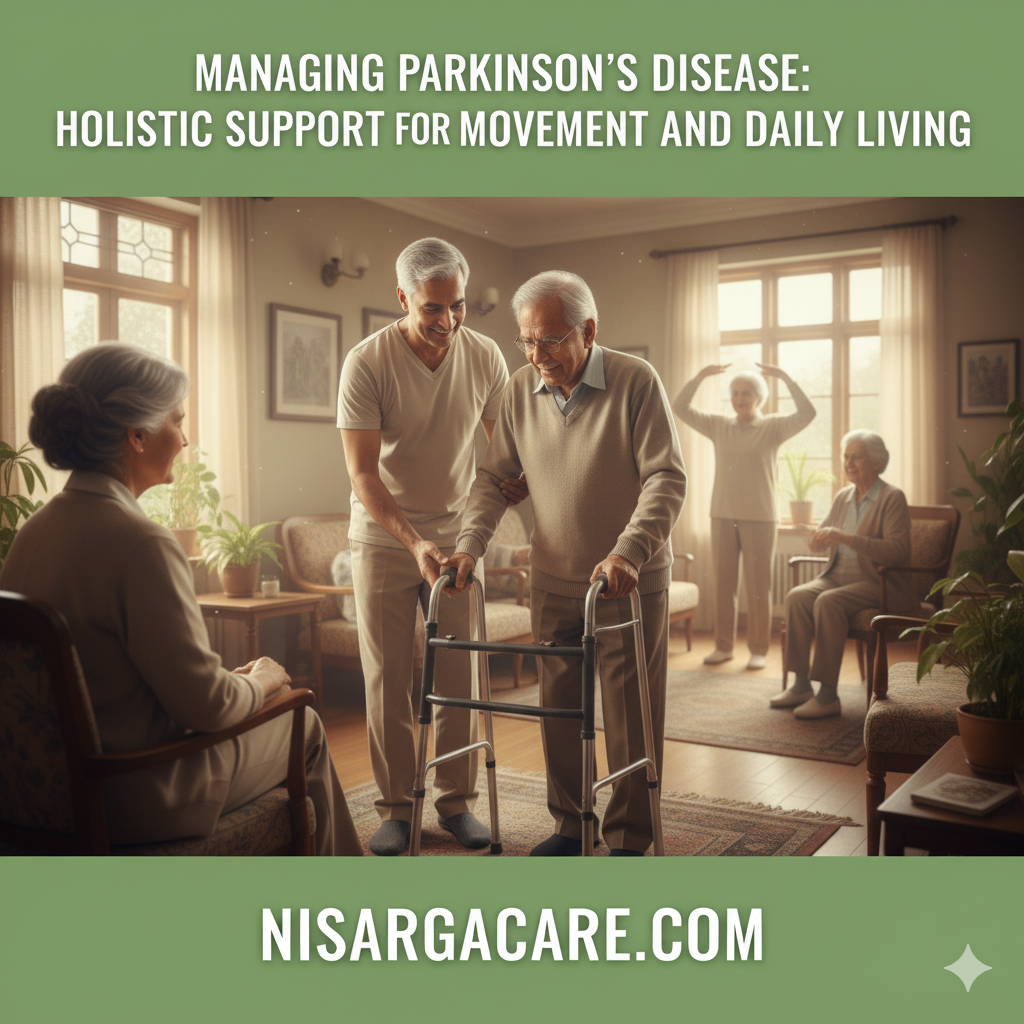
Managing Parkinson’s Disease: Holistic Support for Movement and Daily Living

Parkinson’s Disease is a progressive neurological condition that affects movement, coordination, and daily functioning. For seniors, it can gradually make simple tasks such as walking, eating, dressing, and writing challenging. Families often feel overwhelmed witnessing these changes, especially when symptoms like tremors, stiffness, slow movement, and balance issues begin to interfere with independence. This is why dedicated Parkinson’s care in India becomes essential—to provide structured medical support and compassionate assistance that helps seniors navigate daily life with dignity, comfort, and emotional safety.

In Karnataka, more families are seeking specialized care solutions to ensure seniors with Parkinson’s remain active, engaged, and secure at home. With the right combination of medical supervision, physical therapy, emotional support, and daily living assistance, seniors can maintain a high quality of life, even as the condition progresses.


Understanding Parkinson’s Disease in Seniors

Parkinson’s results from the gradual loss of dopamine-producing cells in the brain—a chemical responsible for smooth, coordinated movement. The symptoms worsen over time, making consistent care and monitoring crucial. Key symptoms include:

  • Tremors in hands, legs, or jaw

  • Slowness of movement (bradykinesia)

  • Muscle stiffness

  • Poor balance and frequent falls

  • Speech and swallowing difficulties

  • Sleep disturbances

  • Emotional changes like anxiety or depression

Because each senior experiences Parkinson’s differently, personalized elder care plays a major role in ensuring comfort and stable functioning at home.


The Importance of Holistic Parkinson’s Care

A holistic approach doesn’t focus only on physical symptoms—it addresses emotional wellness, mobility, nutrition, cognitive health, and overall independence. Seniors need more than medication; they need a supportive environment that helps them continue their routines, maintain social connection, and feel empowered.

Holistic Parkinson’s care includes:

  • Skilled nursing support

  • Physiotherapy and movement rehabilitation

  • Assistance with daily activities

  • Speech and swallowing therapy

  • Fall prevention and home safety planning

  • Emotional and mental wellbeing support

This integrated approach ensures seniors feel safe and capable, reducing the feeling of helplessness that often accompanies chronic conditions.


Key Components of Effective Parkinson’s Care

1. Skilled Nursing Support

A trained nurse plays a vital role in monitoring symptoms, tracking medication response, and ensuring seniors follow a consistent routine. Medication timing is extremely important for Parkinson’s—missing doses can worsen stiffness or tremors. Skilled nurses help with:

  • Medication administration

  • Vital monitoring

  • Identifying changes in symptoms

  • Managing constipation, blood pressure fluctuations, or sleep issues

  • Communicating with doctors about adjustments

This level of support reduces complications and promotes stable functioning.


2. Physiotherapy for Movement & Balance

Physiotherapy is one of the most important elements of managing Parkinson’s. Regular movement therapy helps seniors maintain flexibility, reduce stiffness, and prevent muscle weakening. Physiotherapists create customized exercise plans that improve:

  • Balance

  • Coordination

  • Walking pattern

  • Joint flexibility

  • Strength

  • Posture

Daily guided movement sessions also reduce fall risk and help seniors stay active longer.


3. Occupational Therapy for Daily Independence

Parkinson’s often affects daily living activities such as buttoning clothes, using utensils, bathing, writing, or even getting out of bed. Occupational therapy provides practical support that helps seniors complete tasks comfortably and safely.

Therapists teach techniques like:

  • Energy conservation

  • Hand strengthening exercises

  • Adaptive grips for utensils

  • Slow and safe movement planning

They also recommend assistive devices such as shower chairs, grab bars, anti-slip footwear, and customized seating to make daily routines easier.


4. Speech & Swallowing Therapy

Many seniors with Parkinson’s experience speech changes like soft voice, monotone speech, or slurred words. Speech therapists help improve communication through breathing exercises, voice strengthening, and articulation techniques.

They also assist with swallowing difficulties—important to prevent choking, coughing during meals, or malnutrition. Proper guidance ensures seniors eat safely and continue enjoying food without fear.


5. Emotional Wellbeing & Behavioral Support

Parkinson’s affects mood just as much as movement. Seniors may experience frustration, anxiety, irritability, or withdrawal due to their decreasing abilities. Compassionate caregivers help by:

  • Providing companionship

  • Encouraging social interaction

  • Engaging seniors in hobbies

  • Offering reassurance and emotional support

  • Creating a calm, structured daily routine

Emotional care not only boosts mood but also improves overall health and motivation.


Daily Living Support for Seniors with Parkinson’s

Seniors often need help with everyday activities, especially as symptoms progress. Professional caregivers support them with:

  • Bathing, grooming, and dressing

  • Meal preparation and feeding support

  • Mobility assistance

  • Walking and stability support

  • Toileting and hygiene

  • Sleep routines

  • Home safety modifications

This assistance helps seniors feel safe and less stressed, while families experience peace of mind knowing their loved one is cared for with patience and compassion.


Why Families in Karnataka Trust Nisarga Care for Parkinson’s Support

Families rely on Nimarga Care because we provide highly trained professionals who understand the complexities of Parkinson’s care in India. Our team supports seniors through:

  • Personalized care plans

  • Expert physiotherapy sessions

  • Skilled nursing management

  • Gentle emotional support

  • Assistance with movement and daily activities

  • Safety-first routines to reduce falls

With our holistic approach, seniors experience comfort, control, and dignity throughout their journey.


Conclusion

Parkinson’s Disease may be progressive, but with the right care, seniors can continue living meaningful, active, and emotionally fulfilling lives. Holistic support—covering physical stability, emotional wellbeing, daily assistance, and medical monitoring—helps them maintain independence and confidence. For families, this compassionate care at Nisarga Care brings relief, reassurance, and the security of knowing their loved one is supported every step of the way.

Bangalore rehabilitation centers | rehab assisted living facilities in Bangalore Nisarga care Bangalore

Music, Bhajans & Art Therapy for Seniors at Nisarga Care in Karnataka

Introduction:

Music, bhajans, and art therapy are central to emotional, cognitive, and social wellbeing for senior care in Karnataka at Nisarga Care. These creative therapies reduce stress, rekindle memories, and foster meaningful social connections, creating an engaging daily rhythm that complements clinical care and enhances quality of life for residents.

Healing Power of Music

Music therapy engages multiple brain regions and can awaken long‑held memories, making it especially effective for seniors with dementia or memory loss. At Nisarga Care, tailored music sessions—ranging from gentle instrumental background to sing‑alongs with familiar Kannada and devotional bhajans—help regulate mood, reduce anxiety, and encourage verbal expression among residents. Group singing and instrument circles stimulate respiration and motor skills through rhythmic movement, while personalised playlists provide comfort during quiet moments and improve sleep quality.

Bhajans: Spiritual Comfort and Community

Bhajans and devotional singing hold cultural resonance across Karnataka and provide seniors a familiar, comforting medium for spiritual expression during senior care in Karnataka. Nisarga Care organises regular bhajan sessions and bhakti circles that bring residents together for shared reflection, chanting, and bhajan performances—activities that strengthen identity, reduce loneliness, and create intergenerational bridges when family members join in. The structure and ritual of bhajan gatherings also support routines that are beneficial for seniors with cognitive decline, offering reassurance through predictable musical patterns.

Art Therapy: Expression Without Words

Art therapy allows seniors to communicate emotions non‑verbally and provides cognitive stimulation through planning, fine motor engagement, and sensory exploration. At Nisarga Care, supervised painting, clay modelling, and simple crafts give residents opportunities to produce tangible creations, boosting self‑esteem and providing a sense of accomplishment. Adaptive tools and seated art stations ensure inclusivity so that seniors with limited mobility can participate comfortably, while group art projects foster teamwork and conversation.

How These Therapies Complement Clinical Care

Creative therapies at Nisarga Care are integrated with medical and wellness plans to produce measurable benefits. Music‑based interventions have been shown to reduce agitation in dementia, lower blood pressure, and improve mood, while art activities can decrease depressive symptoms and improve hand‑eye coordination—outcomes that support overall geriatric care goals. Nisarga Care’s therapists collaborate with nurses and physiotherapists to adapt sessions for residents’ cognitive and mobility levels, ensuring safety and therapeutic value.

Real Activities at Nisarga Care

Practical programs at Nisarga Care include morning bhajan circles, weekly music therapy with live rhythm instruments, personalised reminiscence playlists, guided painting workshops, and seasonal exhibitions where residents proudly display their work. These structured activities create routine, encourage family participation, and give residents occasions to celebrate achievements—strengthening community bonds and enhancing daily joy.

Benefits for Families and Caregivers

Family members observing increased engagement, improved mood, or clearer moments of recognition often feel reassured about the choice of Nisarga Care for their loved ones. Bhajan sessions allow family members to share spiritual traditions, while art displays provide tangible evidence of progress and well‑being. This transparency and shared experience ease caregiver stress and foster ongoing involvement in the resident’s life.

Deepening Connection: How Families Benefit from Creative Therapies

Families who choose Nisarga Care for senior care in Karnataka often notice tangible changes in their loved ones after regular participation in music, bhajan, and art therapy sessions.

  • Shared musical experiences—such as family members joining bhajan circles or attending a music‑therapy sing‑along—create meaningful moments of recognition and emotional reunion that can ease caregiver stress and strengthen family bonds.
  • Music therapy techniques used at care centres can reduce agitation and improve communication in seniors with dementia, offering families clearer windows of interaction and memory recall during visits.
  • Art displays and small exhibitions organized by Nisarga Care give families visible proof of engagement and progress, which validates the decision to choose an assisted living in Karnataka or old age home in Karnataka that prioritizes creative wellbeing.
  • Bhajan sessions, with their cultural and spiritual resonance, provide familiar rituals that families can continue together, promoting intergenerational continuity and a comforting routine for elders.

Choosing Nisarga Care for Creative Therapies

When evaluating options for elder care in Karnataka, families should prioritise facilities that offer evidence‑based creative therapies as part of a holistic care model. Nisarga Care’s emphasis on music, bhajans, and art therapy—delivered by trained staff and integrated with medical oversight—makes it a compelling choice for seniors seeking purpose, connection, and emotional nourishment in their later years.

Engagement in music, bhajans, and art at Nisarga Care not only enriches daily life but also supports cognitive resilience, emotional balance, and social belonging—core ingredients of dignified, person‑centred elder care. Families looking for an assisted living environment in Karnataka that values creative wellbeing will find Nisarga Care’s approach both compassionate and clinically informed.


Posts pagination

WeCreativez WhatsApp Support
Our customer support team is here to answer your questions. Ask us anything!
👋 Hi, how can I help?