
Surgery can be a life-changing event for seniors — bringing relief, healing, and better health outcomes. But the journey doesn’t end in the operation room. What truly determines long-term success is the quality of rehabilitation care that follows. For aging adults, recovery can be slow, challenging, and emotionally draining. This is where structured rehabilitation becomes essential, ensuring that seniors regain strength, stability, mobility, and independence in a safe and supportive environment.
In India, many families underestimate the role of post-surgical rehab, assuming the body will recover naturally. But without guided exercises, proper rest, and consistent monitoring, seniors are at a higher risk of complications such as falls, infections, mobility loss, and emotional stress. This blog explains why rehabilitation after surgery is crucial and how families can support elders through this sensitive phase.
Why Post-Surgery Rehabilitation Matters for Seniors
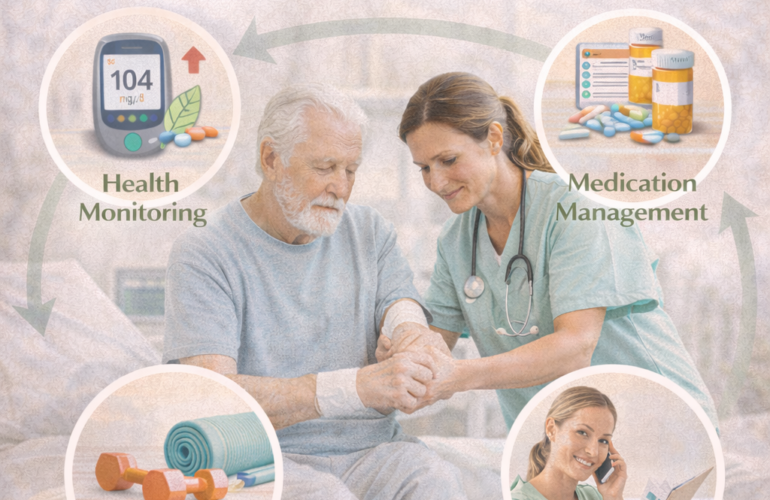
Rehabilitation is not just about exercise — it is a combination of physical therapy, medical monitoring, nutritional care, emotional support, and daily assistance. For elders, this holistic approach helps the body heal while ensuring safety and confidence.
Some key reasons rehabilitation is essential include:
1. Faster and Safer Recovery
Age slows tissue repair, making seniors more susceptible to delayed healing. Rehabilitation accelerates this process through targeted exercises, gentle movement, and continuous monitoring by trained professionals.
2. Prevents Complications
Post-surgical risks include infections, blood clots, pneumonia, muscle loss, and bedsores. A structured elder care recovery program reduces these risks significantly.
3. Restores Mobility and Strength
After surgery, prolonged bed rest can weaken muscles and joints. Physiotherapy for elders helps rebuild strength, improve balance, and restore functional mobility.
4. Improves Heart and Lung Health
Breathing exercises and mild conditioning routines help seniors maintain respiratory function and cardiovascular stability — essential for long-term healing.
5. Enhances Mental and Emotional Well-Being
Seniors often experience fear, anxiety, or discouragement after a major procedure. Compassionate caregivers provide reassurance, motivation, and emotional support throughout recovery.
Types of Rehabilitation Seniors May Need After Surgery
Different surgeries require different recovery plans. Here are the most common types of rehabilitation essential for Indian seniors:
1. Physiotherapy
The most important leg of post-surgical care.
Includes:
-
Strength training
-
Balance exercises
-
Gait training
-
Range-of-motion exercises
-
Pain management techniques
2. Occupational Therapy
Helps seniors relearn or improve daily activities such as bathing, grooming, eating, and using mobility aids.
3. Speech and Cognitive Therapy
Crucial for those recovering from neurological surgeries, strokes, or head injuries.
4. Nutritional Rehabilitation
Seniors often struggle with appetite loss, poor digestion, and nutritional deficiencies post-surgery. A personalized diet plan supports faster healing, improved immunity, and stable energy.
5. Psychological Support
Counseling reduces anxiety, stress, and fear — helping elders feel confident during recovery.
What Happens When Rehabilitation Is Delayed or Ignored
Without proper post-surgery elder care, seniors face several risks:
-
Slower healing
-
Muscle wasting
-
Joint stiffness
-
Poor balance
-
Higher fall risk
-
Respiratory problems
-
Dependency on others
-
Loss of confidence
-
Frequent hospital readmissions
Timely rehabilitation ensures these challenges are minimized or avoided entirely.
Family’s Role in Post-Surgical Recovery
Families play a major role in helping seniors feel secure and supported during rehabilitation. Simple actions can make a huge difference:
-
Encourage regular physiotherapy
-
Monitor medications
-
Ensure proper nutrition and hydration
-
Offer emotional encouragement
-
Help with mobility and daily tasks
-
Maintain a clean, safe environment
-
Track progress and symptoms
When families and professional caregivers work together, recovery becomes smoother, faster, and more comfortable.
Why Seniors Need Personalized Rehabilitation Plans
Every elder heals differently. Age, pre-existing conditions, surgery type, and mobility levels vary widely. That’s why a personalized care plan is essential.
A customized rehabilitation plan includes:
-
Tailored physiotherapy routines
-
Condition-specific diet plans
-
Daily activity schedules
-
Pain management strategies
-
Mobility training
-
Emotional and cognitive support
This individualized approach ensures the senior is neither under-exercised nor over-exerted — striking the perfect balance for optimal recovery.
The Advantages of Professional Post-Surgery Elder Care
Rehabilitation at home can work, but professional care offers several advantages:
-
24×7 monitoring
-
Trained physiotherapists
-
Skilled nursing support
-
Safer environment
-
Reduced hospital readmissions
-
Faster strength building
-
Better emotional comfort
-
Personalized nutrition
-
Access to medical equipment
Professional elder-care centres follow structured recovery programs that are difficult for families to manage alone.
Nisarga Care: Trusted Rehabilitation Support for Seniors in Karnataka
Post-surgery recovery is a delicate phase that demands patience, expertise, and consistent monitoring. At Nisarga Care, seniors receive specialized rehabilitation programs, physiotherapy sessions, skilled nursing care, doctor supervision, and personalized recovery plans that ensure faster and safer healing. Families across Karnataka trust Nisarga Care for smooth, comfortable, and dignified healing after surgeries — whether orthopedic, cardiac, neurological, or general procedures.
If your loved one needs dependable, compassionate, and medically supervised post-surgery rehabilitation, Nisarga Care is here to support their journey toward strength, independence, and complete recovery.