Rehabilitation is often viewed only through a physical lens—regaining strength, mobility, or independence after illness, surgery, or injury. However, for seniors, emotional well-being plays an equally vital role in the rehabilitation journey. Feelings of fear, anxiety, loneliness, and loss of independence are common among elderly individuals undergoing rehabilitation, and addressing these emotions is essential for holistic recovery.
Why Emotional Health Matters in Rehabilitation
Seniors entering rehabilitation often experience sudden life changes. They may struggle with reduced mobility, dependence on others, or separation from familiar home environments. These changes can trigger emotional distress, which may slow physical recovery. Studies and clinical experience consistently show that seniors with positive emotional health tend to heal faster, stay motivated, and actively participate in therapy sessions.
Emotional well-being influences how seniors perceive pain, adhere to physiotherapy routines, and maintain hope during long recovery periods. Without emotional support, rehabilitation can feel overwhelming rather than empowering.
Common Emotional Challenges Faced by Seniors
Many seniors in rehabilitation face:
-
Anxiety and fear, especially after surgeries or strokes
-
Depression or sadness due to loss of independence
-
Loneliness, particularly in residential rehab settings
-
Low self-esteem, when daily tasks require assistance
Recognizing these emotions early allows caregivers and families to respond with empathy instead of focusing only on physical milestones.
Role of Compassionate Care and Environment
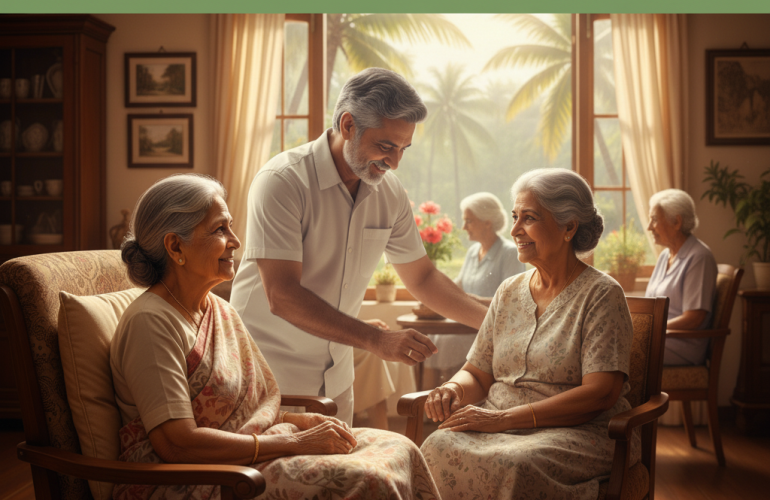
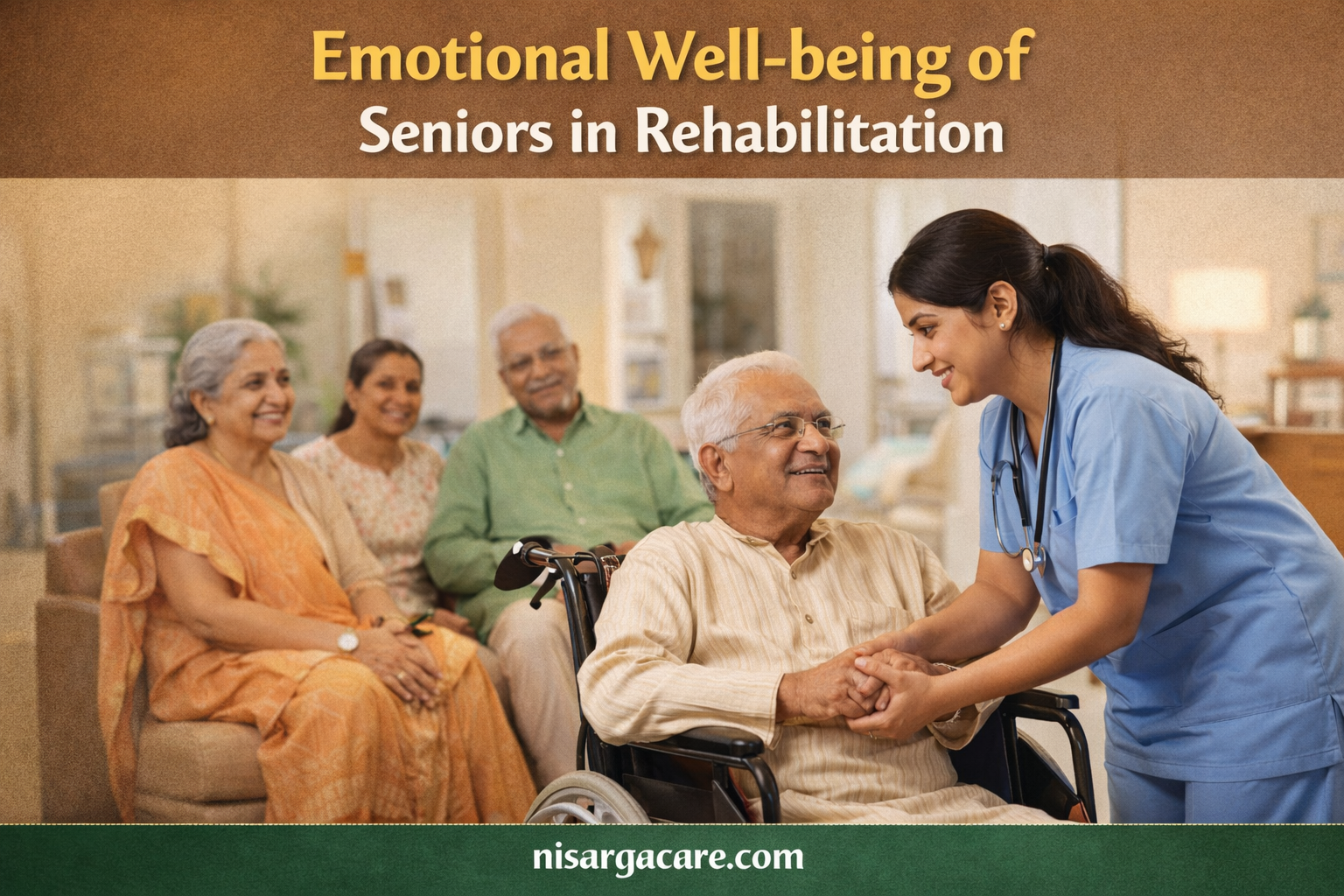
A supportive rehabilitation environment can significantly improve emotional health. Seniors benefit from calm surroundings, respectful communication, and caregivers who listen patiently. Simple actions—addressing seniors by name, explaining therapy steps, and encouraging independence—help restore confidence.
Rehabilitation centers that integrate mental wellness support, social interaction, and personalized care plans create a sense of belonging rather than isolation. Group activities, light exercises, and shared meals encourage seniors to connect with others facing similar challenges.
Family Involvement and Emotional Security
Family support remains one of the strongest pillars of emotional well-being. Regular visits, phone calls, and involvement in care decisions reassure seniors that they are not alone. Emotional encouragement from loved ones motivates seniors to stay committed to their rehabilitation goals.
When families collaborate with therapists and caregivers, seniors feel valued and respected. Even small gestures—bringing familiar items from home or celebrating recovery milestones—can lift spirits and reduce emotional stress.
Mind-Body Connection in Recovery
Emotional stability directly impacts physical outcomes. Seniors who feel supported and understood are more likely to engage actively in physiotherapy, follow medical advice, and maintain a positive outlook. Practices such as breathing exercises, light meditation, music therapy, and gentle conversation can help manage stress and improve mood during rehabilitation.
Creating a Dignified Rehabilitation Experience
Preserving dignity is essential for emotional well-being. Seniors should be encouraged to do tasks independently whenever possible and be involved in decisions about their care. Respecting their preferences, routines, and cultural values fosters trust and emotional resilience.
Conclusion
Emotional well-being is not an optional aspect of seniors care in rehabilitation—it is a foundation for successful recovery. By addressing emotional challenges alongside physical therapy, families and caregivers can help seniors regain not only strength but also confidence, hope, and a sense of purpose. Compassionate environments, strong family involvement, and respectful care ensure that rehabilitation becomes a journey of healing, dignity, and renewed independence rather than fear or isolation.