Parkinson’s Disease is a progressive neurological condition that affects movement, coordination, and daily functioning. For seniors, it can gradually make simple tasks such as walking, eating, dressing, and writing challenging. Families often feel overwhelmed witnessing these changes, especially when symptoms like tremors, stiffness, slow movement, and balance issues begin to interfere with independence. This is why dedicated Parkinson’s care in India becomes essential—to provide structured medical support and compassionate assistance that helps seniors navigate daily life with dignity, comfort, and emotional safety.
In Karnataka, more families are seeking specialized care solutions to ensure seniors with Parkinson’s remain active, engaged, and secure at home. With the right combination of medical supervision, physical therapy, emotional support, and daily living assistance, seniors can maintain a high quality of life, even as the condition progresses.
Understanding Parkinson’s Disease in Seniors
Parkinson’s results from the gradual loss of dopamine-producing cells in the brain—a chemical responsible for smooth, coordinated movement. The symptoms worsen over time, making consistent care and monitoring crucial. Key symptoms include:
-
Tremors in hands, legs, or jaw
-
Slowness of movement (bradykinesia)
-
Muscle stiffness
-
Poor balance and frequent falls
-
Speech and swallowing difficulties
-
Sleep disturbances
-
Emotional changes like anxiety or depression
Because each senior experiences Parkinson’s differently, personalized elder care plays a major role in ensuring comfort and stable functioning at home.
The Importance of Holistic Parkinson’s Care
A holistic approach doesn’t focus only on physical symptoms—it addresses emotional wellness, mobility, nutrition, cognitive health, and overall independence. Seniors need more than medication; they need a supportive environment that helps them continue their routines, maintain social connection, and feel empowered.
Holistic Parkinson’s care includes:
-
Skilled nursing support
-
Physiotherapy and movement rehabilitation
-
Assistance with daily activities
-
Speech and swallowing therapy
-
Fall prevention and home safety planning
-
Emotional and mental wellbeing support
This integrated approach ensures seniors feel safe and capable, reducing the feeling of helplessness that often accompanies chronic conditions.
Key Components of Effective Parkinson’s Care
1. Skilled Nursing Support
A trained nurse plays a vital role in monitoring symptoms, tracking medication response, and ensuring seniors follow a consistent routine. Medication timing is extremely important for Parkinson’s—missing doses can worsen stiffness or tremors. Skilled nurses help with:
-
Medication administration
-
Vital monitoring
-
Identifying changes in symptoms
-
Managing constipation, blood pressure fluctuations, or sleep issues
-
Communicating with doctors about adjustments
This level of support reduces complications and promotes stable functioning.
2. Physiotherapy for Movement & Balance
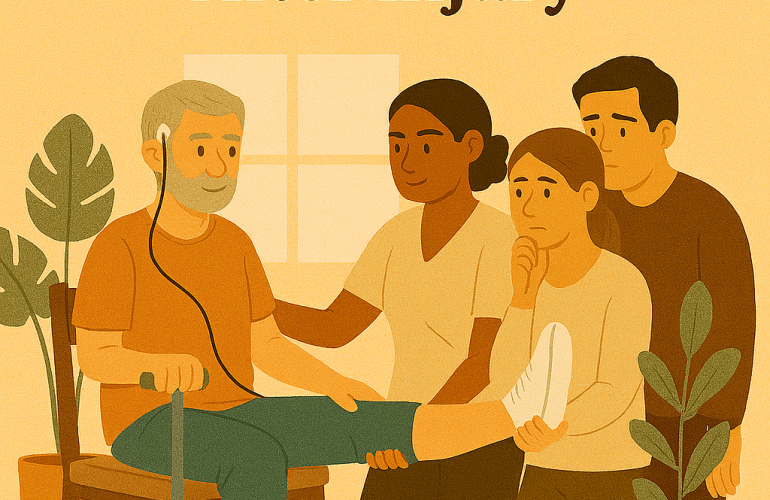
Physiotherapy is one of the most important elements of managing Parkinson’s. Regular movement therapy helps seniors maintain flexibility, reduce stiffness, and prevent muscle weakening. Physiotherapists create customized exercise plans that improve:
-
Balance
-
Coordination
-
Walking pattern
-
Joint flexibility
-
Strength
-
Posture
Daily guided movement sessions also reduce fall risk and help seniors stay active longer.
3. Occupational Therapy for Daily Independence
Parkinson’s often affects daily living activities such as buttoning clothes, using utensils, bathing, writing, or even getting out of bed. Occupational therapy provides practical support that helps seniors complete tasks comfortably and safely.
Therapists teach techniques like:
-
Energy conservation
-
Hand strengthening exercises
-
Adaptive grips for utensils
-
Slow and safe movement planning
They also recommend assistive devices such as shower chairs, grab bars, anti-slip footwear, and customized seating to make daily routines easier.
4. Speech & Swallowing Therapy
Many seniors with Parkinson’s experience speech changes like soft voice, monotone speech, or slurred words. Speech therapists help improve communication through breathing exercises, voice strengthening, and articulation techniques.
They also assist with swallowing difficulties—important to prevent choking, coughing during meals, or malnutrition. Proper guidance ensures seniors eat safely and continue enjoying food without fear.
5. Emotional Wellbeing & Behavioral Support
Parkinson’s affects mood just as much as movement. Seniors may experience frustration, anxiety, irritability, or withdrawal due to their decreasing abilities. Compassionate caregivers help by:
-
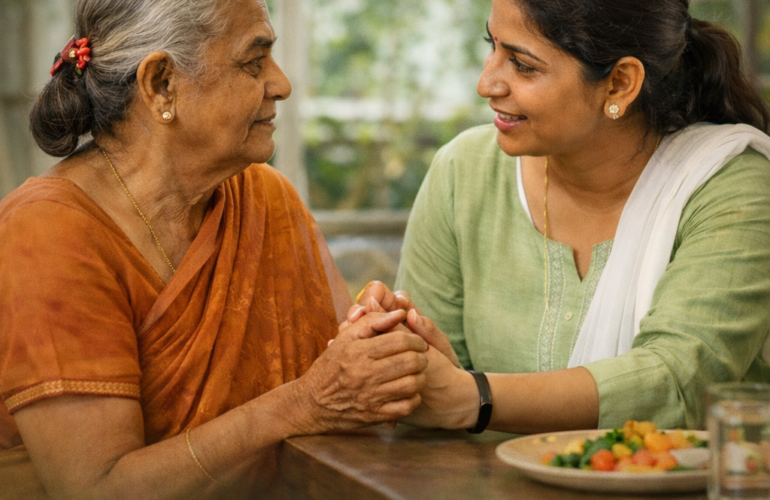
Providing companionship
-
Encouraging social interaction
-
Engaging seniors in hobbies
-
Offering reassurance and emotional support
-
Creating a calm, structured daily routine
Emotional care not only boosts mood but also improves overall health and motivation.
Daily Living Support for Seniors with Parkinson’s
Seniors often need help with everyday activities, especially as symptoms progress. Professional caregivers support them with:
-
Bathing, grooming, and dressing
-
Meal preparation and feeding support
-
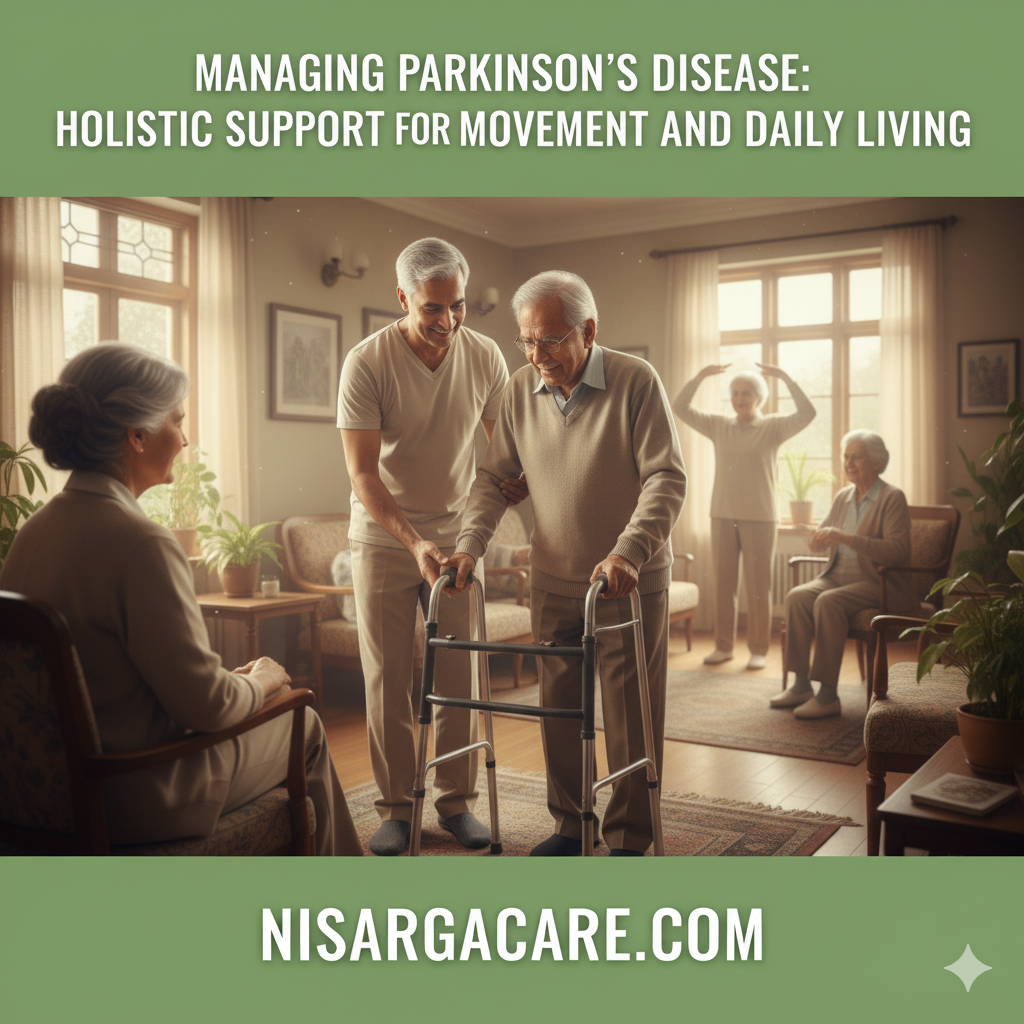
Mobility assistance
-
Walking and stability support
-
Toileting and hygiene
-
Sleep routines
-
Home safety modifications
This assistance helps seniors feel safe and less stressed, while families experience peace of mind knowing their loved one is cared for with patience and compassion.
Why Families in Karnataka Trust Nisarga Care for Parkinson’s Support
Families rely on Nimarga Care because we provide highly trained professionals who understand the complexities of Parkinson’s care in India. Our team supports seniors through:
-
Personalized care plans
-
Expert physiotherapy sessions
-
Skilled nursing management
-
Gentle emotional support
-
Assistance with movement and daily activities
-
Safety-first routines to reduce falls
With our holistic approach, seniors experience comfort, control, and dignity throughout their journey.
Conclusion
Parkinson’s Disease may be progressive, but with the right care, seniors can continue living meaningful, active, and emotionally fulfilling lives. Holistic support—covering physical stability, emotional wellbeing, daily assistance, and medical monitoring—helps them maintain independence and confidence. For families, this compassionate care at Nisarga Care brings relief, reassurance, and the security of knowing their loved one is supported every step of the way.