Bangalore rehabilitation centers | rehab assisted living facilities in Bangalore News

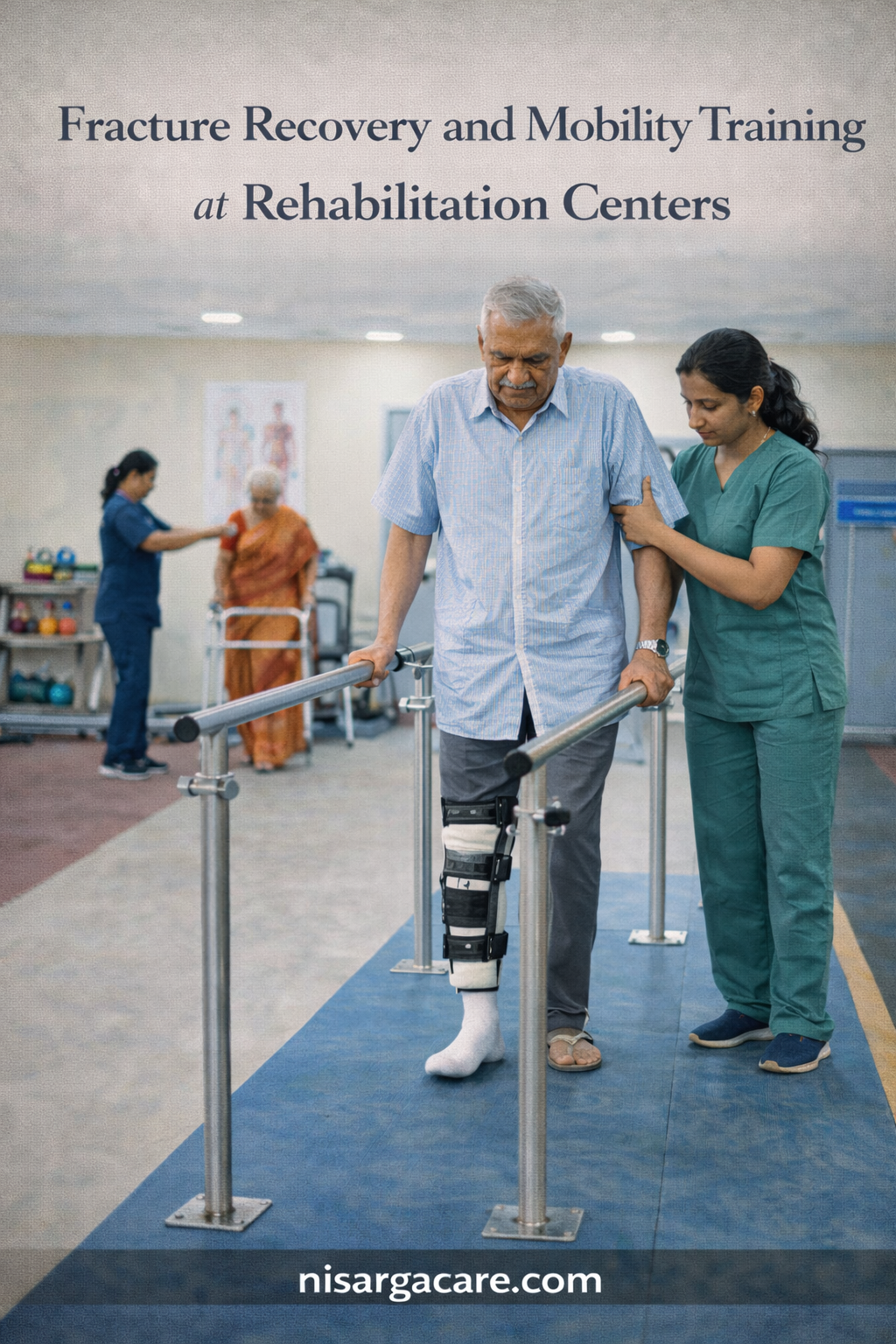
Fracture Recovery and Mobility Training at Rehabilitation Centers

A fracture can significantly limit movement, independence, and daily functioning—especially in elderly patients. While bones may heal with surgery or casting, full recovery depends on proper rehabilitation. Rehabilitation centers in Bangalore and across Karnataka play a vital role in fracture recovery by restoring mobility, strength, and balance through structured therapy programs.

For families, understanding fracture rehabilitation helps ensure faster and safer recovery.


Why Rehabilitation Is Important After a Fracture

After a fracture, prolonged immobilization can lead to muscle weakness, joint stiffness, poor balance, and fear of movement. Without rehabilitation, patients may struggle to walk, perform daily activities, or regain confidence.

Post-fracture rehabilitation helps to:

  • Restore joint movement and flexibility

  • Strengthen weakened muscles

  • Improve balance and coordination

  • Reduce pain and stiffness

  • Prevent long-term disability

This makes professional rehabilitation centers in Karnataka essential for complete fracture recovery.


When Should Fracture Rehabilitation Begin?

Rehabilitation usually begins once the fracture is stable and medically cleared—often soon after cast removal or surgery. Early, guided movement improves circulation, reduces stiffness, and accelerates healing.

Most advanced rehabilitation centers in Bangalore design phase-wise recovery plans that progress safely from gentle exercises to full mobility training.


Key Therapies for Fracture Recovery

Physiotherapy

Physiotherapy is the foundation of fracture rehabilitation. It focuses on:

  • Range-of-motion exercises

  • Muscle strengthening

  • Pain reduction

  • Gradual weight-bearing training

Regular physiotherapy helps patients regain movement without risking re-injury.


Mobility and Gait Training

Mobility training helps patients relearn safe walking patterns, especially after leg, hip, or ankle fractures. Therapists use:

  • Walking aids

  • Balance exercises

  • Step and posture correction

This training reduces fall risk and builds confidence.


Occupational Therapy

Occupational therapy supports patients in performing daily activities such as standing, sitting, dressing, and climbing stairs. It is especially beneficial for elderly patients recovering from fractures.


Balance and Fall-Prevention Training

Balance training improves stability and coordination, helping prevent future falls—one of the biggest risks after fracture recovery.


Inpatient vs Outpatient Fracture Rehabilitation

Some patients benefit from inpatient rehabilitation with stay, particularly:

  • Elderly patients

  • Patients with multiple fractures

  • Those with limited home support

Residential care provides daily supervised therapy and medical monitoring. Outpatient rehabilitation is suitable for patients with mild fractures or good support at home.


Fracture Rehabilitation Centre Cost in Bangalore

The rehabilitation centre cost in Bangalore depends on:

  • Type and severity of fracture

  • Duration of therapy

  • Inpatient or outpatient rehabilitation

  • Patient’s age and mobility level

Early rehabilitation often reduces overall costs by preventing complications and repeat injuries.


Role of Family in Fracture Recovery

Family involvement improves rehabilitation success. Families can help by:

  • Encouraging therapy participation

  • Ensuring safe movement at home

  • Supporting home exercise routines

  • Providing emotional reassurance


Conclusion

Fracture recovery requires more than bone healing—it demands structured rehabilitation and mobility training. Professional rehabilitation centers in Bangalore and Karnataka help patients regain strength, balance, and independence through expert-guided therapy. With personalized care and medical supervision, centers like Nisarga Care ensure safe recovery, improved mobility, and long-term quality of life after fractures.
Bangalore rehabilitation centers | rehab assisted living facilities in Bangalore News

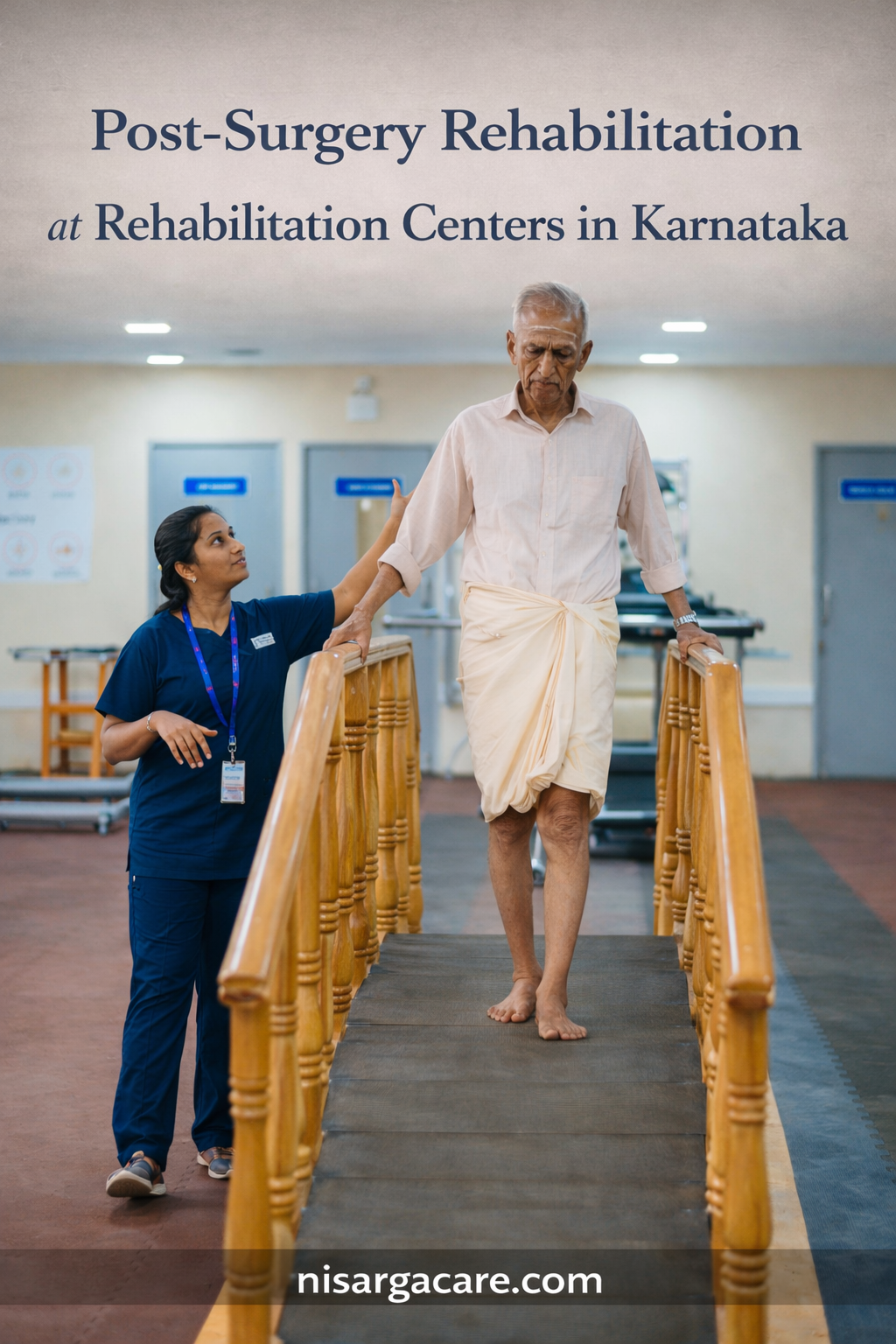
Post-Surgery Rehabilitation at Rehabilitation Centers in Karnataka

Surgery is often only the first step toward recovery. Whether it’s orthopedic surgery, neurological procedures, or abdominal operations, proper rehabilitation is essential for healing and long-term function. Advance Rehabilitation centers in Karnataka play a crucial role in helping patients recover safely after surgery through structured therapy, medical supervision, and personalized care plans.

For families, understanding post-surgery rehabilitation can make a significant difference in recovery outcomes.


What Is Post-Surgery Rehabilitation?

Post-surgery rehabilitation is a medically guided recovery process designed to restore movement, strength, balance, and daily functioning after an operation. It focuses on reducing pain, preventing complications, and helping patients return to normal life as early as possible.

Leading rehabilitation centers in Karnataka, especially in Bangalore, offer multidisciplinary rehabilitation programs tailored to the type of surgery and the patient’s condition.


Why Rehabilitation Is Important After Surgery

Without proper rehabilitation, patients may face complications such as stiffness, muscle weakness, poor mobility, and delayed healing. Timely rehabilitation helps to:

  • Improve blood circulation and wound healing

  • Restore joint and muscle function

  • Reduce post-surgical pain and swelling

  • Prevent long-term disability

  • Improve confidence and independence

This is why doctors strongly recommend professional rehabilitation centers in Karnataka after major surgeries.


Common Surgeries That Require Rehabilitation

Post-surgery rehabilitation is commonly needed after:

  • Joint replacement surgeries (knee, hip, shoulder)

  • Fracture fixation and trauma surgeries

  • Spine and back surgeries

  • Stroke-related surgeries

  • Abdominal and general surgeries affecting mobility

Advanced rehabilitation centers in Bangalore and across Karnataka design recovery plans based on surgical complexity and patient age.


Therapies Offered During Post-Surgery Rehabilitation

Physiotherapy

Physiotherapy helps restore movement, flexibility, and muscle strength. Early physiotherapy reduces stiffness and speeds up functional recovery.

Occupational Therapy

Occupational therapy focuses on daily activities such as walking, dressing, bathing, and climbing stairs—especially important for elderly patients.

Pain Management & Mobility Training

Rehabilitation programs include safe pain management techniques and guided mobility exercises to help patients move confidently without fear of injury.

Medical Monitoring

Professional rehabilitation centers in Karnataka provide continuous medical supervision to monitor recovery and address complications early.


Inpatient vs Outpatient Post-Surgery Rehabilitation

Some patients benefit from inpatient rehabilitation with stay, especially after major surgeries. Residential care allows:

  • Daily supervised therapy

  • Faster recovery progression

  • Reduced risk of post-surgical complications

Outpatient rehabilitation suits patients with minor surgeries or those transitioning from inpatient care.


Post-Surgery Rehabilitation Centre Cost in Karnataka

The rehabilitation centre cost in Karnataka depends on:

  • Type of surgery

  • Duration of rehabilitation

  • Intensity of therapy

  • Inpatient or outpatient care

Early rehabilitation often lowers overall costs by preventing re-hospitalization and delayed recovery.


Role of Family in Post-Surgical Recovery

Family involvement supports faster healing. Families can help by:

  • Encouraging therapy participation

  • Ensuring medication adherence

  • Providing emotional reassurance

  • Supporting safe movement at home


Conclusion

Post-surgery rehabilitation is essential for complete and safe recovery. Professional rehabilitation centers in Karnataka provide structured therapy, medical supervision, and personalized care that help patients regain strength, mobility, and independence. With comprehensive post-surgical rehabilitation, centers like Nisarga Care support patients and families through every stage of recovery, ensuring better outcomes and long-term quality of life.

Bangalore rehabilitation centers | rehab assisted living facilities in Bangalore News

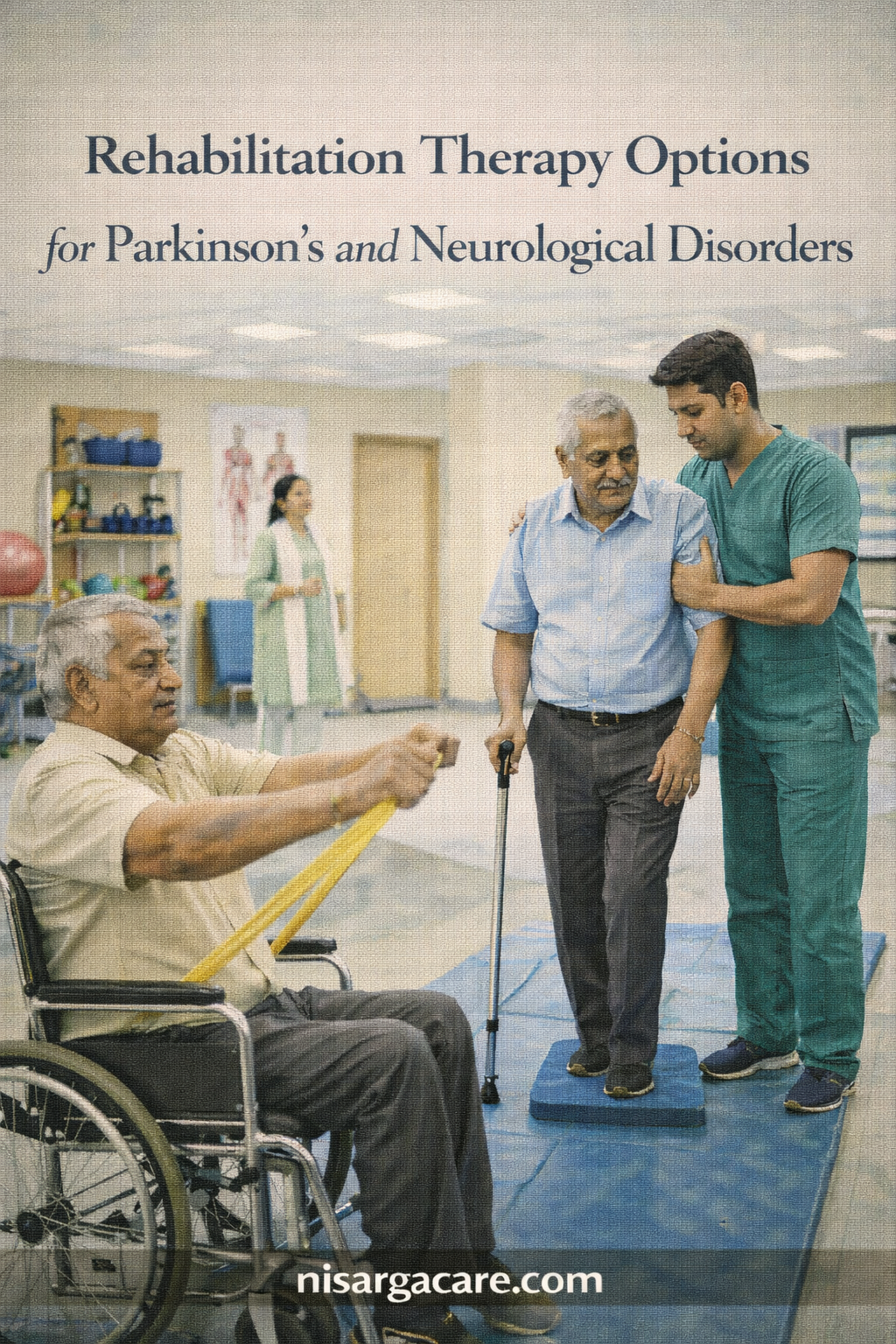
Rehabilitation Therapy Options for Parkinson’s and Neurological Disorders

Parkinson’s disease and other neurological disorders gradually affect movement, balance, speech, and coordination. While medical treatment helps manage symptoms, rehabilitation therapy plays a vital role in maintaining independence and improving quality of life. Today, rehabilitation centers in Bangalore and across Karnataka offer specialized therapy programs designed to support long-term neurological recovery.


Understanding Rehabilitation for Neurological Disorders

Neurological rehabilitation focuses on helping patients adapt to changes caused by nervous system disorders. It does not cure the condition but helps patients:

  • Improve mobility and posture

  • Maintain balance and coordination

  • Manage tremors and muscle stiffness

  • Enhance speech, swallowing, and cognitive function

Professional rehabilitation centers in Bangalore follow structured, personalized rehabilitation plans based on disease progression and patient needs.


Key Rehabilitation Therapy Options Available

Physiotherapy

Physiotherapy is essential for improving strength, flexibility, and movement control. For Parkinson’s and neurological conditions, therapy focuses on:

  • Gait and walking training

  • Posture correction

  • Muscle stretching to reduce stiffness

  • Balance and fall-prevention exercises

Regular physiotherapy slows physical decline and supports functional mobility.


Occupational Therapy

Occupational therapy helps patients manage daily activities despite physical limitations. It includes:

  • Training for dressing, eating, and bathing

  • Hand coordination and fine motor skill exercises

  • Home safety and adaptive technique training

This therapy helps patients remain independent for as long as possible.


Speech and Swallowing Therapy

Neurological disorders often affect speech clarity and swallowing. Speech therapy helps:

  • Improve voice strength and articulation

  • Enhance communication skills

  • Reduce choking and aspiration risks

Early intervention improves long-term communication outcomes.


Cognitive and Psychological Rehabilitation

Many neurological conditions impact memory, concentration, and emotional health. Cognitive therapy and counseling help patients cope with:

  • Memory and attention issues

  • Depression and anxiety

  • Emotional changes and social withdrawal

Mental well-being is a key part of holistic rehabilitation.


Importance of Multidisciplinary Rehabilitation Centers

Advanced rehabilitation centers in Bangalore provide multidisciplinary care, combining physiotherapy, occupational therapy, speech therapy, and medical supervision. Centers like Nisarga Care focus on individualized treatment plans that adapt as the condition progresses, ensuring consistent support at every stage.


Inpatient vs Outpatient Rehabilitation Options

Some patients benefit from inpatient rehabilitation with stay, especially during advanced stages or when mobility is severely affected. Residential rehabilitation offers:

  • Structured daily therapy

  • Medical monitoring

  • Safer, supervised recovery

Outpatient rehabilitation is suitable for early-stage patients or those managing mild symptoms.


Rehabilitation Centre Cost in Bangalore

The rehabilitation centre cost in Bangalore depends on:

  • Type and severity of neurological disorder

  • Duration of rehabilitation

  • Therapy frequency

  • Residential or outpatient care

Discussing customized rehabilitation plans helps families choose cost-effective, appropriate care.


Role of Family in Neurological Rehabilitation

Family support significantly impacts therapy success. Families can help by:

  • Encouraging regular therapy participation

  • Maintaining structured routines

  • Supporting emotional well-being

  • Coordinating long-term care plans

Consistent support improves patient motivation and outcomes.


Conclusion

Rehabilitation therapy is essential for managing Parkinson’s and neurological disorders. With the right combination of physiotherapy, occupational therapy, speech therapy, and psychological support, patients can maintain mobility, independence, and dignity. Choosing best 2026 rehabilitation centers in Bangalore, such as Nisarga Care, ensures comprehensive neurological rehabilitation focused on long-term quality of life.

Bangalore rehabilitation centers | rehab assisted living facilities in Bangalore News

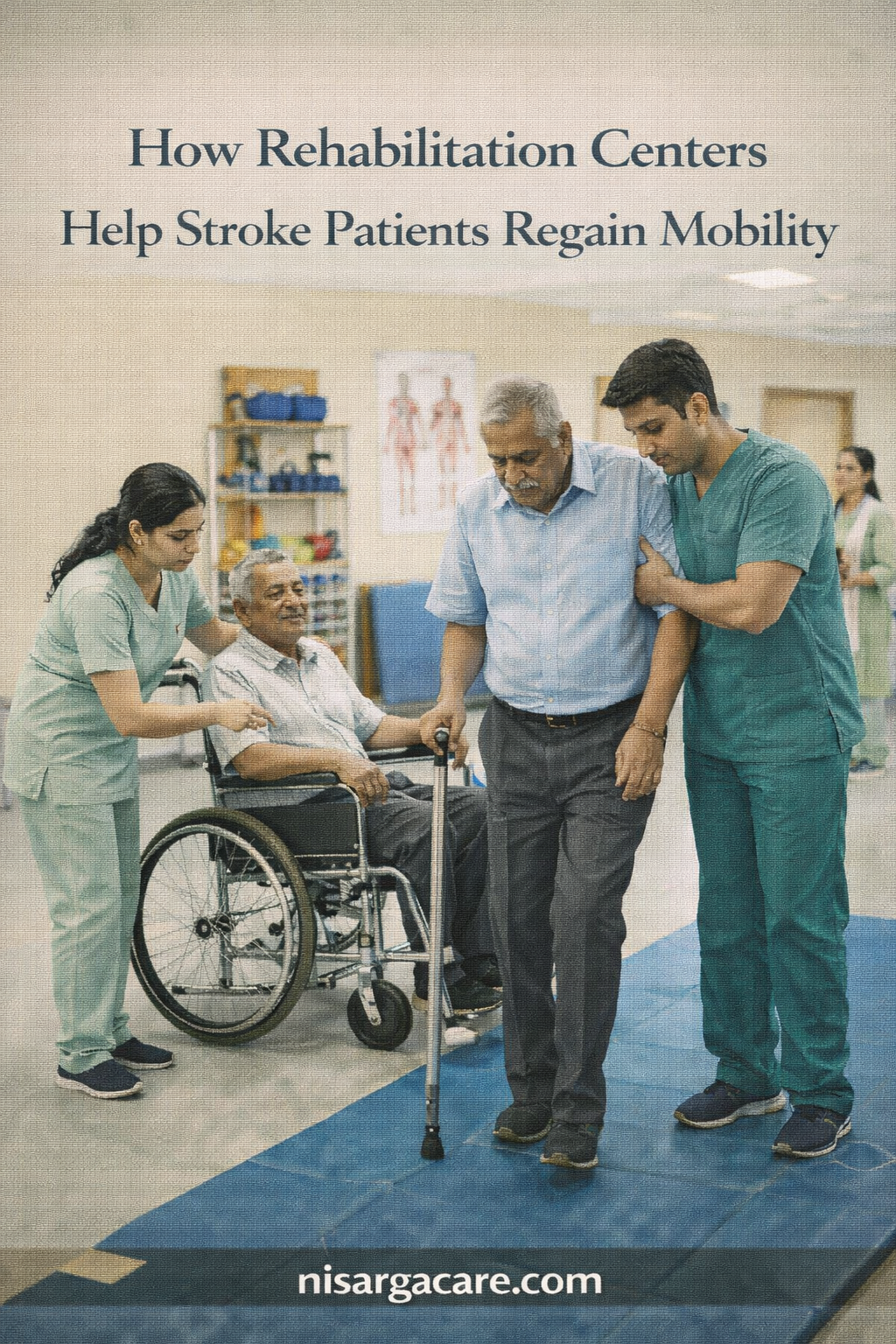
How Rehabilitation Centers Help Stroke Patients Regain Mobility

A stroke can severely impact a person’s ability to move, walk, or maintain balance. Muscle weakness, paralysis, and coordination problems are common challenges after a stroke. Regaining mobility is often the top priority for patients and families. This is where advance rehabilitation centers in Bangalore play a crucial role by providing structured, medically supervised recovery programs focused on movement and independence.


Why Mobility Is Affected After a Stroke

A stroke damages specific areas of the brain that control movement and muscle coordination. As a result, patients may experience:

  • Partial or complete paralysis on one side of the body

  • Muscle stiffness or weakness

  • Poor balance and coordination

  • Difficulty standing or walking

Without proper rehabilitation, these mobility issues can become permanent.


Role of Rehabilitation Centers in Stroke Recovery

Professional rehabilitation centers in Bangalore focus on restoring mobility through targeted therapies and continuous monitoring. These centers provide a controlled environment where patients can safely relearn movement patterns and build strength under expert guidance.

Centers like Nisarga Care adopt a patient-centric approach that combines physical therapy, medical supervision, and emotional support.


Key Therapies That Help Stroke Patients Regain Mobility

Physiotherapy

Physiotherapy is the foundation of mobility recovery. Therapists work on:

  • Muscle strengthening

  • Balance and posture correction

  • Walking training

  • Joint flexibility

Early and consistent physiotherapy helps prevent muscle stiffness and improves movement control.

Gait Training

Gait training focuses on teaching patients how to walk again safely. Therapists use parallel bars, walkers, or assistive devices to improve step coordination and weight shifting.

Occupational Therapy

Occupational therapy supports mobility by helping patients perform daily movements such as sitting, standing, transferring from bed to chair, and climbing stairs.

Balance and Coordination Exercises

Special exercises improve body awareness and reduce the risk of falls—an important concern for stroke survivors.


Importance of Structured Rehabilitation Programs

Unlike home-based recovery, rehabilitation centers in Bangalore offer:

  • Personalized therapy plans

  • Daily monitored exercise sessions

  • Advanced rehabilitation equipment

  • Immediate medical support if complications arise

Structured programs ensure steady progress while reducing setbacks.


Inpatient vs Outpatient Rehabilitation for Mobility Recovery

Some patients benefit from inpatient rehabilitation with stay, especially in the early stages. Residential care allows:

  • Intensive daily therapy

  • Continuous medical observation

  • Faster functional improvement

Outpatient programs are suitable for patients with mild mobility issues or those transitioning from inpatient care.


Rehabilitation Centre Cost in Bangalore for Stroke Mobility Recovery

The rehabilitation centre cost in Bangalore depends on:

  • Severity of mobility impairment

  • Duration of therapy

  • Type of rehabilitation program

  • Inpatient or outpatient care

Early rehabilitation often reduces overall costs by shortening recovery time and preventing complications.


How Families Can Support Mobility Recovery

Families can support stroke patients by:

  • Encouraging consistent therapy participation

  • Following therapist-recommended exercises at home

  • Ensuring safety measures to prevent falls

  • Providing emotional encouragement

Family involvement improves motivation and long-term outcomes.


Conclusion

Mobility recovery after a stroke requires expert guidance, patience, and structured therapy. Rehabilitation centers in Bangalore play a vital role in helping stroke patients regain movement, balance, and independence. Through personalized physiotherapy, gait training, and supportive care, centers like Nisarga Care empower patients to rebuild confidence and improve quality of life.

Bangalore rehabilitation centers | rehab assisted living facilities in Bangalore News

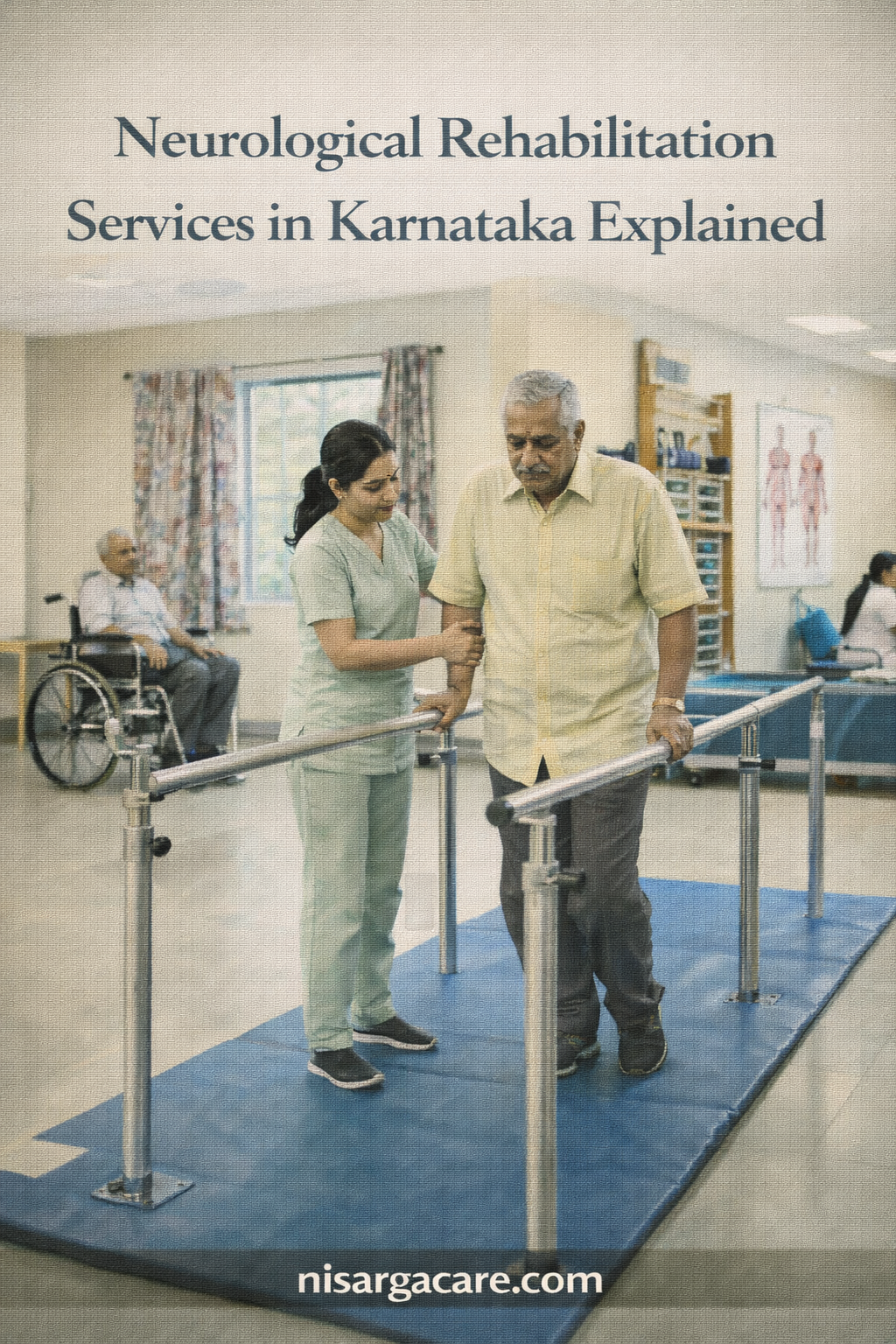
Neurological Rehabilitation Services in Karnataka Explained

Neurological conditions can affect movement, speech, memory, and overall independence. Disorders involving the brain, spinal cord, or nervous system often require long-term, structured rehabilitation for meaningful recovery. Today, rehabilitation centers in Karnataka offer comprehensive neurological rehabilitation services designed to help patients regain function and improve quality of life. This guide explains what neurological rehabilitation involves and how families can choose the right care.


What Is Neurological Rehabilitation?

Neurological rehabilitation is a specialized form of therapy that focuses on restoring abilities lost due to nervous system disorders. It is commonly required after:

  • Stroke

  • Traumatic brain injury

  • Spinal cord injury

  • Parkinson’s disease

  • Multiple sclerosis

  • Neuropathy and other neurological conditions

Most rehabilitation centers in Bangalore and across Karnataka use a multidisciplinary approach to address both physical and cognitive challenges.


Key Neurological Rehabilitation Services Offered

Physiotherapy

Physiotherapy focuses on improving muscle strength, balance, posture, and walking ability. It helps patients relearn movements affected by nerve damage.

Occupational Therapy

Occupational therapy trains patients to manage daily activities such as dressing, bathing, writing, and eating independently.

Speech and Swallowing Therapy

This therapy is crucial for patients facing speech impairment, memory issues, or swallowing difficulties due to neurological damage.

Cognitive & Psychological Rehabilitation

Addresses memory loss, attention deficits, depression, anxiety, and emotional changes that often accompany neurological disorders.


Who Needs Neurological Rehabilitation?

Neurological rehabilitation is recommended for:

  • Stroke survivors

  • Patients recovering from brain or spinal surgeries

  • Individuals with progressive neurological diseases

  • Patients with nerve injuries or paralysis

Families looking for rehabilitation centers in Karnataka should seek facilities that provide personalized rehabilitation programs rather than one-size-fits-all therapy.


Choosing the Right Neurological Rehabilitation Center in Karnataka

When selecting a rehabilitation facility, families should evaluate:

  • Availability of neurologists and rehabilitation physicians

  • Experienced therapy teams

  • Individualized treatment plans

  • Inpatient (stay) and outpatient options

  • Safety, hygiene, and calm surroundings

  • Clear information on rehabilitation centre cost in Bangalore or Karnataka

Centers like Nisarga Care focus on holistic neurological rehabilitation—combining medical supervision, structured therapy, and emotional support for long-term recovery.


Neurological Rehabilitation Centre Cost in Karnataka

The rehabilitation centre cost in Bangalore or other parts of Karnataka depends on:

  • Type and severity of neurological condition

  • Duration of rehabilitation

  • Therapy intensity

  • Residential vs outpatient care

Early intervention often reduces long-term expenses by improving recovery speed and minimizing complications.


Role of Family in Neurological Recovery

Family support is a crucial part of rehabilitation success. Families can help by:

  • Encouraging regular therapy participation

  • Supporting lifestyle modifications

  • Providing emotional reassurance

  • Maintaining continuity of care at home

Active family involvement significantly improves rehabilitation outcomes.


Conclusion

Neurological rehabilitation is essential for patients recovering from brain and nerve disorders. With advanced rehabilitation centers in Karnataka, patients can regain mobility, independence, and confidence through structured therapy and expert care. Choosing the right center—such as Nisarga Care—ensures comprehensive, patient-centered neurological rehabilitation that supports long-term recovery and better quality of life.

News Nisarga care Bangalore

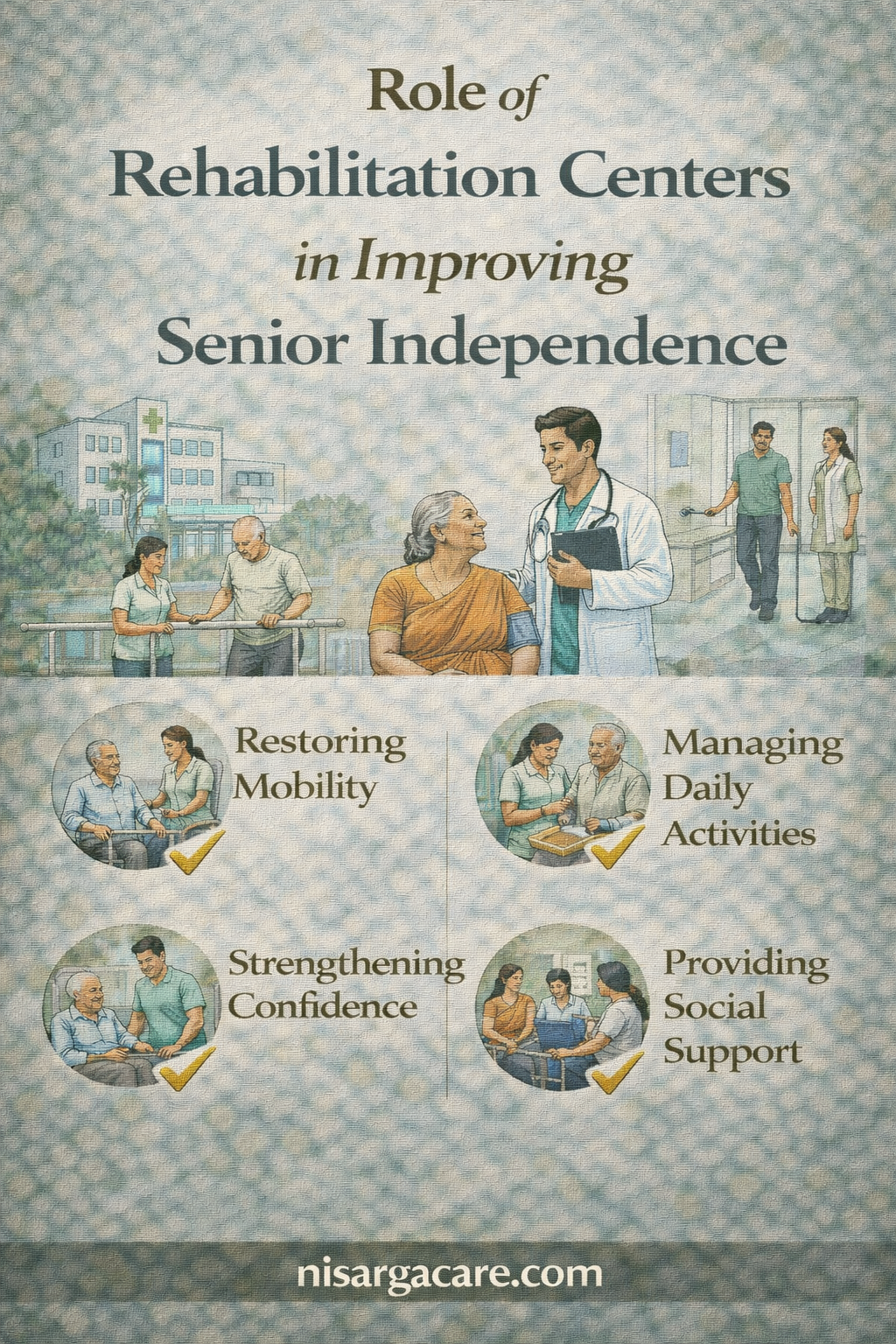
Role of Rehabilitation Centers in Improving Senior Independence

Aging often brings challenges such as reduced mobility, chronic illnesses, post-hospital weakness, and fear of falling. These issues can slowly take away a senior’s independence, making them dependent on family members for even daily activities. This is where rehabilitation centers in Bangalore play a vital role—helping elderly individuals regain physical strength, confidence, and the ability to live life on their own terms.

Families increasingly prefer rehab centers in Bangalore and rehabilitation centres in Bengaluru because these facilities focus not just on recovery, but on restoring independence and dignity for seniors.

Understanding Loss of Independence in Seniors

Senior independence is often affected by conditions such as:

  • Stroke or neurological disorders

  • Orthopedic injuries and joint replacements

  • Age-related muscle weakness

  • Chronic illnesses like diabetes or arthritis

  • Long hospital stays leading to reduced mobility

Without structured rehabilitation, seniors may continue to struggle, even after medical treatment. A professional rehabilitation center in Bangalore bridges this gap between treatment and independent living.

How Rehabilitation Centers Restore Independence

Personalized Rehabilitation Plans
Every senior has unique health needs. Elderly rehabilitation centers in Bangalore design customized therapy programs that focus on individual limitations, goals, and daily living requirements. This targeted approach helps seniors regain control over basic activities such as walking, bathing, and dressing.

Physiotherapy and Mobility Training
A key component of independence is movement. At a physiotherapy rehabilitation center in Bangalore, trained therapists work on strength, balance, and coordination. Improved mobility allows seniors to move safely without constant assistance.

Post-Hospital Recovery Support
After surgery or illness, seniors often feel weak and unsure. A post hospital rehabilitation center in Bangalore ensures gradual recovery under supervision, preventing setbacks and reducing dependency on caregivers.

Safe, Supportive Environment

Unlike home settings, rehabilitation centers in Karnataka are built to support safe movement. Handrails, non-slip flooring, mobility aids, and trained staff create an environment where seniors can practice independence without risk.

This is why families searching for a rehabilitation center near me often choose professional centers for long-term benefits.

Emotional and Mental Confidence Building

Independence is not only physical—it is emotional. Seniors often fear falling or failing. Geriatric rehabilitation centers in Bangalore provide encouragement, routine, and emotional reassurance, helping seniors rebuild self-confidence alongside physical strength.

For seniors with cognitive or mental health challenges, including conditions requiring schizophrenia rehabilitation centres in Bangalore, structured rehabilitation supports both mental stability and functional independence.

Long-Term Benefits of Structured Rehabilitation

Regular therapy, progress tracking, and expert supervision ensure seniors continue improving rather than declining. Rehabilitation centers in Bengaluru city focus on maintaining independence even after recovery goals are achieved.


Why Nisarga Care Supports Senior Independence Best

Nisarga Care is one of the most trusted rehabilitation centers in Bangalore, dedicated to helping seniors live independently and confidently.

As a leading geriatric rehabilitation center in Bangalore and elder care rehabilitation center in Karnataka, Nisarga Care combines physiotherapy, medical oversight, and compassionate support to restore mobility and self-reliance.

For families seeking a dependable rehab center in Bangalore, an old age home with rehabilitation services in Bangalore, or a recovery-focused environment that truly empowers seniors, Nisarga Care stands out as a reliable partner in long-term independence and quality elderly care.

News Nisarga care Bangalore

geriatric care Bangalore | How Long Does Recovery Take at a Rehabilitation Center? rehabilitation Centres in Bangalore for dementia patients |

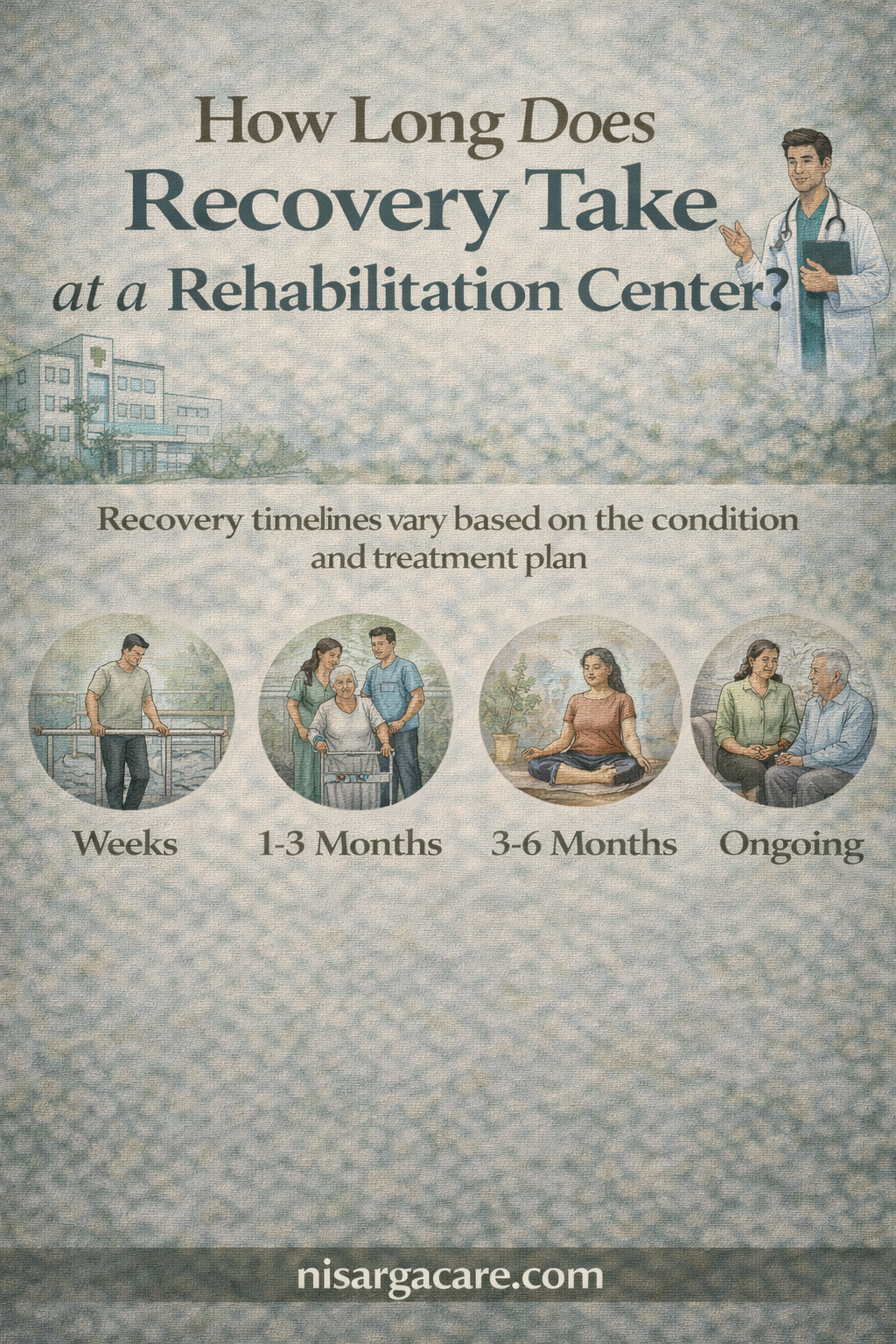
One of the most common questions families ask when choosing a rehabilitation facility is: How long will recovery take? The answer depends on several factors, including the patient’s medical condition, age, overall health, and the type of rehabilitation required. Recovery at a rehabilitation center in Bangalore or Karnataka is not a fixed timeline—it is a carefully monitored and personalized journey focused on safe and sustainable healing.

Understanding the typical recovery phases can help families set realistic expectations and plan care effectively.

Factors That Influence Recovery Time

Recovery duration varies from person to person. The main factors include:

Type of Medical Condition
Patients recovering from minor surgeries or short-term illnesses may require only a few weeks of rehabilitation. In contrast, conditions such as stroke, fractures, neurological disorders, or chronic illnesses often need longer-term support.

Age and Overall Health
Elderly patients usually take longer to recover due to reduced muscle strength, slower healing, and existing health conditions like diabetes or heart disease. A professional rehabilitation center in Karnataka adapts care plans to suit senior recovery needs.

Severity of the Condition
The more complex or severe the condition, the longer the rehabilitation period. Patients with mobility issues, cognitive decline, or post-surgical complications often need extended therapy and monitoring.

Consistency of Therapy and Care
Regular physiotherapy, medication management, nutrition support, and nursing care significantly influence recovery speed. Structured routines in a rehabilitation center in Bangalore help patients progress steadily.

Average Recovery Timelines

While timelines vary, here is a general overview:

  • Post-surgery or hospitalization recovery: 2 to 6 weeks

  • Orthopedic rehabilitation (fractures, joint replacement): 6 to 12 weeks

  • Stroke or neurological rehabilitation: 3 to 6 months or longer

  • Elderly rehabilitation or chronic condition management: Ongoing or long-term care

These timelines are approximate and may change based on patient response to treatment.

Role of Rehabilitation Centers in Faster Recovery

Rehabilitation centers are designed to optimize recovery by offering:

  • 24/7 medical and nursing supervision

  • Structured physiotherapy and occupational therapy

  • Medication and pain management

  • Nutritional and dietary support

  • Emotional and psychological care

This comprehensive approach ensures that recovery is not delayed due to lack of professional support.

Importance of Personalized Care Plans

The best rehabilitation centers do not follow a one-size-fits-all approach. They create Individual care plans based on regular assessments and progress tracking. As patients improve, therapy intensity and support levels are adjusted accordingly, ensuring continuous improvement without overexertion.

Can Recovery Continue After Discharge?

Yes. Many patients transition from a rehabilitation center to home care once they regain stability. Follow-up physiotherapy, nursing visits, and lifestyle guidance help maintain progress and prevent setbacks. A trusted rehabilitation center in Bangalore often supports this transition smoothly.


Conclusion: Why Nisarga Care Is the Best Choice

Recovery time at a rehabilitation center depends on individual needs, but the right care environment can make a significant difference. Nisarga Care is a trusted rehabilitation center in Bangalore and a leading rehabilitation center in Karnataka, known for its personalized recovery programs and compassionate care.

With experienced medical professionals, structured therapy plans, and continuous monitoring, Nisarga Care helps patients recover safely, confidently, and at their own pace. For families seeking reliable rehabilitation support with realistic recovery outcomes, Nisarga Care stands out as the best rehabilitation center in Karnataka, ensuring dignity, comfort, and long-term well-being.

News

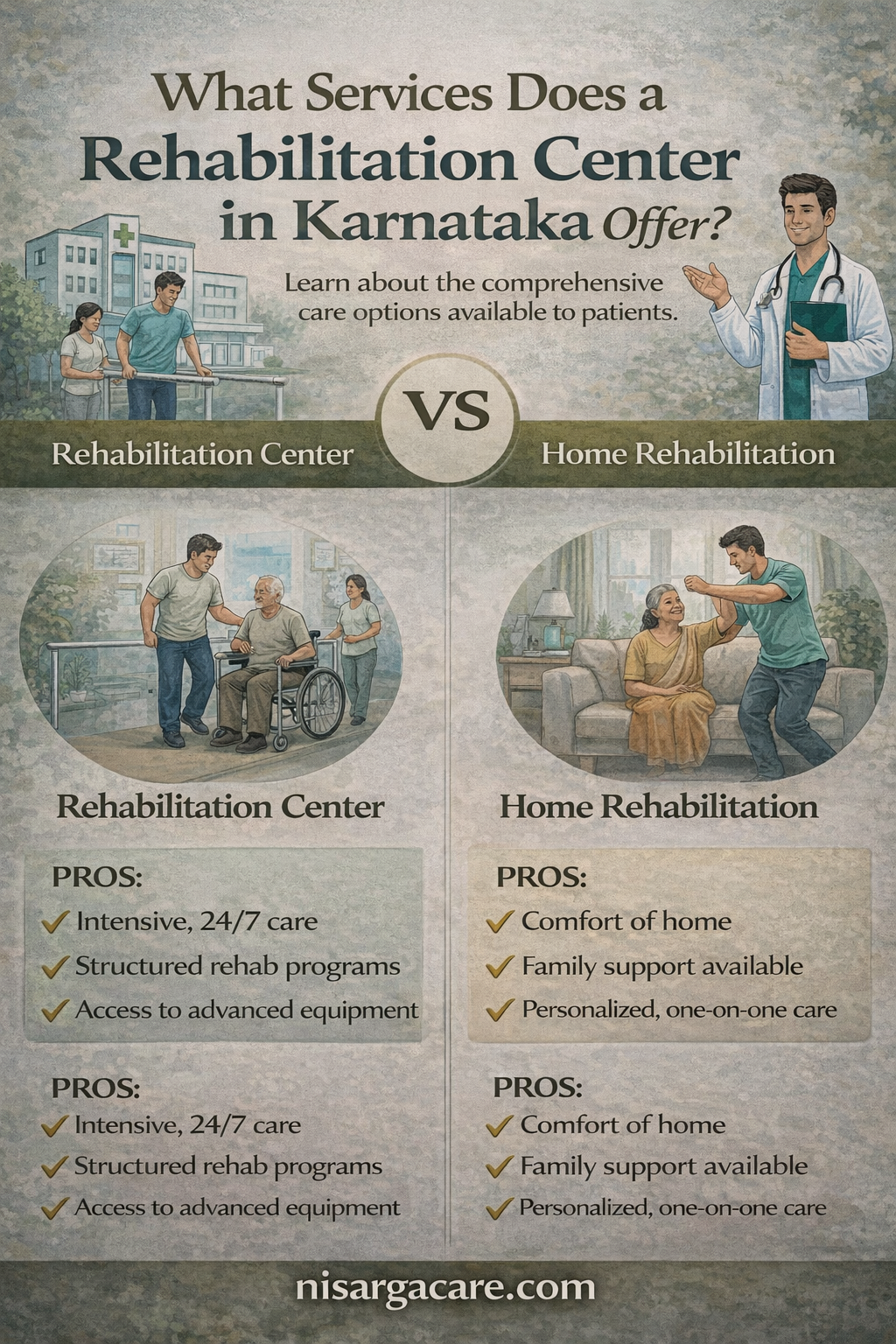
rehabilitation Centre and stay in Bangalore for mental illness | Rehabilitation Center vs Home Rehabilitation: Which Is Better ?

Deciding between a rehabilitation center and home rehabilitation is one of the most important choices families face when a loved one needs recovery support. Both options have unique benefits, and the best fit depends on the individual’s medical needs, level of family involvement, safety requirements, and long-term care goals. Understanding the differences can help you make an informed decision that promotes healing, comfort, and quality of life.

Centers like Nisarga Care in Karnataka offer professional guidance to help families choose the right setting for recovery.


Rehabilitation Center: Structured and Professional Support

1. 24/7 Medical Supervision

In a rehabilitation center, patients receive continuous medical and nursing care. Trained professionals monitor vital signs, manage medications, and respond to emergencies quickly. This is especially important for:

  • Post-surgical recovery

  • Serious illnesses

  • Patients with multiple health conditions

A rehabilitation center in Bangalore ensures medical oversight that families may find hard to replicate at home.

2. Multidisciplinary Care Teams

Rehab centers typically involve a team of professionals including:

  • Doctors and nurses

  • Physiotherapists

  • Occupational therapists

  • Nutritionists

  • Psychologists

This coordinated approach supports physical recovery, emotional well-being, mobility, and daily living skills.

3. Structured Programs and Facilities

Rehabilitation centers are equipped with therapy rooms, exercise equipment, and safe environments designed to support recovery. Structured daily routines, therapy sessions, and customized care plans help patients progress steadily.

4. Social Interaction and Group Activities

Group activities and peer interaction provide emotional support, reduce isolation, and boost motivation—especially for seniors and long-term recovery patients.


Home Rehabilitation: Comfort and Familiarity

1. Comfort of Home Environment

Recovering at home offers familiarity and emotional comfort. Patients may feel less stressed and more relaxed in their own space, surrounded by family and personal belongings.

2. Personalized One-on-One Care

Home rehabilitation allows caregivers or nurses to focus solely on one patient’s needs. This personalized attention promotes strong emotional support and flexible routines.

3. Family Involvement

Family members can participate closely in care, offering companionship and encouragement throughout recovery. This strengthens emotional bonds and supports psychological well-being.

4. Convenience and Familiarity

Home care eliminates travel to rehab sessions and reduces disruption to daily life. Seniors can maintain their lifestyle with professional support.


Which Is Better? Key Factors to Consider

Medical Needs

  • Rehabilitation Center: Better for patients needing continuous medical supervision, complex therapies, or multidisciplinary care.

  • Home Rehabilitation: Suitable for stable patients with mild to moderate recovery needs or those requiring basic therapy and supervision.

Safety and Monitoring

  • Rehabilitation Center: Ideal for patients at high risk of falls, complications, or unpredictable symptoms.

  • Home Rehabilitation: Works well if the home environment is safe and professional supervision is available.

Family Support and Caregiver Availability

  • Rehabilitation Center: Great for families unable to provide round-the-clock care.

  • Home Rehabilitation: Works when family members are actively involved and can coordinate with professional caregivers.

Social and Mental Well-Being

  • Rehabilitation Center: Provides community and peer support.

  • Home Rehabilitation: Offers emotional comfort and familiarity, which is important for seniors with anxiety or dementia.


Conclusion: Balancing Needs and Comfort

There is no one-size-fits-all answer. A rehabilitation center is better for medically complex cases, structured therapy, and continuous supervision. Home rehabilitation is ideal for stable patients who thrive in familiar environments with family support.

News Nisarga care Bangalore

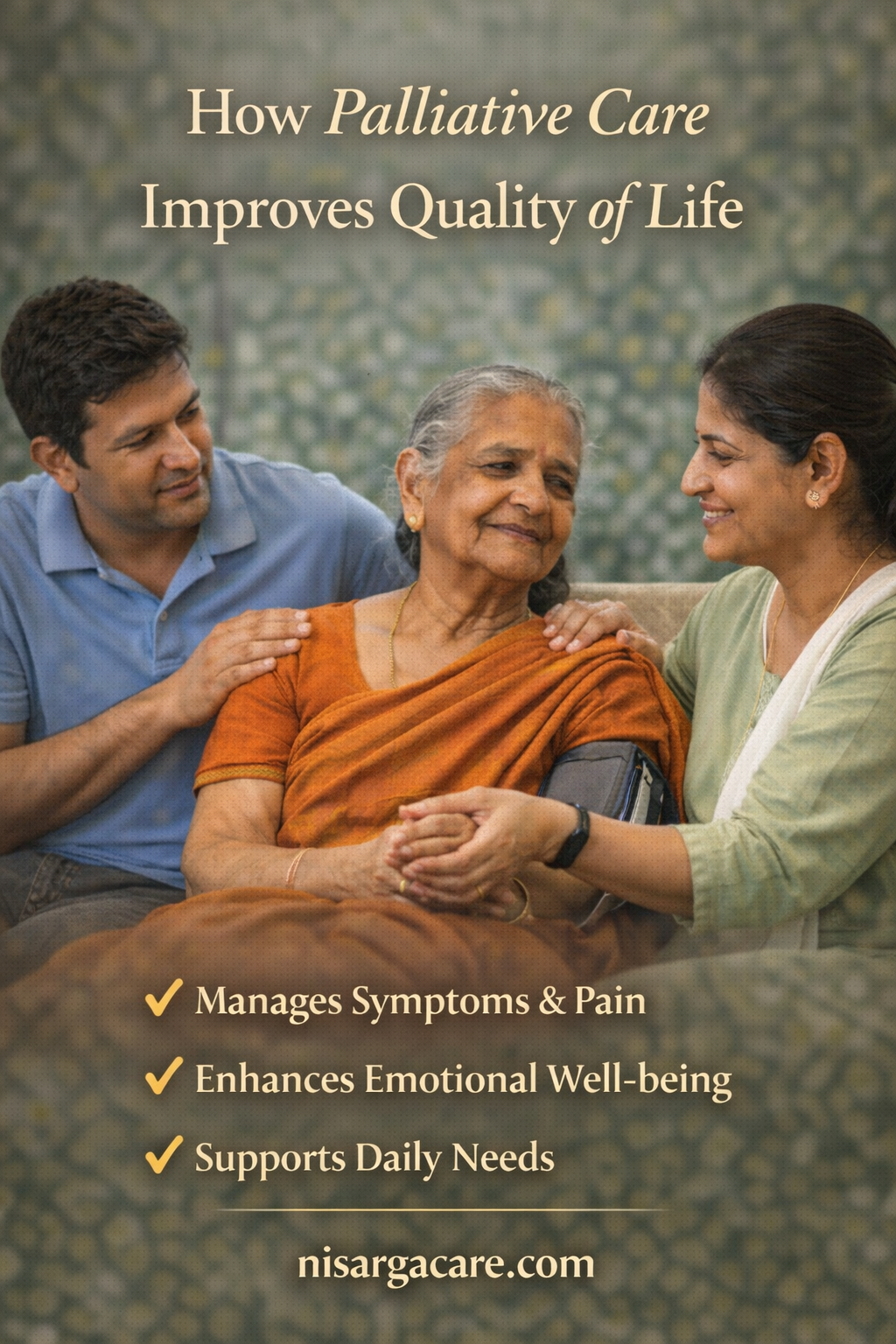
senior citizen homes in Bangalore | How Palliative Care Improves Quality of Life

Palliative care is a specialized approach designed to enhance the quality of life for patients with serious, chronic, or life-limiting conditions. Unlike treatments that aim to cure a disease, palliative care focuses on relieving pain, managing symptoms, and supporting emotional well-being. It benefits both patients and their families, ensuring comfort, dignity, and holistic support throughout the course of illness.

Centers like Nisarga Care in Karnataka provide professional palliative care, helping patients live with greater comfort and families feel supported.

Effective Symptom Management

One of the most critical ways palliative care improves quality of life is through symptom control. Patients often experience pain, fatigue, nausea, breathlessness, or sleep disturbances. Trained caregivers and medical professionals:

  • Administer prescribed medications on time

  • Adjust treatment plans according to patient needs

  • Provide complementary therapies to reduce discomfort

By controlling symptoms, patients can participate in daily activities, enjoy better sleep, and experience reduced physical stress.

Emotional and Psychological Support

Living with a chronic or serious illness can cause anxiety, depression, and emotional strain. Palliative care emphasizes mental and emotional well-being through:

  • Counseling for patients and family members

  • Stress management and relaxation techniques

  • Support groups to reduce feelings of isolation

Emotional support fosters resilience, helping patients maintain a positive outlook and better engage in recovery or daily life.

Support for Families

Palliative care extends beyond patients to include their families, providing:

  • Guidance on caregiving tasks

  • Education about the illness and treatment options

  • Counseling to cope with stress, grief, or uncertainty

  • Respite care to reduce caregiver burnout

This comprehensive approach ensures families are empowered and supported while providing care, improving overall household well-being.

Enhancing Comfort and Dignity

Palliative care focuses on creating a comfortable environment that respects the patient’s preferences, routines, and dignity. Measures include:

  • Adjusting living spaces for safety and ease of movement

  • Assisting with daily activities while promoting independence

  • Providing compassionate companionship

A dignified care experience reduces stress, improves mental health, and enhances the patient’s sense of autonomy.

Coordinated and Personalized Care

Each patient’s condition and needs are unique. Palliative care teams create personalized care plans that integrate medical, emotional, and social support. Coordinated care between doctors, nurses, and caregivers ensures that patients receive consistent, timely, and effective treatment.

Reducing Hospital Visits and Complications

By proactively managing symptoms and providing professional support at home or in care facilities, palliative care reduces unnecessary hospitalizations and medical emergencies. This not only improves patient comfort but also decreases stress and financial burden on families.


Conclusion: Why Nisarga Care Is the Best Choice

Palliative care is essential for improving the quality of life of patients with serious illnesses. Nisarga Care is a trusted Alzheimer’s and elder care center in Karnataka, offering professional palliative care that addresses physical, emotional, and psychological needs.

With trained caregivers, personalized care plans, and compassionate supervision, Nisarga Care ensures patients live comfortably and with dignity, while families receive guidance and support. Recognized as a leading palliative care provider in Karnataka, Nisarga Care delivers holistic, patient-centered care that enhances well-being, comfort, and overall quality of life for both patients and their families.

News Nisarga care Bangalore

Preventing Diabetic Complications in Old Age | Mental rehabilitation Centre in Bangalore |

Diabetes is a common condition among seniors, and if not managed properly, it can lead to serious complications such as heart disease, kidney damage, vision problems, and neuropathy. Preventing these complications requires consistent monitoring, healthy lifestyle choices, and professional support. With proper care, seniors can maintain their independence, stay active, and enjoy a better quality of life. A specialized Diabetic treatment facility in Bangalore provides structured programs and guidance to help seniors manage their condition effectively.

Regular Blood Sugar Monitoring

Consistent monitoring is the cornerstone of diabetes management. Regular blood sugar checks help:

  • Identify high or low glucose levels early

  • Prevent dangerous episodes of hypoglycemia or hyperglycemia

  • Guide adjustments to diet, medications, and lifestyle

Professional caregivers ensure accurate readings and timely intervention to maintain stability.

Proper Medication Management

Many seniors struggle to adhere to their medication schedule, which can increase the risk of complications. Proper management includes:

  • Timely administration of insulin or oral medications

  • Education on proper usage

  • Coordination with healthcare providers for dosage adjustments

A professional Diabetic treatment facility in Bangalore ensures medication compliance and reduces health risks.

Balanced Diet and Nutrition

Nutrition is a key factor in preventing diabetic complications. Seniors should follow a diet that:

  • Emphasizes whole grains, fruits, and vegetables

  • Includes lean proteins and healthy fats

  • Limits refined sugar, processed foods, and excess salt

Dietary guidance from trained caregivers helps maintain blood sugar levels and overall health.

Physical Activity and Exercise

Regular physical activity helps regulate blood sugar, improve circulation, and maintain muscle strength. Seniors should engage in:

  • Light exercises like walking or stretching

  • Supervised routines to prevent falls

  • Activities that suit individual fitness levels

Professional guidance ensures exercises are safe and effective.

Regular Medical Checkups

Seniors should have routine screenings for:

  • Eye health to prevent diabetic retinopathy

  • Kidney function to detect early signs of nephropathy

  • Cardiovascular health to reduce heart risks

  • Foot care to prevent ulcers or infections

Early detection of issues allows for timely intervention and better outcomes.

Emotional and Psychological Support

Living with diabetes can be stressful, especially in old age. Emotional support improves adherence to treatment and lifestyle changes. Caregivers provide reassurance, motivation, and education, reducing anxiety and improving overall well-being.

Role of Specialized Diabetes Care

Professional care from a Diabetes management clinic in Bangalore ensures seniors receive comprehensive support. Trained caregivers provide monitoring, diet planning, exercise supervision, and early intervention for any complications, creating a holistic approach to diabetes care.


Conclusion: Why Nisarga Care Is the Best Choice

Preventing diabetic complications in old age requires consistent care, lifestyle management, and professional support. Nisarga Care is a trusted Diabetes care center in Karnataka, offering personalized programs, medical supervision, and holistic support for seniors. As a leading Diabetic treatment facility in Bangalore, Nisarga Care ensures that seniors maintain optimal health, prevent complications, and enjoy a higher quality of life.

Families seeking a reliable Diabetes rehabilitation center in Bangalore can depend on Nisarga Care for trained caregivers, expert guidance, and compassionate care. Recognized as the best diabetes care center in Bangalore, Nisarga Care provides professional diabetes care services in Karnataka that prioritize safety, health, and well-being for elderly patients.

Posts pagination

WeCreativez WhatsApp Support
Our customer support team is here to answer your questions. Ask us anything!
👋 Hi, how can I help?