News

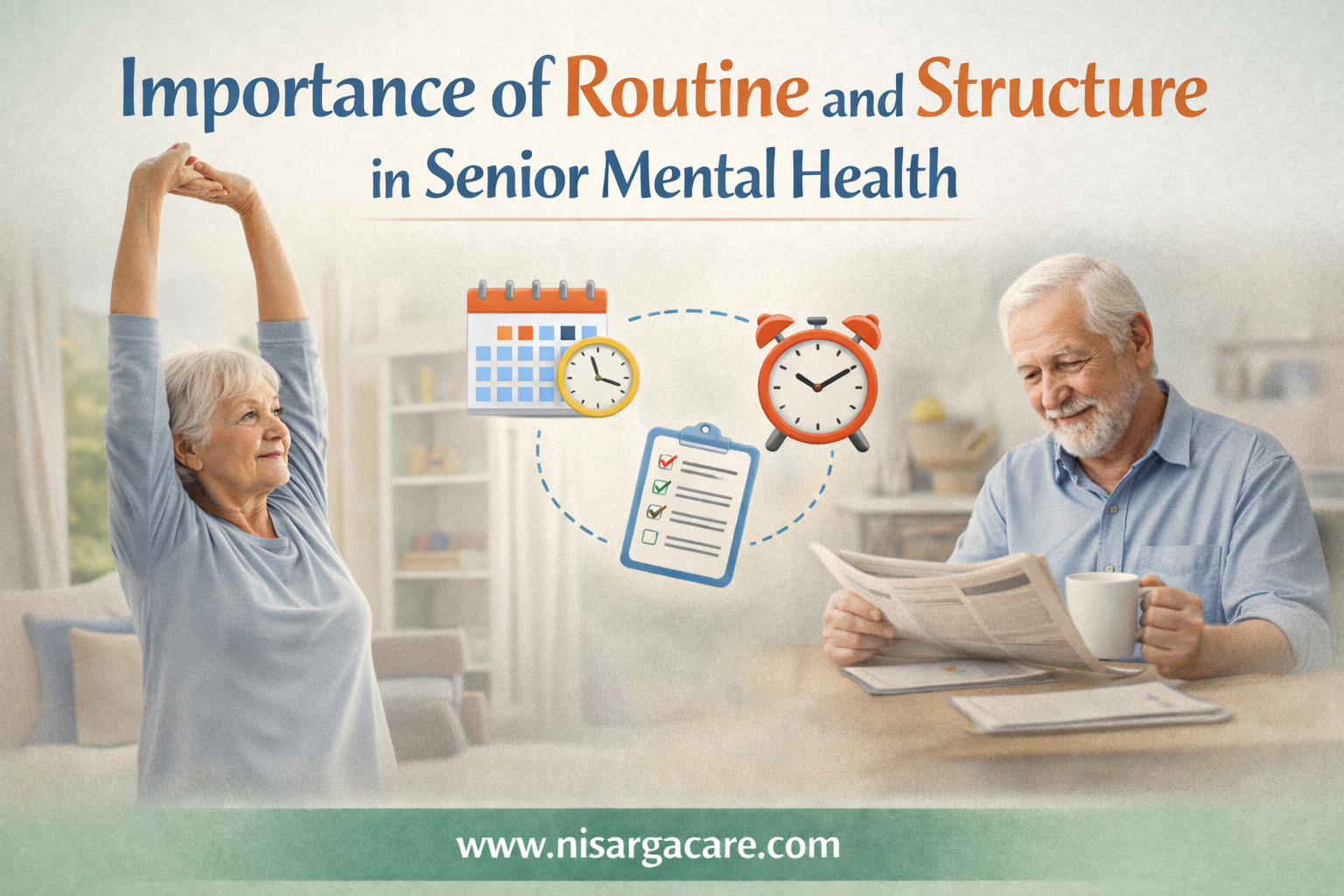
Importance of Routine and Structure in Senior Mental Health | Nisarga Care

Aging brings numerous changes, from physical limitations to cognitive challenges, which can affect seniors’ emotional and mental well-being. Maintaining a consistent routine and structured environment is crucial for promoting stability, reducing anxiety, and enhancing overall quality of life. Rehabilitation and elder care homes play a pivotal role in implementing these routines effectively, ensuring seniors feel secure, engaged, and supported.

Why Routine Matters for Seniors

Predictable routines give seniors a sense of control and purpose. Knowing what to expect each day reduces stress and uncertainty, which can otherwise lead to anxiety, confusion, or irritability. Activities like regular meal times, therapy sessions, exercise, and recreational events create mental anchors, helping seniors navigate daily life confidently.

For seniors with memory issues or cognitive decline, routine provides essential cues that support independence and orientation, minimizing frustration and reliance on constant supervision.

Role of Rehabilitation and Elder Care Homes

Care homes and rehabilitation facilities are uniquely equipped to implement structured routines that balance physical, emotional, and social needs. Caregivers design daily schedules incorporating:

  • Physiotherapy and exercise sessions to maintain mobility and strength

  • Medication and health monitoring at consistent times

  • Recreational activities and hobbies to promote engagement

  • Meal planning and hydration reminders for optimal nutrition

These structured schedules not only support physical recovery but also improve cognitive function and emotional stability.

Enhancing Mental Health Through Predictable Activities

Routine activities encourage social interaction, which combats loneliness and depression. Group exercises, craft sessions, or communal meals offer opportunities for connection and engagement, fostering a sense of belonging. Seniors feel motivated to participate and achieve small goals, boosting self-esteem and emotional resilience.

Consistency also aids caregivers and family members in monitoring changes in mood, behavior, or health, enabling timely interventions and personalized care adjustments.

Family Involvement in Structured Care

Even in an elder care home, family participation strengthens the benefits of routine. Families can help seniors adhere to schedules, celebrate milestones, and encourage engagement in activities. Regular visits, involvement in therapy sessions, and emotional encouragement enhance the positive impact of structure on mental health.

Creating a Safe and Supportive Environment

Beyond scheduled activities, the care environment itself should be predictable and supportive. Clear signage, accessible spaces, and personalized rooms help seniors navigate independently, reducing anxiety and improving confidence. A safe, well-organized environment complements structured routines, reinforcing emotional stability.


Conclusion

Routine and structure are essential for maintaining senior mental health, emotional well-being, and independence. Rehabilitation and elder care homes provide a balanced combination of daily schedules, social interaction, and professional support, helping seniors navigate aging with confidence and dignity. At Nisarga Care, we prioritize structured, compassionate care that promotes mental stability, physical recovery, and a fulfilling life for every senior. Families can rely on Nisarga Care to create an environment where loved ones thrive both physically and emotionally.
News

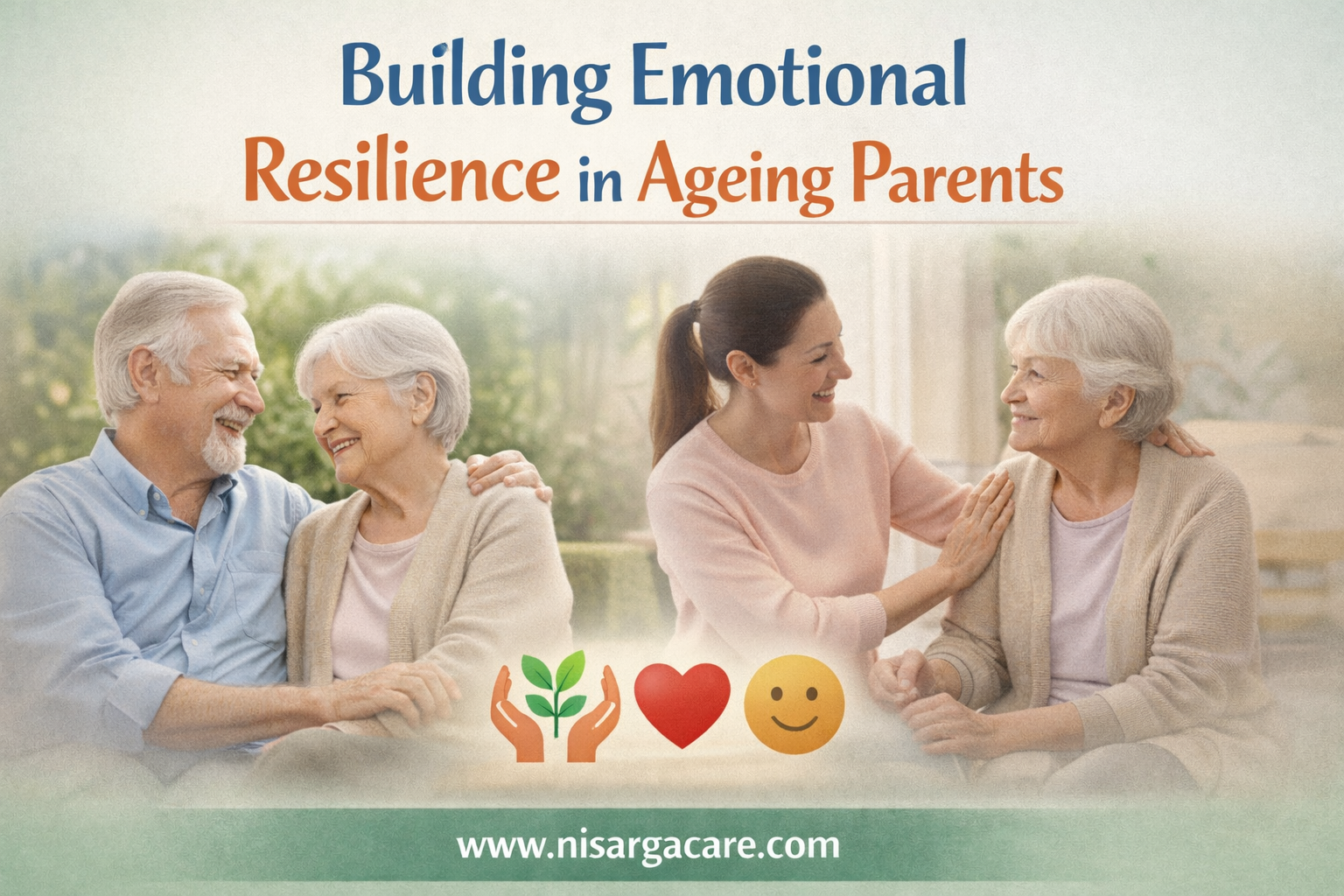
Old Age Homes In India | Building Emotional Resilience in Ageing Parents | Nisarga Care | Rehabilitation and elder care homes |

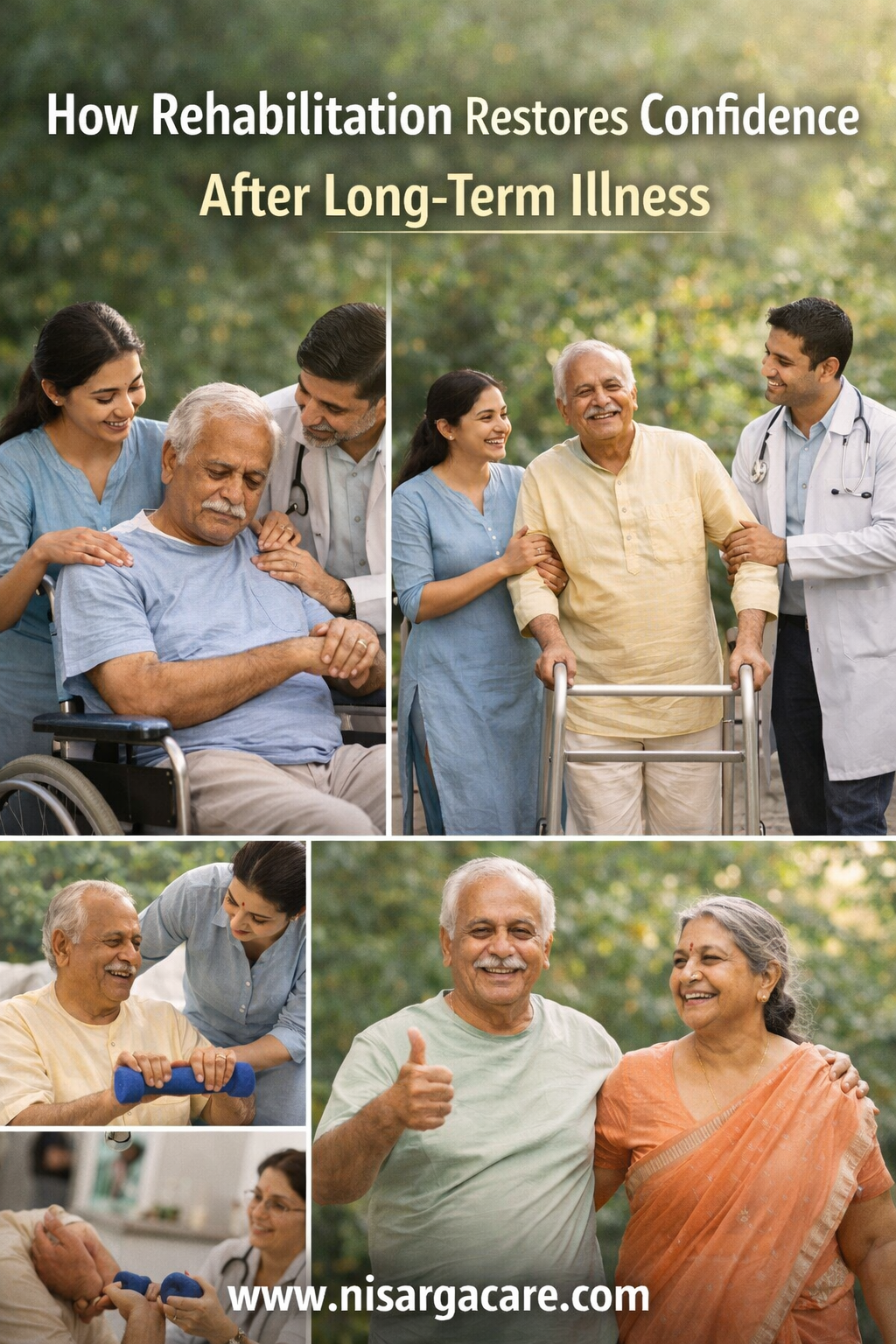
As parents grow older, life transitions such as declining health, reduced mobility, or changes in daily routines can challenge their emotional well-being. Building emotional resilience helps ageing parents cope with stress, maintain confidence, and enjoy a sense of purpose. Rehabilitation and elder care homes play a vital role in fostering resilience through structured programs, supportive staff, and social engagement.

Understanding Emotional Resilience in Seniors

Emotional resilience is the ability to adapt to life changes, recover from setbacks, and manage stress effectively. For ageing parents, this may involve handling health challenges, coping with the loss of independence, or adjusting to new living arrangements. Seniors with strong emotional resilience are more likely to participate actively in rehabilitation, maintain social connections, and experience better overall health outcomes.

The Role of Rehabilitation and Elder Care Homes

Elder care homes provide an environment that encourages seniors to stay engaged, active, and socially connected. Structured daily routines, supervised therapy, and recreational activities reduce feelings of isolation and foster confidence. Rehabilitation programs tailored to individual needs focus on both physical recovery and emotional well-being, empowering seniors to face challenges positively.

Encouraging Social Engagement

Social interaction is a key component of emotional resilience. Participating in group activities, hobby clubs, and community events within care homes promotes meaningful connections. Seniors learn to share experiences, support one another, and celebrate achievements, creating a sense of belonging that strengthens mental and emotional health.

Family Involvement and Support

Even in a care home setting, family support is crucial. Regular visits, calls, and involvement in care planning reassure seniors that they are loved and valued. Families can collaborate with caregivers to encourage participation in therapy sessions, recreational activities, and emotional counseling. This partnership enhances resilience by providing consistent encouragement and understanding.

Therapeutic Interventions

Professional care facilities offer counseling, mindfulness sessions, and emotional support groups. Occupational therapy and light physical activities not only improve physical health but also boost confidence and self-efficacy, key components of resilience. Tailored interventions help seniors navigate stressors while maintaining independence and dignity.

Creating a Safe and Empowering Environment

A nurturing environment in elder care homes contributes significantly to emotional resilience. Ensuring safety, comfort, and accessibility allows seniors to explore activities confidently without fear of injury. Personalizing living spaces and routines helps maintain autonomy, encouraging seniors to adapt positively to change.


Conclusion

Building emotional resilience in ageing parents is essential for their mental, emotional, and physical well-being. Rehabilitation and elder care homes provide structured support, social interaction, and professional guidance, helping seniors cope with challenges confidently. At Nisarga Care, we focus on empowering seniors with compassionate care, fostering resilience, independence, and a fulfilling life. Families can trust Nisarga Care to provide an environment that strengthens both the heart and mind of their loved ones.

News Nisarga care Bangalore

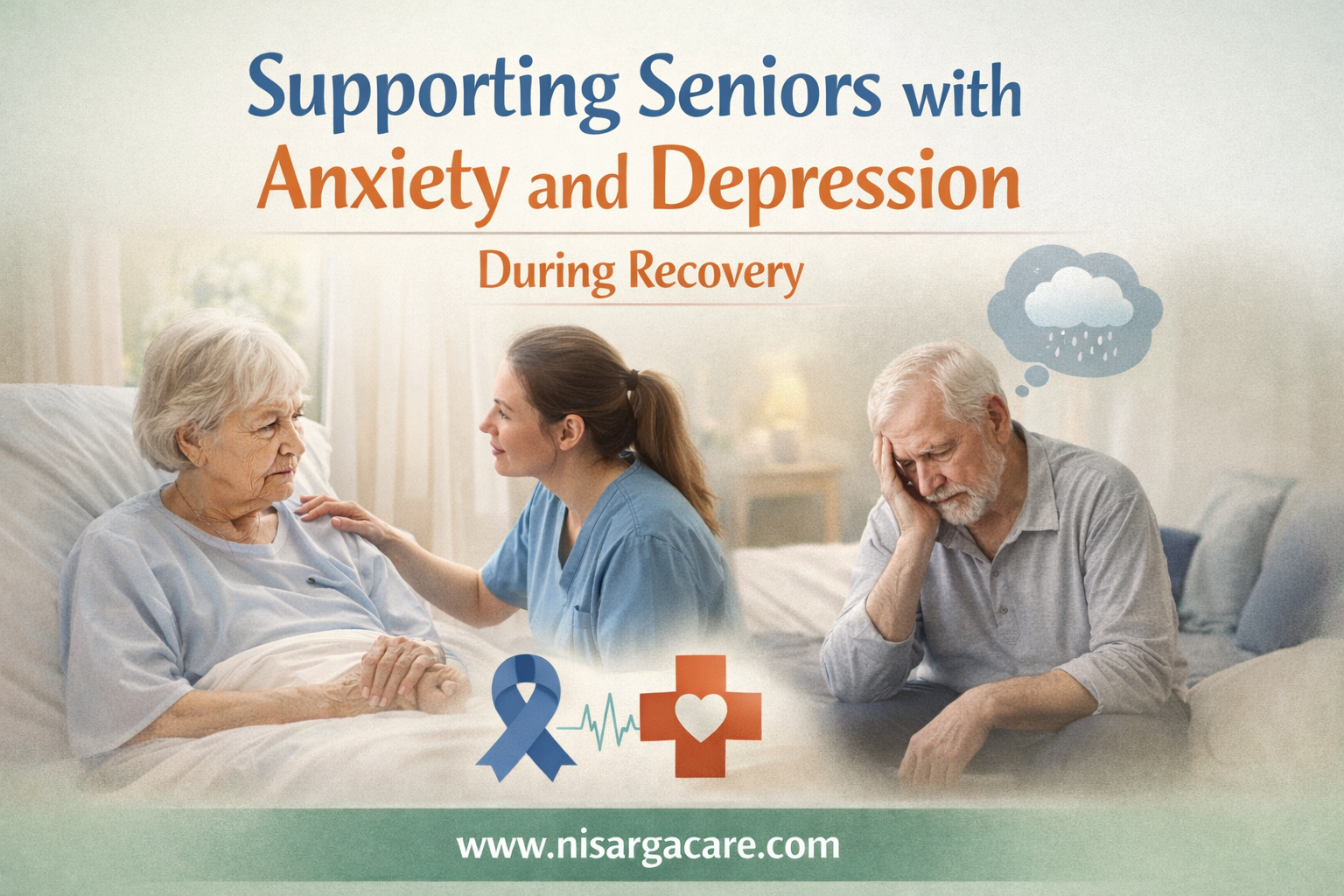
Supporting Seniors with Anxiety and Depression During Recovery || Nisarga Care

Recovery after illness, surgery, or hospitalization can be a challenging phase for seniors. Physical healing often takes center stage, but emotional well-being is equally important. Many elders experience anxiety, depression, or fear during recovery, especially when adjusting to reduced mobility, new routines, or dependence on caregivers. Rehabilitation and elder care homes play a vital role in providing structured support that addresses both mental and physical health.

Understanding the Emotional Challenges

Seniors in recovery may feel isolated, frustrated, or anxious about their health. Concerns about regaining independence, coping with chronic conditions, or returning home safely can lead to emotional stress. Depression may manifest as withdrawal from social interaction, loss of interest in hobbies, or changes in appetite and sleep patterns. Anxiety may appear as restlessness, excessive worry, or hesitation to participate in therapy sessions. Recognizing these signs early is crucial for timely intervention.

Role of Rehabilitation and Elder Care Homes

Rehabilitation and elder care homes provide a structured environment that supports emotional recovery alongside physical healing. Trained staff monitor seniors closely, offer encouragement, and implement individualized care plans. Social interaction with peers, daily routines, and therapeutic activities reduce feelings of loneliness and build confidence. Seniors benefit from personalized attention, group exercises, and counseling sessions that address their emotional needs.

Therapeutic Interventions for Mental Health

Professional care facilities integrate multiple approaches to manage anxiety and depression:

  • Counseling and psychotherapy help seniors express emotions and develop coping strategies.

  • Occupational therapy engages elders in meaningful activities, improving self-esteem and a sense of purpose.

  • Mindfulness, relaxation exercises, and light physical therapy reduce stress and enhance mood.

  • Regular monitoring ensures that emotional well-being is addressed alongside physical rehabilitation.

Family Involvement and Emotional Support

Even in a care home setting, family support is essential. Frequent visits, video calls, and active participation in care plans reassure seniors that they are valued and not alone. Families can collaborate with caregivers to encourage participation in activities, celebrate milestones, and provide emotional encouragement. This partnership between care homes and families strengthens recovery outcomes and fosters confidence.

Creating a Safe and Comfortable Environment

A nurturing environment in rehabilitation and elder care homes promotes mental well-being. Simple measures such as safe walking spaces, well-lit rooms, accessible recreational areas, and personalized rooms can reduce anxiety. Feeling secure, respected, and supported contributes to a positive mindset, which directly impacts recovery speed and overall health.


Conclusion

Supporting seniors with anxiety and depression during recovery requires a holistic approach that combines emotional, social, and physical care. Rehabilitation and elder care homes provide structured programs, professional counseling, and safe environments that empower seniors to regain independence and confidence. At Nisarga Care, we prioritize both mental and physical well-being, ensuring seniors receive compassionate support that promotes healing, dignity, and a fulfilling life. Families can trust Nisarga Care to guide their loved ones through recovery with empathy and expertise.

Nisarga care Bangalore

Loneliness in Seniors: Why It’s a Health Risk, Not Just an Emotion | homes for senior citizens in Bangalore |

Loneliness in seniors is often misunderstood as a temporary emotional state, but in reality, it is a serious health concern that can significantly impact both mental and physical well-being. As people age, life changes such as retirement, loss of a spouse, reduced mobility, or distance from family can increase feelings of isolation. When left unaddressed, loneliness can silently affect a senior’s overall health and quality of life.

Understanding Loneliness in Aging

Loneliness is not simply about being alone; it is about feeling disconnected. Many seniors may live with family or in communities yet still experience emotional isolation. Reduced social interactions, limited independence, and health challenges often contribute to this sense of disconnection. Over time, these feelings can deepen and lead to more serious consequences.

Impact on Mental Health

Prolonged loneliness is closely linked to mental health issues in seniors. Feelings of isolation can increase the risk of depression, anxiety, and cognitive decline. Seniors who feel lonely may lose motivation, withdraw from activities they once enjoyed, and experience a decline in self-esteem. Loneliness has also been associated with a faster progression of memory-related conditions such as dementia.

Physical Health Risks of Loneliness

Loneliness does not only affect the mind—it also affects the body. Research shows that socially isolated seniors have a higher risk of heart disease, high blood pressure, weakened immunity, and poor sleep quality. Loneliness can increase stress levels, leading to inflammation and reduced ability to recover from illness or injury. Seniors who feel isolated may also neglect proper nutrition, medication routines, or physical activity, further impacting their health.

Role of Family and Social Connection

Family involvement plays a crucial role in reducing loneliness. Regular visits, phone calls, and emotional engagement reassure seniors that they are valued and supported. Encouraging participation in family activities, conversations, and decision-making helps seniors feel connected and respected. Even small, consistent interactions can significantly improve emotional well-being.

Importance of Structured Care and Routine

A structured daily routine provides seniors with a sense of purpose and stability. Professional care services, rehabilitation programs, or assisted living environments often include social interaction, group activities, and emotional support, reducing feelings of isolation. Interaction with caregivers, therapists, and peers creates opportunities for meaningful connections.

Encouraging Engagement and Independence

Helping seniors stay engaged in hobbies, light physical activities, or community programs supports emotional health. Activities such as walking, music, reading, or guided exercises can boost mood and confidence. Maintaining independence wherever possible also enhances self-worth and reduces feelings of helplessness.

Early Recognition and Intervention

Recognizing early signs of loneliness—withdrawal, mood changes, loss of interest, or sleep disturbances—is essential. Early intervention through emotional support, counseling, or professional care can prevent loneliness from escalating into serious health issues.


Conclusion

Loneliness in seniors is far more than an emotional challenge—it is a significant health risk that affects mental clarity, physical strength, and overall quality of life. With timely family involvement, structured care, social engagement, and emotional support, seniors can regain connection, confidence, and purpose. Addressing loneliness early ensures healthier aging, emotional resilience, and a more fulfilling life for elderly loved ones.

News Nisarga care Bangalore

Post-Hospitalization Care: Reducing Readmission Risks for Elders | Nisarga Care

Hospitalization can be a critical turning point in an elder’s health journey. While discharge often marks improvement, it does not always mean full recovery. Many seniors face complications shortly after returning home, increasing the risk of hospital readmission.

Effective post-hospitalization care is essential to ensure safe recovery, prevent complications, and support long-term health in elders.


Why Readmission Risk Is High Among Elders

Older adults are more vulnerable after hospital discharge due to:

  • Weakened immunity and reduced mobility

  • Multiple chronic conditions

  • Medication changes or confusion

  • Inadequate follow-up care

  • Lack of proper home support

Without structured care, minor issues can escalate into emergencies.


Common Causes of Hospital Readmission

Understanding the causes helps prevent avoidable readmissions:

1. Medication Mismanagement

Changes in prescriptions after discharge can cause confusion. Missed doses, overdosing, or drug interactions often lead to complications.


2. Poor Mobility and Fall Risk

Post-illness weakness increases the risk of falls, fractures, and injuries—one of the leading causes of readmission among elders.


3. Inadequate Wound and Post-Surgical Care

Improper wound care or lack of monitoring can result in infections or delayed healing.


4. Lack of Follow-Up Monitoring

Missed medical appointments or unmonitored symptoms can allow conditions to worsen unnoticed.


5. Emotional and Mental Health Challenges

Anxiety, depression, or fear after hospitalization can affect recovery and adherence to care routines.


Key Components of Effective Post-Hospitalization Care

1. Personalized Recovery Plans

Each elder requires a tailored care plan based on their diagnosis, mobility level, and overall health. This ensures continuity of care after discharge.


2. Medication Management and Monitoring

Caregivers help ensure:

  • Correct dosage and timing

  • Awareness of side effects

  • Coordination with healthcare providers

This reduces medication-related complications significantly.


3. Mobility and Rehabilitation Support

Physiotherapy and gentle movement restore strength, balance, and confidence, lowering fall risk and promoting independence.


4. Nutrition and Hydration Support

Proper nutrition supports healing, immunity, and energy levels. Care plans should include balanced meals and adequate hydration.


5. Regular Health Monitoring

Tracking vital signs, symptoms, and recovery progress allows early detection of warning signs—preventing emergencies.


6. Emotional and Psychological Care

Compassionate companionship and reassurance help reduce stress, improve adherence to care routines, and support mental well-being.


Role of Family and Caregivers

Families play an important role in post-hospitalization recovery. Education, communication, and caregiver support ensure elders feel secure and motivated throughout the healing process.


How Nisarga Care Reduces Readmission Risks

At Nisarga Care, we offer structured post-hospitalization care that includes:

  • Trained caregivers for medical and personal support

  • Medication supervision and health monitoring

  • Rehabilitation and mobility assistance

  • Safe, senior-friendly environments

  • Emotional and mental well-being support

Our coordinated approach focuses on safe recovery at home or in care facilities, reducing unnecessary hospital visits.


Conclusion

Post-hospitalization care is a critical phase in an elder’s recovery journey. With proper planning, monitoring, and compassionate support, many hospital readmissions can be prevented—allowing elders to heal safely and regain independence.

News

rehabilitation centres in bangalore karnataka india | rehabilitation centre for mental health in bangalore | schizophrenia rehabilitation centers |

Mental Health Rehabilitation Service

What is a mental health rehabilitation service?
It is a service that helps people overcome the difficulties of long-term mental health problems. It can provide help and support to those who still have difficulty managing daily life or interacting with others. Its goal is to help you manage your problems, regain your confidence, and live alone as comfortably as possible.

Mental health rehabilitation in Bangalore focuses on helping people with difficult and long-term illnesses (such as schizophrenia, bipolar disorder, and personality disorders) regain their independence. It includes inpatient units and community-based services that focus on treatment, social support, and rehabilitation prevention to help patients cope with living alone.

Special Aspects of Naturopathic Mental Health Rehabilitation
Naturopathic Care Services: NC provides community mental health services to individuals who need increased support, often those receiving acute psychiatric care, as well as helping individuals manage their condition and avoid rehospitalization.

Services typically include inpatient care, often with the goal of “stepping down” to more independent community life.

Focus on Autonomy: Rehabilitation aims to improve quality of life, including understanding the diagnosis, managing medications, and developing skills for independent living.

Rehabilitation Options: NC Healthcare provides specialized and intensive inpatient and outpatient care for mental health conditions such as depression and trauma.

The rehabilitation team includes psychiatrists, nurses, occupational therapists, and psychologists.

Specialized Care: Services may address specific needs, such as early intervention for psychosis, forensic rehabilitation, or specialist support for eating disorders.

Access Services

This resource is for patients, caregivers, and anyone who wants to learn about rehabilitation and how mental health rehabilitation services work.

What does rehabilitation mean?

Restoring abilities (from the Roman Latin word habitats), restoring previous abilities, restoring, restoring previous rights. It can also mean preparing someone to resume normal life after an illness, or restoring them to their previous condition.

The difficulties of living with a long-term mental health problem may require time in a specialist rehabilitation service. The Nature Care Community Rehabilitation team works with people who are transitioning to supported accommodation after leaving hospital.

This service will strive to help you recover, while recognizing that you may still have significant difficulties that require ongoing help and support.

Nisarga care Bangalore

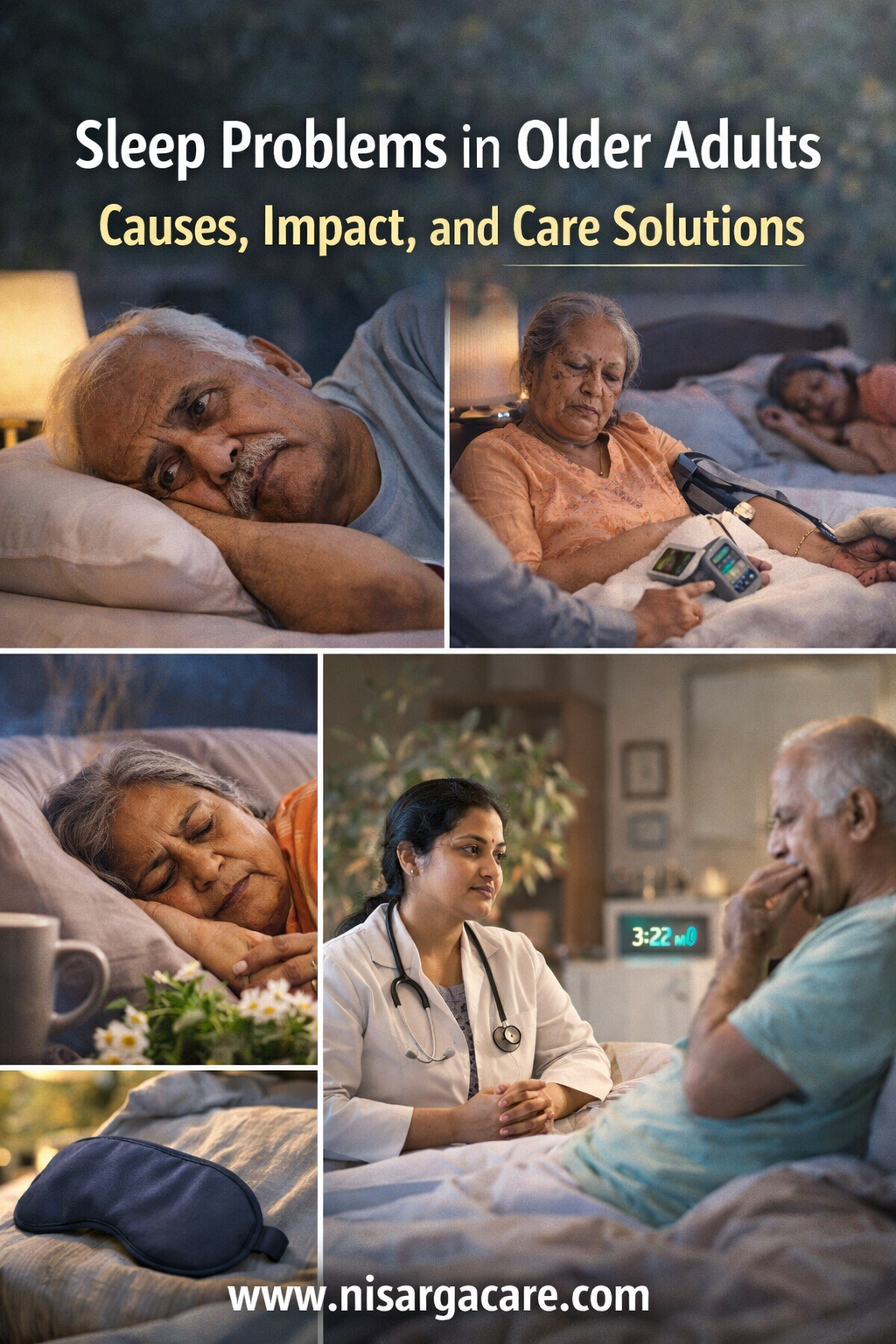
Sleep Problems in Older Adults: Causes, Impact, and Care Solutions || Nisarga Care

Quality sleep is essential at every stage of life, yet many older adults struggle with sleep-related issues. Difficulty falling asleep, frequent nighttime awakenings, or waking up too early are common concerns among seniors. Over time, poor sleep can affect physical health, emotional well-being, and overall quality of life.

Understanding the causes of sleep problems in older adults—and providing the right care solutions—can significantly improve comfort, safety, and daily functioning.


Common Causes of Sleep Problems in Seniors

Sleep patterns naturally change with age, but persistent sleep issues are often linked to underlying factors such as:

1. Medical Conditions

Chronic illnesses like arthritis, heart disease, diabetes, respiratory disorders, and neurological conditions can cause discomfort and disrupt sleep. Pain, shortness of breath, or frequent urination often worsen at night.


2. Medication Side Effects

Many seniors take multiple medications. Some drugs can:

  • Cause insomnia or restlessness

  • Lead to excessive daytime sleepiness

  • Disrupt natural sleep cycles

Without regular medical review, these side effects can compound sleep problems.


3. Mental and Emotional Health Challenges

Anxiety, depression, loneliness, or grief—especially after retirement or loss of a spouse—can interfere with restful sleep. Emotional distress often makes it harder to fall or stay asleep.


4. Reduced Physical Activity

Limited movement during the day can lead to lower sleep drive at night. Seniors who are inactive may experience lighter, fragmented sleep.


5. Changes in Circadian Rhythm

As people age, their internal body clock shifts. Many seniors feel sleepy earlier in the evening and wake up very early in the morning, leading to disrupted sleep patterns.


Impact of Poor Sleep on Older Adults

Chronic sleep deprivation can have serious consequences, including:

  • Daytime fatigue and low energy

  • Reduced memory and concentration

  • Mood changes and irritability

  • Increased risk of falls and accidents

  • Weakened immune function

Over time, poor sleep may worsen existing health conditions and reduce independence.


Care Solutions for Better Sleep in Seniors

Managing sleep problems in older adults requires a holistic, non-invasive approach that addresses both physical and emotional needs.


1. Establishing a Consistent Sleep Routine

Encouraging seniors to:

  • Go to bed and wake up at the same time daily

  • Follow calming pre-sleep routines

  • Avoid long daytime naps

helps regulate the body’s natural sleep cycle.


2. Creating a Sleep-Friendly Environment

A comfortable bedroom can make a significant difference:

  • Quiet, dimly lit surroundings

  • Comfortable bedding and supportive mattresses

  • Proper room temperature

These small adjustments promote deeper, uninterrupted sleep.


3. Managing Pain and Discomfort

Addressing nighttime pain through:

  • Gentle physiotherapy

  • Heat or cold therapy

  • Proper positioning and support

reduces sleep interruptions without over-reliance on medication.


4. Encouraging Daytime Activity

Light exercise, walking, stretching, or yoga improves circulation, reduces stiffness, and promotes natural tiredness by evening.


5. Supporting Mental and Emotional Well-Being

Emotional support plays a crucial role in sleep health. Regular companionship, counseling, relaxation techniques, and mindfulness practices help reduce stress and nighttime anxiety.


6. Reviewing Medications Regularly

Healthcare professionals should periodically evaluate medications to identify sleep-disrupting side effects and adjust dosages when necessary.


When to Seek Professional Support

If sleep problems persist for weeks or begin affecting daily life, professional evaluation is essential. Conditions such as sleep apnea, restless leg syndrome, or depression may require specialized care.


How Nisarga Care Helps Seniors Sleep Better

At Nisarga Care, we take a personalized approach to sleep management by offering:

  • Trained caregivers who monitor sleep patterns

  • Holistic routines that support physical and emotional comfort

  • Safe, calm living environments

  • Coordination with healthcare professionals

Our goal is to help seniors achieve restful sleep, leading to better health, mood, and independence.


Conclusion

Sleep problems in older adults are common—but they are not something seniors must simply accept. With the right care solutions, supportive environments, and compassionate attention, restful sleep is achievable at any age.

News Nisarga care Bangalore

Managing Chronic Pain in Seniors Without Overmedication || Nisarga Care

Chronic pain is one of the most common challenges faced by seniors. Conditions such as arthritis, osteoporosis, nerve damage, post-surgical pain, and age-related joint degeneration can significantly affect daily life. While medications often play a role in pain management, overmedication can lead to serious side effects, including dizziness, dependency, digestive issues, confusion, and increased risk of falls.

At Nisarga Care, we believe in a balanced, holistic approach to managing chronic pain in seniors—one that focuses on comfort, safety, and long-term well-being without excessive reliance on drugs.


Understanding Chronic Pain in the Elderly

Chronic pain is defined as pain that lasts for more than three months. In seniors, it may:

  • Reduce mobility and independence

  • Affect sleep quality and mood

  • Lead to anxiety, depression, or social withdrawal

  • Lower overall quality of life

Managing this pain effectively requires individualized care, patience, and a combination of medical and non-medical strategies.


Why Overmedication Can Be Risky for Seniors

As the body ages, it processes medications more slowly. This makes seniors more vulnerable to:

  • Drug interactions

  • Drowsiness and confusion

  • Kidney and liver strain

  • Dependence on painkillers

Rather than masking pain temporarily, a thoughtful approach aims to address the root cause and improve daily functioning.


Non-Medication Approaches to Managing Chronic Pain

1. Physiotherapy and Gentle Movement

Regular, supervised movement helps reduce stiffness and improves joint flexibility. Physiotherapy can:

  • Strengthen muscles

  • Improve posture and balance

  • Reduce pain naturally over time

Low-impact activities such as walking, stretching, yoga, or water therapy are especially beneficial for seniors.


2. Heat and Cold Therapy

Simple therapies can provide significant relief:

  • Heat therapy relaxes tight muscles and improves circulation

  • Cold therapy reduces inflammation and numbs pain

These methods are safe, affordable, and easy to include in daily routines.


3. Mind-Body Techniques

Pain is not just physical—it is also emotional and psychological. Techniques like:

  • Meditation and deep breathing

  • Guided relaxation

  • Mindfulness practices

help reduce pain perception, stress, and anxiety, improving overall comfort.


4. Proper Nutrition and Hydration

Inflammation can worsen chronic pain. A balanced diet rich in:

  • Omega-3 fatty acids

  • Fresh fruits and vegetables

  • Whole grains

supports joint health and reduces inflammation. Adequate hydration also helps maintain muscle and tissue health.


5. Massage and Manual Therapy

Gentle massage can:

  • Improve blood circulation

  • Reduce muscle tension

  • Promote relaxation

When done by trained professionals, it can be a powerful tool for pain relief in seniors.


6. Assistive Devices and Environmental Support

Using walkers, orthopedic cushions, supportive footwear, or adjustable beds reduces physical strain and prevents pain flare-ups. A senior-friendly living environment plays a crucial role in long-term pain management.


The Role of Emotional Support and Companionship

Chronic pain often leads to loneliness and frustration. Emotional support from caregivers, family members, and care professionals helps seniors:

  • Cope better with discomfort

  • Stay socially engaged

  • Maintain a positive outlook

At Nisarga Care, we emphasize compassionate caregiving that addresses both physical and emotional needs.


When Medication Is Needed

Medications should be:

  • Used in the lowest effective dose

  • Regularly reviewed by healthcare professionals

  • Combined with non-drug therapies

This ensures safety while still providing relief when necessary.


A Holistic, Senior-Centered Approach

Managing chronic pain without overmedication is not about eliminating medicines completely—it’s about using them wisely while empowering seniors through movement, nutrition, emotional care, and lifestyle support.

With the right balance, seniors can experience improved comfort, dignity, and independence.


How Nisarga Care Supports Seniors with Chronic Pain

Nisarga Care provides personalized pain management plans that include:

  • Trained caregivers and physiotherapy support

  • Emotional and mental well-being focus

  • Safe, senior-friendly living environments

  • Holistic wellness practices

Our goal is to help seniors live pain-managed, meaningful lives with minimal reliance on medication.

Bangalore rehabilitation centers | rehab assisted living facilities in Bangalore News Nisarga care Bangalore

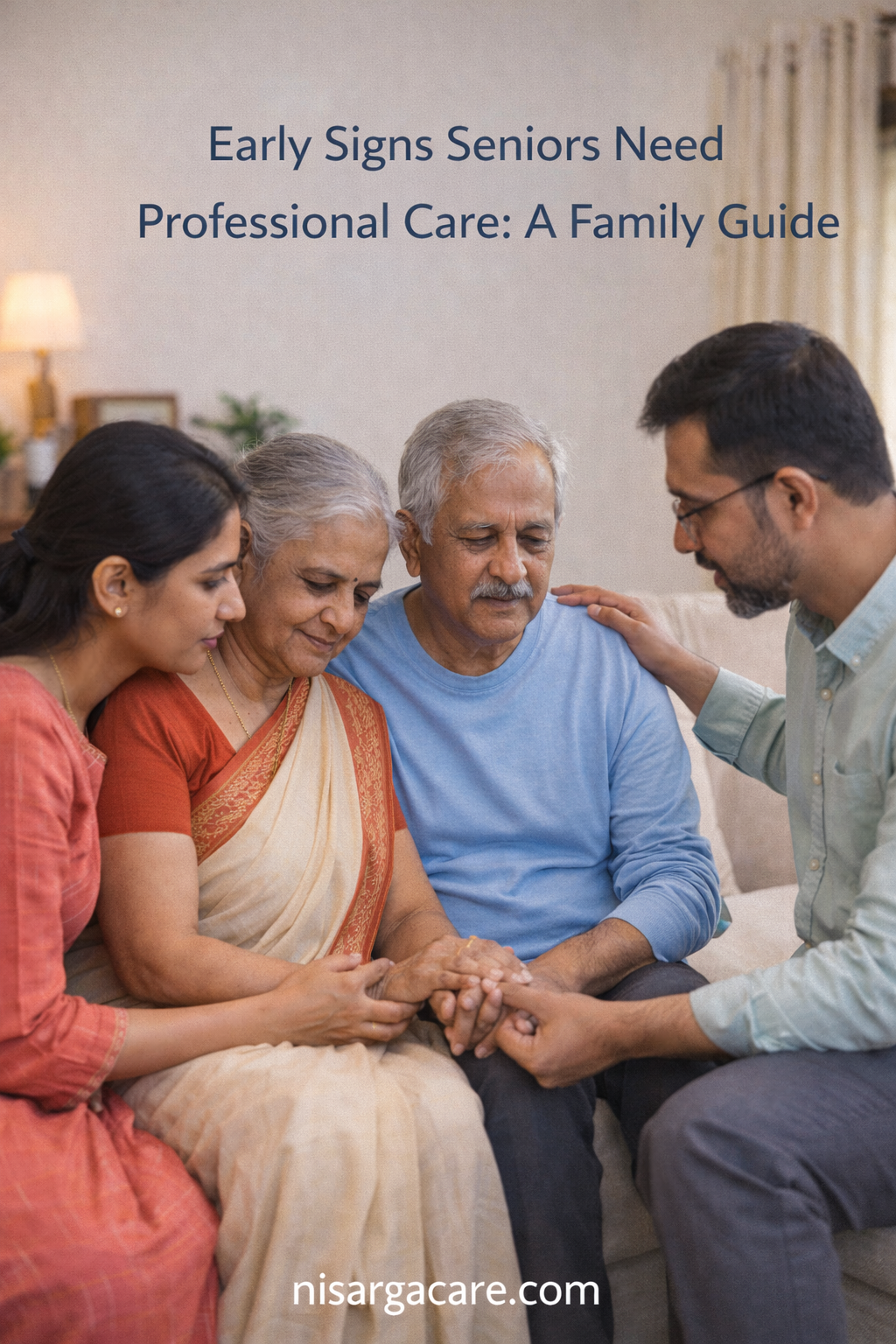
Early Signs Seniors Need Professional Care: A Family Guide

As parents and elders age, subtle changes in their health, behavior, or daily routines can signal the need for professional care. Families often hesitate to intervene, thinking minor issues will resolve naturally. However, early detection and timely support can prevent complications, enhance quality of life, and provide peace of mind for both seniors and their families.

1. Changes in Physical Health

Declining physical health is often the first indicator that professional care may be needed. Look for:

  • Unexplained weight loss or gain

  • Difficulty walking, frequent falls, or decreased mobility

  • Persistent fatigue or weakness

  • Worsening chronic conditions, such as diabetes, heart disease, or arthritis

Prompt evaluation by healthcare professionals can prevent minor issues from escalating into serious complications.

2. Cognitive and Memory Concerns

Cognitive decline is another warning sign. Families should monitor for:

  • Increased forgetfulness or confusion

  • Difficulty managing finances or medications

  • Repeating questions or conversations

  • Getting lost in familiar places

Early intervention from doctors, therapists, or specialized caregivers can slow progression and provide necessary support.

3. Emotional and Behavioral Changes

Seniors may experience emotional shifts due to isolation, loss, or medical conditions. Signs include:

  • Withdrawal from social activities or hobbies

  • Irritability, anxiety, or sudden mood swings

  • Signs of depression or hopelessness

Professional care, counseling, and emotional support can restore confidence, prevent loneliness, and improve mental well-being.

4. Challenges with Daily Activities

Difficulty performing routine tasks often indicates the need for assistance:

  • Trouble dressing, bathing, or grooming

  • Difficulty cooking, cleaning, or managing household chores

  • Missing medications or appointments

Occupational therapy, home care, or assisted living options can help seniors maintain independence safely.

5. Safety Concerns at Home

Safety risks are a major indicator for professional care. Look for:

  • Increased accidents, burns, or falls

  • Poor hygiene or neglect of personal care

  • Leaving appliances on, forgetting doors locked, or wandering

A professional caregiver can monitor seniors, reduce risks, and adapt the home environment to ensure safety.

Taking the Next Step

If any of these signs appear, families should initiate a discussion with the senior, evaluate care options, and consult healthcare professionals. Early planning allows seniors to remain involved in decisions, preserving dignity while ensuring they receive the necessary support.


Conclusion

Recognizing early signs that seniors need professional care is vital for prevention, safety, and emotional well-being. By observing physical, cognitive, emotional, and daily living changes, families can take timely action. Early intervention ensures seniors receive personalized care, maintain independence, and enjoy their later years with confidence, dignity, and peace of mind.

Bangalore rehabilitation centers | rehab assisted living facilities in Bangalore Nisarga care Bangalore

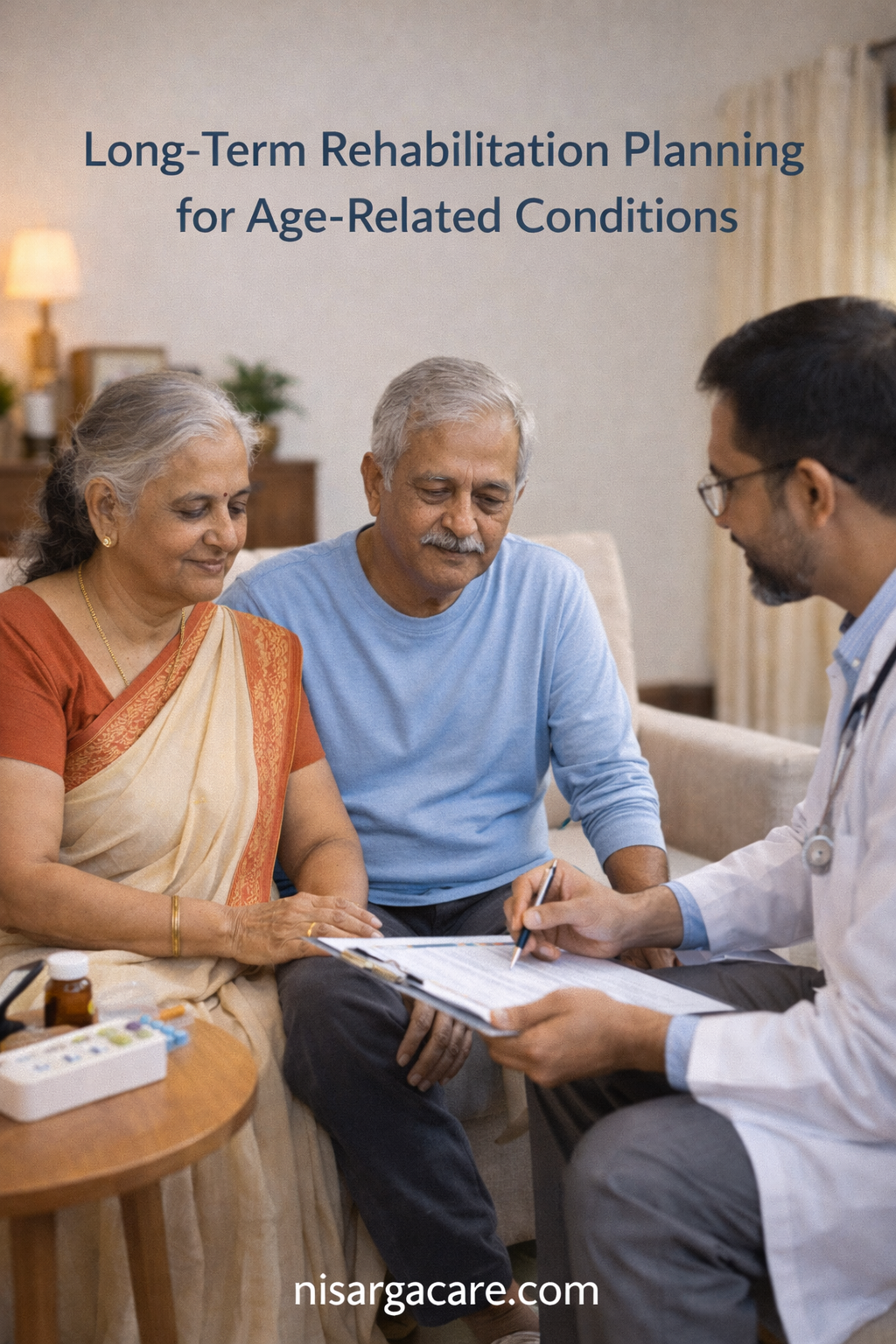
Long-Term Rehabilitation Planning for Age-Related Conditions | aged care facilities for dementia Parkinson’s , Alzheimer’s stroke , paralysis ,patients |

As people age, they may face chronic conditions such as arthritis, osteoporosis, stroke after-effects, or mobility limitations. Managing these conditions effectively requires more than short-term care—it demands long-term rehabilitation planning that addresses physical, cognitive, and emotional needs, ensuring seniors maintain independence and quality of life.

Understanding the Need for Long-Term Planning

Age-related conditions often progress gradually, making daily activities increasingly challenging. Long-term rehabilitation helps prevent further decline, manage symptoms, and promote functional independence. Planning ahead allows families to anticipate care needs, schedule regular therapy, and create a supportive environment that adapts as the senior’s condition evolves.

Personalized Therapy Programs

Rehabilitation should be tailored to each senior’s specific condition and capabilities. Physical therapy focuses on strength, balance, and flexibility, helping reduce pain and prevent falls. Occupational therapy trains seniors to perform daily tasks independently, while cognitive therapy supports memory and decision-making in conditions like dementia. A structured, individualized plan ensures consistent progress and reduces complications over time.

Integrating Multi-Disciplinary Care

Successful long-term rehabilitation often involves a team approach:

  • Physiotherapists for mobility and strength

  • Occupational therapists for daily living skills

  • Dietitians for nutrition supporting bone, muscle, and brain health

  • Medical specialists to monitor chronic conditions and medication

Coordinated care helps seniors achieve holistic improvement and prevents lapses in treatment.

Home Environment Adaptation

A safe, elder-friendly home is crucial for long-term rehabilitation. Families can:

  • Install grab bars, ramps, and non-slip flooring

  • Arrange furniture to allow safe movement

  • Ensure adequate lighting and accessibility of essential items

These adjustments reduce risks of falls or injuries, allowing seniors to maintain independence while continuing their therapy routines.

Monitoring Progress and Adjusting Goals

Rehabilitation is not static. Regular assessments allow therapists and families to modify exercises, introduce new therapies, and adjust daily routines based on the senior’s evolving needs. Celebrating small achievements encourages motivation and adherence to long-term care plans.

Emotional Support and Social Engagement

Long-term rehabilitation also addresses emotional well-being. Seniors may face frustration, anxiety, or depression due to physical limitations. Encouraging participation in social activities, hobbies, and therapy groups fosters confidence and resilience. Family involvement, positive reinforcement, and empathetic care strengthen emotional recovery alongside physical improvement.


Conclusion

Long-term rehabilitation for seniors is essential with age-related conditions, ensuring they maintain independence, mobility, and quality of life. Through personalized therapy, multi-disciplinary care, home adaptations, and emotional support, families can create a structured, supportive recovery journey. Thoughtful planning not only manages chronic conditions effectively but also empowers seniors to live with dignity, confidence, and purpose.

Posts pagination

WeCreativez WhatsApp Support
Our customer support team is here to answer your questions. Ask us anything!
👋 Hi, how can I help?