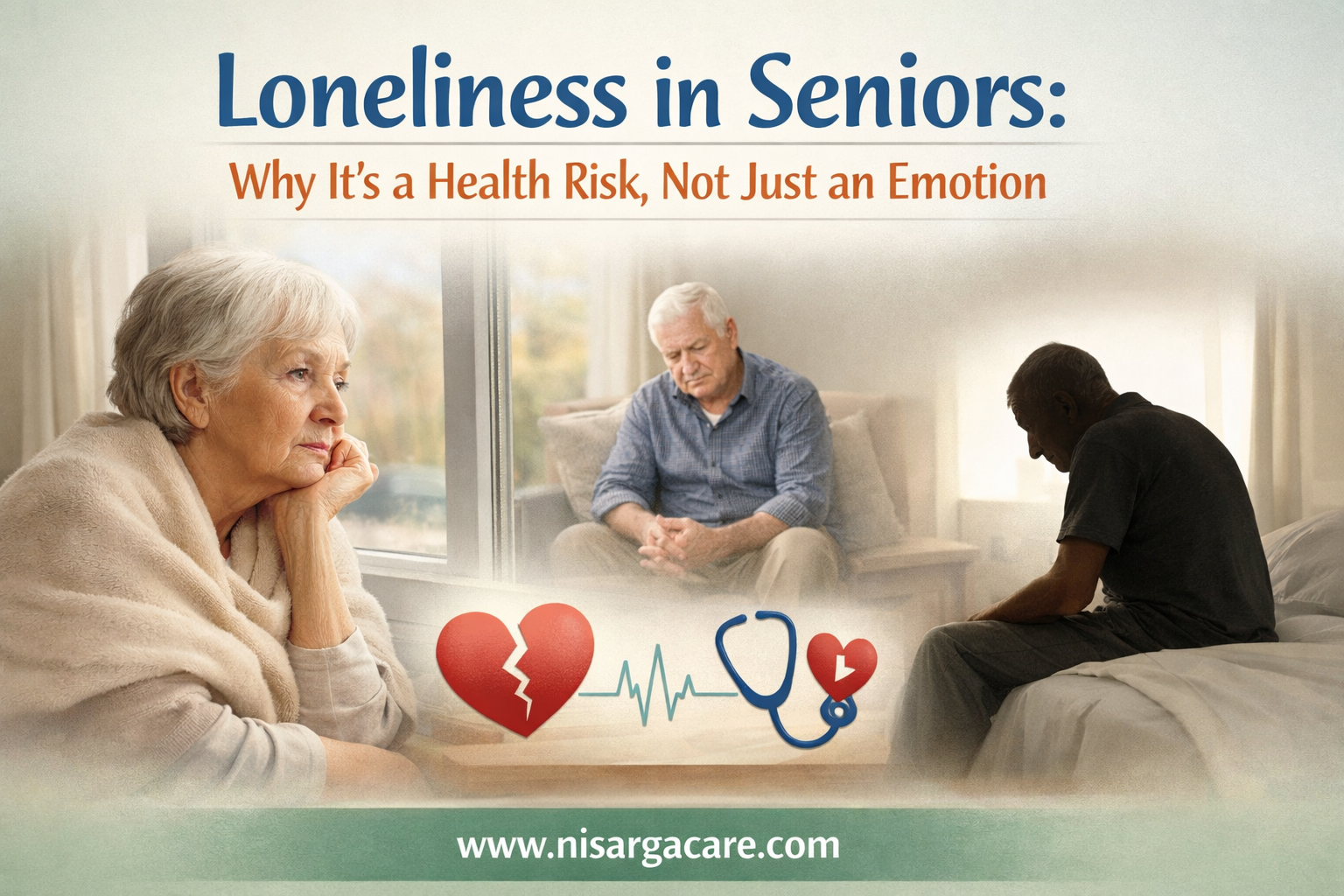
Loneliness in seniors is often misunderstood as a temporary emotional state, but in reality, it is a serious health concern that can significantly impact both mental and physical well-being. As people age, life changes such as retirement, loss of a spouse, reduced mobility, or distance from family can increase feelings of isolation. When left unaddressed, loneliness can silently affect a senior’s overall health and quality of life.
Understanding Loneliness in Aging
Loneliness is not simply about being alone; it is about feeling disconnected. Many seniors may live with family or in communities yet still experience emotional isolation. Reduced social interactions, limited independence, and health challenges often contribute to this sense of disconnection. Over time, these feelings can deepen and lead to more serious consequences.
Impact on Mental Health
Prolonged loneliness is closely linked to mental health issues in seniors. Feelings of isolation can increase the risk of depression, anxiety, and cognitive decline. Seniors who feel lonely may lose motivation, withdraw from activities they once enjoyed, and experience a decline in self-esteem. Loneliness has also been associated with a faster progression of memory-related conditions such as dementia.
Physical Health Risks of Loneliness
Loneliness does not only affect the mind—it also affects the body. Research shows that socially isolated seniors have a higher risk of heart disease, high blood pressure, weakened immunity, and poor sleep quality. Loneliness can increase stress levels, leading to inflammation and reduced ability to recover from illness or injury. Seniors who feel isolated may also neglect proper nutrition, medication routines, or physical activity, further impacting their health.
Role of Family and Social Connection
Family involvement plays a crucial role in reducing loneliness. Regular visits, phone calls, and emotional engagement reassure seniors that they are valued and supported. Encouraging participation in family activities, conversations, and decision-making helps seniors feel connected and respected. Even small, consistent interactions can significantly improve emotional well-being.
Importance of Structured Care and Routine
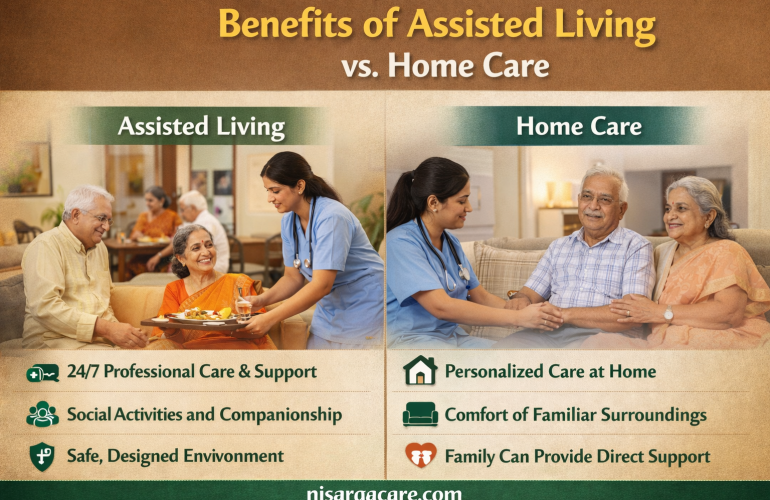
A structured daily routine provides seniors with a sense of purpose and stability. Professional care services, rehabilitation programs, or assisted living environments often include social interaction, group activities, and emotional support, reducing feelings of isolation. Interaction with caregivers, therapists, and peers creates opportunities for meaningful connections.
Encouraging Engagement and Independence
Helping seniors stay engaged in hobbies, light physical activities, or community programs supports emotional health. Activities such as walking, music, reading, or guided exercises can boost mood and confidence. Maintaining independence wherever possible also enhances self-worth and reduces feelings of helplessness.
Early Recognition and Intervention
Recognizing early signs of loneliness—withdrawal, mood changes, loss of interest, or sleep disturbances—is essential. Early intervention through emotional support, counseling, or professional care can prevent loneliness from escalating into serious health issues.
Conclusion
Loneliness in seniors is far more than an emotional challenge—it is a significant health risk that affects mental clarity, physical strength, and overall quality of life. With timely family involvement, structured care, social engagement, and emotional support, seniors can regain connection, confidence, and purpose. Addressing loneliness early ensures healthier aging, emotional resilience, and a more fulfilling life for elderly loved ones.