News

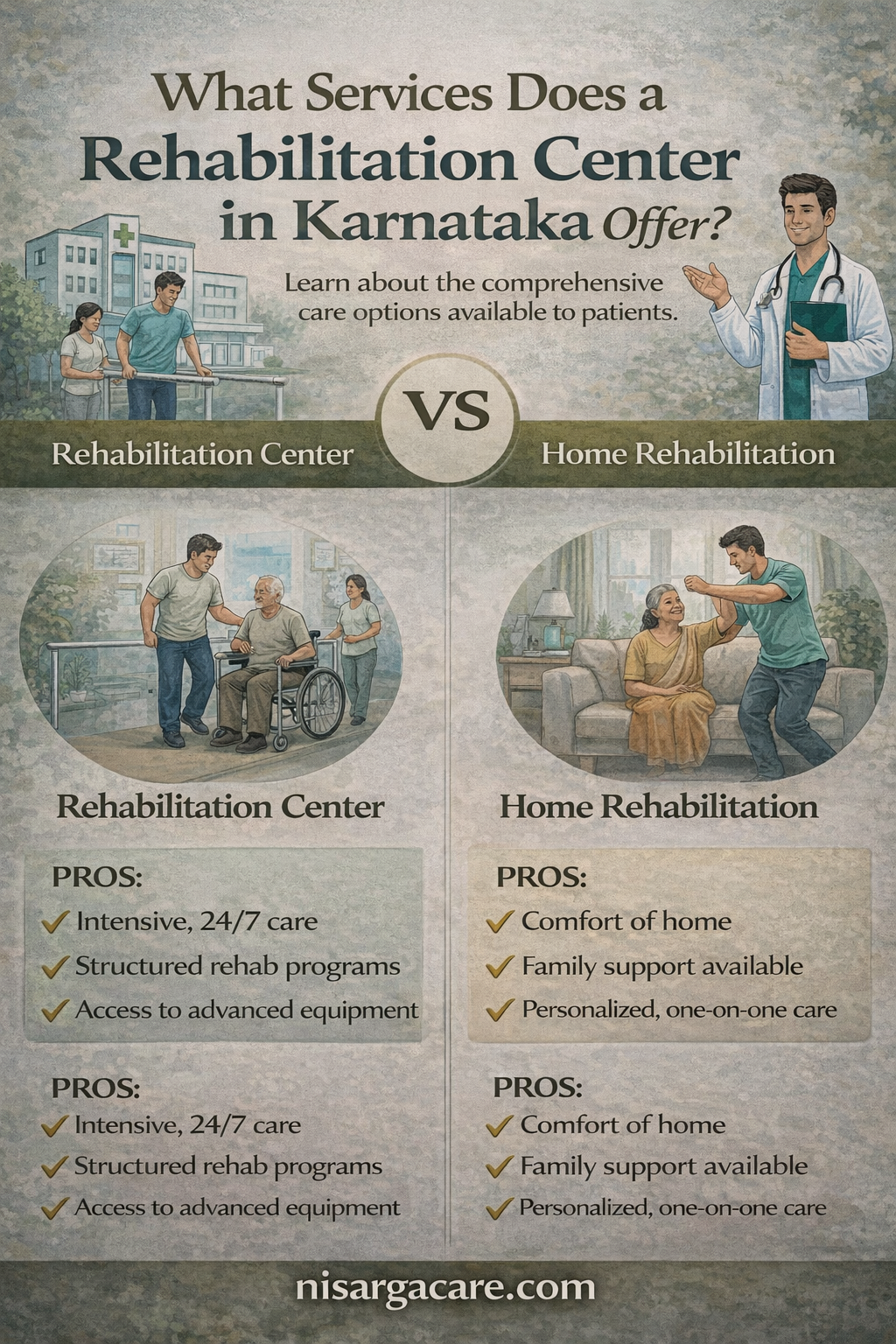
rehabilitation Centre and stay in Bangalore for mental illness | Rehabilitation Center vs Home Rehabilitation: Which Is Better ?

Deciding between a rehabilitation center and home rehabilitation is one of the most important choices families face when a loved one needs recovery support. Both options have unique benefits, and the best fit depends on the individual’s medical needs, level of family involvement, safety requirements, and long-term care goals. Understanding the differences can help you make an informed decision that promotes healing, comfort, and quality of life.

Centers like Nisarga Care in Karnataka offer professional guidance to help families choose the right setting for recovery.


Rehabilitation Center: Structured and Professional Support

1. 24/7 Medical Supervision

In a rehabilitation center, patients receive continuous medical and nursing care. Trained professionals monitor vital signs, manage medications, and respond to emergencies quickly. This is especially important for:

  • Post-surgical recovery

  • Serious illnesses

  • Patients with multiple health conditions

A rehabilitation center in Bangalore ensures medical oversight that families may find hard to replicate at home.

2. Multidisciplinary Care Teams

Rehab centers typically involve a team of professionals including:

  • Doctors and nurses

  • Physiotherapists

  • Occupational therapists

  • Nutritionists

  • Psychologists

This coordinated approach supports physical recovery, emotional well-being, mobility, and daily living skills.

3. Structured Programs and Facilities

Rehabilitation centers are equipped with therapy rooms, exercise equipment, and safe environments designed to support recovery. Structured daily routines, therapy sessions, and customized care plans help patients progress steadily.

4. Social Interaction and Group Activities

Group activities and peer interaction provide emotional support, reduce isolation, and boost motivation—especially for seniors and long-term recovery patients.


Home Rehabilitation: Comfort and Familiarity

1. Comfort of Home Environment

Recovering at home offers familiarity and emotional comfort. Patients may feel less stressed and more relaxed in their own space, surrounded by family and personal belongings.

2. Personalized One-on-One Care

Home rehabilitation allows caregivers or nurses to focus solely on one patient’s needs. This personalized attention promotes strong emotional support and flexible routines.

3. Family Involvement

Family members can participate closely in care, offering companionship and encouragement throughout recovery. This strengthens emotional bonds and supports psychological well-being.

4. Convenience and Familiarity

Home care eliminates travel to rehab sessions and reduces disruption to daily life. Seniors can maintain their lifestyle with professional support.


Which Is Better? Key Factors to Consider

Medical Needs

  • Rehabilitation Center: Better for patients needing continuous medical supervision, complex therapies, or multidisciplinary care.

  • Home Rehabilitation: Suitable for stable patients with mild to moderate recovery needs or those requiring basic therapy and supervision.

Safety and Monitoring

  • Rehabilitation Center: Ideal for patients at high risk of falls, complications, or unpredictable symptoms.

  • Home Rehabilitation: Works well if the home environment is safe and professional supervision is available.

Family Support and Caregiver Availability

  • Rehabilitation Center: Great for families unable to provide round-the-clock care.

  • Home Rehabilitation: Works when family members are actively involved and can coordinate with professional caregivers.

Social and Mental Well-Being

  • Rehabilitation Center: Provides community and peer support.

  • Home Rehabilitation: Offers emotional comfort and familiarity, which is important for seniors with anxiety or dementia.


Conclusion: Balancing Needs and Comfort

There is no one-size-fits-all answer. A rehabilitation center is better for medically complex cases, structured therapy, and continuous supervision. Home rehabilitation is ideal for stable patients who thrive in familiar environments with family support.
News Nisarga care Bangalore

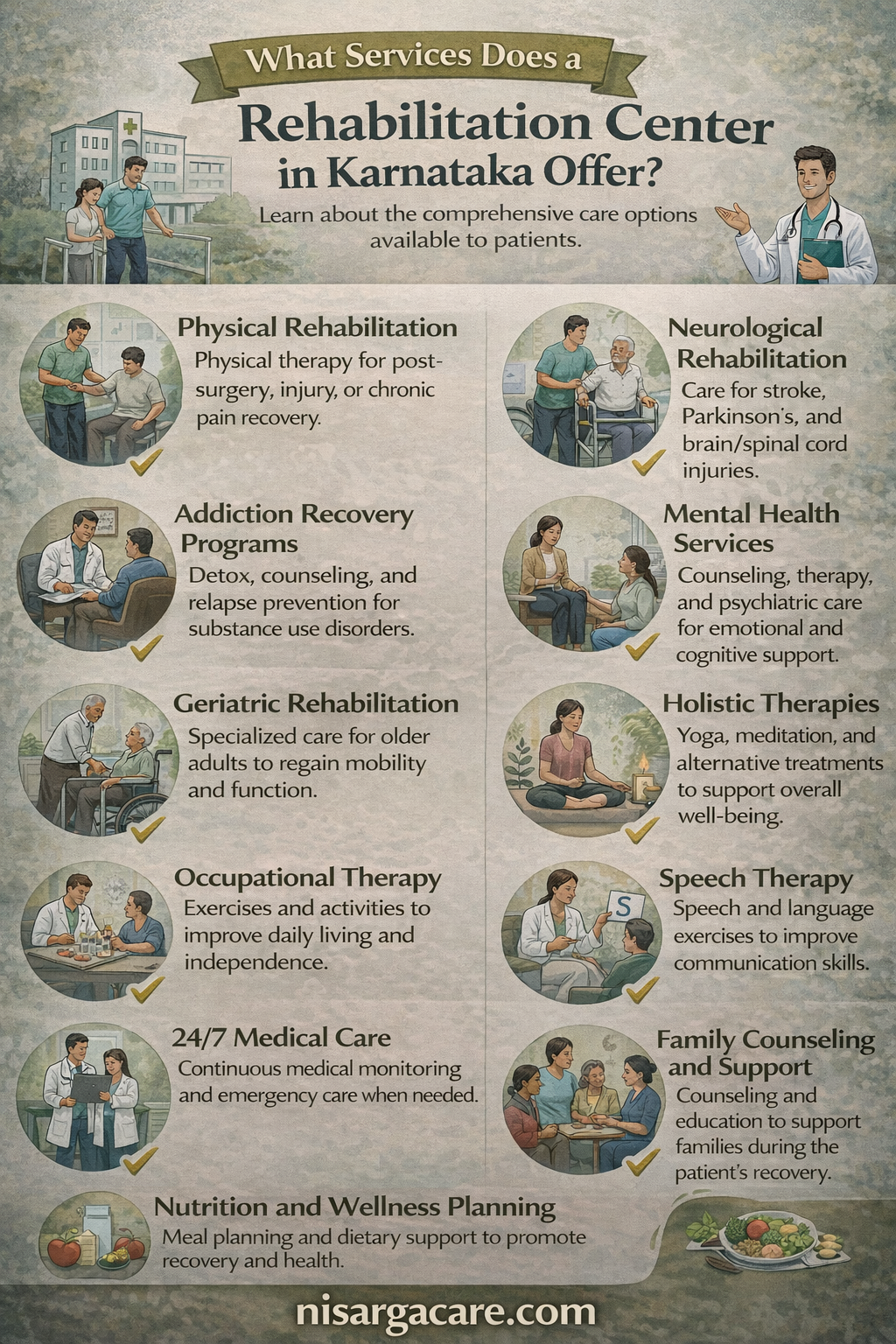
What Services Does a Rehabilitation Center in Karnataka Offer? | rehabilitation centres in Bangalore | Rehabilitation Centre , Bangalore |

A rehabilitation center plays a vital role in helping individuals recover after illness, surgery, injury, or while managing chronic conditions. In Karnataka, rehabilitation centers are designed to provide holistic, patient-centered care that supports physical recovery, emotional well-being, and long-term independence—especially for seniors.

Whether it’s post-hospitalization recovery, neurological conditions, or age-related health challenges, a professional rehabilitation center in Karnataka offers a wide range of structured services tailored to individual needs.

Medical and Nursing Care

One of the core services offered by rehabilitation centers is 24/7 medical and nursing support. Trained nurses monitor vital signs, manage medications, assist with injections or IVs, and respond promptly to health changes. This continuous supervision ensures patient safety and reduces the risk of complications or readmission.

For families, this provides peace of mind knowing their loved one is under professional medical care.

Physiotherapy and Physical Rehabilitation

Physical rehabilitation is essential for restoring mobility, strength, and balance. Rehabilitation centers provide:

  • Physiotherapy after surgery or injury

  • Stroke and neurological rehabilitation

  • Balance and fall-prevention training

  • Mobility support using assistive devices

A trusted rehabilitation center in Bangalore offers personalized physiotherapy plans to help patients regain independence and confidence in daily movement.

Occupational Therapy and Daily Living Support

Occupational therapy focuses on helping patients perform daily activities such as dressing, eating, bathing, and walking. Therapists work on improving coordination, motor skills, and independence, especially for seniors and post-stroke patients.

This service is crucial for maintaining dignity and improving quality of life during recovery.

Dementia and Alzheimer’s Care Services

Many rehabilitation centers in Karnataka specialize in cognitive and memory care. Services include:

  • Structured routines for dementia and Alzheimer’s patients

  • Cognitive stimulation and memory exercises

  • Behavioral management support

  • Safe, calm environments to reduce confusion

A professional dementia rehabilitation center in Bangalore ensures patients receive compassionate care while supporting families through disease progression.

Post-Hospitalization and Recovery Care

After discharge, patients often need continued care to heal properly. Rehabilitation centers provide:

  • Wound care and dressing changes

  • Pain and symptom management

  • Medication adherence monitoring

  • Nutritional and hydration support

This structured recovery approach significantly reduces the risk of relapse or re-hospitalization.

Nutritional and Dietary Support

Proper nutrition is a key part of rehabilitation. Many centers offer customized diet plans based on medical conditions such as diabetes, heart disease, or post-surgical needs. Dietitians ensure meals support healing, strength, and immunity.

Emotional and Psychological Support

Rehabilitation is not just physical—it’s emotional too. Counseling, companionship, and emotional support help patients cope with stress, anxiety, or depression during recovery. Families also receive guidance to manage caregiving challenges.

Palliative and Long-Term Care

For patients with chronic or progressive illnesses, rehabilitation centers offer palliative care focused on comfort, dignity, and quality of life. This includes pain management, emotional support, and end-of-life care when needed.


Conclusion: Why Nisarga Care Is the Best Choice

A rehabilitation center in Karnataka offers comprehensive services that address medical, physical, emotional, and long-term care needs. Nisarga Care stands out as a trusted rehabilitation center in Bangalore, providing expert nursing care, physiotherapy, dementia rehabilitation, post-hospitalization support, and compassionate palliative care.

Recognized as a leading dementia care center in Karnataka and holistic rehabilitation provider, Nisarga Care delivers personalized care plans, experienced professionals, and a safe healing environment. For families seeking reliable, high-quality rehabilitation services in Karnataka, Nisarga Care is the best choice for recovery, dignity, and peace of mind.

News Nisarga care Bangalore

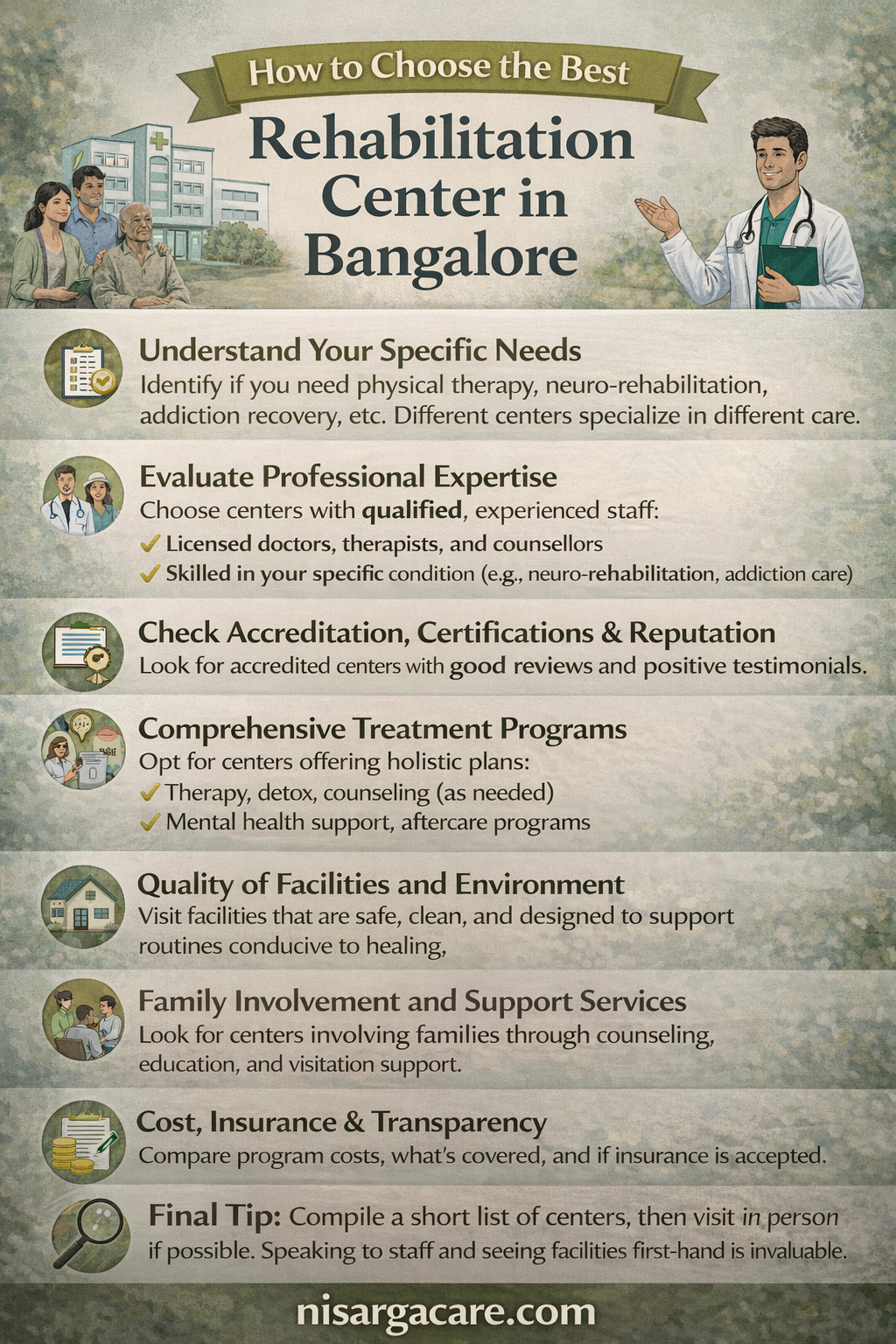
How to Choose the Best Rehabilitation Center in Bangalore

Selecting the right rehabilitation center is one of the most important decisions families make when a loved one needs professional care after illness, surgery, or chronic conditions. A high-quality rehab facility ensures safety, structured recovery, personalized attention, and emotional support. With so many options available, knowing what to look for can make the decision easier and more effective.

Here’s a practical guide to help you choose the best rehabilitation center in Bangalore for your loved one’s needs.

1. Identify the Type of Care Needed

Different rehabilitation centers specialize in different areas. Some focus on:

  • Post-surgical recovery

  • Neurological rehabilitation (e.g., stroke, dementia)

  • Physical therapy and mobility support

  • Diabetes or chronic condition management

  • Long-term care and palliative services

Understanding the specific needs of your loved one helps narrow down the right center. For example, someone recovering from a major surgery may require intensive physiotherapy, while a patient with cognitive decline may need more structured daily routines.

2. Check Credentials and Accreditation

Ensure the center is licensed and accredited by relevant health authorities. Accreditation shows that the facility meets industry standards for safety, infrastructure, and service quality. Reputable centers have trained medical staff, certified therapists, and experienced nurses.

Accreditation also provides reassurance that the center follows professional protocols for rehabilitation and patient care.

3. Review the Care Team’s Expertise

A top rehabilitation center employs:

  • Qualified doctors and nurses

  • Licensed physiotherapists and occupational therapists

  • Nutritionists and dietitians

  • Caregivers trained in elder and chronic care

Ask about staff credentials and experience, especially with cases similar to your loved one’s condition. Skilled professionals make a significant difference in recovery outcomes and patient comfort.

4. Evaluate Personalized Care Plans

Good rehab centers do not use a “one-size-fits-all” approach. They assess each patient individually and create customized care plans based on:

  • Medical history

  • Current health status

  • Recovery goals

  • Emotional and cognitive needs

Personalized plans adapt over time and evolve with the patient’s progress, ensuring better outcomes.

5. Assess the Facilities and Amenities

Physical environment matters. A quality rehabilitation center in Bangalore should offer:

  • Clean and safe living spaces

  • Therapy rooms and exercise equipment

  • Accessible bathrooms and mobility aids

  • Comfortable common areas for social interaction

Facilities that promote comfort and healing make recovery less stressful and more effective.

6. Look for Holistic Support Services

Effective rehabilitation goes beyond physical therapy. Look for centers that offer:

  • Emotional and psychological support

  • Nutritional counseling

  • Pain management

  • Family education and involvement

Centers that provide holistic care improve patient well-being on all levels.

7. Read Reviews and Seek Recommendations

Online reviews, testimonials, and word-of-mouth recommendations from other families help you understand real experiences. Positive feedback about staff responsiveness, recovery outcomes, and overall satisfaction can guide your decision.

Consider visiting the center in person and speaking with current residents or their families if possible.

8. Consider Location and Accessibility

Choosing a center that is easy to reach makes visits more convenient for family members. Proximity also matters for emergency care coordination and follow-ups with doctors.

Bangalore’s reputable rehabilitation centers are well connected and offer easy access for regular family support.

9. Cost and Transparency

Discuss costs upfront and understand what is included in the fees:

  • Medical and nursing care

  • Therapies and consultations

  • Meals and accommodation

  • Emergency support

Transparent pricing helps you plan better and avoid hidden charges.


Conclusion: Why Nisarga Care Is the Best Choice

Choosing the best rehabilitation center in Bangalore involves careful evaluation of care quality, staff expertise, facilities, personalized plans, and support services. Nisarga Care stands out as a trusted dementia rehabilitation center in Bangalore and a leading provider of comprehensive recovery care. With experienced medical professionals, individualized therapy plans, clean and safe facilities, and compassionate support, Nisarga Care ensures your loved one heals with dignity, comfort, and confidence.

Families looking for a reliable memory care facility in Bangalore and a professional dementia care center in Karnataka can depend on Nisarga Care for outstanding rehabilitation, holistic care, and peace of mind throughout the recovery journey.

News Nisarga care Bangalore

When Should a Family Consider Palliative Care Services? | holistic care homes in Bangalore |

Deciding when to seek palliative care can be challenging for families, especially when a loved one is coping with a chronic or serious illness. Palliative care is not limited to end-of-life situations—it is designed to improve quality of life, manage symptoms, and provide emotional support for patients and their families at any stage of illness.

Professional care providers, like Nisarga Care in Karnataka, guide families in understanding the right time to access palliative care services and ensure patients receive comprehensive, compassionate support.

Early Signs That Palliative Care May Be Needed

Families should consider palliative care if a loved one is experiencing:

  • Persistent or worsening pain and discomfort

  • Fatigue or weakness affecting daily activities

  • Emotional distress, anxiety, or depression due to illness

  • Difficulty managing medications or treatment plans

  • Frequent hospital visits or readmissions

Early intervention can prevent complications, reduce suffering, and improve overall well-being.

Chronic Illness or Progressive Conditions

Palliative care is especially helpful for patients with chronic or progressive illnesses such as:

  • Alzheimer’s or dementia

  • Cancer

  • Heart disease or kidney failure

  • Chronic respiratory conditions

  • Diabetes with complications

Even when the condition is stable, palliative care helps manage symptoms, maintain independence, and provide guidance for long-term care.

Post-Hospitalization or Surgery Recovery

Patients recovering from surgery or serious illness often require ongoing medical supervision. Palliative care ensures:

  • Pain and symptom management

  • Medication monitoring and adjustments

  • Emotional support during the recovery process

  • Assistance with mobility and daily activities

Professional home-based palliative care reduces the risk of complications and hospital readmissions, allowing patients to recover comfortably at home.

Emotional and Psychological Support

Families may also consider palliative care when the patient—or caregivers—experience:

  • Stress, anxiety, or fear related to illness

  • Difficulty coping with changing health conditions

  • The need for counseling, guidance, or respite care

Palliative care addresses emotional and psychological needs, fostering resilience and peace of mind for both patients and families.

Enhancing Quality of Life

Ultimately, palliative care is about enhancing quality of life. Families should consider it whenever a loved one requires:

  • Continuous symptom management

  • Assistance with daily activities

  • Emotional support and companionship

  • Guidance in care decisions and planning

Early adoption allows patients to live more comfortably and with dignity while relieving families from the overwhelming responsibility of sole caregiving.


Conclusion: Why Nisarga Care Is the Best Choice

Knowing when to consider palliative care can make a significant difference in patient comfort and family well-being. Nisarga Care is a trusted elder and Alzheimer’s care center in Karnataka, offering professional palliative care services that address physical, emotional, and psychological needs.

With trained caregivers, personalized care plans, and continuous support, Nisarga Care ensures patients live with dignity and comfort while families receive guidance and relief. Recognized as a leading palliative care provider in Karnataka, Nisarga Care is the best choice for compassionate, comprehensive home-based care for patients and their families.

News Nisarga care Bangalore

elderly care in Bangalore | Role of Nurses in Centre Based Palliative Care | elderly care Centre in Bangalore |

Home-based palliative care focuses on providing comfort, symptom management, and emotional support to patients with serious or chronic illnesses in the familiar environment of their own home. Nurses play a central role in this model of care, ensuring that patients receive professional medical attention while families feel supported and guided throughout the recovery or end-of-life process.

Professional home care services, such as those offered by Nisarga Care in Karnataka, rely on skilled nurses to deliver high-quality, compassionate care tailored to each patient’s unique needs.

Medical Monitoring and Symptom Management

Nurses in home-based palliative care are responsible for monitoring vital signs, pain levels, and overall health status. Their tasks include:

  • Administering medications and injections accurately

  • Monitoring for side effects or adverse reactions

  • Assessing and managing pain, fatigue, or other discomforts

  • Coordinating with doctors to adjust treatment plans as needed

This constant supervision ensures early detection of complications and provides timely interventions, improving patient comfort and safety.

Wound Care and Physical Assistance

Many patients in palliative care require help with mobility, wound care, or personal hygiene. Nurses assist with:

  • Dressing and cleaning wounds to prevent infections

  • Helping patients move safely to reduce the risk of falls

  • Assisting with bathing, dressing, and feeding when necessary

This support enhances recovery and maintains patient dignity while reducing strain on family caregivers.

Emotional and Psychological Support

Living with a chronic or serious illness can be emotionally challenging. Nurses provide:

  • Reassurance and companionship to reduce anxiety and fear

  • Counseling for patients and guidance for families

  • Encouragement and motivation to adhere to therapy and recovery routines

Emotional support from nurses helps patients cope with their condition and fosters a positive environment that aids healing.

Education and Guidance for Families

Nurses also act as educators and mentors for family members, teaching them how to:

  • Administer medications safely

  • Monitor symptoms and respond to changes

  • Provide basic care without compromising patient safety

  • Handle emotional stress and caregiver challenges

This guidance empowers families to participate in care confidently, improving overall outcomes.

Coordinated and Personalized Care

Home-based palliative care is most effective when care is personalized and coordinated. Nurses work closely with doctors, therapists, and other healthcare professionals to create a care plan that addresses medical, emotional, and social needs. This ensures that patients receive consistent, comprehensive, and high-quality care.

Promoting Independence and Quality of Life

Nurses support patients in maintaining as much independence as possible, assisting when necessary but encouraging self-care where feasible. This approach not only enhances physical recovery but also contributes to dignity, self-esteem, and overall quality of life.


Conclusion: Why Nisarga Care Is the Best Choice

Nurses are the backbone of home-based palliative care, providing medical supervision, emotional support, and guidance to both patients and families. Nisarga Care is a trusted Alzheimer’s and elder care center in Karnataka, offering professional home nursing services that combine expertise, compassion, and personalized care.

As a leading rehabilitation and palliative care provider in Bangalore, Nisarga Care ensures patients recover comfortably, manage symptoms effectively, and live with dignity, while families receive the support and education they need. For safe, reliable, and compassionate home-based palliative care, Nisarga Care is the best choice in Karnataka.

News Nisarga care Bangalore

senior citizen homes in Bangalore | How Palliative Care Improves Quality of Life

Palliative care is a specialized approach designed to enhance the quality of life for patients with serious, chronic, or life-limiting conditions. Unlike treatments that aim to cure a disease, palliative care focuses on relieving pain, managing symptoms, and supporting emotional well-being. It benefits both patients and their families, ensuring comfort, dignity, and holistic support throughout the course of illness.

Centers like Nisarga Care in Karnataka provide professional palliative care, helping patients live with greater comfort and families feel supported.

Effective Symptom Management

One of the most critical ways palliative care improves quality of life is through symptom control. Patients often experience pain, fatigue, nausea, breathlessness, or sleep disturbances. Trained caregivers and medical professionals:

  • Administer prescribed medications on time

  • Adjust treatment plans according to patient needs

  • Provide complementary therapies to reduce discomfort

By controlling symptoms, patients can participate in daily activities, enjoy better sleep, and experience reduced physical stress.

Emotional and Psychological Support

Living with a chronic or serious illness can cause anxiety, depression, and emotional strain. Palliative care emphasizes mental and emotional well-being through:

  • Counseling for patients and family members

  • Stress management and relaxation techniques

  • Support groups to reduce feelings of isolation

Emotional support fosters resilience, helping patients maintain a positive outlook and better engage in recovery or daily life.

Support for Families

Palliative care extends beyond patients to include their families, providing:

  • Guidance on caregiving tasks

  • Education about the illness and treatment options

  • Counseling to cope with stress, grief, or uncertainty

  • Respite care to reduce caregiver burnout

This comprehensive approach ensures families are empowered and supported while providing care, improving overall household well-being.

Enhancing Comfort and Dignity

Palliative care focuses on creating a comfortable environment that respects the patient’s preferences, routines, and dignity. Measures include:

  • Adjusting living spaces for safety and ease of movement

  • Assisting with daily activities while promoting independence

  • Providing compassionate companionship

A dignified care experience reduces stress, improves mental health, and enhances the patient’s sense of autonomy.

Coordinated and Personalized Care

Each patient’s condition and needs are unique. Palliative care teams create personalized care plans that integrate medical, emotional, and social support. Coordinated care between doctors, nurses, and caregivers ensures that patients receive consistent, timely, and effective treatment.

Reducing Hospital Visits and Complications

By proactively managing symptoms and providing professional support at home or in care facilities, palliative care reduces unnecessary hospitalizations and medical emergencies. This not only improves patient comfort but also decreases stress and financial burden on families.


Conclusion: Why Nisarga Care Is the Best Choice

Palliative care is essential for improving the quality of life of patients with serious illnesses. Nisarga Care is a trusted Alzheimer’s and elder care center in Karnataka, offering professional palliative care that addresses physical, emotional, and psychological needs.

With trained caregivers, personalized care plans, and compassionate supervision, Nisarga Care ensures patients live comfortably and with dignity, while families receive guidance and support. Recognized as a leading palliative care provider in Karnataka, Nisarga Care delivers holistic, patient-centered care that enhances well-being, comfort, and overall quality of life for both patients and their families.

News Nisarga care Bangalore

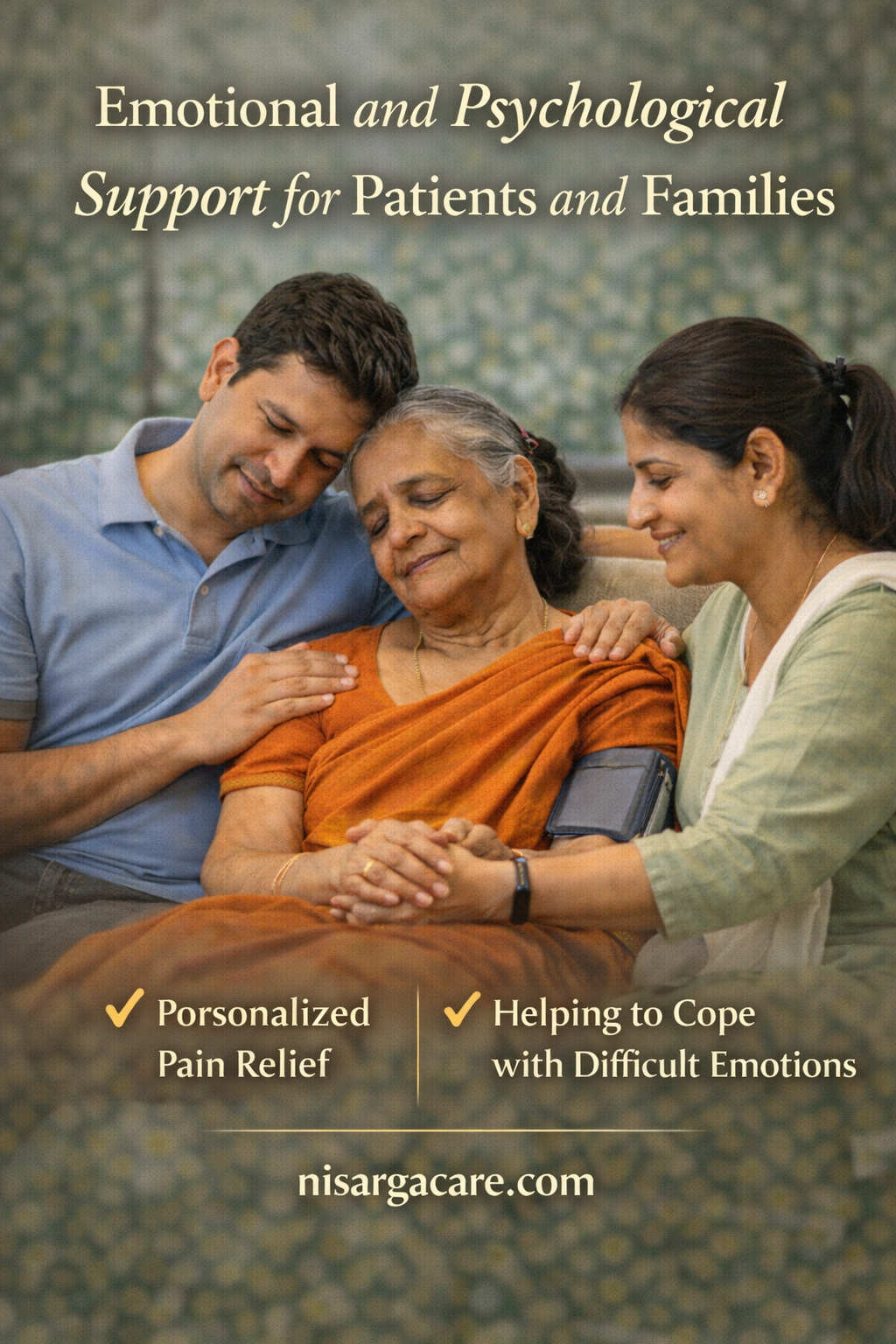
Emotional and Psychological Support for Patients and Families

Illness, surgery, or chronic conditions like Alzheimer’s, dementia, or diabetes affect not just physical health but also emotional and psychological well-being. Patients may experience anxiety, fear, frustration, or depression during recovery, while families often feel stressed, overwhelmed, or helpless. Providing professional emotional and psychological support is essential to help both patients and their caregivers navigate these challenges effectively.

Trusted care centers such as Nisarga Care in Karnataka offer structured support that addresses mental, emotional, and social needs alongside medical care.

Support for Patients

Patients facing illness or recovery often experience a range of emotions:

  • Anxiety about health outcomes or treatments

  • Depression due to chronic conditions or loss of independence

  • Fear of pain, hospital visits, or procedures

  • Frustration over physical limitations or memory issues

Emotional support helps patients cope with these challenges, improving adherence to treatment plans and overall recovery. Compassionate caregivers provide:

  • Active listening and reassurance

  • Encouragement during rehabilitation or therapy

  • Stress-relief techniques such as relaxation exercises or mindfulness

  • Companionship to reduce feelings of loneliness

This holistic approach enhances both mental health and physical recovery.

Support for Families

Caring for a loved one can be emotionally and physically demanding. Families often face:

  • Anxiety about managing medical needs

  • Stress from balancing caregiving and personal responsibilities

  • Emotional strain witnessing the patient’s discomfort or decline

  • Difficulty making healthcare decisions

Professional caregivers offer guidance, counseling, and respite care, helping families manage stress and maintain their own well-being while providing quality care to the patient.

Enhancing Communication

Clear communication between caregivers, patients, and families reduces confusion and emotional strain. Educating families on disease progression, treatment plans, and caregiving techniques fosters confidence and strengthens support systems.

Care centers such as a rehabilitation and elder care center in Bangalore ensure that families remain informed and empowered throughout the patient’s care journey.

Creating a Positive Healing Environment

Emotional and psychological support also involves creating a calm, safe, and encouraging environment. Small adjustments like maintaining routines, celebrating progress, and encouraging social interactions can improve mood, motivation, and overall recovery.

Benefits of Emotional Support

Providing emotional support leads to:

  • Improved patient adherence to medications and therapy

  • Reduced anxiety, depression, and stress

  • Faster physical recovery

  • Better family coping and reduced caregiver burnout

Professional support ensures that both patients and families feel understood, supported, and empowered.


Conclusion: Why Nisarga Care Is the Best Choice

Emotional and psychological well-being is as important as physical recovery. Nisarga Care is a trusted elder care and Alzheimer’s care center in Karnataka, offering compassionate support for patients and families. With trained caregivers, counseling, and structured care plans, Nisarga Care ensures mental and emotional health is prioritized alongside medical care.

As a leading rehabilitation and elder care facility in Bangalore, Nisarga Care helps families manage stress, improves patient recovery, and provides a nurturing environment that supports dignity, comfort, and overall well-being—making it the best choice for holistic post-hospital and chronic care in Karnataka.

Bangalore rehabilitation centers | rehab assisted living facilities in Bangalore News

Managing Pain and Discomfort with Compassionate Care

Pain and discomfort are common challenges for patients recovering from illness, surgery, or living with chronic conditions like Alzheimer’s, dementia, or diabetes. Effective management of these symptoms is essential not only for physical healing but also for emotional and psychological well-being. Compassionate care ensures patients feel supported, safe, and comfortable throughout their recovery or daily life.

Professional services like Nisarga Care in Karnataka provide trained caregivers and medical supervision to address pain and discomfort while maintaining dignity and independence.

Understanding the Impact of Pain

Unmanaged pain can have far-reaching effects:

  • Slower recovery after surgery or illness

  • Sleep disturbances and fatigue

  • Anxiety, depression, or frustration

  • Reduced mobility and risk of falls

For seniors or patients with chronic illnesses, consistent and effective pain management is vital to prevent complications and maintain quality of life.

Holistic Pain Management Approaches

Compassionate care combines medical intervention with personalized support to manage pain effectively. Approaches include:

  • Medication management: Administering prescribed pain relief on time and monitoring effectiveness

  • Physical therapies: Gentle exercises, massage, or physiotherapy to reduce discomfort and improve mobility

  • Comfort measures: Positioning, use of supportive cushions, and adjusting the environment for ease

  • Emotional support: Reassurance, counseling, and active listening to address stress and anxiety associated with pain

These strategies work together to ensure that patients feel cared for physically and emotionally.

Personalized Care Plans

Every patient experiences pain differently. Professional caregivers create personalized care plans based on:

  • Type and source of pain

  • Medical history and current medications

  • Physical and cognitive abilities

  • Daily routines and preferences

Tailored care ensures maximum comfort while minimizing risks from medication or overexertion.

Importance of Monitoring and Communication

Regular monitoring allows caregivers to track pain intensity, triggers, and response to treatment. Clear communication with doctors ensures adjustments to medications or therapy when needed. Patients and families are also educated on recognizing warning signs of complications.

Professional care centers like a rehabilitation or elder care center in Bangalore provide continuous monitoring, ensuring effective pain management at all times.

Emotional and Psychological Comfort

Pain often affects mood and motivation. Compassionate care addresses not only physical discomfort but also emotional distress. Supportive interaction, patience, and empathy help patients cope with discomfort, reducing anxiety and promoting a positive outlook.

Supporting Families

Families often feel stressed or helpless when loved ones experience pain. Trained caregivers relieve this burden by providing professional supervision and guidance, allowing families to focus on emotional support rather than medical management.


Conclusion: Why Nisarga Care Is the Best Choice

Managing pain and discomfort effectively requires a compassionate, structured approach. Nisarga Care is a trusted elder care and Alzheimer’s care center in Karnataka, providing professional pain management, personalized care plans, and emotional support for patients at home or in care facilities.

As a leading rehabilitation and elder care facility in Bangalore, Nisarga Care ensures patients live comfortably and safely while families receive guidance and relief from caregiving stress. For holistic, compassionate pain management and overall well-being, Nisarga Care remains the best choice for post-hospital and chronic care in Karnataka.

News Nisarga care Bangalore

Difference Between Palliative Care and Hospice Care | Senior Citizen home and holistic health recent in Bangalore |

Understanding the difference between palliative care and hospice care is essential for families navigating serious or chronic illnesses. While both provide compassionate support and focus on improving quality of life, they differ in timing, goals, and settings. Choosing the right type of care ensures patients receive appropriate medical attention, comfort, and emotional support.

Professional care centers, such as Nisarga Care in Karnataka, provide both services tailored to patient needs, making it easier for families to manage care effectively.

Palliative Care: Support at Any Stage

Palliative care is a medical approach aimed at relieving pain, discomfort, and emotional stress for patients with serious illnesses. It can be offered at any stage of the disease, alongside curative treatments.

Key features include:

  • Pain and symptom management for chronic or serious conditions

  • Emotional, psychological, and spiritual support

  • Assistance with care planning and treatment decisions

  • Available in hospitals, homes, or specialized care facilities

Palliative care is ideal for patients with Alzheimer’s, dementia, cancer, heart disease, diabetes, or other chronic conditions. Its focus is improving quality of life, regardless of the prognosis, and supporting both patients and their families.

Hospice Care: Support at Life’s End

Hospice care is a specialized form of palliative care designed for patients who are terminally ill and have a prognosis of six months or less. Its primary focus is comfort rather than cure, ensuring that the patient’s remaining time is as peaceful and dignified as possible.

Key aspects include:

  • Comprehensive symptom management for terminal illnesses

  • Emotional and spiritual support for patients and families

  • End-of-life planning and guidance

  • Care provided mostly at home or in hospice facilities

Hospice care emphasizes quality of life and dignity, helping families cope with the emotional challenges of terminal illness.

Key Differences Between Palliative and Hospice Care

Aspect Palliative Care Hospice Care
Timing Any stage of serious illness Terminal stage, typically 6 months or less
Goal Improve quality of life while possibly continuing treatment Comfort and dignity at end-of-life
Treatment Can be combined with curative or life-prolonging treatment Focuses on comfort; curative treatment is usually stopped
Setting Hospitals, homes, or care centers Home, hospice facilities, or specialized centers
Duration Can be short-term or long-term End-of-life care until death

Supporting Families

Both palliative and hospice care provide vital support for families:

  • Education on care and symptom management

  • Emotional guidance to handle stress and grief

  • Assistance with decision-making and care coordination

  • Relief for caregivers through professional supervision

Professional care ensures families feel confident and supported during challenging times.


Conclusion: Why Nisarga Care Is the Best Choice

Choosing between palliative and hospice care depends on the patient’s medical condition and prognosis. Nisarga Care is a trusted elder care and Alzheimer’s care center in Karnataka, providing both palliative and hospice care tailored to individual needs.

Families seeking professional guidance, compassionate care, and medical supervision can rely on Nisarga Care to deliver personalized support, comfort, and dignity for patients while easing caregiver stress. Recognized as a leading palliative and hospice care provider in Karnataka, Nisarga Care ensures patients live with quality, safety, and emotional support throughout their care journey.

News Nisarga care Bangalore

What Is Palliative Care and Who Needs It?

Palliative care is specialized medical care focused on improving the quality of life for individuals with serious, chronic, or life-limiting illnesses. Unlike treatments that aim to cure a disease, palliative care emphasizes relief from pain, discomfort, and emotional stress while supporting patients and their families through challenging times.

It is appropriate at any stage of a serious illness and can be provided alongside curative treatments. This approach ensures that patients live as comfortably and fully as possible, regardless of their prognosis.

Key Features of Palliative Care

Palliative care addresses multiple aspects of patient well-being:

  • Pain and symptom management: Controlling physical discomfort such as pain, breathlessness, or fatigue.

  • Emotional support: Helping patients cope with anxiety, depression, or stress.

  • Psychological and spiritual care: Assisting patients and families in understanding and accepting their situation.

  • Care coordination: Working with doctors, nurses, and therapists to ensure comprehensive care.

This holistic care approach improves not only physical comfort but also mental and emotional resilience.

Who Needs Palliative Care?

Palliative care is beneficial for anyone living with a serious illness that affects daily life or quality of life. Common candidates include:

  • Seniors with chronic conditions such as Alzheimer’s, dementia, diabetes, or heart disease

  • Patients with terminal illnesses such as advanced cancer or late-stage organ failure

  • Individuals experiencing severe pain, breathing difficulties, or other distressing symptoms

  • Families seeking support in caregiving, decision-making, and emotional guidance

Early access to palliative care can reduce unnecessary hospital visits and prevent medical crises, helping patients live comfortably at home or in specialized care facilities.

How Palliative Care Supports Families

Palliative care is not only for patients—it also supports families in several ways:

  • Education on managing symptoms at home

  • Emotional guidance to handle stress and grief

  • Assistance with care planning and medical decisions

  • Respite for caregivers, reducing physical and emotional burnout

This support helps families provide effective care without compromising their own health and well-being.

Where Palliative Care Is Provided

Palliative care can be delivered in multiple settings depending on patient needs:

  • At home: With trained nurses or caregivers providing medical and emotional support.

  • Hospice facilities: Specialized centers offering comprehensive palliative services.

  • Hospitals: For patients requiring frequent monitoring or symptom management.

Professional care centers like Nisarga Care in Karnataka offer home-based and facility-based palliative care, combining medical expertise with compassionate support.


Conclusion: Why Nisarga Care Is the Best Choice

Palliative care ensures comfort, dignity, and holistic support for patients with serious illnesses. Nisarga Care is a trusted Alzheimer’s and elder care center in Karnataka, offering specialized palliative care that addresses physical, emotional, and psychological needs.

Families seeking professional guidance and compassionate care for their loved ones can rely on Nisarga Care for personalized attention, medical supervision, and continuous support. Recognized as a leading palliative and elder care provider in Karnataka, Nisarga Care helps patients live with comfort, dignity, and improved quality of life while supporting families every step of the way.

Posts pagination

WeCreativez WhatsApp Support
Our customer support team is here to answer your questions. Ask us anything!
👋 Hi, how can I help?