
Test Nisarga care Bangalore Archives | Page 5 of 12 | Nisarga Care
News Nisarga care Bangalore

Managing Behavioral Changes in Dementia Patients

Behavioral changes are one of the most challenging aspects of dementia care. As the disease affects the brain, patients may show sudden mood swings, aggression, confusion, anxiety, or withdrawal. These behaviors are not intentional. They are the result of cognitive decline, frustration, fear, and difficulty expressing needs. Understanding and managing these changes with empathy is essential for improving the patient’s quality of life and reducing stress for caregivers.

Families often feel overwhelmed when their loved one behaves differently than before. However, with the right approach and professional guidance, behavioral changes can be handled in a calm and effective way.

One of the most common behavioral changes is agitation. Dementia patients may become restless, irritated, or angry without an obvious reason. This can happen due to physical discomfort, hunger, fatigue, or confusion. Instead of correcting or arguing with them, caregivers should respond with reassurance and a calm tone. Gentle communication helps the patient feel safe and understood.

Another frequent behavior is aggression, which may appear as shouting, pushing, or resistance to care. Aggression often comes from fear or frustration. The patient may not understand what is happening or may feel threatened. Giving them personal space, maintaining eye contact, and explaining actions slowly can reduce fear and build trust.

Wandering is also common in dementia patients. They may try to leave the house or walk aimlessly due to confusion or the belief that they need to go somewhere. This behavior is dangerous and requires careful supervision. Installing safety locks, alarms, and providing a secure environment can prevent accidents. Structured daily routines and physical activities also reduce restlessness.

Anxiety and depression are emotional changes that frequently affect dementia patients. They may feel lost, helpless, or scared, especially in unfamiliar environments. Offering emotional reassurance, spending quality time, and keeping familiar objects around them can bring comfort. Music, photos, and familiar smells often create a sense of security and calm.

Repetitive behaviors such as asking the same question repeatedly or performing the same action over and over are also common. Instead of showing frustration, caregivers should answer patiently or gently redirect the patient’s attention. These behaviors provide comfort to the patient and help them feel in control.

Sleep disturbances are another major concern. Dementia patients may sleep during the day and stay awake at night. This disrupts their routine and increases caregiver exhaustion. Maintaining regular sleep schedules, avoiding caffeine, and encouraging physical activity during the day can improve sleep patterns.

Communication difficulties can make behavioral issues worse. As dementia progresses, patients struggle to express their needs clearly. They may become frustrated when not understood. Using simple words, short sentences, and visual cues helps improve communication. Non-verbal communication like smiling, gentle touch, and eye contact also reassures them.

Creating a structured daily routine is one of the most effective ways to manage behavioral changes. Predictable schedules reduce confusion and anxiety. Regular meal times, activity hours, rest periods, and bedtime routines give patients a sense of stability and comfort.

Caregivers must also take care of their own emotional health. Managing behavioral changes daily is exhausting. Stress and burnout reduce the ability to provide compassionate care. Seeking professional help, respite care, or support groups helps families cope better.

Professional dementia care centers are specially equipped to handle behavioral challenges. Trained caregivers understand how to respond to difficult behaviors without judgment. They use therapeutic techniques, medical monitoring, and emotional support to create a calm environment. This level of care is often difficult to achieve at home.

Behavioral changes are not a sign that the patient is becoming difficult. They are a form of communication. When families learn to see behavior as a message, care becomes more compassionate and effective.

Conclusion: Why Nisarga Care Is the Best Support System

Managing behavioral changes in dementia requires experience, patience, and professional understanding. Nisarga Care stands as a trusted Dementia care center in Karnataka, offering expert support to seniors facing cognitive and behavioral challenges. As a leading Memory care facility in Bangalore, Nisarga Care provides structured routines, emotional therapy, and personalized care plans that help manage agitation, aggression, anxiety, and confusion effectively.

For families looking for a reliable Dementia rehabilitation center in Bangalore, Nisarga Care offers trained caregivers, medical supervision, and a calm environment designed to support both patients and families. It is truly a specialized dementia rehab center in Karnataka where dignity, compassion, and professional care come together to improve the lives of people living with dementia.

Bangalore rehabilitation centers | rehab assisted living facilities in Bangalore News Nisarga care Bangalore

What Is Dementia? Early Signs and Symptoms Families Should Never Ignore

Dementia is not a single disease but a collective term used to describe a group of symptoms that affect memory, thinking, behavior, and the ability to perform everyday activities and call the need to reach Dementia rehabilitation center in Bangalore. It is most commonly seen in older adults, but it is not a normal part of aging. Dementia occurs when brain cells are damaged, affecting how they communicate with each other. This disruption leads to problems with reasoning, memory, judgment, and communication.

The most common type of dementia is Alzheimer’s disease, followed by vascular dementia, Lewy body dementia, and frontotemporal dementia. Each type has its own causes and progression, but they share similar symptoms that gradually worsen over time. Understanding dementia at an early stage can make a huge difference in managing the condition and improving the quality of life for both patients and their families.

Many families dismiss the early signs of dementia as “just aging,” which delays diagnosis and professional support. However, early recognition allows for better treatment planning, lifestyle adjustments, emotional preparation, and access to specialized dementia care services.

Early Memory Loss That Disrupts Daily Life

One of the most common early symptoms of dementia is memory loss, especially forgetting recently learned information. A person may repeatedly ask the same questions, forget appointments, or rely heavily on reminder notes. Occasional forgetfulness is normal, but when memory issues interfere with daily routines, it may be a warning sign.

For example, forgetting where the keys are placed is common, but forgetting what keys are used for is not. This kind of confusion should never be ignored.

Difficulty in Planning and Problem Solving

People with dementia often struggle with tasks that require concentration and planning. Managing finances, following a recipe, or keeping track of bills may suddenly become overwhelming. They may take longer to complete familiar activities or make unusual mistakes.

This change can be frustrating for seniors who were once independent and organized. Families should watch for consistent patterns of confusion rather than occasional errors.

Confusion with Time and Place

A person in the early stages of dementia may lose track of dates, seasons, or the passage of time. They may forget where they are or how they got there. In some cases, they may wander and become disoriented, even in familiar surroundings.

This symptom increases safety risks and highlights the need for proper supervision and structured care.

Trouble Understanding Visual Images and Spatial Relationships

Some dementia patients experience vision problems not related to eyesight but to how the brain processes visual information. This can affect reading, judging distances, or identifying colors and contrasts. It may cause difficulty in driving, walking down stairs, or recognizing faces.

Families often overlook this sign, assuming it is a normal vision issue, but it can be a strong indicator of cognitive decline.

Problems with Speaking and Writing

Early dementia can affect communication skills. A person may struggle to find the right words, stop mid-sentence, or repeat themselves frequently. They may also have trouble following conversations or naming familiar objects.

This can lead to social withdrawal and embarrassment, which further affects emotional well-being.

Misplacing Things and Losing the Ability to Retrace Steps

People with dementia may put items in unusual places, such as keeping keys in the refrigerator or a wallet in the bathroom. They are unable to retrace their steps to find missing items and may accuse others of stealing.

This behavior is not intentional and is caused by confusion and memory gaps.

Changes in Mood, Personality, and Behavior

Mood swings, anxiety, depression, irritability, or sudden anger can appear in the early stages of dementia. A once calm and social person may become withdrawn, suspicious, or easily upset. These emotional changes are often distressing for families and caregivers.

Understanding that these behaviors are symptoms of a medical condition helps reduce frustration and promotes compassionate care.

Poor Judgment and Decision-Making

Dementia can impair judgment, leading to unsafe or inappropriate decisions. For instance, a person may give away large sums of money, neglect personal hygiene, or dress inappropriately for the weather.

These signs show the importance of supervision and professional guidance.

Why Early Diagnosis Matters

Early diagnosis of dementia allows families to:

  • Plan future care and financial matters

  • Begin medical treatments that may slow progression

  • Make the home environment safer

  • Seek emotional and professional support

  • Improve the patient’s independence for as long as possible

With timely intervention, patients can maintain dignity and quality of life for a longer period.

Conclusion: Why Nisarga Care Is the Right Choice

Recognizing early dementia symptoms is the first step, but choosing the right care is what truly makes a difference. Nisarga Care stands out as a trusted Dementia care center in Karnataka, offering compassionate, professional, and structured support for seniors living with cognitive challenges. As a leading Memory care facility in Bangalore, Nisarga Care provides personalized programs that focus on safety, emotional well-being, and cognitive stimulation.

Families looking for a reliable Dementia rehabilitation center in Bangalore can trust Nisarga Care for its experienced caregivers, medical supervision, and holistic rehabilitation approach. With a calm environment and patient-centered care plans, Nisarga Care ensures that individuals with dementia receive dignity, respect, and the best possible quality of life. It is truly a specialized dementia rehab center in Karnataka that families can depend on during one of the most challenging journeys of caregiving.

News Nisarga care Bangalore

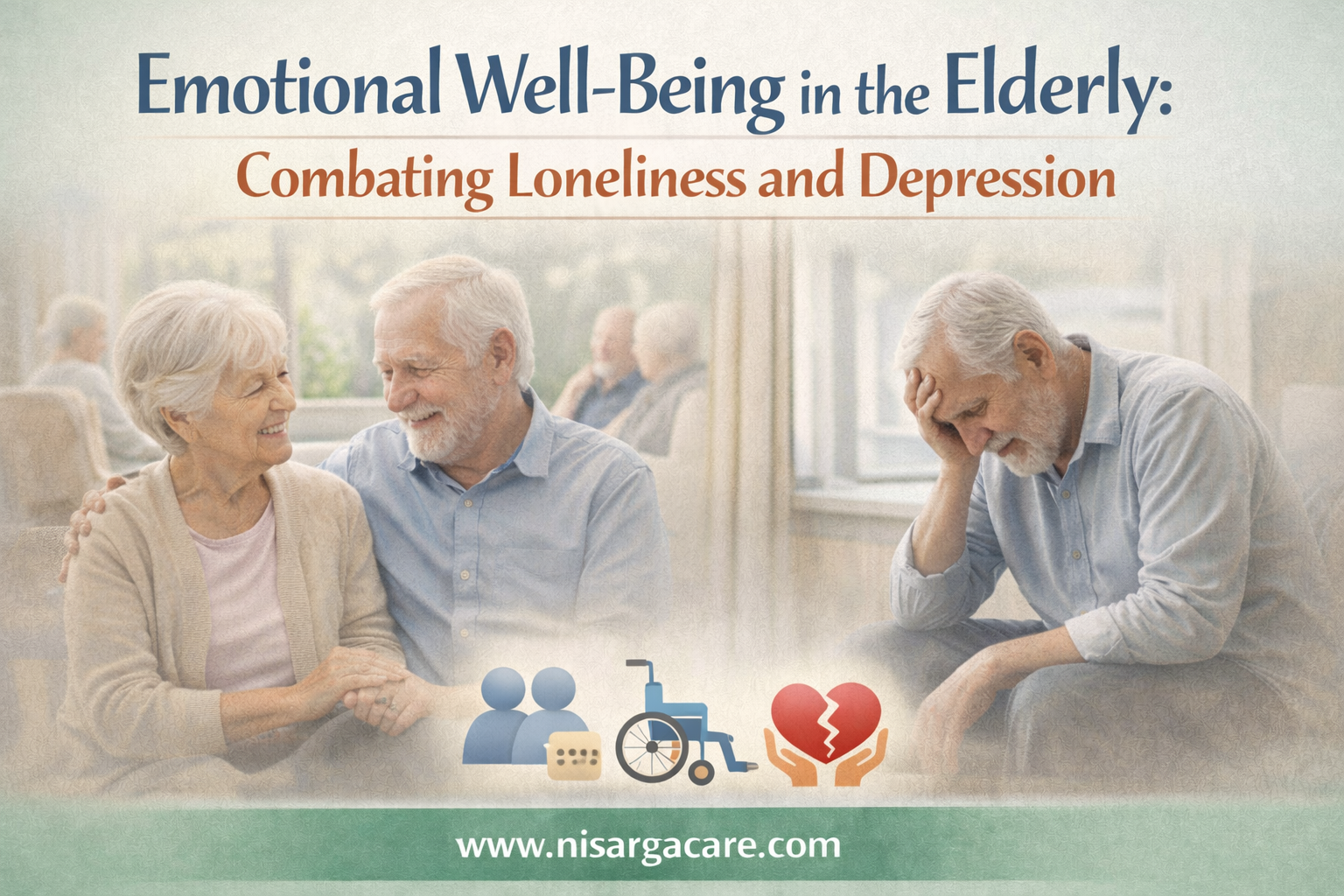
Emotional Well-Being in the Elderly: Combating Loneliness and Depression

Loneliness and depression are serious yet often overlooked health risks among the elderly. As seniors experience reduced mobility, loss of loved ones, or prolonged recovery periods, emotional isolation can deeply affect mental and physical health. Addressing emotional well-being is a core responsibility of rehabilitation and elder care homes.

Understanding Loneliness in Seniors

Loneliness is not just about being alone—it is the feeling of being disconnected. Seniors living alone or recovering in isolation may feel forgotten, leading to sadness, anxiety, and depression. These emotions can slow recovery, weaken immunity, and increase dependency.

How Elder Care Homes Address Emotional Needs

Elder care and rehab homes provide structured social interaction through group activities, therapy sessions, and shared routines. Seniors interact with peers facing similar challenges, fostering companionship and mutual support. Trained caregivers also monitor emotional changes and provide reassurance when needed.

Role of Counseling and Mental Health Support

Professional counseling plays a vital role in addressing depression and anxiety. Rehab homes integrate emotional counseling, mindfulness practices, and relaxation techniques to help seniors cope with emotional stress. Early intervention prevents emotional decline and promotes resilience.

Family Connection and Emotional Security

Family involvement remains essential even in care homes. Regular visits, calls, and emotional engagement help seniors feel valued and connected. Elder care facilities encourage family participation to strengthen emotional bonds and recovery outcomes.

Creating a Sense of Purpose

Engaging seniors in meaningful activities such as hobbies, light responsibilities, and social events restores confidence and self-worth. Emotional well-being improves when seniors feel useful, heard, and respected.

Conclusion

Emotional well-being is fundamental to healthy aging and recovery. Combating loneliness and depression requires consistent emotional support, social interaction, and compassionate care. At Nisarga Care, we prioritize mental and emotional health alongside physical care, creating a nurturing environment where seniors feel connected, supported, and valued every day.

News Nisarga care Bangalore

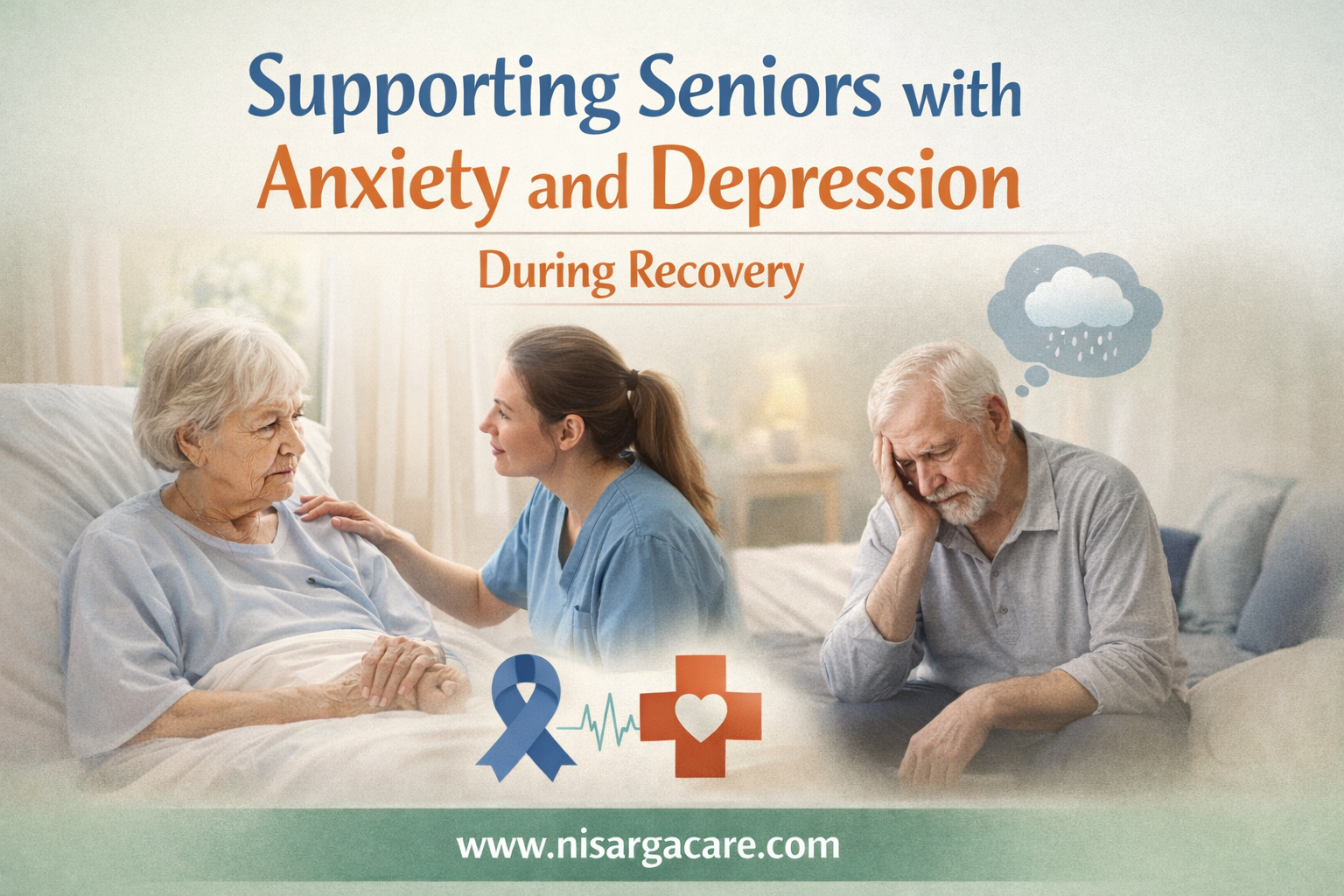
Supporting Seniors with Anxiety and Depression During Recovery || Nisarga Care

Recovery after illness, surgery, or hospitalization can be a challenging phase for seniors. Physical healing often takes center stage, but emotional well-being is equally important. Many elders experience anxiety, depression, or fear during recovery, especially when adjusting to reduced mobility, new routines, or dependence on caregivers. Rehabilitation and elder care homes play a vital role in providing structured support that addresses both mental and physical health.

Understanding the Emotional Challenges

Seniors in recovery may feel isolated, frustrated, or anxious about their health. Concerns about regaining independence, coping with chronic conditions, or returning home safely can lead to emotional stress. Depression may manifest as withdrawal from social interaction, loss of interest in hobbies, or changes in appetite and sleep patterns. Anxiety may appear as restlessness, excessive worry, or hesitation to participate in therapy sessions. Recognizing these signs early is crucial for timely intervention.

Role of Rehabilitation and Elder Care Homes

Rehabilitation and elder care homes provide a structured environment that supports emotional recovery alongside physical healing. Trained staff monitor seniors closely, offer encouragement, and implement individualized care plans. Social interaction with peers, daily routines, and therapeutic activities reduce feelings of loneliness and build confidence. Seniors benefit from personalized attention, group exercises, and counseling sessions that address their emotional needs.

Therapeutic Interventions for Mental Health

Professional care facilities integrate multiple approaches to manage anxiety and depression:

  • Counseling and psychotherapy help seniors express emotions and develop coping strategies.

  • Occupational therapy engages elders in meaningful activities, improving self-esteem and a sense of purpose.

  • Mindfulness, relaxation exercises, and light physical therapy reduce stress and enhance mood.

  • Regular monitoring ensures that emotional well-being is addressed alongside physical rehabilitation.

Family Involvement and Emotional Support

Even in a care home setting, family support is essential. Frequent visits, video calls, and active participation in care plans reassure seniors that they are valued and not alone. Families can collaborate with caregivers to encourage participation in activities, celebrate milestones, and provide emotional encouragement. This partnership between care homes and families strengthens recovery outcomes and fosters confidence.

Creating a Safe and Comfortable Environment

A nurturing environment in rehabilitation and elder care homes promotes mental well-being. Simple measures such as safe walking spaces, well-lit rooms, accessible recreational areas, and personalized rooms can reduce anxiety. Feeling secure, respected, and supported contributes to a positive mindset, which directly impacts recovery speed and overall health.


Conclusion

Supporting seniors with anxiety and depression during recovery requires a holistic approach that combines emotional, social, and physical care. Rehabilitation and elder care homes provide structured programs, professional counseling, and safe environments that empower seniors to regain independence and confidence. At Nisarga Care, we prioritize both mental and physical well-being, ensuring seniors receive compassionate support that promotes healing, dignity, and a fulfilling life. Families can trust Nisarga Care to guide their loved ones through recovery with empathy and expertise.

Nisarga care Bangalore

Loneliness in Seniors: Why It’s a Health Risk, Not Just an Emotion | homes for senior citizens in Bangalore |

Loneliness in seniors is often misunderstood as a temporary emotional state, but in reality, it is a serious health concern that can significantly impact both mental and physical well-being. As people age, life changes such as retirement, loss of a spouse, reduced mobility, or distance from family can increase feelings of isolation. When left unaddressed, loneliness can silently affect a senior’s overall health and quality of life.

Understanding Loneliness in Aging

Loneliness is not simply about being alone; it is about feeling disconnected. Many seniors may live with family or in communities yet still experience emotional isolation. Reduced social interactions, limited independence, and health challenges often contribute to this sense of disconnection. Over time, these feelings can deepen and lead to more serious consequences.

Impact on Mental Health

Prolonged loneliness is closely linked to mental health issues in seniors. Feelings of isolation can increase the risk of depression, anxiety, and cognitive decline. Seniors who feel lonely may lose motivation, withdraw from activities they once enjoyed, and experience a decline in self-esteem. Loneliness has also been associated with a faster progression of memory-related conditions such as dementia.

Physical Health Risks of Loneliness

Loneliness does not only affect the mind—it also affects the body. Research shows that socially isolated seniors have a higher risk of heart disease, high blood pressure, weakened immunity, and poor sleep quality. Loneliness can increase stress levels, leading to inflammation and reduced ability to recover from illness or injury. Seniors who feel isolated may also neglect proper nutrition, medication routines, or physical activity, further impacting their health.

Role of Family and Social Connection

Family involvement plays a crucial role in reducing loneliness. Regular visits, phone calls, and emotional engagement reassure seniors that they are valued and supported. Encouraging participation in family activities, conversations, and decision-making helps seniors feel connected and respected. Even small, consistent interactions can significantly improve emotional well-being.

Importance of Structured Care and Routine

A structured daily routine provides seniors with a sense of purpose and stability. Professional care services, rehabilitation programs, or assisted living environments often include social interaction, group activities, and emotional support, reducing feelings of isolation. Interaction with caregivers, therapists, and peers creates opportunities for meaningful connections.

Encouraging Engagement and Independence

Helping seniors stay engaged in hobbies, light physical activities, or community programs supports emotional health. Activities such as walking, music, reading, or guided exercises can boost mood and confidence. Maintaining independence wherever possible also enhances self-worth and reduces feelings of helplessness.

Early Recognition and Intervention

Recognizing early signs of loneliness—withdrawal, mood changes, loss of interest, or sleep disturbances—is essential. Early intervention through emotional support, counseling, or professional care can prevent loneliness from escalating into serious health issues.


Conclusion

Loneliness in seniors is far more than an emotional challenge—it is a significant health risk that affects mental clarity, physical strength, and overall quality of life. With timely family involvement, structured care, social engagement, and emotional support, seniors can regain connection, confidence, and purpose. Addressing loneliness early ensures healthier aging, emotional resilience, and a more fulfilling life for elderly loved ones.

News Nisarga care Bangalore

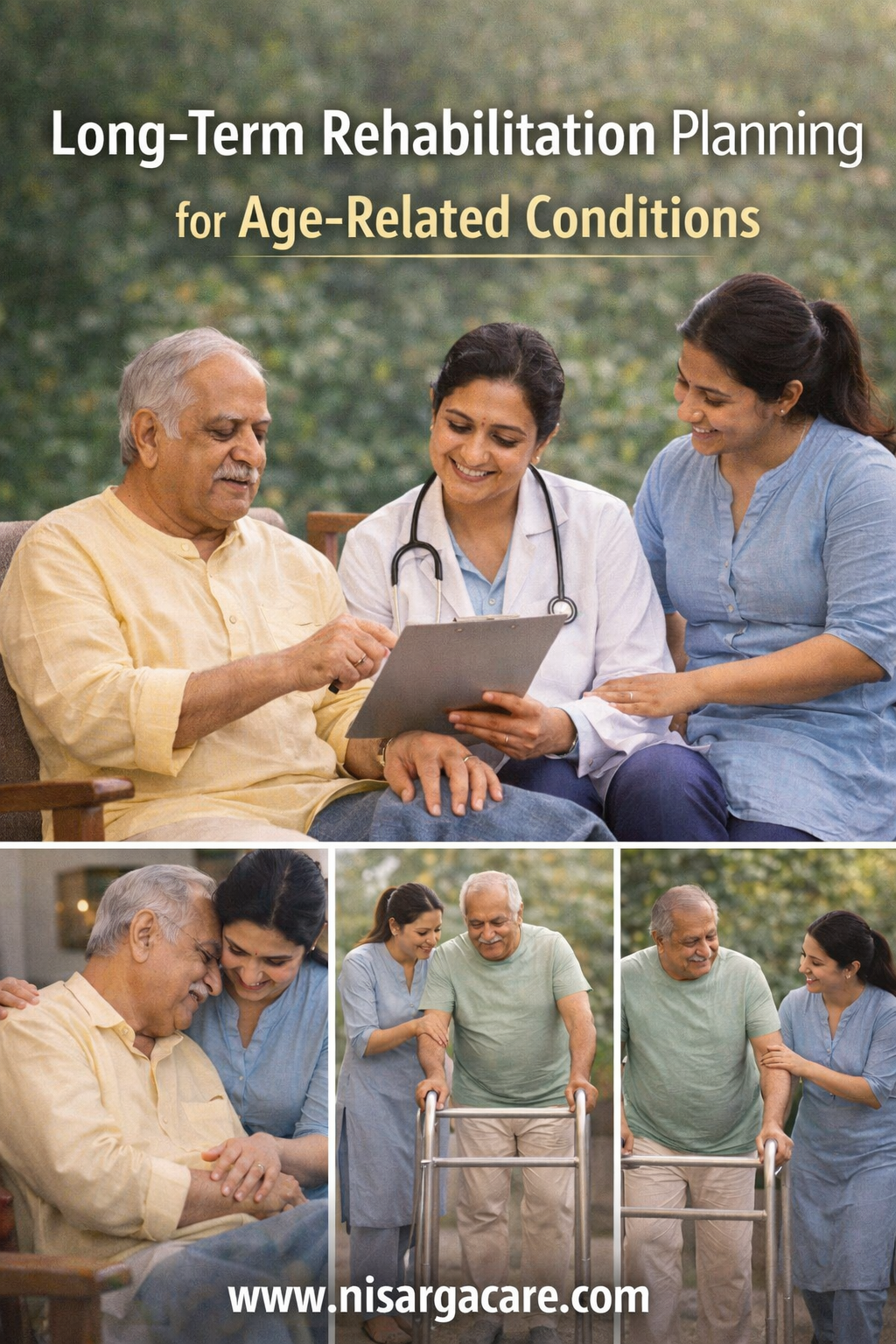
Long-Term Rehabilitation Planning for Age-Related Conditions | Nisarga Care

As people age, gradual physical and cognitive changes can affect mobility, strength, balance, and daily functioning. Age-related conditions such as arthritis, stroke recovery, Parkinson’s disease, osteoporosis, and dementia often require ongoing support rather than short-term treatment.

Long-term rehabilitation planning is essential to help seniors maintain independence, slow functional decline, and improve quality of life through structured, consistent care.


Understanding Age-Related Rehabilitation Needs

Age-related conditions are often progressive and vary widely from person to person. Seniors may experience:

  • Reduced mobility and muscle strength

  • Joint stiffness and chronic pain

  • Balance and coordination challenges

  • Cognitive or neurological changes

Effective rehabilitation planning focuses on adapting care as needs evolve over time.


Why Long-Term Rehabilitation Planning Matters

Without a structured rehabilitation plan, seniors risk:

  • Accelerated physical decline

  • Increased dependence on caregivers

  • Higher fall and hospitalization risks

  • Reduced confidence and social engagement

Long-term planning provides continuity, stability, and measurable progress, even in the presence of chronic conditions.


Key Components of Long-Term Rehabilitation Planning

1. Comprehensive Assessment

Rehabilitation planning begins with a detailed evaluation of physical abilities, cognitive function, medical history, and lifestyle. This helps create realistic goals tailored to each senior’s condition.


2. Personalized Rehabilitation Goals

Long-term goals are broken into achievable milestones, such as:

  • Improving walking endurance

  • Maintaining joint flexibility

  • Enhancing balance and coordination

  • Preserving daily living skills

These goals evolve as the senior’s condition changes.


3. Physiotherapy for Mobility and Strength

Regular physiotherapy helps:

  • Maintain muscle strength

  • Reduce stiffness and pain

  • Improve posture and balance

Consistency is key in preventing functional decline.


4. Occupational Therapy for Daily Independence

Occupational therapy supports seniors in managing daily activities safely by:

  • Teaching adaptive techniques

  • Recommending assistive devices

  • Modifying home environments

This ensures seniors remain engaged in their routines.


5. Cognitive and Neurological Support

For conditions affecting memory or coordination, rehabilitation may include:

  • Cognitive stimulation activities

  • Speech and communication therapy

  • Routine-based care strategies

These interventions help maintain mental function and engagement.


6. Pain and Fatigue Management

Long-term rehabilitation integrates non-invasive pain management techniques such as gentle movement, posture correction, relaxation therapies, and lifestyle adjustments to enhance comfort.


Role of Emotional and Psychological Support

Chronic conditions can affect emotional well-being. Rehabilitation planning must address:

  • Motivation and morale

  • Coping with limitations

  • Reducing anxiety and depression

Emotional support encourages consistency and long-term participation in therapy.


Family and Caregiver Involvement

Successful long-term rehabilitation requires collaboration between therapists, caregivers, and family members. Education and communication ensure care routines are followed consistently and safely.


How Nisarga Care Supports Long-Term Rehabilitation

At Nisarga Care, we provide structured long-term rehabilitation programs that include:

  • Ongoing assessments and therapy adjustments

  • Integrated physiotherapy and occupational therapy

  • Trained caregivers for daily support

  • Safe, senior-friendly environments

  • Emotional and mental well-being focus

Our approach ensures rehabilitation evolves alongside the senior’s changing needs.


Conclusion

Long-term rehabilitation planning empowers seniors to age with dignity, independence, and confidence. By focusing on consistent care, adaptability, and holistic well-being, seniors can continue leading meaningful and active lives despite age-related challenges.

News Nisarga care Bangalore

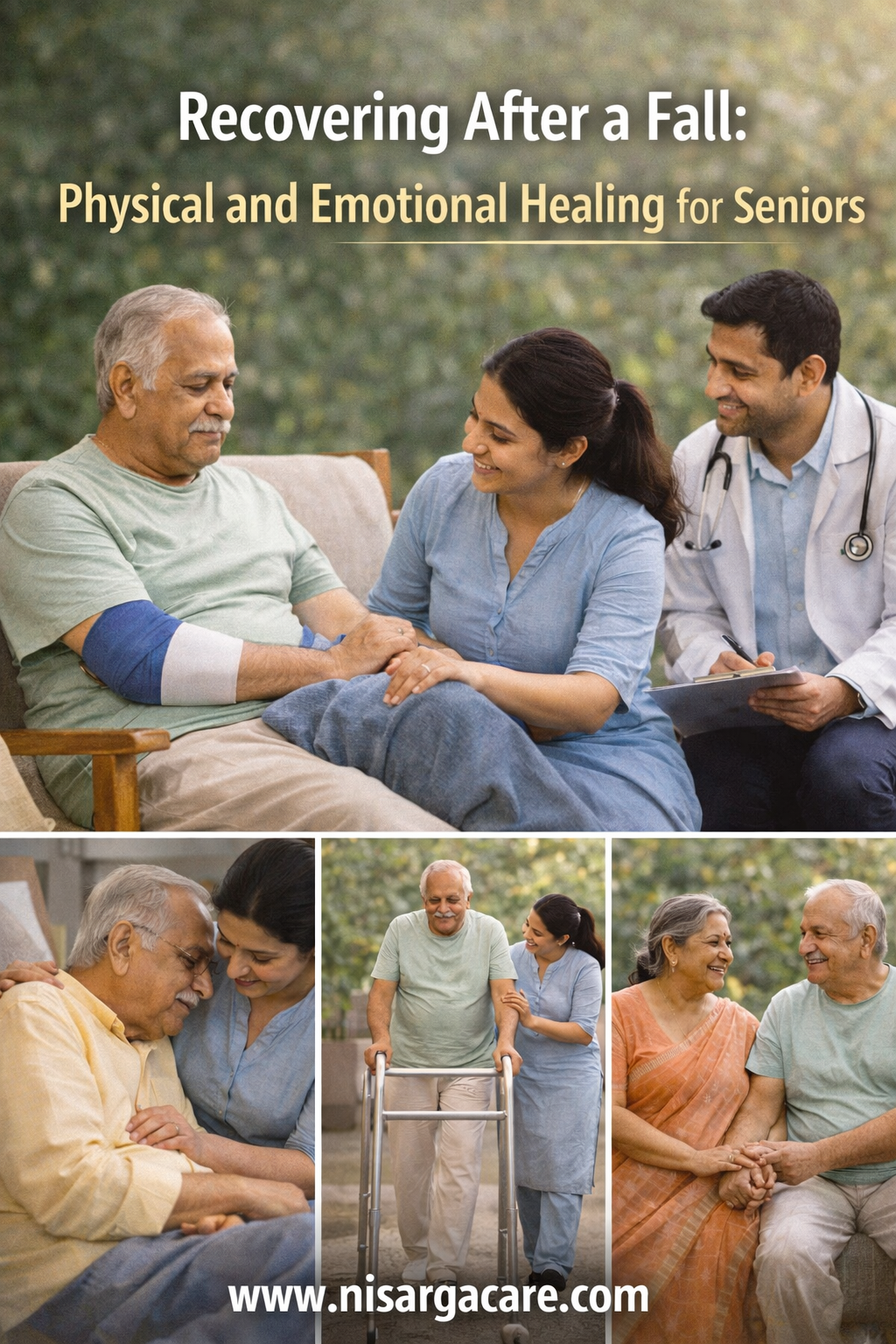
Recovering After a Fall: Physical and Emotional Healing for Seniors | Nisarga Care

Falls are one of the most common and serious health concerns among seniors. Beyond physical injuries, a fall can deeply affect an older adult’s confidence, independence, and emotional well-being. Even a minor fall may create fear of moving, leading to reduced activity and slower recovery.

A holistic recovery approach that addresses both physical healing and emotional reassurance is essential for seniors to regain strength, confidence, and quality of life after a fall.


Physical Impact of Falls on Seniors

Falls can result in:

  • Fractures or joint injuries

  • Muscle weakness and reduced mobility

  • Balance and coordination issues

  • Prolonged bed rest leading to stiffness

Recovery often requires structured care and consistent rehabilitation to prevent long-term complications.


Emotional Effects of a Fall

The emotional consequences of a fall are often overlooked. Seniors may experience:

  • Fear of falling again

  • Anxiety or loss of confidence

  • Depression or social withdrawal

  • Increased dependence on others

These emotional challenges can delay physical recovery if not properly addressed.


Physical Healing Strategies After a Fall

1. Medical Assessment and Monitoring

Prompt medical evaluation ensures injuries are properly diagnosed and treated. Ongoing monitoring helps identify complications early.


2. Physiotherapy and Strength Rehabilitation

Physiotherapy focuses on:

  • Rebuilding muscle strength

  • Improving balance and coordination

  • Restoring safe movement patterns

Gradual, supervised exercises help seniors regain mobility safely.


3. Pain and Discomfort Management

Non-invasive pain management methods—such as heat therapy, positioning support, and gentle movement—reduce discomfort without overmedication.


4. Use of Assistive Devices

Walkers, canes, or orthopedic supports improve stability and confidence during recovery. Proper training ensures safe use.


Emotional Healing and Confidence Building

1. Rebuilding Trust in Movement

Fear of falling again is common. Supportive care and supervised mobility help seniors feel safe while regaining confidence.


2. Emotional Support and Encouragement

Compassionate caregivers provide reassurance, motivation, and emotional stability, helping seniors cope with anxiety and frustration.


3. Maintaining Social Connection

Staying socially engaged reduces isolation and supports emotional resilience during recovery.


Preventing Future Falls

Fall recovery also involves prevention. Key strategies include:

  • Home safety modifications

  • Balance and strength exercises

  • Vision and medication reviews

  • Proper footwear and mobility aids

Prevention empowers seniors to move confidently without fear.


Role of Caregivers and Family

Caregivers and family members play a vital role in recovery by:

  • Encouraging independence while ensuring safety

  • Providing emotional reassurance

  • Supporting rehabilitation routines

Positive reinforcement significantly improves outcomes.


How Nisarga Care Supports Fall Recovery

Nisarga Care offers comprehensive fall recovery support through:

  • Trained caregivers and rehabilitation assistance

  • Personalized mobility and safety plans

  • Senior-friendly environments

  • Emotional and psychological care

Our approach focuses on healing the body, restoring confidence, and preventing future falls.


Conclusion

Recovering after a fall involves more than physical healing—it requires emotional strength, reassurance, and compassionate support. With the right care, seniors can regain mobility, confidence, and independence, allowing them to return to active, fulfilling lives.

News Nisarga care Bangalore

Post-Hospitalization Care: Reducing Readmission Risks for Elders | Nisarga Care

Hospitalization can be a critical turning point in an elder’s health journey. While discharge often marks improvement, it does not always mean full recovery. Many seniors face complications shortly after returning home, increasing the risk of hospital readmission.

Effective post-hospitalization care is essential to ensure safe recovery, prevent complications, and support long-term health in elders.


Why Readmission Risk Is High Among Elders

Older adults are more vulnerable after hospital discharge due to:

  • Weakened immunity and reduced mobility

  • Multiple chronic conditions

  • Medication changes or confusion

  • Inadequate follow-up care

  • Lack of proper home support

Without structured care, minor issues can escalate into emergencies.


Common Causes of Hospital Readmission

Understanding the causes helps prevent avoidable readmissions:

1. Medication Mismanagement

Changes in prescriptions after discharge can cause confusion. Missed doses, overdosing, or drug interactions often lead to complications.


2. Poor Mobility and Fall Risk

Post-illness weakness increases the risk of falls, fractures, and injuries—one of the leading causes of readmission among elders.


3. Inadequate Wound and Post-Surgical Care

Improper wound care or lack of monitoring can result in infections or delayed healing.


4. Lack of Follow-Up Monitoring

Missed medical appointments or unmonitored symptoms can allow conditions to worsen unnoticed.


5. Emotional and Mental Health Challenges

Anxiety, depression, or fear after hospitalization can affect recovery and adherence to care routines.


Key Components of Effective Post-Hospitalization Care

1. Personalized Recovery Plans

Each elder requires a tailored care plan based on their diagnosis, mobility level, and overall health. This ensures continuity of care after discharge.


2. Medication Management and Monitoring

Caregivers help ensure:

  • Correct dosage and timing

  • Awareness of side effects

  • Coordination with healthcare providers

This reduces medication-related complications significantly.


3. Mobility and Rehabilitation Support

Physiotherapy and gentle movement restore strength, balance, and confidence, lowering fall risk and promoting independence.


4. Nutrition and Hydration Support

Proper nutrition supports healing, immunity, and energy levels. Care plans should include balanced meals and adequate hydration.


5. Regular Health Monitoring

Tracking vital signs, symptoms, and recovery progress allows early detection of warning signs—preventing emergencies.


6. Emotional and Psychological Care

Compassionate companionship and reassurance help reduce stress, improve adherence to care routines, and support mental well-being.


Role of Family and Caregivers

Families play an important role in post-hospitalization recovery. Education, communication, and caregiver support ensure elders feel secure and motivated throughout the healing process.


How Nisarga Care Reduces Readmission Risks

At Nisarga Care, we offer structured post-hospitalization care that includes:

  • Trained caregivers for medical and personal support

  • Medication supervision and health monitoring

  • Rehabilitation and mobility assistance

  • Safe, senior-friendly environments

  • Emotional and mental well-being support

Our coordinated approach focuses on safe recovery at home or in care facilities, reducing unnecessary hospital visits.


Conclusion

Post-hospitalization care is a critical phase in an elder’s recovery journey. With proper planning, monitoring, and compassionate support, many hospital readmissions can be prevented—allowing elders to heal safely and regain independence.

News Nisarga care Bangalore

Role of Occupational Therapy in Senior Independence | Nisarga Care

As people age, everyday tasks that were once simple—such as dressing, bathing, cooking, or moving around the home—can become challenging. Physical limitations, chronic illness, cognitive decline, or recovery after injury often reduce a senior’s sense of independence.

Occupational therapy plays a vital role in helping seniors maintain autonomy, confidence, and dignity by enabling them to perform daily activities safely and effectively.


What Is Occupational Therapy?

Occupational therapy (OT) focuses on helping individuals perform meaningful daily activities—also known as “occupations”—that are essential for independent living. For seniors, this includes:

  • Self-care tasks (bathing, grooming, dressing)

  • Household activities (cooking, cleaning, managing medications)

  • Mobility and safe movement

  • Cognitive and emotional functioning

Occupational therapists assess each senior’s abilities and create personalized strategies to support independence.


How Occupational Therapy Supports Senior Independence

1. Improving Daily Living Skills

Occupational therapy helps seniors relearn or adapt everyday tasks using safer and more efficient methods. With guided practice, seniors gain confidence in managing their routines independently.


2. Promoting Safe Mobility

OT focuses on improving balance, coordination, and movement patterns to reduce the risk of falls. Therapists also train seniors in safe transfers—such as getting in and out of bed or chairs.


3. Home Environment Modifications

A senior-friendly environment is essential for independence. Occupational therapists recommend modifications such as:

  • Grab bars and handrails

  • Non-slip flooring

  • Proper lighting and furniture placement

These changes make daily activities safer and more accessible.


4. Use of Assistive Devices

Occupational therapy introduces tools that simplify tasks without reducing independence, including:

  • Walkers or canes

  • Adaptive utensils

  • Dressing aids and bathroom supports

Therapists ensure seniors are comfortable and confident using these aids.


5. Supporting Cognitive Function

For seniors with memory issues or early dementia, occupational therapy helps with:

  • Routine building

  • Attention and problem-solving exercises

  • Memory strategies

This support enhances functional independence and daily participation.


6. Emotional Well-Being and Confidence Building

Losing independence can affect mental health. Occupational therapy emphasizes encouragement, achievable goals, and positive reinforcement, helping seniors regain confidence and self-worth.


Conditions That Benefit from Occupational Therapy

Occupational therapy is especially beneficial for seniors recovering from or living with:

  • Stroke

  • Arthritis and joint disorders

  • Parkinson’s disease

  • Dementia

  • Post-surgical recovery

  • Age-related mobility decline

Early intervention improves long-term outcomes and quality of life.


Family and Caregiver Involvement

Occupational therapists work closely with families and caregivers, educating them on:

  • Safe assistance techniques

  • Environmental adjustments

  • Encouraging independence without over-supporting

This collaboration ensures consistent progress and emotional support.


How Nisarga Care Integrates Occupational Therapy

At Nisarga Care, occupational therapy is part of a holistic care approach that focuses on:

  • Personalized therapy plans

  • Safe, senior-friendly living environments

  • Trained caregivers supporting daily independence

  • Emotional and social well-being

Our goal is to help seniors live confidently, safely, and independently for as long as possible.


Conclusion

Occupational therapy empowers seniors to adapt, overcome challenges, and remain active participants in their own lives. By focusing on practical skills, safety, and emotional well-being, occupational therapy plays a crucial role in preserving independence and dignity in older adults.

Nisarga care Bangalore

Sleep Problems in Older Adults: Causes, Impact, and Care Solutions || Nisarga Care

Quality sleep is essential at every stage of life, yet many older adults struggle with sleep-related issues. Difficulty falling asleep, frequent nighttime awakenings, or waking up too early are common concerns among seniors. Over time, poor sleep can affect physical health, emotional well-being, and overall quality of life.

Understanding the causes of sleep problems in older adults—and providing the right care solutions—can significantly improve comfort, safety, and daily functioning.


Common Causes of Sleep Problems in Seniors

Sleep patterns naturally change with age, but persistent sleep issues are often linked to underlying factors such as:

1. Medical Conditions

Chronic illnesses like arthritis, heart disease, diabetes, respiratory disorders, and neurological conditions can cause discomfort and disrupt sleep. Pain, shortness of breath, or frequent urination often worsen at night.


2. Medication Side Effects

Many seniors take multiple medications. Some drugs can:

  • Cause insomnia or restlessness

  • Lead to excessive daytime sleepiness

  • Disrupt natural sleep cycles

Without regular medical review, these side effects can compound sleep problems.


3. Mental and Emotional Health Challenges

Anxiety, depression, loneliness, or grief—especially after retirement or loss of a spouse—can interfere with restful sleep. Emotional distress often makes it harder to fall or stay asleep.


4. Reduced Physical Activity

Limited movement during the day can lead to lower sleep drive at night. Seniors who are inactive may experience lighter, fragmented sleep.


5. Changes in Circadian Rhythm

As people age, their internal body clock shifts. Many seniors feel sleepy earlier in the evening and wake up very early in the morning, leading to disrupted sleep patterns.


Impact of Poor Sleep on Older Adults

Chronic sleep deprivation can have serious consequences, including:

  • Daytime fatigue and low energy

  • Reduced memory and concentration

  • Mood changes and irritability

  • Increased risk of falls and accidents

  • Weakened immune function

Over time, poor sleep may worsen existing health conditions and reduce independence.


Care Solutions for Better Sleep in Seniors

Managing sleep problems in older adults requires a holistic, non-invasive approach that addresses both physical and emotional needs.


1. Establishing a Consistent Sleep Routine

Encouraging seniors to:

  • Go to bed and wake up at the same time daily

  • Follow calming pre-sleep routines

  • Avoid long daytime naps

helps regulate the body’s natural sleep cycle.


2. Creating a Sleep-Friendly Environment

A comfortable bedroom can make a significant difference:

  • Quiet, dimly lit surroundings

  • Comfortable bedding and supportive mattresses

  • Proper room temperature

These small adjustments promote deeper, uninterrupted sleep.


3. Managing Pain and Discomfort

Addressing nighttime pain through:

  • Gentle physiotherapy

  • Heat or cold therapy

  • Proper positioning and support

reduces sleep interruptions without over-reliance on medication.


4. Encouraging Daytime Activity

Light exercise, walking, stretching, or yoga improves circulation, reduces stiffness, and promotes natural tiredness by evening.


5. Supporting Mental and Emotional Well-Being

Emotional support plays a crucial role in sleep health. Regular companionship, counseling, relaxation techniques, and mindfulness practices help reduce stress and nighttime anxiety.


6. Reviewing Medications Regularly

Healthcare professionals should periodically evaluate medications to identify sleep-disrupting side effects and adjust dosages when necessary.


When to Seek Professional Support

If sleep problems persist for weeks or begin affecting daily life, professional evaluation is essential. Conditions such as sleep apnea, restless leg syndrome, or depression may require specialized care.


How Nisarga Care Helps Seniors Sleep Better

At Nisarga Care, we take a personalized approach to sleep management by offering:

  • Trained caregivers who monitor sleep patterns

  • Holistic routines that support physical and emotional comfort

  • Safe, calm living environments

  • Coordination with healthcare professionals

Our goal is to help seniors achieve restful sleep, leading to better health, mood, and independence.


Conclusion

Sleep problems in older adults are common—but they are not something seniors must simply accept. With the right care solutions, supportive environments, and compassionate attention, restful sleep is achievable at any age.

Posts pagination

WeCreativez WhatsApp Support
Our customer support team is here to answer your questions. Ask us anything!
👋 Hi, how can I help?