
Test Nisarga care Bangalore Archives | Page 4 of 12 | Nisarga Care
News Nisarga care Bangalore

How Home Nursing Helps in Managing Diabetes Safely

Managing diabetes can be challenging, especially for seniors with multiple health concerns. Regular monitoring, proper medication, and lifestyle management are critical to preventing complications such as heart disease, kidney problems, or vision issues. Home nursing provides professional support, allowing seniors to manage their condition safely and effectively in the comfort of their own home.

A specialized Diabetes care center in Karnataka offers trained nurses who provide personalized care plans, ensuring seniors maintain optimal health while minimizing risks.

Regular Blood Sugar Monitoring

Consistent blood sugar monitoring is essential for detecting fluctuations early. Home nursing ensures:

  • Timely blood sugar checks

  • Accurate recording of readings

  • Immediate intervention for high or low levels

Regular monitoring helps prevent emergencies such as hypoglycemia or hyperglycemia and allows doctors to adjust medications as needed.

Medication Management and Compliance

Many seniors struggle with remembering medications, proper doses, or timing. Home nurses help by:

  • Administering insulin injections or oral medications

  • Organizing pill schedules

  • Educating patients and family members about proper medication use

This reduces the risk of missed doses or overdosing, which can lead to severe complications.

Personalized Dietary Guidance

Diet plays a crucial role in managing diabetes. Home nurses guide seniors on:

  • Planning balanced meals

  • Avoiding sugar spikes

  • Including nutrient-rich foods suitable for their condition

Professional advice ensures that nutrition supports blood sugar control and overall well-being.

Encouraging Physical Activity Safely

Physical activity helps regulate blood sugar and improve cardiovascular health. Home nursing support includes:

  • Supervised light exercises or mobility routines

  • Guidance on safe movement to prevent falls

  • Encouraging consistency in daily activity

Exercise under supervision helps maintain independence while reducing health risks.

Monitoring for Complications

Diabetes can lead to complications such as foot ulcers, vision changes, or kidney issues. Home nurses monitor:

  • Foot health and skin condition

  • Blood pressure and vital signs

  • Signs of fatigue, dizziness, or infection

Early detection ensures timely medical attention, preventing severe complications.

Emotional Support and Education

Living with diabetes can be stressful for seniors. Home nurses provide emotional support by:

  • Offering reassurance and encouragement

  • Educating patients about their condition

  • Motivating adherence to treatment and lifestyle changes

This holistic approach improves both mental and physical health.

Role of Specialized Diabetes Care

Home nursing is most effective when guided by a professional Diabetic treatment facility in Bangalore. Trained nurses coordinate with doctors, dietitians, and caregivers to ensure comprehensive, personalized care for seniors with diabetes.


Conclusion: Why Nisarga Care Is the Best Choice

Home nursing ensures seniors manage diabetes safely, maintain independence, and reduce the risk of complications. Nisarga Care is a trusted Diabetes care center in Karnataka, offering professional home nursing services tailored to each patient’s needs. As a leading Diabetic treatment facility in Bangalore, Nisarga Care combines medical supervision, personalized care plans, and lifestyle support for seniors.

Families searching for a reliable Diabetes rehabilitation center in Bangalore can depend on Nisarga Care for trained nurses, expert guidance, and holistic programs. Recognized as the best diabetes care center in Bangalore, Nisarga Care provides professional diabetes care services in Karnataka that ensure safety, health, and peace of mind for seniors.

News Nisarga care Bangalore

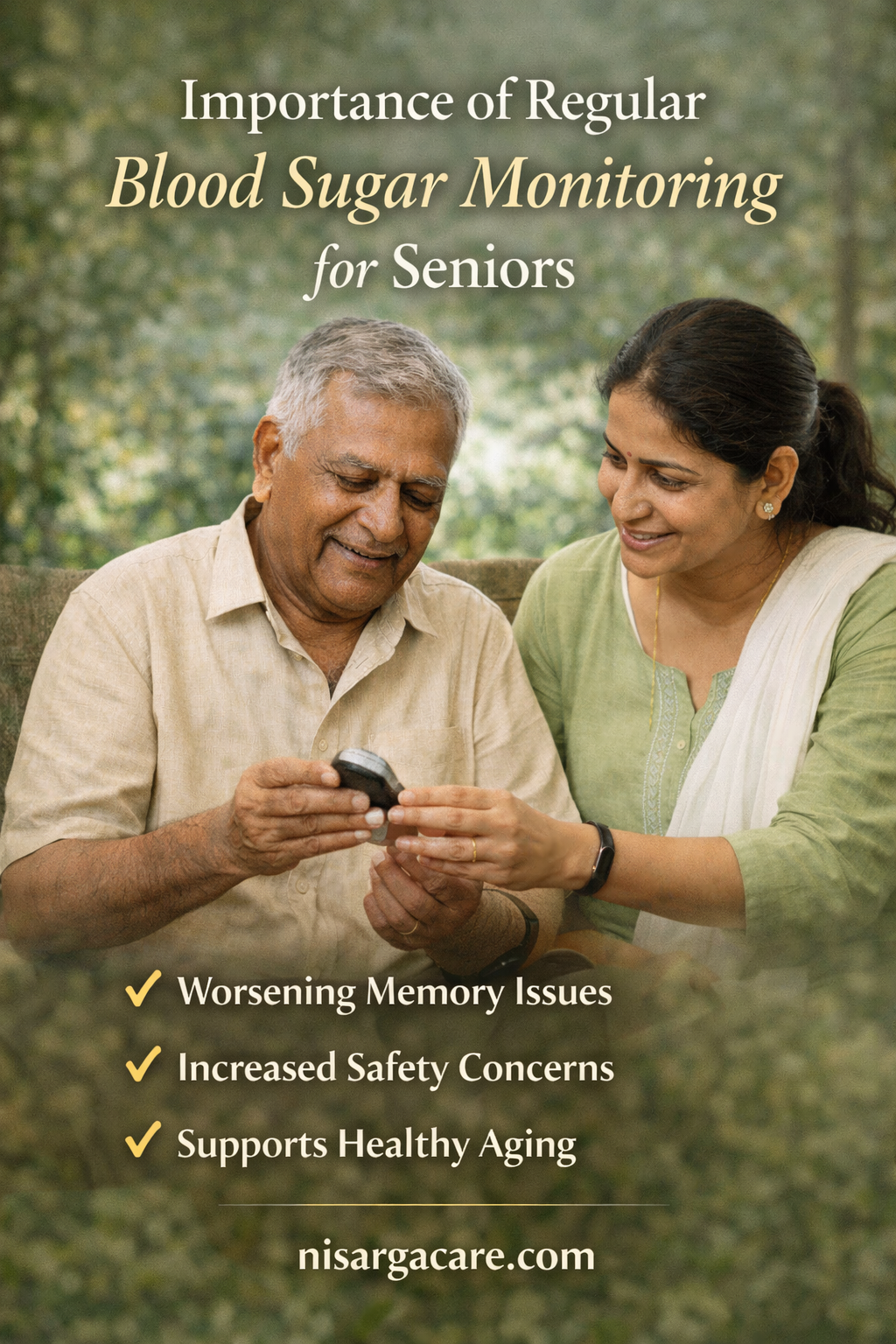
Importance of Regular Blood Sugar Monitoring for Seniors

Diabetes is a growing health concern among seniors, and managing blood sugar levels is essential to maintain overall health. Regular blood sugar monitoring helps detect fluctuations early, prevent complications, and guide proper treatment. Seniors often face unique challenges due to age-related changes, medications, and other health conditions, making consistent monitoring crucial.

Professional support from a Diabetes care center in Karnataka ensures that seniors receive accurate monitoring, guidance, and personalized care to manage their condition effectively.

Early Detection of Blood Sugar Fluctuations

Regular monitoring helps identify high or low blood sugar levels before they cause serious health issues. Elevated blood sugar over time can lead to complications such as:

  • Heart disease

  • Kidney damage

  • Vision problems

  • Nerve damage

Conversely, low blood sugar (hypoglycemia) can cause dizziness, confusion, or falls. Timely detection allows for immediate corrective action, reducing health risks.

Personalized Treatment and Medication Adjustment

Monitoring blood sugar levels provides valuable insights into how a senior’s body responds to medications, diet, and physical activity. Doctors and caregivers can use this information to:

  • Adjust insulin doses or medications

  • Modify meal plans

  • Recommend lifestyle changes

  • Track the effectiveness of interventions

This personalized approach ensures better control of diabetes and reduces complications.

Encourages Healthy Lifestyle Choices

Regular monitoring makes seniors more aware of the impact of their lifestyle on blood sugar levels. It encourages:

  • Balanced diets

  • Regular physical activity

  • Consistent sleep patterns

  • Stress management

When seniors see the results of their choices reflected in their readings, it motivates adherence to healthy routines.

Reduces Risk of Emergency Situations

Uncontrolled blood sugar can lead to dangerous situations like diabetic ketoacidosis or severe hypoglycemia, which may require hospitalization. By checking levels regularly, seniors and caregivers can take preventive measures to avoid emergencies.

A professional Diabetic treatment facility in Bangalore provides tools and guidance to perform regular monitoring safely and effectively, reducing the risk of complications.

Supports Emotional Well-Being

Managing diabetes can be stressful, especially for seniors. Regular monitoring reduces uncertainty by providing concrete information about their condition. Knowing their numbers are under control increases confidence, lowers anxiety, and promotes independence.

Role of Specialized Diabetes Care

A specialized Diabetes management clinic in Bangalore offers trained staff who educate seniors on proper monitoring techniques, provide nutritional guidance, and track progress. Regular visits ensure early intervention and continuous support, which is difficult to maintain at home alone.


Conclusion: Why Nisarga Care Is the Best Choice

Regular blood sugar monitoring is a cornerstone of effective diabetes management for seniors. Nisarga Care is a trusted Diabetes care center in Karnataka, offering professional supervision, personalized monitoring plans, and comprehensive support to manage diabetes safely. As a leading Diabetic treatment facility in Bangalore, Nisarga Care combines medical expertise, lifestyle counseling, and compassionate care to help seniors maintain optimal health.

Families seeking a reliable Diabetes rehabilitation center in Bangalore can trust Nisarga Care for its trained caregivers, continuous monitoring, and holistic programs. Recognized as the best diabetes care center in Bangalore, Nisarga Care ensures seniors receive professional diabetes care services in Karnataka with safety, dignity, and peace of mind.

News Nisarga care Bangalore

Creating a Calm Environment for Alzheimer’s Patients | personalized dementia care home in Bangalore |

A calm and structured environment is essential for individuals living with Alzheimer’s disease. As the condition progresses, patients often experience confusion, agitation, and anxiety. Their surroundings play a crucial role in influencing mood, behavior, and cognitive function. By designing a peaceful, safe, and predictable environment, caregivers can significantly improve quality of life and emotional stability. Professional support from an Alzheimer’s rehabilitation center in Bangalore ensures that such environments are maintained consistently, combining safety with comfort.

Minimize Noise and Distractions

Alzheimer’s patients are easily overwhelmed by loud noises, clutter, or sudden activity. A calm environment should:

  • Reduce background noise from TVs, radios, or appliances

  • Avoid crowded spaces or unnecessary movement

  • Keep living areas tidy and free of clutter

Minimizing sensory overload helps prevent agitation and confusion.

Consistent and Predictable Routines

Routine is comforting for Alzheimer’s patients. Structured daily schedules for meals, activities, medications, and sleep provide stability. Predictable routines:

  • Reduce anxiety

  • Improve mood and cooperation

  • Help maintain a sense of independence

Professional Memory care facilities in Bangalore maintain structured schedules tailored to each resident’s needs.

Safe and Comfortable Living Spaces

Safety and comfort go hand in hand. Key considerations include:

  • Non-slip flooring and clear pathways to prevent falls

  • Well-lit rooms with minimal shadows

  • Comfortable furniture and supportive seating

  • Secure doors and windows to prevent wandering

A safe environment encourages freedom of movement while reducing risk.

Use Soothing Colors and Lighting

Soft, warm colors and natural lighting can positively affect mood and behavior. Avoid harsh fluorescent lights and high-contrast patterns that may cause visual confusion. Night lights in hallways and bathrooms prevent fear or disorientation during nighttime movements.

Familiar Objects and Personal Belongings

Personal items like family photos, favorite blankets, or meaningful decorations help patients feel secure. Familiar objects provide reassurance and reduce stress, while also stimulating memory and conversation.

Encourage Relaxation Activities

Gentle activities promote calmness and emotional stability. Examples include:

  • Listening to soft music

  • Light stretching or yoga

  • Reading or storytelling

  • Gardening or simple craft activities

These activities engage the mind and body while lowering anxiety.

Calm and Compassionate Caregiving

The caregiver’s demeanor affects the patient’s emotional state. Calm, patient, and reassuring communication reduces stress. Avoid arguing or correcting, and respond to emotional needs with empathy.

Role of Specialized Alzheimer’s Care

Creating and maintaining a calm environment is easier in a professional setting. A specialized Alzheimer’s rehabilitation center in Bangalore provides trained caregivers, structured routines, and therapeutic activities designed to reduce agitation and promote emotional well-being.


Conclusion: Why Nisarga Care Is the Best Choice

A calm and supportive environment is crucial for slowing cognitive decline and improving the quality of life for Alzheimer’s patients. Nisarga Care is a trusted Alzheimer’s care center in Karnataka, offering safe, structured, and serene spaces that prioritize comfort and emotional security. As a leading Memory care facility in Bangalore, Nisarga Care combines specialized care, therapeutic routines, and personalized attention to meet the needs of each resident.

Families searching for a reliable Alzheimer’s rehabilitation center in Bangalore can depend on Nisarga Care for its professional caregivers, holistic care programs, and compassionate approach. Recognized as the best Alzheimer’s care center in Bangalore, Nisarga Care ensures seniors live with dignity, safety, and peace of mind.

News Nisarga care Bangalore

Communication Techniques for Alzheimer’s Caregivers

Effective communication is one of the most important skills for caregivers of Alzheimer’s patients. As the disease progresses, individuals may struggle to express themselves, remember words, or understand instructions. Miscommunication can lead to frustration, agitation, or emotional distress for both the patient and the caregiver. By using specialized techniques, caregivers can ensure clarity, comfort, and emotional connection. Professional guidance from an Alzheimer’s care center in Karnataka can make a significant difference in maintaining communication and building trust.

Use Simple Words and Short Sentences

Alzheimer’s patients process information more slowly and may become overwhelmed by long or complex instructions. Use:

  • Short, simple sentences

  • Clear and direct language

  • One instruction at a time

For example, instead of saying, “Please go to the kitchen, wash your hands, and then come back to sit for lunch,” say, “Let’s wash our hands first.” This reduces confusion and increases compliance.

Maintain Calm and Positive Tone

Tone of voice conveys more than words. Speaking in a calm, gentle, and reassuring tone helps reduce anxiety and agitation. Avoid raising your voice or showing frustration, even when the patient repeats questions or struggles to respond.

Positive tone strengthens trust and encourages cooperation.

Non-Verbal Communication

Non-verbal cues are essential in Alzheimer’s care. Patients may respond better to gestures, facial expressions, and body language than words alone. Techniques include:

  • Smiling and maintaining eye contact

  • Using gentle touch for reassurance

  • Pointing to objects or demonstrating actions

  • Nodding and showing encouragement

Non-verbal communication helps the patient feel understood and emotionally secure.

Be Patient and Allow Time to Respond

Alzheimer’s patients may need extra time to process information and respond. Avoid interrupting or finishing their sentences. Give them patience and space to express themselves, which boosts confidence and reduces frustration.

Validate Feelings

Even if the patient’s statements seem confused or incorrect, validate their emotions rather than correcting them harshly. Phrases like:

  • “I understand you’re worried”

  • “It’s okay, I’m here with you”

This approach reassures the patient and reduces emotional stress.

Avoid Negative Corrections

Correcting mistakes repeatedly can lead to embarrassment, anger, or withdrawal. Instead, redirect attention gently or guide the patient toward the desired action without confrontation.

Maintain Eye-Level Contact

Kneel or sit so you are at the patient’s eye level. This improves engagement, helps them focus on your expressions, and conveys respect and empathy.

Encourage Social Interaction

Regular conversations and shared activities keep communication skills active. Encourage participation in group discussions, storytelling, or singing. Social engagement improves cognitive function and emotional well-being.

Role of Professional Alzheimer’s Care

Professional Memory care facilities in Bangalore provide structured communication strategies. Trained caregivers understand behavioral patterns, emotional triggers, and effective techniques that families may find difficult to maintain at home.


Conclusion: Why Nisarga Care Is the Best Choice

Effective communication is key to improving the quality of life for Alzheimer’s patients. Nisarga Care is a trusted Alzheimer’s care center in Karnataka, offering trained caregivers who specialize in compassionate and effective communication strategies. As a leading Memory care facility in Bangalore, Nisarga Care ensures that each resident receives personalized attention, emotional support, and professional Alzheimer’s care services.

Families seeking a reliable Alzheimer’s rehabilitation center in Bangalore can depend on Nisarga Care for its structured communication programs, holistic care approach, and dedicated team. It is truly the best Alzheimer’s care center in Bangalore, where understanding, patience, and respect create a safe and nurturing environment for seniors living with Alzheimer’s.

News Nisarga care Bangalore

Nutrition and Diet Tips for Alzheimer’s Patients

Proper nutrition plays a vital role in supporting the health and well-being of individuals living with Alzheimer’s disease. While diet cannot cure the condition, balanced and mindful eating habits can help slow cognitive decline, maintain physical strength, and improve emotional stability. Specialized care programs in a professional Alzheimer’s care center in Karnataka focus strongly on nutrition because it directly impacts brain function and overall quality of life.

Alzheimer’s patients often face challenges like loss of appetite, difficulty swallowing, or forgetting to eat. Therefore, meals must be nutritious, easy to consume, and emotionally comforting.

Focus on Brain-Boosting Foods

A diet rich in brain-friendly nutrients supports memory and cognitive function. Include:

  • Leafy green vegetables like spinach and broccoli

  • Fruits such as berries and oranges

  • Whole grains like oats and brown rice

  • Nuts and seeds

  • Healthy fats from olive oil and avocados

These foods provide antioxidants and essential vitamins that protect brain cells and reduce inflammation.

Include Protein in Every Meal

Protein is essential for muscle strength and energy levels. Alzheimer’s patients often experience weakness, so protein-rich foods should be part of daily meals:

  • Eggs

  • Lean meats

  • Fish

  • Pulses and lentils

  • Dairy products

Protein also helps maintain stable blood sugar levels, reducing fatigue and confusion.

Stay Hydrated Throughout the Day

Dehydration can worsen confusion and increase fatigue in Alzheimer’s patients. Encourage regular water intake even if the patient does not feel thirsty.
Offer:

  • Water

  • Fresh fruit juices

  • Soups

  • Coconut water

In a professional Memory care facility in Bangalore, caregivers closely monitor hydration to prevent complications.

Serve Small and Frequent Meals

Large meals may feel overwhelming. Small, frequent meals are easier to manage and improve nutrient intake. This approach:

  • Prevents digestive discomfort

  • Encourages better appetite

  • Maintains steady energy levels

Healthy snacks like fruits, yogurt, and nuts can be included between meals.

Choose Easy-to-Eat Foods

As Alzheimer’s progresses, chewing and swallowing may become difficult. Soft and easy-to-eat foods are ideal:

  • Steamed vegetables

  • Mashed fruits

  • Porridge

  • Soft rice dishes

  • Soups and smoothies

This ensures safety and comfort while eating.

Maintain a Calm Eating Environment

A quiet and peaceful setting helps patients focus on eating. Avoid loud sounds or distractions. Consistent meal timings and familiar surroundings reduce anxiety and improve appetite.

Caregivers should sit with patients and offer gentle encouragement without rushing them.

Limit Sugar and Processed Foods

High sugar and processed foods can cause energy crashes and worsen confusion. Avoid:

  • Sugary snacks

  • Fried foods

  • Packaged meals

  • Excess salt

Instead, choose natural and home-cooked foods that support overall health.

Encourage Independence During Meals

Allow patients to feed themselves when possible. Use:

  • Easy-grip utensils

  • Non-slip plates

  • Finger foods

This maintains dignity and boosts confidence.

Monitor Weight and Nutritional Changes

Weight loss or sudden changes in eating habits should be addressed quickly. Professional supervision in an Alzheimer’s rehabilitation center in Bangalore ensures proper nutritional assessment and timely intervention.

Role of Specialized Alzheimer’s Care

Specialized Alzheimer’s care programs provide customized meal plans, medical supervision, and trained caregivers who understand nutritional challenges. These services ensure balanced nutrition while maintaining safety and comfort.


Conclusion: Why Nisarga Care Is the Best Choice

Proper nutrition is a powerful tool in managing Alzheimer’s disease and slowing its progression. Nisarga Care stands out as a trusted Alzheimer’s care center in Karnataka, offering personalized diet plans that support both physical and cognitive health. As a leading Memory care facility in Bangalore, Nisarga Care ensures every patient receives nutritious meals in a calm and supportive environment.

Families searching for a dependable Alzheimer’s rehabilitation center in Bangalore can rely on Nisarga Care for its expert medical guidance, compassionate caregivers, and holistic nutritional support. Recognized as the best Alzheimer’s care center in Bangalore, Nisarga Care truly provides professional Alzheimer’s care services in Karnataka where nutrition, dignity, and quality of life are always prioritized.

News Nisarga care Bangalore

How Specialized Alzheimer’s Care Helps Slow Decline

Alzheimer’s disease is a progressive neurological condition that affects memory, thinking, and behavior. While there is no cure, specialized Alzheimer’s care can play a major role in slowing cognitive decline and improving the overall quality of life for patients. Unlike general care, specialized care focuses on structured routines, emotional support, cognitive stimulation, and medical supervision, all of which help patients maintain independence and dignity for a longer time.

Families often find it challenging to manage Alzheimer’s care at home because the condition requires constant attention, patience, and expertise. This is why choosing a professional Alzheimer’s care center in Karnataka becomes an important step in ensuring the best possible support.

Personalized Care Plans for Individual Needs

Specialized Alzheimer’s care begins with understanding that every patient is different. Each individual experiences the disease at a different pace and shows unique symptoms. Professional caregivers create personalized care plans based on the patient’s medical condition, emotional needs, and stage of Alzheimer’s.

These care plans include:

  • Medication management

  • Nutrition planning

  • Cognitive therapy

  • Physical activity routines

  • Emotional and behavioral support

Such targeted care helps slow functional decline and ensures that patients receive the right level of support at the right time.

Cognitive Stimulation to Maintain Brain Function

One of the strongest benefits of specialized care is cognitive stimulation. Activities like memory games, music therapy, storytelling, puzzles, and art sessions help keep the brain active. Regular mental engagement:

  • Improves concentration

  • Supports memory retention

  • Reduces confusion

  • Enhances emotional stability

These activities are carefully designed to match the patient’s abilities, preventing frustration while encouraging progress.

Structured Daily Routine Reduces Anxiety

Alzheimer’s patients respond positively to routine. Specialized care centers follow a structured schedule for meals, activities, medication, rest, and sleep. This predictability reduces confusion and anxiety.

A stable routine:

  • Improves emotional security

  • Reduces agitation

  • Helps patients feel safe

  • Encourages better sleep patterns

Routine is one of the most effective ways to slow emotional and cognitive decline.

Emotional Support and Compassionate Communication

Emotional well-being directly affects cognitive health. Specialized caregivers are trained to communicate calmly and with empathy. They validate emotions rather than correcting behavior, which reduces frustration and fear.

This compassionate communication:

  • Builds trust

  • Improves emotional comfort

  • Reduces depression and anxiety

  • Strengthens patient-caregiver relationships

When patients feel emotionally safe, their mental stability improves significantly.

Medical Supervision and Physical Health Care

Alzheimer’s patients often have other health conditions like diabetes, blood pressure issues, or mobility problems. Continuous medical monitoring ensures early detection of complications.

Good physical health supports better brain function and prevents sudden health issues that can worsen cognitive decline. This level of care is best provided in a professional Memory care facility in Bangalore where medical supervision is available at all times.

Safe and Supportive Environment

Safety is essential in Alzheimer’s care. Specialized facilities are designed with features such as:

  • Secure premises

  • Fall-prevention systems

  • Supervised movement

  • Emergency response support

A safe environment allows patients to move confidently, reducing fear and dependence.

Social Interaction and Emotional Engagement

Isolation can accelerate cognitive and emotional decline. Specialized care encourages social interaction through group activities, therapy sessions, and shared experiences. Social engagement:

  • Improves mood

  • Reduces loneliness

  • Strengthens communication skills

  • Builds emotional connection

Human interaction is a powerful tool in slowing emotional deterioration.


Conclusion: Why Nisarga Care Is the Best Choice

Specialized Alzheimer’s care is essential for slowing decline and improving daily life. Nisarga Care stands out as a trusted Alzheimer’s care center in Karnataka, offering compassionate and structured care tailored to every stage of the disease. As a leading Memory care facility in Bangalore, Nisarga Care focuses on safety, emotional support, and cognitive stimulation through personalized programs.

Families searching for a reliable Alzheimer’s rehabilitation center in Bangalore can depend on Nisarga Care for its trained caregivers, medical expertise, and holistic rehabilitation approach. Recognized as the best Alzheimer’s care center in Bangalore, Nisarga Care truly provides professional Alzheimer’s care services in Karnataka where dignity, comfort, and quality of life are always the top priorities.

News Nisarga care Bangalore

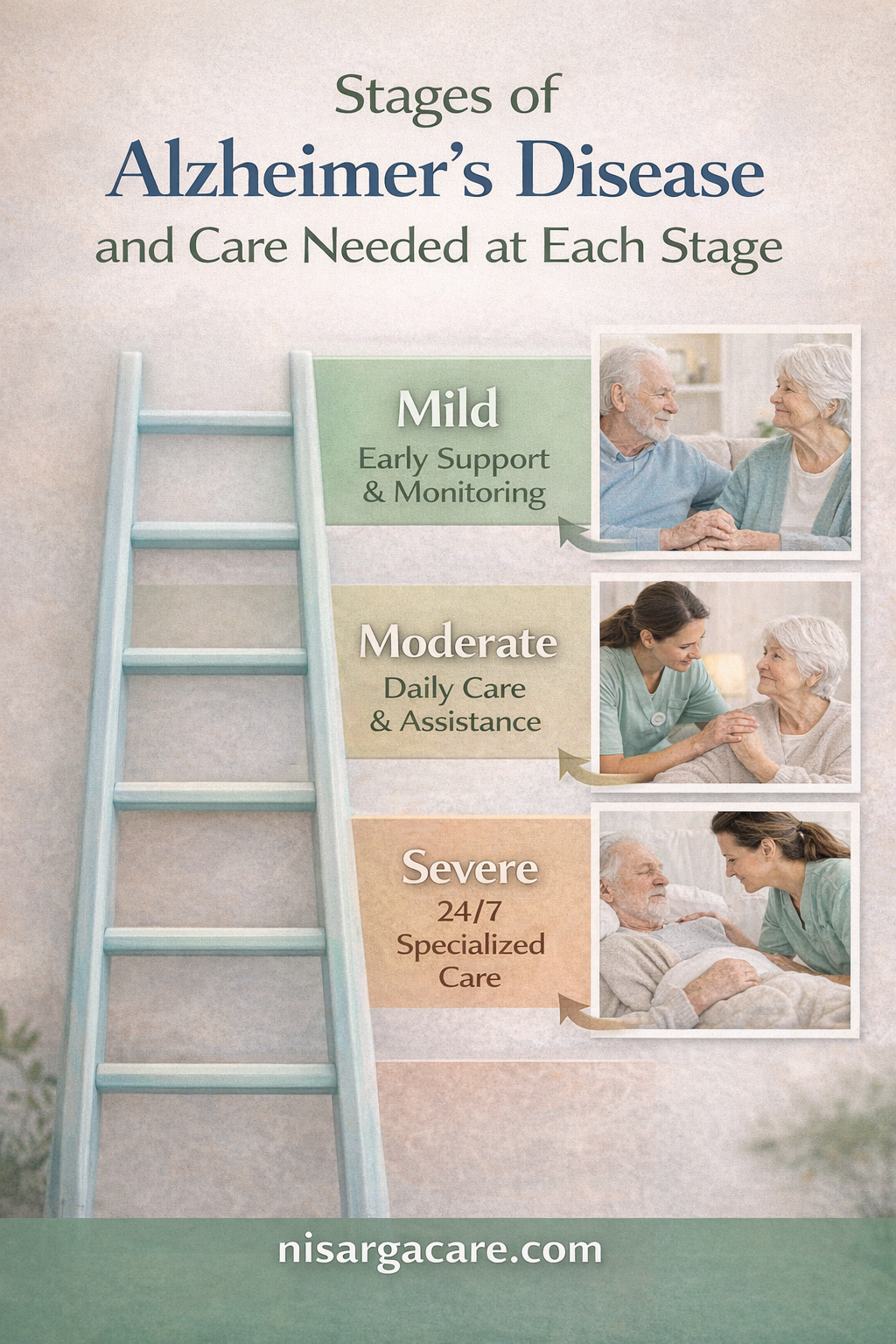
Stages of Alzheimer’s Disease and Care Needed at Each Stage

Alzheimer’s disease is a progressive condition that develops in stages. Each stage brings different challenges and requires a different level of care. Understanding these stages helps families prepare emotionally and practically, ensuring their loved ones receive the right support at the right time.

Early Stage (Mild Alzheimer’s)

In the early stage, symptoms are usually mild and often mistaken for normal aging. The person may forget recent conversations, misplace items, struggle with planning, or have trouble finding the right words. They are still mostly independent but may need gentle support.

Care needed at this stage includes:

  • Emotional reassurance and patience

  • Help with reminders and daily schedules

  • Encouragement to stay socially active

  • Cognitive stimulation through games and conversations

  • Regular medical check-ups

This stage is the best time to create a care plan and introduce structured routines.

Middle Stage (Moderate Alzheimer’s)

This is the longest and most challenging stage. Memory loss becomes more noticeable, and confusion increases. The person may forget personal details, get lost easily, struggle with daily activities, and show mood changes such as anger, anxiety, or depression.

Care needed at this stage includes:

  • Supervision for safety and wandering prevention

  • Assistance with bathing, dressing, and meals

  • Medication management

  • Structured daily routines

  • Emotional support and calming communication

  • Safe and organized living environment

Professional support becomes extremely valuable during this phase, as care demands increase significantly.

Late Stage (Severe Alzheimer’s)

In the final stage, individuals lose the ability to communicate clearly and require full-time care. They may not recognize family members and have difficulty walking, swallowing, and sitting upright. Physical health also declines.

Care needed at this stage includes:

  • 24/7 supervision and medical monitoring

  • Assistance with feeding and mobility

  • Pain management and comfort care

  • Emotional presence and gentle reassurance

  • Maintaining dignity and respect

At this point, professional dementia care is essential to ensure safety, comfort, and quality of life.

Importance of Professional Care at Every Stage

Alzheimer’s care requires specialized knowledge, patience, and consistency. As the disease progresses, families often struggle to manage increasing physical and emotional demands. Professional dementia care centers provide trained caregivers, medical supervision, and structured environments designed specifically for each stage of the condition.

Early professional involvement improves long-term outcomes and reduces stress on families.


Conclusion: Why Nisarga Care Is the Right Support at Every Stage

From the early signs to advanced stages of Alzheimer’s, choosing the right care partner makes a meaningful difference. Nisarga Care is a trusted Dementia care center in Karnataka, offering personalized support that evolves with each stage of the disease. As a reliable Memory care facility in Bangalore, Nisarga Care focuses on safety, emotional well-being, and cognitive stimulation in a compassionate environment.

Families seeking a dependable Dementia rehabilitation center in Bangalore can rely on Nisarga Care for its experienced caregivers, medical supervision, and holistic care programs. It is a specialized dementia rehab center in Karnataka where every stage of Alzheimer’s is managed with dignity, respect, and professional excellence.

News Nisarga care Bangalore

When Is the Right Time to Seek Professional Dementia Care?

Deciding to seek professional dementia care is never easy for families. Many try their best to manage care at home, driven by love and responsibility. However, dementia is a progressive condition that requires increasing levels of medical, emotional, and physical support. Knowing the right time to seek professional help can protect both the patient and the caregiver from stress, exhaustion, and safety risks.

Professional care is not about giving up. It is about ensuring the best quality of life and dignity for your loved one.

When Daily Activities Become Difficult

One of the earliest signs that professional care may be needed is when your loved one struggles with daily activities. Tasks such as bathing, dressing, eating, and maintaining personal hygiene become confusing or unsafe. If constant assistance is required, it shows that the level of care needed has increased beyond basic support.

This stage demands trained caregivers who understand dementia-related challenges.

Increasing Safety Concerns

Safety risks are a major reason families turn to professional dementia care. Wandering, falls, forgetting to turn off stoves, or misusing medications can be dangerous. If your loved one is frequently at risk despite home safety measures, professional care becomes essential.

A structured environment with supervision significantly reduces accidents and emergencies.

Behavioral and Emotional Changes

When mood swings, aggression, anxiety, or confusion become frequent and difficult to manage, it is a sign that specialized care is needed. These behaviors are symptoms of dementia, not intentional actions. Trained professionals know how to respond calmly and therapeutically.

Emotional distress affects both the patient and the family, making professional support highly valuable.

Caregiver Burnout

Caregiving is emotionally and physically exhausting. If caregivers feel overwhelmed, stressed, or unable to rest, it impacts the quality of care. Burnout can lead to frustration, guilt, and declining health.

Seeking professional dementia care supports both the patient and the caregiver, ensuring healthier relationships and better emotional balance.

Medical Needs Increase

As dementia progresses, patients often require regular medical monitoring, medication management, and therapy. Managing health conditions like diabetes, blood pressure, or mobility issues becomes complex.

Professional dementia care centers provide medical supervision that is difficult to maintain at home.

Loss of Social Interaction

Dementia patients can become isolated when cared for at home. Limited social contact increases loneliness and depression. Professional care environments encourage interaction, engagement, and emotional stimulation through group activities and therapy.

Social connection improves mood and mental well-being.

Difficulty Maintaining a Structured Routine

Routine is essential for dementia patients. When families struggle to maintain consistent schedules for meals, medication, activities, and sleep, confusion and agitation increase. Professional care centers are designed to follow structured daily routines that reduce anxiety and bring stability.

When Home Care Is No Longer Enough

There comes a time when love alone cannot meet the complex needs of dementia care. Recognizing this is a sign of responsibility, not failure. Professional dementia care ensures that your loved one receives compassionate, skilled, and continuous support.


Conclusion: Why Nisarga Care Is the Right Choice

Knowing when to seek professional dementia care is a crucial decision that can transform the quality of life for your loved one. Nisarga Care is a trusted Dementia care center in Karnataka, offering a safe and supportive environment for seniors with cognitive challenges. As a leading Memory care facility in Bangalore, Nisarga Care focuses on personalized care plans, emotional well-being, and medical supervision.

Families searching for a dependable Dementia rehabilitation center in Bangalore can rely on Nisarga Care for its trained caregivers, structured routines, and holistic rehabilitation programs. It stands out as a specialized dementia rehab center in Karnataka where dignity, compassion, and professional excellence come together to provide the highest standard of dementia care.

News Nisarga care Bangalore

How to Support a Loved One Emotionally with Dementia

Emotional support is one of the most powerful forms of care for someone living with dementia. As memory, communication, and understanding decline, patients often feel confused, frightened, or lonely. They may struggle to express their emotions clearly, which makes them vulnerable to anxiety and depression. Providing emotional reassurance helps them feel valued, secure, and loved.

Supporting a loved one emotionally does not require perfection. It requires patience, empathy, and consistent understanding.

Practice Patience and Understanding

Dementia affects how the brain processes information. When your loved one repeats questions, forgets names, or becomes confused, respond calmly. Avoid correcting them harshly or showing frustration. A gentle tone and kind words reassure them that they are safe and accepted.

Patience reduces emotional stress and builds trust between the caregiver and the patient.

Communicate with Simplicity and Warmth

Use simple words and short sentences. Speak slowly and clearly while maintaining eye contact. Your facial expressions and body language matter as much as your words. Smiling, nodding, and gentle touch help convey warmth and understanding.

Even if your loved one cannot respond verbally, they can still feel emotional connection through your presence.

Validate Their Feelings

Never dismiss their emotions, even if their fears seem irrational. If they feel scared, confused, or upset, acknowledge their feelings. Saying things like “I understand you’re feeling worried” helps them feel heard and respected.

Validation brings comfort and reduces emotional distress.

Maintain Familiarity and Comfort

Surround them with familiar objects such as family photos, favorite music, and personal belongings. Familiar environments and routines bring emotional stability and reduce anxiety.

Listening to old songs or talking about past memories often creates a sense of joy and connection.

Encourage Independence with Support

Allow them to do simple tasks on their own, such as folding clothes or watering plants. This helps preserve dignity and confidence. Offer guidance only when needed, and always praise their efforts.

Independence, even in small ways, boosts emotional well-being.

Spend Quality Time Together

Emotional support comes from presence. Sitting quietly, holding hands, or sharing a meal builds emotional connection. Your attention and companionship matter more than words.

These moments help them feel loved and valued.

Handle Mood Swings with Compassion

Dementia patients may experience sudden emotional changes such as anger, sadness, or fear. Stay calm and avoid arguments. Redirect their attention gently or provide reassurance.

Compassionate responses prevent emotional escalation.

Encourage Social Interaction

Social interaction prevents isolation. Encourage visits from family members or participation in group activities. Even short conversations provide emotional stimulation and comfort.

Feeling connected improves emotional stability.

Take Care of Yourself Too

Supporting someone emotionally requires emotional strength. Caregivers must also rest, seek support, and share responsibilities. A calm caregiver provides better emotional reassurance.

Professional care can help families manage emotional challenges effectively.

Role of Professional Dementia Care

Professional dementia care centers understand emotional needs deeply. Trained caregivers use therapeutic communication, emotional therapy, and structured routines to ensure emotional well-being. This level of support is difficult to maintain at home alone.


Conclusion: Why Nisarga Care Is the Best Emotional Support Partner

Providing emotional support to someone with dementia requires patience, compassion, and professional understanding. Nisarga Care is a trusted Dementia care center in Karnataka, offering a nurturing environment where emotional well-being is a top priority. As a leading Memory care facility in Bangalore, Nisarga Care focuses on personalized emotional care, therapeutic engagement, and respectful communication.

For families looking for a reliable Dementia rehabilitation center in Bangalore, Nisarga Care provides trained caregivers, medical supervision, and holistic emotional support programs. It stands as a specialized dementia rehab center in Karnataka where seniors feel understood, protected, and emotionally secure, and families find peace of mind knowing their loved ones are cared for with dignity and compassion.

News Nisarga care Bangalore

Daily Care Routine for Someone Living with Dementia

A daily care routine plays a vital role in supporting someone living with dementia. Structure and consistency help reduce confusion, anxiety, and agitation while promoting comfort and emotional security. When patients know what to expect, they feel safer and more confident in their surroundings. A well-planned routine also makes caregiving more manageable and improves the overall quality of life.

Morning: A Calm and Gentle Start

Mornings should begin slowly and peacefully. Sudden changes or rushing can increase anxiety. Greet the person warmly and give them time to wake up fully. Assist with personal hygiene such as brushing teeth, bathing, and dressing, while encouraging independence wherever possible.

Choose comfortable, easy-to-wear clothing and offer limited options to avoid confusion. Maintain a friendly and reassuring tone to make them feel respected and valued.

Breakfast and Medication Management

Nutrition is essential for physical and cognitive health. Serve a balanced breakfast that includes fruits, whole grains, and proteins. Ensure the food is easy to chew and swallow if required.

Medication should always be given on time and under supervision. Using pill organizers and maintaining a medication schedule helps prevent missed doses or overdosing.

Mid-Morning: Light Physical and Mental Activity

Physical movement keeps the body active and improves mood. Simple exercises such as walking, stretching, or chair exercises are beneficial. These activities improve circulation, reduce stiffness, and enhance sleep quality.

Mental stimulation is equally important. Activities like listening to music, reading aloud, solving simple puzzles, or looking through photo albums help maintain cognitive function and emotional connection.

Lunch and Rest Time

Lunch should be nutritious and served in a calm environment. Avoid distractions like loud noises or crowded spaces. Encourage slow eating and proper hydration.

After lunch, allow time for rest. Short naps are fine, but long daytime sleeping should be avoided as it may disturb nighttime sleep. Gentle relaxation promotes emotional balance.

Afternoon: Engagement and Social Interaction

Afternoons are ideal for creative and social activities. Art, gardening, light household tasks, or simple games help patients feel productive and engaged. Social interaction reduces loneliness and boosts self-esteem.

Conversation should be simple and reassuring. Even if the person struggles to respond, your presence provides comfort and emotional stability.

Evening: Preparing for Calmness

As evening approaches, reduce stimulation. Bright lights, loud sounds, and active tasks can increase confusion. A calm environment helps prepare the mind for rest.

Dinner should be light and easy to digest. Encourage hydration but limit excessive fluids before bedtime to avoid sleep disturbances.

Night Routine and Sleep Support

Establishing a regular bedtime routine is essential. Activities like listening to soft music, reading, or prayer create a sense of closure to the day. Keep the bedroom quiet, dimly lit, and comfortable.

Consistent sleep schedules help regulate the body clock and reduce nighttime agitation.

Emotional Care Throughout the Day

Emotional support is as important as physical care. Use gentle communication, positive reinforcement, and patience. Avoid arguments and never force tasks. Offering reassurance and understanding builds trust and emotional security.

Importance of Professional Support

As dementia progresses, maintaining a daily routine becomes more challenging for families. Professional dementia care ensures structured schedules, medical monitoring, emotional therapy, and trained caregivers who understand the complexities of dementia.


Conclusion: Why Nisarga Care Is the Best Choice

Creating and maintaining a daily routine for someone living with dementia requires experience, patience, and professional guidance. Nisarga Care stands out as a trusted Dementia care center in Karnataka, offering personalized care routines that focus on safety, dignity, and emotional well-being. As a leading Memory care facility in Bangalore, Nisarga Care ensures that every patient receives compassionate support in a structured and calm environment.

For families searching for a reliable Dementia rehabilitation center in Bangalore, Nisarga Care provides expert medical supervision, trained caregivers, and holistic rehabilitation programs. It is truly a specialized dementia rehab center in Karnataka where seniors receive the highest quality of care and families gain peace of mind knowing their loved ones are in safe and capable hands.

Posts pagination

WeCreativez WhatsApp Support
Our customer support team is here to answer your questions. Ask us anything!
👋 Hi, how can I help?