Bangalore rehabilitation centers | rehab assisted living facilities in Bangalore News

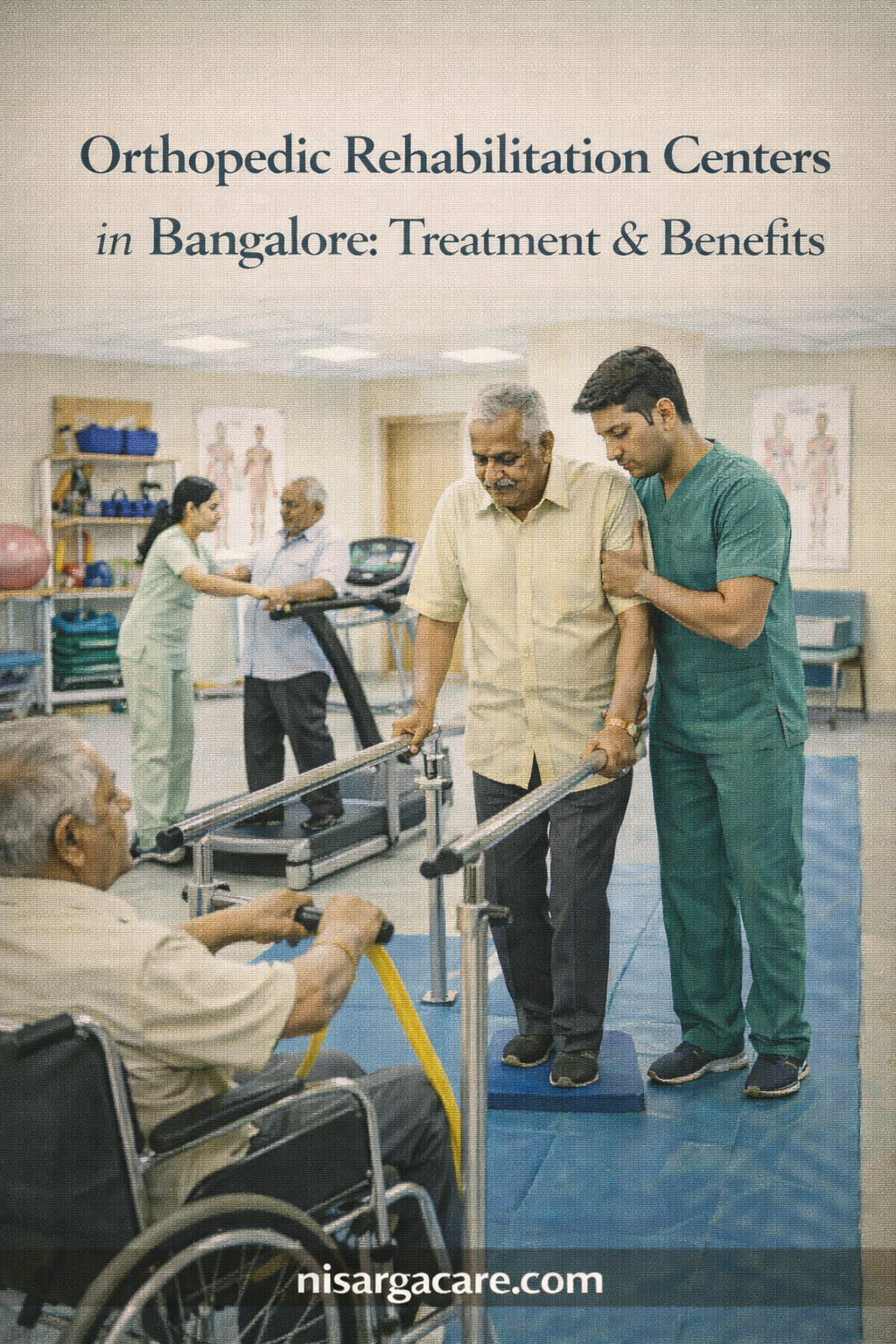
Orthopedic Rehabilitation Centers in Bangalore: Treatment & Benefits

Orthopedic conditions such as fractures, joint injuries, arthritis, and post-surgical complications can significantly affect mobility and daily life. Recovery does not end with surgery or medication—structured rehabilitation is essential for long-term healing. This is where orthopedic rehabilitation centers in Bangalore play a critical role, helping patients regain strength, movement, and independence through expert-guided therapy.


What Is Orthopedic Rehabilitation?

Orthopedic rehabilitation focuses on restoring physical function after injuries or conditions affecting bones, joints, muscles, and ligaments. It is commonly recommended for:

  • Fractures and trauma injuries

  • Knee, hip, and shoulder replacement surgery

  • Sports injuries

  • Arthritis and joint degeneration

  • Spine and back conditions

Leading rehhabilitation centers in Bangalore use personalized therapy plans based on the patient’s condition, age, and recovery goals.


Key Treatments Offered at Orthopedic Rehabilitation Centers

Physiotherapy

Physiotherapy is the foundation of orthopedic rehabilitation. It helps:

  • Improve joint mobility and flexibility

  • Strengthen muscles

  • Reduce pain and stiffness

  • Restore balance and posture

Early physiotherapy prevents long-term movement limitations and speeds up recovery.


Pain Management Therapy

Pain management techniques include manual therapy, heat or cold therapy, and guided exercises. These treatments help reduce dependence on pain medication while improving comfort.


Post-Surgical Rehabilitation

After joint replacement or orthopedic surgery, structured rehabilitation is essential. Therapy focuses on:

  • Safe movement retraining

  • Walking and weight-bearing exercises

  • Preventing complications such as stiffness or muscle loss

Many orthopedic rehabilitation centers in Bangalore offer inpatient and outpatient post-surgical care.


Occupational Therapy

Occupational therapy helps patients perform daily activities like walking, climbing stairs, dressing, and personal care—especially important for elderly patients.


Benefits of Choosing Orthopedic Rehabilitation Centers in Bangalore

Choosing professional rehabilitation centers in Bangalore offers several advantages:

  • Faster and safer recovery

  • Reduced risk of re-injury

  • Improved joint strength and flexibility

  • Better pain control

  • Increased independence in daily life

Centers like Nisarga Care provide holistic orthopedic rehabilitation with medical supervision and individualized therapy programs.


Inpatient vs Outpatient Orthopedic Rehabilitation

Some patients benefit from inpatient rehabilitation with stay, especially after major surgeries or severe injuries. Residential rehabilitation provides:

  • Intensive daily therapy

  • Medical monitoring

  • Faster functional recovery

Outpatient rehabilitation is suitable for mild injuries or patients transitioning from inpatient care.


Orthopedic Rehabilitation Centre Cost in Bangalore

The rehabilitation centre cost in Bangalore varies based on:

  • Type of orthopedic condition

  • Duration and intensity of therapy

  • Inpatient or outpatient care

  • Use of advanced rehabilitation equipment

Early rehabilitation often reduces long-term costs by preventing complications and repeat treatments.


How Families Can Support Orthopedic Recovery

Family support improves recovery outcomes. Families can help by:

  • Encouraging consistent therapy attendance

  • Assisting with home exercise routines

  • Ensuring a safe recovery environment

  • Supporting emotional motivation


Conclusion

Orthopedic rehabilitation is essential for restoring mobility, reducing pain, and improving quality of life after injury or surgery. Professional orthopedic rehabilitation centers in Bangalore provide structured, expert-led therapy that supports safe and effective recovery. With personalized care and medical supervision, centers like Nisarga Care help patients regain confidence, movement, and long-term independence.
Bangalore rehabilitation centers | rehab assisted living facilities in Bangalore News

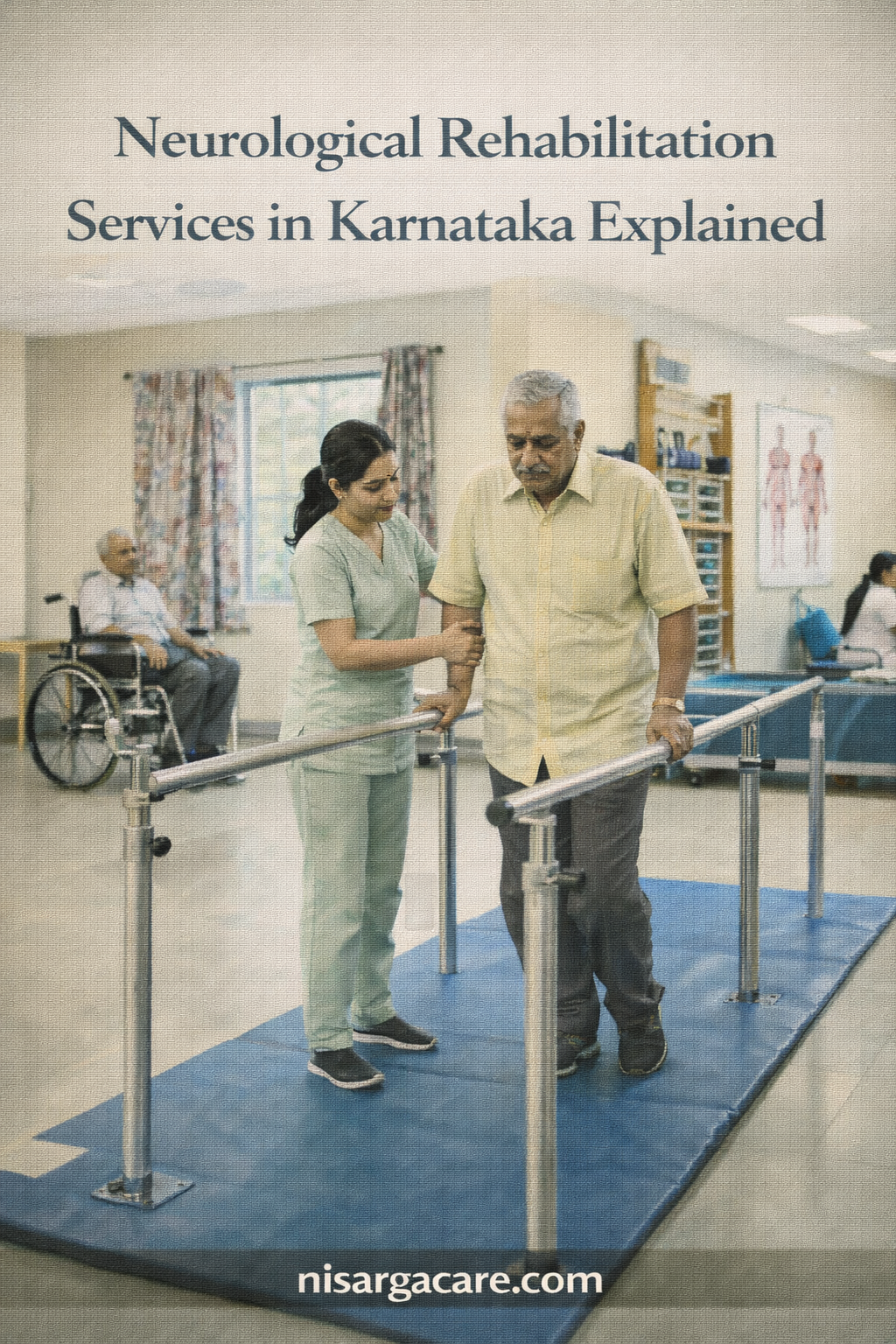
Neurological Rehabilitation Services in Karnataka Explained

Neurological conditions can affect movement, speech, memory, and overall independence. Disorders involving the brain, spinal cord, or nervous system often require long-term, structured rehabilitation for meaningful recovery. Today, rehabilitation centers in Karnataka offer comprehensive neurological rehabilitation services designed to help patients regain function and improve quality of life. This guide explains what neurological rehabilitation involves and how families can choose the right care.


What Is Neurological Rehabilitation?

Neurological rehabilitation is a specialized form of therapy that focuses on restoring abilities lost due to nervous system disorders. It is commonly required after:

  • Stroke

  • Traumatic brain injury

  • Spinal cord injury

  • Parkinson’s disease

  • Multiple sclerosis

  • Neuropathy and other neurological conditions

Most rehabilitation centers in Bangalore and across Karnataka use a multidisciplinary approach to address both physical and cognitive challenges.


Key Neurological Rehabilitation Services Offered

Physiotherapy

Physiotherapy focuses on improving muscle strength, balance, posture, and walking ability. It helps patients relearn movements affected by nerve damage.

Occupational Therapy

Occupational therapy trains patients to manage daily activities such as dressing, bathing, writing, and eating independently.

Speech and Swallowing Therapy

This therapy is crucial for patients facing speech impairment, memory issues, or swallowing difficulties due to neurological damage.

Cognitive & Psychological Rehabilitation

Addresses memory loss, attention deficits, depression, anxiety, and emotional changes that often accompany neurological disorders.


Who Needs Neurological Rehabilitation?

Neurological rehabilitation is recommended for:

  • Stroke survivors

  • Patients recovering from brain or spinal surgeries

  • Individuals with progressive neurological diseases

  • Patients with nerve injuries or paralysis

Families looking for rehabilitation centers in Karnataka should seek facilities that provide personalized rehabilitation programs rather than one-size-fits-all therapy.


Choosing the Right Neurological Rehabilitation Center in Karnataka

When selecting a rehabilitation facility, families should evaluate:

  • Availability of neurologists and rehabilitation physicians

  • Experienced therapy teams

  • Individualized treatment plans

  • Inpatient (stay) and outpatient options

  • Safety, hygiene, and calm surroundings

  • Clear information on rehabilitation centre cost in Bangalore or Karnataka

Centers like Nisarga Care focus on holistic neurological rehabilitation—combining medical supervision, structured therapy, and emotional support for long-term recovery.


Neurological Rehabilitation Centre Cost in Karnataka

The rehabilitation centre cost in Bangalore or other parts of Karnataka depends on:

  • Type and severity of neurological condition

  • Duration of rehabilitation

  • Therapy intensity

  • Residential vs outpatient care

Early intervention often reduces long-term expenses by improving recovery speed and minimizing complications.


Role of Family in Neurological Recovery

Family support is a crucial part of rehabilitation success. Families can help by:

  • Encouraging regular therapy participation

  • Supporting lifestyle modifications

  • Providing emotional reassurance

  • Maintaining continuity of care at home

Active family involvement significantly improves rehabilitation outcomes.


Conclusion

Neurological rehabilitation is essential for patients recovering from brain and nerve disorders. With advanced rehabilitation centers in Karnataka, patients can regain mobility, independence, and confidence through structured therapy and expert care. Choosing the right center—such as Nisarga Care—ensures comprehensive, patient-centered neurological rehabilitation that supports long-term recovery and better quality of life.

News Nisarga care Bangalore

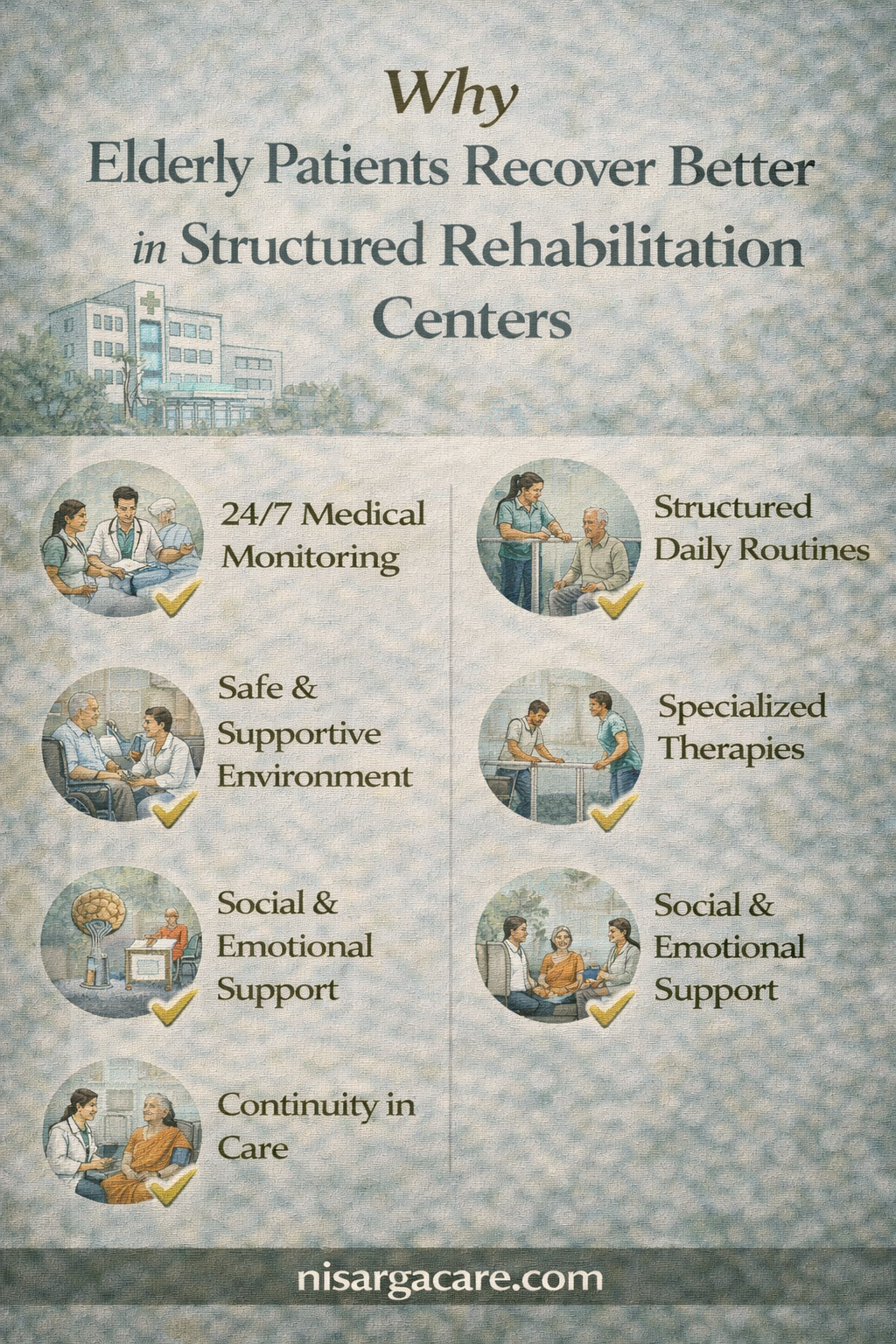
Why Elderly Patients Recover Better in Structured Rehabilitation Centers

Recovery in old age is very different from recovery in younger adults. Elderly patients often deal with multiple health conditions, reduced mobility, slower healing, and emotional challenges such as anxiety or fear of dependence. This is why structured rehabilitation centers play a crucial role in helping seniors recover safely and effectively.

Today, many families prefer rehab centers in Bangalore and rehabilitation centers in Bengaluru because they provide an organized, medically supervised environment specifically designed for elderly recovery.

Structured Medical Supervision Improves Safety

One of the main reasons seniors recover better in rehabilitation centers in Bangalore is continuous medical supervision. Elderly patients often require regular monitoring of vitals, medication schedules, blood sugar levels, and post-surgical wounds.

In a structured rehab center in Bangalore, trained nurses and doctors are available to respond immediately to complications, preventing setbacks and hospital readmissions. This level of care is difficult to maintain consistently at home.

Consistent Therapy Leads to Faster Recovery

Physiotherapy and rehabilitation exercises are critical for elderly recovery, especially after surgery, stroke, or prolonged illness. In a physiotherapy rehabilitation center in Bangalore, therapy sessions are scheduled daily and adjusted according to the patient’s progress.

Structured routines ensure seniors do not miss therapy sessions due to fatigue, lack of motivation, or caregiver limitations—leading to stronger muscles, better balance, and reduced fall risk.

Elder-Friendly Environment Enhances Healing

A geriatric rehabilitation center in Bangalore is designed with senior safety in mind. Features such as non-slip flooring, handrails, mobility aids, and emergency response systems reduce accidents and build confidence.

This controlled environment allows elderly patients to focus on healing without fear, which significantly improves both physical and mental recovery outcomes.

Specialized Care for Age-Related Conditions

Many elderly patients suffer from conditions such as stroke, orthopedic injuries, neurological disorders, or memory-related issues. Structured rehabilitation centers in Bengaluru provide access to specialized services like:

  • Stroke rehabilitation center in Bangalore programs

  • Orthopedic rehabilitation center in Bangalore care

  • Neuro rehabilitation center in Bangalore services

  • Support for mental health and cognitive recovery

This integrated approach ensures seniors receive complete care under one roof.

Emotional and Mental Health Support

Recovery is not only physical. Seniors often experience loneliness, confusion, or depression after hospitalization. Structured elderly rehabilitation centers in Bangalore provide emotional support, social interaction, and routine-based living, which improves mental stability and motivation.

This is especially important for seniors needing mental rehabilitation or long-term recovery support.

Reduced Burden on Family Caregivers

Families often search for an old age rehabilitation center near me or rehab center near me Bangalore because home care can become overwhelming. Structured rehabilitation centers relieve families from 24/7 caregiving responsibilities while ensuring seniors receive professional attention.


Conclusion: Why Nisarga Care Is the Best Choice

Elderly patients recover better in structured environments that offer medical supervision, therapy consistency, emotional support, and senior-friendly infrastructure. Nisarga Care stands out among the leading rehab centres in Bengaluru and rehabilitation centers in Bangalore for its holistic and compassionate approach to elderly recovery.

As a trusted elderly rehabilitation center in Bangalore and geriatric rehabilitation center in Karnataka, Nisarga Care provides personalized recovery plans, post-hospital rehabilitation, physiotherapy, mental health support, and long-term elder care.

For families looking for a reliable rehabilitation center near me Bengaluru or an old age home with rehabilitation services in Bangalore, Nisarga Care is the best choice—ensuring seniors recover with dignity, safety, and confidence.

News Nisarga care Bangalore

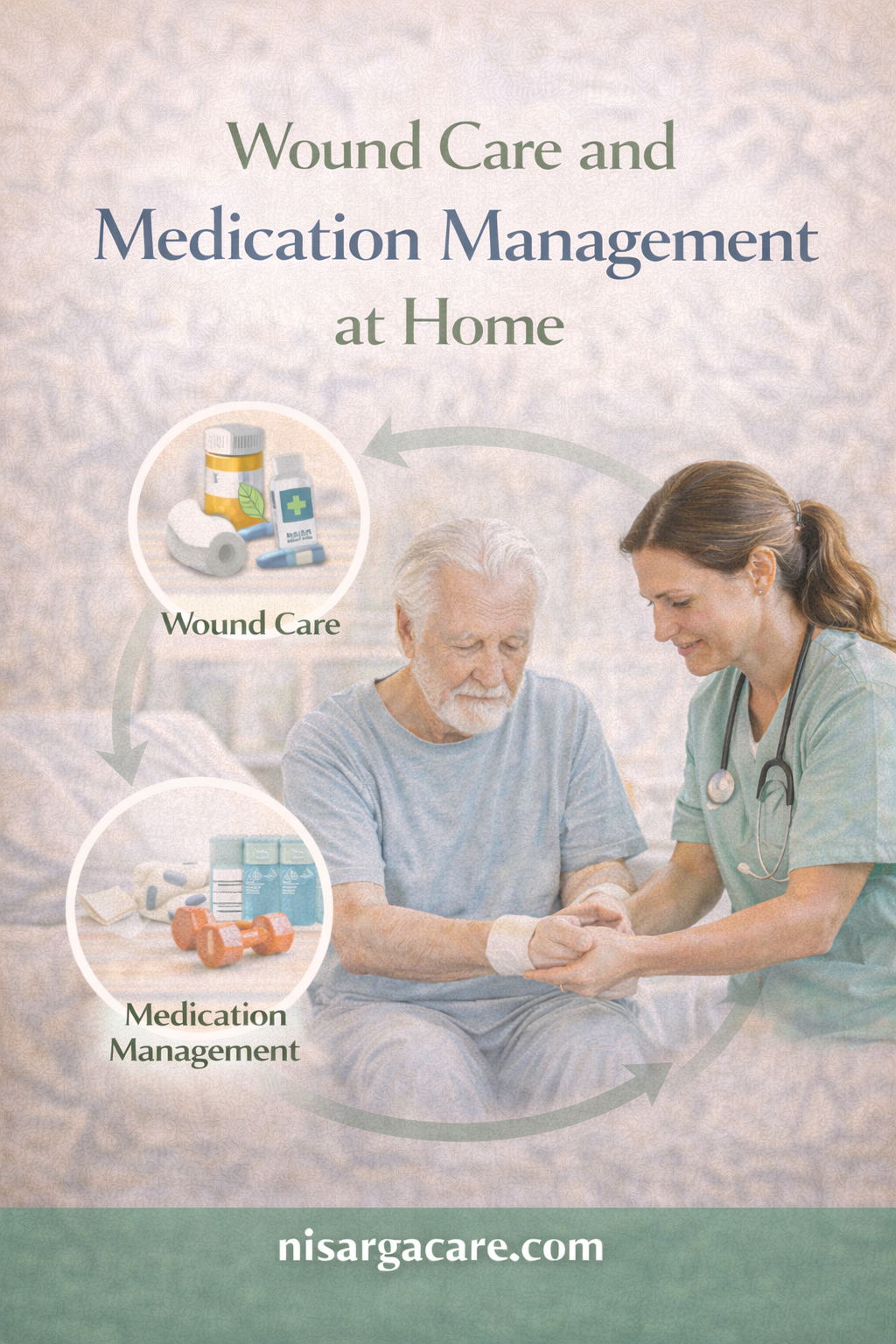
Wound Care and Medication Management at Home | assisted living Bangalore | Old age care takers in Bangalore |

Recovering at home after surgery, injury, or illness requires careful medical attention—especially when wounds and medications are involved. Improper wound care or missed medications can lead to infections, delayed healing, and avoidable hospital readmissions. Professional wound care and medication management at home ensure patients heal safely while remaining comfortable in familiar surroundings.

This approach is especially beneficial for elderly patients, post-surgical individuals, and those with chronic conditions who need consistent medical support.

Importance of Proper Wound Care at Home

Wounds—whether surgical incisions, pressure sores, or injury-related cuts—require regular assessment and care. At-home wound care includes:

  • Cleaning and dressing wounds correctly

  • Monitoring for signs of infection such as redness, swelling, or discharge

  • Ensuring wounds remain dry and protected

  • Promoting faster and safer healing

Trained healthcare professionals understand how to manage different types of wounds and can identify complications early, preventing them from worsening.

Preventing Infections and Complications

Infections are one of the most common reasons for delayed recovery and hospital re-admission. Proper wound care at home reduces exposure to hospital-acquired infections and ensures wounds are handled using sterile techniques.

Early detection of infection signs allows immediate medical attention, preventing serious health risks.

Role of Medication Management in Recovery

Medication management is equally critical during recovery. Patients are often prescribed multiple medications after hospitalization, including antibiotics, pain relievers, and chronic condition medications. Errors in dosage or timing can lead to complications.

Home-based medication management ensures:

  • Timely and accurate medication administration

  • Correct dosage and method (oral, injection, topical)

  • Monitoring for side effects or adverse reactions

  • Coordination with doctors for medication adjustments

This structured approach helps maintain treatment effectiveness and patient safety.

Reducing the Risk of Hospital Re-admission

Poor wound care and medication errors are leading causes of re-admission. Professional home care addresses both issues simultaneously, reducing the likelihood of complications that require emergency treatment.

With regular monitoring and expert supervision, minor concerns are resolved early, preventing them from becoming serious medical problems.

Comfort and Emotional Well-Being

Healing at home offers emotional comfort that hospitals often cannot provide. Patients feel more relaxed and confident in familiar surroundings. Professional caregivers also provide reassurance, education, and emotional support, which positively impacts recovery.

A calm environment combined with expert care promotes faster healing and overall well-being.

Support for Families and Caregivers

Family members may feel overwhelmed managing wounds and medications without medical training. Home healthcare professionals reduce this burden by handling complex medical tasks, allowing families to focus on emotional support rather than technical care.

This ensures consistency, accuracy, and peace of mind for everyone involved.

Who Benefits Most from Home-Based Care?

Wound care and medication management at home are ideal for:

  • Post-surgical patients

  • Elderly individuals

  • Patients with limited mobility

  • Those recovering from serious illness

  • Individuals with chronic wounds or long-term medication needs


Conclusion: Why Nisarga Care Is the Right Choice

Effective wound care and medication management are essential for safe recovery at home. Nisarga Care provides professional, compassionate, and reliable home healthcare services tailored to each patient’s medical needs. With trained nurses, strict safety protocols, and personalized care plans, Nisarga Care ensures wounds heal properly and medications are managed accurately.

Trusted across Karnataka for its quality post-hospitalization and home nursing services, Nisarga Care helps patients recover comfortably, prevents complications, and reduces the risk of hospital re-admissions—offering families confidence, care, and peace of mind during recovery.

News Nisarga care Bangalore

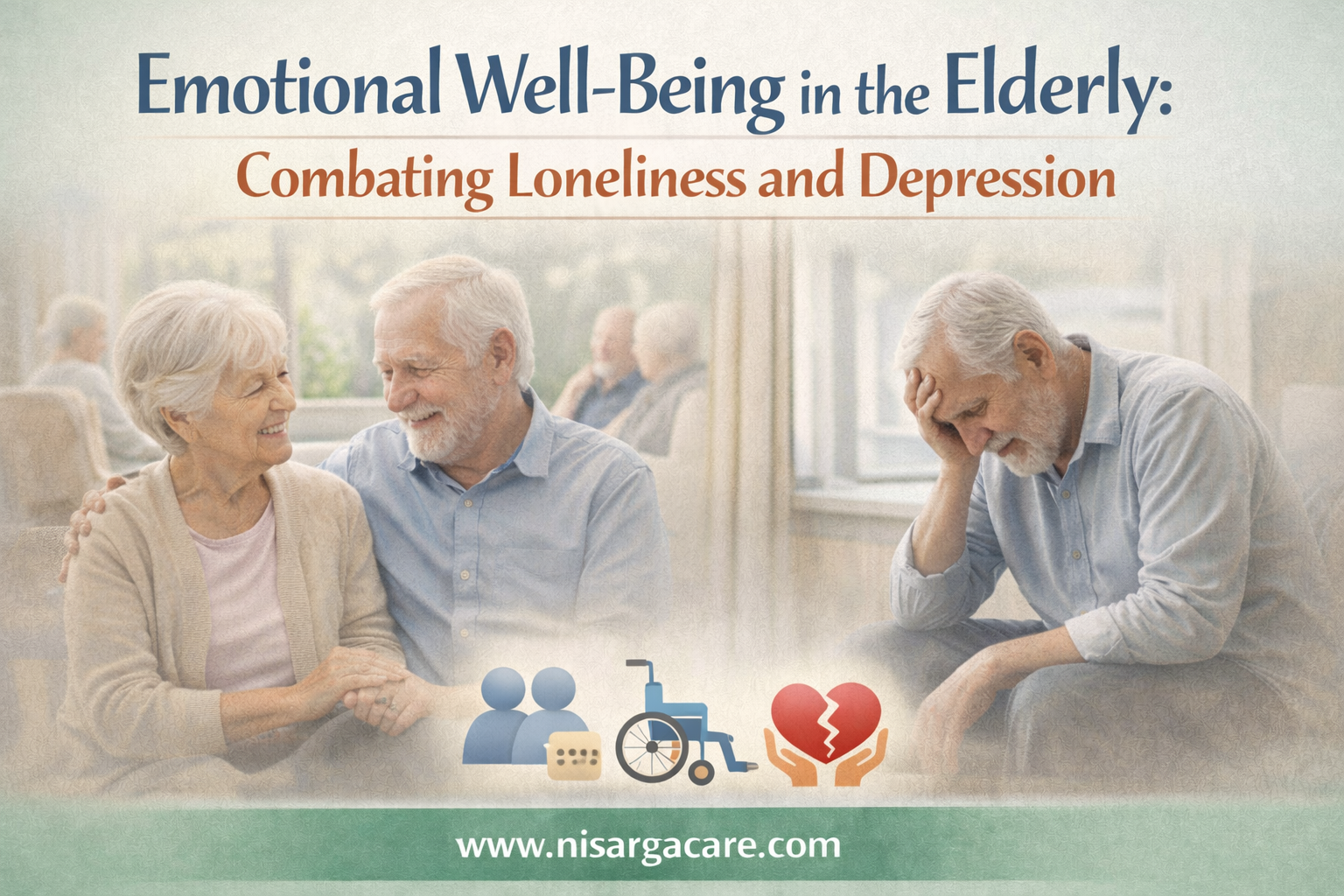
Emotional Well-Being in the Elderly: Combating Loneliness and Depression

Loneliness and depression are serious yet often overlooked health risks among the elderly. As seniors experience reduced mobility, loss of loved ones, or prolonged recovery periods, emotional isolation can deeply affect mental and physical health. Addressing emotional well-being is a core responsibility of rehabilitation and elder care homes.

Understanding Loneliness in Seniors

Loneliness is not just about being alone—it is the feeling of being disconnected. Seniors living alone or recovering in isolation may feel forgotten, leading to sadness, anxiety, and depression. These emotions can slow recovery, weaken immunity, and increase dependency.

How Elder Care Homes Address Emotional Needs

Elder care and rehab homes provide structured social interaction through group activities, therapy sessions, and shared routines. Seniors interact with peers facing similar challenges, fostering companionship and mutual support. Trained caregivers also monitor emotional changes and provide reassurance when needed.

Role of Counseling and Mental Health Support

Professional counseling plays a vital role in addressing depression and anxiety. Rehab homes integrate emotional counseling, mindfulness practices, and relaxation techniques to help seniors cope with emotional stress. Early intervention prevents emotional decline and promotes resilience.

Family Connection and Emotional Security

Family involvement remains essential even in care homes. Regular visits, calls, and emotional engagement help seniors feel valued and connected. Elder care facilities encourage family participation to strengthen emotional bonds and recovery outcomes.

Creating a Sense of Purpose

Engaging seniors in meaningful activities such as hobbies, light responsibilities, and social events restores confidence and self-worth. Emotional well-being improves when seniors feel useful, heard, and respected.

Conclusion

Emotional well-being is fundamental to healthy aging and recovery. Combating loneliness and depression requires consistent emotional support, social interaction, and compassionate care. At Nisarga Care, we prioritize mental and emotional health alongside physical care, creating a nurturing environment where seniors feel connected, supported, and valued every day.

News Nisarga care Bangalore

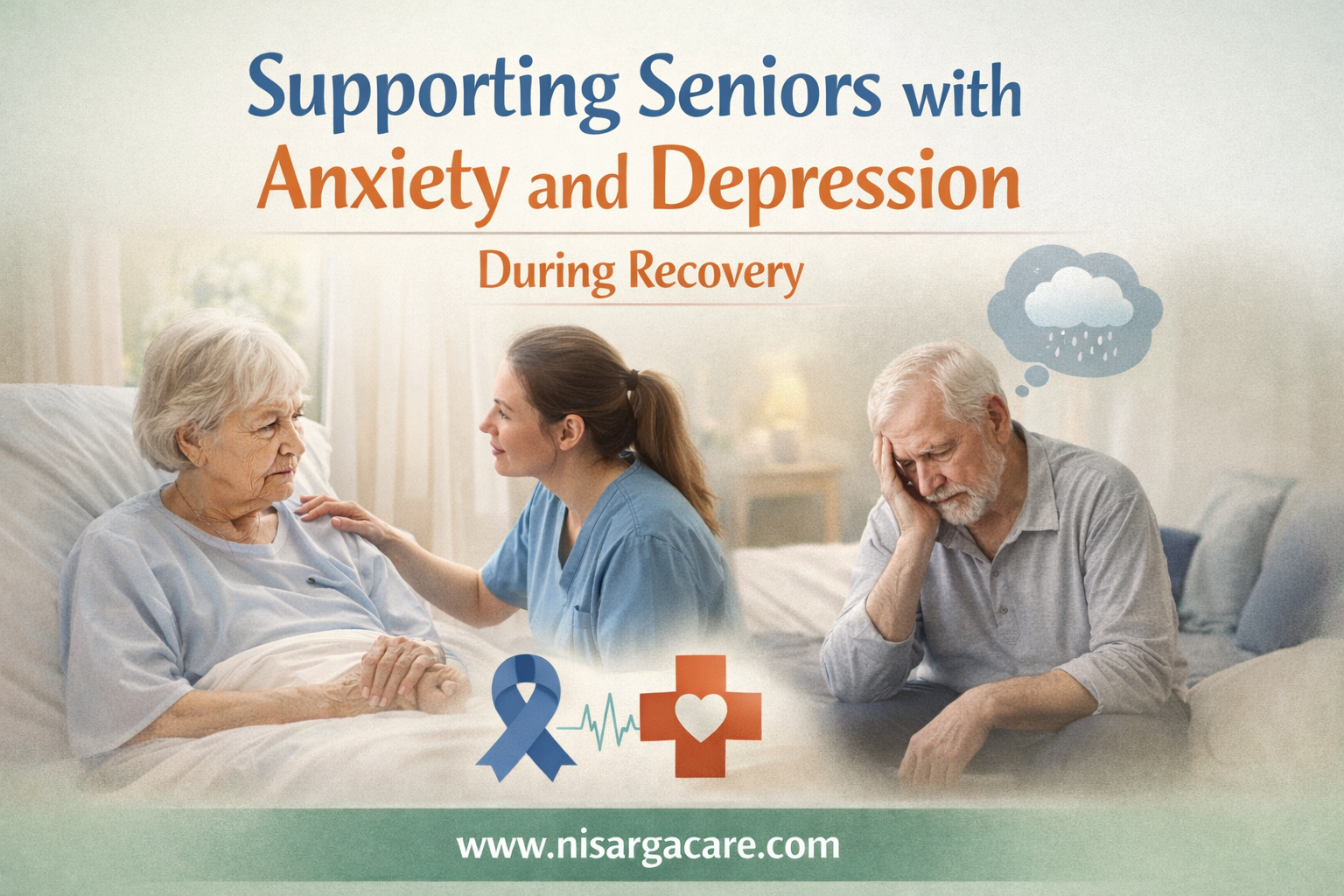
Supporting Seniors with Anxiety and Depression During Recovery || Nisarga Care

Recovery after illness, surgery, or hospitalization can be a challenging phase for seniors. Physical healing often takes center stage, but emotional well-being is equally important. Many elders experience anxiety, depression, or fear during recovery, especially when adjusting to reduced mobility, new routines, or dependence on caregivers. Rehabilitation and elder care homes play a vital role in providing structured support that addresses both mental and physical health.

Understanding the Emotional Challenges

Seniors in recovery may feel isolated, frustrated, or anxious about their health. Concerns about regaining independence, coping with chronic conditions, or returning home safely can lead to emotional stress. Depression may manifest as withdrawal from social interaction, loss of interest in hobbies, or changes in appetite and sleep patterns. Anxiety may appear as restlessness, excessive worry, or hesitation to participate in therapy sessions. Recognizing these signs early is crucial for timely intervention.

Role of Rehabilitation and Elder Care Homes

Rehabilitation and elder care homes provide a structured environment that supports emotional recovery alongside physical healing. Trained staff monitor seniors closely, offer encouragement, and implement individualized care plans. Social interaction with peers, daily routines, and therapeutic activities reduce feelings of loneliness and build confidence. Seniors benefit from personalized attention, group exercises, and counseling sessions that address their emotional needs.

Therapeutic Interventions for Mental Health

Professional care facilities integrate multiple approaches to manage anxiety and depression:

  • Counseling and psychotherapy help seniors express emotions and develop coping strategies.

  • Occupational therapy engages elders in meaningful activities, improving self-esteem and a sense of purpose.

  • Mindfulness, relaxation exercises, and light physical therapy reduce stress and enhance mood.

  • Regular monitoring ensures that emotional well-being is addressed alongside physical rehabilitation.

Family Involvement and Emotional Support

Even in a care home setting, family support is essential. Frequent visits, video calls, and active participation in care plans reassure seniors that they are valued and not alone. Families can collaborate with caregivers to encourage participation in activities, celebrate milestones, and provide emotional encouragement. This partnership between care homes and families strengthens recovery outcomes and fosters confidence.

Creating a Safe and Comfortable Environment

A nurturing environment in rehabilitation and elder care homes promotes mental well-being. Simple measures such as safe walking spaces, well-lit rooms, accessible recreational areas, and personalized rooms can reduce anxiety. Feeling secure, respected, and supported contributes to a positive mindset, which directly impacts recovery speed and overall health.


Conclusion

Supporting seniors with anxiety and depression during recovery requires a holistic approach that combines emotional, social, and physical care. Rehabilitation and elder care homes provide structured programs, professional counseling, and safe environments that empower seniors to regain independence and confidence. At Nisarga Care, we prioritize both mental and physical well-being, ensuring seniors receive compassionate support that promotes healing, dignity, and a fulfilling life. Families can trust Nisarga Care to guide their loved ones through recovery with empathy and expertise.

News

How Rehabilitation Restores Confidence After Long-Term Illness

Long-term illness can deeply affect a person’s physical abilities, emotional strength, and self-confidence. Extended hospital stays, chronic conditions, or prolonged recovery periods often leave individuals—especially seniors—feeling dependent, uncertain, and disconnected from their previous sense of self. Rehabilitation plays a critical role not only in physical healing but also in rebuilding confidence, dignity, and independence after long-term illness.

Impact of Long-Term Illness on Confidence

When someone experiences a long illness, daily routines are disrupted. Tasks that were once simple—walking, bathing, eating independently, or even speaking—may become challenging. This loss of control can lead to frustration, anxiety, low self-esteem, and fear of the future. Many patients begin to doubt their abilities and hesitate to re-engage with everyday life, even after their medical condition stabilizes.

Rehabilitation addresses these emotional challenges alongside physical recovery, helping individuals rediscover trust in their bodies and minds.

Gradual Physical Recovery Builds Self-Belief

One of the strongest confidence boosters during rehabilitation is visible progress. Physiotherapy, occupational therapy, and guided exercises are designed to restore strength, balance, and coordination step by step. Each small achievement—standing without support, walking a few steps, or performing daily activities independently—reinforces a sense of capability.

As patients see improvement over time, fear of movement reduces and confidence naturally grows. Structured rehabilitation replaces uncertainty with measurable progress.

Emotional Support and Encouragement

Rehabilitation professionals understand that healing is not just physical. Therapists, nurses, and caregivers provide consistent encouragement, reassurance, and emotional support. Being guided by trained professionals who acknowledge effort—not just outcomes—helps patients feel valued and understood.

Positive reinforcement during therapy sessions motivates individuals to stay engaged, overcome setbacks, and maintain hope during slow recovery phases.

Restoring Independence and Daily Function

Occupational therapy plays a key role in rebuilding confidence by helping patients relearn everyday activities such as dressing, cooking, writing, or personal hygiene. Regaining control over daily life restores a sense of normalcy and self-respect.

As dependence on others decreases, individuals feel more confident participating in family life, social interactions, and personal decision-making.

Safe and Structured Environment

A supportive rehabilitation environment offers safety without pressure. Patients are encouraged to try, fail, and try again without judgment. Knowing that help is immediately available reduces fear and builds courage to attempt movements or tasks that once felt impossible.

This sense of safety allows patients to push boundaries gradually and rebuild trust in their abilities.

Family Involvement Strengthens Confidence

Family encouragement significantly influences confidence restoration. When loved ones actively participate in the rehabilitation journey—celebrating milestones, offering emotional reassurance, and respecting independence—it reinforces the patient’s belief in recovery. Feeling supported yet empowered creates emotional stability and motivation.


Conclusion

Rehabilitation is a journey of rediscovering strength, confidence, and purpose after long-term illness. By combining physical therapy, emotional support, independence training, and compassionate care, rehabilitation helps individuals rebuild not just their bodies but also their self-belief. With patience, guidance, and the right environment, recovery becomes a path toward renewed confidence, dignity, and a more independent life.

Bangalore rehabilitation centers | rehab assisted living facilities in Bangalore Nisarga care Bangalore

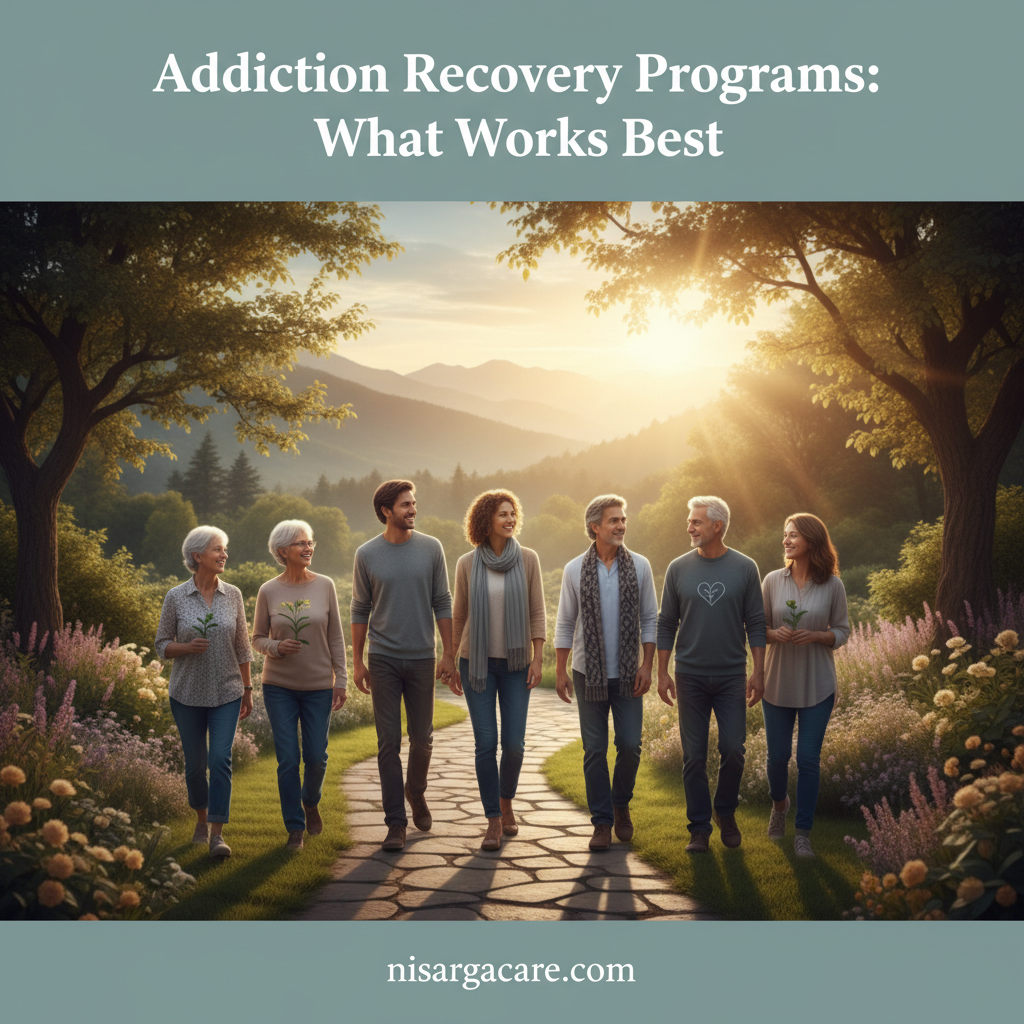
Addiction Recovery Programs: What Works Best || Nisarga Care

Addiction is a complex condition that affects not only the body but also the mind, emotions, and family relationships. Whether related to alcohol, prescription medications, or other substances, recovery is rarely achieved through willpower alone. Effective addiction recovery programs focus on holistic healing, long-term support, and individualized care, helping individuals rebuild their lives with dignity and stability.

Understanding That Recovery Is Not One-Size-Fits-All

One of the most important factors in successful addiction recovery is recognizing that every individual’s journey is different. Age, health condition, duration of addiction, emotional state, and family environment all influence recovery outcomes. Programs that work best are those that create personalized treatment plans rather than relying on a single rigid approach.

Medical Supervision and Safe Detoxification

For many individuals, recovery begins with medically supervised detoxification. This phase helps manage withdrawal symptoms safely and reduces physical discomfort. Medical oversight is especially important for seniors or individuals with existing health conditions, as withdrawal can be physically demanding. Programs that integrate doctors, nurses, and therapists ensure safety and build trust during this critical first step.

Psychological Counseling and Emotional Healing

Addiction is closely linked to emotional distress, trauma, stress, or loneliness. Recovery programs that include individual counseling, group therapy, and behavioral therapies address the root causes of addiction rather than just the symptoms. Talking openly in a supportive environment helps individuals understand triggers, develop coping strategies, and rebuild self-esteem.

Group sessions also play a key role by reducing isolation. Knowing that others share similar struggles creates a sense of belonging and motivation to continue recovery.

Family Involvement and Support Systems

Programs that involve family members often show better long-term success. Addiction impacts the entire family, and healing together strengthens recovery outcomes. Family counseling improves communication, rebuilds trust, and helps loved ones understand how to provide support without enabling harmful behaviors.

For older adults, emotional reassurance from family can significantly improve motivation and consistency in treatment.

Lifestyle Changes and Skill Building

Effective recovery programs focus on rebuilding daily life. This includes establishing healthy routines, improving sleep patterns, managing stress, and encouraging physical activity where appropriate. Learning practical life skills, relaxation techniques, and emotional regulation helps individuals face challenges without turning back to substance use.

Long-Term Follow-Up and Relapse Prevention

Recovery does not end after a few weeks of treatment. The best programs emphasize aftercare, including follow-up counseling, support groups, and regular check-ins. Relapse prevention strategies teach individuals how to identify early warning signs and seek help before setbacks occur. Continuous support is especially important during emotional stress or life transitions.


Conclusion

What works best in addiction recovery programs is a compassionate, structured, and long-term approach that treats the whole person—not just the addiction. Programs that combine medical care, emotional counseling, family involvement, and ongoing support offer the strongest foundation for lasting recovery. With the right guidance and understanding environment, individuals can regain control, rebuild confidence, and move toward a healthier, more fulfilling life.

Bangalore rehabilitation centers | rehab assisted living facilities in Bangalore Nisarga care Bangalore

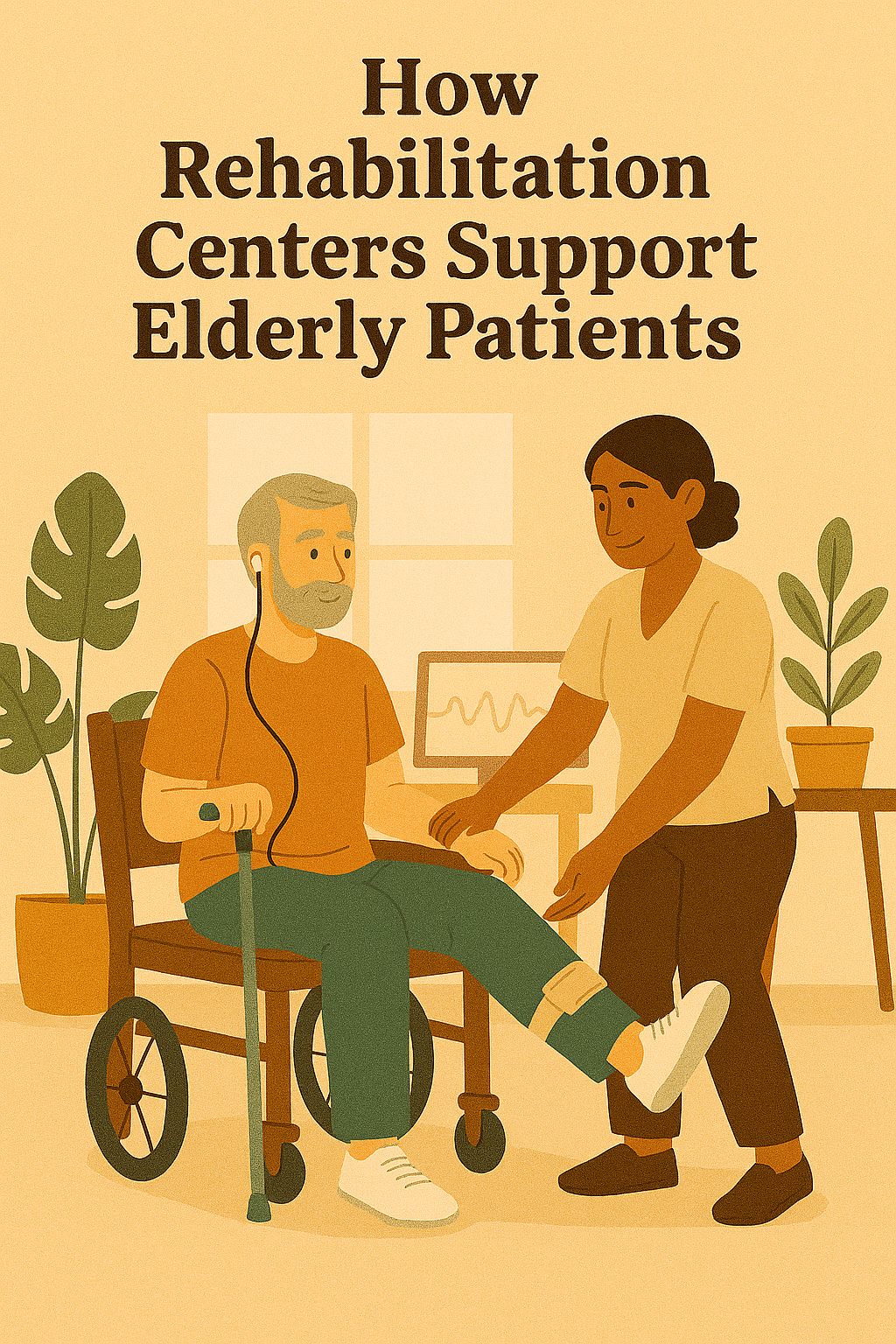
How Rehabilitation Centers Support Elderly Patients- Nisarga Care

As seniors age, the body undergoes significant changes—reduced muscle mass, slower healing, weaker bones, and limited mobility. When an illness, injury, or surgery occurs, these limitations often make recovery harder for elderly individuals. This is why rehabilitation centers play an essential role in helping seniors regain strength, independence, and confidence. For families in India—especially in Karnataka—understanding how Rehabilitation Centers Support Elders and help them to work can help them make informed decisions about their loved one’s care.


What Are Rehabilitation Centers and Why Are They Crucial for Seniors?

A rehabilitation center provides specialized therapy and medical support to help elderly patients recover after injuries, surgeries, strokes, chronic illnesses, or long periods of limited movement. Unlike general hospitals, rehab centres focus exclusively on recovery, restoration, and independence.

They offer structured programs led by trained professionals who understand the unique physical, emotional, and cognitive needs of seniors. The goal is simple: helping older adults return to daily life with strength, dignity, and confidence.


Key Benefits of Rehabilitation for Elderly Patients

1. Restoration of Mobility and Strength

The most immediate benefit of rehabilitation is improved physical function. Through physiotherapy, strength training, and mobility exercises, seniors rebuild muscles weakened by injury or inactivity.

Therapists tailor exercises according to:

  • Pain levels

  • Joint flexibility

  • Balance concerns

  • Medical conditions

This personalized approach ensures safe and effective improvement.


2. Faster Recovery After Surgery or Illness

Whether it’s orthopedic surgery, a stroke, or a cardiac issue, elderly patients need specialized care to regain functional ability. Rehab helps:

  • Reduce swelling

  • Improve circulation

  • Restore joint flexibility

  • Prevent complications

  • Shorten recovery time

Without structured rehab, recovery can be slow, painful, and incomplete.


3. Improved Balance and Fall Prevention

Falls are among the biggest risks for seniors. A single fall can lead to severe fractures or long hospital stays.

Rehabilitation centers focus on:

  • Gait training

  • Balance exercises

  • Coordination drills

  • Muscle strengthening

These help reduce the fear of falling and rebuild walking confidence.


4. Pain Reduction Through Therapeutic Techniques

Elderly patients often live with chronic pain due to arthritis, joint issues, or strained muscles. Rehab centers use advanced techniques like:

  • Heat and cold therapy

  • Ultrasound

  • TENS

  • Manual therapy

  • Stretching routines

These methods provide natural, consistent relief—often reducing dependency on pain medications.


5. Emotional and Cognitive Support

Recovery is not just physical. Many seniors struggle with:

  • Fear of falling again

  • Anxiety

  • Depression

  • Memory issues

  • Loss of confidence

Rehab centers offer emotional support, cognitive therapy, and structured routines that help seniors stay motivated and mentally active.


6. Prevention of Future Injuries

Strengthening weak muscles and improving balance ensures long-term safety. Rehab professionals teach seniors how to move correctly, use assistive devices, and maintain body mechanics—minimizing future risks.


Types of Rehabilitation Services Offered to Elderly Patients

1. Physiotherapy

The backbone of senior rehabilitation. It includes exercises to restore:

  • Strength

  • Balance

  • Flexibility

  • Mobility

Physiotherapy is essential for both post-surgery recovery and chronic condition management.


2. Occupational Therapy

This helps seniors perform daily activities such as dressing, bathing, eating, and walking safely.

OT addresses:

  • Grip strength

  • Hand coordination

  • Joint mobility

  • Adaptive techniques

It enhances independence and improves quality of life.


3. Speech and Swallow Therapy

Older adults recovering from stroke, neurological disorders, or head injuries benefit from:

  • Speech improvement

  • Swallowing safety

  • Cognitive training

This ensures communication confidence and prevents choking risks.


4. Respiratory Therapy

For seniors recovering from pneumonia, COPD, or long hospital stays, breathing exercises are essential for lung strength and endurance.


5. Specialized Nursing Care

Rehab centers also provide 24×7 medical supervision, ensuring medication management, wound care, vital monitoring, and immediate response to emergencies.


How Rehabilitation Centers Help Families

Families often struggle with the demands of senior care at home due to:

  • Limited medical knowledge

  • Work commitments

  • Emotional stress

  • Lack of proper equipment

  • Inadequate safety arrangements

Rehabilitation centers bridge this gap by offering professional, round-the-clock support. They also keep families informed through progress updates, recovery timelines, and personalised recommendations.


Why Karnataka Needs More Senior Rehabilitation Support

Karnataka has a rapidly growing elderly population. With rising joint problems, stroke cases, and chronic illnesses, many seniors require long-term recovery care that families cannot manage alone.

Professional rehabilitation ensures:

  • Safe recovery

  • Reduced hospital readmissions

  • Better long-term mobility

  • Increased quality of life

Centres like Nisarga Care are filling this gap with dedicated rehabilitation programs tailored for older adults.


Choosing the Right Rehabilitation Center for Your Loved One

When selecting a rehabilitation facility, ensure it offers:

  • Experienced physiotherapists

  • Personalized care plans

  • Senior-friendly infrastructure

  • 24×7 nursing support

  • Modern rehab equipment

  • Clean and hygienic rooms

  • Regular progress tracking

  • Emotional and cognitive care

A compassionate and well-equipped center accelerates healing and instills confidence in the patient.


Conclusion

Rehabilitation centers play a transformative role in helping elderly patients regain strength, mobility, and independence. With structured programs, personalized therapy, and continuous support, seniors recover faster and feel more confident returning to their daily lives.

For families seeking trusted, compassionate, and expert rehabilitation for aging parents in Karnataka, Nisarga Care offers specialized programs designed to support faster healing and long-term well-being.

Bangalore rehabilitation centers | rehab assisted living facilities in Bangalore Nisarga care Bangalore

How Modern Technology Enhances Senior Care Quality in Karnataka Homes

Senior care in India is undergoing a major transformation — and technology is at the heart of it. As families juggle careers, responsibilities, and caregiving, modern tools are making it possible to deliver safer, smarter, and more reliable care for aging loved ones. In Karnataka especially, the adoption of digital health platforms, remote monitoring, and AI-enabled systems is redefining senior care standards. For families searching for dependable senior care services India, technology-driven care models offer transparency, consistency, and peace of mind. At Nisarga Care, these innovations allow seniors to enjoy comfort and independence while receiving continuous support.


Why Technology Matters in Senior Care Today

With rising chronic illnesses, mobility challenges, and the increase in nuclear families, integrating technology into caregiving is no longer optional — it’s essential. Seniors today require a blend of human compassion and digital intelligence that ensures safety, health monitoring, and timely intervention.

Modern tools support:

  • Early detection of health complications

  • Real-time communication between caregivers and families

  • Better management of medication and routines

  • Enhanced safety in living environments

  • Greater independence for seniors

This makes technology a powerful asset in senior care services India.


Smart Health Monitoring: Continuous Care Made Easy

One of the most impactful advancements in elder care is remote health monitoring. Devices now track key health indicators such as:

  • Blood pressure

  • Heart rate

  • Blood sugar levels

  • Oxygen saturation

  • Sleep patterns

At Nisarga Care, such monitoring supports preventive health, allowing caregivers to intervene before a condition escalates. This aligns with the demand for structured, reliable elderly support services India.


Emergency Response Systems: Safety at Every Step

For seniors living with mobility issues, chronic conditions, or post-surgery limitations, safety is a major concern. Emergency alert systems, fall-detection sensors, and quick-response alarms ensure that help is always within reach.

These tools are especially valuable in assisted living homes in Karnataka, where prompt action can prevent serious complications. Families feel reassured knowing seniors are protected 24/7 — even during unexpected situations.


Digital Medication Management: No Missed Doses Again

Medication errors are one of the biggest risks for seniors. With multiple prescriptions and complex schedules, even a small mistake can lead to adverse effects.

Technology now provides:

  • Digital reminders

  • Smart pillboxes

  • Automated medication logs

  • Cloud-based health records

These systems make daily routines smoother and support professional caregiving for seniors across India.


Physiotherapy & Rehabilitation Technology

Rehabilitation is becoming more accurate and scientific with the use of digital tools for:

  • Mobility tracking

  • Strength measurement

  • Posture correction

  • Guided physiotherapy exercises

  • Virtual rehabilitation sessions

This is especially important in Karnataka, where the need for rehabilitation centers in India is increasing due to higher rates of stroke, fractures, and surgeries among older adults. Modern rehabilitation helps seniors regain mobility faster and more safely.


Cognitive Wellness Through Technology

Cognitive decline, memory loss, and dementia are common challenges among seniors. Today, technology supports mental wellness through:

  • Brain-training apps

  • Memory-enhancement games

  • Virtual storytelling

  • Audiobooks

  • Interactive learning portals

These tools keep the mind active and strengthen cognitive skills. Such programs support the rising need for mental health support for elderly India and create engaging routines.


Telemedicine: Doctors Just a Click Away

Teleconsultations have become a game-changer for senior health management. Seniors can access specialists without needing to travel long distances. Telemedicine ensures:

  • Timely medical advice

  • Digital prescriptions

  • Convenience for families

  • Reduced hospital visits

This form of hybrid medical care is becoming standard in senior care services India, especially for chronic condition management.


Smart Home Enhancements for Senior Safety

Modern homes in Karnataka are increasingly equipped with tools that make daily living safer for seniors:

  • Motion-sensor lighting

  • Voice-assist devices

  • Smart home cameras

  • Automatic door locks

  • Temperature and appliance controls

These features reduce risks while giving seniors the freedom to navigate their environment independently.


Technology That Connects Seniors Emotionally

Loneliness is a serious concern for older adults. Technology bridges emotional gaps by simplifying communication with family members through:

  • Video calls

  • Photo-sharing apps

  • Social platforms

  • Community forums

This promotes emotional well-being and strengthens family bonds, especially when physical visits are limited.


Nisarga Care: Blending Compassion with Innovation

At Nisarga Care, technology complements human caregiving to create an environment that is safe, supportive, and emotionally uplifting. From remote monitoring to structured rehabilitation, our care ecosystem ensures seniors receive the highest quality support.

Our approach aligns with the evolution of elder care services in India, giving families clarity, confidence, and comfort.


A Future Where Technology and Care Work Together

As Karnataka continues to innovate, senior care homes are evolving into modern, wellness-focused ecosystems where technology enhances every aspect of aging. Seniors deserve security, dignity, and independence — and today’s digital tools make it possible.

With the right mix of compassion and technology, families can ensure their loved ones live peacefully, safely, and joyfully.

Posts pagination

WeCreativez WhatsApp Support
Our customer support team is here to answer your questions. Ask us anything!
👋 Hi, how can I help?