Addiction is a complex condition that affects not only the body but also the mind, emotions, and family relationships. Whether related to alcohol, prescription medications, or other substances, recovery is rarely achieved through willpower alone. Effective addiction recovery programs focus on holistic healing, long-term support, and individualized care, helping individuals rebuild their lives with dignity and stability.
Understanding That Recovery Is Not One-Size-Fits-All
One of the most important factors in successful addiction recovery is recognizing that every individual’s journey is different. Age, health condition, duration of addiction, emotional state, and family environment all influence recovery outcomes. Programs that work best are those that create personalized treatment plans rather than relying on a single rigid approach.
Medical Supervision and Safe Detoxification
For many individuals, recovery begins with medically supervised detoxification. This phase helps manage withdrawal symptoms safely and reduces physical discomfort. Medical oversight is especially important for seniors or individuals with existing health conditions, as withdrawal can be physically demanding. Programs that integrate doctors, nurses, and therapists ensure safety and build trust during this critical first step.
Psychological Counseling and Emotional Healing
Addiction is closely linked to emotional distress, trauma, stress, or loneliness. Recovery programs that include individual counseling, group therapy, and behavioral therapies address the root causes of addiction rather than just the symptoms. Talking openly in a supportive environment helps individuals understand triggers, develop coping strategies, and rebuild self-esteem.
Group sessions also play a key role by reducing isolation. Knowing that others share similar struggles creates a sense of belonging and motivation to continue recovery.
Family Involvement and Support Systems
Programs that involve family members often show better long-term success. Addiction impacts the entire family, and healing together strengthens recovery outcomes. Family counseling improves communication, rebuilds trust, and helps loved ones understand how to provide support without enabling harmful behaviors.
For older adults, emotional reassurance from family can significantly improve motivation and consistency in treatment.
Lifestyle Changes and Skill Building
Effective recovery programs focus on rebuilding daily life. This includes establishing healthy routines, improving sleep patterns, managing stress, and encouraging physical activity where appropriate. Learning practical life skills, relaxation techniques, and emotional regulation helps individuals face challenges without turning back to substance use.
Long-Term Follow-Up and Relapse Prevention
Recovery does not end after a few weeks of treatment. The best programs emphasize aftercare, including follow-up counseling, support groups, and regular check-ins. Relapse prevention strategies teach individuals how to identify early warning signs and seek help before setbacks occur. Continuous support is especially important during emotional stress or life transitions.
Conclusion
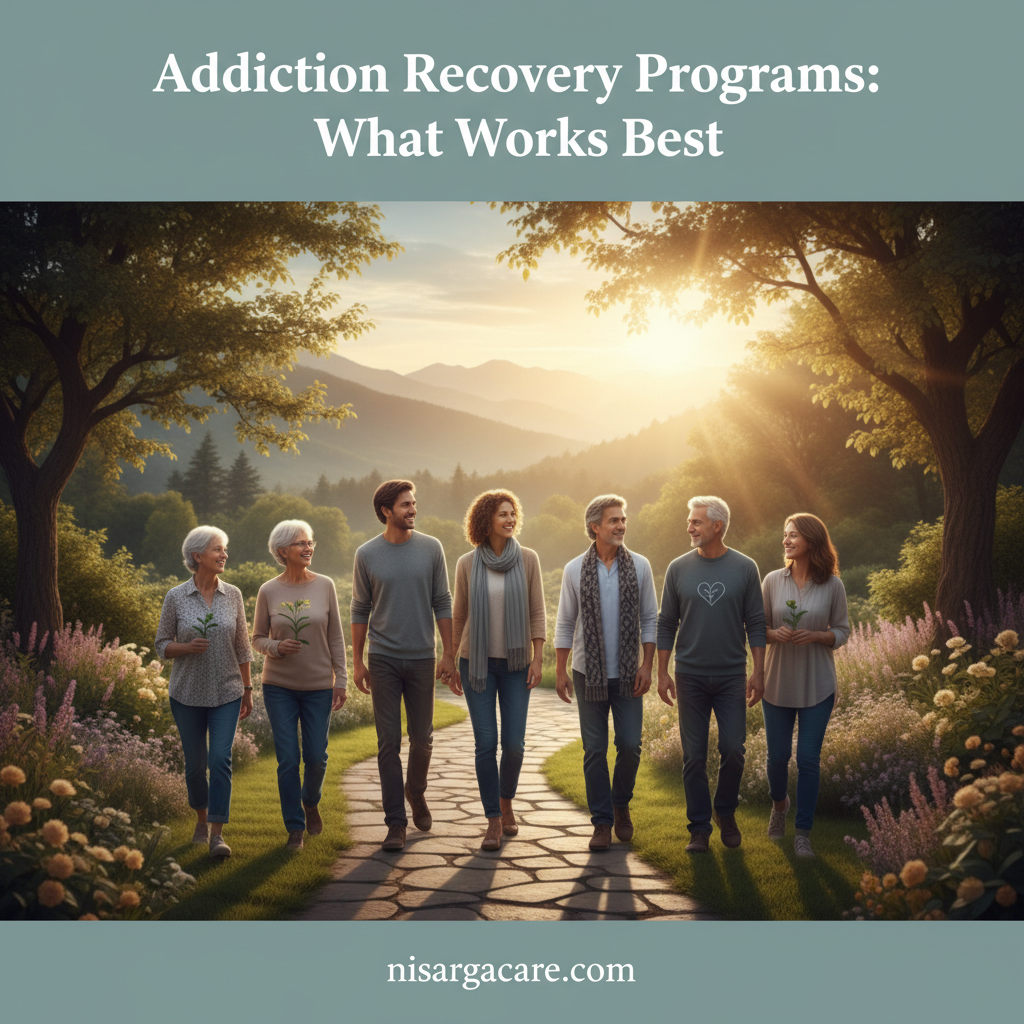
What works best in addiction recovery programs is a compassionate, structured, and long-term approach that treats the whole person—not just the addiction. Programs that combine medical care, emotional counseling, family involvement, and ongoing support offer the strongest foundation for lasting recovery. With the right guidance and understanding environment, individuals can regain control, rebuild confidence, and move toward a healthier, more fulfilling life.