Nisarga care Bangalore

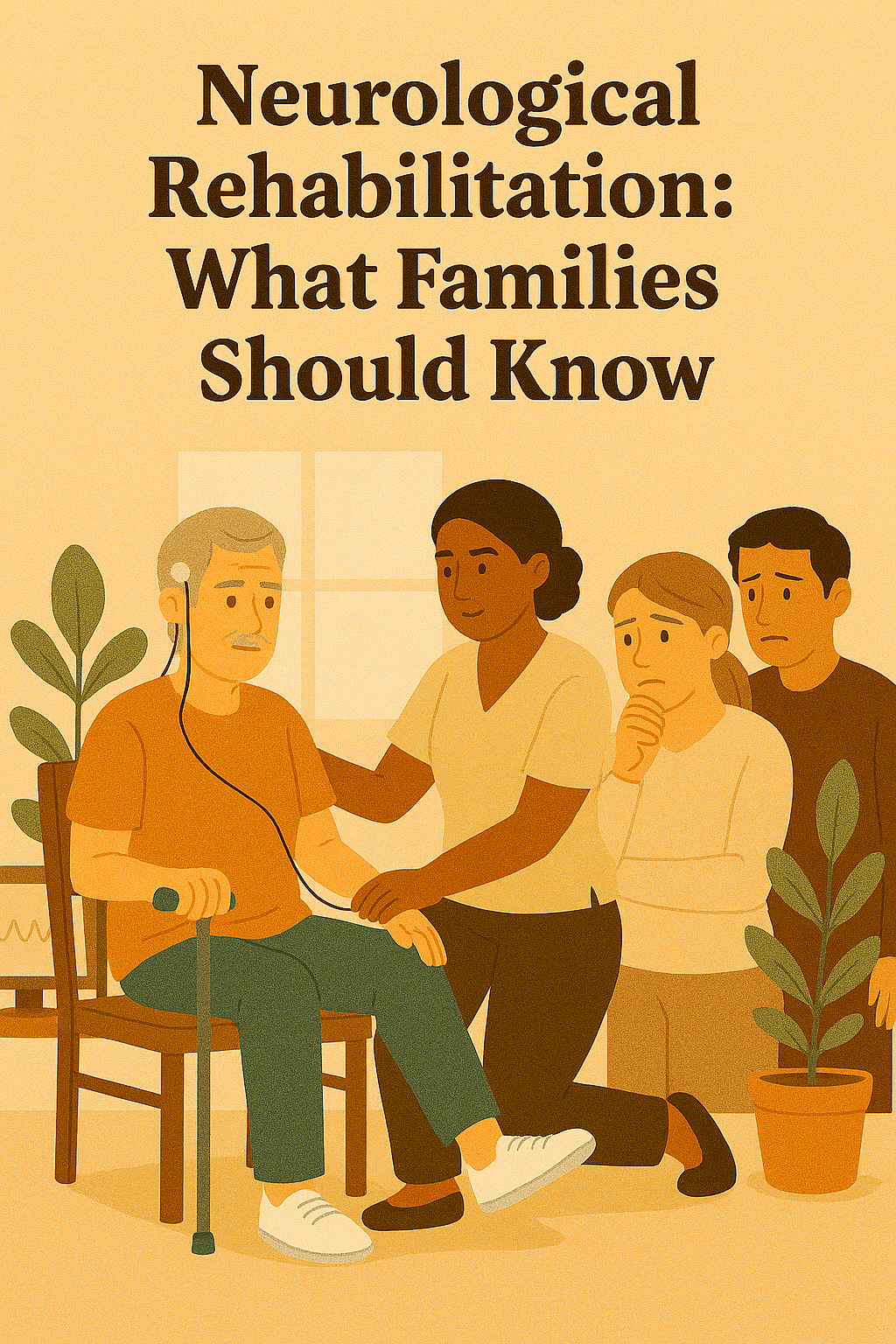
Neurological Rehabilitation: What Families Should Know | Nisarga Care

Neurological conditions can impact every aspect of daily life. Without proper rehab, recovery is slower, complications increase, and the patient becomes dependent on caregivers for longer.

Here’s why professional neuro rehab is essential:

1. Helps the Brain Rewire Itself (Neuroplasticity)

The brain has a natural ability to reorganize and form new connections. This process—called neuroplasticity—is strongest when guided by structured therapy. Early and consistent rehab accelerates the healing process significantly.

2. Prevents Muscle Weakness and Stiffness

After any neurological event, patients often lose mobility. Without rehab, they may develop:

  • Joint stiffness

  • Muscle contractures

  • Balance issues

  • Difficulty walking

Physiotherapy ensures continuous movement and strengthens weakened muscles.

3. Boosts Independence in Daily Activities

Through occupational therapy, patients relearn skills such as:

  • Dressing

  • Eating

  • Writing

  • Bathing

  • Using the toilet independently

This restores confidence and reduces long-term caregiver burden.

4. Improves Speech and Communication

Patients with stroke or degenerative diseases often struggle with speech, swallowing, or comprehension. Speech therapy helps improve clarity, articulation, and social interaction.

5. Enhances Emotional and Cognitive Health

Neurological illnesses can lead to:

  • Depression

  • Anxiety

  • Memory loss

  • Behavioral changes

Rehab involves counselling and cognitive training to keep the mind active and emotionally stable.

6. Provides Support to Families

Rehabilitation is not just for the patient—it is for the entire family. Expert teams educate caregivers on:

  • Safe handling techniques

  • Managing behavioural changes

  • Medication support

  • Creating a home-friendly environment

This guidance reduces stress and improves long-term family well-being.


Conditions That Benefit From Neurological Rehabilitation

Families often wonder whether Neurological Rehabilitation is necessary for their loved one. The answer is almost always yes, especially for conditions such as:

  • Stroke

  • Parkinson’s Disease

  • Dementia

  • Alzheimer’s

  • Spinal Cord Injury

  • Traumatic Brain Injury

  • Multiple Sclerosis (MS)

  • Neuropathy

  • Cerebral Palsy

  • Post-surgery neurological complications

Each condition requires a carefully personalised plan based on symptoms and recovery pace.


Key Components of a Neurological Rehab Program

A high-quality neuro rehab centre in Karnataka typically offers:

1. Physiotherapy

To restore mobility, balance, gait, and strength.

2. Occupational Therapy

To relearn daily tasks and promote independence.

3. Speech & Swallowing Therapy

For communication, voice strengthening, and safe eating.

4. Cognitive Rehabilitation

For memory, attention, problem-solving, and emotional regulation.

5. Pain & Spasticity Management

Using physical modalities, exercises, and guided relaxation.

6. Nutritional Planning

Seniors and neurological patients need specialised diets for strength and recovery.

7. Social & Recreational Therapy

Activities that boost motivation and social engagement.


How Families Can Support the Healing Journey

Recovery improves when families stay involved. Here’s how you can help:

  • Attend therapy sessions to learn home-care techniques.

  • Encourage daily practice of exercises.

  • Celebrate small improvements.

  • Provide emotional reassurance during setbacks.

  • Maintain a structured daily routine.

  • Stay patient—neurological recovery takes time.

Remember: progress may be slow, but consistency always pays off.


Choosing the Right Neurological Rehabilitation Centre in Karnataka

A good centre for Neurological Rehabilitation can transform the entire recovery experience. Look for:

  • Personalised care plans

  • 24×7 trained nursing support

  • Experienced physiotherapists and neuro specialists

  • Assistive devices and modern therapy equipment

  • Clean, safe, elder-friendly environment

  • Regular progress tracking

  • Family counselling and involvement

Centres like Nisarga Care in Karnataka offer end-to-end neuro rehabilitation with compassionate, structured support tailored to each patient’s needs.


Conclusion

Neurological rehabilitation is not just therapy—it is a lifeline for patients and families navigating the challenges of neurological disorders. With the right care plan, professional support, and family involvement, patients can regain mobility, confidence, and meaningful independence.

For families in Karnataka seeking trustworthy and personalised neuro rehab services, choosing a specialised centre like Nisarga Care ensures your loved one receives expert attention, emotional care, and long-term support for a better quality of life.

Bangalore rehabilitation centers | rehab assisted living facilities in Bangalore Nisarga care Bangalore

Stroke Recovery: Steps Toward Independence | Nisarga Care

A stroke changes life instantly — for the senior who experiences it and the family who supports them. Recovery is often slow, emotional, and filled with uncertainty. But with early intervention, structured rehabilitation, and compassionate stroke care, seniors can relearn essential skills, regain mobility, and gradually reclaim independence. For Indian families, understanding how recovery works can make the journey smoother and far more successful.

This guide highlights the key stages of stroke rehabilitation, the role of physiotherapy for elders, emotional and cognitive support, and how personalized care improves outcomes.


Why Stroke Rehabilitation Is Crucial

A stroke affects the brain’s ability to control movement, speech, memory, and daily functions. Rehabilitation helps rewire these pathways through consistent and guided practice.

Essential reasons why stroke rehab matters:

  • Restores mobility and muscle strength

  • Reduces stiffness and contractures

  • Prevents bedsores and infections

  • Improves speech and swallowing

  • Supports emotional healing

  • Builds confidence and independence

Without structured rehabilitation, seniors face long-term complications including immobility, depression, and dependency.


The First Step: Early Intervention

Doctors often recommend starting rehabilitation as early as 24–48 hours after stabilization. Early movement improves blood circulation, prevents muscle wasting, and primes the brain for recovery.

Common early-stage interventions include:

  • Passive stretching

  • Gentle limb movements

  • Breathing exercises

  • Assisted sitting and balance training

This stage sets the foundation for progress.


Key Components of Stroke Recovery

1. Physiotherapy for Mobility and Strength

This is the core of stroke rehabilitation. Physiotherapy helps rebuild muscle coordination, balance, and overall mobility.

Physiotherapists use:

  • Gait training

  • Balance exercises

  • Strength-building routines

  • Range-of-motion activities

  • Walking aids (walker, stick, wheelchair transitions)

Consistent practice improves independence significantly.


2. Occupational Therapy for Daily Activities

After a stroke, everyday tasks — grooming, dressing, eating, bathing — become difficult. Occupational therapists help seniors relearn these skills safely.

Support includes:

  • Hand coordination exercises

  • Fine motor skill training

  • Teaching safe movement techniques

  • Adaptive tools (grip aids, seated supports)

This helps seniors return to familiar routines with confidence.


3. Speech and Swallowing Therapy

Strokes often affect communication and swallowing abilities.

Speech therapy assists with:

  • Clearer speech

  • Language comprehension

  • Memory and cognitive exercises

  • Safer swallowing techniques

This reduces choking risks and improves overall communication.


4. Psychological & Emotional Support

Recovery is not just physical. Many seniors feel frustrated, scared, or depressed after a stroke. Emotional stability is key to regaining independence.

Counsellors and caregivers help with:

  • Motivation and encouragement

  • Managing anxiety or sadness

  • Building mental resilience

This support can significantly improve participation in therapy.


5. Nutrition and Hydration

Many seniors struggle with appetite or swallowing post-stroke. A personalized diet can prevent complications and improve energy levels.

Nutritious foods recommended include:

  • Soft dals

  • Khichdi

  • Light soups

  • Fresh fruits

  • Curd-based meals

  • Protein-rich foods (paneer, eggs, lentils)

Hydration is equally important, especially during physiotherapy.


Stages of Stroke Recovery

1. Acute Stage (First Few Days)

Stabilization, early movement, preventing complications.

2. Sub-Acute Stage (Weeks 1–12)

Most rapid recovery happens here. Focus on mobility, speech, and daily tasks.

3. Long-Term Stage (Months 3–12+)

Progress becomes steady and meaningful. Seniors continue strengthening and regaining independence.

Stroke recovery can continue for years — there is no strict timeline. Every improvement matters.


Family’s Role in Stroke Rehabilitation

Families play a powerful role in recovery. Your support can build hope, reduce stress, and encourage daily progress.

You can assist by:

  • Maintaining consistency with physiotherapy

  • Promoting safe movement at home

  • Offering emotional reassurance

  • Creating a calm, safe environment

  • Tracking medicines and doctor reviews

  • Helping with memory and speech exercises

Patience and positivity from family members greatly speed up recovery.


Creating a Safe Home for Stroke Survivors

Safety is essential to prevent falls or re-injury.
Consider these changes:

  • Install grab bars in bathroom

  • Remove loose rugs

  • Add anti-slip mats

  • Keep pathways clear

  • Ensure proper lighting

  • Arrange a comfortable bed height

  • Provide supportive seating

A safe space encourages movement and independence.


Why Personalized Care Plans Matter

No two stroke survivors recover the same way. Age, severity, medical conditions, and mobility levels vary widely. This is why personalized elder care plans make a significant difference.

A customized recovery plan includes:

  • Tailored physiotherapy routines

  • Condition-specific diet

  • Daily mobility goals

  • Speech therapy schedules

  • Emotional and cognitive support

  • Doctor-supervised monitoring

This approach ensures the best possible recovery with minimal complications.


How Professional Stroke Care Centres Support Recovery

While home care is valuable, professional rehabilitation centres offer structured programs and expert supervision.

Benefits include:

  • 24×7 nursing support

  • Regular physiotherapy

  • Speech and occupational therapy

  • Emergency support

  • Progress tracking

  • Safer environment for mobility training

  • Doctor-guided recovery plans

  • Social engagement for emotional well-being

This combination greatly increases the chances of long-term independence.


Nisarga Care: Trusted Stroke Rehabilitation for Seniors in Karnataka

Stroke recovery demands expertise, patience, and consistent care. At Nisarga Care, seniors receive specialized rehabilitation programs designed to restore mobility, confidence, and independence. With professional physiotherapists, trained caregivers, skilled nurses, and doctor supervision, every senior receives individualized support tailored to their condition and pace.

If your loved one needs compassionate, effective, and medically guided post-stroke rehabilitation, Nisarga Care is here to help them rebuild strength, regain independence, and move confidently toward a brighter future.

Bangalore rehabilitation centers | rehab assisted living facilities in Bangalore Nisarga care Bangalore

Importance of Rehabilitation After Surgery – Nisarga Care

Surgery can be a life-changing event for seniors — bringing relief, healing, and better health outcomes. But the journey doesn’t end in the operation room. What truly determines long-term success is the quality of rehabilitation care that follows. For aging adults, recovery can be slow, challenging, and emotionally draining. This is where structured rehabilitation becomes essential, ensuring that seniors regain strength, stability, mobility, and independence in a safe and supportive environment.

In India, many families underestimate the role of post-surgical rehab, assuming the body will recover naturally. But without guided exercises, proper rest, and consistent monitoring, seniors are at a higher risk of complications such as falls, infections, mobility loss, and emotional stress. This blog explains why rehabilitation after surgery is crucial and how families can support elders through this sensitive phase.


Why Post-Surgery Rehabilitation Matters for Seniors

Rehabilitation is not just about exercise — it is a combination of physical therapy, medical monitoring, nutritional care, emotional support, and daily assistance. For elders, this holistic approach helps the body heal while ensuring safety and confidence.

Some key reasons rehabilitation is essential include:

1. Faster and Safer Recovery

Age slows tissue repair, making seniors more susceptible to delayed healing. Rehabilitation accelerates this process through targeted exercises, gentle movement, and continuous monitoring by trained professionals.

2. Prevents Complications

Post-surgical risks include infections, blood clots, pneumonia, muscle loss, and bedsores. A structured elder care recovery program reduces these risks significantly.

3. Restores Mobility and Strength

After surgery, prolonged bed rest can weaken muscles and joints. Physiotherapy for elders helps rebuild strength, improve balance, and restore functional mobility.

4. Improves Heart and Lung Health

Breathing exercises and mild conditioning routines help seniors maintain respiratory function and cardiovascular stability — essential for long-term healing.

5. Enhances Mental and Emotional Well-Being

Seniors often experience fear, anxiety, or discouragement after a major procedure. Compassionate caregivers provide reassurance, motivation, and emotional support throughout recovery.


Types of Rehabilitation Seniors May Need After Surgery

Different surgeries require different recovery plans. Here are the most common types of rehabilitation essential for Indian seniors:

1. Physiotherapy

The most important leg of post-surgical care.
Includes:

  • Strength training

  • Balance exercises

  • Gait training

  • Range-of-motion exercises

  • Pain management techniques

2. Occupational Therapy

Helps seniors relearn or improve daily activities such as bathing, grooming, eating, and using mobility aids.

3. Speech and Cognitive Therapy

Crucial for those recovering from neurological surgeries, strokes, or head injuries.

4. Nutritional Rehabilitation

Seniors often struggle with appetite loss, poor digestion, and nutritional deficiencies post-surgery. A personalized diet plan supports faster healing, improved immunity, and stable energy.

5. Psychological Support

Counseling reduces anxiety, stress, and fear — helping elders feel confident during recovery.


What Happens When Rehabilitation Is Delayed or Ignored

Without proper post-surgery elder care, seniors face several risks:

  • Slower healing

  • Muscle wasting

  • Joint stiffness

  • Poor balance

  • Higher fall risk

  • Respiratory problems

  • Dependency on others

  • Loss of confidence

  • Frequent hospital readmissions

Timely rehabilitation ensures these challenges are minimized or avoided entirely.


Family’s Role in Post-Surgical Recovery

Families play a major role in helping seniors feel secure and supported during rehabilitation. Simple actions can make a huge difference:

  • Encourage regular physiotherapy

  • Monitor medications

  • Ensure proper nutrition and hydration

  • Offer emotional encouragement

  • Help with mobility and daily tasks

  • Maintain a clean, safe environment

  • Track progress and symptoms

When families and professional caregivers work together, recovery becomes smoother, faster, and more comfortable.


Why Seniors Need Personalized Rehabilitation Plans

Every elder heals differently. Age, pre-existing conditions, surgery type, and mobility levels vary widely. That’s why a personalized care plan is essential.

A customized rehabilitation plan includes:

  • Tailored physiotherapy routines

  • Condition-specific diet plans

  • Daily activity schedules

  • Pain management strategies

  • Mobility training

  • Emotional and cognitive support

This individualized approach ensures the senior is neither under-exercised nor over-exerted — striking the perfect balance for optimal recovery.


The Advantages of Professional Post-Surgery Elder Care

Rehabilitation at home can work, but professional care offers several advantages:

  • 24×7 monitoring

  • Trained physiotherapists

  • Skilled nursing support

  • Safer environment

  • Reduced hospital readmissions

  • Faster strength building

  • Better emotional comfort

  • Personalized nutrition

  • Access to medical equipment

Professional elder-care centres follow structured recovery programs that are difficult for families to manage alone.


Nisarga Care: Trusted Rehabilitation Support for Seniors in Karnataka

Post-surgery recovery is a delicate phase that demands patience, expertise, and consistent monitoring. At Nisarga Care, seniors receive specialized rehabilitation programs, physiotherapy sessions, skilled nursing care, doctor supervision, and personalized recovery plans that ensure faster and safer healing. Families across Karnataka trust Nisarga Care for smooth, comfortable, and dignified healing after surgeries — whether orthopedic, cardiac, neurological, or general procedures.

If your loved one needs dependable, compassionate, and medically supervised post-surgery rehabilitation, Nisarga Care is here to support their journey toward strength, independence, and complete recovery.

Nisarga care Bangalore

Nutrition and Meal Planning for Seniors: What Every Indian Family Should Know

Aging changes the body in many ways — reduced metabolism, slower digestion, weaker immunity, and lowered appetite. This is why thoughtful and balanced nutrition plays a crucial role in keeping seniors physically strong, mentally active, and emotionally stable. For Indian families caring for elders at home or in a senior care centre, understanding the principles of healthy eating can make a significant difference in long-term health outcomes.

In this guide, we explore essential nutrition needs, ideal foods, common deficiencies, and practical meal-planning tips tailored specifically for aging individuals. Whether you are a caregiver, a family member, or part of a care team, this is everything you should know about nourishing seniors with care and intention.


Why Senior Nutrition Matters

Proper nutrition is not just about avoiding hunger — it is about maintaining vitality, preventing disease, and enhancing quality of life. As the body ages, it needs more targeted nourishment to:

  • Strengthen immunity

  • Improve muscle and bone health

  • Maintain stable energy levels

  • Support faster recovery from illness

  • Prevent cognitive decline

  • Promote emotional well-being

Indian elders are especially vulnerable to nutritional challenges because of digestive issues, loss of appetite, lack of protein intake, and long-standing dietary habits that may not meet current health needs. With careful planning, many of these issues can be corrected early.


Essential Nutrients for Elderly Health

1. Protein – The Foundation of Strength

Protein is vital for maintaining muscle mass and avoiding weakness or frailty. Seniors often consume far less protein than they require.

Best Indian protein sources include:

  • Dal, rajma, chole

  • Paneer, curd, buttermilk

  • Eggs

  • Fish & chicken (for non-vegetarians)

  • Sprouts, soy, tofu

Aim for at least 1–1.2 grams of protein per kg of body weight daily.


2. Fiber – For Smooth Digestion

Constipation is one of the most common issues among elders. Fiber keeps digestion smooth and prevents bloating.

Foods rich in fiber:

  • Whole grains (millets, brown rice, atta rotis)

  • Fruits like papaya, banana, apples

  • Vegetables like lauki, carrots, beans

  • Flax seeds and chia seeds


3. Calcium & Vitamin D – For Strong Bones

Osteoporosis and bone weakness affect mobility and independence.

Sources include:

  • Milk and dairy

  • Ragi

  • Almonds

  • Sunlight exposure

  • Vitamin D supplements (if prescribed)


4. Healthy Fats – For Brain and Heart Health

Good fats support memory, focus, and stable energy levels.

Include:

  • Ghee in moderation

  • Groundnut oil, mustard oil, olive oil

  • Nuts and seeds

  • Avocado (optional)


5. Vitamins & Minerals

Key vitamins for seniors:

  • Vitamin B12: Found in dairy, eggs; often requires supplements

  • Iron: Spinach, beetroot, dates, jaggery

  • Potassium & Magnesium: Banana, dal, coconut water

A balanced diet ensures fewer deficiencies and better overall wellness.


Indian Foods That Support Senior Health

Indian cuisine can be extremely senior-friendly when prepared correctly. Here are nutritious options suited for elders:

  • Soft khichdi with vegetables

  • Moong dal soup

  • Dalia or upma

  • Steamed idlis

  • Fresh fruit bowls

  • Vegetable stew

  • Curd rice

  • Oats with milk and nuts

  • Ragi porridge

  • Homemade paneer bhurji

  • Sabudana khichdi (light and easily digestible)

Avoid overly spicy, oily, or deep-fried foods, which can cause digestion issues.


Common Nutritional Deficiencies in Indian Seniors

Families often overlook silent deficiencies, which later lead to severe health complications.

The most common deficiencies include:

  • Vitamin B12

  • Vitamin D

  • Iron

  • Protein

  • Calcium

  • Omega-3 fatty acids

Regular checkups and a structured diet can prevent most of these issues.


Practical Meal Planning Tips for Families

1. Prefer smaller, frequent meals

Seniors often struggle with large portions. Offering 5–6 small meals improves digestion and steady energy.

2. Ensure hydration

Encourage:

  • Warm water

  • Herbal teas

  • Coconut water

  • Soups

Dehydration is extremely common in elders.

3. Customize meals based on medical conditions

For example:

  • Diabetes → low sugar, low GI foods

  • Blood pressure → low salt meals

  • Kidney issues → controlled protein

A personalized meal plan is crucial.

4. Reduce salt, sugar, and white flour

These increase inflammation and weaken immunity.

5. Include easy-to-chew options

As chewing becomes harder, soft, flexible textures help ensure sufficient intake.

6. Avoid reheated or stale food

Fresh meals reduce acidity and bacterial risk.


Role of Caregivers in Senior Nutrition

Caregivers and family members play a major role in maintaining consistent, balanced diets. Responsibilities include:

  • Monitoring appetite

  • Tracking nutrition and hydration

  • Identifying changes in preferences

  • Encouraging healthy snacking

  • Ensuring meals match medical needs

  • Preparing food safely and hygienically

Strong nutritional support can make aging significantly smoother and healthier.


When Professional Help Makes a Difference

When families struggle with meal planning, specialized elder-care centres offer structured nutrition programs developed by dietitians and medical teams. These ensure that seniors receive:

  • Balanced meals

  • Condition-specific diet plans

  • Regular monitoring

  • Safe food preparation

  • Hydration tracking

This is especially beneficial for seniors with dementia, stroke recovery needs, chronic illnesses, or mobility limitations.


Nisarga Care: Your Partner in Healthy Senior Living

At the end of the day, personalized nutrition is one of the strongest foundations of elder well-being. At Nisarga Care, seniors receive professionally designed meal plans, compassionate support, medical supervision, and customized diets that match their health conditions and personal preferences. This ensures that every elder can eat well, stay strong, and live with dignity.

If you want the best nutritional and holistic care for your aging loved ones, Nisarga Care is here to support you every step of the way.

Bangalore rehabilitation centers | rehab assisted living facilities in Bangalore Nisarga care Bangalore

Understanding Early Signs of Dementia: A Complete Guide for Indian Families

Dementia is one of the most challenging conditions affecting India’s aging population today. It impacts memory, behavior, emotions, and daily functioning—making early detection crucial for families seeking to provide the best possible elder care and long-term support.

For Indian households, where caregiving responsibilities often rest on family members, understanding the early symptoms of dementia can help ensure timely diagnosis, structured care, and better quality of life for seniors.

Dementia is not a normal part of aging. Identifying signs early allows families to seek medical help, plan long-term senior care, and create a safe, comforting environment for their loved one.


What Is Dementia?

Dementia refers to a group of neurological disorders where there is a decline in cognitive function, memory, and reasoning abilities. The most common type is Alzheimer’s disease, but others include vascular dementia, Lewy body dementia, and frontotemporal dementia.

Regardless of the type, early symptoms often appear subtly—and families are usually the first to notice.


1. Memory Loss That Disrupts Daily Life

Forgetfulness is common with age, but memory loss linked to dementia is different.
Families may observe:

  • Repeating the same questions

  • Forgetting recent events or conversations

  • Misplacing items and accusing others of taking them

  • Struggling to remember names of close people

This type of memory loss is persistent and worsens over time, making it a key early symptom.

Why it matters: Early memory lapses are a major warning sign that your parent may need structured elder care support.


2. Difficulty Completing Familiar Tasks

Tasks that once seemed simple suddenly become confusing.
Examples include:

  • Trouble preparing a familiar recipe

  • Forgetting how to use household appliances

  • Difficulty managing monthly bills

  • Struggling with puja routines or daily habits

These difficulties affect independence and are often noticeable during daily interactions.


3. Challenges in Communication and Language

Dementia often affects a senior’s ability to find words or express thoughts clearly.

Signs include:

  • Pausing mid-sentence and feeling lost

  • Using incorrect words

  • Repeating phrases

  • Losing the ability to follow conversations

Families may feel conversations take longer or seem disconnected—an important behavioral clue.


4. Disorientation in Time and Place

Seniors may:

  • Forget the date or season

  • Lose track of time

  • Feel confused in familiar places

  • Forget where they are or why they are there

This disorientation can be frightening for both elders and families, often requiring increased supervision and senior care.


5. Poor Judgment or Decision-Making

A common early sign is impaired judgment.
Families may notice:

  • Giving away money to strangers

  • Falling for scams

  • Dressing inappropriately for the weather

  • Poor hygiene habits

These changes indicate the senior is struggling with rational thinking.


6. Withdrawal from Social Activities

Seniors with early dementia often lose interest in:

  • Talking to family

  • Participating in festivals

  • Attending social events

  • Pursuing hobbies they once loved

They may feel overwhelmed, confused, or embarrassed, leading to emotional withdrawal.


7. Changes in Mood and Personality

Dementia can cause dramatic emotional shifts, such as:

  • Increased irritability

  • Anxiety or restlessness

  • Depression

  • Suspicion or paranoia

  • Sudden mood swings

Families often feel the elder is “not themselves anymore,” a common but painful early sign.


8. Difficulty Understanding Visual or Spatial Information

Some seniors may struggle with:

  • Reading

  • Judging distances

  • Recognizing familiar faces

  • Navigating stairs or turns

These issues can lead to falls, a major risk factor that families must not overlook.


Why Early Detection Matters for Indian Families

✔ Better Medical Management

Early diagnosis allows doctors to slow progression, manage symptoms, and create a structured health plan.

✔ Reduced Stress for Families

Understanding the condition helps families prepare for caregiving demands, ensuring seniors receive safe and stable support.

✔ Improved Quality of Life for Seniors

Early interventions, cognitive therapy, routines, and emotional care help elders maintain dignity and independence longer.

✔ Safety and Monitoring

Families can modify the home environment or consider professional elder care services if supervision becomes necessary.

✔ Care Planning and Financial Preparedness

Knowing what’s ahead allows families to plan for medical needs, long-term care, and elder-friendly living arrangements.


How Indian Families Can Support Seniors Showing Early Signs of Dementia

1. Seek Medical Evaluation Immediately

Do not wait for symptoms to worsen. Early diagnosis opens doors to treatment and long-term planning.

2. Maintain a Structured Daily Routine

Routine reduces confusion and helps seniors feel grounded.

3. Encourage Brain-Stimulating Activities

Music, puzzles, memory games, reading, and conversations help slow cognitive decline.

4. Create a Safe Home Environment

Remove fall risks, install grab bars, and ensure lighting is adequate.

5. Offer Emotional Support

Patience, reassurance, and positive communication go a long way in reducing anxiety.

6. Plan for Professional Care if Needed

Memory care support, dedicated supervision, and trained caregivers can dramatically improve quality of life.


Nisarga Care: Specialized Dementia Support for Seniors in Karnataka

At Nisarga Care, we understand the emotional and practical challenges dementia brings to families. Our team specializes in memory care, offering:

  • Personalized support plans

  • Safe and monitored living environments

  • Cognitive stimulation activities

  • Experienced caregivers

  • Medical supervision

  • Emotional and social engagement

We ensure every senior receives compassionate, structured, and dignified care, helping families navigate dementia with confidence and peace of mind.

If you want your loved one to receive the best elder care in Karnataka, Nisarga Care is here to support you every step of the way.

Bangalore rehabilitation centers | rehab assisted living facilities in Bangalore Nisarga care Bangalore

Supporting Mentally Disabled Adults: Empowerment Through Compassionate Care

Caring for mentally disabled adults requires much more than supervision—it requires compassion, patience, structured support, and an environment that encourages emotional stability and independence. In India, families often shoulder this responsibility with love, but the complexities of mental disabilities can make full-time care incredibly challenging at home. This is why specialized care environments are becoming increasingly important.

Whether the disability is due to intellectual impairment, developmental delay, autism spectrum conditions, schizophrenia, or genetic disorders, adults require consistent emotional support, medical monitoring, and daily living assistance. Compassionate care ensures that they not only stay safe but also learn, grow, and feel valued.

This guide shares how structured support systems empower mentally disabled adults, promote dignity, and help them engage more meaningfully with the world around them.


Understanding Mental Disability in Adults

Mental disability can vary widely—from mild intellectual differences to severe cognitive impairment. It may affect:

  • Ability to communicate

  • Emotional expression

  • Social interaction

  • Learning and memory

  • Daily living skills

  • Behavioural stability

  • Decision-making

In India, growing awareness around mental health, neurodevelopmental conditions, and psychosocial disabilities has pushed families to explore holistic care options rather than relying solely on home-based support.

Highlighted Keywords: mental disability care India, adult cognitive support, developmental disability services


Why Compassionate Support Matters

Adults with mental disabilities thrive when they are surrounded by consistent attention, positive reinforcement, and structured care. Compassion is not just a soft trait—it directly affects behavioural stability, emotional well-being, and long-term development.

Caregivers trained in mental disability support use:

  • Calm communication

  • Predictable routines

  • Step-by-step guidance

  • Behavioural management techniques

  • Structured activities

This kind of support significantly reduces anxiety and helps individuals remain grounded.

Keywords: compassionate caregiving, behavioural support, special needs adult care


1. Safe and Structured Living Environments

Mentally disabled adults need environments tailored to their cognitive and behavioural needs. Specialized care facilities offer:

  • Secure entrances and monitored movement

  • Non-slip flooring

  • Clearly defined spaces

  • Minimal clutter

  • Quiet sensory zones

  • Tracked routines

These designs help reduce confusion and create a predictable, safe setting.

Keywords: safe care centres India, special needs residential homes, adult disability support Karnataka


2. Daily Living Support and Independence Training

Adults with mental disabilities often require assistance with:

  • Bathing

  • Dressing

  • Eating

  • Medication

  • Personal hygiene

  • Mobility

  • Toileting

But beyond care, the goal is skill-building. Trained caregivers encourage small steps toward independence, like:

  • Folding clothes

  • Simple chores

  • Personal grooming

  • Participating in meals

  • Following routines

These everyday skills improve confidence and self-esteem.

Keywords: independent living for disabled adults, ADL training, life skills development


3. Behavioural Therapy and Emotional Support

Behavioural challenges like aggression, withdrawal, repetitive actions, or emotional outbursts are common. Professional support includes:

  • Behavioural modification therapy

  • Positive reinforcement techniques

  • Sensory calming strategies

  • Anger management exercises

  • One-on-one emotional counselling

Emotional stability is central to improving overall quality of life.

Keywords: behavioural therapy India, emotional regulation support, mental wellness for disabled adults


4. Medical Care and Monitoring

Mental disabilities often coexist with:

  • Epilepsy

  • Sleep disorders

  • Hormonal imbalances

  • Mobility challenges

  • Nutritional deficiencies

A good care environment includes:

  • Regular doctor visits

  • 24×7 nursing

  • Medication management

  • Seizure monitoring

  • Physiotherapy (if required)

This ensures that both mental and physical health are supported.

Keywords: medical care for disabled adults, clinical monitoring, long-term disability care


5. Social Interaction and Community Inclusion

Socializing helps adults with mental disabilities:

  • Improve communication

  • Reduce isolation

  • Develop friendships

  • Gain emotional strength

  • Learn to cooperate

Group activities such as:

  • Music therapy

  • Group games

  • Art sessions

  • Festival celebrations

  • Outdoor walks

provide meaningful engagement and enhance emotional well-being.

Keywords: special needs socialization, community inclusion India, group therapy for adults


6. Skill Development and Purposeful Activities

Purpose gives dignity. Many care homes in India now offer:

  • Vocational training

  • Handicraft sessions

  • Gardening

  • Basic computer learning

  • Simple workstation tasks

These activities help adults feel productive and recognized.

Keywords: vocational training disabled adults, skill development India, purposeful engagement


7. Family Involvement and Emotional Connection

Family involvement is essential—even when the adult lives in a care home. Facilities should encourage:

  • Regular visits

  • Shared sessions

  • Progress updates

  • Collaborative care planning

This strengthens family bonds and reassures the adult that their loved ones are still closely involved.

Keywords: family support disability care, care coordination, holistic special needs care


8. Importance of Consistency and Routine

Routine provides stability for mentally disabled adults. It reduces stress, prevents behavioural issues, and supports emotional balance. A well-managed centre ensures:

  • Fixed waking and sleeping times

  • Predictable meal hours

  • Regular therapy

  • Structured activities

  • Calm evening routines

Routine-based care improves daily functioning significantly.

Keywords: structured care routines, predictable support, disability management India


Nisarga Care: Empowering Mentally Disabled Adults with Dignity and Compassion

At Nisarga Care, mentally disabled adults receive consistent, respectful, and empowering support. Our centres in Karnataka offer:

  • 24×7 caregiving

  • Behavioural and emotional therapy

  • Personalized daily living assistance

  • Safe, sensory-friendly environments

  • Medical monitoring

  • Skill-building and social engagement

  • Family-inclusive care plans

With a foundation built on compassion, patience, and professional expertise, Nisarga Care ensures that every adult feels valued, protected, and encouraged to grow—no matter their challenges.

If you’re seeking trusted, long-term support for mentally disabled adults in Karnataka, Nisarga Care is committed to offering the highest quality of compassionate care.

Bangalore rehabilitation centers | rehab assisted living facilities in Bangalore Nisarga care Bangalore

Family Role in Elder Care: Building Trust, Connection, and Understanding

Family involvement is one of the strongest pillars of quality elder care. While professional caregivers, nursing teams, and senior care centres provide structured support, the emotional and relational strength that families bring is irreplaceable. Whether an elder is living at home or in a care centre in Karnataka, the presence, connection, and encouragement from loved ones significantly influence their physical and emotional well-being. This blog explores the essential family role in elder care, highlighting how trust, communication, and compassion build a safe and supportive environment for seniors. It also reflects the cultural values of Indian families, where togetherness and respect for elders play a central role.


Why Family Involvement Matters in Elder Care

As seniors experience health challenges, reduced mobility, or cognitive decline, they often feel uncertain or anxious about the changes in their lives. Family participation makes them feel safe, valued, and emotionally grounded.

Here are the most impactful reasons:

1. Emotional Security and Stability

Seniors rely heavily on emotional support from family members. Even short visits or regular calls can lift their mood, reduce loneliness, and create a sense of belonging. In many Indian households, elders draw comfort from seeing familiar faces and hearing reassuring voices.

2. Better Health Outcomes

Studies consistently show that seniors with active family participation experience improved mental health, better compliance with treatment plans, and lower stress levels. Families help reinforce routines like medication management, diet, physiotherapy, and checkups.

3. Encouragement and Motivation

When elders face physical limitations or long-term illnesses, they may lose motivation. A supportive family becomes a source of strength, encouraging them through recovery, rehabilitation, or daily challenges. This is especially important for elders recovering from conditions like stroke, arthritis, or chronic illnesses.

4. Cultural and Personal Identity

Family members help seniors maintain a connection to their cultural traditions, values, and memories. This connection becomes even more essential for elders with dementia, who may find comfort in familiar songs, stories, or rituals.


Building Trust: The Foundation of Effective Elder Care

Trust is the emotional glue that binds families and elders during challenging moments. To build it effectively, families should focus on three essential aspects:

1. Transparent Communication

Seniors must feel involved in decisions regarding their health, living arrangements, or daily routines. Open conversations create respect and prevent misunderstandings. Listening patiently to their concerns helps them feel more in control and respected.

2. Consistency and Reliability

Elders often feel vulnerable when routines change unexpectedly. Keeping promises—such as visiting regularly, accompanying them to checkups, or calling at the same time each day—strengthens their sense of security.

3. Respecting Their Independence

Even when elders need assistance, they value autonomy. Encouraging them to make choices, participate in activities, and maintain independence where possible builds trust and dignity.


Strengthening Connection: Small Actions, Big Impact

Families do not always need to make grand gestures. Often, simple, consistent actions create the strongest bonds.

1. Spend Quality Time Together

Watching a movie, reading to them, sharing meals, or simply sitting beside them can bring immense comfort. Quality time reduces feelings of abandonment and keeps their emotional health strong.

2. Encourage Social Interaction

Many seniors in care centres in Karnataka benefit from meeting other residents. Families can support this by participating in group events, celebrations, or recreational activities with them.

3. Share Memories and Stories

Talking about family events, old photos, and shared memories activates cognitive function and reinforces their sense of identity—especially beneficial for those with early dementia or memory loss.


Understanding: The Heart of Compassionate Elder Care

Understanding an elder’s emotional state may require patience and empathy. With aging comes the need for compassion rooted in awareness.

1. Recognize Emotional Challenges

Common emotions among elders include:

  • Fear of dependency

  • Worry about being a burden

  • Loneliness or isolation

  • Confusion from memory loss

Families who understand these emotions respond with kindness rather than frustration.

2. Acknowledge Physical Limitations

Mobility issues, vision problems, and chronic pain affect daily functioning. Families should avoid rushing elders or expecting them to move at the same pace they once did.

3. Adapt to Cognitive Decline

For seniors with Alzheimer’s or dementia, forgetfulness or mood swings are part of the condition. Patience, gentle communication, and repeated reassurance go a long way in maintaining calm and emotional balance.


Working Together With Professional Care Providers

In elder care centres across Karnataka, the most effective support system is one where families and caregivers collaborate.

1. Regular Updates and Check-ins

Families should maintain communication with nursing teams, physiotherapists, and care managers to understand the elder’s progress or challenges.

2. Participate in Care Planning

Including families in discussions about diet, therapy, and medical needs ensures the senior receives personalized care aligned with their preferences.

3. Supporting Routines at Home

If the senior lives at home with visiting nurses or therapists, families play a key role in maintaining schedules and routines that ensure consistent care.


Family Involvement Creates Better Elder Care Outcomes

When families invest time, patience, and emotional energy in their elders, the result is holistic well-being. Seniors feel loved, secure, and respected, while families build deeper emotional bonds and uphold cultural values of care and gratitude.

The combination of professional caregiving and family warmth creates a home-like environment, whether the elder is living in a care centre or at home.

Bangalore rehabilitation centers | rehab assisted living facilities in Bangalore Nisarga care Bangalore

Safe Living Spaces for Disabled and Handicapped Seniors in Care Centres

Creating safe, comfortable, and dignified living spaces for disabled and handicapped seniors is one of the most important responsibilities of modern elder care providers. In India—where families are increasingly turning to professional elder care services, rehabilitation centres, and long-term care homes—the need for thoughtfully designed environments has never been greater. Today’s families want assurance that their loved ones are not only cared for medically, but also protected, respected, and supported emotionally and physically. Care centres across the country, including facilities in Karnataka, are now prioritising safe senior living spaces India safe senior living spaces India that blend accessibility, medical readiness, comfort, and companionship.

These spaces help seniors maintain independence, reduce risks, and enjoy a fulfilling life despite mobility challenges, chronic conditions, or age-related disabilities.


Why Safe Environments Matter for Disabled and Handicapped Seniors

Seniors with disabilities often face a unique combination of physical and cognitive challenges. Limited mobility, difficulty with balance, impaired vision, chronic pain, or neurological conditions can make everyday tasks overwhelming and unsafe. In such situations, professional senior care in India becomes essential to ensure safety and dignity.

Common challenges include:

  • Difficulty moving independently

  • Fear of falling

  • Dependency on caregivers

  • Isolation or loneliness

  • Anxiety and reduced confidence

  • Complications from chronic illnesses

Specially designed safe senior living spaces India address these risks by creating barrier-free layouts, offering 24/7 supervision, and providing individualized care programs that support health, mobility, and emotional well-being.


Accessibility-Focused Design for Maximum Safety

Modern care centres follow international accessibility guidelines to create spaces that seniors can move through easily and confidently. Features of safe living environments for seniors in India include:

1. Wheelchair-Friendly Architecture

Wide hallways, ramps with rails, non-slip flooring, and zero-step entrances ensure seniors using mobility aids can move around without limitations.

2. Grab Bars and Support Rails

Bathrooms, bedrooms, and common areas include strong, ergonomically placed grab bars to prevent falls—the leading cause of injuries among seniors.

3. Fall-Resistant Flooring

Shock-absorbent flooring and anti-slip tiles significantly reduce the impact of accidental slips, especially for seniors with balance issues.

4. Height-Adjusted Furniture

Beds, chairs, washbasins, and dining tables are designed to match mobility levels, making daily tasks easier and more comfortable.

5. Emergency Response Systems

Call buttons, motion sensors, and 24/7 nurse availability ensure seniors receive fast medical attention when needed.


Specialised Care for Disabled and Handicapped Seniors

Creating a safe living space involves more than just infrastructure. The expertise and compassion of caregivers play a major role in maintaining safety and well-being.

1. Personalised Care Plans

Each resident receives a tailored care program based on their medical history, disability needs, and rehabilitation goals.

2. 24/7 Monitoring

Nurses and trained caregivers ensure constant supervision, especially for seniors with critical health conditions or limited mobility.

3. Assistive Devices and Technology

From walkers and orthopaedic support to digital monitoring devices, technology enhances both safety and independence.

4. Medication and Therapy Support

Scheduled medication administration, physiotherapy, occupational therapy, and rehabilitation services in India help seniors regain or preserve mobility and strength.


Emotional Support and Community Living

A safe environment is not just physical—it also nurtures emotional well-being. Care centres create community-oriented senior living by offering:

  • Group activities

  • Mind relaxation sessions

  • Social interaction spaces

  • Cultural and festival celebrations

  • Cognitive stimulation programs

These experiences reduce loneliness, build friendships, and improve mental health—especially for disabled seniors who may feel isolated in traditional home settings.


Nutritional and Lifestyle Support

Healthy living is a core component of senior safety. Care centres ensure:

  • Balanced meals tailored to medical needs

  • Regular hydration monitoring

  • Assistance with eating, where required

  • Special diets for diabetes, hypertension, cardiac issues, etc.

This reduces health complications and keeps seniors energetic and emotionally stable.


Why Families Across India Are Choosing Professional Care Centres

With rising work commitments, nuclear families, and increased awareness, many families now look for trusted senior care homes in India that offer:

  • Safety-focused infrastructure

  • Professional medical supervision

  • Rehabilitation programs

  • Companionship and community

  • Peace of mind for both seniors and families

These centres ensure that seniors—especially those with disabilities—receive the care, respect, and comfort they deserve.


Conclusion

Safe living spaces for disabled and handicapped seniors are not just about design—they are about dignity, independence, confidence, and quality of life. With India’s elder population growing rapidly, families increasingly rely on professional elder care, assisted living, and rehabilitation care to ensure their loved ones thrive in safe, nurturing environments.

Care centres that prioritise safety, compassion, accessibility, and personalised support are paving the way for a healthier, more respectful future for senior living in India.

Bangalore rehabilitation centers | rehab assisted living facilities in Bangalore Nisarga care Bangalore

Essential Health Checkups for Seniors: Preventive Care for Active Aging

Aging is a natural process, but healthy aging requires awareness, routine monitoring, and timely medical intervention. As seniors grow older, their bodies undergo physiological changes that can make them vulnerable to chronic illnesses, reduced immunity, and mobility limitations. This is why essential health checkups for seniors are a vital part of preventive care. In India, where lifestyle diseases, stress, and late diagnoses are common, routine screenings can significantly enhance quality of life. For families seeking structured support, elder care services in India now prioritize preventive health, focusing on early detection and active aging.

At Nisarga Care, we believe that prevention is the strongest path to long-term well-being, independence, and confidence for seniors.


Why Preventive Health Checkups Matter for Seniors

Preventive care is not only about identifying diseases — it’s about enabling seniors to stay active, mobile, and emotionally balanced. Regular checkups help detect health issues before they worsen, reducing hospitalizations and ensuring seniors enjoy their daily life with ease.

Senior care services India are increasingly emphasizing preventive screenings because:

  • Chronic conditions like diabetes and hypertension are rising

  • Many illnesses show delayed symptoms in seniors

  • Early diagnosis improves treatment outcomes

  • Preventive care reduces long-term medical costs

  • Routine checkups support healthy, active aging

A structured checkup plan gives families confidence that their loved ones are healthy, safe, and well cared for.


Essential Health Checkups Recommended for Seniors

To support active aging, seniors should undergo the following essential health evaluations:


1. Comprehensive Physical Examination

This includes blood pressure, heart rate, weight, BMI, reflex testing, and general body function analysis. Such examinations help detect early signs of health decline.
Facilities offering senior citizen care India include these in their baseline assessments.


2. Blood Tests and Metabolic Screening

Regular blood tests help monitor:

  • Complete blood count

  • Blood sugar levels

  • Thyroid function

  • Vitamin D & B12

  • Kidney and liver function

  • Lipid profile

These tests help manage conditions like diabetes, anemia, thyroid disorders, and nutritional deficiencies — major concerns in older adults.


3. Heart Health and ECG Monitoring

With rising cardiac problems among seniors in India, ECG and cardiac evaluations are crucial.
This aligns with the growing need for elderly support services India focused on heart health, especially for seniors with hypertension or past cardiac events.


4. Bone Density and Arthritis Screening

Age-related bone loss increases the risk of fractures. Bone density tests, arthritis screenings, and calcium monitoring help in preventing mobility issues.
Elder care centres offering rehabilitation care services India pay close attention to bone health to maintain mobility and independence.


5. Vision and Hearing Tests

Decline in vision and hearing is common with age but often goes unnoticed until it affects daily activities. Regular eye exams help detect cataracts, glaucoma, and retinal issues, while hearing tests prevent communication challenges.


6. Dental and Oral Health Checkups

Dental pain or infections can affect nutrition and overall health. A senior’s dental health is closely linked to digestion, immunity, and comfort.


7. Cognitive and Mental Health Assessment

Screening for memory issues, depression, or anxiety is essential for early intervention.
With rising awareness, mental health support for elderly India is becoming a core part of preventive healthcare.


8. Mobility and Fall Risk Assessment

Physiotherapists evaluate gait, balance, strength, and flexibility to prevent falls — one of the leading causes of injuries among seniors.
This is a key service in most rehabilitation centers in India, ensuring seniors stay mobile and confident.


9. Vaccinations and Immunity Boosters

Seniors should maintain updated vaccinations such as:

  • Influenza

  • Pneumococcal

  • COVID-19 boosters

  • Tetanus

Vaccines reduce infection risk and support stronger immunity.


Preventive Care at Elder Care Facilities: A Holistic Approach

At Nisarga Care, preventive health is not just about medical tests — it’s about nurturing a lifestyle of wellness. Through structured routines, monitoring, rehabilitation, and emotional support, seniors experience a secure and balanced environment.

Our preventive care model includes:

  • Regular health checkups

  • Medication management

  • Physiotherapy for mobility

  • Cognitive and emotional wellness programs

  • Nutrition-rich meals

  • Daily activity tracking

  • Safety assessments

  • Strong family communication

This approach reflects the rising importance of comprehensive elder care services in India.


Role of Families in Supporting Active Aging

Family participation encourages seniors to prioritize their health. Simple actions such as ensuring regular doctor visits, understanding their medical history, and engaging them in conversations about well-being can boost their confidence and compliance.

At Nisarga Care, families remain involved in every stage of preventive care — from reports to progress updates.


Promoting Active Aging Through Prevention

Active aging isn’t about avoiding aging — it’s about staying healthy, independent, and emotionally fulfilled throughout the journey. With regular health checkups and proactive monitoring, seniors can enjoy a vibrant lifestyle filled with energy and purpose.

By embracing structured preventive care, families across India can ensure their loved ones age gracefully, confidently, and comfortably.

Bangalore rehabilitation centers | rehab assisted living facilities in Bangalore Nisarga care Bangalore

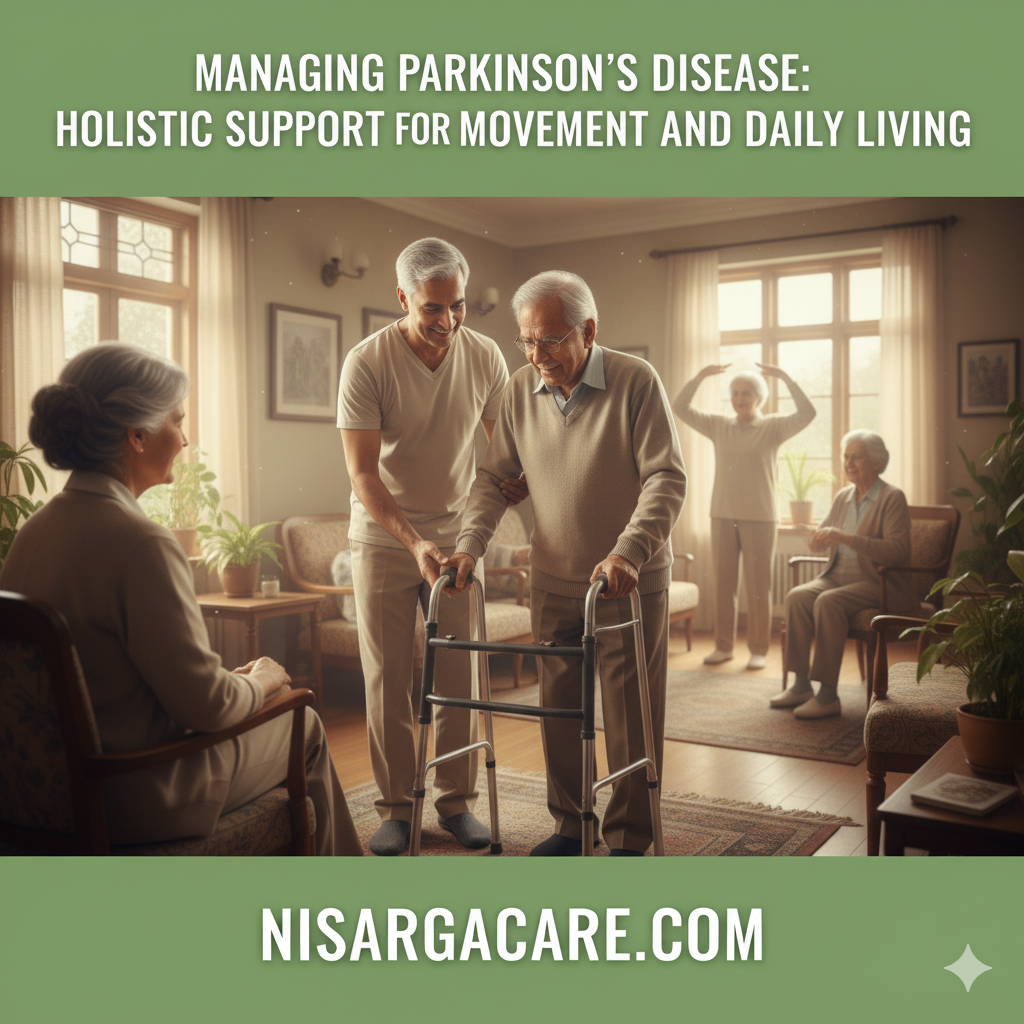
Managing Parkinson’s Disease: Holistic Support for Movement and Daily Living

Parkinson’s Disease is a progressive neurological condition that affects movement, coordination, and daily functioning. For seniors, it can gradually make simple tasks such as walking, eating, dressing, and writing challenging. Families often feel overwhelmed witnessing these changes, especially when symptoms like tremors, stiffness, slow movement, and balance issues begin to interfere with independence. This is why dedicated Parkinson’s care in India becomes essential—to provide structured medical support and compassionate assistance that helps seniors navigate daily life with dignity, comfort, and emotional safety.

In Karnataka, more families are seeking specialized care solutions to ensure seniors with Parkinson’s remain active, engaged, and secure at home. With the right combination of medical supervision, physical therapy, emotional support, and daily living assistance, seniors can maintain a high quality of life, even as the condition progresses.


Understanding Parkinson’s Disease in Seniors

Parkinson’s results from the gradual loss of dopamine-producing cells in the brain—a chemical responsible for smooth, coordinated movement. The symptoms worsen over time, making consistent care and monitoring crucial. Key symptoms include:

  • Tremors in hands, legs, or jaw

  • Slowness of movement (bradykinesia)

  • Muscle stiffness

  • Poor balance and frequent falls

  • Speech and swallowing difficulties

  • Sleep disturbances

  • Emotional changes like anxiety or depression

Because each senior experiences Parkinson’s differently, personalized elder care plays a major role in ensuring comfort and stable functioning at home.


The Importance of Holistic Parkinson’s Care

A holistic approach doesn’t focus only on physical symptoms—it addresses emotional wellness, mobility, nutrition, cognitive health, and overall independence. Seniors need more than medication; they need a supportive environment that helps them continue their routines, maintain social connection, and feel empowered.

Holistic Parkinson’s care includes:

  • Skilled nursing support

  • Physiotherapy and movement rehabilitation

  • Assistance with daily activities

  • Speech and swallowing therapy

  • Fall prevention and home safety planning

  • Emotional and mental wellbeing support

This integrated approach ensures seniors feel safe and capable, reducing the feeling of helplessness that often accompanies chronic conditions.


Key Components of Effective Parkinson’s Care

1. Skilled Nursing Support

A trained nurse plays a vital role in monitoring symptoms, tracking medication response, and ensuring seniors follow a consistent routine. Medication timing is extremely important for Parkinson’s—missing doses can worsen stiffness or tremors. Skilled nurses help with:

  • Medication administration

  • Vital monitoring

  • Identifying changes in symptoms

  • Managing constipation, blood pressure fluctuations, or sleep issues

  • Communicating with doctors about adjustments

This level of support reduces complications and promotes stable functioning.


2. Physiotherapy for Movement & Balance

Physiotherapy is one of the most important elements of managing Parkinson’s. Regular movement therapy helps seniors maintain flexibility, reduce stiffness, and prevent muscle weakening. Physiotherapists create customized exercise plans that improve:

  • Balance

  • Coordination

  • Walking pattern

  • Joint flexibility

  • Strength

  • Posture

Daily guided movement sessions also reduce fall risk and help seniors stay active longer.


3. Occupational Therapy for Daily Independence

Parkinson’s often affects daily living activities such as buttoning clothes, using utensils, bathing, writing, or even getting out of bed. Occupational therapy provides practical support that helps seniors complete tasks comfortably and safely.

Therapists teach techniques like:

  • Energy conservation

  • Hand strengthening exercises

  • Adaptive grips for utensils

  • Slow and safe movement planning

They also recommend assistive devices such as shower chairs, grab bars, anti-slip footwear, and customized seating to make daily routines easier.


4. Speech & Swallowing Therapy

Many seniors with Parkinson’s experience speech changes like soft voice, monotone speech, or slurred words. Speech therapists help improve communication through breathing exercises, voice strengthening, and articulation techniques.

They also assist with swallowing difficulties—important to prevent choking, coughing during meals, or malnutrition. Proper guidance ensures seniors eat safely and continue enjoying food without fear.


5. Emotional Wellbeing & Behavioral Support

Parkinson’s affects mood just as much as movement. Seniors may experience frustration, anxiety, irritability, or withdrawal due to their decreasing abilities. Compassionate caregivers help by:

  • Providing companionship

  • Encouraging social interaction

  • Engaging seniors in hobbies

  • Offering reassurance and emotional support

  • Creating a calm, structured daily routine

Emotional care not only boosts mood but also improves overall health and motivation.


Daily Living Support for Seniors with Parkinson’s

Seniors often need help with everyday activities, especially as symptoms progress. Professional caregivers support them with:

  • Bathing, grooming, and dressing

  • Meal preparation and feeding support

  • Mobility assistance

  • Walking and stability support

  • Toileting and hygiene

  • Sleep routines

  • Home safety modifications

This assistance helps seniors feel safe and less stressed, while families experience peace of mind knowing their loved one is cared for with patience and compassion.


Why Families in Karnataka Trust Nisarga Care for Parkinson’s Support

Families rely on Nimarga Care because we provide highly trained professionals who understand the complexities of Parkinson’s care in India. Our team supports seniors through:

  • Personalized care plans

  • Expert physiotherapy sessions

  • Skilled nursing management

  • Gentle emotional support

  • Assistance with movement and daily activities

  • Safety-first routines to reduce falls

With our holistic approach, seniors experience comfort, control, and dignity throughout their journey.


Conclusion

Parkinson’s Disease may be progressive, but with the right care, seniors can continue living meaningful, active, and emotionally fulfilling lives. Holistic support—covering physical stability, emotional wellbeing, daily assistance, and medical monitoring—helps them maintain independence and confidence. For families, this compassionate care at Nisarga Care brings relief, reassurance, and the security of knowing their loved one is supported every step of the way.

Posts pagination

WeCreativez WhatsApp Support
Our customer support team is here to answer your questions. Ask us anything!
👋 Hi, how can I help?