
News Nisarga care Bangalore

Preventing Diabetic Complications in Old Age | Mental rehabilitation Centre in Bangalore |

Diabetes is a common condition among seniors, and if not managed properly, it can lead to serious complications such as heart disease, kidney damage, vision problems, and neuropathy. Preventing these complications requires consistent monitoring, healthy lifestyle choices, and professional support. With proper care, seniors can maintain their independence, stay active, and enjoy a better quality of life. A specialized Diabetic treatment facility in Bangalore provides structured programs and guidance to help seniors manage their condition effectively.

Regular Blood Sugar Monitoring

Consistent monitoring is the cornerstone of diabetes management. Regular blood sugar checks help:

  • Identify high or low glucose levels early

  • Prevent dangerous episodes of hypoglycemia or hyperglycemia

  • Guide adjustments to diet, medications, and lifestyle

Professional caregivers ensure accurate readings and timely intervention to maintain stability.

Proper Medication Management

Many seniors struggle to adhere to their medication schedule, which can increase the risk of complications. Proper management includes:

  • Timely administration of insulin or oral medications

  • Education on proper usage

  • Coordination with healthcare providers for dosage adjustments

A professional Diabetic treatment facility in Bangalore ensures medication compliance and reduces health risks.

Balanced Diet and Nutrition

Nutrition is a key factor in preventing diabetic complications. Seniors should follow a diet that:

  • Emphasizes whole grains, fruits, and vegetables

  • Includes lean proteins and healthy fats

  • Limits refined sugar, processed foods, and excess salt

Dietary guidance from trained caregivers helps maintain blood sugar levels and overall health.

Physical Activity and Exercise

Regular physical activity helps regulate blood sugar, improve circulation, and maintain muscle strength. Seniors should engage in:

  • Light exercises like walking or stretching

  • Supervised routines to prevent falls

  • Activities that suit individual fitness levels

Professional guidance ensures exercises are safe and effective.

Regular Medical Checkups

Seniors should have routine screenings for:

  • Eye health to prevent diabetic retinopathy

  • Kidney function to detect early signs of nephropathy

  • Cardiovascular health to reduce heart risks

  • Foot care to prevent ulcers or infections

Early detection of issues allows for timely intervention and better outcomes.

Emotional and Psychological Support

Living with diabetes can be stressful, especially in old age. Emotional support improves adherence to treatment and lifestyle changes. Caregivers provide reassurance, motivation, and education, reducing anxiety and improving overall well-being.

Role of Specialized Diabetes Care

Professional care from a Diabetes management clinic in Bangalore ensures seniors receive comprehensive support. Trained caregivers provide monitoring, diet planning, exercise supervision, and early intervention for any complications, creating a holistic approach to diabetes care.


Conclusion: Why Nisarga Care Is the Best Choice

Preventing diabetic complications in old age requires consistent care, lifestyle management, and professional support. Nisarga Care is a trusted Diabetes care center in Karnataka, offering personalized programs, medical supervision, and holistic support for seniors. As a leading Diabetic treatment facility in Bangalore, Nisarga Care ensures that seniors maintain optimal health, prevent complications, and enjoy a higher quality of life.

Families seeking a reliable Diabetes rehabilitation center in Bangalore can depend on Nisarga Care for trained caregivers, expert guidance, and compassionate care. Recognized as the best diabetes care center in Bangalore, Nisarga Care provides professional diabetes care services in Karnataka that prioritize safety, health, and well-being for elderly patients.
News Nisarga care Bangalore

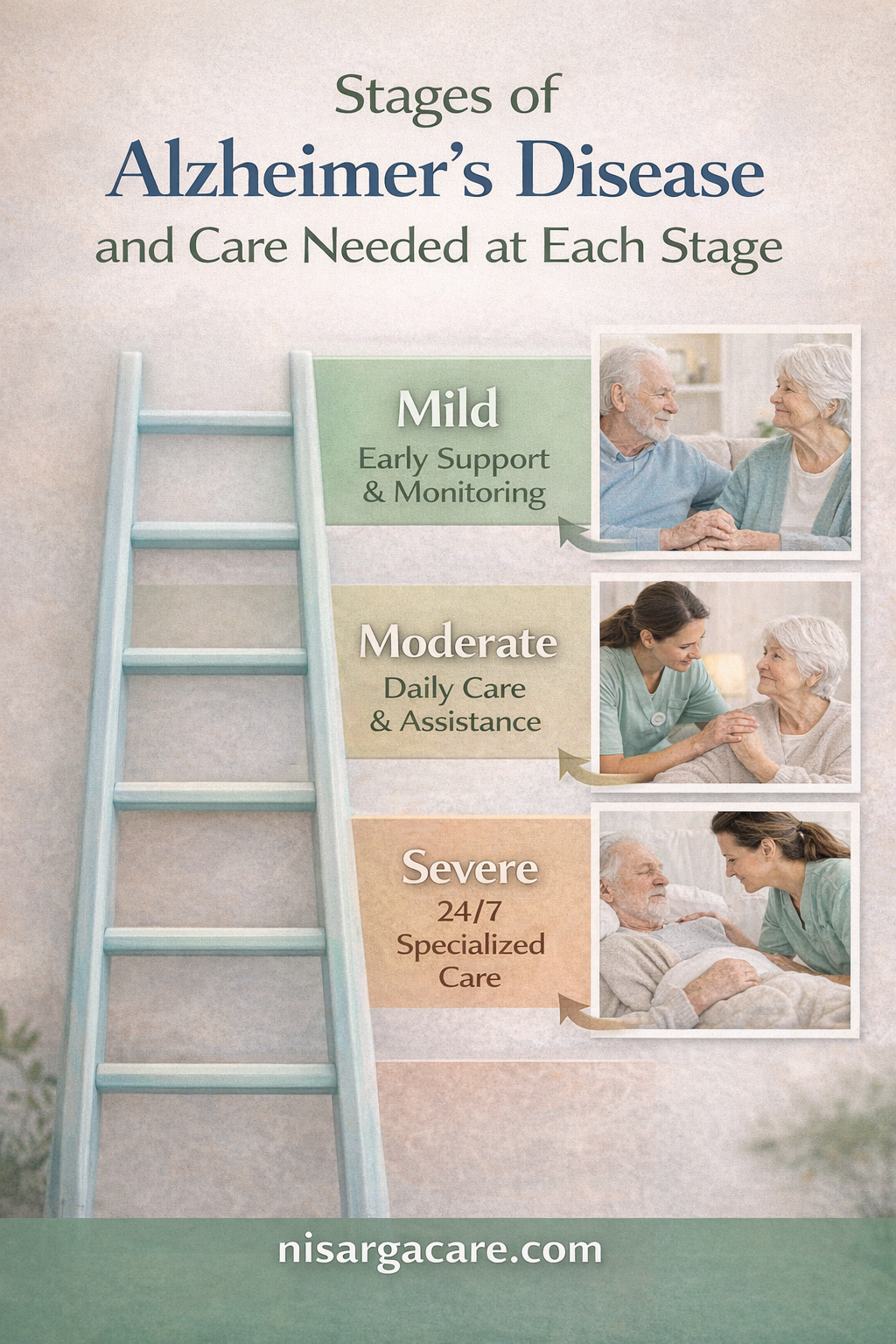
Stages of Alzheimer’s Disease and Care Needed at Each Stage

Alzheimer’s disease is a progressive condition that develops in stages. Each stage brings different challenges and requires a different level of care. Understanding these stages helps families prepare emotionally and practically, ensuring their loved ones receive the right support at the right time.

Early Stage (Mild Alzheimer’s)

In the early stage, symptoms are usually mild and often mistaken for normal aging. The person may forget recent conversations, misplace items, struggle with planning, or have trouble finding the right words. They are still mostly independent but may need gentle support.

Care needed at this stage includes:

  • Emotional reassurance and patience

  • Help with reminders and daily schedules

  • Encouragement to stay socially active

  • Cognitive stimulation through games and conversations

  • Regular medical check-ups

This stage is the best time to create a care plan and introduce structured routines.

Middle Stage (Moderate Alzheimer’s)

This is the longest and most challenging stage. Memory loss becomes more noticeable, and confusion increases. The person may forget personal details, get lost easily, struggle with daily activities, and show mood changes such as anger, anxiety, or depression.

Care needed at this stage includes:

  • Supervision for safety and wandering prevention

  • Assistance with bathing, dressing, and meals

  • Medication management

  • Structured daily routines

  • Emotional support and calming communication

  • Safe and organized living environment

Professional support becomes extremely valuable during this phase, as care demands increase significantly.

Late Stage (Severe Alzheimer’s)

In the final stage, individuals lose the ability to communicate clearly and require full-time care. They may not recognize family members and have difficulty walking, swallowing, and sitting upright. Physical health also declines.

Care needed at this stage includes:

  • 24/7 supervision and medical monitoring

  • Assistance with feeding and mobility

  • Pain management and comfort care

  • Emotional presence and gentle reassurance

  • Maintaining dignity and respect

At this point, professional dementia care is essential to ensure safety, comfort, and quality of life.

Importance of Professional Care at Every Stage

Alzheimer’s care requires specialized knowledge, patience, and consistency. As the disease progresses, families often struggle to manage increasing physical and emotional demands. Professional dementia care centers provide trained caregivers, medical supervision, and structured environments designed specifically for each stage of the condition.

Early professional involvement improves long-term outcomes and reduces stress on families.


Conclusion: Why Nisarga Care Is the Right Support at Every Stage

From the early signs to advanced stages of Alzheimer’s, choosing the right care partner makes a meaningful difference. Nisarga Care is a trusted Dementia care center in Karnataka, offering personalized support that evolves with each stage of the disease. As a reliable Memory care facility in Bangalore, Nisarga Care focuses on safety, emotional well-being, and cognitive stimulation in a compassionate environment.

Families seeking a dependable Dementia rehabilitation center in Bangalore can rely on Nisarga Care for its experienced caregivers, medical supervision, and holistic care programs. It is a specialized dementia rehab center in Karnataka where every stage of Alzheimer’s is managed with dignity, respect, and professional excellence.

News Nisarga care Bangalore

Managing Behavioral Changes in Dementia Patients

Behavioral changes are one of the most challenging aspects of dementia care. As the disease affects the brain, patients may show sudden mood swings, aggression, confusion, anxiety, or withdrawal. These behaviors are not intentional. They are the result of cognitive decline, frustration, fear, and difficulty expressing needs. Understanding and managing these changes with empathy is essential for improving the patient’s quality of life and reducing stress for caregivers.

Families often feel overwhelmed when their loved one behaves differently than before. However, with the right approach and professional guidance, behavioral changes can be handled in a calm and effective way.

One of the most common behavioral changes is agitation. Dementia patients may become restless, irritated, or angry without an obvious reason. This can happen due to physical discomfort, hunger, fatigue, or confusion. Instead of correcting or arguing with them, caregivers should respond with reassurance and a calm tone. Gentle communication helps the patient feel safe and understood.

Another frequent behavior is aggression, which may appear as shouting, pushing, or resistance to care. Aggression often comes from fear or frustration. The patient may not understand what is happening or may feel threatened. Giving them personal space, maintaining eye contact, and explaining actions slowly can reduce fear and build trust.

Wandering is also common in dementia patients. They may try to leave the house or walk aimlessly due to confusion or the belief that they need to go somewhere. This behavior is dangerous and requires careful supervision. Installing safety locks, alarms, and providing a secure environment can prevent accidents. Structured daily routines and physical activities also reduce restlessness.

Anxiety and depression are emotional changes that frequently affect dementia patients. They may feel lost, helpless, or scared, especially in unfamiliar environments. Offering emotional reassurance, spending quality time, and keeping familiar objects around them can bring comfort. Music, photos, and familiar smells often create a sense of security and calm.

Repetitive behaviors such as asking the same question repeatedly or performing the same action over and over are also common. Instead of showing frustration, caregivers should answer patiently or gently redirect the patient’s attention. These behaviors provide comfort to the patient and help them feel in control.

Sleep disturbances are another major concern. Dementia patients may sleep during the day and stay awake at night. This disrupts their routine and increases caregiver exhaustion. Maintaining regular sleep schedules, avoiding caffeine, and encouraging physical activity during the day can improve sleep patterns.

Communication difficulties can make behavioral issues worse. As dementia progresses, patients struggle to express their needs clearly. They may become frustrated when not understood. Using simple words, short sentences, and visual cues helps improve communication. Non-verbal communication like smiling, gentle touch, and eye contact also reassures them.

Creating a structured daily routine is one of the most effective ways to manage behavioral changes. Predictable schedules reduce confusion and anxiety. Regular meal times, activity hours, rest periods, and bedtime routines give patients a sense of stability and comfort.

Caregivers must also take care of their own emotional health. Managing behavioral changes daily is exhausting. Stress and burnout reduce the ability to provide compassionate care. Seeking professional help, respite care, or support groups helps families cope better.

Professional dementia care centers are specially equipped to handle behavioral challenges. Trained caregivers understand how to respond to difficult behaviors without judgment. They use therapeutic techniques, medical monitoring, and emotional support to create a calm environment. This level of care is often difficult to achieve at home.

Behavioral changes are not a sign that the patient is becoming difficult. They are a form of communication. When families learn to see behavior as a message, care becomes more compassionate and effective.

Conclusion: Why Nisarga Care Is the Best Support System

Managing behavioral changes in dementia requires experience, patience, and professional understanding. Nisarga Care stands as a trusted Dementia care center in Karnataka, offering expert support to seniors facing cognitive and behavioral challenges. As a leading Memory care facility in Bangalore, Nisarga Care provides structured routines, emotional therapy, and personalized care plans that help manage agitation, aggression, anxiety, and confusion effectively.

For families looking for a reliable Dementia rehabilitation center in Bangalore, Nisarga Care offers trained caregivers, medical supervision, and a calm environment designed to support both patients and families. It is truly a specialized dementia rehab center in Karnataka where dignity, compassion, and professional care come together to improve the lives of people living with dementia.

News Nisarga care Bangalore

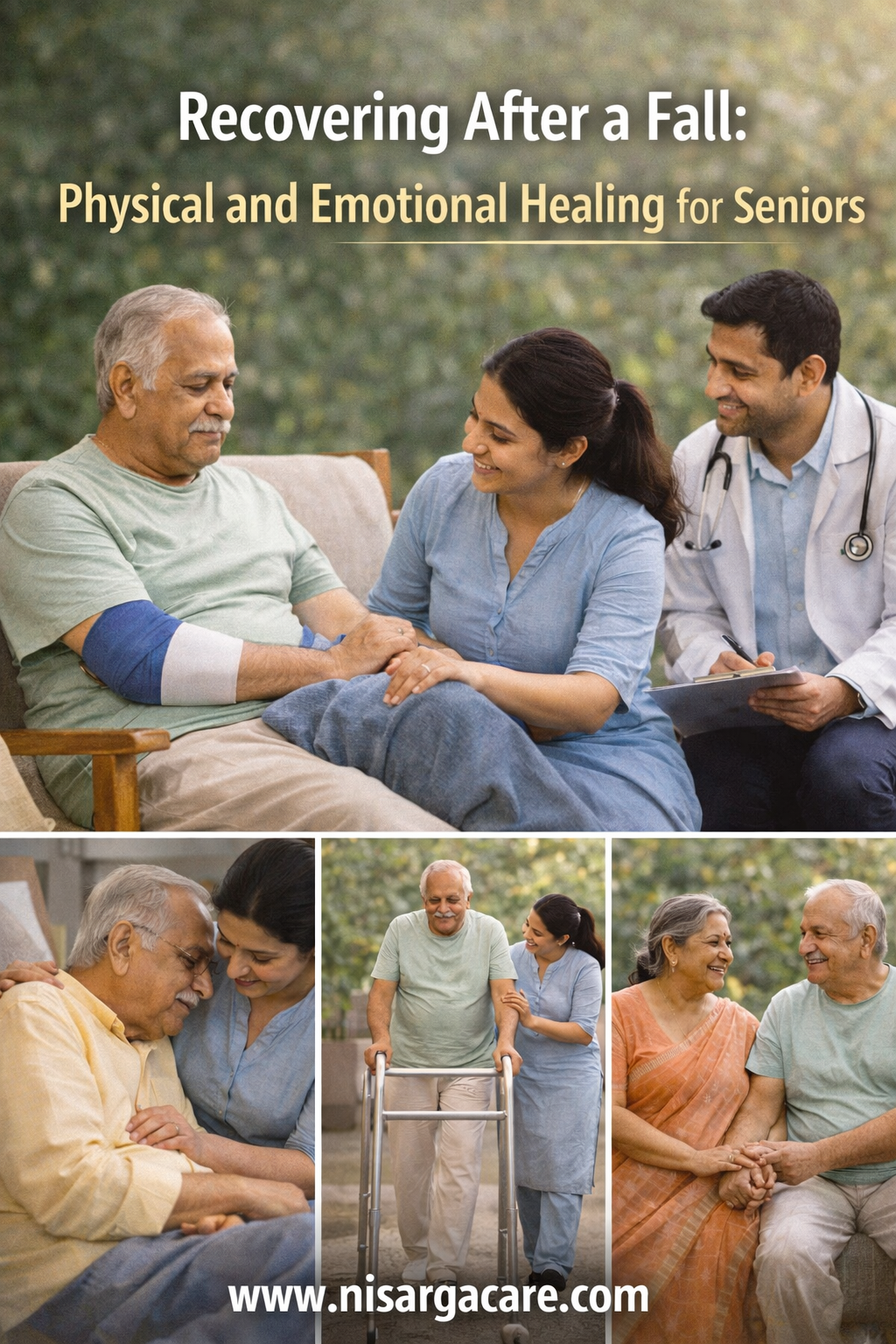
Recovering After a Fall: Physical and Emotional Healing for Seniors | Nisarga Care

Falls are one of the most common and serious health concerns among seniors. Beyond physical injuries, a fall can deeply affect an older adult’s confidence, independence, and emotional well-being. Even a minor fall may create fear of moving, leading to reduced activity and slower recovery.

A holistic recovery approach that addresses both physical healing and emotional reassurance is essential for seniors to regain strength, confidence, and quality of life after a fall.


Physical Impact of Falls on Seniors

Falls can result in:

  • Fractures or joint injuries

  • Muscle weakness and reduced mobility

  • Balance and coordination issues

  • Prolonged bed rest leading to stiffness

Recovery often requires structured care and consistent rehabilitation to prevent long-term complications.


Emotional Effects of a Fall

The emotional consequences of a fall are often overlooked. Seniors may experience:

  • Fear of falling again

  • Anxiety or loss of confidence

  • Depression or social withdrawal

  • Increased dependence on others

These emotional challenges can delay physical recovery if not properly addressed.


Physical Healing Strategies After a Fall

1. Medical Assessment and Monitoring

Prompt medical evaluation ensures injuries are properly diagnosed and treated. Ongoing monitoring helps identify complications early.


2. Physiotherapy and Strength Rehabilitation

Physiotherapy focuses on:

  • Rebuilding muscle strength

  • Improving balance and coordination

  • Restoring safe movement patterns

Gradual, supervised exercises help seniors regain mobility safely.


3. Pain and Discomfort Management

Non-invasive pain management methods—such as heat therapy, positioning support, and gentle movement—reduce discomfort without overmedication.


4. Use of Assistive Devices

Walkers, canes, or orthopedic supports improve stability and confidence during recovery. Proper training ensures safe use.


Emotional Healing and Confidence Building

1. Rebuilding Trust in Movement

Fear of falling again is common. Supportive care and supervised mobility help seniors feel safe while regaining confidence.


2. Emotional Support and Encouragement

Compassionate caregivers provide reassurance, motivation, and emotional stability, helping seniors cope with anxiety and frustration.


3. Maintaining Social Connection

Staying socially engaged reduces isolation and supports emotional resilience during recovery.


Preventing Future Falls

Fall recovery also involves prevention. Key strategies include:

  • Home safety modifications

  • Balance and strength exercises

  • Vision and medication reviews

  • Proper footwear and mobility aids

Prevention empowers seniors to move confidently without fear.


Role of Caregivers and Family

Caregivers and family members play a vital role in recovery by:

  • Encouraging independence while ensuring safety

  • Providing emotional reassurance

  • Supporting rehabilitation routines

Positive reinforcement significantly improves outcomes.


How Nisarga Care Supports Fall Recovery

Nisarga Care offers comprehensive fall recovery support through:

  • Trained caregivers and rehabilitation assistance

  • Personalized mobility and safety plans

  • Senior-friendly environments

  • Emotional and psychological care

Our approach focuses on healing the body, restoring confidence, and preventing future falls.


Conclusion

Recovering after a fall involves more than physical healing—it requires emotional strength, reassurance, and compassionate support. With the right care, seniors can regain mobility, confidence, and independence, allowing them to return to active, fulfilling lives.

News Nisarga care Bangalore

Managing Chronic Pain in Seniors Without Overmedication || Nisarga Care

Chronic pain is one of the most common challenges faced by seniors. Conditions such as arthritis, osteoporosis, nerve damage, post-surgical pain, and age-related joint degeneration can significantly affect daily life. While medications often play a role in pain management, overmedication can lead to serious side effects, including dizziness, dependency, digestive issues, confusion, and increased risk of falls.

At Nisarga Care, we believe in a balanced, holistic approach to managing chronic pain in seniors—one that focuses on comfort, safety, and long-term well-being without excessive reliance on drugs.


Understanding Chronic Pain in the Elderly

Chronic pain is defined as pain that lasts for more than three months. In seniors, it may:

  • Reduce mobility and independence

  • Affect sleep quality and mood

  • Lead to anxiety, depression, or social withdrawal

  • Lower overall quality of life

Managing this pain effectively requires individualized care, patience, and a combination of medical and non-medical strategies.


Why Overmedication Can Be Risky for Seniors

As the body ages, it processes medications more slowly. This makes seniors more vulnerable to:

  • Drug interactions

  • Drowsiness and confusion

  • Kidney and liver strain

  • Dependence on painkillers

Rather than masking pain temporarily, a thoughtful approach aims to address the root cause and improve daily functioning.


Non-Medication Approaches to Managing Chronic Pain

1. Physiotherapy and Gentle Movement

Regular, supervised movement helps reduce stiffness and improves joint flexibility. Physiotherapy can:

  • Strengthen muscles

  • Improve posture and balance

  • Reduce pain naturally over time

Low-impact activities such as walking, stretching, yoga, or water therapy are especially beneficial for seniors.


2. Heat and Cold Therapy

Simple therapies can provide significant relief:

  • Heat therapy relaxes tight muscles and improves circulation

  • Cold therapy reduces inflammation and numbs pain

These methods are safe, affordable, and easy to include in daily routines.


3. Mind-Body Techniques

Pain is not just physical—it is also emotional and psychological. Techniques like:

  • Meditation and deep breathing

  • Guided relaxation

  • Mindfulness practices

help reduce pain perception, stress, and anxiety, improving overall comfort.


4. Proper Nutrition and Hydration

Inflammation can worsen chronic pain. A balanced diet rich in:

  • Omega-3 fatty acids

  • Fresh fruits and vegetables

  • Whole grains

supports joint health and reduces inflammation. Adequate hydration also helps maintain muscle and tissue health.


5. Massage and Manual Therapy

Gentle massage can:

  • Improve blood circulation

  • Reduce muscle tension

  • Promote relaxation

When done by trained professionals, it can be a powerful tool for pain relief in seniors.


6. Assistive Devices and Environmental Support

Using walkers, orthopedic cushions, supportive footwear, or adjustable beds reduces physical strain and prevents pain flare-ups. A senior-friendly living environment plays a crucial role in long-term pain management.


The Role of Emotional Support and Companionship

Chronic pain often leads to loneliness and frustration. Emotional support from caregivers, family members, and care professionals helps seniors:

  • Cope better with discomfort

  • Stay socially engaged

  • Maintain a positive outlook

At Nisarga Care, we emphasize compassionate caregiving that addresses both physical and emotional needs.


When Medication Is Needed

Medications should be:

  • Used in the lowest effective dose

  • Regularly reviewed by healthcare professionals

  • Combined with non-drug therapies

This ensures safety while still providing relief when necessary.


A Holistic, Senior-Centered Approach

Managing chronic pain without overmedication is not about eliminating medicines completely—it’s about using them wisely while empowering seniors through movement, nutrition, emotional care, and lifestyle support.

With the right balance, seniors can experience improved comfort, dignity, and independence.


How Nisarga Care Supports Seniors with Chronic Pain

Nisarga Care provides personalized pain management plans that include:

  • Trained caregivers and physiotherapy support

  • Emotional and mental well-being focus

  • Safe, senior-friendly living environments

  • Holistic wellness practices

Our goal is to help seniors live pain-managed, meaningful lives with minimal reliance on medication.

Bangalore rehabilitation centers | rehab assisted living facilities in Bangalore News Nisarga care Bangalore

Early Signs Seniors Need Professional Care: A Family Guide

As parents and elders age, subtle changes in their health, behavior, or daily routines can signal the need for professional care. Families often hesitate to intervene, thinking minor issues will resolve naturally. However, early detection and timely support can prevent complications, enhance quality of life, and provide peace of mind for both seniors and their families.

1. Changes in Physical Health

Declining physical health is often the first indicator that professional care may be needed. Look for:

  • Unexplained weight loss or gain

  • Difficulty walking, frequent falls, or decreased mobility

  • Persistent fatigue or weakness

  • Worsening chronic conditions, such as diabetes, heart disease, or arthritis

Prompt evaluation by healthcare professionals can prevent minor issues from escalating into serious complications.

2. Cognitive and Memory Concerns

Cognitive decline is another warning sign. Families should monitor for:

  • Increased forgetfulness or confusion

  • Difficulty managing finances or medications

  • Repeating questions or conversations

  • Getting lost in familiar places

Early intervention from doctors, therapists, or specialized caregivers can slow progression and provide necessary support.

3. Emotional and Behavioral Changes

Seniors may experience emotional shifts due to isolation, loss, or medical conditions. Signs include:

  • Withdrawal from social activities or hobbies

  • Irritability, anxiety, or sudden mood swings

  • Signs of depression or hopelessness

Professional care, counseling, and emotional support can restore confidence, prevent loneliness, and improve mental well-being.

4. Challenges with Daily Activities

Difficulty performing routine tasks often indicates the need for assistance:

  • Trouble dressing, bathing, or grooming

  • Difficulty cooking, cleaning, or managing household chores

  • Missing medications or appointments

Occupational therapy, home care, or assisted living options can help seniors maintain independence safely.

5. Safety Concerns at Home

Safety risks are a major indicator for professional care. Look for:

  • Increased accidents, burns, or falls

  • Poor hygiene or neglect of personal care

  • Leaving appliances on, forgetting doors locked, or wandering

A professional caregiver can monitor seniors, reduce risks, and adapt the home environment to ensure safety.

Taking the Next Step

If any of these signs appear, families should initiate a discussion with the senior, evaluate care options, and consult healthcare professionals. Early planning allows seniors to remain involved in decisions, preserving dignity while ensuring they receive the necessary support.


Conclusion

Recognizing early signs that seniors need professional care is vital for prevention, safety, and emotional well-being. By observing physical, cognitive, emotional, and daily living changes, families can take timely action. Early intervention ensures seniors receive personalized care, maintain independence, and enjoy their later years with confidence, dignity, and peace of mind.

Bangalore rehabilitation centers | rehab assisted living facilities in Bangalore News Nisarga care Bangalore

Post-Hospitalization Care: Reducing Readmission Risks for Elders

Hospitalization can be physically and emotionally draining for seniors. Even after discharge, the recovery journey continues at home or in care facilities. Without proper post-hospitalization care, elders are at higher risk of complications, infections, or readmission. Families play a crucial role in supporting recovery, ensuring adherence to medical guidance, and promoting overall well-being.

Understanding the Risks

Seniors often face weakened immunity, chronic conditions, and reduced mobility after hospitalization. These factors make them more vulnerable to infections, medication errors, or accidental falls. Readmissions are common when recovery plans are unclear, follow-up appointments are missed, or the home environment is not adapted to the elder’s needs.

Medication Management

Proper medication management is vital. Elders often leave the hospital with multiple prescriptions. Families should:

  • Maintain a clear medication schedule

  • Use pill organizers or alarms to avoid missed doses

  • Monitor for side effects or adverse reactions

  • Consult healthcare providers promptly for any issues

Accurate adherence reduces complications and prevents unnecessary readmissions.

Follow-Up Appointments and Monitoring

Regular follow-ups with doctors, physiotherapists, or specialists help track recovery progress. Early detection of complications—such as infections, blood pressure changes, or mobility challenges—enables timely intervention. Monitoring vital signs, nutrition intake, and activity levels at home can further support recovery.

Rehabilitation and Physiotherapy

Post-hospitalization rehabilitation accelerates recovery and restores independence. Physiotherapy helps rebuild strength, improve balance, and prevent falls, especially after surgeries, strokes, or prolonged bed rest. Incorporating exercises and mobility routines as recommended by therapists significantly reduces complications and promotes confidence in daily activities.

Home Safety and Environment Adaptation

A safe environment is essential to prevent accidents. Families should:

  • Remove tripping hazards and install grab bars in bathrooms

  • Ensure proper lighting in hallways and rooms

  • Provide supportive furniture and mobility aids

These measures protect elders and minimize injury risks, supporting smoother recovery.

Nutrition and Hydration

A balanced diet rich in protein, vitamins, and minerals supports healing. Proper hydration aids digestion, circulation, and overall energy levels. Including light, easily digestible meals, along with dietary guidance from healthcare professionals, ensures elders regain strength faster.

Emotional Support and Family Involvement

Hospitalization can be stressful and isolating. Emotional support from family members, encouragement during therapy, and regular communication reduce anxiety and depression. Seniors who feel cared for are more motivated to adhere to recovery plans, follow medical advice, and regain independence.


Conclusion

Post-hospitalization care is a crucial step in reducing readmission risks for elders. By focusing on medication management, follow-up care, rehabilitation, home safety, nutrition, and emotional support, families can ensure seniors recover safely, confidently, and with dignity. Thoughtful, attentive care transforms the recovery journey into a path of healing, independence, and long-term health.

News

How Rehabilitation Restores Confidence After Long-Term Illness

Long-term illness can deeply affect a person’s physical abilities, emotional strength, and self-confidence. Extended hospital stays, chronic conditions, or prolonged recovery periods often leave individuals—especially seniors—feeling dependent, uncertain, and disconnected from their previous sense of self. Rehabilitation plays a critical role not only in physical healing but also in rebuilding confidence, dignity, and independence after long-term illness.

Impact of Long-Term Illness on Confidence

When someone experiences a long illness, daily routines are disrupted. Tasks that were once simple—walking, bathing, eating independently, or even speaking—may become challenging. This loss of control can lead to frustration, anxiety, low self-esteem, and fear of the future. Many patients begin to doubt their abilities and hesitate to re-engage with everyday life, even after their medical condition stabilizes.

Rehabilitation addresses these emotional challenges alongside physical recovery, helping individuals rediscover trust in their bodies and minds.

Gradual Physical Recovery Builds Self-Belief

One of the strongest confidence boosters during rehabilitation is visible progress. Physiotherapy, occupational therapy, and guided exercises are designed to restore strength, balance, and coordination step by step. Each small achievement—standing without support, walking a few steps, or performing daily activities independently—reinforces a sense of capability.

As patients see improvement over time, fear of movement reduces and confidence naturally grows. Structured rehabilitation replaces uncertainty with measurable progress.

Emotional Support and Encouragement

Rehabilitation professionals understand that healing is not just physical. Therapists, nurses, and caregivers provide consistent encouragement, reassurance, and emotional support. Being guided by trained professionals who acknowledge effort—not just outcomes—helps patients feel valued and understood.

Positive reinforcement during therapy sessions motivates individuals to stay engaged, overcome setbacks, and maintain hope during slow recovery phases.

Restoring Independence and Daily Function

Occupational therapy plays a key role in rebuilding confidence by helping patients relearn everyday activities such as dressing, cooking, writing, or personal hygiene. Regaining control over daily life restores a sense of normalcy and self-respect.

As dependence on others decreases, individuals feel more confident participating in family life, social interactions, and personal decision-making.

Safe and Structured Environment

A supportive rehabilitation environment offers safety without pressure. Patients are encouraged to try, fail, and try again without judgment. Knowing that help is immediately available reduces fear and builds courage to attempt movements or tasks that once felt impossible.

This sense of safety allows patients to push boundaries gradually and rebuild trust in their abilities.

Family Involvement Strengthens Confidence

Family encouragement significantly influences confidence restoration. When loved ones actively participate in the rehabilitation journey—celebrating milestones, offering emotional reassurance, and respecting independence—it reinforces the patient’s belief in recovery. Feeling supported yet empowered creates emotional stability and motivation.


Conclusion

Rehabilitation is a journey of rediscovering strength, confidence, and purpose after long-term illness. By combining physical therapy, emotional support, independence training, and compassionate care, rehabilitation helps individuals rebuild not just their bodies but also their self-belief. With patience, guidance, and the right environment, recovery becomes a path toward renewed confidence, dignity, and a more independent life.

Bangalore rehabilitation centers | rehab assisted living facilities in Bangalore Nisarga care Bangalore

Stroke Recovery: Steps Toward Independence | Nisarga Care

A stroke changes life instantly — for the senior who experiences it and the family who supports them. Recovery is often slow, emotional, and filled with uncertainty. But with early intervention, structured rehabilitation, and compassionate stroke care, seniors can relearn essential skills, regain mobility, and gradually reclaim independence. For Indian families, understanding how recovery works can make the journey smoother and far more successful.

This guide highlights the key stages of stroke rehabilitation, the role of physiotherapy for elders, emotional and cognitive support, and how personalized care improves outcomes.


Why Stroke Rehabilitation Is Crucial

A stroke affects the brain’s ability to control movement, speech, memory, and daily functions. Rehabilitation helps rewire these pathways through consistent and guided practice.

Essential reasons why stroke rehab matters:

  • Restores mobility and muscle strength

  • Reduces stiffness and contractures

  • Prevents bedsores and infections

  • Improves speech and swallowing

  • Supports emotional healing

  • Builds confidence and independence

Without structured rehabilitation, seniors face long-term complications including immobility, depression, and dependency.


The First Step: Early Intervention

Doctors often recommend starting rehabilitation as early as 24–48 hours after stabilization. Early movement improves blood circulation, prevents muscle wasting, and primes the brain for recovery.

Common early-stage interventions include:

  • Passive stretching

  • Gentle limb movements

  • Breathing exercises

  • Assisted sitting and balance training

This stage sets the foundation for progress.


Key Components of Stroke Recovery

1. Physiotherapy for Mobility and Strength

This is the core of stroke rehabilitation. Physiotherapy helps rebuild muscle coordination, balance, and overall mobility.

Physiotherapists use:

  • Gait training

  • Balance exercises

  • Strength-building routines

  • Range-of-motion activities

  • Walking aids (walker, stick, wheelchair transitions)

Consistent practice improves independence significantly.


2. Occupational Therapy for Daily Activities

After a stroke, everyday tasks — grooming, dressing, eating, bathing — become difficult. Occupational therapists help seniors relearn these skills safely.

Support includes:

  • Hand coordination exercises

  • Fine motor skill training

  • Teaching safe movement techniques

  • Adaptive tools (grip aids, seated supports)

This helps seniors return to familiar routines with confidence.


3. Speech and Swallowing Therapy

Strokes often affect communication and swallowing abilities.

Speech therapy assists with:

  • Clearer speech

  • Language comprehension

  • Memory and cognitive exercises

  • Safer swallowing techniques

This reduces choking risks and improves overall communication.


4. Psychological & Emotional Support

Recovery is not just physical. Many seniors feel frustrated, scared, or depressed after a stroke. Emotional stability is key to regaining independence.

Counsellors and caregivers help with:

  • Motivation and encouragement

  • Managing anxiety or sadness

  • Building mental resilience

This support can significantly improve participation in therapy.


5. Nutrition and Hydration

Many seniors struggle with appetite or swallowing post-stroke. A personalized diet can prevent complications and improve energy levels.

Nutritious foods recommended include:

  • Soft dals

  • Khichdi

  • Light soups

  • Fresh fruits

  • Curd-based meals

  • Protein-rich foods (paneer, eggs, lentils)

Hydration is equally important, especially during physiotherapy.


Stages of Stroke Recovery

1. Acute Stage (First Few Days)

Stabilization, early movement, preventing complications.

2. Sub-Acute Stage (Weeks 1–12)

Most rapid recovery happens here. Focus on mobility, speech, and daily tasks.

3. Long-Term Stage (Months 3–12+)

Progress becomes steady and meaningful. Seniors continue strengthening and regaining independence.

Stroke recovery can continue for years — there is no strict timeline. Every improvement matters.


Family’s Role in Stroke Rehabilitation

Families play a powerful role in recovery. Your support can build hope, reduce stress, and encourage daily progress.

You can assist by:

  • Maintaining consistency with physiotherapy

  • Promoting safe movement at home

  • Offering emotional reassurance

  • Creating a calm, safe environment

  • Tracking medicines and doctor reviews

  • Helping with memory and speech exercises

Patience and positivity from family members greatly speed up recovery.


Creating a Safe Home for Stroke Survivors

Safety is essential to prevent falls or re-injury.
Consider these changes:

  • Install grab bars in bathroom

  • Remove loose rugs

  • Add anti-slip mats

  • Keep pathways clear

  • Ensure proper lighting

  • Arrange a comfortable bed height

  • Provide supportive seating

A safe space encourages movement and independence.


Why Personalized Care Plans Matter

No two stroke survivors recover the same way. Age, severity, medical conditions, and mobility levels vary widely. This is why personalized elder care plans make a significant difference.

A customized recovery plan includes:

  • Tailored physiotherapy routines

  • Condition-specific diet

  • Daily mobility goals

  • Speech therapy schedules

  • Emotional and cognitive support

  • Doctor-supervised monitoring

This approach ensures the best possible recovery with minimal complications.


How Professional Stroke Care Centres Support Recovery

While home care is valuable, professional rehabilitation centres offer structured programs and expert supervision.

Benefits include:

  • 24×7 nursing support

  • Regular physiotherapy

  • Speech and occupational therapy

  • Emergency support

  • Progress tracking

  • Safer environment for mobility training

  • Doctor-guided recovery plans

  • Social engagement for emotional well-being

This combination greatly increases the chances of long-term independence.


Nisarga Care: Trusted Stroke Rehabilitation for Seniors in Karnataka

Stroke recovery demands expertise, patience, and consistent care. At Nisarga Care, seniors receive specialized rehabilitation programs designed to restore mobility, confidence, and independence. With professional physiotherapists, trained caregivers, skilled nurses, and doctor supervision, every senior receives individualized support tailored to their condition and pace.

If your loved one needs compassionate, effective, and medically guided post-stroke rehabilitation, Nisarga Care is here to help them rebuild strength, regain independence, and move confidently toward a brighter future.

Nisarga care Bangalore

Nutrition and Meal Planning for Seniors: What Every Indian Family Should Know

Aging changes the body in many ways — reduced metabolism, slower digestion, weaker immunity, and lowered appetite. This is why thoughtful and balanced nutrition plays a crucial role in keeping seniors physically strong, mentally active, and emotionally stable. For Indian families caring for elders at home or in a senior care centre, understanding the principles of healthy eating can make a significant difference in long-term health outcomes.

In this guide, we explore essential nutrition needs, ideal foods, common deficiencies, and practical meal-planning tips tailored specifically for aging individuals. Whether you are a caregiver, a family member, or part of a care team, this is everything you should know about nourishing seniors with care and intention.


Why Senior Nutrition Matters

Proper nutrition is not just about avoiding hunger — it is about maintaining vitality, preventing disease, and enhancing quality of life. As the body ages, it needs more targeted nourishment to:

  • Strengthen immunity

  • Improve muscle and bone health

  • Maintain stable energy levels

  • Support faster recovery from illness

  • Prevent cognitive decline

  • Promote emotional well-being

Indian elders are especially vulnerable to nutritional challenges because of digestive issues, loss of appetite, lack of protein intake, and long-standing dietary habits that may not meet current health needs. With careful planning, many of these issues can be corrected early.


Essential Nutrients for Elderly Health

1. Protein – The Foundation of Strength

Protein is vital for maintaining muscle mass and avoiding weakness or frailty. Seniors often consume far less protein than they require.

Best Indian protein sources include:

  • Dal, rajma, chole

  • Paneer, curd, buttermilk

  • Eggs

  • Fish & chicken (for non-vegetarians)

  • Sprouts, soy, tofu

Aim for at least 1–1.2 grams of protein per kg of body weight daily.


2. Fiber – For Smooth Digestion

Constipation is one of the most common issues among elders. Fiber keeps digestion smooth and prevents bloating.

Foods rich in fiber:

  • Whole grains (millets, brown rice, atta rotis)

  • Fruits like papaya, banana, apples

  • Vegetables like lauki, carrots, beans

  • Flax seeds and chia seeds


3. Calcium & Vitamin D – For Strong Bones

Osteoporosis and bone weakness affect mobility and independence.

Sources include:

  • Milk and dairy

  • Ragi

  • Almonds

  • Sunlight exposure

  • Vitamin D supplements (if prescribed)


4. Healthy Fats – For Brain and Heart Health

Good fats support memory, focus, and stable energy levels.

Include:

  • Ghee in moderation

  • Groundnut oil, mustard oil, olive oil

  • Nuts and seeds

  • Avocado (optional)


5. Vitamins & Minerals

Key vitamins for seniors:

  • Vitamin B12: Found in dairy, eggs; often requires supplements

  • Iron: Spinach, beetroot, dates, jaggery

  • Potassium & Magnesium: Banana, dal, coconut water

A balanced diet ensures fewer deficiencies and better overall wellness.


Indian Foods That Support Senior Health

Indian cuisine can be extremely senior-friendly when prepared correctly. Here are nutritious options suited for elders:

  • Soft khichdi with vegetables

  • Moong dal soup

  • Dalia or upma

  • Steamed idlis

  • Fresh fruit bowls

  • Vegetable stew

  • Curd rice

  • Oats with milk and nuts

  • Ragi porridge

  • Homemade paneer bhurji

  • Sabudana khichdi (light and easily digestible)

Avoid overly spicy, oily, or deep-fried foods, which can cause digestion issues.


Common Nutritional Deficiencies in Indian Seniors

Families often overlook silent deficiencies, which later lead to severe health complications.

The most common deficiencies include:

  • Vitamin B12

  • Vitamin D

  • Iron

  • Protein

  • Calcium

  • Omega-3 fatty acids

Regular checkups and a structured diet can prevent most of these issues.


Practical Meal Planning Tips for Families

1. Prefer smaller, frequent meals

Seniors often struggle with large portions. Offering 5–6 small meals improves digestion and steady energy.

2. Ensure hydration

Encourage:

  • Warm water

  • Herbal teas

  • Coconut water

  • Soups

Dehydration is extremely common in elders.

3. Customize meals based on medical conditions

For example:

  • Diabetes → low sugar, low GI foods

  • Blood pressure → low salt meals

  • Kidney issues → controlled protein

A personalized meal plan is crucial.

4. Reduce salt, sugar, and white flour

These increase inflammation and weaken immunity.

5. Include easy-to-chew options

As chewing becomes harder, soft, flexible textures help ensure sufficient intake.

6. Avoid reheated or stale food

Fresh meals reduce acidity and bacterial risk.


Role of Caregivers in Senior Nutrition

Caregivers and family members play a major role in maintaining consistent, balanced diets. Responsibilities include:

  • Monitoring appetite

  • Tracking nutrition and hydration

  • Identifying changes in preferences

  • Encouraging healthy snacking

  • Ensuring meals match medical needs

  • Preparing food safely and hygienically

Strong nutritional support can make aging significantly smoother and healthier.


When Professional Help Makes a Difference

When families struggle with meal planning, specialized elder-care centres offer structured nutrition programs developed by dietitians and medical teams. These ensure that seniors receive:

  • Balanced meals

  • Condition-specific diet plans

  • Regular monitoring

  • Safe food preparation

  • Hydration tracking

This is especially beneficial for seniors with dementia, stroke recovery needs, chronic illnesses, or mobility limitations.


Nisarga Care: Your Partner in Healthy Senior Living

At the end of the day, personalized nutrition is one of the strongest foundations of elder well-being. At Nisarga Care, seniors receive professionally designed meal plans, compassionate support, medical supervision, and customized diets that match their health conditions and personal preferences. This ensures that every elder can eat well, stay strong, and live with dignity.

If you want the best nutritional and holistic care for your aging loved ones, Nisarga Care is here to support you every step of the way.

Posts pagination

WeCreativez WhatsApp Support
Our customer support team is here to answer your questions. Ask us anything!
👋 Hi, how can I help?