
News

old age homes near me | How Professional Dementia Care Improves Quality of Life for Seniors | old age home near me |

Dementia affects more than just memory. It influences how a person thinks, behaves, communicates, and interacts with the world around them and call the need for Dementia care center in Karnataka. As the condition progresses, seniors find it increasingly difficult to manage daily tasks independently. Families often try their best to provide care at home, but dementia requires specialized knowledge, patience, and continuous supervision. This is where professional dementia care plays a crucial role in improving the quality of life for seniors.

Professional dementia care is designed to address not only the physical needs of patients but also their emotional, psychological, and cognitive well-being. A structured and supportive environment helps seniors feel safe, respected, and understood, which is essential for maintaining dignity and comfort.

Personalized Care Plans for Individual Needs

Every dementia patient is unique. The stage of dementia, medical history, emotional state, and personality differ from person to person. Professional dementia care centers create personalized care plans that focus on the individual’s strengths and challenges.

These plans may include:

  • Medication management

  • Cognitive stimulation activities

  • Physical exercise routines

  • Emotional support sessions

  • Assistance with daily living activities

Personalized care ensures that seniors receive the right level of attention without feeling overwhelmed or restricted.

Safe and Structured Environment

Safety is one of the biggest concerns for families caring for dementia patients. Seniors with cognitive decline are prone to wandering, falls, confusion, and accidents. Professional dementia care facilities are designed with safety features such as:

  • Secure premises

  • Non-slip flooring

  • Clear signage

  • Emergency response systems

  • Supervised mobility support

A structured routine also helps reduce confusion and anxiety. Knowing what to expect each day brings a sense of stability and comfort to seniors.

Improved Emotional Well-Being

Dementia patients often experience fear, frustration, loneliness, and depression. Professional caregivers are trained to handle emotional challenges with compassion and patience. They understand how to communicate calmly, validate feelings, and redirect attention during distress.

Being in a supportive environment where caregivers understand their condition helps seniors feel valued and emotionally secure. This emotional stability significantly enhances their quality of life.

Cognitive Stimulation and Mental Engagement

Professional dementia care includes activities that stimulate the brain and slow cognitive decline. These activities are carefully planned to match the patient’s abilities and interests, such as:

  • Memory games

  • Music therapy

  • Art and craft sessions

  • Storytelling

  • Light problem-solving exercises

Cognitive stimulation keeps the mind active and gives seniors a sense of achievement and purpose.

Better Physical Health Management

Dementia patients often have other health conditions such as diabetes, high blood pressure, or mobility issues. Professional care centers provide medical monitoring and timely intervention, which prevents complications.

Regular health check-ups, balanced nutrition, hydration, and physical exercise contribute to better physical health. When the body is healthy, the mind also functions better, making daily life more manageable.

Social Interaction and Reduced Isolation

Isolation is common among dementia patients, especially when they stay at home with limited social contact. Professional dementia care encourages social engagement through group activities, shared meals, and interaction with caregivers and other residents.

Social interaction:

  • Reduces depression

  • Improves mood

  • Builds emotional connection

  • Encourages communication

Feeling part of a community enhances self-worth and happiness.

Relief and Support for Families

Caring for a loved one with dementia is emotionally and physically exhausting. Professional dementia care not only benefits the patient but also supports the family. Knowing their loved one is in safe and capable hands reduces stress and guilt.

Families can focus on spending quality time with their loved ones rather than constantly worrying about medical and safety responsibilities.

Maintaining Independence and Dignity

One of the main goals of professional dementia care is to help seniors remain as independent as possible. Caregivers encourage patients to perform tasks they can manage, such as dressing, eating, or grooming, with gentle assistance.

This approach preserves self-esteem and dignity, which are essential for emotional well-being.

Consistency in Care and Routine

Professional care centers follow consistent routines that provide comfort and predictability. Seniors with dementia respond positively to familiar patterns, which reduce confusion and agitation.

Consistency also ensures that medical treatments, therapies, and personal care are delivered effectively.

Conclusion: Why Nisarga Care Makes a Difference

Choosing the right care facility is crucial in shaping the life of a person living with dementia. Nisarga Care is recognized as a trusted Dementia care center in Karnataka, offering compassionate and comprehensive support tailored to individual needs. As a reliable Memory care facility in Bangalore, Nisarga Care focuses on safety, emotional wellness, and cognitive stimulation in a calm and nurturing environment.

Families searching for a dependable Dementia rehabilitation center in Bangalore can rely on Nisarga Care for its experienced medical team, trained caregivers, and holistic rehabilitation programs. With its patient-first approach, Nisarga Care stands out as a specialized dementia rehab center in Karnataka, ensuring seniors live with dignity, comfort, and the highest possible quality of life.


Bangalore rehabilitation centers | rehab assisted living facilities in Bangalore News Nisarga care Bangalore

What Is Dementia? Early Signs and Symptoms Families Should Never Ignore

Dementia is not a single disease but a collective term used to describe a group of symptoms that affect memory, thinking, behavior, and the ability to perform everyday activities and call the need to reach Dementia rehabilitation center in Bangalore. It is most commonly seen in older adults, but it is not a normal part of aging. Dementia occurs when brain cells are damaged, affecting how they communicate with each other. This disruption leads to problems with reasoning, memory, judgment, and communication.

The most common type of dementia is Alzheimer’s disease, followed by vascular dementia, Lewy body dementia, and frontotemporal dementia. Each type has its own causes and progression, but they share similar symptoms that gradually worsen over time. Understanding dementia at an early stage can make a huge difference in managing the condition and improving the quality of life for both patients and their families.

Many families dismiss the early signs of dementia as “just aging,” which delays diagnosis and professional support. However, early recognition allows for better treatment planning, lifestyle adjustments, emotional preparation, and access to specialized dementia care services.

Early Memory Loss That Disrupts Daily Life

One of the most common early symptoms of dementia is memory loss, especially forgetting recently learned information. A person may repeatedly ask the same questions, forget appointments, or rely heavily on reminder notes. Occasional forgetfulness is normal, but when memory issues interfere with daily routines, it may be a warning sign.

For example, forgetting where the keys are placed is common, but forgetting what keys are used for is not. This kind of confusion should never be ignored.

Difficulty in Planning and Problem Solving

People with dementia often struggle with tasks that require concentration and planning. Managing finances, following a recipe, or keeping track of bills may suddenly become overwhelming. They may take longer to complete familiar activities or make unusual mistakes.

This change can be frustrating for seniors who were once independent and organized. Families should watch for consistent patterns of confusion rather than occasional errors.

Confusion with Time and Place

A person in the early stages of dementia may lose track of dates, seasons, or the passage of time. They may forget where they are or how they got there. In some cases, they may wander and become disoriented, even in familiar surroundings.

This symptom increases safety risks and highlights the need for proper supervision and structured care.

Trouble Understanding Visual Images and Spatial Relationships

Some dementia patients experience vision problems not related to eyesight but to how the brain processes visual information. This can affect reading, judging distances, or identifying colors and contrasts. It may cause difficulty in driving, walking down stairs, or recognizing faces.

Families often overlook this sign, assuming it is a normal vision issue, but it can be a strong indicator of cognitive decline.

Problems with Speaking and Writing

Early dementia can affect communication skills. A person may struggle to find the right words, stop mid-sentence, or repeat themselves frequently. They may also have trouble following conversations or naming familiar objects.

This can lead to social withdrawal and embarrassment, which further affects emotional well-being.

Misplacing Things and Losing the Ability to Retrace Steps

People with dementia may put items in unusual places, such as keeping keys in the refrigerator or a wallet in the bathroom. They are unable to retrace their steps to find missing items and may accuse others of stealing.

This behavior is not intentional and is caused by confusion and memory gaps.

Changes in Mood, Personality, and Behavior

Mood swings, anxiety, depression, irritability, or sudden anger can appear in the early stages of dementia. A once calm and social person may become withdrawn, suspicious, or easily upset. These emotional changes are often distressing for families and caregivers.

Understanding that these behaviors are symptoms of a medical condition helps reduce frustration and promotes compassionate care.

Poor Judgment and Decision-Making

Dementia can impair judgment, leading to unsafe or inappropriate decisions. For instance, a person may give away large sums of money, neglect personal hygiene, or dress inappropriately for the weather.

These signs show the importance of supervision and professional guidance.

Why Early Diagnosis Matters

Early diagnosis of dementia allows families to:

  • Plan future care and financial matters

  • Begin medical treatments that may slow progression

  • Make the home environment safer

  • Seek emotional and professional support

  • Improve the patient’s independence for as long as possible

With timely intervention, patients can maintain dignity and quality of life for a longer period.

Conclusion: Why Nisarga Care Is the Right Choice

Recognizing early dementia symptoms is the first step, but choosing the right care is what truly makes a difference. Nisarga Care stands out as a trusted Dementia care center in Karnataka, offering compassionate, professional, and structured support for seniors living with cognitive challenges. As a leading Memory care facility in Bangalore, Nisarga Care provides personalized programs that focus on safety, emotional well-being, and cognitive stimulation.

Families looking for a reliable Dementia rehabilitation center in Bangalore can trust Nisarga Care for its experienced caregivers, medical supervision, and holistic rehabilitation approach. With a calm environment and patient-centered care plans, Nisarga Care ensures that individuals with dementia receive dignity, respect, and the best possible quality of life. It is truly a specialized dementia rehab center in Karnataka that families can depend on during one of the most challenging journeys of caregiving.

News

care-first Bangalore Nursing care centres for elderly | trusted day care for elderly & dementia |

What is Nisarga Care?

Providing proper care and supervision
Relief from continuous and burdensome care giving responsibilities
Assistance with basic personal care and other tasks

Our center’s professional nurses will address your health management and medical needs.

Our Nisarga Care home care services are designed for the elderly and frail, people with dementia or other chronic illnesses, and people with disabilities.

Nurses, physiotherapists, companions, caregivers, assistants, and other care providers provide care in your home.

Services

Respite services typically include the following support services:

These services may be necessary when a loved one is struggling with a chronic or terminal illness.

During this time, you may also need professional assistance. Caring for a loved one struggling with a chronic or terminal illness can be one of the most challenging and exhausting experiences for anyone.

Note: Dementia is not a single disease, but rather a general term, like heart disease, that encompasses a number of specific conditions, including Alzheimer’s disease. The conditions commonly referred to as “dementia” are caused by abnormal changes in the brain.

However, some people with Parkinson’s disease experience one or more cognitive impairments. When this impairment becomes severe enough to interfere with the ability to perform daily activities, it is called dementia. Fortunately, only about 20% of people with Parkinson’s disease develop dementia.

Please fill out the form below. We will contact you as soon as possible.

Aging is not the end of life, but the beginning of the next chapter in life’s story.

As you age, you may find that you are no longer able to do the things you once did or even perform daily tasks. Despite these limitations and other challenges, it is possible to live a happy and fulfilling life. During this time, you may need to rely on the support and care of family and friends. Whatever your situation, you may need a care company that can provide additional support and relief.

We offer a range of care options, from 24/7 live-in care to day care and respite care. As we age, we may face health challenges that affect cognitive function (dementia) and mobility, requiring assisted living or care for frail elderly individuals. Our goal is to ensure you receive the best possible care through coordinated, high-quality care facilities like Nisarga Care Home.

News

Alzheimer’s care centre in Bangalore | Dementia Alzheimer’s care center in Bangalore | Parkinson’s treatment in Bangalore |

Nisarga Care Care | Dementia and Alzheimer’s Care

Nisarga Care is a specialized dementia and Alzheimer’s care facility that provides expert health and frail care in a comfortable environment.

Since its inception in 1989, Nisarga Care has been at the forefront of dementia and Alzheimer’s care in Bangalore. As thought leaders in dementia care in Bangalore, we are driven by a passionate, deeply personal desire to continuously innovate and improve the quality of care available to people struggling with this misunderstood disease.

Simply put, there is nothing better than nature care. Its unique offering and intensive care for the elderly is based on the people who make it special. A special memory care facility in India.

Personalized service
A place to stay for a long time
Short-term respite care option
3 nutritious meals with coffee/tea
Personalized care and medication management
24/7 nursing care
Occupational therapy
Continuous Care Planning (Assessment and Evaluation)
A stimulating activity program
Regular housekeeping and laundry service

Specialized Dementia and Alzheimer Care
Nisarga Care provides long-term and short-term dementia and Alzheimer’s care at our exclusive memory care facilities in Bangalore, South India. Our Nisarga Care offers long-term, dementia respite care.

With all-inclusive offerings, our residents can enjoy expert healthcare, meals, personalized care and medication management, and a green environment.

Specialized dementia care
At Nisarga Care, we are proud to offer specialized dementia and Alzheimer’s care services to our memory care residents. Our multidisciplinary healthcare team includes everything from our own nursing team to our specialized support network of healthcare professionals.

See our dementia care service

Respite care
A chance to join us as a day or short-term visitor and take part in our large and rewarding activity program in a safe and tranquil environment, under the care of our dedicated, professional staff. Short-term respite care is designed so that caregivers can take a break from their responsibilities for a few days or longer.

See our hospice care service

Our residents can remain independent longer and maintain choice and control over their lives while receiving professional dementia and Alzheimer’s care. It is in a safe environment in a quiet residential corner of Bangalore.

.Contact us for more information.

News

Ramakrishna Ashram ashram old age home in Bangalore devotee | Rehabilitation Nursing home with geriatric care center in Bangalore |

Nisarga Care Nursing Home in Bangalore, Karnataka: Care Needs: We provide the best care and facility services for the medical and personal needs of senior citizens.

Nisarga Care, also known as senior citizen communities, are assisted living facilities that offer senior citizens a post-retirement life ranging from helping hand  living to skilled nursing, housing, support and comprehensive care.

Types of Senior Citizen Living Options at Nisarga Care

Assisted Living: Provides personal care (bathing, dressing, medication management) in a supported community setting.

Memory Care: Specialized facilities for people with Alzheimer’s or dementia.

Skilled Nursing Facilities (Nursing Homes): Provides 24/7 medical care and intensive support.

Provides housing, food and medical care to senior citizens who require minimal to maximum assistance.

Long-Term Care Facilities: Assisted Living, Nursing Homes

If you are looking for assisted living, the most important thing to consider is the quality of care in nature. It is Nisarga Care.

News Nisarga care Bangalore

Emotional Well-Being in the Elderly: Combating Loneliness and Depression

Loneliness and depression are serious yet often overlooked health risks among the elderly. As seniors experience reduced mobility, loss of loved ones, or prolonged recovery periods, emotional isolation can deeply affect mental and physical health. Addressing emotional well-being is a core responsibility of rehabilitation and elder care homes.

Understanding Loneliness in Seniors

Loneliness is not just about being alone—it is the feeling of being disconnected. Seniors living alone or recovering in isolation may feel forgotten, leading to sadness, anxiety, and depression. These emotions can slow recovery, weaken immunity, and increase dependency.

How Elder Care Homes Address Emotional Needs

Elder care and rehab homes provide structured social interaction through group activities, therapy sessions, and shared routines. Seniors interact with peers facing similar challenges, fostering companionship and mutual support. Trained caregivers also monitor emotional changes and provide reassurance when needed.

Role of Counseling and Mental Health Support

Professional counseling plays a vital role in addressing depression and anxiety. Rehab homes integrate emotional counseling, mindfulness practices, and relaxation techniques to help seniors cope with emotional stress. Early intervention prevents emotional decline and promotes resilience.

Family Connection and Emotional Security

Family involvement remains essential even in care homes. Regular visits, calls, and emotional engagement help seniors feel valued and connected. Elder care facilities encourage family participation to strengthen emotional bonds and recovery outcomes.

Creating a Sense of Purpose

Engaging seniors in meaningful activities such as hobbies, light responsibilities, and social events restores confidence and self-worth. Emotional well-being improves when seniors feel useful, heard, and respected.

Conclusion

Emotional well-being is fundamental to healthy aging and recovery. Combating loneliness and depression requires consistent emotional support, social interaction, and compassionate care. At Nisarga Care, we prioritize mental and emotional health alongside physical care, creating a nurturing environment where seniors feel connected, supported, and valued every day.

News

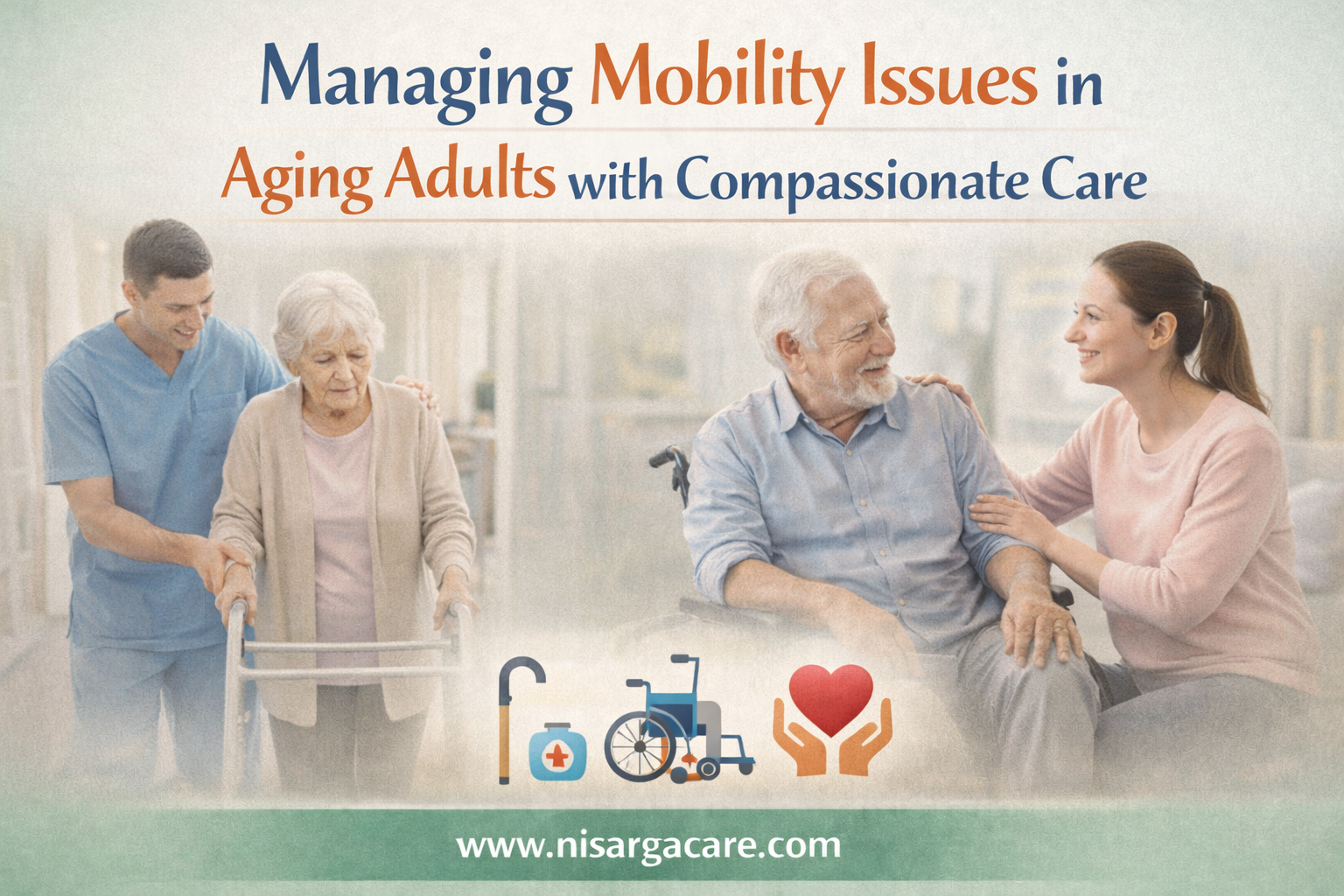
Managing Mobility Issues in Aging Adults with Compassionate Care | Luxury old age home in Bangalore |

Mobility challenges are a common part of aging and can significantly impact a senior’s independence, confidence, and quality of life. Conditions such as arthritis, osteoporosis, neurological disorders, or recovery after illness often make movement difficult and increase the risk of falls. Managing these challenges requires more than physical support—it calls for compassionate, structured care, especially in rehabilitation centres and elder care homes.

Understanding Mobility Challenges in Seniors

As seniors age, muscle strength, balance, and joint flexibility naturally decline. Prolonged bed rest, chronic pain, or post-surgical recovery can further limit movement. When mobility becomes difficult, seniors may withdraw from daily activities, leading to emotional distress, anxiety, or fear of falling again. Early and empathetic intervention is essential to prevent physical decline and emotional isolation.

Role of Rehabilitation and Elder Care Homes

Rehabilitation and elder care homes are uniquely equipped to support seniors facing mobility issues. These environments provide professional supervision, assistive equipment, and personalized therapy plans that promote safe movement. Physiotherapists and caregivers work together to assess each senior’s capabilities and create tailored routines that restore strength and confidence gradually.

Daily physiotherapy sessions, supervised walking routines, and balance exercises help seniors improve mobility while minimizing injury risks. Consistency and encouragement within care homes motivate seniors to remain active and engaged in their recovery.

Compassionate Care Makes the Difference

Compassionate care focuses on understanding the emotional impact of mobility loss. Caregivers trained in elder care recognize fears, frustrations, and hesitation seniors may experience. By offering reassurance, patience, and emotional support, caregivers help seniors regain trust in their bodies and abilities.

Encouraging independence—while ensuring safety—is a key aspect of compassionate mobility care. Simple actions like allowing seniors to perform tasks at their own pace or celebrating small progress milestones can significantly boost morale.

Assistive Devices and Safe Environments

Mobility aids such as walkers, wheelchairs, handrails, and non-slip flooring play a vital role in preventing falls. In elder care homes, living spaces are designed to be accessible, well-lit, and clutter-free, enabling seniors to move confidently. Occupational therapists also guide seniors on using assistive devices correctly, reducing dependence and enhancing safety.

Family Involvement and Emotional Support

Even within a care home setting, family involvement remains essential. Regular visits, encouragement during therapy sessions, and collaboration with caregivers reinforce motivation. When families understand mobility goals and challenges, they can provide emotional reassurance that strengthens recovery outcomes.

Holistic Approach to Mobility Management

Effective mobility care goes beyond physical movement. Proper nutrition, pain management, emotional well-being, and mental stimulation all contribute to improved mobility. Rehabilitation homes integrate these elements into daily routines, ensuring seniors receive holistic, dignified care.


Conclusion

Managing mobility issues in aging adults requires a compassionate, structured, and personalized approach. Rehabilitation and elder care homes provide the right balance of professional therapy, emotional support, and safe environments to help seniors move confidently and independently. At Nisarga Care, we specialize in compassionate mobility support, combining expert rehabilitation with heartfelt care. Our focus is to help seniors regain strength, preserve dignity, and enjoy a better quality of life—every step of the way.

Bangalore rehabilitation centers | rehab assisted living facilities in Bangalore News

Caring for Seniors with Dementia: Daily Support Strategies for Families | Nisarga Care

Dementia is a progressive condition that affects memory, thinking, behavior, and the ability to perform everyday activities. For families, caring for a loved one with dementia can be emotionally demanding and physically exhausting. As the condition advances, seniors require structured support, patience, and a safe environment—whether at home or in a rehabilitation or elder care home.

Understanding Daily Challenges of Dementia

Seniors with dementia may struggle with confusion, forgetfulness, mood changes, and difficulty recognizing familiar people or places. Simple tasks such as dressing, eating, or bathing can become overwhelming. These challenges often lead to frustration, anxiety, or agitation, making daily care complex for families without professional guidance.

Recognizing that these behaviors are symptoms of the condition—not intentional actions—is the first step toward compassionate care.

Establishing a Consistent Routine

Routine is crucial for dementia care. A predictable daily schedule helps seniors feel secure and reduces confusion. Regular timings for meals, bathing, medications, therapy, and rest create structure and familiarity. Rehabilitation and elder care homes are especially effective in maintaining these routines consistently, supporting both mental stability and physical health.

At home, families can mirror this structure by keeping activities simple and repetitive, allowing seniors to navigate the day with confidence.

Creating a Safe and Supportive Environment

Safety is a top priority. Dementia increases the risk of wandering, falls, and household accidents. Families should:

  • Remove clutter and tripping hazards

  • Install grab bars and non-slip mats

  • Ensure adequate lighting

  • Secure doors and potentially harmful items

Elder care homes provide dementia-friendly infrastructure, monitored spaces, and trained staff, offering families peace of mind.

Communicating with Patience and Clarity

Clear, calm communication makes a significant difference. Speak slowly, use simple sentences, and maintain eye contact. Avoid correcting or arguing, as this can increase agitation. Instead, offer reassurance and redirect attention gently. Caregivers in professional settings are trained to manage behavioral changes with empathy and dignity.

Encouraging Meaningful Engagement

Engaging seniors in familiar and meaningful activities improves mood and reduces restlessness. Simple tasks like folding clothes, listening to music, light exercises, or looking through photo albums provide comfort and stimulation. Occupational therapy and activity programs in elder care homes help seniors stay engaged while respecting their abilities.

Family Support and Professional Care

While family involvement is essential, dementia care often requires professional support. Trained caregivers, nurses, and therapists understand disease progression and provide personalized care plans. Rehabilitation and elder care homes also offer emotional support for families, helping them cope with caregiving stress and decision-making.


Conclusion

Caring for seniors with dementia requires patience, structure, and compassionate daily support. While families play a vital role, professional care environments offer the safety, routine, and expertise needed to manage dementia effectively. At Nisarga Care, we provide specialized dementia care within a supportive elder care setting—focusing on dignity, emotional well-being, and personalized attention. With the right care approach, seniors can experience comfort, security, and quality of life, while families gain reassurance and trusted support.

News

Nutrition Challenges in Seniors: Ensuring Balanced Diets at Home | Nisarga Care

As people age, their nutritional needs change, and maintaining a balanced diet can become a significant challenge. Seniors may experience reduced appetite, difficulty chewing or swallowing, digestive issues, or chronic health conditions that affect how their bodies absorb nutrients. Proper nutrition is essential for maintaining strength, immunity, and overall well-being, and families play a key role in supporting elders at home. Elder care homes like Nisarga Care also provide structured guidance for nutrition management, ensuring seniors receive optimal care.

Common Nutrition Challenges in Seniors

Several factors can affect seniors’ diets:

  • Loss of appetite due to medications, illness, or changes in taste and smell

  • Difficulty chewing or swallowing caused by dental issues or medical conditions

  • Digestive problems, including constipation or reduced absorption of nutrients

  • Chronic conditions like diabetes, hypertension, or heart disease that require dietary restrictions

Recognizing these challenges early allows families to adjust meals and seek professional guidance, preventing malnutrition and supporting recovery or rehabilitation.

Practical Strategies for Balanced Diets at Home

  1. Focus on Nutrient-Dense Foods
    Prioritize fresh fruits, vegetables, whole grains, lean proteins, and dairy or alternatives. Nutrient-dense foods provide essential vitamins, minerals, and energy without excessive calories, supporting immunity and muscle health.

  2. Modify Food Textures
    For seniors with chewing or swallowing difficulties, prepare soft, well-cooked, or pureed meals. Smoothies, soups, and stews can provide variety while making eating easier and enjoyable.

  3. Small, Frequent Meals
    Smaller, more frequent meals can help seniors meet nutritional needs without feeling overwhelmed. This approach encourages regular intake and prevents fatigue or loss of appetite during long gaps between meals.

  4. Hydration Is Key
    Seniors often feel less thirsty, leading to dehydration. Offer water, herbal teas, soups, or fresh fruit juices regularly to maintain fluid balance, aid digestion, and support overall health.

  5. Involve Family and Caregivers
    Meal planning with family ensures dietary preferences, restrictions, and cultural considerations are respected. Engaging seniors in meal preparation can also stimulate appetite and provide a sense of involvement.

Support From Elder Care Homes

Facilities like Nisarga Care provide professional nutritional guidance and monitoring. Caregivers ensure meals meet individual dietary needs, manage chronic conditions, and encourage proper hydration. Nutrition programs are combined with rehabilitation and social engagement, making meals both healthy and enjoyable for seniors.


Conclusion

Nutrition plays a critical role in seniors’ physical health, emotional well-being, and recovery. Families and elder care providers must address appetite changes, dietary restrictions, and hydration challenges to maintain balanced diets. At Nisarga Care, we prioritize personalized nutrition plans, professional support, and holistic care, ensuring seniors enjoy meals that nourish the body, support rehabilitation, and promote overall quality of life. With proper guidance, seniors can thrive at home or in care facilities, living healthier and more fulfilling lives.

News

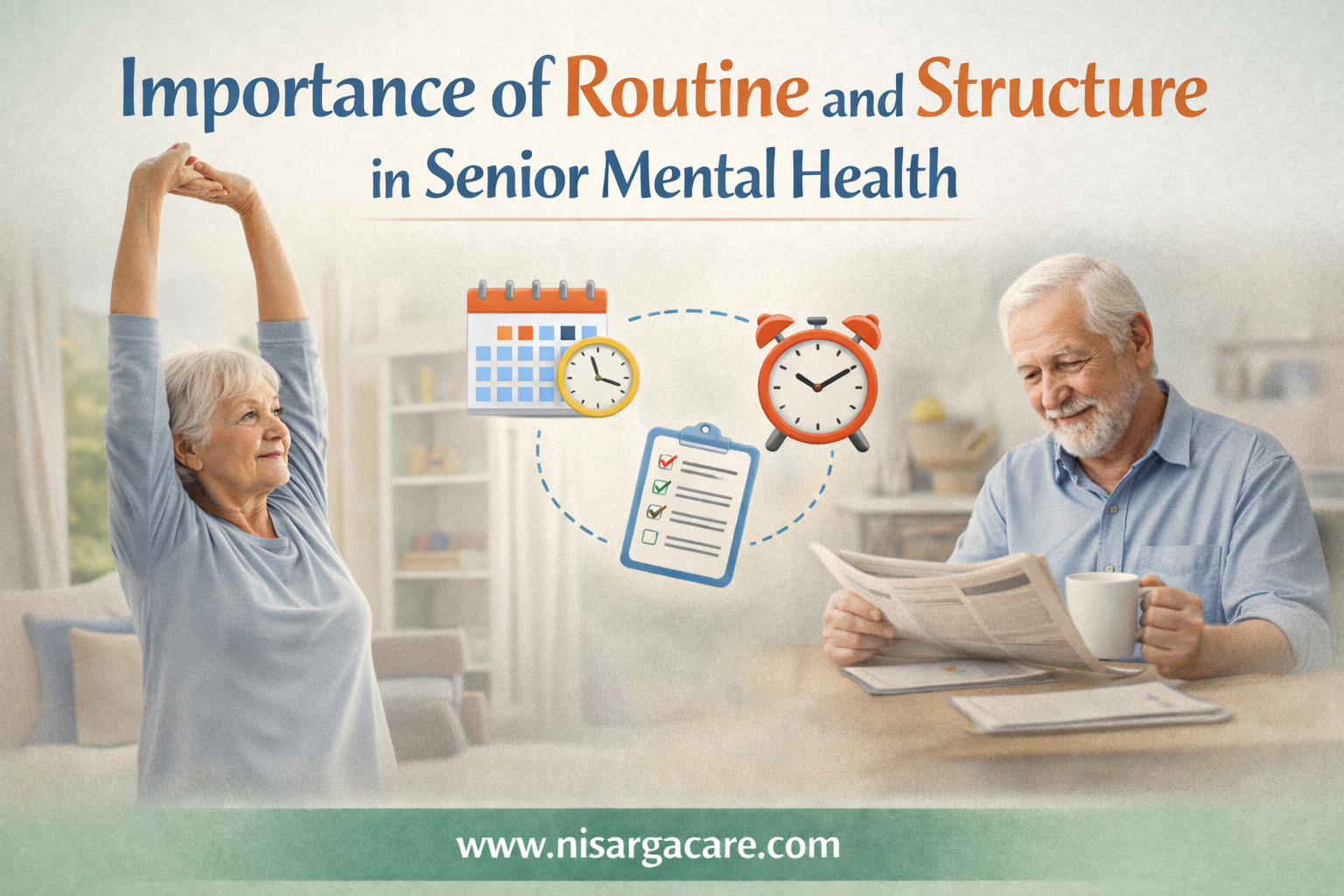
Importance of Routine and Structure in Senior Mental Health | Nisarga Care

Aging brings numerous changes, from physical limitations to cognitive challenges, which can affect seniors’ emotional and mental well-being. Maintaining a consistent routine and structured environment is crucial for promoting stability, reducing anxiety, and enhancing overall quality of life. Rehabilitation and elder care homes play a pivotal role in implementing these routines effectively, ensuring seniors feel secure, engaged, and supported.

Why Routine Matters for Seniors

Predictable routines give seniors a sense of control and purpose. Knowing what to expect each day reduces stress and uncertainty, which can otherwise lead to anxiety, confusion, or irritability. Activities like regular meal times, therapy sessions, exercise, and recreational events create mental anchors, helping seniors navigate daily life confidently.

For seniors with memory issues or cognitive decline, routine provides essential cues that support independence and orientation, minimizing frustration and reliance on constant supervision.

Role of Rehabilitation and Elder Care Homes

Care homes and rehabilitation facilities are uniquely equipped to implement structured routines that balance physical, emotional, and social needs. Caregivers design daily schedules incorporating:

  • Physiotherapy and exercise sessions to maintain mobility and strength

  • Medication and health monitoring at consistent times

  • Recreational activities and hobbies to promote engagement

  • Meal planning and hydration reminders for optimal nutrition

These structured schedules not only support physical recovery but also improve cognitive function and emotional stability.

Enhancing Mental Health Through Predictable Activities

Routine activities encourage social interaction, which combats loneliness and depression. Group exercises, craft sessions, or communal meals offer opportunities for connection and engagement, fostering a sense of belonging. Seniors feel motivated to participate and achieve small goals, boosting self-esteem and emotional resilience.

Consistency also aids caregivers and family members in monitoring changes in mood, behavior, or health, enabling timely interventions and personalized care adjustments.

Family Involvement in Structured Care

Even in an elder care home, family participation strengthens the benefits of routine. Families can help seniors adhere to schedules, celebrate milestones, and encourage engagement in activities. Regular visits, involvement in therapy sessions, and emotional encouragement enhance the positive impact of structure on mental health.

Creating a Safe and Supportive Environment

Beyond scheduled activities, the care environment itself should be predictable and supportive. Clear signage, accessible spaces, and personalized rooms help seniors navigate independently, reducing anxiety and improving confidence. A safe, well-organized environment complements structured routines, reinforcing emotional stability.


Conclusion

Routine and structure are essential for maintaining senior mental health, emotional well-being, and independence. Rehabilitation and elder care homes provide a balanced combination of daily schedules, social interaction, and professional support, helping seniors navigate aging with confidence and dignity. At Nisarga Care, we prioritize structured, compassionate care that promotes mental stability, physical recovery, and a fulfilling life for every senior. Families can rely on Nisarga Care to create an environment where loved ones thrive both physically and emotionally.

Posts pagination

WeCreativez WhatsApp Support
Our customer support team is here to answer your questions. Ask us anything!
👋 Hi, how can I help?