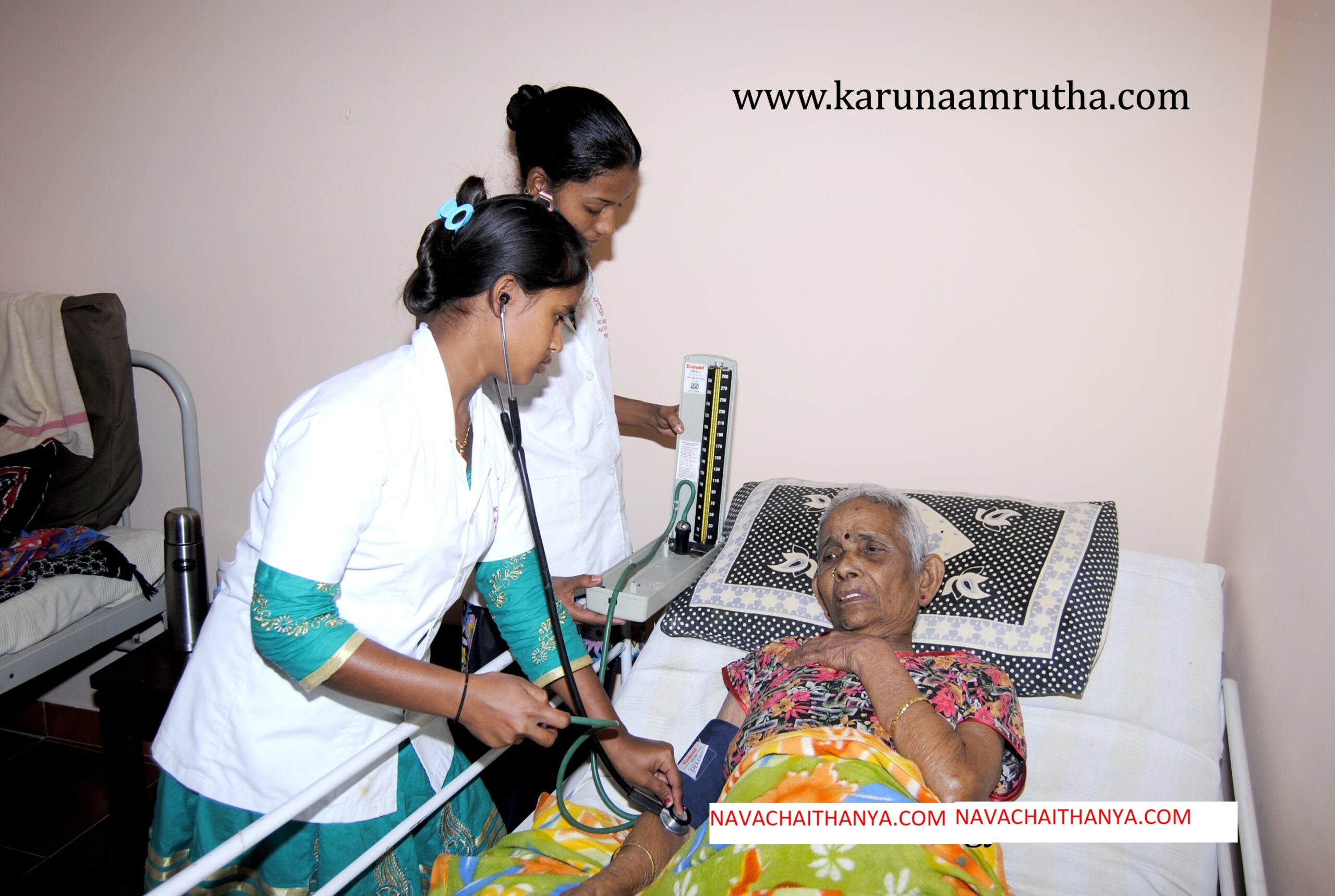
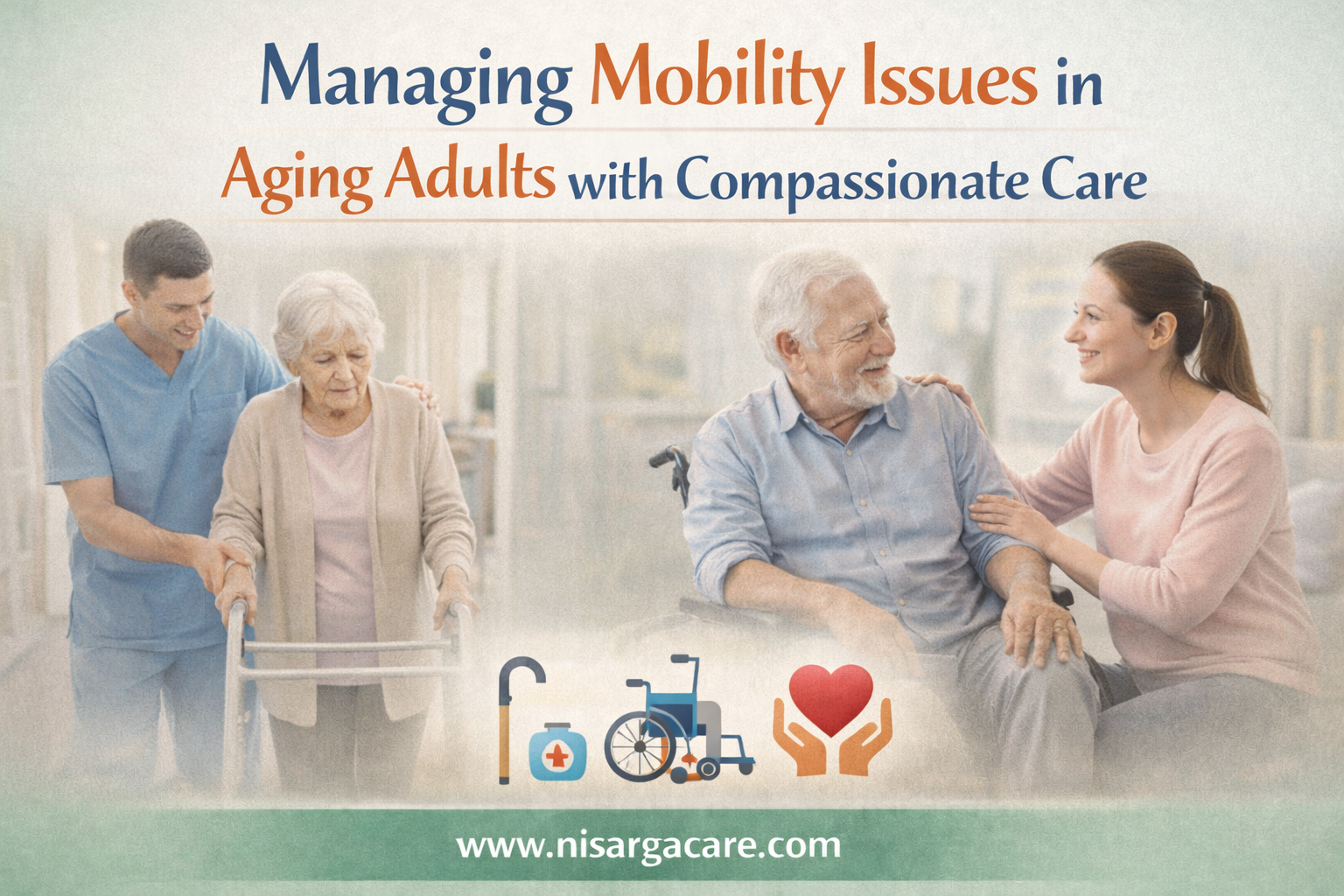
Mobility challenges are a common part of aging and can significantly impact a senior’s independence, confidence, and quality of life. Conditions such as arthritis, osteoporosis, neurological disorders, or recovery after illness often make movement difficult and increase the risk of falls. Managing these challenges requires more than physical support—it calls for compassionate, structured care, especially in rehabilitation centres and elder care homes.
Understanding Mobility Challenges in Seniors
As seniors age, muscle strength, balance, and joint flexibility naturally decline. Prolonged bed rest, chronic pain, or post-surgical recovery can further limit movement. When mobility becomes difficult, seniors may withdraw from daily activities, leading to emotional distress, anxiety, or fear of falling again. Early and empathetic intervention is essential to prevent physical decline and emotional isolation.
Role of Rehabilitation and Elder Care Homes
Rehabilitation and elder care homes are uniquely equipped to support seniors facing mobility issues. These environments provide professional supervision, assistive equipment, and personalized therapy plans that promote safe movement. Physiotherapists and caregivers work together to assess each senior’s capabilities and create tailored routines that restore strength and confidence gradually.
Daily physiotherapy sessions, supervised walking routines, and balance exercises help seniors improve mobility while minimizing injury risks. Consistency and encouragement within care homes motivate seniors to remain active and engaged in their recovery.
Compassionate Care Makes the Difference
Compassionate care focuses on understanding the emotional impact of mobility loss. Caregivers trained in elder care recognize fears, frustrations, and hesitation seniors may experience. By offering reassurance, patience, and emotional support, caregivers help seniors regain trust in their bodies and abilities.
Encouraging independence—while ensuring safety—is a key aspect of compassionate mobility care. Simple actions like allowing seniors to perform tasks at their own pace or celebrating small progress milestones can significantly boost morale.
Assistive Devices and Safe Environments
Mobility aids such as walkers, wheelchairs, handrails, and non-slip flooring play a vital role in preventing falls. In elder care homes, living spaces are designed to be accessible, well-lit, and clutter-free, enabling seniors to move confidently. Occupational therapists also guide seniors on using assistive devices correctly, reducing dependence and enhancing safety.
Family Involvement and Emotional Support
Even within a care home setting, family involvement remains essential. Regular visits, encouragement during therapy sessions, and collaboration with caregivers reinforce motivation. When families understand mobility goals and challenges, they can provide emotional reassurance that strengthens recovery outcomes.
Holistic Approach to Mobility Management
Effective mobility care goes beyond physical movement. Proper nutrition, pain management, emotional well-being, and mental stimulation all contribute to improved mobility. Rehabilitation homes integrate these elements into daily routines, ensuring seniors receive holistic, dignified care.
Conclusion
Managing mobility issues in aging adults requires a compassionate, structured, and personalized approach. Rehabilitation and elder care homes provide the right balance of professional therapy, emotional support, and safe environments to help seniors move confidently and independently. At Nisarga Care, we specialize in compassionate mobility support, combining expert rehabilitation with heartfelt care. Our focus is to help seniors regain strength, preserve dignity, and enjoy a better quality of life—every step of the way.