
News Nisarga care Bangalore

Communication Techniques for Alzheimer’s Caregivers

Effective communication is one of the most important skills for caregivers of Alzheimer’s patients. As the disease progresses, individuals may struggle to express themselves, remember words, or understand instructions. Miscommunication can lead to frustration, agitation, or emotional distress for both the patient and the caregiver. By using specialized techniques, caregivers can ensure clarity, comfort, and emotional connection. Professional guidance from an Alzheimer’s care center in Karnataka can make a significant difference in maintaining communication and building trust.

Use Simple Words and Short Sentences

Alzheimer’s patients process information more slowly and may become overwhelmed by long or complex instructions. Use:

  • Short, simple sentences

  • Clear and direct language

  • One instruction at a time

For example, instead of saying, “Please go to the kitchen, wash your hands, and then come back to sit for lunch,” say, “Let’s wash our hands first.” This reduces confusion and increases compliance.

Maintain Calm and Positive Tone

Tone of voice conveys more than words. Speaking in a calm, gentle, and reassuring tone helps reduce anxiety and agitation. Avoid raising your voice or showing frustration, even when the patient repeats questions or struggles to respond.

Positive tone strengthens trust and encourages cooperation.

Non-Verbal Communication

Non-verbal cues are essential in Alzheimer’s care. Patients may respond better to gestures, facial expressions, and body language than words alone. Techniques include:

  • Smiling and maintaining eye contact

  • Using gentle touch for reassurance

  • Pointing to objects or demonstrating actions

  • Nodding and showing encouragement

Non-verbal communication helps the patient feel understood and emotionally secure.

Be Patient and Allow Time to Respond

Alzheimer’s patients may need extra time to process information and respond. Avoid interrupting or finishing their sentences. Give them patience and space to express themselves, which boosts confidence and reduces frustration.

Validate Feelings

Even if the patient’s statements seem confused or incorrect, validate their emotions rather than correcting them harshly. Phrases like:

  • “I understand you’re worried”

  • “It’s okay, I’m here with you”

This approach reassures the patient and reduces emotional stress.

Avoid Negative Corrections

Correcting mistakes repeatedly can lead to embarrassment, anger, or withdrawal. Instead, redirect attention gently or guide the patient toward the desired action without confrontation.

Maintain Eye-Level Contact

Kneel or sit so you are at the patient’s eye level. This improves engagement, helps them focus on your expressions, and conveys respect and empathy.

Encourage Social Interaction

Regular conversations and shared activities keep communication skills active. Encourage participation in group discussions, storytelling, or singing. Social engagement improves cognitive function and emotional well-being.

Role of Professional Alzheimer’s Care

Professional Memory care facilities in Bangalore provide structured communication strategies. Trained caregivers understand behavioral patterns, emotional triggers, and effective techniques that families may find difficult to maintain at home.


Conclusion: Why Nisarga Care Is the Best Choice

Effective communication is key to improving the quality of life for Alzheimer’s patients. Nisarga Care is a trusted Alzheimer’s care center in Karnataka, offering trained caregivers who specialize in compassionate and effective communication strategies. As a leading Memory care facility in Bangalore, Nisarga Care ensures that each resident receives personalized attention, emotional support, and professional Alzheimer’s care services.

Families seeking a reliable Alzheimer’s rehabilitation center in Bangalore can depend on Nisarga Care for its structured communication programs, holistic care approach, and dedicated team. It is truly the best Alzheimer’s care center in Bangalore, where understanding, patience, and respect create a safe and nurturing environment for seniors living with Alzheimer’s.

News Nisarga care Bangalore

Nutrition and Diet Tips for Alzheimer’s Patients

Proper nutrition plays a vital role in supporting the health and well-being of individuals living with Alzheimer’s disease. While diet cannot cure the condition, balanced and mindful eating habits can help slow cognitive decline, maintain physical strength, and improve emotional stability. Specialized care programs in a professional Alzheimer’s care center in Karnataka focus strongly on nutrition because it directly impacts brain function and overall quality of life.

Alzheimer’s patients often face challenges like loss of appetite, difficulty swallowing, or forgetting to eat. Therefore, meals must be nutritious, easy to consume, and emotionally comforting.

Focus on Brain-Boosting Foods

A diet rich in brain-friendly nutrients supports memory and cognitive function. Include:

  • Leafy green vegetables like spinach and broccoli

  • Fruits such as berries and oranges

  • Whole grains like oats and brown rice

  • Nuts and seeds

  • Healthy fats from olive oil and avocados

These foods provide antioxidants and essential vitamins that protect brain cells and reduce inflammation.

Include Protein in Every Meal

Protein is essential for muscle strength and energy levels. Alzheimer’s patients often experience weakness, so protein-rich foods should be part of daily meals:

  • Eggs

  • Lean meats

  • Fish

  • Pulses and lentils

  • Dairy products

Protein also helps maintain stable blood sugar levels, reducing fatigue and confusion.

Stay Hydrated Throughout the Day

Dehydration can worsen confusion and increase fatigue in Alzheimer’s patients. Encourage regular water intake even if the patient does not feel thirsty.
Offer:

  • Water

  • Fresh fruit juices

  • Soups

  • Coconut water

In a professional Memory care facility in Bangalore, caregivers closely monitor hydration to prevent complications.

Serve Small and Frequent Meals

Large meals may feel overwhelming. Small, frequent meals are easier to manage and improve nutrient intake. This approach:

  • Prevents digestive discomfort

  • Encourages better appetite

  • Maintains steady energy levels

Healthy snacks like fruits, yogurt, and nuts can be included between meals.

Choose Easy-to-Eat Foods

As Alzheimer’s progresses, chewing and swallowing may become difficult. Soft and easy-to-eat foods are ideal:

  • Steamed vegetables

  • Mashed fruits

  • Porridge

  • Soft rice dishes

  • Soups and smoothies

This ensures safety and comfort while eating.

Maintain a Calm Eating Environment

A quiet and peaceful setting helps patients focus on eating. Avoid loud sounds or distractions. Consistent meal timings and familiar surroundings reduce anxiety and improve appetite.

Caregivers should sit with patients and offer gentle encouragement without rushing them.

Limit Sugar and Processed Foods

High sugar and processed foods can cause energy crashes and worsen confusion. Avoid:

  • Sugary snacks

  • Fried foods

  • Packaged meals

  • Excess salt

Instead, choose natural and home-cooked foods that support overall health.

Encourage Independence During Meals

Allow patients to feed themselves when possible. Use:

  • Easy-grip utensils

  • Non-slip plates

  • Finger foods

This maintains dignity and boosts confidence.

Monitor Weight and Nutritional Changes

Weight loss or sudden changes in eating habits should be addressed quickly. Professional supervision in an Alzheimer’s rehabilitation center in Bangalore ensures proper nutritional assessment and timely intervention.

Role of Specialized Alzheimer’s Care

Specialized Alzheimer’s care programs provide customized meal plans, medical supervision, and trained caregivers who understand nutritional challenges. These services ensure balanced nutrition while maintaining safety and comfort.


Conclusion: Why Nisarga Care Is the Best Choice

Proper nutrition is a powerful tool in managing Alzheimer’s disease and slowing its progression. Nisarga Care stands out as a trusted Alzheimer’s care center in Karnataka, offering personalized diet plans that support both physical and cognitive health. As a leading Memory care facility in Bangalore, Nisarga Care ensures every patient receives nutritious meals in a calm and supportive environment.

Families searching for a dependable Alzheimer’s rehabilitation center in Bangalore can rely on Nisarga Care for its expert medical guidance, compassionate caregivers, and holistic nutritional support. Recognized as the best Alzheimer’s care center in Bangalore, Nisarga Care truly provides professional Alzheimer’s care services in Karnataka where nutrition, dignity, and quality of life are always prioritized.

News Nisarga care Bangalore

How Specialized Alzheimer’s Care Helps Slow Decline

Alzheimer’s disease is a progressive neurological condition that affects memory, thinking, and behavior. While there is no cure, specialized Alzheimer’s care can play a major role in slowing cognitive decline and improving the overall quality of life for patients. Unlike general care, specialized care focuses on structured routines, emotional support, cognitive stimulation, and medical supervision, all of which help patients maintain independence and dignity for a longer time.

Families often find it challenging to manage Alzheimer’s care at home because the condition requires constant attention, patience, and expertise. This is why choosing a professional Alzheimer’s care center in Karnataka becomes an important step in ensuring the best possible support.

Personalized Care Plans for Individual Needs

Specialized Alzheimer’s care begins with understanding that every patient is different. Each individual experiences the disease at a different pace and shows unique symptoms. Professional caregivers create personalized care plans based on the patient’s medical condition, emotional needs, and stage of Alzheimer’s.

These care plans include:

  • Medication management

  • Nutrition planning

  • Cognitive therapy

  • Physical activity routines

  • Emotional and behavioral support

Such targeted care helps slow functional decline and ensures that patients receive the right level of support at the right time.

Cognitive Stimulation to Maintain Brain Function

One of the strongest benefits of specialized care is cognitive stimulation. Activities like memory games, music therapy, storytelling, puzzles, and art sessions help keep the brain active. Regular mental engagement:

  • Improves concentration

  • Supports memory retention

  • Reduces confusion

  • Enhances emotional stability

These activities are carefully designed to match the patient’s abilities, preventing frustration while encouraging progress.

Structured Daily Routine Reduces Anxiety

Alzheimer’s patients respond positively to routine. Specialized care centers follow a structured schedule for meals, activities, medication, rest, and sleep. This predictability reduces confusion and anxiety.

A stable routine:

  • Improves emotional security

  • Reduces agitation

  • Helps patients feel safe

  • Encourages better sleep patterns

Routine is one of the most effective ways to slow emotional and cognitive decline.

Emotional Support and Compassionate Communication

Emotional well-being directly affects cognitive health. Specialized caregivers are trained to communicate calmly and with empathy. They validate emotions rather than correcting behavior, which reduces frustration and fear.

This compassionate communication:

  • Builds trust

  • Improves emotional comfort

  • Reduces depression and anxiety

  • Strengthens patient-caregiver relationships

When patients feel emotionally safe, their mental stability improves significantly.

Medical Supervision and Physical Health Care

Alzheimer’s patients often have other health conditions like diabetes, blood pressure issues, or mobility problems. Continuous medical monitoring ensures early detection of complications.

Good physical health supports better brain function and prevents sudden health issues that can worsen cognitive decline. This level of care is best provided in a professional Memory care facility in Bangalore where medical supervision is available at all times.

Safe and Supportive Environment

Safety is essential in Alzheimer’s care. Specialized facilities are designed with features such as:

  • Secure premises

  • Fall-prevention systems

  • Supervised movement

  • Emergency response support

A safe environment allows patients to move confidently, reducing fear and dependence.

Social Interaction and Emotional Engagement

Isolation can accelerate cognitive and emotional decline. Specialized care encourages social interaction through group activities, therapy sessions, and shared experiences. Social engagement:

  • Improves mood

  • Reduces loneliness

  • Strengthens communication skills

  • Builds emotional connection

Human interaction is a powerful tool in slowing emotional deterioration.


Conclusion: Why Nisarga Care Is the Best Choice

Specialized Alzheimer’s care is essential for slowing decline and improving daily life. Nisarga Care stands out as a trusted Alzheimer’s care center in Karnataka, offering compassionate and structured care tailored to every stage of the disease. As a leading Memory care facility in Bangalore, Nisarga Care focuses on safety, emotional support, and cognitive stimulation through personalized programs.

Families searching for a reliable Alzheimer’s rehabilitation center in Bangalore can depend on Nisarga Care for its trained caregivers, medical expertise, and holistic rehabilitation approach. Recognized as the best Alzheimer’s care center in Bangalore, Nisarga Care truly provides professional Alzheimer’s care services in Karnataka where dignity, comfort, and quality of life are always the top priorities.

News Nisarga care Bangalore

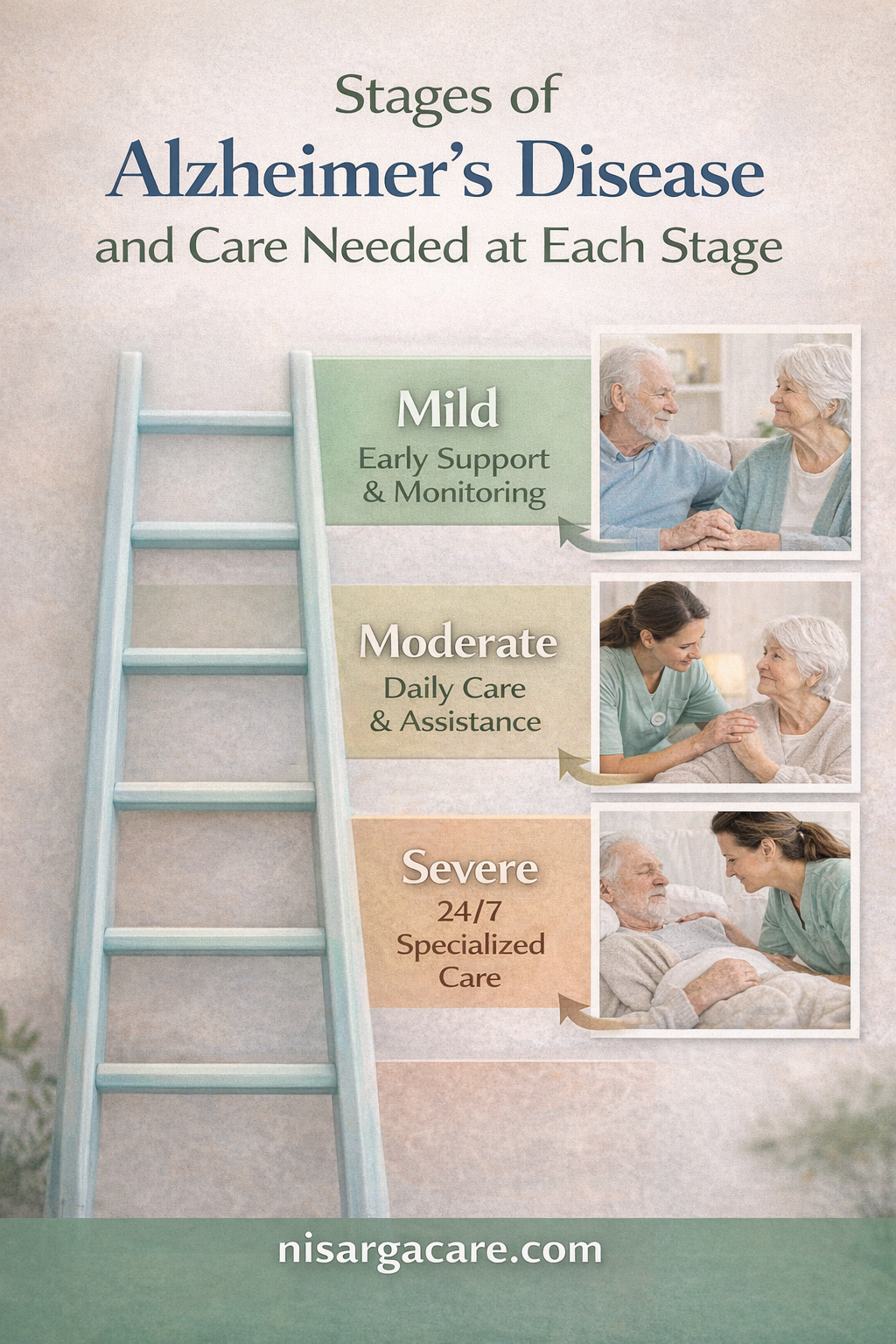
Stages of Alzheimer’s Disease and Care Needed at Each Stage

Alzheimer’s disease is a progressive condition that develops in stages. Each stage brings different challenges and requires a different level of care. Understanding these stages helps families prepare emotionally and practically, ensuring their loved ones receive the right support at the right time.

Early Stage (Mild Alzheimer’s)

In the early stage, symptoms are usually mild and often mistaken for normal aging. The person may forget recent conversations, misplace items, struggle with planning, or have trouble finding the right words. They are still mostly independent but may need gentle support.

Care needed at this stage includes:

  • Emotional reassurance and patience

  • Help with reminders and daily schedules

  • Encouragement to stay socially active

  • Cognitive stimulation through games and conversations

  • Regular medical check-ups

This stage is the best time to create a care plan and introduce structured routines.

Middle Stage (Moderate Alzheimer’s)

This is the longest and most challenging stage. Memory loss becomes more noticeable, and confusion increases. The person may forget personal details, get lost easily, struggle with daily activities, and show mood changes such as anger, anxiety, or depression.

Care needed at this stage includes:

  • Supervision for safety and wandering prevention

  • Assistance with bathing, dressing, and meals

  • Medication management

  • Structured daily routines

  • Emotional support and calming communication

  • Safe and organized living environment

Professional support becomes extremely valuable during this phase, as care demands increase significantly.

Late Stage (Severe Alzheimer’s)

In the final stage, individuals lose the ability to communicate clearly and require full-time care. They may not recognize family members and have difficulty walking, swallowing, and sitting upright. Physical health also declines.

Care needed at this stage includes:

  • 24/7 supervision and medical monitoring

  • Assistance with feeding and mobility

  • Pain management and comfort care

  • Emotional presence and gentle reassurance

  • Maintaining dignity and respect

At this point, professional dementia care is essential to ensure safety, comfort, and quality of life.

Importance of Professional Care at Every Stage

Alzheimer’s care requires specialized knowledge, patience, and consistency. As the disease progresses, families often struggle to manage increasing physical and emotional demands. Professional dementia care centers provide trained caregivers, medical supervision, and structured environments designed specifically for each stage of the condition.

Early professional involvement improves long-term outcomes and reduces stress on families.


Conclusion: Why Nisarga Care Is the Right Support at Every Stage

From the early signs to advanced stages of Alzheimer’s, choosing the right care partner makes a meaningful difference. Nisarga Care is a trusted Dementia care center in Karnataka, offering personalized support that evolves with each stage of the disease. As a reliable Memory care facility in Bangalore, Nisarga Care focuses on safety, emotional well-being, and cognitive stimulation in a compassionate environment.

Families seeking a dependable Dementia rehabilitation center in Bangalore can rely on Nisarga Care for its experienced caregivers, medical supervision, and holistic care programs. It is a specialized dementia rehab center in Karnataka where every stage of Alzheimer’s is managed with dignity, respect, and professional excellence.

News

Difference Between Alzheimer’s and Dementia: What Caregivers Must Know

Many people use the terms Alzheimer’s and dementia interchangeably, but they are not the same. Understanding the difference is important for caregivers because it helps in choosing the right care approach, treatment options, and long-term support. While both affect memory and thinking abilities, their causes, progression, and management can differ.

Knowing this difference allows families to respond with clarity instead of confusion and fear.

What Is Dementia?

Dementia is an umbrella term used to describe a group of symptoms that affect memory, thinking, reasoning, behavior, and the ability to perform daily activities. It is not a disease by itself but a condition caused by various brain disorders.

Common symptoms of dementia include:

  • Memory loss that disrupts daily life

  • Difficulty in communication

  • Poor judgment and decision-making

  • Confusion about time and place

  • Changes in mood and personality

There are different types of dementia, such as vascular dementia, Lewy body dementia, frontotemporal dementia, and Alzheimer’s disease.

What Is Alzheimer’s Disease?

Alzheimer’s disease is the most common type of dementia. It accounts for nearly 60–70% of all dementia cases. It is a progressive brain disease that slowly destroys memory, thinking skills, and eventually the ability to carry out simple tasks.

Alzheimer’s is caused by abnormal protein deposits in the brain that damage and kill brain cells. Symptoms usually start gradually and worsen over time.

Early signs include:

  • Forgetting recent events

  • Difficulty remembering names

  • Repeating questions

  • Trouble with planning and organizing

As the disease advances, patients lose the ability to recognize loved ones, communicate clearly, and care for themselves.

Key Differences Caregivers Should Know

The main difference is that dementia is a broad category, while Alzheimer’s is a specific disease within that category. All Alzheimer’s patients have dementia, but not all dementia patients have Alzheimer’s.

Another difference lies in progression. Alzheimer’s follows a predictable and slow decline, while other types of dementia may progress differently. For example, vascular dementia may worsen suddenly after strokes, and Lewy body dementia may cause hallucinations early on.

Treatment and care plans also differ. Alzheimer’s focuses more on memory preservation and emotional stability, while other dementias may require stronger attention to physical symptoms or behavioral challenges.

Why the Difference Matters for Caregivers

Understanding whether a loved one has Alzheimer’s or another type of dementia helps caregivers:

  • Choose the right medical treatment

  • Plan appropriate daily routines

  • Prepare for future care needs

  • Provide emotional and psychological support

  • Reduce stress through proper expectations

Each condition requires a slightly different approach to care and rehabilitation.

Care Needs Are Similar but Must Be Personalized

Even though the causes differ, both Alzheimer’s and dementia patients need:

  • Safe and structured environments

  • Emotional reassurance

  • Cognitive stimulation

  • Medical supervision

  • Compassionate caregiving

Personalized care plans make a significant difference in improving quality of life.

Role of Professional Dementia Care

Professional dementia care centers have trained caregivers who understand the differences between Alzheimer’s and other dementias. They design care routines, therapies, and medical plans based on the specific condition and stage of the disease.

This expertise is often difficult to achieve through home care alone.


Conclusion: Why Nisarga Care Is the Right Choice

Whether your loved one is living with Alzheimer’s or another form of dementia, choosing the right care facility is essential. Nisarga Care stands as a trusted Dementia care center in Karnataka, offering personalized care that respects each patient’s unique needs. As a leading Memory care facility in Bangalore, Nisarga Care provides structured routines, emotional therapy, and medical supervision for seniors facing cognitive decline.

Families looking for a reliable Dementia rehabilitation center in Bangalore can depend on Nisarga Care for its trained caregivers, holistic rehabilitation programs, and compassionate environment. It is a specialized dementia rehab center in Karnataka where both Alzheimer’s and dementia patients receive dignified, professional, and life-enhancing care.

News Nisarga care Bangalore

When Is the Right Time to Seek Professional Dementia Care?

Deciding to seek professional dementia care is never easy for families. Many try their best to manage care at home, driven by love and responsibility. However, dementia is a progressive condition that requires increasing levels of medical, emotional, and physical support. Knowing the right time to seek professional help can protect both the patient and the caregiver from stress, exhaustion, and safety risks.

Professional care is not about giving up. It is about ensuring the best quality of life and dignity for your loved one.

When Daily Activities Become Difficult

One of the earliest signs that professional care may be needed is when your loved one struggles with daily activities. Tasks such as bathing, dressing, eating, and maintaining personal hygiene become confusing or unsafe. If constant assistance is required, it shows that the level of care needed has increased beyond basic support.

This stage demands trained caregivers who understand dementia-related challenges.

Increasing Safety Concerns

Safety risks are a major reason families turn to professional dementia care. Wandering, falls, forgetting to turn off stoves, or misusing medications can be dangerous. If your loved one is frequently at risk despite home safety measures, professional care becomes essential.

A structured environment with supervision significantly reduces accidents and emergencies.

Behavioral and Emotional Changes

When mood swings, aggression, anxiety, or confusion become frequent and difficult to manage, it is a sign that specialized care is needed. These behaviors are symptoms of dementia, not intentional actions. Trained professionals know how to respond calmly and therapeutically.

Emotional distress affects both the patient and the family, making professional support highly valuable.

Caregiver Burnout

Caregiving is emotionally and physically exhausting. If caregivers feel overwhelmed, stressed, or unable to rest, it impacts the quality of care. Burnout can lead to frustration, guilt, and declining health.

Seeking professional dementia care supports both the patient and the caregiver, ensuring healthier relationships and better emotional balance.

Medical Needs Increase

As dementia progresses, patients often require regular medical monitoring, medication management, and therapy. Managing health conditions like diabetes, blood pressure, or mobility issues becomes complex.

Professional dementia care centers provide medical supervision that is difficult to maintain at home.

Loss of Social Interaction

Dementia patients can become isolated when cared for at home. Limited social contact increases loneliness and depression. Professional care environments encourage interaction, engagement, and emotional stimulation through group activities and therapy.

Social connection improves mood and mental well-being.

Difficulty Maintaining a Structured Routine

Routine is essential for dementia patients. When families struggle to maintain consistent schedules for meals, medication, activities, and sleep, confusion and agitation increase. Professional care centers are designed to follow structured daily routines that reduce anxiety and bring stability.

When Home Care Is No Longer Enough

There comes a time when love alone cannot meet the complex needs of dementia care. Recognizing this is a sign of responsibility, not failure. Professional dementia care ensures that your loved one receives compassionate, skilled, and continuous support.


Conclusion: Why Nisarga Care Is the Right Choice

Knowing when to seek professional dementia care is a crucial decision that can transform the quality of life for your loved one. Nisarga Care is a trusted Dementia care center in Karnataka, offering a safe and supportive environment for seniors with cognitive challenges. As a leading Memory care facility in Bangalore, Nisarga Care focuses on personalized care plans, emotional well-being, and medical supervision.

Families searching for a dependable Dementia rehabilitation center in Bangalore can rely on Nisarga Care for its trained caregivers, structured routines, and holistic rehabilitation programs. It stands out as a specialized dementia rehab center in Karnataka where dignity, compassion, and professional excellence come together to provide the highest standard of dementia care.

News Nisarga care Bangalore

How to Support a Loved One Emotionally with Dementia

Emotional support is one of the most powerful forms of care for someone living with dementia. As memory, communication, and understanding decline, patients often feel confused, frightened, or lonely. They may struggle to express their emotions clearly, which makes them vulnerable to anxiety and depression. Providing emotional reassurance helps them feel valued, secure, and loved.

Supporting a loved one emotionally does not require perfection. It requires patience, empathy, and consistent understanding.

Practice Patience and Understanding

Dementia affects how the brain processes information. When your loved one repeats questions, forgets names, or becomes confused, respond calmly. Avoid correcting them harshly or showing frustration. A gentle tone and kind words reassure them that they are safe and accepted.

Patience reduces emotional stress and builds trust between the caregiver and the patient.

Communicate with Simplicity and Warmth

Use simple words and short sentences. Speak slowly and clearly while maintaining eye contact. Your facial expressions and body language matter as much as your words. Smiling, nodding, and gentle touch help convey warmth and understanding.

Even if your loved one cannot respond verbally, they can still feel emotional connection through your presence.

Validate Their Feelings

Never dismiss their emotions, even if their fears seem irrational. If they feel scared, confused, or upset, acknowledge their feelings. Saying things like “I understand you’re feeling worried” helps them feel heard and respected.

Validation brings comfort and reduces emotional distress.

Maintain Familiarity and Comfort

Surround them with familiar objects such as family photos, favorite music, and personal belongings. Familiar environments and routines bring emotional stability and reduce anxiety.

Listening to old songs or talking about past memories often creates a sense of joy and connection.

Encourage Independence with Support

Allow them to do simple tasks on their own, such as folding clothes or watering plants. This helps preserve dignity and confidence. Offer guidance only when needed, and always praise their efforts.

Independence, even in small ways, boosts emotional well-being.

Spend Quality Time Together

Emotional support comes from presence. Sitting quietly, holding hands, or sharing a meal builds emotional connection. Your attention and companionship matter more than words.

These moments help them feel loved and valued.

Handle Mood Swings with Compassion

Dementia patients may experience sudden emotional changes such as anger, sadness, or fear. Stay calm and avoid arguments. Redirect their attention gently or provide reassurance.

Compassionate responses prevent emotional escalation.

Encourage Social Interaction

Social interaction prevents isolation. Encourage visits from family members or participation in group activities. Even short conversations provide emotional stimulation and comfort.

Feeling connected improves emotional stability.

Take Care of Yourself Too

Supporting someone emotionally requires emotional strength. Caregivers must also rest, seek support, and share responsibilities. A calm caregiver provides better emotional reassurance.

Professional care can help families manage emotional challenges effectively.

Role of Professional Dementia Care

Professional dementia care centers understand emotional needs deeply. Trained caregivers use therapeutic communication, emotional therapy, and structured routines to ensure emotional well-being. This level of support is difficult to maintain at home alone.


Conclusion: Why Nisarga Care Is the Best Emotional Support Partner

Providing emotional support to someone with dementia requires patience, compassion, and professional understanding. Nisarga Care is a trusted Dementia care center in Karnataka, offering a nurturing environment where emotional well-being is a top priority. As a leading Memory care facility in Bangalore, Nisarga Care focuses on personalized emotional care, therapeutic engagement, and respectful communication.

For families looking for a reliable Dementia rehabilitation center in Bangalore, Nisarga Care provides trained caregivers, medical supervision, and holistic emotional support programs. It stands as a specialized dementia rehab center in Karnataka where seniors feel understood, protected, and emotionally secure, and families find peace of mind knowing their loved ones are cared for with dignity and compassion.

News Nisarga care Bangalore

Daily Care Routine for Someone Living with Dementia

A daily care routine plays a vital role in supporting someone living with dementia. Structure and consistency help reduce confusion, anxiety, and agitation while promoting comfort and emotional security. When patients know what to expect, they feel safer and more confident in their surroundings. A well-planned routine also makes caregiving more manageable and improves the overall quality of life.

Morning: A Calm and Gentle Start

Mornings should begin slowly and peacefully. Sudden changes or rushing can increase anxiety. Greet the person warmly and give them time to wake up fully. Assist with personal hygiene such as brushing teeth, bathing, and dressing, while encouraging independence wherever possible.

Choose comfortable, easy-to-wear clothing and offer limited options to avoid confusion. Maintain a friendly and reassuring tone to make them feel respected and valued.

Breakfast and Medication Management

Nutrition is essential for physical and cognitive health. Serve a balanced breakfast that includes fruits, whole grains, and proteins. Ensure the food is easy to chew and swallow if required.

Medication should always be given on time and under supervision. Using pill organizers and maintaining a medication schedule helps prevent missed doses or overdosing.

Mid-Morning: Light Physical and Mental Activity

Physical movement keeps the body active and improves mood. Simple exercises such as walking, stretching, or chair exercises are beneficial. These activities improve circulation, reduce stiffness, and enhance sleep quality.

Mental stimulation is equally important. Activities like listening to music, reading aloud, solving simple puzzles, or looking through photo albums help maintain cognitive function and emotional connection.

Lunch and Rest Time

Lunch should be nutritious and served in a calm environment. Avoid distractions like loud noises or crowded spaces. Encourage slow eating and proper hydration.

After lunch, allow time for rest. Short naps are fine, but long daytime sleeping should be avoided as it may disturb nighttime sleep. Gentle relaxation promotes emotional balance.

Afternoon: Engagement and Social Interaction

Afternoons are ideal for creative and social activities. Art, gardening, light household tasks, or simple games help patients feel productive and engaged. Social interaction reduces loneliness and boosts self-esteem.

Conversation should be simple and reassuring. Even if the person struggles to respond, your presence provides comfort and emotional stability.

Evening: Preparing for Calmness

As evening approaches, reduce stimulation. Bright lights, loud sounds, and active tasks can increase confusion. A calm environment helps prepare the mind for rest.

Dinner should be light and easy to digest. Encourage hydration but limit excessive fluids before bedtime to avoid sleep disturbances.

Night Routine and Sleep Support

Establishing a regular bedtime routine is essential. Activities like listening to soft music, reading, or prayer create a sense of closure to the day. Keep the bedroom quiet, dimly lit, and comfortable.

Consistent sleep schedules help regulate the body clock and reduce nighttime agitation.

Emotional Care Throughout the Day

Emotional support is as important as physical care. Use gentle communication, positive reinforcement, and patience. Avoid arguments and never force tasks. Offering reassurance and understanding builds trust and emotional security.

Importance of Professional Support

As dementia progresses, maintaining a daily routine becomes more challenging for families. Professional dementia care ensures structured schedules, medical monitoring, emotional therapy, and trained caregivers who understand the complexities of dementia.


Conclusion: Why Nisarga Care Is the Best Choice

Creating and maintaining a daily routine for someone living with dementia requires experience, patience, and professional guidance. Nisarga Care stands out as a trusted Dementia care center in Karnataka, offering personalized care routines that focus on safety, dignity, and emotional well-being. As a leading Memory care facility in Bangalore, Nisarga Care ensures that every patient receives compassionate support in a structured and calm environment.

For families searching for a reliable Dementia rehabilitation center in Bangalore, Nisarga Care provides expert medical supervision, trained caregivers, and holistic rehabilitation programs. It is truly a specialized dementia rehab center in Karnataka where seniors receive the highest quality of care and families gain peace of mind knowing their loved ones are in safe and capable hands.

News Nisarga care Bangalore

Managing Behavioral Changes in Dementia Patients

Behavioral changes are one of the most challenging aspects of dementia care. As the disease affects the brain, patients may show sudden mood swings, aggression, confusion, anxiety, or withdrawal. These behaviors are not intentional. They are the result of cognitive decline, frustration, fear, and difficulty expressing needs. Understanding and managing these changes with empathy is essential for improving the patient’s quality of life and reducing stress for caregivers.

Families often feel overwhelmed when their loved one behaves differently than before. However, with the right approach and professional guidance, behavioral changes can be handled in a calm and effective way.

One of the most common behavioral changes is agitation. Dementia patients may become restless, irritated, or angry without an obvious reason. This can happen due to physical discomfort, hunger, fatigue, or confusion. Instead of correcting or arguing with them, caregivers should respond with reassurance and a calm tone. Gentle communication helps the patient feel safe and understood.

Another frequent behavior is aggression, which may appear as shouting, pushing, or resistance to care. Aggression often comes from fear or frustration. The patient may not understand what is happening or may feel threatened. Giving them personal space, maintaining eye contact, and explaining actions slowly can reduce fear and build trust.

Wandering is also common in dementia patients. They may try to leave the house or walk aimlessly due to confusion or the belief that they need to go somewhere. This behavior is dangerous and requires careful supervision. Installing safety locks, alarms, and providing a secure environment can prevent accidents. Structured daily routines and physical activities also reduce restlessness.

Anxiety and depression are emotional changes that frequently affect dementia patients. They may feel lost, helpless, or scared, especially in unfamiliar environments. Offering emotional reassurance, spending quality time, and keeping familiar objects around them can bring comfort. Music, photos, and familiar smells often create a sense of security and calm.

Repetitive behaviors such as asking the same question repeatedly or performing the same action over and over are also common. Instead of showing frustration, caregivers should answer patiently or gently redirect the patient’s attention. These behaviors provide comfort to the patient and help them feel in control.

Sleep disturbances are another major concern. Dementia patients may sleep during the day and stay awake at night. This disrupts their routine and increases caregiver exhaustion. Maintaining regular sleep schedules, avoiding caffeine, and encouraging physical activity during the day can improve sleep patterns.

Communication difficulties can make behavioral issues worse. As dementia progresses, patients struggle to express their needs clearly. They may become frustrated when not understood. Using simple words, short sentences, and visual cues helps improve communication. Non-verbal communication like smiling, gentle touch, and eye contact also reassures them.

Creating a structured daily routine is one of the most effective ways to manage behavioral changes. Predictable schedules reduce confusion and anxiety. Regular meal times, activity hours, rest periods, and bedtime routines give patients a sense of stability and comfort.

Caregivers must also take care of their own emotional health. Managing behavioral changes daily is exhausting. Stress and burnout reduce the ability to provide compassionate care. Seeking professional help, respite care, or support groups helps families cope better.

Professional dementia care centers are specially equipped to handle behavioral challenges. Trained caregivers understand how to respond to difficult behaviors without judgment. They use therapeutic techniques, medical monitoring, and emotional support to create a calm environment. This level of care is often difficult to achieve at home.

Behavioral changes are not a sign that the patient is becoming difficult. They are a form of communication. When families learn to see behavior as a message, care becomes more compassionate and effective.

Conclusion: Why Nisarga Care Is the Best Support System

Managing behavioral changes in dementia requires experience, patience, and professional understanding. Nisarga Care stands as a trusted Dementia care center in Karnataka, offering expert support to seniors facing cognitive and behavioral challenges. As a leading Memory care facility in Bangalore, Nisarga Care provides structured routines, emotional therapy, and personalized care plans that help manage agitation, aggression, anxiety, and confusion effectively.

For families looking for a reliable Dementia rehabilitation center in Bangalore, Nisarga Care offers trained caregivers, medical supervision, and a calm environment designed to support both patients and families. It is truly a specialized dementia rehab center in Karnataka where dignity, compassion, and professional care come together to improve the lives of people living with dementia.

News

Home Safety Tips for Dementia Patients

Caring for a loved one with dementia at home requires special attention to safety. As dementia progresses, individuals experience memory loss, confusion, poor judgment, and difficulty recognizing danger. Simple household spaces that were once safe can become risky and call need for Memory care facility in Bangalore. Creating a secure and supportive environment is essential to protect dementia patients from accidents and help them live with comfort and dignity.

Home safety is not about restricting freedom but about enabling independence while minimizing risks. With the right changes, families can make the home a safer place and reduce anxiety for both the patient and caregivers.

Remove Tripping and Falling Hazards

Falls are one of the biggest risks for dementia patients. To prevent accidents:

  • Remove loose rugs and clutter

  • Secure electrical cords against walls

  • Keep floors dry and clean

  • Use non-slip mats in bathrooms

  • Ensure stairways have sturdy handrails

Good lighting is also critical. Poor lighting increases confusion and misjudgment of distance. Install bright, glare-free lights in hallways, staircases, and bathrooms.

Install Safety Locks and Alarms

Dementia patients may wander or try to leave the house without understanding where they are going. Installing safety measures such as:

  • Door and window locks

  • Motion sensors

  • Door alarms

  • GPS tracking devices

can help families monitor movement and prevent dangerous wandering.

Simplify the Living Space

A cluttered home increases confusion and anxiety. Keep rooms simple and organized:

  • Label drawers and cabinets

  • Use pictures or symbols to identify rooms

  • Keep essential items visible and accessible

  • Avoid unnecessary decorations

A calm and organized environment helps dementia patients feel more comfortable and oriented.

Make the Bathroom Safer

Bathrooms are high-risk areas. Consider:

  • Installing grab bars near the toilet and shower

  • Using shower chairs

  • Setting water heater temperature to prevent burns

  • Using non-slip flooring

Supervision during bathing may also be necessary as dementia patients can forget steps or become disoriented.

Secure the Kitchen Area

The kitchen contains multiple hazards such as fire, sharp objects, and harmful chemicals. Safety tips include:

  • Locking away knives and cleaning supplies

  • Using stove safety knobs or automatic shut-off devices

  • Unplugging appliances when not in use

  • Storing medications separately and clearly labeled

Some families restrict kitchen access entirely as dementia advances.

Organize Medications Properly

Medication mistakes can be dangerous. Use:

  • Pill organizers

  • Clear labeling

  • Timely supervision

Never leave medications unattended where a dementia patient can accidentally overdose.

Ensure Safe Outdoor Areas

If the patient enjoys spending time outdoors:

  • Fence the yard securely

  • Remove poisonous plants

  • Keep pathways clear

  • Supervise outdoor activities

Outdoor safety ensures patients enjoy fresh air without risk.

Use Identification Tools

Always ensure your loved one carries:

  • An ID bracelet

  • Emergency contact information

  • Medical condition details

In case they wander, this helps others identify and assist them quickly.

Maintain a Predictable Routine

A consistent routine reduces anxiety and confusion. When patients know what to expect, they feel more secure. Regular meal times, sleep schedules, and activity routines bring emotional stability.

Fire and Emergency Safety

Install:

  • Smoke detectors

  • Carbon monoxide detectors

  • Fire extinguishers

Create an emergency plan and teach caregivers how to respond quickly.

Supervision Is Key

No safety setup can replace human supervision. Regular monitoring ensures that patients remain safe and feel supported. Professional assistance becomes necessary when constant supervision is no longer manageable for families.

Emotional Safety Matters Too

Physical safety alone is not enough. Dementia patients need emotional reassurance:

  • Speak calmly

  • Avoid arguments

  • Offer comfort

  • Provide reassurance

A gentle approach creates trust and emotional security.

When Home Safety Is No Longer Enough

As dementia progresses, home care becomes more challenging. Families may struggle to provide 24/7 supervision, medical support, and structured activities. This is when professional dementia care becomes essential for safety and well-being.

Conclusion: Why Nisarga Care Is the Safest Choice

When home safety measures are no longer sufficient, choosing professional care becomes a responsible and compassionate decision. Nisarga Care is a trusted Dementia care center in Karnataka, offering a secure, structured, and nurturing environment for seniors with cognitive challenges. As a leading Memory care facility in Bangalore, Nisarga Care ensures that every resident receives personalized attention, medical supervision, and emotional support.

Families searching for a dependable Dementia rehabilitation center in Bangalore can rely on Nisarga Care for its advanced safety standards, trained caregivers, and holistic rehabilitation programs. With its commitment to dignity, comfort, and well-being, Nisarga Care stands out as a specialized dementia rehab center in Karnataka where safety and compassionate care go hand in hand.

Posts pagination

WeCreativez WhatsApp Support
Our customer support team is here to answer your questions. Ask us anything!
👋 Hi, how can I help?