Bangalore rehabilitation centers | rehab assisted living facilities in Bangalore News

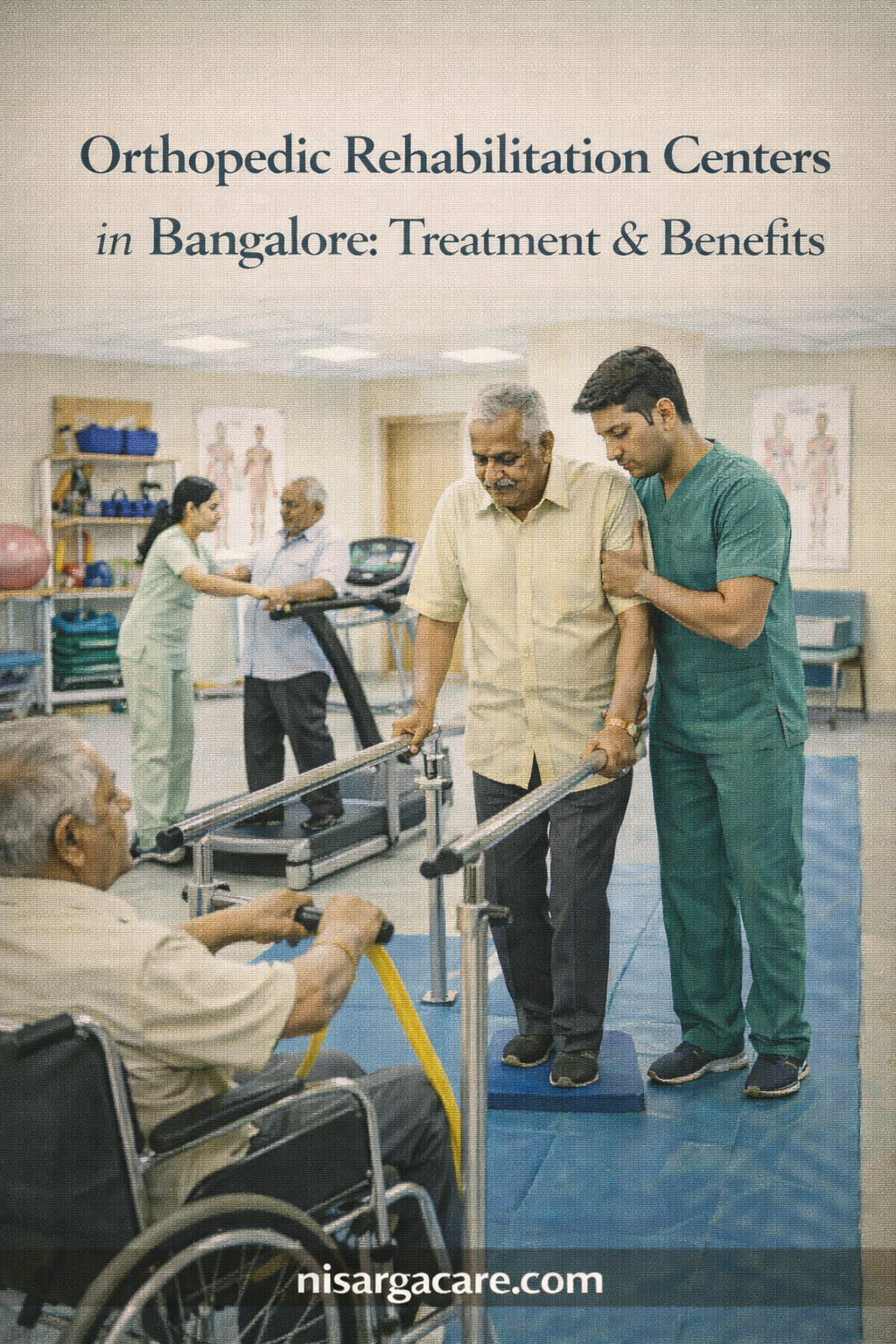
Orthopedic Rehabilitation Centers in Bangalore: Treatment & Benefits

Orthopedic conditions such as fractures, joint injuries, arthritis, and post-surgical complications can significantly affect mobility and daily life. Recovery does not end with surgery or medication—structured rehabilitation is essential for long-term healing. This is where orthopedic rehabilitation centers in Bangalore play a critical role, helping patients regain strength, movement, and independence through expert-guided therapy.


What Is Orthopedic Rehabilitation?

Orthopedic rehabilitation focuses on restoring physical function after injuries or conditions affecting bones, joints, muscles, and ligaments. It is commonly recommended for:

  • Fractures and trauma injuries

  • Knee, hip, and shoulder replacement surgery

  • Sports injuries

  • Arthritis and joint degeneration

  • Spine and back conditions

Leading rehhabilitation centers in Bangalore use personalized therapy plans based on the patient’s condition, age, and recovery goals.


Key Treatments Offered at Orthopedic Rehabilitation Centers

Physiotherapy

Physiotherapy is the foundation of orthopedic rehabilitation. It helps:

  • Improve joint mobility and flexibility

  • Strengthen muscles

  • Reduce pain and stiffness

  • Restore balance and posture

Early physiotherapy prevents long-term movement limitations and speeds up recovery.


Pain Management Therapy

Pain management techniques include manual therapy, heat or cold therapy, and guided exercises. These treatments help reduce dependence on pain medication while improving comfort.


Post-Surgical Rehabilitation

After joint replacement or orthopedic surgery, structured rehabilitation is essential. Therapy focuses on:

  • Safe movement retraining

  • Walking and weight-bearing exercises

  • Preventing complications such as stiffness or muscle loss

Many orthopedic rehabilitation centers in Bangalore offer inpatient and outpatient post-surgical care.


Occupational Therapy

Occupational therapy helps patients perform daily activities like walking, climbing stairs, dressing, and personal care—especially important for elderly patients.


Benefits of Choosing Orthopedic Rehabilitation Centers in Bangalore

Choosing professional rehabilitation centers in Bangalore offers several advantages:

  • Faster and safer recovery

  • Reduced risk of re-injury

  • Improved joint strength and flexibility

  • Better pain control

  • Increased independence in daily life

Centers like Nisarga Care provide holistic orthopedic rehabilitation with medical supervision and individualized therapy programs.


Inpatient vs Outpatient Orthopedic Rehabilitation

Some patients benefit from inpatient rehabilitation with stay, especially after major surgeries or severe injuries. Residential rehabilitation provides:

  • Intensive daily therapy

  • Medical monitoring

  • Faster functional recovery

Outpatient rehabilitation is suitable for mild injuries or patients transitioning from inpatient care.


Orthopedic Rehabilitation Centre Cost in Bangalore

The rehabilitation centre cost in Bangalore varies based on:

  • Type of orthopedic condition

  • Duration and intensity of therapy

  • Inpatient or outpatient care

  • Use of advanced rehabilitation equipment

Early rehabilitation often reduces long-term costs by preventing complications and repeat treatments.


How Families Can Support Orthopedic Recovery

Family support improves recovery outcomes. Families can help by:

  • Encouraging consistent therapy attendance

  • Assisting with home exercise routines

  • Ensuring a safe recovery environment

  • Supporting emotional motivation


Conclusion

Orthopedic rehabilitation is essential for restoring mobility, reducing pain, and improving quality of life after injury or surgery. Professional orthopedic rehabilitation centers in Bangalore provide structured, expert-led therapy that supports safe and effective recovery. With personalized care and medical supervision, centers like Nisarga Care help patients regain confidence, movement, and long-term independence.
Bangalore rehabilitation centers | rehab assisted living facilities in Bangalore News

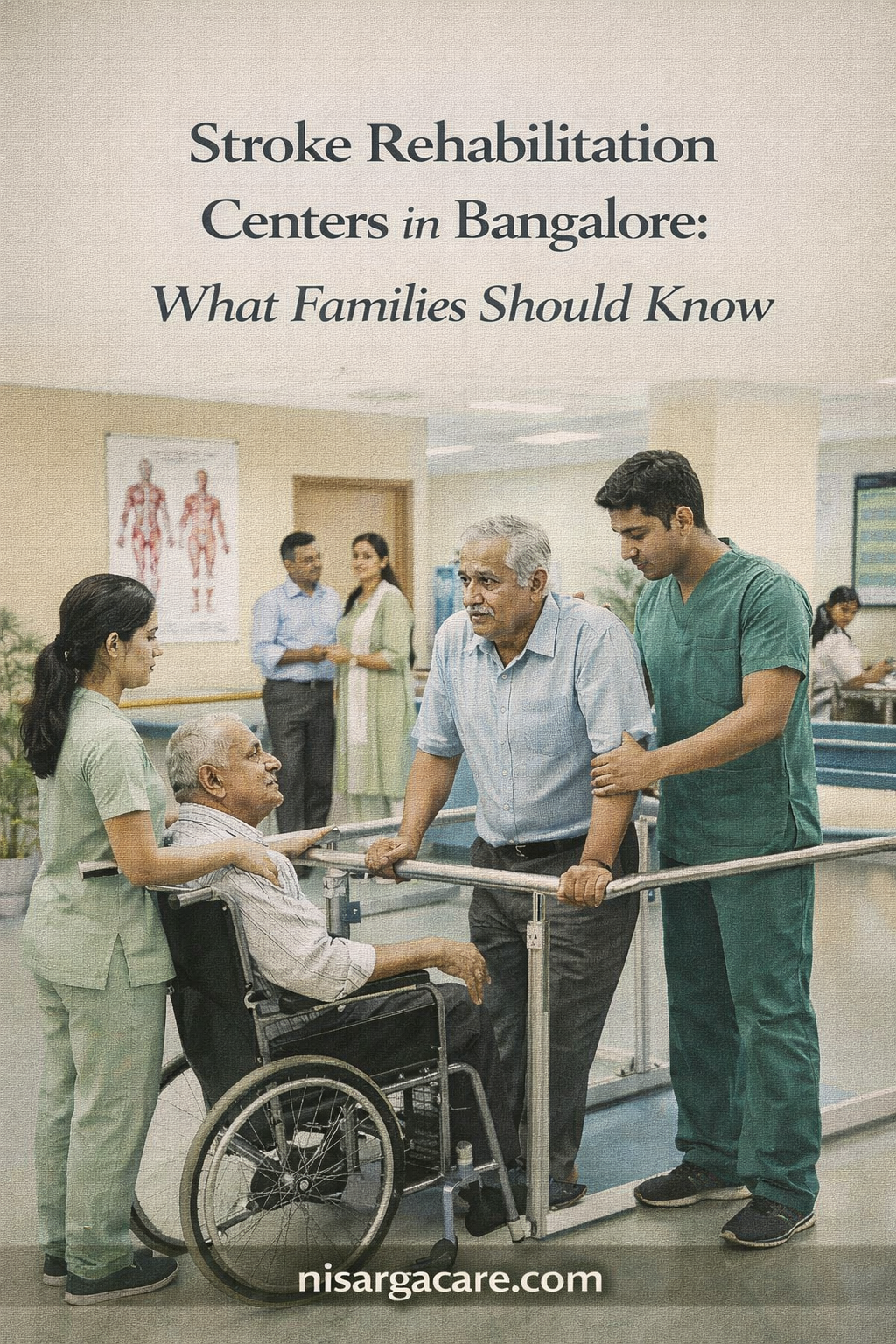
Stroke Rehabilitation Centers in Bangalore: What Families Should Know

A stroke can change a person’s life in seconds—affecting movement, speech, memory, and emotional well-being. For families, the period after hospital discharge is often confusing and overwhelming. Choosing the right rehabilitation centers in Bangalore plays a critical role in helping stroke survivors regain independence and improve quality of life. Understanding how stroke rehabilitation works can help families make informed, timely decisions.


What Is Stroke Rehabilitation?

Stroke rehabilitation is a structured medical process that helps patients recover lost abilities caused by brain injury. It focuses on improving physical movement, speech, cognition, and daily living skills. Most stroke rehabilitation centers in Bangalore follow a multidisciplinary approach, involving physiotherapists, occupational therapists, speech therapists, neurologists, and rehabilitation physicians.

Early and continuous rehabilitation significantly improves recovery outcomes.


Why Early Rehabilitation Matters After a Stroke

Starting rehabilitation as early as possible—often within days of stabilization—helps:

  • Prevent muscle stiffness and joint contractures

  • Improve walking balance and coordination

  • Restore speech and swallowing abilities

  • Reduce long-term disability

  • Boost emotional confidence and motivation

Families looking for rehabilitation centers in Bangalore should prioritize centers that emphasize early intervention and personalized care plans.


Key Therapies Offered at Stroke Rehabilitation Centers

Most advanced rehabilitation centers in Bangalore provide the following therapies:

Physiotherapy

Helps restore strength, balance, and mobility. It focuses on walking, posture correction, and limb movement.

Occupational Therapy

Trains patients to perform daily activities like dressing, bathing, and eating independently.

Speech and Swallowing Therapy

Essential for patients with speech impairment, memory issues, or difficulty swallowing.

Cognitive & Psychological Support

Addresses memory loss, depression, anxiety, and emotional changes after stroke.


Choosing the Right Stroke Rehabilitation Center in Bangalore

When selecting a rehabilitation facility, families should consider:

  • Availability of a multidisciplinary rehabilitation team

  • Individualized therapy programs

  • Inpatient (stay) and outpatient options

  • Medical supervision and emergency support

  • Clean, calm, and patient-friendly environment

  • Transparent rehabilitation centre cost in Bangalore

Centers like Nisarga Care focus on holistic, patient-centered rehabilitation—addressing both physical recovery and emotional well-being.


Stroke Rehabilitation Centre Cost in Bangalore

The rehabilitation centre cost in Bangalore varies depending on:

  • Severity of stroke

  • Duration of rehabilitation

  • Inpatient vs outpatient care

  • Therapy intensity and frequency

On average, costs depend on whether families choose short-term therapy or long-term residential rehabilitation. It’s advisable to discuss customized packages based on medical needs.


How Families Can Support Stroke Recovery

Recovery doesn’t stop at the rehab center. Families play a crucial role by:

  • Encouraging therapy participation

  • Maintaining medication schedules

  • Providing emotional reassurance

  • Creating a safe, supportive home environment

Consistent family involvement often speeds up functional recovery.


Conclusion

Stroke recovery is a journey that requires expert medical guidance, structured therapy, and emotional support. Choosing the right stroke rehabilitation centers in Bangalore can make a life-changing difference for patients and families alike. With comprehensive care, personalized therapy plans, and compassionate support, rehabilitation centers like Nisarga Care help stroke survivors rebuild confidence, independence, and dignity.

News Nisarga care Bangalore

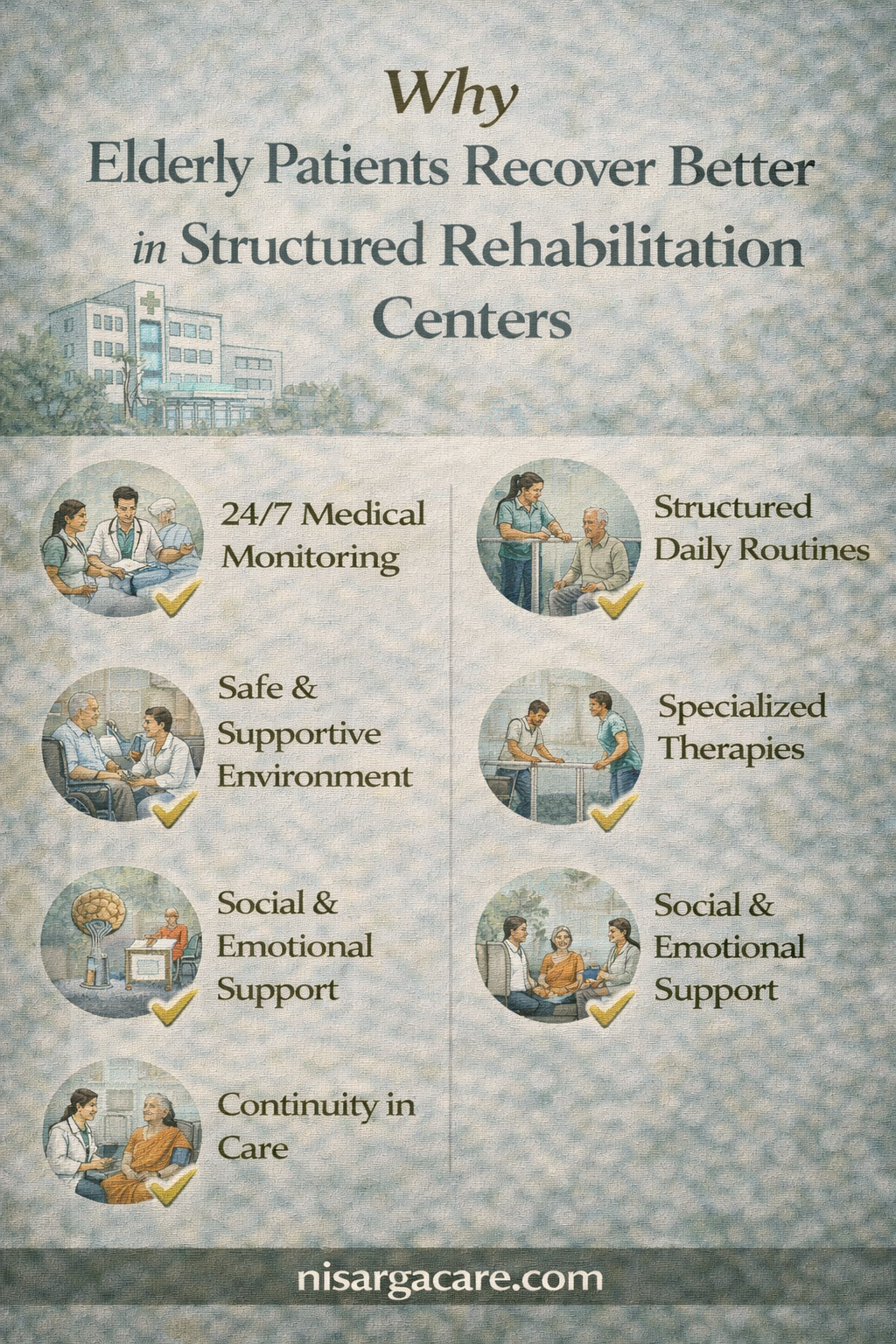
Why Elderly Patients Recover Better in Structured Rehabilitation Centers

Recovery in old age is very different from recovery in younger adults. Elderly patients often deal with multiple health conditions, reduced mobility, slower healing, and emotional challenges such as anxiety or fear of dependence. This is why structured rehabilitation centers play a crucial role in helping seniors recover safely and effectively.

Today, many families prefer rehab centers in Bangalore and rehabilitation centers in Bengaluru because they provide an organized, medically supervised environment specifically designed for elderly recovery.

Structured Medical Supervision Improves Safety

One of the main reasons seniors recover better in rehabilitation centers in Bangalore is continuous medical supervision. Elderly patients often require regular monitoring of vitals, medication schedules, blood sugar levels, and post-surgical wounds.

In a structured rehab center in Bangalore, trained nurses and doctors are available to respond immediately to complications, preventing setbacks and hospital readmissions. This level of care is difficult to maintain consistently at home.

Consistent Therapy Leads to Faster Recovery

Physiotherapy and rehabilitation exercises are critical for elderly recovery, especially after surgery, stroke, or prolonged illness. In a physiotherapy rehabilitation center in Bangalore, therapy sessions are scheduled daily and adjusted according to the patient’s progress.

Structured routines ensure seniors do not miss therapy sessions due to fatigue, lack of motivation, or caregiver limitations—leading to stronger muscles, better balance, and reduced fall risk.

Elder-Friendly Environment Enhances Healing

A geriatric rehabilitation center in Bangalore is designed with senior safety in mind. Features such as non-slip flooring, handrails, mobility aids, and emergency response systems reduce accidents and build confidence.

This controlled environment allows elderly patients to focus on healing without fear, which significantly improves both physical and mental recovery outcomes.

Specialized Care for Age-Related Conditions

Many elderly patients suffer from conditions such as stroke, orthopedic injuries, neurological disorders, or memory-related issues. Structured rehabilitation centers in Bengaluru provide access to specialized services like:

  • Stroke rehabilitation center in Bangalore programs

  • Orthopedic rehabilitation center in Bangalore care

  • Neuro rehabilitation center in Bangalore services

  • Support for mental health and cognitive recovery

This integrated approach ensures seniors receive complete care under one roof.

Emotional and Mental Health Support

Recovery is not only physical. Seniors often experience loneliness, confusion, or depression after hospitalization. Structured elderly rehabilitation centers in Bangalore provide emotional support, social interaction, and routine-based living, which improves mental stability and motivation.

This is especially important for seniors needing mental rehabilitation or long-term recovery support.

Reduced Burden on Family Caregivers

Families often search for an old age rehabilitation center near me or rehab center near me Bangalore because home care can become overwhelming. Structured rehabilitation centers relieve families from 24/7 caregiving responsibilities while ensuring seniors receive professional attention.


Conclusion: Why Nisarga Care Is the Best Choice

Elderly patients recover better in structured environments that offer medical supervision, therapy consistency, emotional support, and senior-friendly infrastructure. Nisarga Care stands out among the leading rehab centres in Bengaluru and rehabilitation centers in Bangalore for its holistic and compassionate approach to elderly recovery.

As a trusted elderly rehabilitation center in Bangalore and geriatric rehabilitation center in Karnataka, Nisarga Care provides personalized recovery plans, post-hospital rehabilitation, physiotherapy, mental health support, and long-term elder care.

For families looking for a reliable rehabilitation center near me Bengaluru or an old age home with rehabilitation services in Bangalore, Nisarga Care is the best choice—ensuring seniors recover with dignity, safety, and confidence.

News Nisarga care Bangalore

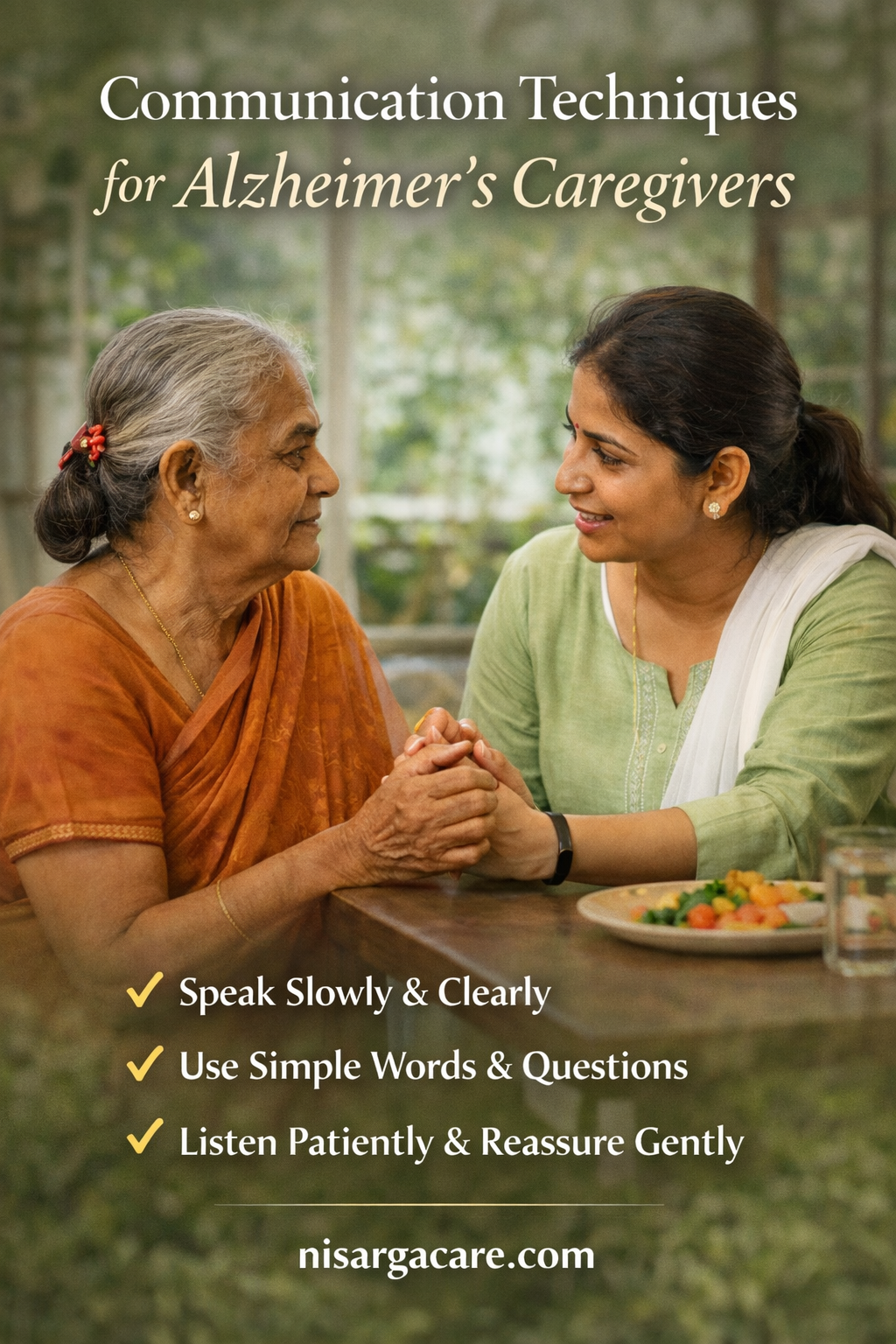
Communication Techniques for Alzheimer’s Caregivers

Effective communication is one of the most important skills for caregivers of Alzheimer’s patients. As the disease progresses, individuals may struggle to express themselves, remember words, or understand instructions. Miscommunication can lead to frustration, agitation, or emotional distress for both the patient and the caregiver. By using specialized techniques, caregivers can ensure clarity, comfort, and emotional connection. Professional guidance from an Alzheimer’s care center in Karnataka can make a significant difference in maintaining communication and building trust.

Use Simple Words and Short Sentences

Alzheimer’s patients process information more slowly and may become overwhelmed by long or complex instructions. Use:

  • Short, simple sentences

  • Clear and direct language

  • One instruction at a time

For example, instead of saying, “Please go to the kitchen, wash your hands, and then come back to sit for lunch,” say, “Let’s wash our hands first.” This reduces confusion and increases compliance.

Maintain Calm and Positive Tone

Tone of voice conveys more than words. Speaking in a calm, gentle, and reassuring tone helps reduce anxiety and agitation. Avoid raising your voice or showing frustration, even when the patient repeats questions or struggles to respond.

Positive tone strengthens trust and encourages cooperation.

Non-Verbal Communication

Non-verbal cues are essential in Alzheimer’s care. Patients may respond better to gestures, facial expressions, and body language than words alone. Techniques include:

  • Smiling and maintaining eye contact

  • Using gentle touch for reassurance

  • Pointing to objects or demonstrating actions

  • Nodding and showing encouragement

Non-verbal communication helps the patient feel understood and emotionally secure.

Be Patient and Allow Time to Respond

Alzheimer’s patients may need extra time to process information and respond. Avoid interrupting or finishing their sentences. Give them patience and space to express themselves, which boosts confidence and reduces frustration.

Validate Feelings

Even if the patient’s statements seem confused or incorrect, validate their emotions rather than correcting them harshly. Phrases like:

  • “I understand you’re worried”

  • “It’s okay, I’m here with you”

This approach reassures the patient and reduces emotional stress.

Avoid Negative Corrections

Correcting mistakes repeatedly can lead to embarrassment, anger, or withdrawal. Instead, redirect attention gently or guide the patient toward the desired action without confrontation.

Maintain Eye-Level Contact

Kneel or sit so you are at the patient’s eye level. This improves engagement, helps them focus on your expressions, and conveys respect and empathy.

Encourage Social Interaction

Regular conversations and shared activities keep communication skills active. Encourage participation in group discussions, storytelling, or singing. Social engagement improves cognitive function and emotional well-being.

Role of Professional Alzheimer’s Care

Professional Memory care facilities in Bangalore provide structured communication strategies. Trained caregivers understand behavioral patterns, emotional triggers, and effective techniques that families may find difficult to maintain at home.


Conclusion: Why Nisarga Care Is the Best Choice

Effective communication is key to improving the quality of life for Alzheimer’s patients. Nisarga Care is a trusted Alzheimer’s care center in Karnataka, offering trained caregivers who specialize in compassionate and effective communication strategies. As a leading Memory care facility in Bangalore, Nisarga Care ensures that each resident receives personalized attention, emotional support, and professional Alzheimer’s care services.

Families seeking a reliable Alzheimer’s rehabilitation center in Bangalore can depend on Nisarga Care for its structured communication programs, holistic care approach, and dedicated team. It is truly the best Alzheimer’s care center in Bangalore, where understanding, patience, and respect create a safe and nurturing environment for seniors living with Alzheimer’s.

News Nisarga care Bangalore

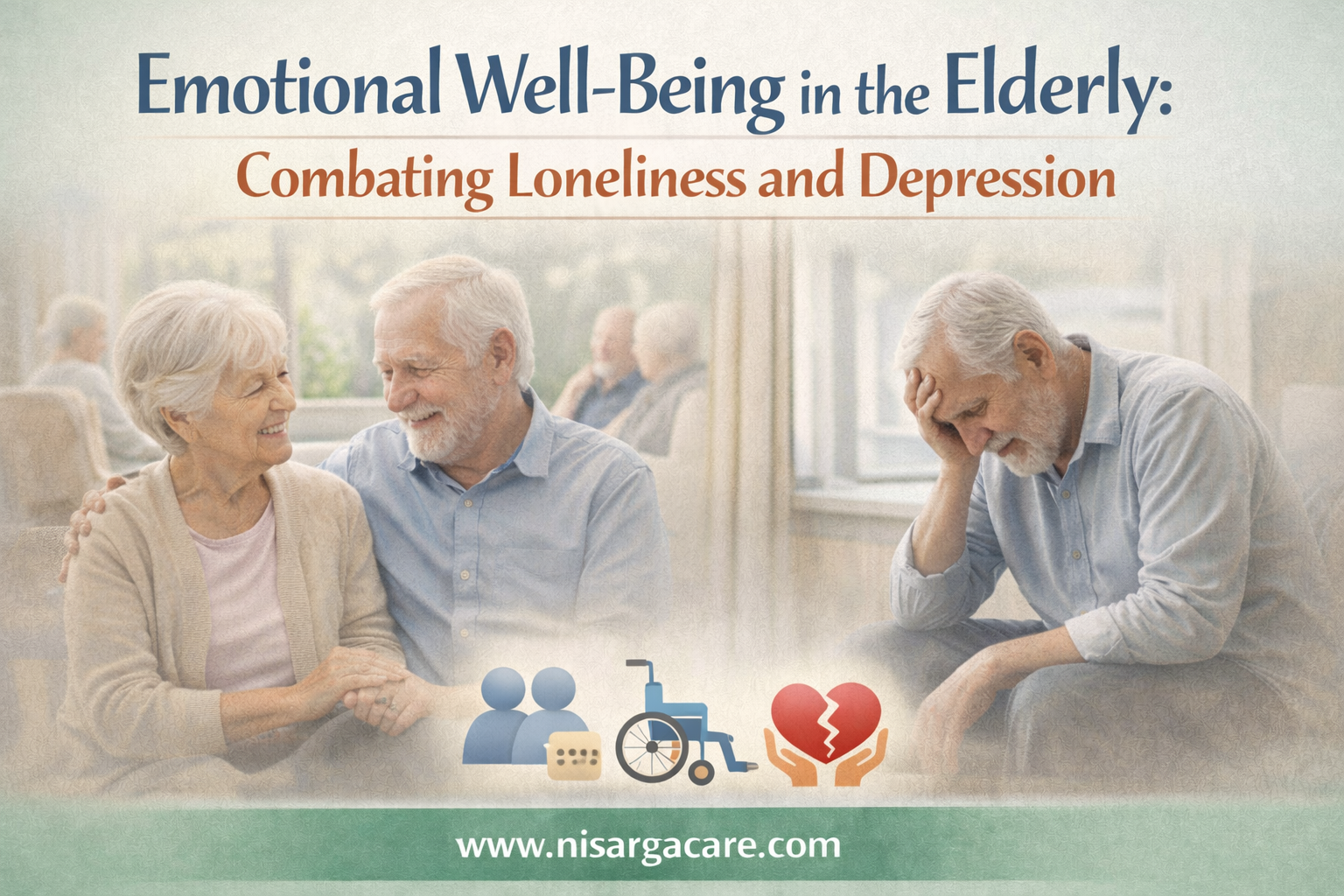
Emotional Well-Being in the Elderly: Combating Loneliness and Depression

Loneliness and depression are serious yet often overlooked health risks among the elderly. As seniors experience reduced mobility, loss of loved ones, or prolonged recovery periods, emotional isolation can deeply affect mental and physical health. Addressing emotional well-being is a core responsibility of rehabilitation and elder care homes.

Understanding Loneliness in Seniors

Loneliness is not just about being alone—it is the feeling of being disconnected. Seniors living alone or recovering in isolation may feel forgotten, leading to sadness, anxiety, and depression. These emotions can slow recovery, weaken immunity, and increase dependency.

How Elder Care Homes Address Emotional Needs

Elder care and rehab homes provide structured social interaction through group activities, therapy sessions, and shared routines. Seniors interact with peers facing similar challenges, fostering companionship and mutual support. Trained caregivers also monitor emotional changes and provide reassurance when needed.

Role of Counseling and Mental Health Support

Professional counseling plays a vital role in addressing depression and anxiety. Rehab homes integrate emotional counseling, mindfulness practices, and relaxation techniques to help seniors cope with emotional stress. Early intervention prevents emotional decline and promotes resilience.

Family Connection and Emotional Security

Family involvement remains essential even in care homes. Regular visits, calls, and emotional engagement help seniors feel valued and connected. Elder care facilities encourage family participation to strengthen emotional bonds and recovery outcomes.

Creating a Sense of Purpose

Engaging seniors in meaningful activities such as hobbies, light responsibilities, and social events restores confidence and self-worth. Emotional well-being improves when seniors feel useful, heard, and respected.

Conclusion

Emotional well-being is fundamental to healthy aging and recovery. Combating loneliness and depression requires consistent emotional support, social interaction, and compassionate care. At Nisarga Care, we prioritize mental and emotional health alongside physical care, creating a nurturing environment where seniors feel connected, supported, and valued every day.

News Nisarga care Bangalore

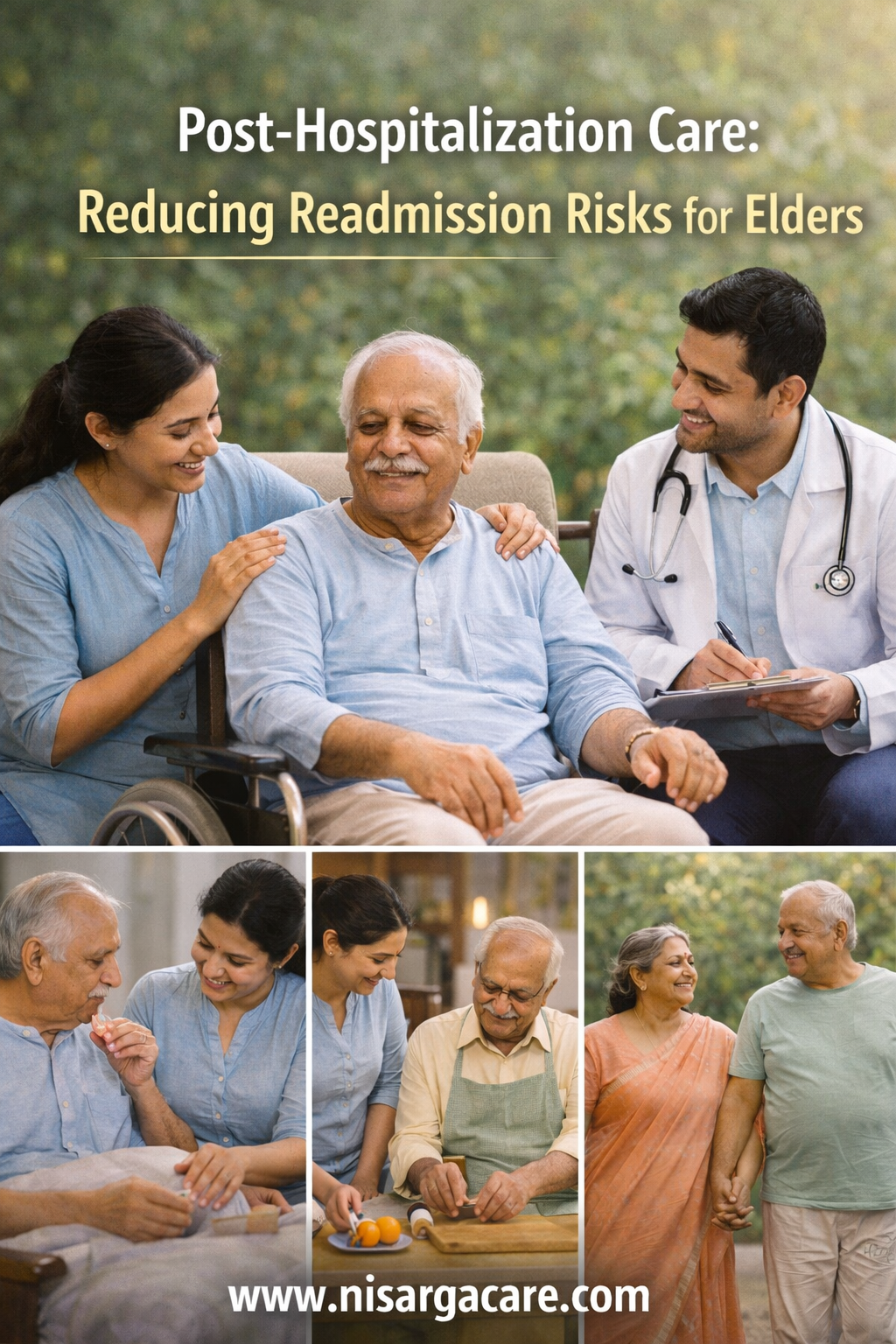
Post-Hospitalization Care: Reducing Readmission Risks for Elders | Nisarga Care

Hospitalization can be a critical turning point in an elder’s health journey. While discharge often marks improvement, it does not always mean full recovery. Many seniors face complications shortly after returning home, increasing the risk of hospital readmission.

Effective post-hospitalization care is essential to ensure safe recovery, prevent complications, and support long-term health in elders.


Why Readmission Risk Is High Among Elders

Older adults are more vulnerable after hospital discharge due to:

  • Weakened immunity and reduced mobility

  • Multiple chronic conditions

  • Medication changes or confusion

  • Inadequate follow-up care

  • Lack of proper home support

Without structured care, minor issues can escalate into emergencies.


Common Causes of Hospital Readmission

Understanding the causes helps prevent avoidable readmissions:

1. Medication Mismanagement

Changes in prescriptions after discharge can cause confusion. Missed doses, overdosing, or drug interactions often lead to complications.


2. Poor Mobility and Fall Risk

Post-illness weakness increases the risk of falls, fractures, and injuries—one of the leading causes of readmission among elders.


3. Inadequate Wound and Post-Surgical Care

Improper wound care or lack of monitoring can result in infections or delayed healing.


4. Lack of Follow-Up Monitoring

Missed medical appointments or unmonitored symptoms can allow conditions to worsen unnoticed.


5. Emotional and Mental Health Challenges

Anxiety, depression, or fear after hospitalization can affect recovery and adherence to care routines.


Key Components of Effective Post-Hospitalization Care

1. Personalized Recovery Plans

Each elder requires a tailored care plan based on their diagnosis, mobility level, and overall health. This ensures continuity of care after discharge.


2. Medication Management and Monitoring

Caregivers help ensure:

  • Correct dosage and timing

  • Awareness of side effects

  • Coordination with healthcare providers

This reduces medication-related complications significantly.


3. Mobility and Rehabilitation Support

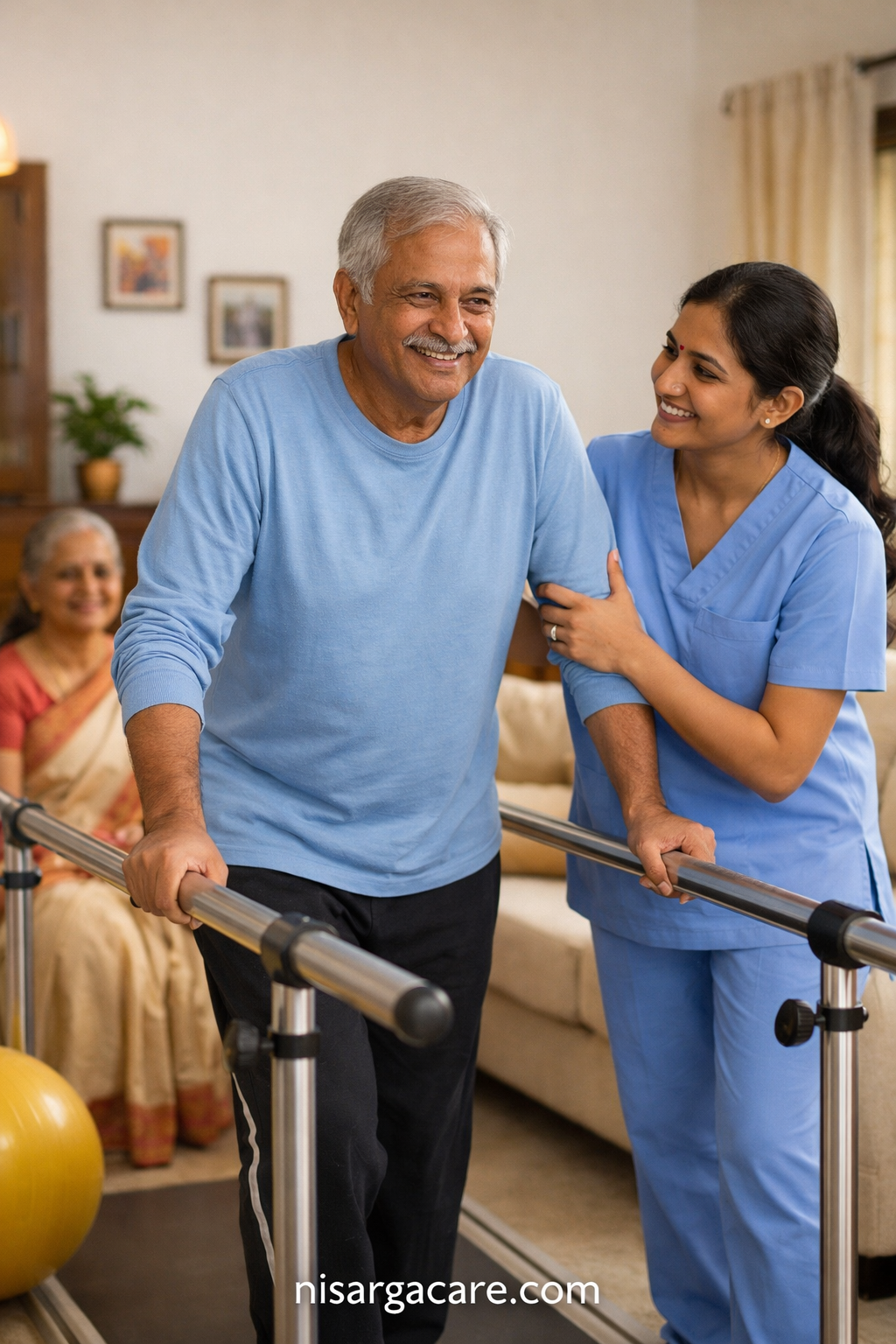
Physiotherapy and gentle movement restore strength, balance, and confidence, lowering fall risk and promoting independence.


4. Nutrition and Hydration Support

Proper nutrition supports healing, immunity, and energy levels. Care plans should include balanced meals and adequate hydration.


5. Regular Health Monitoring

Tracking vital signs, symptoms, and recovery progress allows early detection of warning signs—preventing emergencies.


6. Emotional and Psychological Care

Compassionate companionship and reassurance help reduce stress, improve adherence to care routines, and support mental well-being.


Role of Family and Caregivers

Families play an important role in post-hospitalization recovery. Education, communication, and caregiver support ensure elders feel secure and motivated throughout the healing process.


How Nisarga Care Reduces Readmission Risks

At Nisarga Care, we offer structured post-hospitalization care that includes:

  • Trained caregivers for medical and personal support

  • Medication supervision and health monitoring

  • Rehabilitation and mobility assistance

  • Safe, senior-friendly environments

  • Emotional and mental well-being support

Our coordinated approach focuses on safe recovery at home or in care facilities, reducing unnecessary hospital visits.


Conclusion

Post-hospitalization care is a critical phase in an elder’s recovery journey. With proper planning, monitoring, and compassionate support, many hospital readmissions can be prevented—allowing elders to heal safely and regain independence.

News

How Rehabilitation Restores Confidence After Long-Term Illness

Long-term illness can deeply affect a person’s physical abilities, emotional strength, and self-confidence. Extended hospital stays, chronic conditions, or prolonged recovery periods often leave individuals—especially seniors—feeling dependent, uncertain, and disconnected from their previous sense of self. Rehabilitation plays a critical role not only in physical healing but also in rebuilding confidence, dignity, and independence after long-term illness.

Impact of Long-Term Illness on Confidence

When someone experiences a long illness, daily routines are disrupted. Tasks that were once simple—walking, bathing, eating independently, or even speaking—may become challenging. This loss of control can lead to frustration, anxiety, low self-esteem, and fear of the future. Many patients begin to doubt their abilities and hesitate to re-engage with everyday life, even after their medical condition stabilizes.

Rehabilitation addresses these emotional challenges alongside physical recovery, helping individuals rediscover trust in their bodies and minds.

Gradual Physical Recovery Builds Self-Belief

One of the strongest confidence boosters during rehabilitation is visible progress. Physiotherapy, occupational therapy, and guided exercises are designed to restore strength, balance, and coordination step by step. Each small achievement—standing without support, walking a few steps, or performing daily activities independently—reinforces a sense of capability.

As patients see improvement over time, fear of movement reduces and confidence naturally grows. Structured rehabilitation replaces uncertainty with measurable progress.

Emotional Support and Encouragement

Rehabilitation professionals understand that healing is not just physical. Therapists, nurses, and caregivers provide consistent encouragement, reassurance, and emotional support. Being guided by trained professionals who acknowledge effort—not just outcomes—helps patients feel valued and understood.

Positive reinforcement during therapy sessions motivates individuals to stay engaged, overcome setbacks, and maintain hope during slow recovery phases.

Restoring Independence and Daily Function

Occupational therapy plays a key role in rebuilding confidence by helping patients relearn everyday activities such as dressing, cooking, writing, or personal hygiene. Regaining control over daily life restores a sense of normalcy and self-respect.

As dependence on others decreases, individuals feel more confident participating in family life, social interactions, and personal decision-making.

Safe and Structured Environment

A supportive rehabilitation environment offers safety without pressure. Patients are encouraged to try, fail, and try again without judgment. Knowing that help is immediately available reduces fear and builds courage to attempt movements or tasks that once felt impossible.

This sense of safety allows patients to push boundaries gradually and rebuild trust in their abilities.

Family Involvement Strengthens Confidence

Family encouragement significantly influences confidence restoration. When loved ones actively participate in the rehabilitation journey—celebrating milestones, offering emotional reassurance, and respecting independence—it reinforces the patient’s belief in recovery. Feeling supported yet empowered creates emotional stability and motivation.


Conclusion

Rehabilitation is a journey of rediscovering strength, confidence, and purpose after long-term illness. By combining physical therapy, emotional support, independence training, and compassionate care, rehabilitation helps individuals rebuild not just their bodies but also their self-belief. With patience, guidance, and the right environment, recovery becomes a path toward renewed confidence, dignity, and a more independent life.

Bangalore rehabilitation centers | rehab assisted living facilities in Bangalore Nisarga care Bangalore

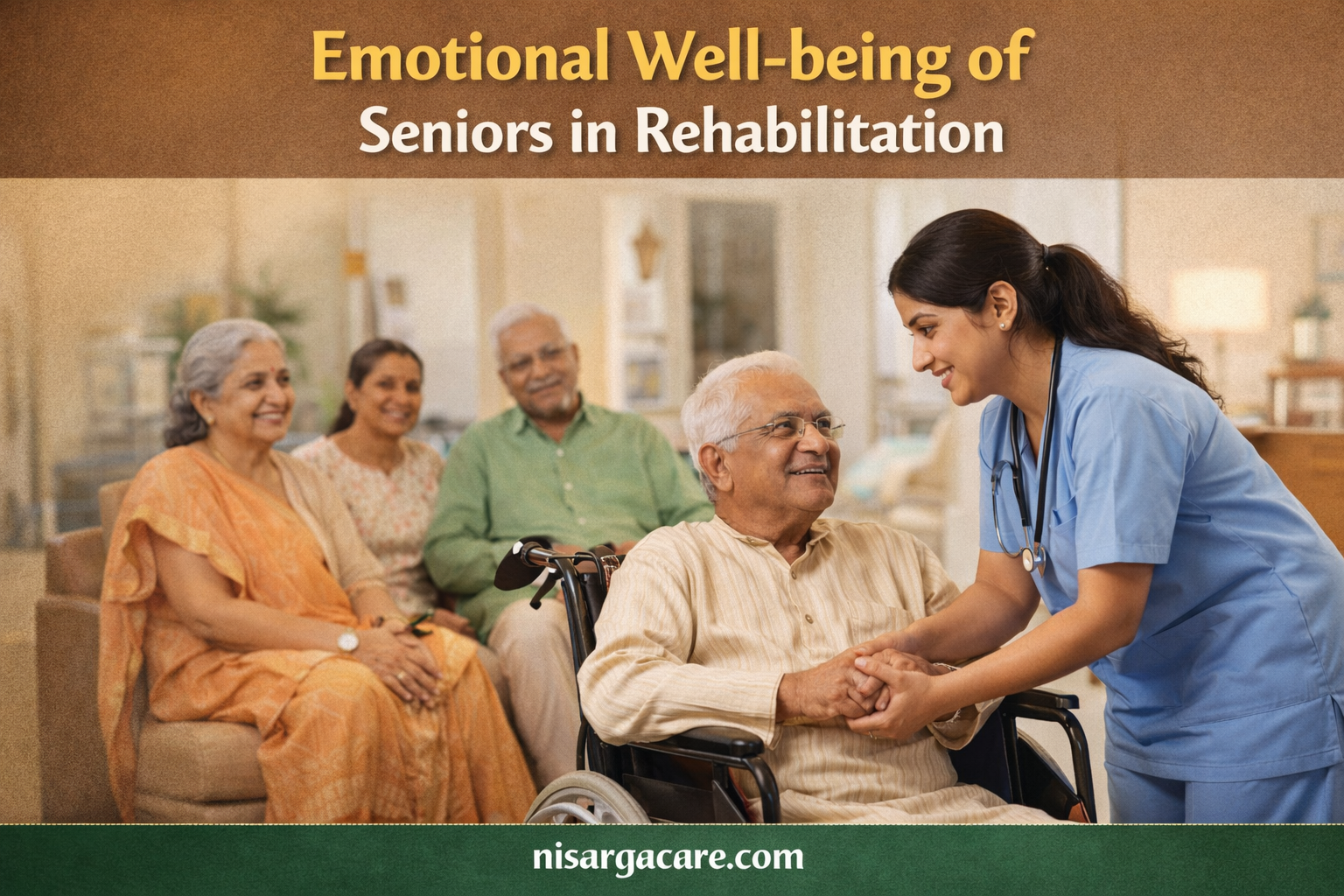
Emotional Well-being of Seniors in Rehabilitation || Nisarga Care

Rehabilitation is often viewed only through a physical lens—regaining strength, mobility, or independence after illness, surgery, or injury. However, for seniors, emotional well-being plays an equally vital role in the rehabilitation journey. Feelings of fear, anxiety, loneliness, and loss of independence are common among elderly individuals undergoing rehabilitation, and addressing these emotions is essential for holistic recovery.

Why Emotional Health Matters in Rehabilitation

Seniors entering rehabilitation often experience sudden life changes. They may struggle with reduced mobility, dependence on others, or separation from familiar home environments. These changes can trigger emotional distress, which may slow physical recovery. Studies and clinical experience consistently show that seniors with positive emotional health tend to heal faster, stay motivated, and actively participate in therapy sessions.

Emotional well-being influences how seniors perceive pain, adhere to physiotherapy routines, and maintain hope during long recovery periods. Without emotional support, rehabilitation can feel overwhelming rather than empowering.

Common Emotional Challenges Faced by Seniors

Many seniors in rehabilitation face:

  • Anxiety and fear, especially after surgeries or strokes

  • Depression or sadness due to loss of independence

  • Loneliness, particularly in residential rehab settings

  • Low self-esteem, when daily tasks require assistance

Recognizing these emotions early allows caregivers and families to respond with empathy instead of focusing only on physical milestones.

Role of Compassionate Care and Environment

A supportive rehabilitation environment can significantly improve emotional health. Seniors benefit from calm surroundings, respectful communication, and caregivers who listen patiently. Simple actions—addressing seniors by name, explaining therapy steps, and encouraging independence—help restore confidence.

Rehabilitation centers that integrate mental wellness support, social interaction, and personalized care plans create a sense of belonging rather than isolation. Group activities, light exercises, and shared meals encourage seniors to connect with others facing similar challenges.

Family Involvement and Emotional Security

Family support remains one of the strongest pillars of emotional well-being. Regular visits, phone calls, and involvement in care decisions reassure seniors that they are not alone. Emotional encouragement from loved ones motivates seniors to stay committed to their rehabilitation goals.

When families collaborate with therapists and caregivers, seniors feel valued and respected. Even small gestures—bringing familiar items from home or celebrating recovery milestones—can lift spirits and reduce emotional stress.

Mind-Body Connection in Recovery

Emotional stability directly impacts physical outcomes. Seniors who feel supported and understood are more likely to engage actively in physiotherapy, follow medical advice, and maintain a positive outlook. Practices such as breathing exercises, light meditation, music therapy, and gentle conversation can help manage stress and improve mood during rehabilitation.

Creating a Dignified Rehabilitation Experience

Preserving dignity is essential for emotional well-being. Seniors should be encouraged to do tasks independently whenever possible and be involved in decisions about their care. Respecting their preferences, routines, and cultural values fosters trust and emotional resilience.


Conclusion

Emotional well-being is not an optional aspect of seniors care in rehabilitation—it is a foundation for successful recovery. By addressing emotional challenges alongside physical therapy, families and caregivers can help seniors regain not only strength but also confidence, hope, and a sense of purpose. Compassionate environments, strong family involvement, and respectful care ensure that rehabilitation becomes a journey of healing, dignity, and renewed independence rather than fear or isolation.

Bangalore rehabilitation centers | rehab assisted living facilities in Bangalore Nisarga care Bangalore

Family Role in Elder Care: Building Trust, Connection, and Understanding

Family involvement is one of the strongest pillars of quality elder care. While professional caregivers, nursing teams, and senior care centres provide structured support, the emotional and relational strength that families bring is irreplaceable. Whether an elder is living at home or in a care centre in Karnataka, the presence, connection, and encouragement from loved ones significantly influence their physical and emotional well-being. This blog explores the essential family role in elder care, highlighting how trust, communication, and compassion build a safe and supportive environment for seniors. It also reflects the cultural values of Indian families, where togetherness and respect for elders play a central role.


Why Family Involvement Matters in Elder Care

As seniors experience health challenges, reduced mobility, or cognitive decline, they often feel uncertain or anxious about the changes in their lives. Family participation makes them feel safe, valued, and emotionally grounded.

Here are the most impactful reasons:

1. Emotional Security and Stability

Seniors rely heavily on emotional support from family members. Even short visits or regular calls can lift their mood, reduce loneliness, and create a sense of belonging. In many Indian households, elders draw comfort from seeing familiar faces and hearing reassuring voices.

2. Better Health Outcomes

Studies consistently show that seniors with active family participation experience improved mental health, better compliance with treatment plans, and lower stress levels. Families help reinforce routines like medication management, diet, physiotherapy, and checkups.

3. Encouragement and Motivation

When elders face physical limitations or long-term illnesses, they may lose motivation. A supportive family becomes a source of strength, encouraging them through recovery, rehabilitation, or daily challenges. This is especially important for elders recovering from conditions like stroke, arthritis, or chronic illnesses.

4. Cultural and Personal Identity

Family members help seniors maintain a connection to their cultural traditions, values, and memories. This connection becomes even more essential for elders with dementia, who may find comfort in familiar songs, stories, or rituals.


Building Trust: The Foundation of Effective Elder Care

Trust is the emotional glue that binds families and elders during challenging moments. To build it effectively, families should focus on three essential aspects:

1. Transparent Communication

Seniors must feel involved in decisions regarding their health, living arrangements, or daily routines. Open conversations create respect and prevent misunderstandings. Listening patiently to their concerns helps them feel more in control and respected.

2. Consistency and Reliability

Elders often feel vulnerable when routines change unexpectedly. Keeping promises—such as visiting regularly, accompanying them to checkups, or calling at the same time each day—strengthens their sense of security.

3. Respecting Their Independence

Even when elders need assistance, they value autonomy. Encouraging them to make choices, participate in activities, and maintain independence where possible builds trust and dignity.


Strengthening Connection: Small Actions, Big Impact

Families do not always need to make grand gestures. Often, simple, consistent actions create the strongest bonds.

1. Spend Quality Time Together

Watching a movie, reading to them, sharing meals, or simply sitting beside them can bring immense comfort. Quality time reduces feelings of abandonment and keeps their emotional health strong.

2. Encourage Social Interaction

Many seniors in care centres in Karnataka benefit from meeting other residents. Families can support this by participating in group events, celebrations, or recreational activities with them.

3. Share Memories and Stories

Talking about family events, old photos, and shared memories activates cognitive function and reinforces their sense of identity—especially beneficial for those with early dementia or memory loss.


Understanding: The Heart of Compassionate Elder Care

Understanding an elder’s emotional state may require patience and empathy. With aging comes the need for compassion rooted in awareness.

1. Recognize Emotional Challenges

Common emotions among elders include:

  • Fear of dependency

  • Worry about being a burden

  • Loneliness or isolation

  • Confusion from memory loss

Families who understand these emotions respond with kindness rather than frustration.

2. Acknowledge Physical Limitations

Mobility issues, vision problems, and chronic pain affect daily functioning. Families should avoid rushing elders or expecting them to move at the same pace they once did.

3. Adapt to Cognitive Decline

For seniors with Alzheimer’s or dementia, forgetfulness or mood swings are part of the condition. Patience, gentle communication, and repeated reassurance go a long way in maintaining calm and emotional balance.


Working Together With Professional Care Providers

In elder care centres across Karnataka, the most effective support system is one where families and caregivers collaborate.

1. Regular Updates and Check-ins

Families should maintain communication with nursing teams, physiotherapists, and care managers to understand the elder’s progress or challenges.

2. Participate in Care Planning

Including families in discussions about diet, therapy, and medical needs ensures the senior receives personalized care aligned with their preferences.

3. Supporting Routines at Home

If the senior lives at home with visiting nurses or therapists, families play a key role in maintaining schedules and routines that ensure consistent care.


Family Involvement Creates Better Elder Care Outcomes

When families invest time, patience, and emotional energy in their elders, the result is holistic well-being. Seniors feel loved, secure, and respected, while families build deeper emotional bonds and uphold cultural values of care and gratitude.

The combination of professional caregiving and family warmth creates a home-like environment, whether the elder is living in a care centre or at home.

Bangalore rehabilitation centers | rehab assisted living facilities in Bangalore Nisarga care Bangalore

How Modern Technology Enhances Senior Care Quality in Karnataka Homes

Senior care in India is undergoing a major transformation — and technology is at the heart of it. As families juggle careers, responsibilities, and caregiving, modern tools are making it possible to deliver safer, smarter, and more reliable care for aging loved ones. In Karnataka especially, the adoption of digital health platforms, remote monitoring, and AI-enabled systems is redefining senior care standards. For families searching for dependable senior care services India, technology-driven care models offer transparency, consistency, and peace of mind. At Nisarga Care, these innovations allow seniors to enjoy comfort and independence while receiving continuous support.


Why Technology Matters in Senior Care Today

With rising chronic illnesses, mobility challenges, and the increase in nuclear families, integrating technology into caregiving is no longer optional — it’s essential. Seniors today require a blend of human compassion and digital intelligence that ensures safety, health monitoring, and timely intervention.

Modern tools support:

  • Early detection of health complications

  • Real-time communication between caregivers and families

  • Better management of medication and routines

  • Enhanced safety in living environments

  • Greater independence for seniors

This makes technology a powerful asset in senior care services India.


Smart Health Monitoring: Continuous Care Made Easy

One of the most impactful advancements in elder care is remote health monitoring. Devices now track key health indicators such as:

  • Blood pressure

  • Heart rate

  • Blood sugar levels

  • Oxygen saturation

  • Sleep patterns

At Nisarga Care, such monitoring supports preventive health, allowing caregivers to intervene before a condition escalates. This aligns with the demand for structured, reliable elderly support services India.


Emergency Response Systems: Safety at Every Step

For seniors living with mobility issues, chronic conditions, or post-surgery limitations, safety is a major concern. Emergency alert systems, fall-detection sensors, and quick-response alarms ensure that help is always within reach.

These tools are especially valuable in assisted living homes in Karnataka, where prompt action can prevent serious complications. Families feel reassured knowing seniors are protected 24/7 — even during unexpected situations.


Digital Medication Management: No Missed Doses Again

Medication errors are one of the biggest risks for seniors. With multiple prescriptions and complex schedules, even a small mistake can lead to adverse effects.

Technology now provides:

  • Digital reminders

  • Smart pillboxes

  • Automated medication logs

  • Cloud-based health records

These systems make daily routines smoother and support professional caregiving for seniors across India.


Physiotherapy & Rehabilitation Technology

Rehabilitation is becoming more accurate and scientific with the use of digital tools for:

  • Mobility tracking

  • Strength measurement

  • Posture correction

  • Guided physiotherapy exercises

  • Virtual rehabilitation sessions

This is especially important in Karnataka, where the need for rehabilitation centers in India is increasing due to higher rates of stroke, fractures, and surgeries among older adults. Modern rehabilitation helps seniors regain mobility faster and more safely.


Cognitive Wellness Through Technology

Cognitive decline, memory loss, and dementia are common challenges among seniors. Today, technology supports mental wellness through:

  • Brain-training apps

  • Memory-enhancement games

  • Virtual storytelling

  • Audiobooks

  • Interactive learning portals

These tools keep the mind active and strengthen cognitive skills. Such programs support the rising need for mental health support for elderly India and create engaging routines.


Telemedicine: Doctors Just a Click Away

Teleconsultations have become a game-changer for senior health management. Seniors can access specialists without needing to travel long distances. Telemedicine ensures:

  • Timely medical advice

  • Digital prescriptions

  • Convenience for families

  • Reduced hospital visits

This form of hybrid medical care is becoming standard in senior care services India, especially for chronic condition management.


Smart Home Enhancements for Senior Safety

Modern homes in Karnataka are increasingly equipped with tools that make daily living safer for seniors:

  • Motion-sensor lighting

  • Voice-assist devices

  • Smart home cameras

  • Automatic door locks

  • Temperature and appliance controls

These features reduce risks while giving seniors the freedom to navigate their environment independently.


Technology That Connects Seniors Emotionally

Loneliness is a serious concern for older adults. Technology bridges emotional gaps by simplifying communication with family members through:

  • Video calls

  • Photo-sharing apps

  • Social platforms

  • Community forums

This promotes emotional well-being and strengthens family bonds, especially when physical visits are limited.


Nisarga Care: Blending Compassion with Innovation

At Nisarga Care, technology complements human caregiving to create an environment that is safe, supportive, and emotionally uplifting. From remote monitoring to structured rehabilitation, our care ecosystem ensures seniors receive the highest quality support.

Our approach aligns with the evolution of elder care services in India, giving families clarity, confidence, and comfort.


A Future Where Technology and Care Work Together

As Karnataka continues to innovate, senior care homes are evolving into modern, wellness-focused ecosystems where technology enhances every aspect of aging. Seniors deserve security, dignity, and independence — and today’s digital tools make it possible.

With the right mix of compassion and technology, families can ensure their loved ones live peacefully, safely, and joyfully.

Posts pagination

WeCreativez WhatsApp Support
Our customer support team is here to answer your questions. Ask us anything!
👋 Hi, how can I help?