Bangalore rehabilitation centers | rehab assisted living facilities in Bangalore News

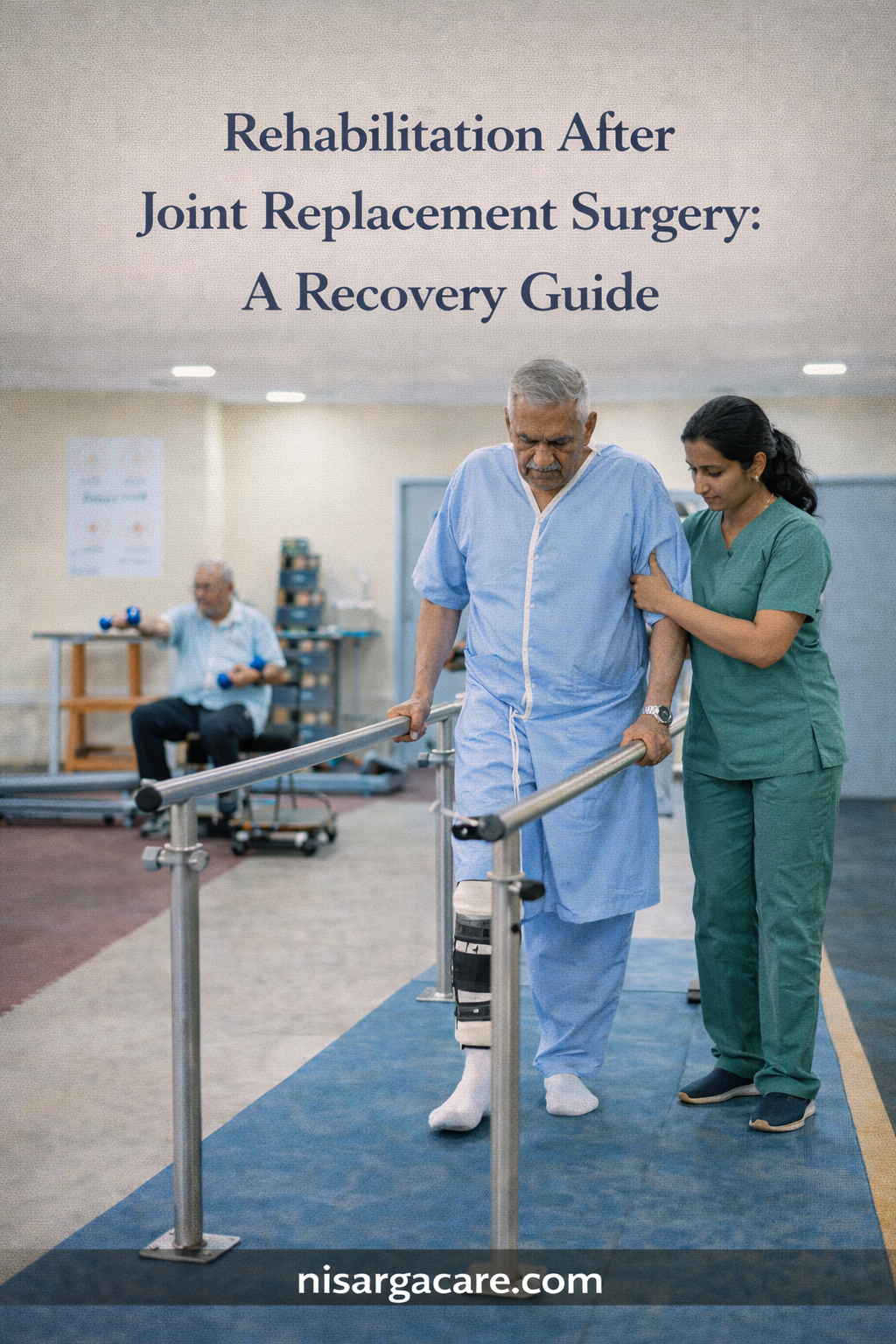
Rehabilitation After Joint Replacement Surgery: A Recovery Guide

Joint replacement surgery—such as knee, hip, or shoulder replacement—can significantly improve quality of life. However, surgery alone does not guarantee full recovery. Proper rehabilitation is essential to restore strength, mobility, and independence. This is why rehabilitation centers in Bangalore and across Karnataka play a vital role in post–joint replacement recovery.

For families, understanding the rehabilitation process helps ensure better outcomes and faster healing.


Why Rehabilitation Is Crucial After Joint Replacement Surgery

After joint replacement surgery, patients often experience pain, stiffness, muscle weakness, and limited movement. Without structured rehabilitation, recovery may be slow or incomplete.

Post-surgical rehabilitation helps to:

  • Restore joint mobility and flexibility

  • Strengthen surrounding muscles

  • Reduce pain and swelling

  • Improve balance and walking ability

  • Prevent complications such as stiffness or joint instability

Professional rehabilitation centers in Karnataka provide guided therapy that supports safe and effective recovery.


When Should Rehabilitation Begin?

Rehabilitation usually begins within 24 to 72 hours after surgery, once the patient is medically stable. Early movement helps improve circulation, reduce stiffness, and speed up healing.

Most advanced rehabilitation centers in Bangalore design early-stage therapy programs that focus on gentle exercises and gradual mobility training under medical supervision.


Key Therapies After Joint Replacement Surgery

Physiotherapy

Physiotherapy is the core of joint replacement rehabilitation. It focuses on:

  • Range-of-motion exercises

  • Muscle strengthening

  • Walking and posture training

  • Improving joint stability

Regular physiotherapy helps patients regain confidence in movement.


Pain Management and Mobility Training

Pain management techniques combined with guided mobility exercises help patients move comfortably without fear. This reduces dependency on pain medication and improves recovery speed.


Occupational Therapy

Occupational therapy helps patients relearn daily activities such as getting out of bed, climbing stairs, dressing, and using the bathroom safely—especially important for elderly patients.


Inpatient vs Outpatient Rehabilitation After Joint Replacement

Some patients benefit from inpatient rehabilitation with stay, particularly after major joint replacement surgeries. Inpatient care offers:

  • Intensive daily therapy

  • Continuous medical monitoring

  • Faster functional recovery

Outpatient rehabilitation is suitable for patients with good mobility support at home or those transitioning from inpatient care.


Rehabilitation Centre Cost in Bangalore After Joint Replacement

The rehabilitation centre cost in Bangalore varies based on:

  • Type of joint replaced (knee, hip, shoulder)

  • Duration and intensity of therapy

  • Inpatient or outpatient rehabilitation

  • Patient’s age and recovery progress

Early and structured rehabilitation often reduces long-term costs by preventing complications and repeat treatments.


How Families Can Support Recovery

Family support plays a major role in successful rehabilitation. Families can help by:

  • Encouraging consistent therapy attendance

  • Assisting with home exercises as advised

  • Ensuring a safe, fall-free environment

  • Providing emotional encouragement

Active involvement improves patient motivation and outcomes.


Conclusion

Rehabilitation after joint replacement surgery is essential for restoring mobility, reducing pain, and achieving long-term success. With expert-guided therapy and medical supervision, rehabilitation centers in Bangalore and across Karnataka help patients return to independent, active lives. Through personalized care and structured recovery programs, centers like Nisarga Care ensure patients heal safely, confidently, and completely.
Bangalore rehabilitation centers | rehab assisted living facilities in Bangalore News

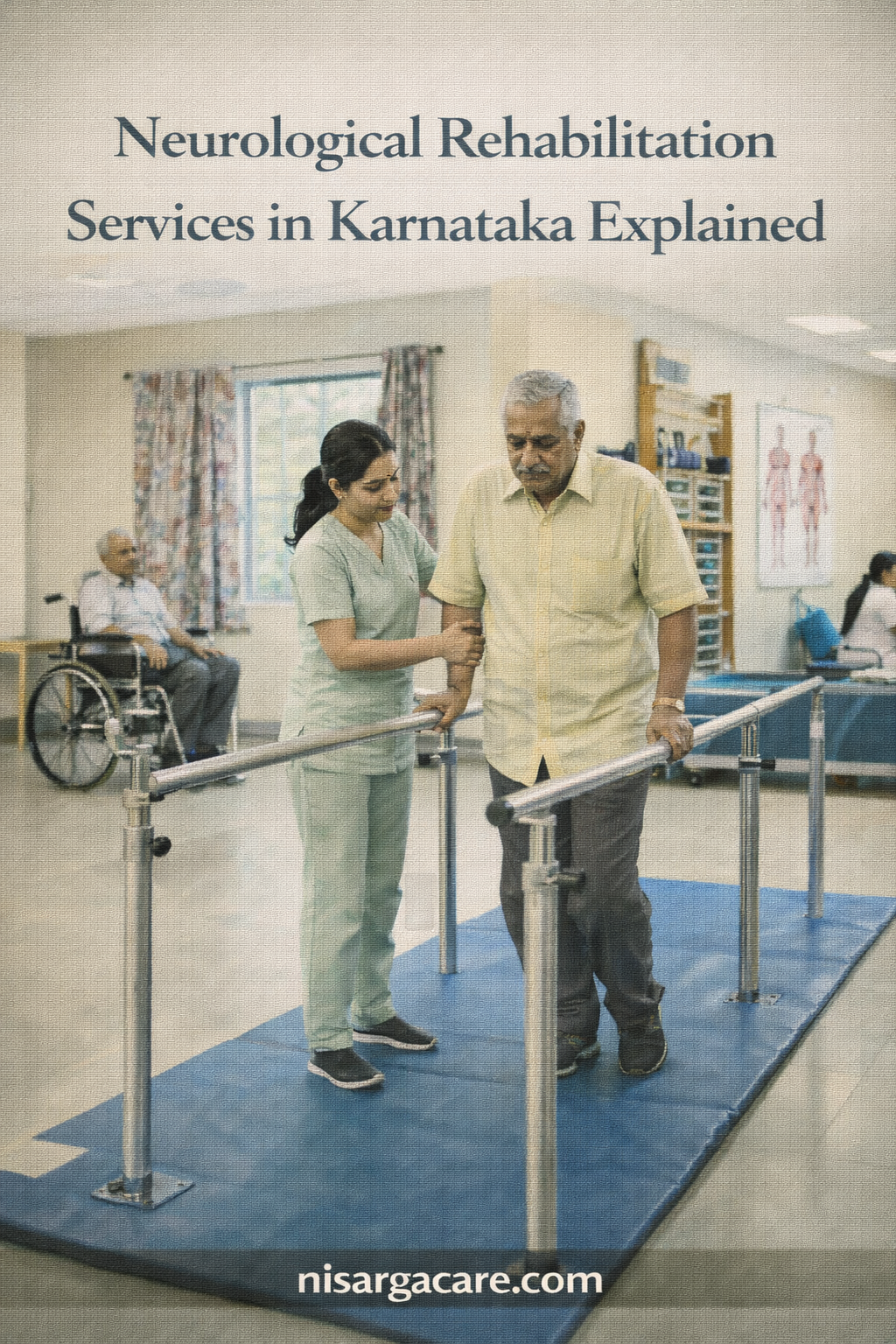
Neurological Rehabilitation Services in Karnataka Explained

Neurological conditions can affect movement, speech, memory, and overall independence. Disorders involving the brain, spinal cord, or nervous system often require long-term, structured rehabilitation for meaningful recovery. Today, rehabilitation centers in Karnataka offer comprehensive neurological rehabilitation services designed to help patients regain function and improve quality of life. This guide explains what neurological rehabilitation involves and how families can choose the right care.


What Is Neurological Rehabilitation?

Neurological rehabilitation is a specialized form of therapy that focuses on restoring abilities lost due to nervous system disorders. It is commonly required after:

  • Stroke

  • Traumatic brain injury

  • Spinal cord injury

  • Parkinson’s disease

  • Multiple sclerosis

  • Neuropathy and other neurological conditions

Most rehabilitation centers in Bangalore and across Karnataka use a multidisciplinary approach to address both physical and cognitive challenges.


Key Neurological Rehabilitation Services Offered

Physiotherapy

Physiotherapy focuses on improving muscle strength, balance, posture, and walking ability. It helps patients relearn movements affected by nerve damage.

Occupational Therapy

Occupational therapy trains patients to manage daily activities such as dressing, bathing, writing, and eating independently.

Speech and Swallowing Therapy

This therapy is crucial for patients facing speech impairment, memory issues, or swallowing difficulties due to neurological damage.

Cognitive & Psychological Rehabilitation

Addresses memory loss, attention deficits, depression, anxiety, and emotional changes that often accompany neurological disorders.


Who Needs Neurological Rehabilitation?

Neurological rehabilitation is recommended for:

  • Stroke survivors

  • Patients recovering from brain or spinal surgeries

  • Individuals with progressive neurological diseases

  • Patients with nerve injuries or paralysis

Families looking for rehabilitation centers in Karnataka should seek facilities that provide personalized rehabilitation programs rather than one-size-fits-all therapy.


Choosing the Right Neurological Rehabilitation Center in Karnataka

When selecting a rehabilitation facility, families should evaluate:

  • Availability of neurologists and rehabilitation physicians

  • Experienced therapy teams

  • Individualized treatment plans

  • Inpatient (stay) and outpatient options

  • Safety, hygiene, and calm surroundings

  • Clear information on rehabilitation centre cost in Bangalore or Karnataka

Centers like Nisarga Care focus on holistic neurological rehabilitation—combining medical supervision, structured therapy, and emotional support for long-term recovery.


Neurological Rehabilitation Centre Cost in Karnataka

The rehabilitation centre cost in Bangalore or other parts of Karnataka depends on:

  • Type and severity of neurological condition

  • Duration of rehabilitation

  • Therapy intensity

  • Residential vs outpatient care

Early intervention often reduces long-term expenses by improving recovery speed and minimizing complications.


Role of Family in Neurological Recovery

Family support is a crucial part of rehabilitation success. Families can help by:

  • Encouraging regular therapy participation

  • Supporting lifestyle modifications

  • Providing emotional reassurance

  • Maintaining continuity of care at home

Active family involvement significantly improves rehabilitation outcomes.


Conclusion

Neurological rehabilitation is essential for patients recovering from brain and nerve disorders. With advanced rehabilitation centers in Karnataka, patients can regain mobility, independence, and confidence through structured therapy and expert care. Choosing the right center—such as Nisarga Care—ensures comprehensive, patient-centered neurological rehabilitation that supports long-term recovery and better quality of life.

Bangalore rehabilitation centers | rehab assisted living facilities in Bangalore News

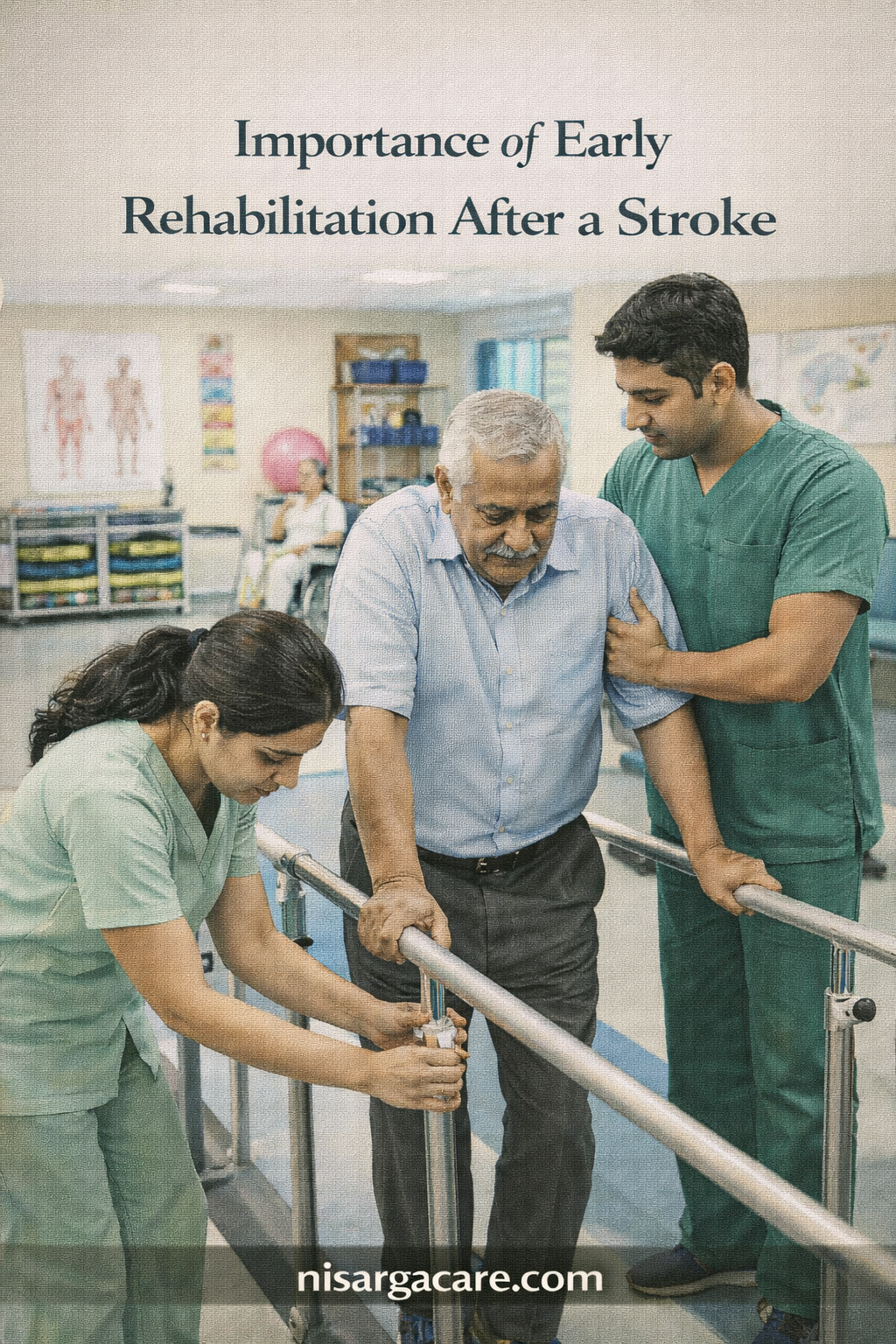
Importance of Early Rehabilitation After a Stroke

A stroke is a medical emergency, but recovery doesn’t end once the patient is stabilized. The period immediately after a stroke is critical for healing the brain and body. Starting rehabilitation early can significantly improve physical function, communication skills, and overall quality of life. Families searching for rehabilitation centers in Bangalore should understand why early intervention matters and how it impacts long-term recovery.


What Is Early Stroke Rehabilitation?

Early rehabilitation begins as soon as a patient is medically stable—sometimes within 24 to 72 hours after a stroke. It involves guided therapies designed to help the brain relearn lost skills. Most advanced stroke rehabilitation centers in Bangalore follow a structured plan that includes physiotherapy, occupational therapy, speech therapy, and psychological support.

Early rehab is not aggressive—it is carefully monitored and customized to the patient’s condition.


Why Timing Is Critical After a Stroke

The brain has a unique ability called neuroplasticity, which allows healthy areas to take over functions damaged by stroke. This ability is strongest in the early weeks after a stroke.

Starting rehabilitation early helps to:

  • Activate unused neural pathways

  • Prevent muscle stiffness and joint deformities

  • Reduce complications such as bedsores and infections

  • Improve balance and coordination

  • Speed up overall recovery

Delaying therapy can lead to permanent functional loss and increased dependency.


Benefits of Early Rehabilitation After Stroke

Faster Physical Recovery

Early physiotherapy improves muscle strength, posture, and walking ability. Patients regain mobility sooner and with better outcomes.

Improved Speech and Swallowing

Speech therapy started early can significantly improve communication, memory, and swallowing difficulties.

Better Independence in Daily Activities

Occupational therapy helps patients relearn essential activities like dressing, eating, and personal hygiene.

Reduced Emotional and Mental Health Issues

Early psychological support lowers the risk of depression, anxiety, and emotional withdrawal, which are common after stroke.


Role of Rehabilitation Centers in Bangalore

Professional rehabilitation centers in Bangalore offer:

  • Multidisciplinary medical teams

  • Structured therapy schedules

  • Safe, supportive environments

  • Inpatient (stay) and outpatient rehabilitation options

Centers like Nisarga Care focus on holistic recovery—addressing physical limitations, emotional well-being, and long-term independence under medical supervision.


Early Rehabilitation and Long-Term Outcomes

Patients who begin rehabilitation early often:

  • Require shorter rehabilitation durations

  • Experience fewer long-term disabilities

  • Return to normal or semi-independent life faster

  • Reduce overall rehabilitation centre cost in Bangalore

Early rehab is not just medically effective—it is also cost-efficient for families.


How Families Can Support Early Rehabilitation

Families can enhance recovery by:

  • Encouraging consistent therapy attendance

  • Creating a calm and motivating environment

  • Avoiding prolonged bed rest unless medically advised

  • Coordinating closely with rehabilitation professionals

Family involvement strengthens motivation and improves therapy outcomes.


Conclusion

Early rehabilitation after a stroke is one of the most important decisions families can make. It accelerates recovery, prevents complications, and restores independence. Choosing experienced stroke rehabilitation centers in Bangalore ensures patients receive timely, personalized care that maximizes recovery potential. With early intervention and expert guidance, stroke survivors can regain dignity, confidence, and quality of life.

News Nisarga care Bangalore

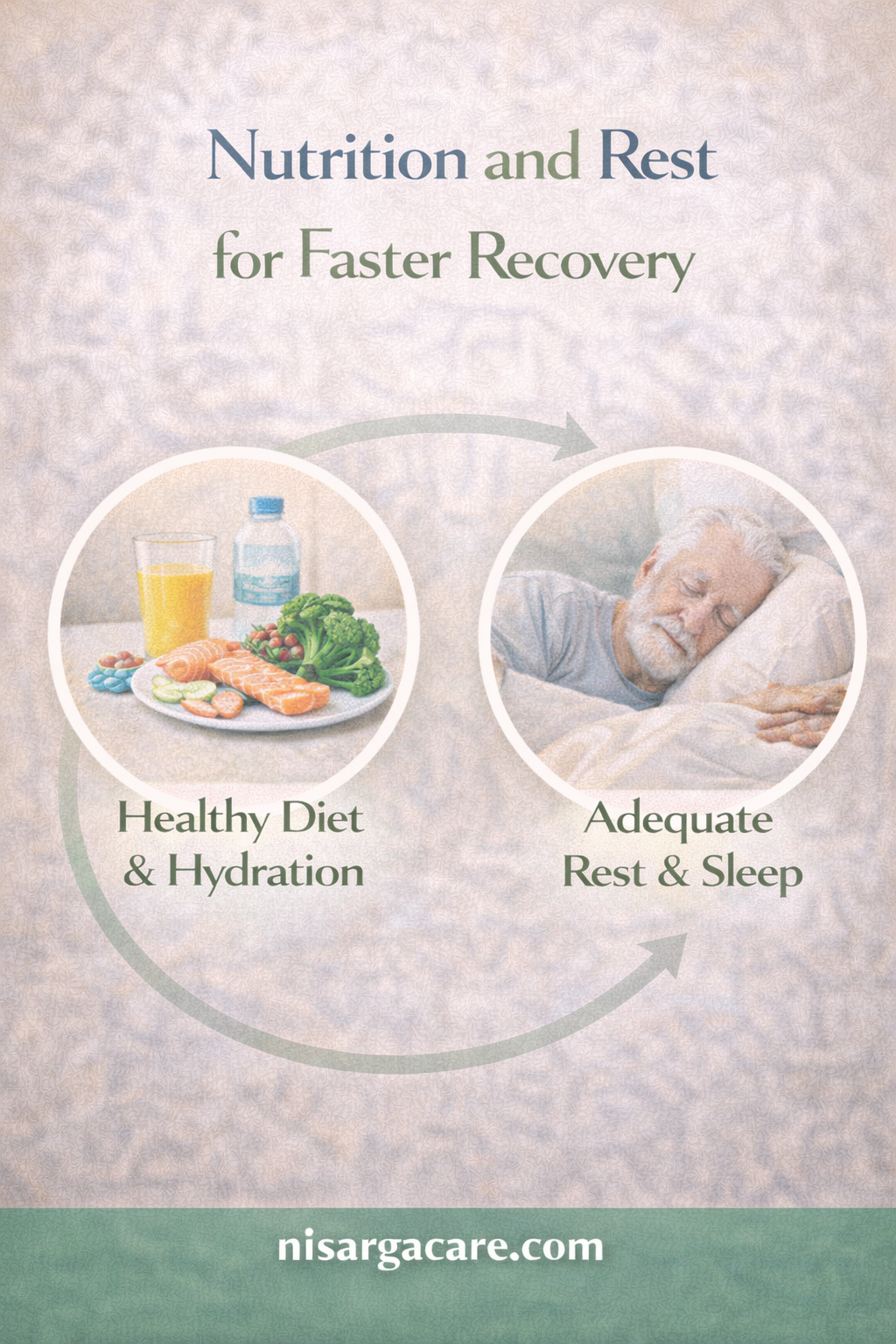
Nutrition and Rest for Faster Recovery Post hospitalization

Recovering after hospitalization requires more than just medical treatment—it demands a holistic approach that includes proper nutrition and rest. Adequate nourishment and sufficient sleep are essential for healing, boosting immunity, and regaining strength. Seniors and patients recovering from surgery or illness benefit significantly when these two elements are prioritized alongside professional care.

A specialized post-hospitalization care service in Karnataka ensures patients receive structured guidance on diet and rest while recovering safely at home.

Importance of Nutrition in Recovery

Nutrition provides the building blocks the body needs to repair tissues, fight infections, and maintain energy levels. Post-hospitalization diets should include:

  • Proteins: for tissue repair (eggs, lean meat, lentils, dairy)

  • Complex carbohydrates: for sustained energy (whole grains, oats, brown rice)

  • Vitamins and minerals: for immunity and healing (fruits, vegetables, nuts)

  • Healthy fats: for cell repair and overall health (olive oil, seeds, avocado)

Balanced nutrition helps prevent fatigue, supports organ function, and reduces the risk of complications during recovery.

Hydration for Optimal Healing

Proper hydration is essential for seniors and recovering patients. Water and electrolyte-rich fluids help:

  • Maintain bodily functions

  • Aid digestion and metabolism

  • Prevent dehydration-related complications

  • Support detoxification and wound healing

A professional Diabetes or elder care center in Karnataka can tailor hydration plans, especially for patients with restrictions due to diabetes, kidney issues, or heart conditions.

Role of Rest in Recovery

Rest allows the body to heal efficiently. Sleep and relaxation support:

  • Tissue repair and muscle recovery

  • Hormone regulation, including those controlling appetite and immunity

  • Reduction of stress and inflammation

  • Mental well-being and emotional stability

Sufficient rest is particularly important for seniors, as sleep patterns may be disrupted post-hospitalization. Structured rest routines help patients regain energy and prevent fatigue-related setbacks.

Combining Nutrition and Rest

Optimal recovery occurs when nutrition and rest work together. Adequate calories, proteins, and micronutrients provide the energy for healing, while rest allows the body to use these nutrients effectively. Caregivers ensure meals are timely and restful periods are maintained, creating a balance that promotes rapid recovery.

Professional Guidance and Support

Home-based care or professional rehabilitation centers in Bangalore provide education on meal planning, dietary adjustments, and sleep hygiene. Trained caregivers monitor progress, encourage compliance, and provide emotional support, ensuring patients adhere to recovery plans safely.

Preventing Post-Hospital Complications

Proper nutrition and rest reduce the risk of:

  • Fatigue and weakness

  • Infections and slow wound healing

  • Re-hospitalization due to poor recovery

  • Cognitive or emotional decline

Structured support ensures patients heal efficiently while minimizing complications.


Conclusion: Why Nisarga Care Is the Best Choice

Nutrition and rest are essential for post-hospital recovery, but professional support ensures these needs are met effectively. Nisarga Care is a trusted post-hospitalization care provider in Karnataka, offering personalized diet plans, structured rest routines, and compassionate supervision.

As a leading rehabilitation and elder care center in Bangalore, Nisarga Care combines medical monitoring, nutritional guidance, and emotional support to help patients recover safely and efficiently at home. Families seeking reliable post-hospitalization recovery support can trust Nisarga Care for its expertise, holistic approach, and commitment to patient well-being, making it the best choice for safe and effective recovery care in Karnataka.

News Nisarga care Bangalore

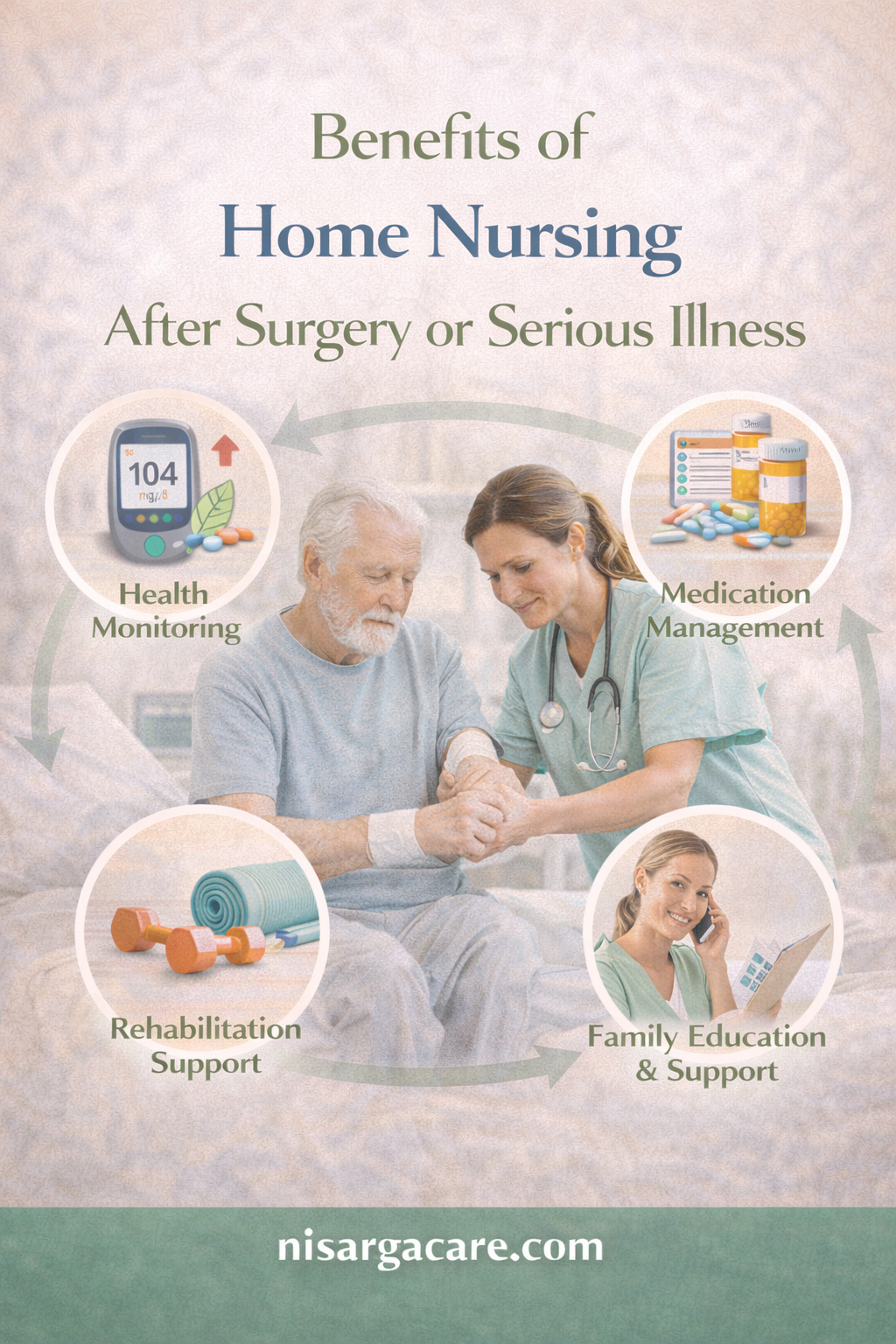
Benefits of Home Nursing After Surgery or Serious Illness

Recovery after surgery or a serious illness does not end at hospital discharge. Patients often require continued medical attention, medication support, and physical assistance during the healing phase. Home nursing plays a vital role in bridging this gap by providing professional healthcare services in the comfort of one’s home, ensuring a smooth and safe recovery.

Home nursing is especially beneficial for elderly patients, post-surgical individuals, and those recovering from long-term illnesses who need consistent monitoring and personalized care.

Ensures Proper Medical Monitoring

After surgery or serious illness, patients are vulnerable to complications such as infections, blood pressure fluctuations, or delayed healing. Home nurses regularly monitor vital signs, wound conditions, and overall health status. Early detection of warning signs allows timely medical intervention, preventing complications and hospital readmissions.

This level of supervision is often difficult for families to provide without professional support.

Supports Safe and Faster Recovery

Recovering at home allows patients to heal in a familiar and comfortable environment, which positively impacts both physical and emotional well-being. Home nursing ensures patients follow prescribed recovery routines, receive timely medications, and get assistance with mobility and exercises.

Personalized attention and one-on-one care promote faster healing and reduce recovery-related stress.

Effective Medication Management

Post-surgical and critically ill patients are often prescribed multiple medications. Home nurses ensure:

  • Correct dosage and timing

  • Proper administration of injections or IV medications

  • Monitoring for side effects

  • Coordination with doctors for medication adjustments

This reduces the risk of medication errors and improves treatment outcomes.

Professional Wound and Pain Care

Surgical wounds and injury sites require proper cleaning, dressing, and monitoring. Home nurses are trained to manage wounds safely, reducing the risk of infections and complications. They also help manage pain effectively by administering medications and using comfort-focused care techniques.

Proper wound and pain management significantly improve patient comfort and recovery speed.

Assistance with Daily Activities

After surgery or serious illness, patients may struggle with basic activities such as bathing, dressing, eating, or moving around. Home nursing provides compassionate assistance while encouraging gradual independence. This support reduces the physical strain on family members and ensures patient safety.

Reduces Hospital Readmissions

One of the major advantages of home nursing is the reduction in unnecessary hospital visits. Continuous care at home helps manage symptoms early, address concerns promptly, and prevent health issues from escalating into emergencies.

This leads to better health outcomes and lower overall healthcare costs.

Emotional and Psychological Support

Serious illness and surgery can leave patients feeling anxious, weak, or emotionally drained. Home nurses provide reassurance, companionship, and emotional support, which are crucial for mental recovery. Patients often feel more confident and motivated when cared for in a familiar environment.

Relieves Family Caregiver Burden

Caring for a recovering patient can be physically and emotionally exhausting for families. Home nursing professionals take on medical responsibilities, allowing family members to focus on emotional support rather than complex caregiving tasks.


Conclusion: Why Nisarga Care Is the Best Choice

Home nursing after surgery or serious illness plays a critical role in ensuring safe recovery, preventing complications, and improving quality of life. Nisarga Care offers professional and compassionate home nursing services tailored to each patient’s medical and personal needs. With experienced nurses, personalized care plans, and continuous monitoring, Nisarga Care ensures recovery happens smoothly and safely at home.

Trusted across Karnataka for its quality healthcare services, Nisarga Care stands out as a reliable partner for post-surgical and post-illness recovery. Families seeking dependable home nursing support can rely on Nisarga Care for expert care, comfort, and peace of mind during the recovery journey.

News Nisarga care Bangalore

Nutrition and Diet Tips for Alzheimer’s Patients

Proper nutrition plays a vital role in supporting the health and well-being of individuals living with Alzheimer’s disease. While diet cannot cure the condition, balanced and mindful eating habits can help slow cognitive decline, maintain physical strength, and improve emotional stability. Specialized care programs in a professional Alzheimer’s care center in Karnataka focus strongly on nutrition because it directly impacts brain function and overall quality of life.

Alzheimer’s patients often face challenges like loss of appetite, difficulty swallowing, or forgetting to eat. Therefore, meals must be nutritious, easy to consume, and emotionally comforting.

Focus on Brain-Boosting Foods

A diet rich in brain-friendly nutrients supports memory and cognitive function. Include:

  • Leafy green vegetables like spinach and broccoli

  • Fruits such as berries and oranges

  • Whole grains like oats and brown rice

  • Nuts and seeds

  • Healthy fats from olive oil and avocados

These foods provide antioxidants and essential vitamins that protect brain cells and reduce inflammation.

Include Protein in Every Meal

Protein is essential for muscle strength and energy levels. Alzheimer’s patients often experience weakness, so protein-rich foods should be part of daily meals:

  • Eggs

  • Lean meats

  • Fish

  • Pulses and lentils

  • Dairy products

Protein also helps maintain stable blood sugar levels, reducing fatigue and confusion.

Stay Hydrated Throughout the Day

Dehydration can worsen confusion and increase fatigue in Alzheimer’s patients. Encourage regular water intake even if the patient does not feel thirsty.
Offer:

  • Water

  • Fresh fruit juices

  • Soups

  • Coconut water

In a professional Memory care facility in Bangalore, caregivers closely monitor hydration to prevent complications.

Serve Small and Frequent Meals

Large meals may feel overwhelming. Small, frequent meals are easier to manage and improve nutrient intake. This approach:

  • Prevents digestive discomfort

  • Encourages better appetite

  • Maintains steady energy levels

Healthy snacks like fruits, yogurt, and nuts can be included between meals.

Choose Easy-to-Eat Foods

As Alzheimer’s progresses, chewing and swallowing may become difficult. Soft and easy-to-eat foods are ideal:

  • Steamed vegetables

  • Mashed fruits

  • Porridge

  • Soft rice dishes

  • Soups and smoothies

This ensures safety and comfort while eating.

Maintain a Calm Eating Environment

A quiet and peaceful setting helps patients focus on eating. Avoid loud sounds or distractions. Consistent meal timings and familiar surroundings reduce anxiety and improve appetite.

Caregivers should sit with patients and offer gentle encouragement without rushing them.

Limit Sugar and Processed Foods

High sugar and processed foods can cause energy crashes and worsen confusion. Avoid:

  • Sugary snacks

  • Fried foods

  • Packaged meals

  • Excess salt

Instead, choose natural and home-cooked foods that support overall health.

Encourage Independence During Meals

Allow patients to feed themselves when possible. Use:

  • Easy-grip utensils

  • Non-slip plates

  • Finger foods

This maintains dignity and boosts confidence.

Monitor Weight and Nutritional Changes

Weight loss or sudden changes in eating habits should be addressed quickly. Professional supervision in an Alzheimer’s rehabilitation center in Bangalore ensures proper nutritional assessment and timely intervention.

Role of Specialized Alzheimer’s Care

Specialized Alzheimer’s care programs provide customized meal plans, medical supervision, and trained caregivers who understand nutritional challenges. These services ensure balanced nutrition while maintaining safety and comfort.


Conclusion: Why Nisarga Care Is the Best Choice

Proper nutrition is a powerful tool in managing Alzheimer’s disease and slowing its progression. Nisarga Care stands out as a trusted Alzheimer’s care center in Karnataka, offering personalized diet plans that support both physical and cognitive health. As a leading Memory care facility in Bangalore, Nisarga Care ensures every patient receives nutritious meals in a calm and supportive environment.

Families searching for a dependable Alzheimer’s rehabilitation center in Bangalore can rely on Nisarga Care for its expert medical guidance, compassionate caregivers, and holistic nutritional support. Recognized as the best Alzheimer’s care center in Bangalore, Nisarga Care truly provides professional Alzheimer’s care services in Karnataka where nutrition, dignity, and quality of life are always prioritized.

News Nisarga care Bangalore

How to Support a Loved One Emotionally with Dementia

Emotional support is one of the most powerful forms of care for someone living with dementia. As memory, communication, and understanding decline, patients often feel confused, frightened, or lonely. They may struggle to express their emotions clearly, which makes them vulnerable to anxiety and depression. Providing emotional reassurance helps them feel valued, secure, and loved.

Supporting a loved one emotionally does not require perfection. It requires patience, empathy, and consistent understanding.

Practice Patience and Understanding

Dementia affects how the brain processes information. When your loved one repeats questions, forgets names, or becomes confused, respond calmly. Avoid correcting them harshly or showing frustration. A gentle tone and kind words reassure them that they are safe and accepted.

Patience reduces emotional stress and builds trust between the caregiver and the patient.

Communicate with Simplicity and Warmth

Use simple words and short sentences. Speak slowly and clearly while maintaining eye contact. Your facial expressions and body language matter as much as your words. Smiling, nodding, and gentle touch help convey warmth and understanding.

Even if your loved one cannot respond verbally, they can still feel emotional connection through your presence.

Validate Their Feelings

Never dismiss their emotions, even if their fears seem irrational. If they feel scared, confused, or upset, acknowledge their feelings. Saying things like “I understand you’re feeling worried” helps them feel heard and respected.

Validation brings comfort and reduces emotional distress.

Maintain Familiarity and Comfort

Surround them with familiar objects such as family photos, favorite music, and personal belongings. Familiar environments and routines bring emotional stability and reduce anxiety.

Listening to old songs or talking about past memories often creates a sense of joy and connection.

Encourage Independence with Support

Allow them to do simple tasks on their own, such as folding clothes or watering plants. This helps preserve dignity and confidence. Offer guidance only when needed, and always praise their efforts.

Independence, even in small ways, boosts emotional well-being.

Spend Quality Time Together

Emotional support comes from presence. Sitting quietly, holding hands, or sharing a meal builds emotional connection. Your attention and companionship matter more than words.

These moments help them feel loved and valued.

Handle Mood Swings with Compassion

Dementia patients may experience sudden emotional changes such as anger, sadness, or fear. Stay calm and avoid arguments. Redirect their attention gently or provide reassurance.

Compassionate responses prevent emotional escalation.

Encourage Social Interaction

Social interaction prevents isolation. Encourage visits from family members or participation in group activities. Even short conversations provide emotional stimulation and comfort.

Feeling connected improves emotional stability.

Take Care of Yourself Too

Supporting someone emotionally requires emotional strength. Caregivers must also rest, seek support, and share responsibilities. A calm caregiver provides better emotional reassurance.

Professional care can help families manage emotional challenges effectively.

Role of Professional Dementia Care

Professional dementia care centers understand emotional needs deeply. Trained caregivers use therapeutic communication, emotional therapy, and structured routines to ensure emotional well-being. This level of support is difficult to maintain at home alone.


Conclusion: Why Nisarga Care Is the Best Emotional Support Partner

Providing emotional support to someone with dementia requires patience, compassion, and professional understanding. Nisarga Care is a trusted Dementia care center in Karnataka, offering a nurturing environment where emotional well-being is a top priority. As a leading Memory care facility in Bangalore, Nisarga Care focuses on personalized emotional care, therapeutic engagement, and respectful communication.

For families looking for a reliable Dementia rehabilitation center in Bangalore, Nisarga Care provides trained caregivers, medical supervision, and holistic emotional support programs. It stands as a specialized dementia rehab center in Karnataka where seniors feel understood, protected, and emotionally secure, and families find peace of mind knowing their loved ones are cared for with dignity and compassion.

News Nisarga care Bangalore

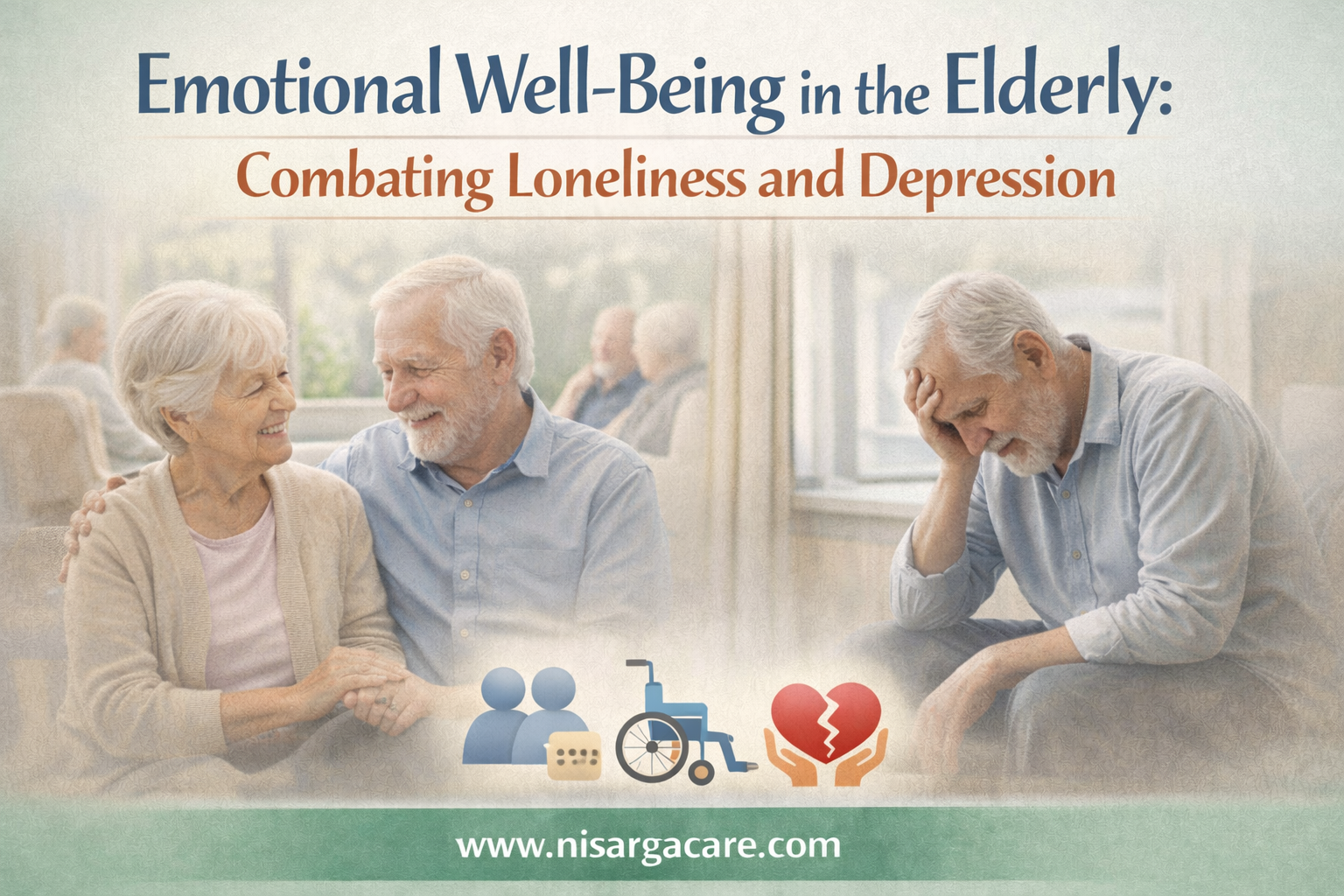
Emotional Well-Being in the Elderly: Combating Loneliness and Depression

Loneliness and depression are serious yet often overlooked health risks among the elderly. As seniors experience reduced mobility, loss of loved ones, or prolonged recovery periods, emotional isolation can deeply affect mental and physical health. Addressing emotional well-being is a core responsibility of rehabilitation and elder care homes.

Understanding Loneliness in Seniors

Loneliness is not just about being alone—it is the feeling of being disconnected. Seniors living alone or recovering in isolation may feel forgotten, leading to sadness, anxiety, and depression. These emotions can slow recovery, weaken immunity, and increase dependency.

How Elder Care Homes Address Emotional Needs

Elder care and rehab homes provide structured social interaction through group activities, therapy sessions, and shared routines. Seniors interact with peers facing similar challenges, fostering companionship and mutual support. Trained caregivers also monitor emotional changes and provide reassurance when needed.

Role of Counseling and Mental Health Support

Professional counseling plays a vital role in addressing depression and anxiety. Rehab homes integrate emotional counseling, mindfulness practices, and relaxation techniques to help seniors cope with emotional stress. Early intervention prevents emotional decline and promotes resilience.

Family Connection and Emotional Security

Family involvement remains essential even in care homes. Regular visits, calls, and emotional engagement help seniors feel valued and connected. Elder care facilities encourage family participation to strengthen emotional bonds and recovery outcomes.

Creating a Sense of Purpose

Engaging seniors in meaningful activities such as hobbies, light responsibilities, and social events restores confidence and self-worth. Emotional well-being improves when seniors feel useful, heard, and respected.

Conclusion

Emotional well-being is fundamental to healthy aging and recovery. Combating loneliness and depression requires consistent emotional support, social interaction, and compassionate care. At Nisarga Care, we prioritize mental and emotional health alongside physical care, creating a nurturing environment where seniors feel connected, supported, and valued every day.

Bangalore rehabilitation centers | rehab assisted living facilities in Bangalore News Nisarga care Bangalore

Post-Hospitalization Care: Reducing Readmission Risks for Elders

Hospitalization can be physically and emotionally draining for seniors. Even after discharge, the recovery journey continues at home or in care facilities. Without proper post-hospitalization care, elders are at higher risk of complications, infections, or readmission. Families play a crucial role in supporting recovery, ensuring adherence to medical guidance, and promoting overall well-being.

Understanding the Risks

Seniors often face weakened immunity, chronic conditions, and reduced mobility after hospitalization. These factors make them more vulnerable to infections, medication errors, or accidental falls. Readmissions are common when recovery plans are unclear, follow-up appointments are missed, or the home environment is not adapted to the elder’s needs.

Medication Management

Proper medication management is vital. Elders often leave the hospital with multiple prescriptions. Families should:

  • Maintain a clear medication schedule

  • Use pill organizers or alarms to avoid missed doses

  • Monitor for side effects or adverse reactions

  • Consult healthcare providers promptly for any issues

Accurate adherence reduces complications and prevents unnecessary readmissions.

Follow-Up Appointments and Monitoring

Regular follow-ups with doctors, physiotherapists, or specialists help track recovery progress. Early detection of complications—such as infections, blood pressure changes, or mobility challenges—enables timely intervention. Monitoring vital signs, nutrition intake, and activity levels at home can further support recovery.

Rehabilitation and Physiotherapy

Post-hospitalization rehabilitation accelerates recovery and restores independence. Physiotherapy helps rebuild strength, improve balance, and prevent falls, especially after surgeries, strokes, or prolonged bed rest. Incorporating exercises and mobility routines as recommended by therapists significantly reduces complications and promotes confidence in daily activities.

Home Safety and Environment Adaptation

A safe environment is essential to prevent accidents. Families should:

  • Remove tripping hazards and install grab bars in bathrooms

  • Ensure proper lighting in hallways and rooms

  • Provide supportive furniture and mobility aids

These measures protect elders and minimize injury risks, supporting smoother recovery.

Nutrition and Hydration

A balanced diet rich in protein, vitamins, and minerals supports healing. Proper hydration aids digestion, circulation, and overall energy levels. Including light, easily digestible meals, along with dietary guidance from healthcare professionals, ensures elders regain strength faster.

Emotional Support and Family Involvement

Hospitalization can be stressful and isolating. Emotional support from family members, encouragement during therapy, and regular communication reduce anxiety and depression. Seniors who feel cared for are more motivated to adhere to recovery plans, follow medical advice, and regain independence.


Conclusion

Post-hospitalization care is a crucial step in reducing readmission risks for elders. By focusing on medication management, follow-up care, rehabilitation, home safety, nutrition, and emotional support, families can ensure seniors recover safely, confidently, and with dignity. Thoughtful, attentive care transforms the recovery journey into a path of healing, independence, and long-term health.

Bangalore rehabilitation centers | rehab assisted living facilities in Bangalore Nisarga care Bangalore

Addiction Recovery Programs: What Works Best || Nisarga Care

Addiction is a complex condition that affects not only the body but also the mind, emotions, and family relationships. Whether related to alcohol, prescription medications, or other substances, recovery is rarely achieved through willpower alone. Effective addiction recovery programs focus on holistic healing, long-term support, and individualized care, helping individuals rebuild their lives with dignity and stability.

Understanding That Recovery Is Not One-Size-Fits-All

One of the most important factors in successful addiction recovery is recognizing that every individual’s journey is different. Age, health condition, duration of addiction, emotional state, and family environment all influence recovery outcomes. Programs that work best are those that create personalized treatment plans rather than relying on a single rigid approach.

Medical Supervision and Safe Detoxification

For many individuals, recovery begins with medically supervised detoxification. This phase helps manage withdrawal symptoms safely and reduces physical discomfort. Medical oversight is especially important for seniors or individuals with existing health conditions, as withdrawal can be physically demanding. Programs that integrate doctors, nurses, and therapists ensure safety and build trust during this critical first step.

Psychological Counseling and Emotional Healing

Addiction is closely linked to emotional distress, trauma, stress, or loneliness. Recovery programs that include individual counseling, group therapy, and behavioral therapies address the root causes of addiction rather than just the symptoms. Talking openly in a supportive environment helps individuals understand triggers, develop coping strategies, and rebuild self-esteem.

Group sessions also play a key role by reducing isolation. Knowing that others share similar struggles creates a sense of belonging and motivation to continue recovery.

Family Involvement and Support Systems

Programs that involve family members often show better long-term success. Addiction impacts the entire family, and healing together strengthens recovery outcomes. Family counseling improves communication, rebuilds trust, and helps loved ones understand how to provide support without enabling harmful behaviors.

For older adults, emotional reassurance from family can significantly improve motivation and consistency in treatment.

Lifestyle Changes and Skill Building

Effective recovery programs focus on rebuilding daily life. This includes establishing healthy routines, improving sleep patterns, managing stress, and encouraging physical activity where appropriate. Learning practical life skills, relaxation techniques, and emotional regulation helps individuals face challenges without turning back to substance use.

Long-Term Follow-Up and Relapse Prevention

Recovery does not end after a few weeks of treatment. The best programs emphasize aftercare, including follow-up counseling, support groups, and regular check-ins. Relapse prevention strategies teach individuals how to identify early warning signs and seek help before setbacks occur. Continuous support is especially important during emotional stress or life transitions.


Conclusion

What works best in addiction recovery programs is a compassionate, structured, and long-term approach that treats the whole person—not just the addiction. Programs that combine medical care, emotional counseling, family involvement, and ongoing support offer the strongest foundation for lasting recovery. With the right guidance and understanding environment, individuals can regain control, rebuild confidence, and move toward a healthier, more fulfilling life.

Posts pagination

WeCreativez WhatsApp Support
Our customer support team is here to answer your questions. Ask us anything!
👋 Hi, how can I help?