
News Nisarga care Bangalore

Creating a Calm Environment for Alzheimer’s Patients | personalized dementia care home in Bangalore |

A calm and structured environment is essential for individuals living with Alzheimer’s disease. As the condition progresses, patients often experience confusion, agitation, and anxiety. Their surroundings play a crucial role in influencing mood, behavior, and cognitive function. By designing a peaceful, safe, and predictable environment, caregivers can significantly improve quality of life and emotional stability. Professional support from an Alzheimer’s rehabilitation center in Bangalore ensures that such environments are maintained consistently, combining safety with comfort.

Minimize Noise and Distractions

Alzheimer’s patients are easily overwhelmed by loud noises, clutter, or sudden activity. A calm environment should:

  • Reduce background noise from TVs, radios, or appliances

  • Avoid crowded spaces or unnecessary movement

  • Keep living areas tidy and free of clutter

Minimizing sensory overload helps prevent agitation and confusion.

Consistent and Predictable Routines

Routine is comforting for Alzheimer’s patients. Structured daily schedules for meals, activities, medications, and sleep provide stability. Predictable routines:

  • Reduce anxiety

  • Improve mood and cooperation

  • Help maintain a sense of independence

Professional Memory care facilities in Bangalore maintain structured schedules tailored to each resident’s needs.

Safe and Comfortable Living Spaces

Safety and comfort go hand in hand. Key considerations include:

  • Non-slip flooring and clear pathways to prevent falls

  • Well-lit rooms with minimal shadows

  • Comfortable furniture and supportive seating

  • Secure doors and windows to prevent wandering

A safe environment encourages freedom of movement while reducing risk.

Use Soothing Colors and Lighting

Soft, warm colors and natural lighting can positively affect mood and behavior. Avoid harsh fluorescent lights and high-contrast patterns that may cause visual confusion. Night lights in hallways and bathrooms prevent fear or disorientation during nighttime movements.

Familiar Objects and Personal Belongings

Personal items like family photos, favorite blankets, or meaningful decorations help patients feel secure. Familiar objects provide reassurance and reduce stress, while also stimulating memory and conversation.

Encourage Relaxation Activities

Gentle activities promote calmness and emotional stability. Examples include:

  • Listening to soft music

  • Light stretching or yoga

  • Reading or storytelling

  • Gardening or simple craft activities

These activities engage the mind and body while lowering anxiety.

Calm and Compassionate Caregiving

The caregiver’s demeanor affects the patient’s emotional state. Calm, patient, and reassuring communication reduces stress. Avoid arguing or correcting, and respond to emotional needs with empathy.

Role of Specialized Alzheimer’s Care

Creating and maintaining a calm environment is easier in a professional setting. A specialized Alzheimer’s rehabilitation center in Bangalore provides trained caregivers, structured routines, and therapeutic activities designed to reduce agitation and promote emotional well-being.


Conclusion: Why Nisarga Care Is the Best Choice

A calm and supportive environment is crucial for slowing cognitive decline and improving the quality of life for Alzheimer’s patients. Nisarga Care is a trusted Alzheimer’s care center in Karnataka, offering safe, structured, and serene spaces that prioritize comfort and emotional security. As a leading Memory care facility in Bangalore, Nisarga Care combines specialized care, therapeutic routines, and personalized attention to meet the needs of each resident.

Families searching for a reliable Alzheimer’s rehabilitation center in Bangalore can depend on Nisarga Care for its professional caregivers, holistic care programs, and compassionate approach. Recognized as the best Alzheimer’s care center in Bangalore, Nisarga Care ensures seniors live with dignity, safety, and peace of mind.

News Nisarga care Bangalore

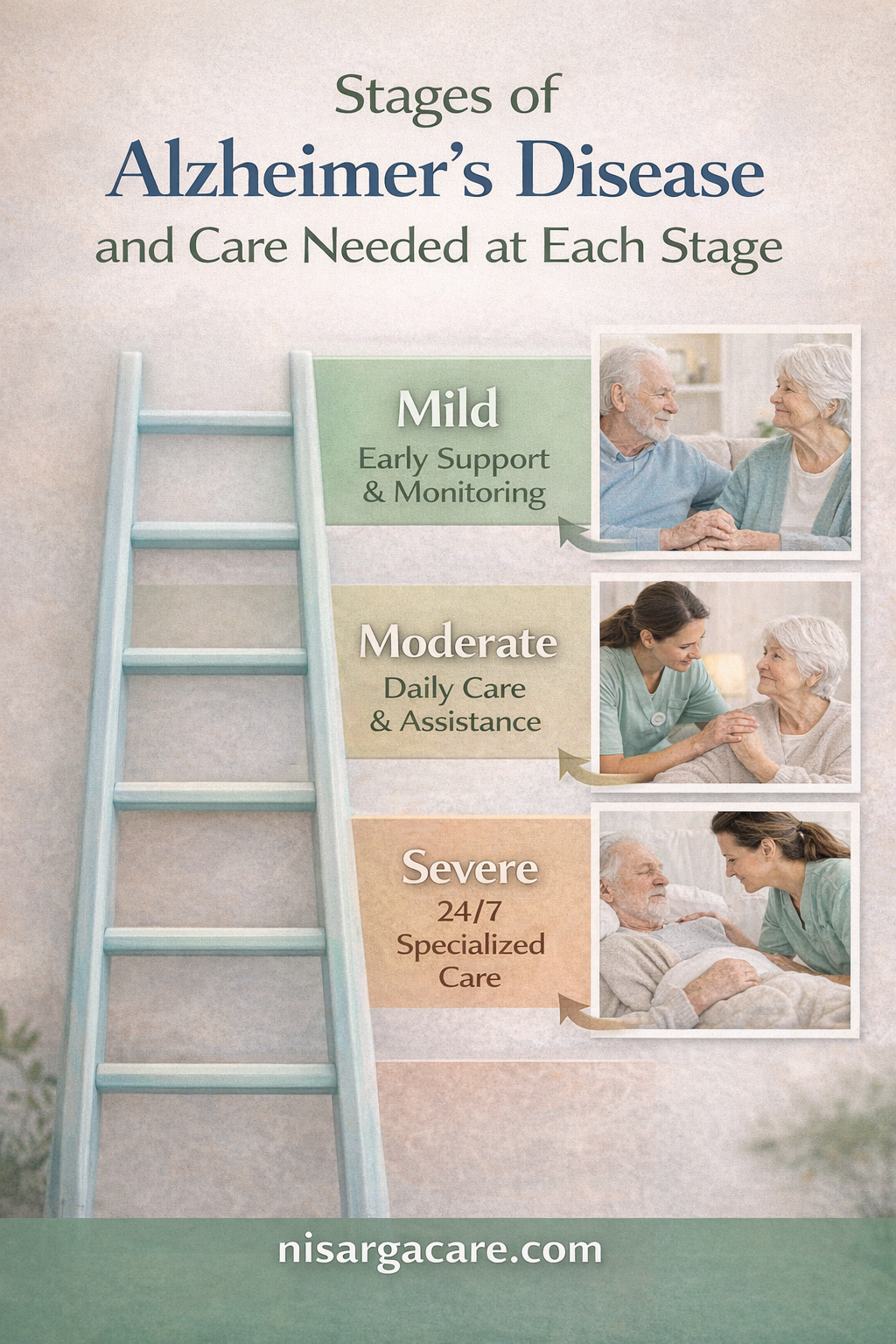
Stages of Alzheimer’s Disease and Care Needed at Each Stage

Alzheimer’s disease is a progressive condition that develops in stages. Each stage brings different challenges and requires a different level of care. Understanding these stages helps families prepare emotionally and practically, ensuring their loved ones receive the right support at the right time.

Early Stage (Mild Alzheimer’s)

In the early stage, symptoms are usually mild and often mistaken for normal aging. The person may forget recent conversations, misplace items, struggle with planning, or have trouble finding the right words. They are still mostly independent but may need gentle support.

Care needed at this stage includes:

  • Emotional reassurance and patience

  • Help with reminders and daily schedules

  • Encouragement to stay socially active

  • Cognitive stimulation through games and conversations

  • Regular medical check-ups

This stage is the best time to create a care plan and introduce structured routines.

Middle Stage (Moderate Alzheimer’s)

This is the longest and most challenging stage. Memory loss becomes more noticeable, and confusion increases. The person may forget personal details, get lost easily, struggle with daily activities, and show mood changes such as anger, anxiety, or depression.

Care needed at this stage includes:

  • Supervision for safety and wandering prevention

  • Assistance with bathing, dressing, and meals

  • Medication management

  • Structured daily routines

  • Emotional support and calming communication

  • Safe and organized living environment

Professional support becomes extremely valuable during this phase, as care demands increase significantly.

Late Stage (Severe Alzheimer’s)

In the final stage, individuals lose the ability to communicate clearly and require full-time care. They may not recognize family members and have difficulty walking, swallowing, and sitting upright. Physical health also declines.

Care needed at this stage includes:

  • 24/7 supervision and medical monitoring

  • Assistance with feeding and mobility

  • Pain management and comfort care

  • Emotional presence and gentle reassurance

  • Maintaining dignity and respect

At this point, professional dementia care is essential to ensure safety, comfort, and quality of life.

Importance of Professional Care at Every Stage

Alzheimer’s care requires specialized knowledge, patience, and consistency. As the disease progresses, families often struggle to manage increasing physical and emotional demands. Professional dementia care centers provide trained caregivers, medical supervision, and structured environments designed specifically for each stage of the condition.

Early professional involvement improves long-term outcomes and reduces stress on families.


Conclusion: Why Nisarga Care Is the Right Support at Every Stage

From the early signs to advanced stages of Alzheimer’s, choosing the right care partner makes a meaningful difference. Nisarga Care is a trusted Dementia care center in Karnataka, offering personalized support that evolves with each stage of the disease. As a reliable Memory care facility in Bangalore, Nisarga Care focuses on safety, emotional well-being, and cognitive stimulation in a compassionate environment.

Families seeking a dependable Dementia rehabilitation center in Bangalore can rely on Nisarga Care for its experienced caregivers, medical supervision, and holistic care programs. It is a specialized dementia rehab center in Karnataka where every stage of Alzheimer’s is managed with dignity, respect, and professional excellence.

News

old age homes near me | How Professional Dementia Care Improves Quality of Life for Seniors | old age home near me |

Dementia affects more than just memory. It influences how a person thinks, behaves, communicates, and interacts with the world around them and call the need for Dementia care center in Karnataka. As the condition progresses, seniors find it increasingly difficult to manage daily tasks independently. Families often try their best to provide care at home, but dementia requires specialized knowledge, patience, and continuous supervision. This is where professional dementia care plays a crucial role in improving the quality of life for seniors.

Professional dementia care is designed to address not only the physical needs of patients but also their emotional, psychological, and cognitive well-being. A structured and supportive environment helps seniors feel safe, respected, and understood, which is essential for maintaining dignity and comfort.

Personalized Care Plans for Individual Needs

Every dementia patient is unique. The stage of dementia, medical history, emotional state, and personality differ from person to person. Professional dementia care centers create personalized care plans that focus on the individual’s strengths and challenges.

These plans may include:

  • Medication management

  • Cognitive stimulation activities

  • Physical exercise routines

  • Emotional support sessions

  • Assistance with daily living activities

Personalized care ensures that seniors receive the right level of attention without feeling overwhelmed or restricted.

Safe and Structured Environment

Safety is one of the biggest concerns for families caring for dementia patients. Seniors with cognitive decline are prone to wandering, falls, confusion, and accidents. Professional dementia care facilities are designed with safety features such as:

  • Secure premises

  • Non-slip flooring

  • Clear signage

  • Emergency response systems

  • Supervised mobility support

A structured routine also helps reduce confusion and anxiety. Knowing what to expect each day brings a sense of stability and comfort to seniors.

Improved Emotional Well-Being

Dementia patients often experience fear, frustration, loneliness, and depression. Professional caregivers are trained to handle emotional challenges with compassion and patience. They understand how to communicate calmly, validate feelings, and redirect attention during distress.

Being in a supportive environment where caregivers understand their condition helps seniors feel valued and emotionally secure. This emotional stability significantly enhances their quality of life.

Cognitive Stimulation and Mental Engagement

Professional dementia care includes activities that stimulate the brain and slow cognitive decline. These activities are carefully planned to match the patient’s abilities and interests, such as:

  • Memory games

  • Music therapy

  • Art and craft sessions

  • Storytelling

  • Light problem-solving exercises

Cognitive stimulation keeps the mind active and gives seniors a sense of achievement and purpose.

Better Physical Health Management

Dementia patients often have other health conditions such as diabetes, high blood pressure, or mobility issues. Professional care centers provide medical monitoring and timely intervention, which prevents complications.

Regular health check-ups, balanced nutrition, hydration, and physical exercise contribute to better physical health. When the body is healthy, the mind also functions better, making daily life more manageable.

Social Interaction and Reduced Isolation

Isolation is common among dementia patients, especially when they stay at home with limited social contact. Professional dementia care encourages social engagement through group activities, shared meals, and interaction with caregivers and other residents.

Social interaction:

  • Reduces depression

  • Improves mood

  • Builds emotional connection

  • Encourages communication

Feeling part of a community enhances self-worth and happiness.

Relief and Support for Families

Caring for a loved one with dementia is emotionally and physically exhausting. Professional dementia care not only benefits the patient but also supports the family. Knowing their loved one is in safe and capable hands reduces stress and guilt.

Families can focus on spending quality time with their loved ones rather than constantly worrying about medical and safety responsibilities.

Maintaining Independence and Dignity

One of the main goals of professional dementia care is to help seniors remain as independent as possible. Caregivers encourage patients to perform tasks they can manage, such as dressing, eating, or grooming, with gentle assistance.

This approach preserves self-esteem and dignity, which are essential for emotional well-being.

Consistency in Care and Routine

Professional care centers follow consistent routines that provide comfort and predictability. Seniors with dementia respond positively to familiar patterns, which reduce confusion and agitation.

Consistency also ensures that medical treatments, therapies, and personal care are delivered effectively.

Conclusion: Why Nisarga Care Makes a Difference

Choosing the right care facility is crucial in shaping the life of a person living with dementia. Nisarga Care is recognized as a trusted Dementia care center in Karnataka, offering compassionate and comprehensive support tailored to individual needs. As a reliable Memory care facility in Bangalore, Nisarga Care focuses on safety, emotional wellness, and cognitive stimulation in a calm and nurturing environment.

Families searching for a dependable Dementia rehabilitation center in Bangalore can rely on Nisarga Care for its experienced medical team, trained caregivers, and holistic rehabilitation programs. With its patient-first approach, Nisarga Care stands out as a specialized dementia rehab center in Karnataka, ensuring seniors live with dignity, comfort, and the highest possible quality of life.

News

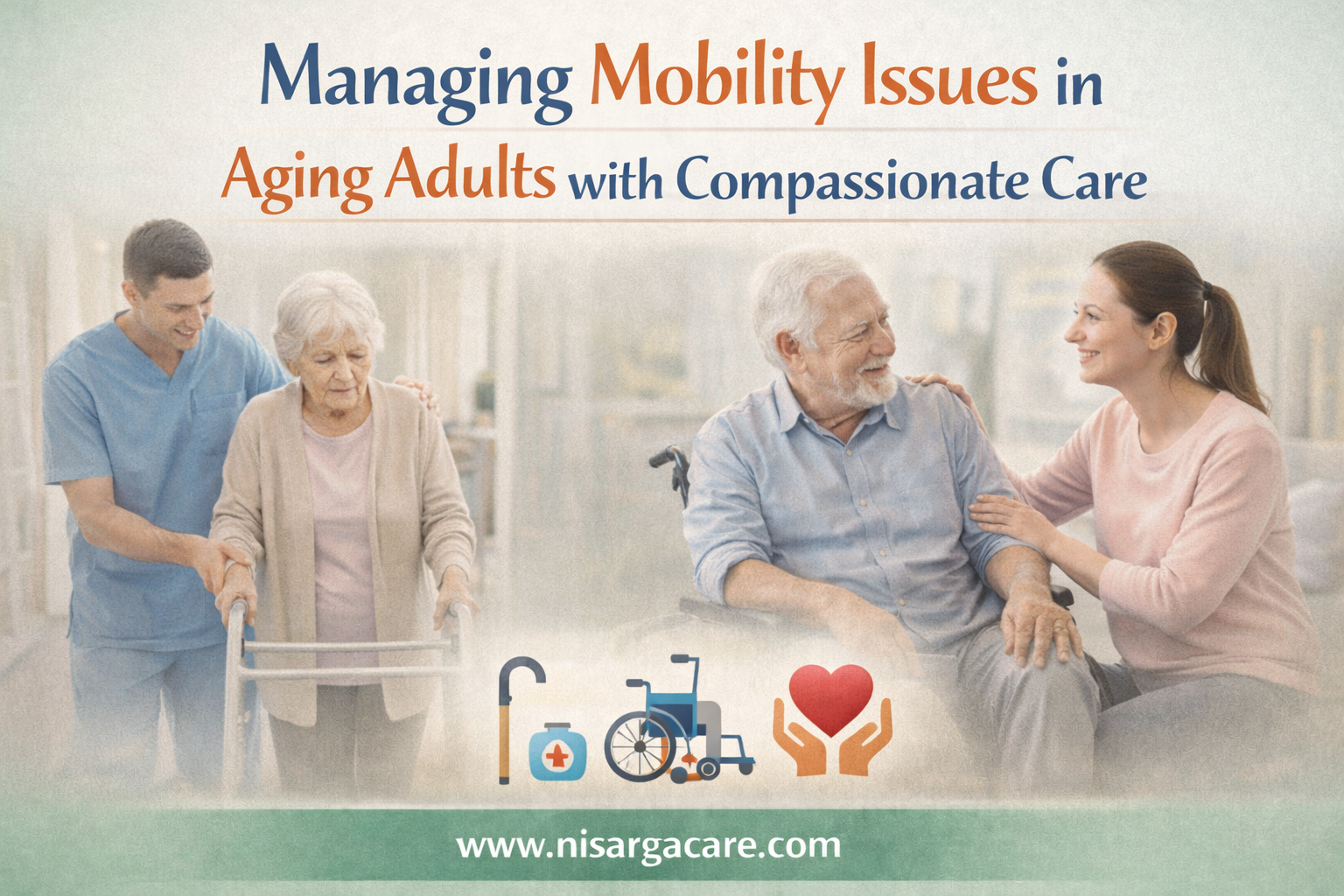
Managing Mobility Issues in Aging Adults with Compassionate Care | Luxury old age home in Bangalore |

Mobility challenges are a common part of aging and can significantly impact a senior’s independence, confidence, and quality of life. Conditions such as arthritis, osteoporosis, neurological disorders, or recovery after illness often make movement difficult and increase the risk of falls. Managing these challenges requires more than physical support—it calls for compassionate, structured care, especially in rehabilitation centres and elder care homes.

Understanding Mobility Challenges in Seniors

As seniors age, muscle strength, balance, and joint flexibility naturally decline. Prolonged bed rest, chronic pain, or post-surgical recovery can further limit movement. When mobility becomes difficult, seniors may withdraw from daily activities, leading to emotional distress, anxiety, or fear of falling again. Early and empathetic intervention is essential to prevent physical decline and emotional isolation.

Role of Rehabilitation and Elder Care Homes

Rehabilitation and elder care homes are uniquely equipped to support seniors facing mobility issues. These environments provide professional supervision, assistive equipment, and personalized therapy plans that promote safe movement. Physiotherapists and caregivers work together to assess each senior’s capabilities and create tailored routines that restore strength and confidence gradually.

Daily physiotherapy sessions, supervised walking routines, and balance exercises help seniors improve mobility while minimizing injury risks. Consistency and encouragement within care homes motivate seniors to remain active and engaged in their recovery.

Compassionate Care Makes the Difference

Compassionate care focuses on understanding the emotional impact of mobility loss. Caregivers trained in elder care recognize fears, frustrations, and hesitation seniors may experience. By offering reassurance, patience, and emotional support, caregivers help seniors regain trust in their bodies and abilities.

Encouraging independence—while ensuring safety—is a key aspect of compassionate mobility care. Simple actions like allowing seniors to perform tasks at their own pace or celebrating small progress milestones can significantly boost morale.

Assistive Devices and Safe Environments

Mobility aids such as walkers, wheelchairs, handrails, and non-slip flooring play a vital role in preventing falls. In elder care homes, living spaces are designed to be accessible, well-lit, and clutter-free, enabling seniors to move confidently. Occupational therapists also guide seniors on using assistive devices correctly, reducing dependence and enhancing safety.

Family Involvement and Emotional Support

Even within a care home setting, family involvement remains essential. Regular visits, encouragement during therapy sessions, and collaboration with caregivers reinforce motivation. When families understand mobility goals and challenges, they can provide emotional reassurance that strengthens recovery outcomes.

Holistic Approach to Mobility Management

Effective mobility care goes beyond physical movement. Proper nutrition, pain management, emotional well-being, and mental stimulation all contribute to improved mobility. Rehabilitation homes integrate these elements into daily routines, ensuring seniors receive holistic, dignified care.


Conclusion

Managing mobility issues in aging adults requires a compassionate, structured, and personalized approach. Rehabilitation and elder care homes provide the right balance of professional therapy, emotional support, and safe environments to help seniors move confidently and independently. At Nisarga Care, we specialize in compassionate mobility support, combining expert rehabilitation with heartfelt care. Our focus is to help seniors regain strength, preserve dignity, and enjoy a better quality of life—every step of the way.

Bangalore rehabilitation centers | rehab assisted living facilities in Bangalore News

Caring for Seniors with Dementia: Daily Support Strategies for Families | Nisarga Care

Dementia is a progressive condition that affects memory, thinking, behavior, and the ability to perform everyday activities. For families, caring for a loved one with dementia can be emotionally demanding and physically exhausting. As the condition advances, seniors require structured support, patience, and a safe environment—whether at home or in a rehabilitation or elder care home.

Understanding Daily Challenges of Dementia

Seniors with dementia may struggle with confusion, forgetfulness, mood changes, and difficulty recognizing familiar people or places. Simple tasks such as dressing, eating, or bathing can become overwhelming. These challenges often lead to frustration, anxiety, or agitation, making daily care complex for families without professional guidance.

Recognizing that these behaviors are symptoms of the condition—not intentional actions—is the first step toward compassionate care.

Establishing a Consistent Routine

Routine is crucial for dementia care. A predictable daily schedule helps seniors feel secure and reduces confusion. Regular timings for meals, bathing, medications, therapy, and rest create structure and familiarity. Rehabilitation and elder care homes are especially effective in maintaining these routines consistently, supporting both mental stability and physical health.

At home, families can mirror this structure by keeping activities simple and repetitive, allowing seniors to navigate the day with confidence.

Creating a Safe and Supportive Environment

Safety is a top priority. Dementia increases the risk of wandering, falls, and household accidents. Families should:

  • Remove clutter and tripping hazards

  • Install grab bars and non-slip mats

  • Ensure adequate lighting

  • Secure doors and potentially harmful items

Elder care homes provide dementia-friendly infrastructure, monitored spaces, and trained staff, offering families peace of mind.

Communicating with Patience and Clarity

Clear, calm communication makes a significant difference. Speak slowly, use simple sentences, and maintain eye contact. Avoid correcting or arguing, as this can increase agitation. Instead, offer reassurance and redirect attention gently. Caregivers in professional settings are trained to manage behavioral changes with empathy and dignity.

Encouraging Meaningful Engagement

Engaging seniors in familiar and meaningful activities improves mood and reduces restlessness. Simple tasks like folding clothes, listening to music, light exercises, or looking through photo albums provide comfort and stimulation. Occupational therapy and activity programs in elder care homes help seniors stay engaged while respecting their abilities.

Family Support and Professional Care

While family involvement is essential, dementia care often requires professional support. Trained caregivers, nurses, and therapists understand disease progression and provide personalized care plans. Rehabilitation and elder care homes also offer emotional support for families, helping them cope with caregiving stress and decision-making.


Conclusion

Caring for seniors with dementia requires patience, structure, and compassionate daily support. While families play a vital role, professional care environments offer the safety, routine, and expertise needed to manage dementia effectively. At Nisarga Care, we provide specialized dementia care within a supportive elder care setting—focusing on dignity, emotional well-being, and personalized attention. With the right care approach, seniors can experience comfort, security, and quality of life, while families gain reassurance and trusted support.

News

Nutrition Challenges in Seniors: Ensuring Balanced Diets at Home | Nisarga Care

As people age, their nutritional needs change, and maintaining a balanced diet can become a significant challenge. Seniors may experience reduced appetite, difficulty chewing or swallowing, digestive issues, or chronic health conditions that affect how their bodies absorb nutrients. Proper nutrition is essential for maintaining strength, immunity, and overall well-being, and families play a key role in supporting elders at home. Elder care homes like Nisarga Care also provide structured guidance for nutrition management, ensuring seniors receive optimal care.

Common Nutrition Challenges in Seniors

Several factors can affect seniors’ diets:

  • Loss of appetite due to medications, illness, or changes in taste and smell

  • Difficulty chewing or swallowing caused by dental issues or medical conditions

  • Digestive problems, including constipation or reduced absorption of nutrients

  • Chronic conditions like diabetes, hypertension, or heart disease that require dietary restrictions

Recognizing these challenges early allows families to adjust meals and seek professional guidance, preventing malnutrition and supporting recovery or rehabilitation.

Practical Strategies for Balanced Diets at Home

  1. Focus on Nutrient-Dense Foods
    Prioritize fresh fruits, vegetables, whole grains, lean proteins, and dairy or alternatives. Nutrient-dense foods provide essential vitamins, minerals, and energy without excessive calories, supporting immunity and muscle health.

  2. Modify Food Textures
    For seniors with chewing or swallowing difficulties, prepare soft, well-cooked, or pureed meals. Smoothies, soups, and stews can provide variety while making eating easier and enjoyable.

  3. Small, Frequent Meals
    Smaller, more frequent meals can help seniors meet nutritional needs without feeling overwhelmed. This approach encourages regular intake and prevents fatigue or loss of appetite during long gaps between meals.

  4. Hydration Is Key
    Seniors often feel less thirsty, leading to dehydration. Offer water, herbal teas, soups, or fresh fruit juices regularly to maintain fluid balance, aid digestion, and support overall health.

  5. Involve Family and Caregivers
    Meal planning with family ensures dietary preferences, restrictions, and cultural considerations are respected. Engaging seniors in meal preparation can also stimulate appetite and provide a sense of involvement.

Support From Elder Care Homes

Facilities like Nisarga Care provide professional nutritional guidance and monitoring. Caregivers ensure meals meet individual dietary needs, manage chronic conditions, and encourage proper hydration. Nutrition programs are combined with rehabilitation and social engagement, making meals both healthy and enjoyable for seniors.


Conclusion

Nutrition plays a critical role in seniors’ physical health, emotional well-being, and recovery. Families and elder care providers must address appetite changes, dietary restrictions, and hydration challenges to maintain balanced diets. At Nisarga Care, we prioritize personalized nutrition plans, professional support, and holistic care, ensuring seniors enjoy meals that nourish the body, support rehabilitation, and promote overall quality of life. With proper guidance, seniors can thrive at home or in care facilities, living healthier and more fulfilling lives.

Nisarga care Bangalore

Loneliness in Seniors: Why It’s a Health Risk, Not Just an Emotion | homes for senior citizens in Bangalore |

Loneliness in seniors is often misunderstood as a temporary emotional state, but in reality, it is a serious health concern that can significantly impact both mental and physical well-being. As people age, life changes such as retirement, loss of a spouse, reduced mobility, or distance from family can increase feelings of isolation. When left unaddressed, loneliness can silently affect a senior’s overall health and quality of life.

Understanding Loneliness in Aging

Loneliness is not simply about being alone; it is about feeling disconnected. Many seniors may live with family or in communities yet still experience emotional isolation. Reduced social interactions, limited independence, and health challenges often contribute to this sense of disconnection. Over time, these feelings can deepen and lead to more serious consequences.

Impact on Mental Health

Prolonged loneliness is closely linked to mental health issues in seniors. Feelings of isolation can increase the risk of depression, anxiety, and cognitive decline. Seniors who feel lonely may lose motivation, withdraw from activities they once enjoyed, and experience a decline in self-esteem. Loneliness has also been associated with a faster progression of memory-related conditions such as dementia.

Physical Health Risks of Loneliness

Loneliness does not only affect the mind—it also affects the body. Research shows that socially isolated seniors have a higher risk of heart disease, high blood pressure, weakened immunity, and poor sleep quality. Loneliness can increase stress levels, leading to inflammation and reduced ability to recover from illness or injury. Seniors who feel isolated may also neglect proper nutrition, medication routines, or physical activity, further impacting their health.

Role of Family and Social Connection

Family involvement plays a crucial role in reducing loneliness. Regular visits, phone calls, and emotional engagement reassure seniors that they are valued and supported. Encouraging participation in family activities, conversations, and decision-making helps seniors feel connected and respected. Even small, consistent interactions can significantly improve emotional well-being.

Importance of Structured Care and Routine

A structured daily routine provides seniors with a sense of purpose and stability. Professional care services, rehabilitation programs, or assisted living environments often include social interaction, group activities, and emotional support, reducing feelings of isolation. Interaction with caregivers, therapists, and peers creates opportunities for meaningful connections.

Encouraging Engagement and Independence

Helping seniors stay engaged in hobbies, light physical activities, or community programs supports emotional health. Activities such as walking, music, reading, or guided exercises can boost mood and confidence. Maintaining independence wherever possible also enhances self-worth and reduces feelings of helplessness.

Early Recognition and Intervention

Recognizing early signs of loneliness—withdrawal, mood changes, loss of interest, or sleep disturbances—is essential. Early intervention through emotional support, counseling, or professional care can prevent loneliness from escalating into serious health issues.


Conclusion

Loneliness in seniors is far more than an emotional challenge—it is a significant health risk that affects mental clarity, physical strength, and overall quality of life. With timely family involvement, structured care, social engagement, and emotional support, seniors can regain connection, confidence, and purpose. Addressing loneliness early ensures healthier aging, emotional resilience, and a more fulfilling life for elderly loved ones.

News Nisarga care Bangalore

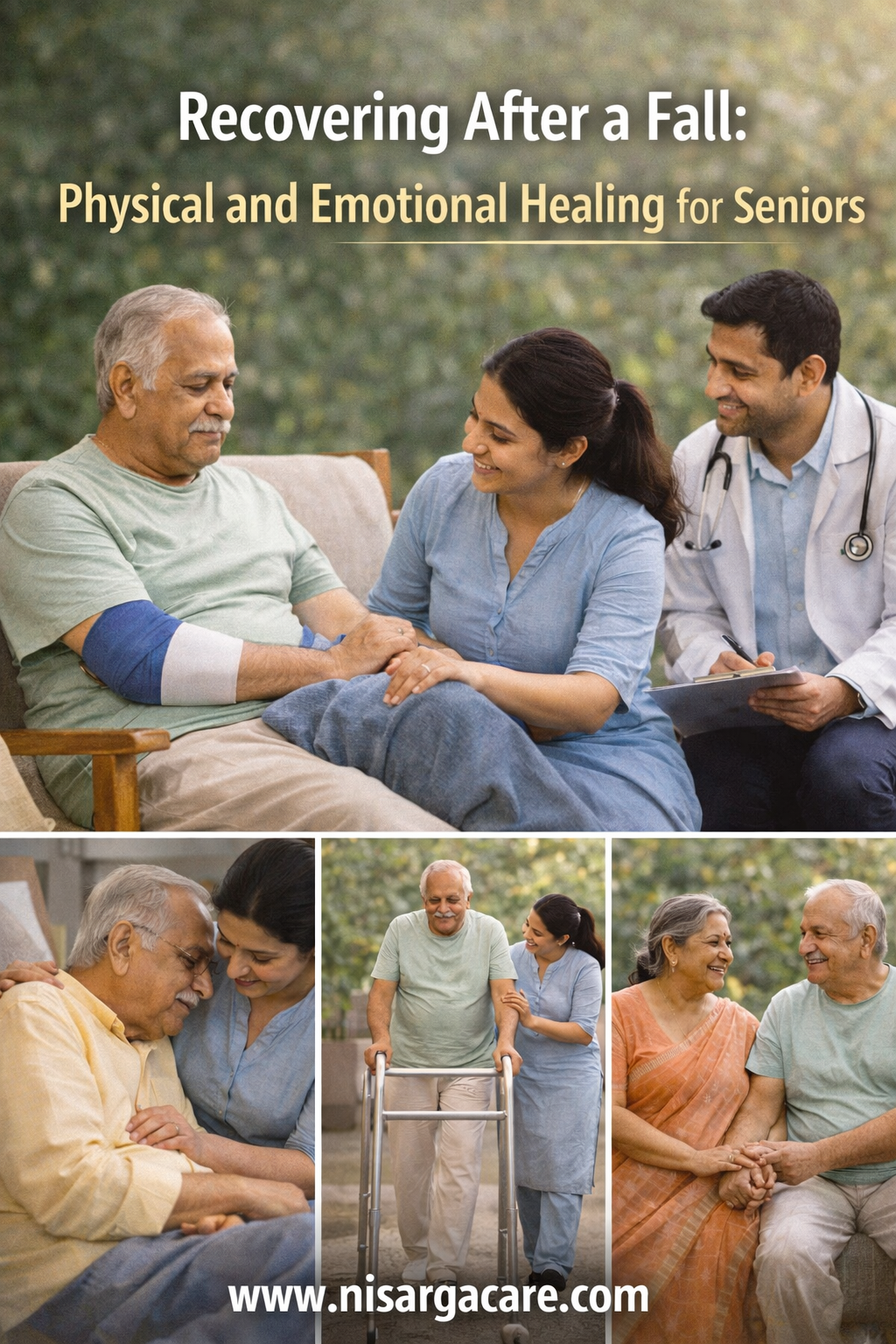
Recovering After a Fall: Physical and Emotional Healing for Seniors | Nisarga Care

Falls are one of the most common and serious health concerns among seniors. Beyond physical injuries, a fall can deeply affect an older adult’s confidence, independence, and emotional well-being. Even a minor fall may create fear of moving, leading to reduced activity and slower recovery.

A holistic recovery approach that addresses both physical healing and emotional reassurance is essential for seniors to regain strength, confidence, and quality of life after a fall.


Physical Impact of Falls on Seniors

Falls can result in:

  • Fractures or joint injuries

  • Muscle weakness and reduced mobility

  • Balance and coordination issues

  • Prolonged bed rest leading to stiffness

Recovery often requires structured care and consistent rehabilitation to prevent long-term complications.


Emotional Effects of a Fall

The emotional consequences of a fall are often overlooked. Seniors may experience:

  • Fear of falling again

  • Anxiety or loss of confidence

  • Depression or social withdrawal

  • Increased dependence on others

These emotional challenges can delay physical recovery if not properly addressed.


Physical Healing Strategies After a Fall

1. Medical Assessment and Monitoring

Prompt medical evaluation ensures injuries are properly diagnosed and treated. Ongoing monitoring helps identify complications early.


2. Physiotherapy and Strength Rehabilitation

Physiotherapy focuses on:

  • Rebuilding muscle strength

  • Improving balance and coordination

  • Restoring safe movement patterns

Gradual, supervised exercises help seniors regain mobility safely.


3. Pain and Discomfort Management

Non-invasive pain management methods—such as heat therapy, positioning support, and gentle movement—reduce discomfort without overmedication.


4. Use of Assistive Devices

Walkers, canes, or orthopedic supports improve stability and confidence during recovery. Proper training ensures safe use.


Emotional Healing and Confidence Building

1. Rebuilding Trust in Movement

Fear of falling again is common. Supportive care and supervised mobility help seniors feel safe while regaining confidence.


2. Emotional Support and Encouragement

Compassionate caregivers provide reassurance, motivation, and emotional stability, helping seniors cope with anxiety and frustration.


3. Maintaining Social Connection

Staying socially engaged reduces isolation and supports emotional resilience during recovery.


Preventing Future Falls

Fall recovery also involves prevention. Key strategies include:

  • Home safety modifications

  • Balance and strength exercises

  • Vision and medication reviews

  • Proper footwear and mobility aids

Prevention empowers seniors to move confidently without fear.


Role of Caregivers and Family

Caregivers and family members play a vital role in recovery by:

  • Encouraging independence while ensuring safety

  • Providing emotional reassurance

  • Supporting rehabilitation routines

Positive reinforcement significantly improves outcomes.


How Nisarga Care Supports Fall Recovery

Nisarga Care offers comprehensive fall recovery support through:

  • Trained caregivers and rehabilitation assistance

  • Personalized mobility and safety plans

  • Senior-friendly environments

  • Emotional and psychological care

Our approach focuses on healing the body, restoring confidence, and preventing future falls.


Conclusion

Recovering after a fall involves more than physical healing—it requires emotional strength, reassurance, and compassionate support. With the right care, seniors can regain mobility, confidence, and independence, allowing them to return to active, fulfilling lives.

News

rehabilitation centres in bangalore karnataka india | rehabilitation centre for mental health in bangalore | schizophrenia rehabilitation centers |

Mental Health Rehabilitation Service

What is a mental health rehabilitation service?
It is a service that helps people overcome the difficulties of long-term mental health problems. It can provide help and support to those who still have difficulty managing daily life or interacting with others. Its goal is to help you manage your problems, regain your confidence, and live alone as comfortably as possible.

Mental health rehabilitation in Bangalore focuses on helping people with difficult and long-term illnesses (such as schizophrenia, bipolar disorder, and personality disorders) regain their independence. It includes inpatient units and community-based services that focus on treatment, social support, and rehabilitation prevention to help patients cope with living alone.

Special Aspects of Naturopathic Mental Health Rehabilitation
Naturopathic Care Services: NC provides community mental health services to individuals who need increased support, often those receiving acute psychiatric care, as well as helping individuals manage their condition and avoid rehospitalization.

Services typically include inpatient care, often with the goal of “stepping down” to more independent community life.

Focus on Autonomy: Rehabilitation aims to improve quality of life, including understanding the diagnosis, managing medications, and developing skills for independent living.

Rehabilitation Options: NC Healthcare provides specialized and intensive inpatient and outpatient care for mental health conditions such as depression and trauma.

The rehabilitation team includes psychiatrists, nurses, occupational therapists, and psychologists.

Specialized Care: Services may address specific needs, such as early intervention for psychosis, forensic rehabilitation, or specialist support for eating disorders.

Access Services

This resource is for patients, caregivers, and anyone who wants to learn about rehabilitation and how mental health rehabilitation services work.

What does rehabilitation mean?

Restoring abilities (from the Roman Latin word habitats), restoring previous abilities, restoring, restoring previous rights. It can also mean preparing someone to resume normal life after an illness, or restoring them to their previous condition.

The difficulties of living with a long-term mental health problem may require time in a specialist rehabilitation service. The Nature Care Community Rehabilitation team works with people who are transitioning to supported accommodation after leaving hospital.

This service will strive to help you recover, while recognizing that you may still have significant difficulties that require ongoing help and support.

Bangalore rehabilitation centers | rehab assisted living facilities in Bangalore News Nisarga care Bangalore

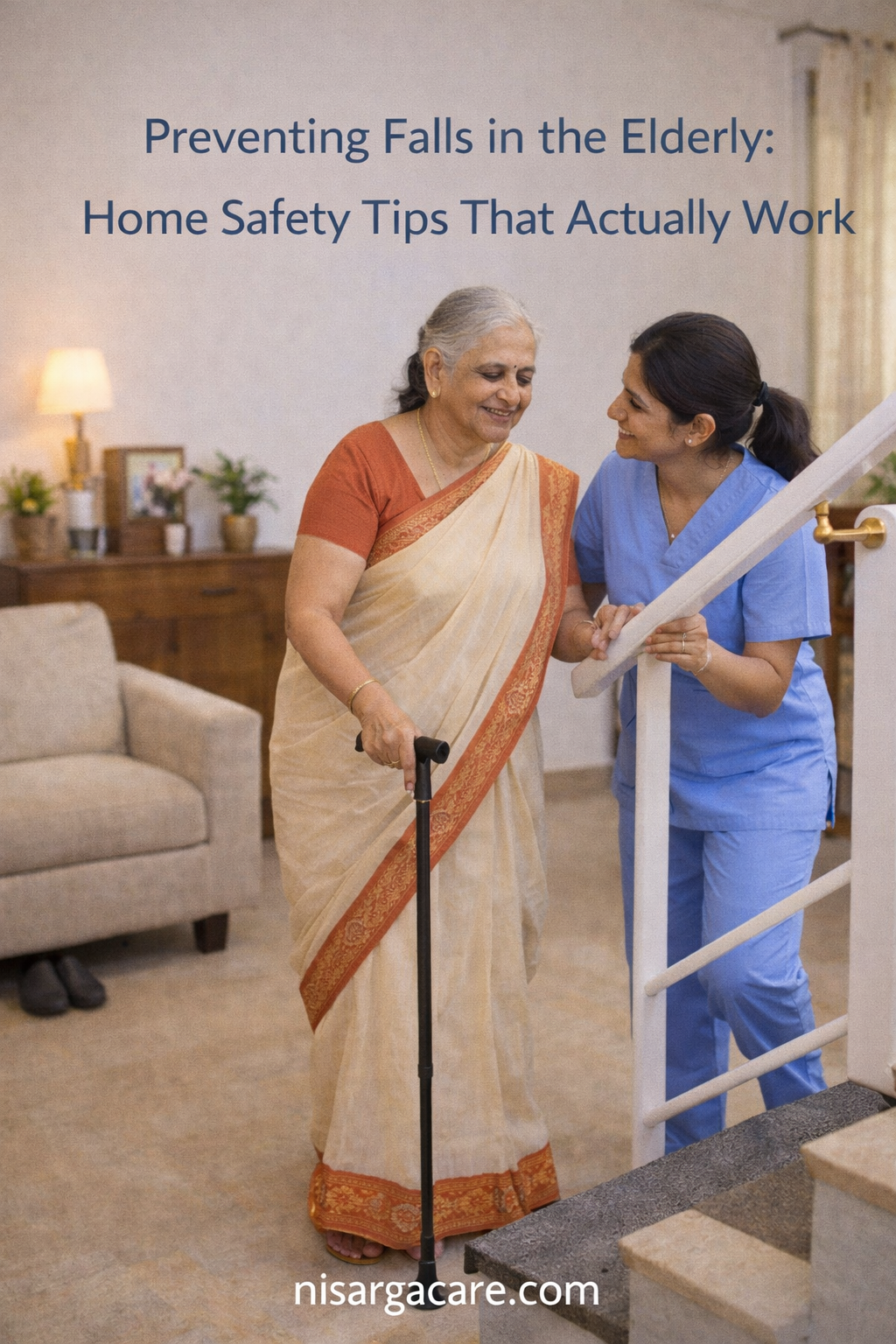
Preventing Falls in the Elderly: Home Safety Tips That Actually Work

Falls are one of the leading causes of injury among seniors, often resulting in fractures, hospitalizations, or long-term mobility challenges. Many falls are preventable with simple home safety measures, lifestyle adjustments, and awareness. Families can play a proactive role in creating a secure environment that supports elderly independence while reducing risks.

Understand Why Seniors Fall

Age-related factors increase fall risk, including:

  • Reduced muscle strength and balance

  • Impaired vision or hearing

  • Chronic conditions such as arthritis or osteoporosis

  • Side effects from medications

By understanding these risk factors, families can implement targeted safety strategies.

1. Clear Walking Paths and Clutter-Free Spaces

Cluttered floors and loose rugs are major hazards. Remove obstacles such as cables, furniture in narrow walkways, and small decorative rugs. Ensure hallways and rooms are spacious enough for walkers or canes. Clear walking paths reduce tripping risks significantly.

2. Proper Lighting Throughout the Home

Poor lighting contributes to falls, especially at night. Install bright, non-glare lighting in hallways, staircases, bathrooms, and entrances. Motion-sensor night lights near the bed and bathroom provide extra safety for nighttime movements.

3. Bathroom and Kitchen Safety

Wet floors and slippery surfaces in bathrooms and kitchens are common fall hazards. Families should:

  • Install grab bars near toilets and showers

  • Use non-slip mats in bathing areas

  • Ensure items are within easy reach to avoid stretching or climbing

In kitchens, maintain clear, organized countertops and avoid high storage that requires ladders.

4. Supportive Furniture and Mobility Aids

Provide chairs with sturdy armrests, beds at proper height, and walkers or canes as recommended by physiotherapists. Regularly check that assistive devices are in good condition. Proper support ensures seniors can move confidently without fear of losing balance.

5. Encourage Regular Exercise

Physical activity strengthens muscles, improves balance, and enhances coordination. Simple exercises, yoga, or physiotherapy routines tailored to seniors can prevent falls. Engaging in daily movement routines also improves confidence and reduces sedentary risks.

6. Monitor Medications and Health Conditions

Some medications may cause dizziness or drowsiness. Families should consult doctors about side effects and adjust routines if necessary. Regular vision and hearing check-ups also prevent accidents caused by sensory impairments.

7. Promote Awareness and Education

Educate seniors on safe movement strategies: rising slowly from chairs, using handrails, and avoiding risky behaviors. Awareness builds habits that reinforce safety in everyday activities.


Conclusion

Preventing falls in the elderly is achievable through practical home safety modifications, exercise, and awareness. Families can reduce risks by creating clutter-free, well-lit environments, using supportive furniture and mobility aids, and encouraging healthy routines. Thoughtful precautions not only protect seniors from injuries but also support confidence, independence, and peace of mind for the entire family.

Posts pagination

WeCreativez WhatsApp Support
Our customer support team is here to answer your questions. Ask us anything!
👋 Hi, how can I help?