A stroke can severely impact a person’s ability to move, walk, or maintain balance. Muscle weakness, paralysis, and coordination problems are common challenges after a stroke. Regaining mobility is often the top priority for patients and families. This is where advance rehabilitation centers in Bangalore play a crucial role by providing structured, medically supervised recovery programs focused on movement and independence.
Why Mobility Is Affected After a Stroke
A stroke damages specific areas of the brain that control movement and muscle coordination. As a result, patients may experience:
-
Partial or complete paralysis on one side of the body
-
Muscle stiffness or weakness
-
Poor balance and coordination
-
Difficulty standing or walking
Without proper rehabilitation, these mobility issues can become permanent.
Role of Rehabilitation Centers in Stroke Recovery
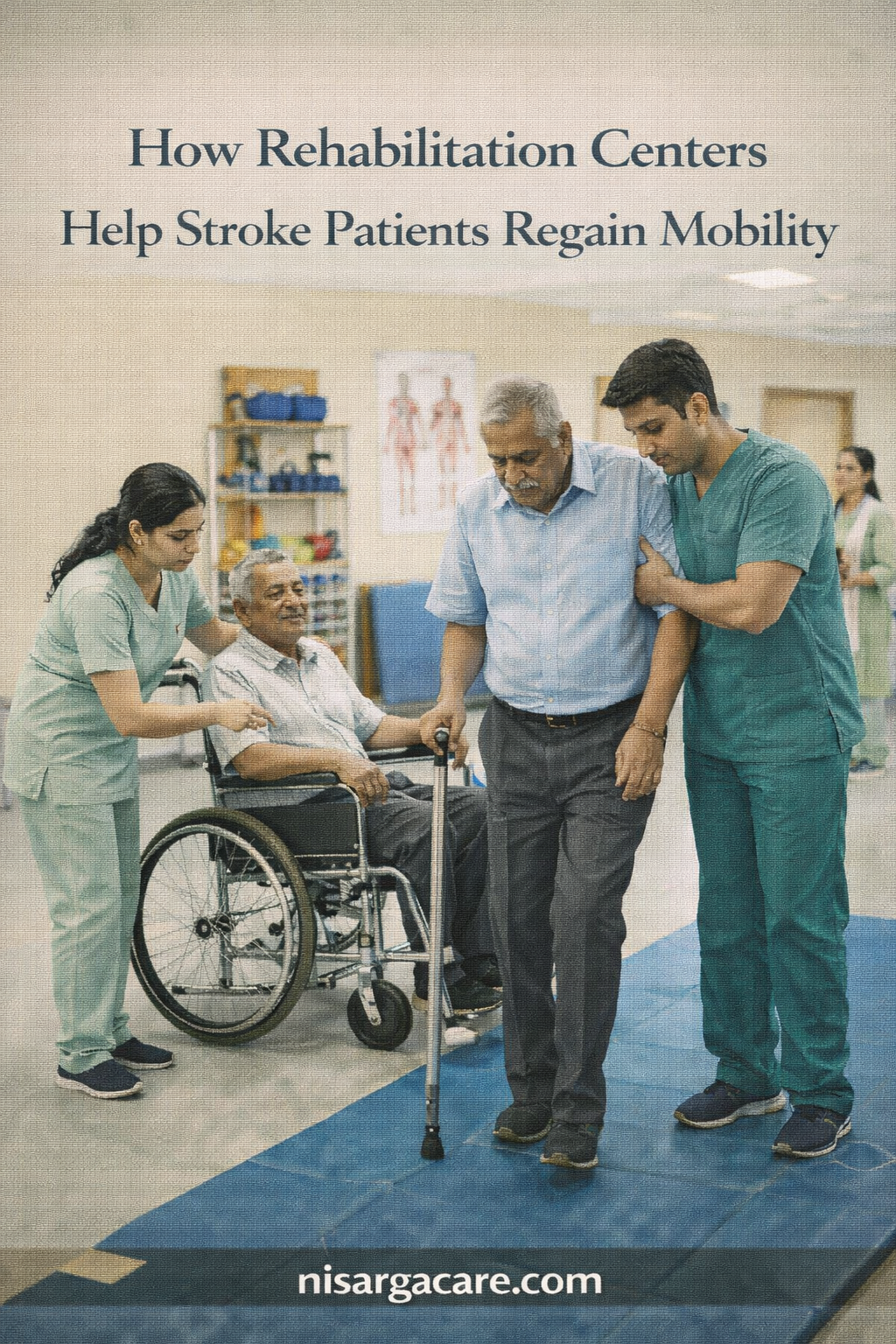
Professional rehabilitation centers in Bangalore focus on restoring mobility through targeted therapies and continuous monitoring. These centers provide a controlled environment where patients can safely relearn movement patterns and build strength under expert guidance.
Centers like Nisarga Care adopt a patient-centric approach that combines physical therapy, medical supervision, and emotional support.
Key Therapies That Help Stroke Patients Regain Mobility
Physiotherapy
Physiotherapy is the foundation of mobility recovery. Therapists work on:
-
Muscle strengthening
-
Balance and posture correction
-
Walking training
-
Joint flexibility
Early and consistent physiotherapy helps prevent muscle stiffness and improves movement control.
Gait Training
Gait training focuses on teaching patients how to walk again safely. Therapists use parallel bars, walkers, or assistive devices to improve step coordination and weight shifting.
Occupational Therapy
Occupational therapy supports mobility by helping patients perform daily movements such as sitting, standing, transferring from bed to chair, and climbing stairs.
Balance and Coordination Exercises
Special exercises improve body awareness and reduce the risk of falls—an important concern for stroke survivors.
Importance of Structured Rehabilitation Programs
Unlike home-based recovery, rehabilitation centers in Bangalore offer:
-
Personalized therapy plans
-
Daily monitored exercise sessions
-
Advanced rehabilitation equipment
-
Immediate medical support if complications arise
Structured programs ensure steady progress while reducing setbacks.
Inpatient vs Outpatient Rehabilitation for Mobility Recovery
Some patients benefit from inpatient rehabilitation with stay, especially in the early stages. Residential care allows:
-
Intensive daily therapy
-
Continuous medical observation
-
Faster functional improvement
Outpatient programs are suitable for patients with mild mobility issues or those transitioning from inpatient care.
Rehabilitation Centre Cost in Bangalore for Stroke Mobility Recovery
The rehabilitation centre cost in Bangalore depends on:
-
Severity of mobility impairment
-
Duration of therapy
-
Type of rehabilitation program
-
Inpatient or outpatient care
Early rehabilitation often reduces overall costs by shortening recovery time and preventing complications.
How Families Can Support Mobility Recovery
Families can support stroke patients by:
-
Encouraging consistent therapy participation
-
Following therapist-recommended exercises at home
-
Ensuring safety measures to prevent falls
-
Providing emotional encouragement
Family involvement improves motivation and long-term outcomes.
Conclusion
Mobility recovery after a stroke requires expert guidance, patience, and structured therapy. Rehabilitation centers in Bangalore play a vital role in helping stroke patients regain movement, balance, and independence. Through personalized physiotherapy, gait training, and supportive care, centers like Nisarga Care empower patients to rebuild confidence and improve quality of life.