Bangalore rehabilitation centers | rehab assisted living facilities in Bangalore News

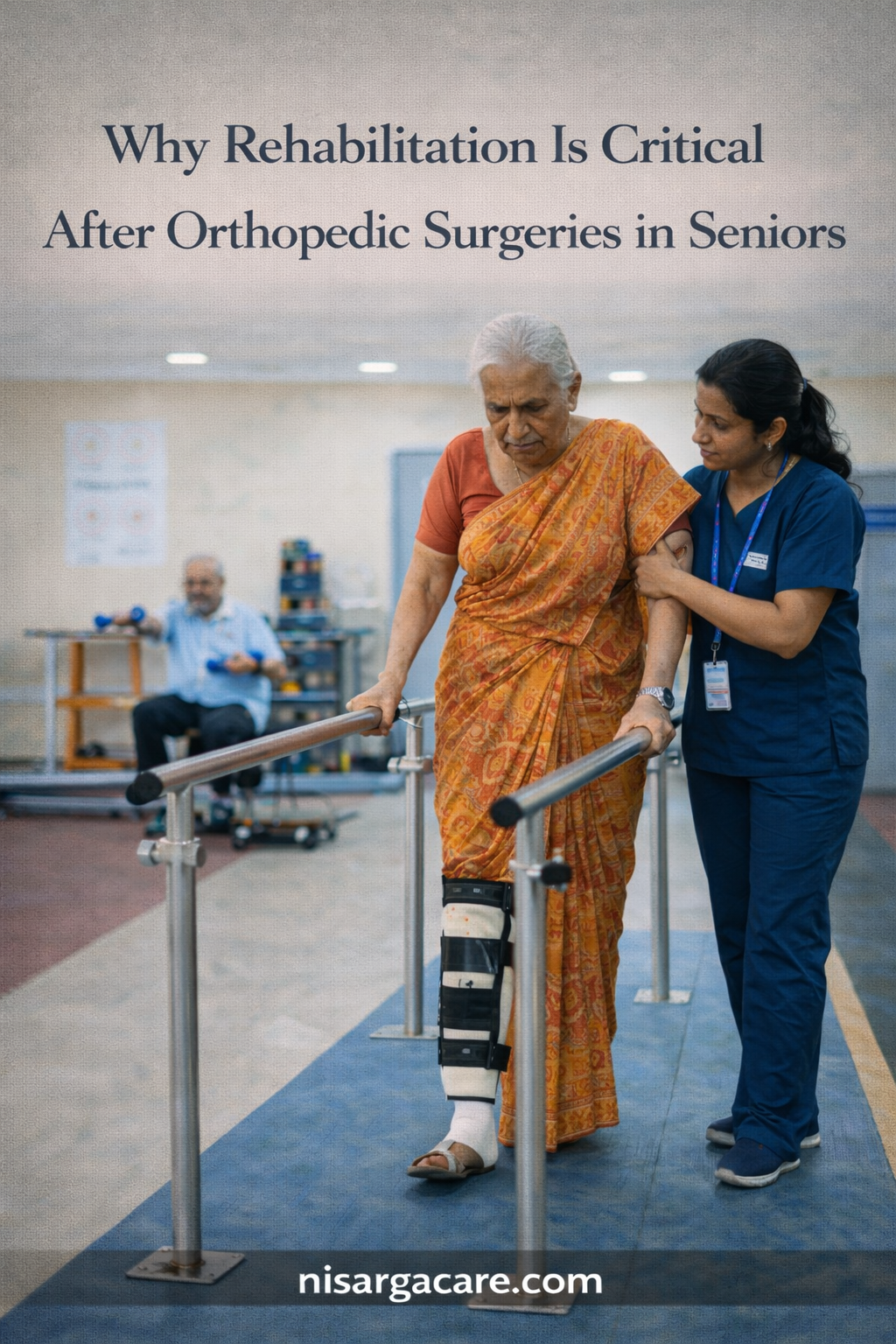
Why Rehabilitation Is Critical After Orthopedic Surgeries in Seniors

Orthopedic surgeries such as knee replacement, hip replacement, fracture fixation, or spine surgery are common among seniors. While surgery helps correct the physical problem, recovery largely depends on what happens afterward. For elderly patients, rehabilitation is not optional—it is essential. This is why rehabilitation centers in Bangalore and across Karnataka play a vital role in helping seniors recover safely, regain mobility, and maintain independence after orthopedic surgeries.


Why Seniors Need Specialized Post-Orthopedic Rehabilitation

Aging bodies heal more slowly and are more vulnerable to complications. After orthopedic surgery, seniors often face:

  • Muscle weakness and stiffness

  • Balance problems and fall risk

  • Pain and limited joint movement

  • Fear of movement and dependency

Without proper rehabilitation, these issues can lead to long-term disability. Professional rehabilitation centers in Bangalore provide age-appropriate, supervised therapy that supports safe and steady recovery.


Importance of Early Rehabilitation After Orthopedic Surgery

Rehabilitation typically begins within a few days after surgery, once the patient is medically stable. Early rehabilitation helps to:

  • Improve blood circulation and healing

  • Prevent joint stiffness and muscle loss

  • Restore basic mobility like standing and walking

  • Reduce post-surgical pain and swelling

Delaying rehabilitation can result in prolonged immobility, increased dependency, and higher complication risks—especially in seniors.


Key Rehabilitation Therapies for Seniors After Orthopedic Surgery

Physiotherapy

Physiotherapy is the foundation of orthopedic recovery. It focuses on:

  • Gentle joint movement

  • Muscle strengthening

  • Balance and posture training

  • Walking and mobility exercises

Regular physiotherapy helps seniors regain confidence and movement safely.


Occupational Therapy

Occupational therapy helps seniors relearn daily activities such as getting out of bed, using the bathroom, climbing stairs, and dressing independently—crucial for maintaining dignity and self-reliance.


Pain Management and Mobility Support

Controlled pain management combined with guided exercises allows seniors to move comfortably without fear. This reduces reliance on pain medication and improves therapy participation.


Why Rehabilitation Centers Are Better Than Home Recovery

While home care may seem convenient, rehabilitation centers in Bangalore offer advantages that are especially important for seniors:

  • Continuous medical supervision

  • Structured daily therapy sessions

  • Fall-safe environments

  • Faster functional improvement

  • Immediate response to complications

Centers like Nisarga Care focus on holistic geriatric rehabilitation, addressing both physical recovery and emotional well-being.


Inpatient vs Outpatient Rehabilitation for Seniors

Many seniors benefit from inpatient rehabilitation with stay, particularly after major orthopedic surgeries. Residential rehabilitation provides:

  • Daily monitored therapy

  • Medical support

  • Reduced caregiver burden

  • Safer and faster recovery

Outpatient rehabilitation may suit seniors with minor surgeries and strong home support.


Orthopedic Rehabilitation Centre Cost in Bangalore for Seniors

The rehabilitation centre cost in Bangalore depends on:

  • Type of orthopedic surgery

  • Duration of rehabilitation

  • Inpatient or outpatient care

  • Therapy intensity and patient needs

Early and structured rehabilitation often lowers long-term costs by preventing complications and repeat hospitalizations.


Role of Family in Senior Orthopedic Recovery

Family involvement strengthens recovery. Families can help by:

  • Encouraging therapy participation

  • Supporting safe movement at home

  • Ensuring follow-up care

  • Providing emotional reassurance


Conclusion

For seniors, orthopedic surgery is only the beginning of recovery. Proper rehabilitation is critical for restoring mobility, preventing complications, and preserving independence. Professional rehabilitation centers in Bangalore and Karnataka provide structured, senior-focused care that ensures safe and effective recovery. With personalized therapy and medical supervision, centers like Nisarga Care help seniors return to active, confident, and dignified lives after orthopedic surgeries.

Bangalore rehabilitation centers | rehab assisted living facilities in Bangalore News

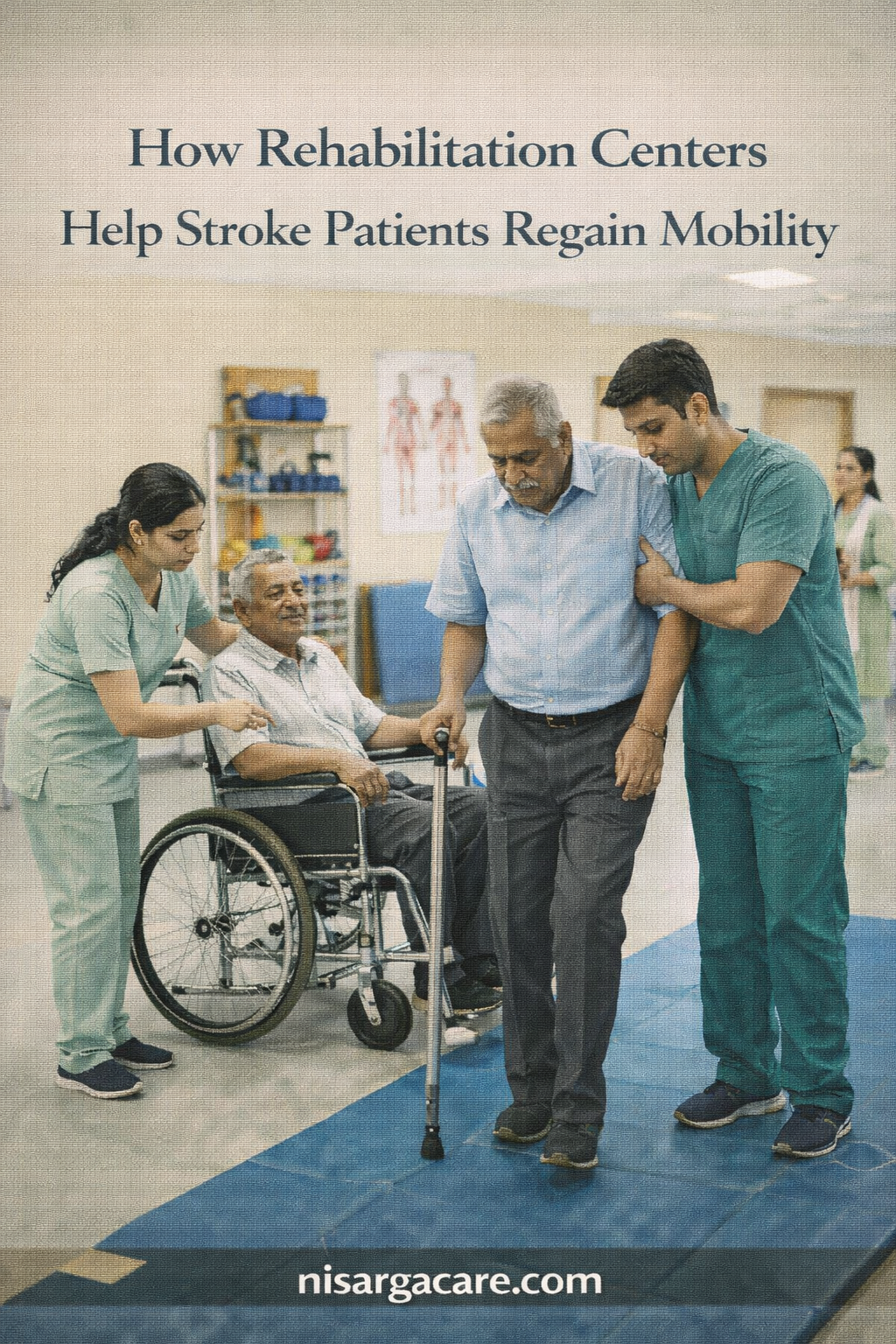
How Rehabilitation Centers Help Stroke Patients Regain Mobility

A stroke can severely impact a person’s ability to move, walk, or maintain balance. Muscle weakness, paralysis, and coordination problems are common challenges after a stroke. Regaining mobility is often the top priority for patients and families. This is where advance rehabilitation centers in Bangalore play a crucial role by providing structured, medically supervised recovery programs focused on movement and independence.


Why Mobility Is Affected After a Stroke

A stroke damages specific areas of the brain that control movement and muscle coordination. As a result, patients may experience:

  • Partial or complete paralysis on one side of the body

  • Muscle stiffness or weakness

  • Poor balance and coordination

  • Difficulty standing or walking

Without proper rehabilitation, these mobility issues can become permanent.


Role of Rehabilitation Centers in Stroke Recovery

Professional rehabilitation centers in Bangalore focus on restoring mobility through targeted therapies and continuous monitoring. These centers provide a controlled environment where patients can safely relearn movement patterns and build strength under expert guidance.

Centers like Nisarga Care adopt a patient-centric approach that combines physical therapy, medical supervision, and emotional support.


Key Therapies That Help Stroke Patients Regain Mobility

Physiotherapy

Physiotherapy is the foundation of mobility recovery. Therapists work on:

  • Muscle strengthening

  • Balance and posture correction

  • Walking training

  • Joint flexibility

Early and consistent physiotherapy helps prevent muscle stiffness and improves movement control.

Gait Training

Gait training focuses on teaching patients how to walk again safely. Therapists use parallel bars, walkers, or assistive devices to improve step coordination and weight shifting.

Occupational Therapy

Occupational therapy supports mobility by helping patients perform daily movements such as sitting, standing, transferring from bed to chair, and climbing stairs.

Balance and Coordination Exercises

Special exercises improve body awareness and reduce the risk of falls—an important concern for stroke survivors.


Importance of Structured Rehabilitation Programs

Unlike home-based recovery, rehabilitation centers in Bangalore offer:

  • Personalized therapy plans

  • Daily monitored exercise sessions

  • Advanced rehabilitation equipment

  • Immediate medical support if complications arise

Structured programs ensure steady progress while reducing setbacks.


Inpatient vs Outpatient Rehabilitation for Mobility Recovery

Some patients benefit from inpatient rehabilitation with stay, especially in the early stages. Residential care allows:

  • Intensive daily therapy

  • Continuous medical observation

  • Faster functional improvement

Outpatient programs are suitable for patients with mild mobility issues or those transitioning from inpatient care.


Rehabilitation Centre Cost in Bangalore for Stroke Mobility Recovery

The rehabilitation centre cost in Bangalore depends on:

  • Severity of mobility impairment

  • Duration of therapy

  • Type of rehabilitation program

  • Inpatient or outpatient care

Early rehabilitation often reduces overall costs by shortening recovery time and preventing complications.


How Families Can Support Mobility Recovery

Families can support stroke patients by:

  • Encouraging consistent therapy participation

  • Following therapist-recommended exercises at home

  • Ensuring safety measures to prevent falls

  • Providing emotional encouragement

Family involvement improves motivation and long-term outcomes.


Conclusion

Mobility recovery after a stroke requires expert guidance, patience, and structured therapy. Rehabilitation centers in Bangalore play a vital role in helping stroke patients regain movement, balance, and independence. Through personalized physiotherapy, gait training, and supportive care, centers like Nisarga Care empower patients to rebuild confidence and improve quality of life.

News Nisarga care Bangalore

Daily Care Routine for Someone Living with Dementia

A daily care routine plays a vital role in supporting someone living with dementia. Structure and consistency help reduce confusion, anxiety, and agitation while promoting comfort and emotional security. When patients know what to expect, they feel safer and more confident in their surroundings. A well-planned routine also makes caregiving more manageable and improves the overall quality of life.

Morning: A Calm and Gentle Start

Mornings should begin slowly and peacefully. Sudden changes or rushing can increase anxiety. Greet the person warmly and give them time to wake up fully. Assist with personal hygiene such as brushing teeth, bathing, and dressing, while encouraging independence wherever possible.

Choose comfortable, easy-to-wear clothing and offer limited options to avoid confusion. Maintain a friendly and reassuring tone to make them feel respected and valued.

Breakfast and Medication Management

Nutrition is essential for physical and cognitive health. Serve a balanced breakfast that includes fruits, whole grains, and proteins. Ensure the food is easy to chew and swallow if required.

Medication should always be given on time and under supervision. Using pill organizers and maintaining a medication schedule helps prevent missed doses or overdosing.

Mid-Morning: Light Physical and Mental Activity

Physical movement keeps the body active and improves mood. Simple exercises such as walking, stretching, or chair exercises are beneficial. These activities improve circulation, reduce stiffness, and enhance sleep quality.

Mental stimulation is equally important. Activities like listening to music, reading aloud, solving simple puzzles, or looking through photo albums help maintain cognitive function and emotional connection.

Lunch and Rest Time

Lunch should be nutritious and served in a calm environment. Avoid distractions like loud noises or crowded spaces. Encourage slow eating and proper hydration.

After lunch, allow time for rest. Short naps are fine, but long daytime sleeping should be avoided as it may disturb nighttime sleep. Gentle relaxation promotes emotional balance.

Afternoon: Engagement and Social Interaction

Afternoons are ideal for creative and social activities. Art, gardening, light household tasks, or simple games help patients feel productive and engaged. Social interaction reduces loneliness and boosts self-esteem.

Conversation should be simple and reassuring. Even if the person struggles to respond, your presence provides comfort and emotional stability.

Evening: Preparing for Calmness

As evening approaches, reduce stimulation. Bright lights, loud sounds, and active tasks can increase confusion. A calm environment helps prepare the mind for rest.

Dinner should be light and easy to digest. Encourage hydration but limit excessive fluids before bedtime to avoid sleep disturbances.

Night Routine and Sleep Support

Establishing a regular bedtime routine is essential. Activities like listening to soft music, reading, or prayer create a sense of closure to the day. Keep the bedroom quiet, dimly lit, and comfortable.

Consistent sleep schedules help regulate the body clock and reduce nighttime agitation.

Emotional Care Throughout the Day

Emotional support is as important as physical care. Use gentle communication, positive reinforcement, and patience. Avoid arguments and never force tasks. Offering reassurance and understanding builds trust and emotional security.

Importance of Professional Support

As dementia progresses, maintaining a daily routine becomes more challenging for families. Professional dementia care ensures structured schedules, medical monitoring, emotional therapy, and trained caregivers who understand the complexities of dementia.


Conclusion: Why Nisarga Care Is the Best Choice

Creating and maintaining a daily routine for someone living with dementia requires experience, patience, and professional guidance. Nisarga Care stands out as a trusted Dementia care center in Karnataka, offering personalized care routines that focus on safety, dignity, and emotional well-being. As a leading Memory care facility in Bangalore, Nisarga Care ensures that every patient receives compassionate support in a structured and calm environment.

For families searching for a reliable Dementia rehabilitation center in Bangalore, Nisarga Care provides expert medical supervision, trained caregivers, and holistic rehabilitation programs. It is truly a specialized dementia rehab center in Karnataka where seniors receive the highest quality of care and families gain peace of mind knowing their loved ones are in safe and capable hands.

News

rehabilitation centres in bangalore karnataka india | rehabilitation centre for mental health in bangalore | schizophrenia rehabilitation centers |

Mental Health Rehabilitation Service

What is a mental health rehabilitation service?
It is a service that helps people overcome the difficulties of long-term mental health problems. It can provide help and support to those who still have difficulty managing daily life or interacting with others. Its goal is to help you manage your problems, regain your confidence, and live alone as comfortably as possible.

Mental health rehabilitation in Bangalore focuses on helping people with difficult and long-term illnesses (such as schizophrenia, bipolar disorder, and personality disorders) regain their independence. It includes inpatient units and community-based services that focus on treatment, social support, and rehabilitation prevention to help patients cope with living alone.

Special Aspects of Naturopathic Mental Health Rehabilitation
Naturopathic Care Services: NC provides community mental health services to individuals who need increased support, often those receiving acute psychiatric care, as well as helping individuals manage their condition and avoid rehospitalization.

Services typically include inpatient care, often with the goal of “stepping down” to more independent community life.

Focus on Autonomy: Rehabilitation aims to improve quality of life, including understanding the diagnosis, managing medications, and developing skills for independent living.

Rehabilitation Options: NC Healthcare provides specialized and intensive inpatient and outpatient care for mental health conditions such as depression and trauma.

The rehabilitation team includes psychiatrists, nurses, occupational therapists, and psychologists.

Specialized Care: Services may address specific needs, such as early intervention for psychosis, forensic rehabilitation, or specialist support for eating disorders.

Access Services

This resource is for patients, caregivers, and anyone who wants to learn about rehabilitation and how mental health rehabilitation services work.

What does rehabilitation mean?

Restoring abilities (from the Roman Latin word habitats), restoring previous abilities, restoring, restoring previous rights. It can also mean preparing someone to resume normal life after an illness, or restoring them to their previous condition.

The difficulties of living with a long-term mental health problem may require time in a specialist rehabilitation service. The Nature Care Community Rehabilitation team works with people who are transitioning to supported accommodation after leaving hospital.

This service will strive to help you recover, while recognizing that you may still have significant difficulties that require ongoing help and support.

Nisarga care Bangalore

Sleep Problems in Older Adults: Causes, Impact, and Care Solutions || Nisarga Care

Quality sleep is essential at every stage of life, yet many older adults struggle with sleep-related issues. Difficulty falling asleep, frequent nighttime awakenings, or waking up too early are common concerns among seniors. Over time, poor sleep can affect physical health, emotional well-being, and overall quality of life.

Understanding the causes of sleep problems in older adults—and providing the right care solutions—can significantly improve comfort, safety, and daily functioning.


Common Causes of Sleep Problems in Seniors

Sleep patterns naturally change with age, but persistent sleep issues are often linked to underlying factors such as:

1. Medical Conditions

Chronic illnesses like arthritis, heart disease, diabetes, respiratory disorders, and neurological conditions can cause discomfort and disrupt sleep. Pain, shortness of breath, or frequent urination often worsen at night.


2. Medication Side Effects

Many seniors take multiple medications. Some drugs can:

  • Cause insomnia or restlessness

  • Lead to excessive daytime sleepiness

  • Disrupt natural sleep cycles

Without regular medical review, these side effects can compound sleep problems.


3. Mental and Emotional Health Challenges

Anxiety, depression, loneliness, or grief—especially after retirement or loss of a spouse—can interfere with restful sleep. Emotional distress often makes it harder to fall or stay asleep.


4. Reduced Physical Activity

Limited movement during the day can lead to lower sleep drive at night. Seniors who are inactive may experience lighter, fragmented sleep.


5. Changes in Circadian Rhythm

As people age, their internal body clock shifts. Many seniors feel sleepy earlier in the evening and wake up very early in the morning, leading to disrupted sleep patterns.


Impact of Poor Sleep on Older Adults

Chronic sleep deprivation can have serious consequences, including:

  • Daytime fatigue and low energy

  • Reduced memory and concentration

  • Mood changes and irritability

  • Increased risk of falls and accidents

  • Weakened immune function

Over time, poor sleep may worsen existing health conditions and reduce independence.


Care Solutions for Better Sleep in Seniors

Managing sleep problems in older adults requires a holistic, non-invasive approach that addresses both physical and emotional needs.


1. Establishing a Consistent Sleep Routine

Encouraging seniors to:

  • Go to bed and wake up at the same time daily

  • Follow calming pre-sleep routines

  • Avoid long daytime naps

helps regulate the body’s natural sleep cycle.


2. Creating a Sleep-Friendly Environment

A comfortable bedroom can make a significant difference:

  • Quiet, dimly lit surroundings

  • Comfortable bedding and supportive mattresses

  • Proper room temperature

These small adjustments promote deeper, uninterrupted sleep.


3. Managing Pain and Discomfort

Addressing nighttime pain through:

  • Gentle physiotherapy

  • Heat or cold therapy

  • Proper positioning and support

reduces sleep interruptions without over-reliance on medication.


4. Encouraging Daytime Activity

Light exercise, walking, stretching, or yoga improves circulation, reduces stiffness, and promotes natural tiredness by evening.


5. Supporting Mental and Emotional Well-Being

Emotional support plays a crucial role in sleep health. Regular companionship, counseling, relaxation techniques, and mindfulness practices help reduce stress and nighttime anxiety.


6. Reviewing Medications Regularly

Healthcare professionals should periodically evaluate medications to identify sleep-disrupting side effects and adjust dosages when necessary.


When to Seek Professional Support

If sleep problems persist for weeks or begin affecting daily life, professional evaluation is essential. Conditions such as sleep apnea, restless leg syndrome, or depression may require specialized care.


How Nisarga Care Helps Seniors Sleep Better

At Nisarga Care, we take a personalized approach to sleep management by offering:

  • Trained caregivers who monitor sleep patterns

  • Holistic routines that support physical and emotional comfort

  • Safe, calm living environments

  • Coordination with healthcare professionals

Our goal is to help seniors achieve restful sleep, leading to better health, mood, and independence.


Conclusion

Sleep problems in older adults are common—but they are not something seniors must simply accept. With the right care solutions, supportive environments, and compassionate attention, restful sleep is achievable at any age.

Bangalore rehabilitation centers | rehab assisted living facilities in Bangalore News Nisarga care Bangalore

Preventing Falls in the Elderly: Home Safety Tips That Actually Work

Falls are one of the leading causes of injury among seniors, often resulting in fractures, hospitalizations, or long-term mobility challenges. Many falls are preventable with simple home safety measures, lifestyle adjustments, and awareness. Families can play a proactive role in creating a secure environment that supports elderly independence while reducing risks.

Understand Why Seniors Fall

Age-related factors increase fall risk, including:

  • Reduced muscle strength and balance

  • Impaired vision or hearing

  • Chronic conditions such as arthritis or osteoporosis

  • Side effects from medications

By understanding these risk factors, families can implement targeted safety strategies.

1. Clear Walking Paths and Clutter-Free Spaces

Cluttered floors and loose rugs are major hazards. Remove obstacles such as cables, furniture in narrow walkways, and small decorative rugs. Ensure hallways and rooms are spacious enough for walkers or canes. Clear walking paths reduce tripping risks significantly.

2. Proper Lighting Throughout the Home

Poor lighting contributes to falls, especially at night. Install bright, non-glare lighting in hallways, staircases, bathrooms, and entrances. Motion-sensor night lights near the bed and bathroom provide extra safety for nighttime movements.

3. Bathroom and Kitchen Safety

Wet floors and slippery surfaces in bathrooms and kitchens are common fall hazards. Families should:

  • Install grab bars near toilets and showers

  • Use non-slip mats in bathing areas

  • Ensure items are within easy reach to avoid stretching or climbing

In kitchens, maintain clear, organized countertops and avoid high storage that requires ladders.

4. Supportive Furniture and Mobility Aids

Provide chairs with sturdy armrests, beds at proper height, and walkers or canes as recommended by physiotherapists. Regularly check that assistive devices are in good condition. Proper support ensures seniors can move confidently without fear of losing balance.

5. Encourage Regular Exercise

Physical activity strengthens muscles, improves balance, and enhances coordination. Simple exercises, yoga, or physiotherapy routines tailored to seniors can prevent falls. Engaging in daily movement routines also improves confidence and reduces sedentary risks.

6. Monitor Medications and Health Conditions

Some medications may cause dizziness or drowsiness. Families should consult doctors about side effects and adjust routines if necessary. Regular vision and hearing check-ups also prevent accidents caused by sensory impairments.

7. Promote Awareness and Education

Educate seniors on safe movement strategies: rising slowly from chairs, using handrails, and avoiding risky behaviors. Awareness builds habits that reinforce safety in everyday activities.


Conclusion

Preventing falls in the elderly is achievable through practical home safety modifications, exercise, and awareness. Families can reduce risks by creating clutter-free, well-lit environments, using supportive furniture and mobility aids, and encouraging healthy routines. Thoughtful precautions not only protect seniors from injuries but also support confidence, independence, and peace of mind for the entire family.

Bangalore rehabilitation centers | rehab assisted living facilities in Bangalore News Nisarga care Bangalore

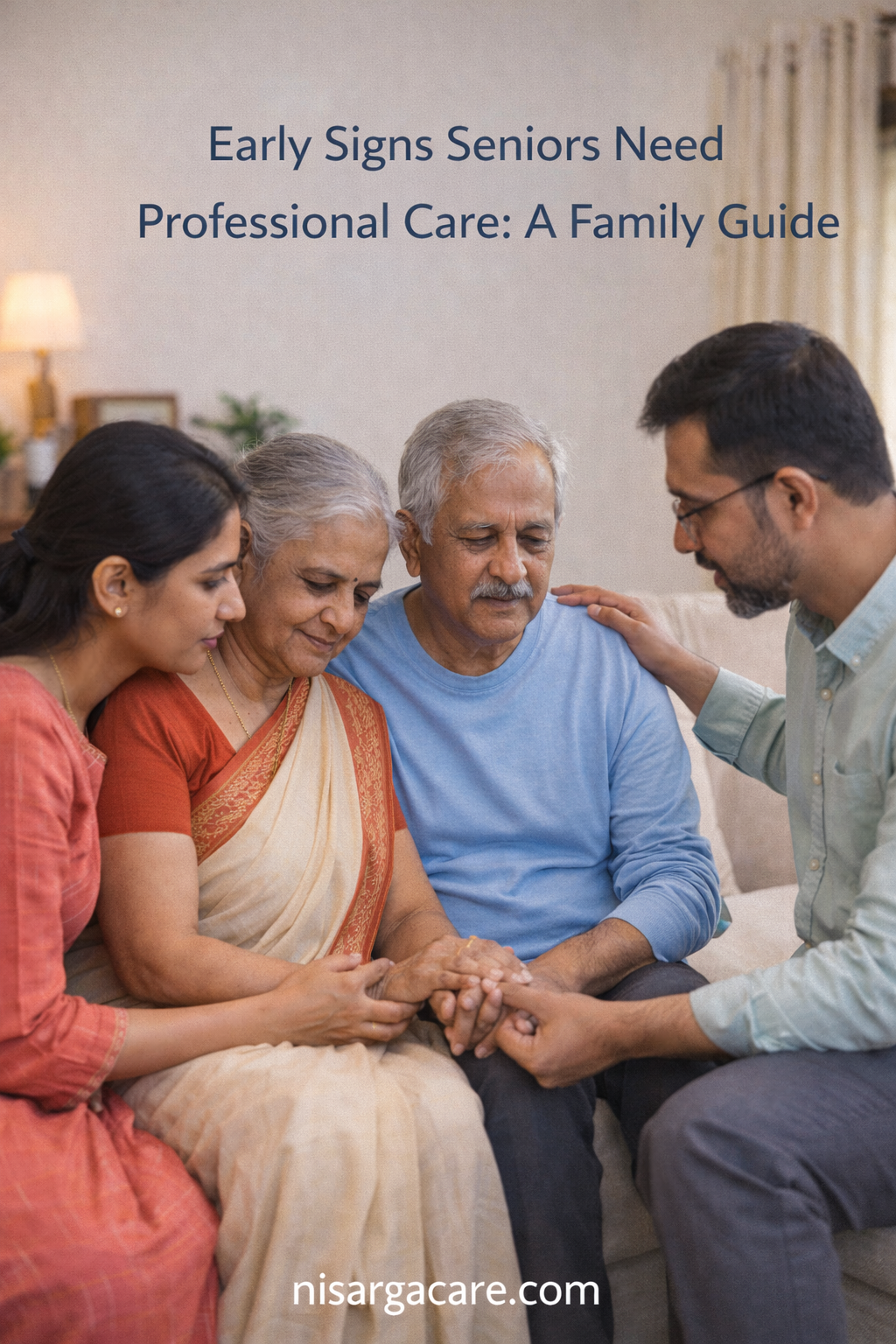
Early Signs Seniors Need Professional Care: A Family Guide

As parents and elders age, subtle changes in their health, behavior, or daily routines can signal the need for professional care. Families often hesitate to intervene, thinking minor issues will resolve naturally. However, early detection and timely support can prevent complications, enhance quality of life, and provide peace of mind for both seniors and their families.

1. Changes in Physical Health

Declining physical health is often the first indicator that professional care may be needed. Look for:

  • Unexplained weight loss or gain

  • Difficulty walking, frequent falls, or decreased mobility

  • Persistent fatigue or weakness

  • Worsening chronic conditions, such as diabetes, heart disease, or arthritis

Prompt evaluation by healthcare professionals can prevent minor issues from escalating into serious complications.

2. Cognitive and Memory Concerns

Cognitive decline is another warning sign. Families should monitor for:

  • Increased forgetfulness or confusion

  • Difficulty managing finances or medications

  • Repeating questions or conversations

  • Getting lost in familiar places

Early intervention from doctors, therapists, or specialized caregivers can slow progression and provide necessary support.

3. Emotional and Behavioral Changes

Seniors may experience emotional shifts due to isolation, loss, or medical conditions. Signs include:

  • Withdrawal from social activities or hobbies

  • Irritability, anxiety, or sudden mood swings

  • Signs of depression or hopelessness

Professional care, counseling, and emotional support can restore confidence, prevent loneliness, and improve mental well-being.

4. Challenges with Daily Activities

Difficulty performing routine tasks often indicates the need for assistance:

  • Trouble dressing, bathing, or grooming

  • Difficulty cooking, cleaning, or managing household chores

  • Missing medications or appointments

Occupational therapy, home care, or assisted living options can help seniors maintain independence safely.

5. Safety Concerns at Home

Safety risks are a major indicator for professional care. Look for:

  • Increased accidents, burns, or falls

  • Poor hygiene or neglect of personal care

  • Leaving appliances on, forgetting doors locked, or wandering

A professional caregiver can monitor seniors, reduce risks, and adapt the home environment to ensure safety.

Taking the Next Step

If any of these signs appear, families should initiate a discussion with the senior, evaluate care options, and consult healthcare professionals. Early planning allows seniors to remain involved in decisions, preserving dignity while ensuring they receive the necessary support.


Conclusion

Recognizing early signs that seniors need professional care is vital for prevention, safety, and emotional well-being. By observing physical, cognitive, emotional, and daily living changes, families can take timely action. Early intervention ensures seniors receive personalized care, maintain independence, and enjoy their later years with confidence, dignity, and peace of mind.

Bangalore rehabilitation centers | rehab assisted living facilities in Bangalore Nisarga care Bangalore

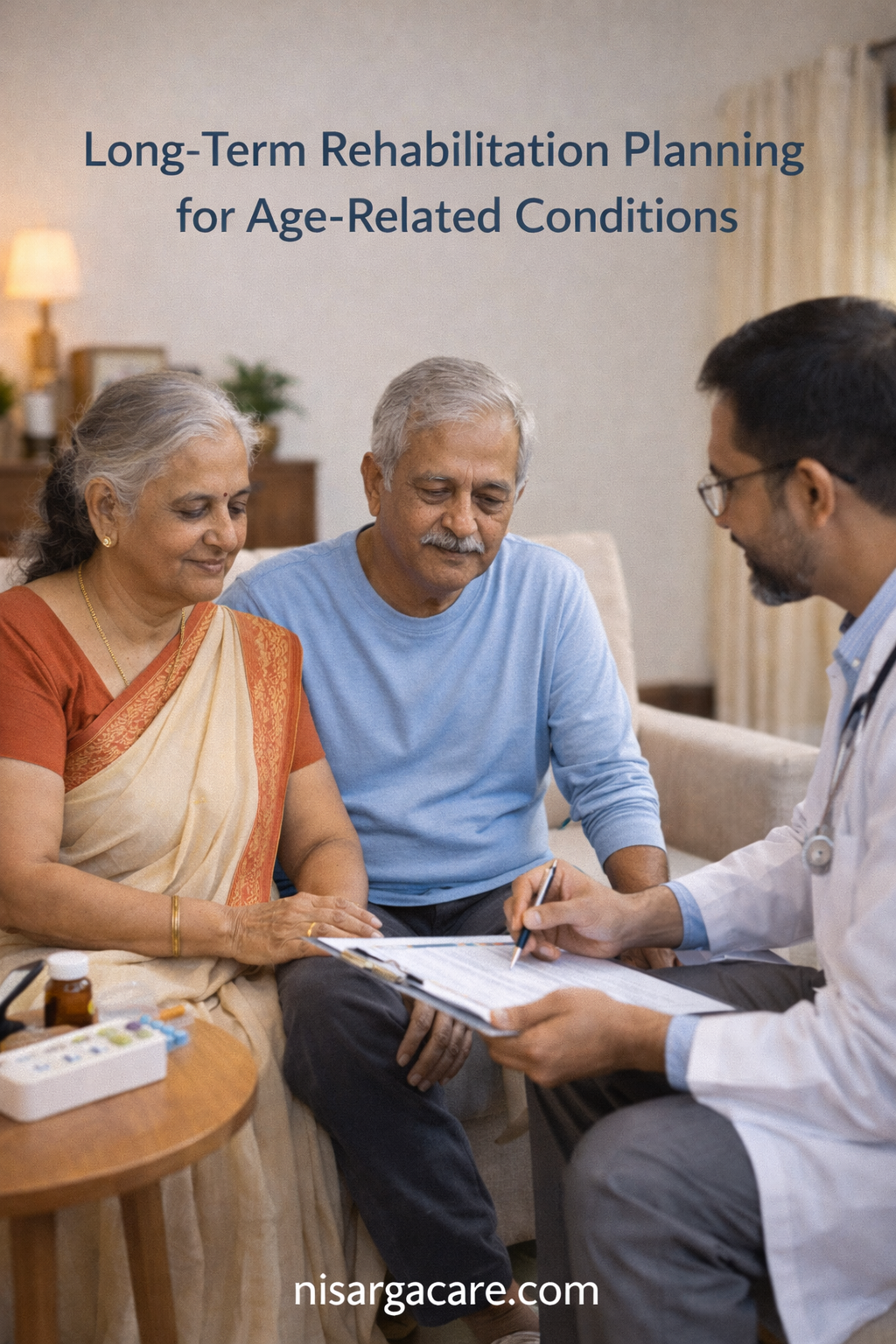
Long-Term Rehabilitation Planning for Age-Related Conditions | aged care facilities for dementia Parkinson’s , Alzheimer’s stroke , paralysis ,patients |

As people age, they may face chronic conditions such as arthritis, osteoporosis, stroke after-effects, or mobility limitations. Managing these conditions effectively requires more than short-term care—it demands long-term rehabilitation planning that addresses physical, cognitive, and emotional needs, ensuring seniors maintain independence and quality of life.

Understanding the Need for Long-Term Planning

Age-related conditions often progress gradually, making daily activities increasingly challenging. Long-term rehabilitation helps prevent further decline, manage symptoms, and promote functional independence. Planning ahead allows families to anticipate care needs, schedule regular therapy, and create a supportive environment that adapts as the senior’s condition evolves.

Personalized Therapy Programs

Rehabilitation should be tailored to each senior’s specific condition and capabilities. Physical therapy focuses on strength, balance, and flexibility, helping reduce pain and prevent falls. Occupational therapy trains seniors to perform daily tasks independently, while cognitive therapy supports memory and decision-making in conditions like dementia. A structured, individualized plan ensures consistent progress and reduces complications over time.

Integrating Multi-Disciplinary Care

Successful long-term rehabilitation often involves a team approach:

  • Physiotherapists for mobility and strength

  • Occupational therapists for daily living skills

  • Dietitians for nutrition supporting bone, muscle, and brain health

  • Medical specialists to monitor chronic conditions and medication

Coordinated care helps seniors achieve holistic improvement and prevents lapses in treatment.

Home Environment Adaptation

A safe, elder-friendly home is crucial for long-term rehabilitation. Families can:

  • Install grab bars, ramps, and non-slip flooring

  • Arrange furniture to allow safe movement

  • Ensure adequate lighting and accessibility of essential items

These adjustments reduce risks of falls or injuries, allowing seniors to maintain independence while continuing their therapy routines.

Monitoring Progress and Adjusting Goals

Rehabilitation is not static. Regular assessments allow therapists and families to modify exercises, introduce new therapies, and adjust daily routines based on the senior’s evolving needs. Celebrating small achievements encourages motivation and adherence to long-term care plans.

Emotional Support and Social Engagement

Long-term rehabilitation also addresses emotional well-being. Seniors may face frustration, anxiety, or depression due to physical limitations. Encouraging participation in social activities, hobbies, and therapy groups fosters confidence and resilience. Family involvement, positive reinforcement, and empathetic care strengthen emotional recovery alongside physical improvement.


Conclusion

Long-term rehabilitation for seniors is essential with age-related conditions, ensuring they maintain independence, mobility, and quality of life. Through personalized therapy, multi-disciplinary care, home adaptations, and emotional support, families can create a structured, supportive recovery journey. Thoughtful planning not only manages chronic conditions effectively but also empowers seniors to live with dignity, confidence, and purpose.

Bangalore rehabilitation centers | rehab assisted living facilities in Bangalore Nisarga care Bangalore

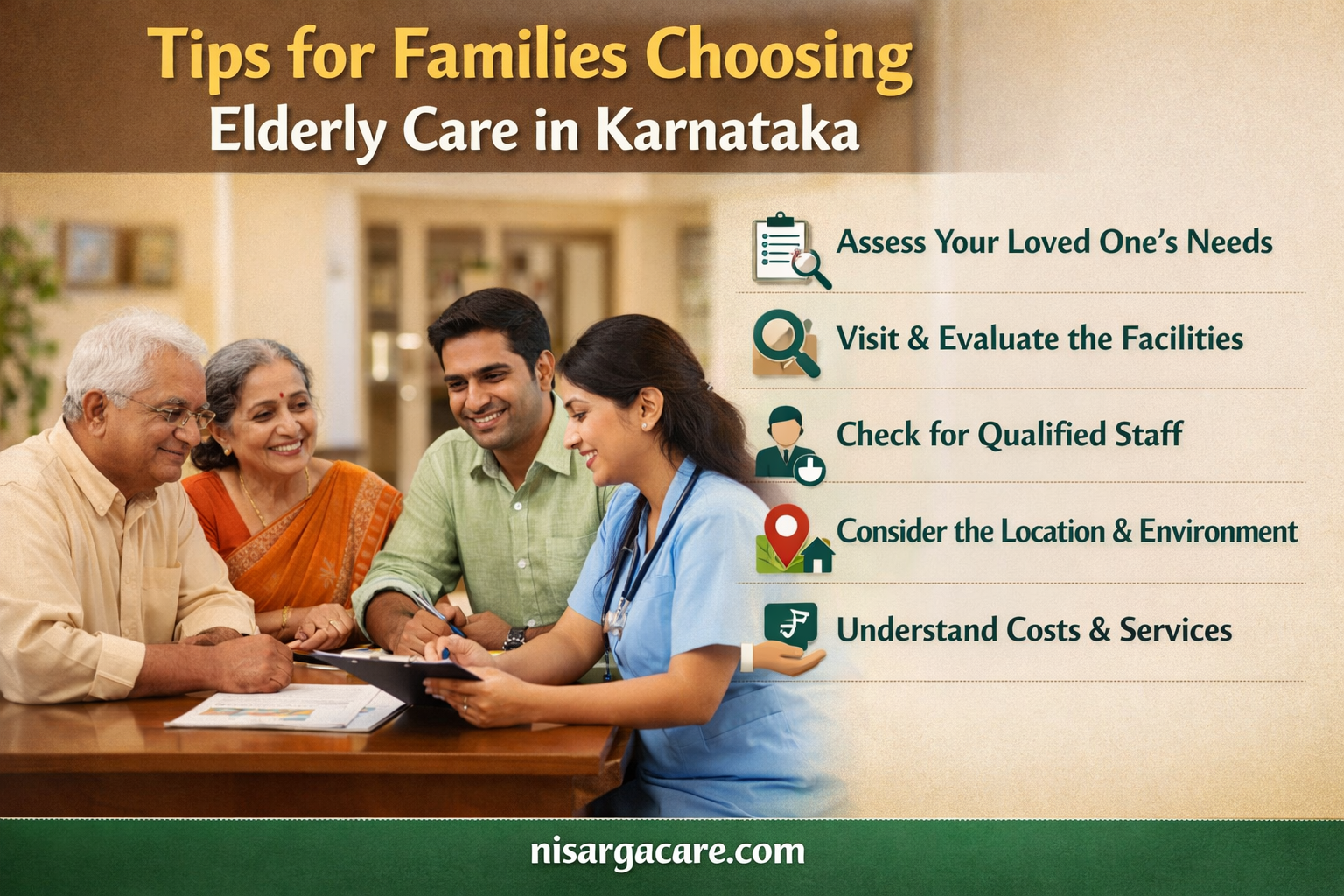
Tips for Families Choosing Elderly Care in Karnataka || Nisarga Care

Choosing elderly care for a loved one is a deeply emotional and practical decision. In Karnataka, where family bonds and cultural values play a strong role, selecting the right care solution requires careful thought, research, and empathy. The following tips can help families make informed, confident choices while ensuring dignity and comfort for seniors.

Assess the Exact Care Needs

Start by understanding the elder’s physical, emotional, and medical requirements. Some seniors may need assistance with daily activities, while others require post-surgery rehabilitation, physiotherapy, or long-term medical supervision. Identifying these needs early helps narrow down suitable options such as home care, assisted living, or rehabilitation centers.

Choose a Convenient Location

Proximity matters. Selecting elderly care close to family members allows frequent visits and emotional reassurance. Karnataka offers quality care options across cities like Bengaluru, Mysuru, and Mangaluru, as well as growing facilities in smaller towns. Ensure the location has easy access to hospitals and emergency services.

Verify Staff Qualifications and Experience

Quality care depends on trained professionals. Check whether caregivers, nurses, and physiotherapists are qualified and experienced in elderly care. Ask about staff-to-patient ratios, as personalized attention is especially important for seniors with mobility or neurological challenges.

Prioritize Safety and Hygiene

A safe and clean environment is essential. Look for non-slip flooring, handrails, emergency alert systems, and wheelchair-friendly spaces. Hygiene standards, well-ventilated rooms, and proper sanitation practices directly impact an elder’s health and comfort.

Review Services and Daily Routines

Understand what services are included—nutritious meals, medication management, physiotherapy, social activities, and mental wellness programs. Engaging routines and rehabilitation support can significantly improve mobility, confidence, and emotional wellbeing.

Include the Elder in the Decision

Whenever possible, involve the elder in choosing their care. Visiting the facility together and listening to their concerns builds trust and eases the transition. Feeling respected and heard helps seniors adjust more comfortably.

Check Reviews and Cost Transparency

Speak with other families, read reviews, and request clear pricing details. Transparent billing and honest communication prevent misunderstandings and long-term stress.


Conclusion

Choosing elderly care in Karnataka is not just about facilities—it’s about compassion, safety, and trust. By carefully assessing needs, verifying care quality, involving elders in decisions, and ensuring transparency, families can provide their loved ones with a supportive environment that promotes health, dignity, and peace of mind.

Bangalore rehabilitation centers | rehab assisted living facilities in Bangalore Nisarga care Bangalore

Supporting Mentally Disabled Adults: Empowerment Through Compassionate Care

Caring for mentally disabled adults requires much more than supervision—it requires compassion, patience, structured support, and an environment that encourages emotional stability and independence. In India, families often shoulder this responsibility with love, but the complexities of mental disabilities can make full-time care incredibly challenging at home. This is why specialized care environments are becoming increasingly important.

Whether the disability is due to intellectual impairment, developmental delay, autism spectrum conditions, schizophrenia, or genetic disorders, adults require consistent emotional support, medical monitoring, and daily living assistance. Compassionate care ensures that they not only stay safe but also learn, grow, and feel valued.

This guide shares how structured support systems empower mentally disabled adults, promote dignity, and help them engage more meaningfully with the world around them.


Understanding Mental Disability in Adults

Mental disability can vary widely—from mild intellectual differences to severe cognitive impairment. It may affect:

  • Ability to communicate

  • Emotional expression

  • Social interaction

  • Learning and memory

  • Daily living skills

  • Behavioural stability

  • Decision-making

In India, growing awareness around mental health, neurodevelopmental conditions, and psychosocial disabilities has pushed families to explore holistic care options rather than relying solely on home-based support.

Highlighted Keywords: mental disability care India, adult cognitive support, developmental disability services


Why Compassionate Support Matters

Adults with mental disabilities thrive when they are surrounded by consistent attention, positive reinforcement, and structured care. Compassion is not just a soft trait—it directly affects behavioural stability, emotional well-being, and long-term development.

Caregivers trained in mental disability support use:

  • Calm communication

  • Predictable routines

  • Step-by-step guidance

  • Behavioural management techniques

  • Structured activities

This kind of support significantly reduces anxiety and helps individuals remain grounded.

Keywords: compassionate caregiving, behavioural support, special needs adult care


1. Safe and Structured Living Environments

Mentally disabled adults need environments tailored to their cognitive and behavioural needs. Specialized care facilities offer:

  • Secure entrances and monitored movement

  • Non-slip flooring

  • Clearly defined spaces

  • Minimal clutter

  • Quiet sensory zones

  • Tracked routines

These designs help reduce confusion and create a predictable, safe setting.

Keywords: safe care centres India, special needs residential homes, adult disability support Karnataka


2. Daily Living Support and Independence Training

Adults with mental disabilities often require assistance with:

  • Bathing

  • Dressing

  • Eating

  • Medication

  • Personal hygiene

  • Mobility

  • Toileting

But beyond care, the goal is skill-building. Trained caregivers encourage small steps toward independence, like:

  • Folding clothes

  • Simple chores

  • Personal grooming

  • Participating in meals

  • Following routines

These everyday skills improve confidence and self-esteem.

Keywords: independent living for disabled adults, ADL training, life skills development


3. Behavioural Therapy and Emotional Support

Behavioural challenges like aggression, withdrawal, repetitive actions, or emotional outbursts are common. Professional support includes:

  • Behavioural modification therapy

  • Positive reinforcement techniques

  • Sensory calming strategies

  • Anger management exercises

  • One-on-one emotional counselling

Emotional stability is central to improving overall quality of life.

Keywords: behavioural therapy India, emotional regulation support, mental wellness for disabled adults


4. Medical Care and Monitoring

Mental disabilities often coexist with:

  • Epilepsy

  • Sleep disorders

  • Hormonal imbalances

  • Mobility challenges

  • Nutritional deficiencies

A good care environment includes:

  • Regular doctor visits

  • 24×7 nursing

  • Medication management

  • Seizure monitoring

  • Physiotherapy (if required)

This ensures that both mental and physical health are supported.

Keywords: medical care for disabled adults, clinical monitoring, long-term disability care


5. Social Interaction and Community Inclusion

Socializing helps adults with mental disabilities:

  • Improve communication

  • Reduce isolation

  • Develop friendships

  • Gain emotional strength

  • Learn to cooperate

Group activities such as:

  • Music therapy

  • Group games

  • Art sessions

  • Festival celebrations

  • Outdoor walks

provide meaningful engagement and enhance emotional well-being.

Keywords: special needs socialization, community inclusion India, group therapy for adults


6. Skill Development and Purposeful Activities

Purpose gives dignity. Many care homes in India now offer:

  • Vocational training

  • Handicraft sessions

  • Gardening

  • Basic computer learning

  • Simple workstation tasks

These activities help adults feel productive and recognized.

Keywords: vocational training disabled adults, skill development India, purposeful engagement


7. Family Involvement and Emotional Connection

Family involvement is essential—even when the adult lives in a care home. Facilities should encourage:

  • Regular visits

  • Shared sessions

  • Progress updates

  • Collaborative care planning

This strengthens family bonds and reassures the adult that their loved ones are still closely involved.

Keywords: family support disability care, care coordination, holistic special needs care


8. Importance of Consistency and Routine

Routine provides stability for mentally disabled adults. It reduces stress, prevents behavioural issues, and supports emotional balance. A well-managed centre ensures:

  • Fixed waking and sleeping times

  • Predictable meal hours

  • Regular therapy

  • Structured activities

  • Calm evening routines

Routine-based care improves daily functioning significantly.

Keywords: structured care routines, predictable support, disability management India


Nisarga Care: Empowering Mentally Disabled Adults with Dignity and Compassion

At Nisarga Care, mentally disabled adults receive consistent, respectful, and empowering support. Our centres in Karnataka offer:

  • 24×7 caregiving

  • Behavioural and emotional therapy

  • Personalized daily living assistance

  • Safe, sensory-friendly environments

  • Medical monitoring

  • Skill-building and social engagement

  • Family-inclusive care plans

With a foundation built on compassion, patience, and professional expertise, Nisarga Care ensures that every adult feels valued, protected, and encouraged to grow—no matter their challenges.

If you’re seeking trusted, long-term support for mentally disabled adults in Karnataka, Nisarga Care is committed to offering the highest quality of compassionate care.

Posts pagination

WeCreativez WhatsApp Support
Our customer support team is here to answer your questions. Ask us anything!
👋 Hi, how can I help?