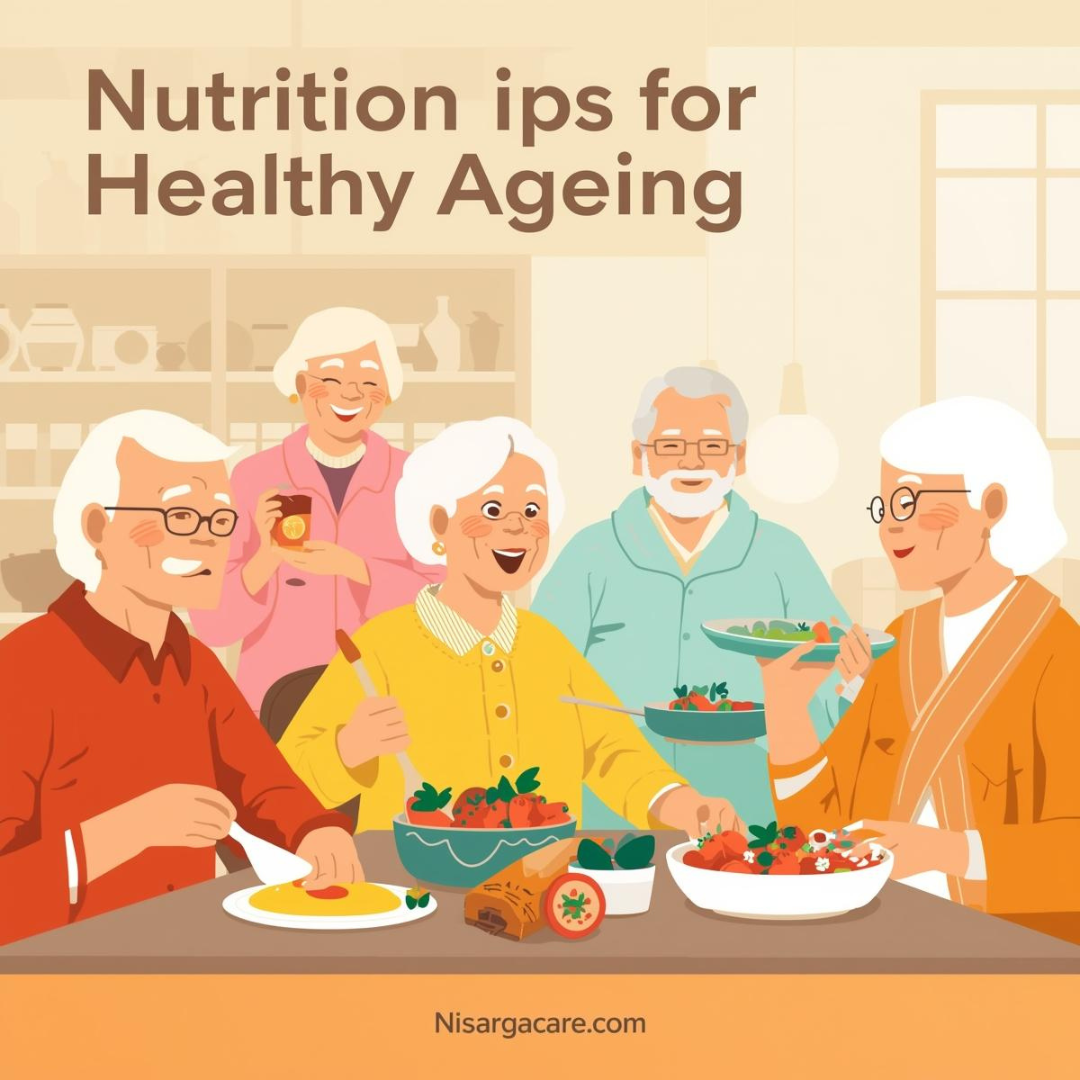
Good nutrition is one of the most powerful tools for healthy aging. As people grow older, their bodies undergo natural changes that affect metabolism, digestion, appetite, and nutrient absorption. For seniors, especially those recovering from illness or managing chronic conditions, a balanced and thoughtful diet plays a crucial role in maintaining strength, immunity, and overall quality of life.
Focus on Nutrient-Dense Foods
With age, calorie needs may decrease, but nutrient requirements often increase. Seniors should prioritize foods that provide maximum nutrition in every bite. Fresh vegetables, fruits, whole grains, pulses, nuts, seeds, milk, curd, and lean proteins supply essential vitamins and minerals without unnecessary calories. Traditional Indian foods such as dal, curd rice, vegetable curries, and millet-based dishes can be both nourishing and easy to digest.
Adequate Protein for Muscle Strength
Loss of muscle mass is common in older adults and can affect mobility and independence. Including sufficient protein helps maintain muscle strength and supports recovery after illness or surgery. Seniors can include easily digestible protein sources like lentils, paneer, eggs, curd, tofu, fish, or well-cooked legumes. Spreading protein intake evenly across meals improves absorption and energy levels.
Hydration Is Often Overlooked
Many seniors do not feel thirsty even when their body needs fluids. Dehydration can lead to fatigue, dizziness, constipation, and urinary issues. Encourage regular intake of water, coconut water, buttermilk, soups, and herbal teas throughout the day. Adequate hydration also supports digestion and joint health.
Support Digestive Health
Digestive issues such as acidity, bloating, or constipation are common with aging. A diet rich in fiber from fruits, vegetables, whole grains, and seeds helps maintain bowel regularity. Probiotic foods like curd and fermented items support gut health. Meals should be light, freshly prepared, and eaten at regular intervals to avoid discomfort.
Limit Salt, Sugar, and Processed Foods
Excess salt and sugar can worsen conditions such as hypertension, diabetes, and heart disease. Seniors should reduce intake of packaged snacks, fried foods, sweets, and sugary beverages. Using natural flavor enhancers like herbs, spices, lemon, and ginger makes meals tasty without harming health.
Micronutrients Matter
Calcium and vitamin D support bone health, while iron, vitamin B12, and antioxidants are essential for energy, immunity, and brain function. Milk, leafy greens, nuts, seeds, fruits, and sunlight exposure help meet these needs. When deficiencies are suspected, medical guidance should be taken before supplements.
Personalized and Culturally Familiar Diets
Every senior has unique health needs. Diets should be customized based on medical conditions, chewing ability, appetite, and cultural preferences. Familiar foods provide emotional comfort and encourage better eating habits.
Conclusion
Healthy aging begins on the plate. A balanced, nourishing diet supports physical strength, emotional well-being, and long-term independence for seniors. By focusing on nutrient-rich foods, hydration, digestive health, and personalized meal planning, families can help their elders age gracefully, with vitality and dignity. Proper nutrition is not just about longevity—it is about living well at every stage of life.