News

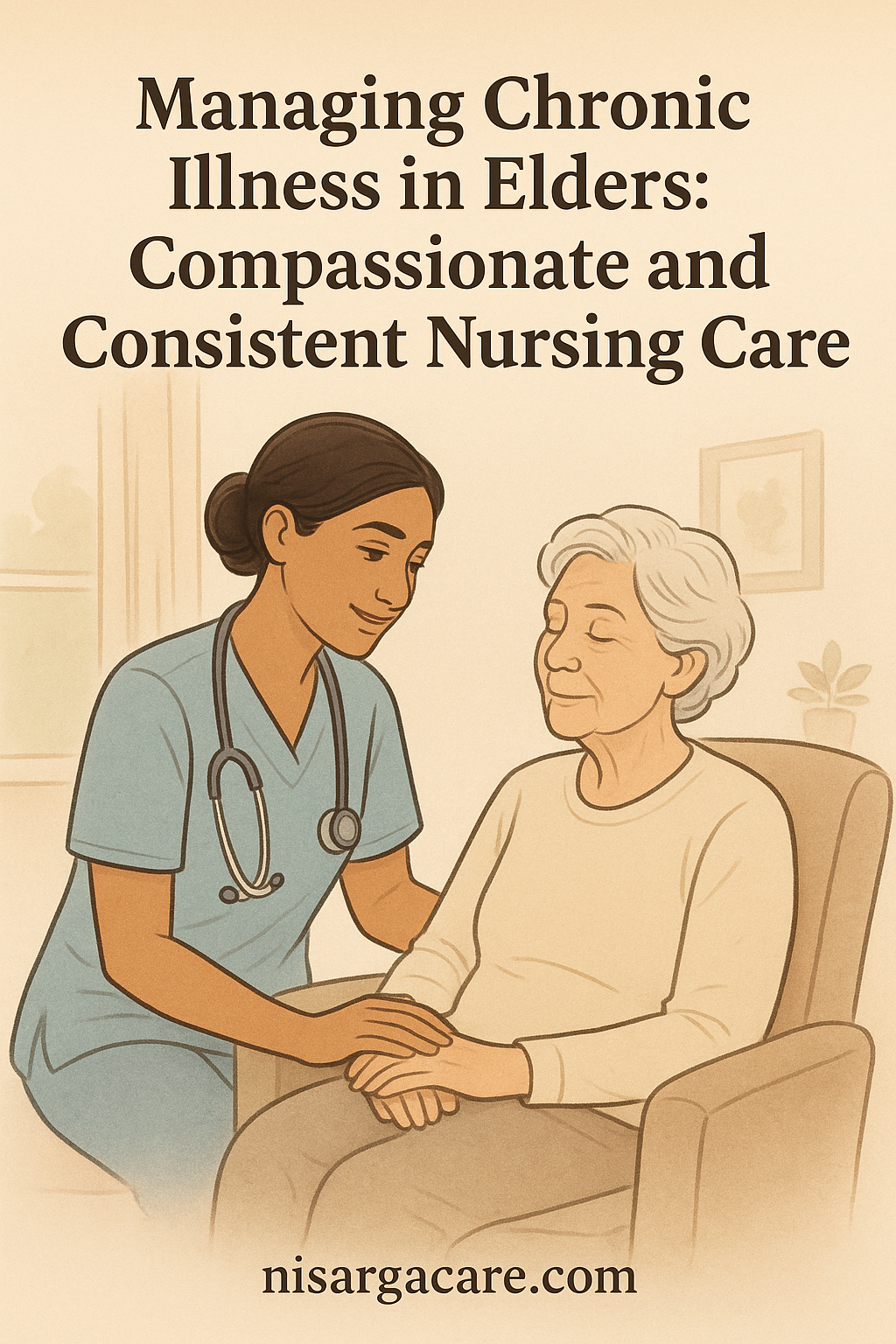
Managing Chronic Illness in Elders: Compassionate and Consistent Nursing Care

Introduction

As seniors age, chronic conditions become a significant part of their daily life. Diseases such as diabetes, hypertension, arthritis, heart disease, and respiratory disorders require routine monitoring, timely medication, and emotional reassurance. Managing these long-term conditions is not just about medical treatment—it involves Compassionate and Consistent Nursing Care.

Quality elder care must be built on a foundation of compassion, continuity, and personalized support. When managed well, chronic illnesses do not have to limit an elder’s dignity, comfort, or independence.


Why Consistent Nursing Care Matters

Chronic illnesses progress slowly, but their impact on daily functioning is constant. Seniors often face challenges related to:

  • Frequent fluctuations in symptoms

  • Medication management

  • Fatigue and reduced mobility

  • Emotional stress or anxiety

  • Risk of complications

This is where consistent nursing care becomes essential. Skilled nurses provide regular monitoring, prevent emergency situations, and ensure the elder feels cared for every moment.

Consistency builds confidence, reduces confusion, and creates a stable routine—something every senior with chronic illness deeply needs.


Compassionate Care: The Heart of Chronic Illness Management

Compassion is the foundation of all high-quality elder care services. Seniors living with chronic illnesses often feel dependent or overwhelmed. A gentle approach can:

  • Reduce fear related to health changes

  • Help elders express discomfort or symptoms openly

  • Encourage cooperation with treatments

  • Improve emotional well-being

Compassionate nursing care ensures elders do not feel like patients—they feel valued as individuals.


Key Components of Effective Chronic Illness Care

1. Personalized Health Assessments

Each senior has unique physical and emotional needs. A detailed assessment helps caregivers understand:

  • Medical history

  • Current symptoms

  • Dietary requirements

  • Lifestyle preferences

  • Medication responses

This becomes the blueprint for daily care planning.

2. Structured Medication Management

Chronic illnesses often require multiple medications daily. Missed or incorrect doses can lead to serious complications. Professional nursing support offers:

  • Timely reminders

  • Daily administration

  • Side-effect monitoring

  • Coordination with doctors

This ensures accurate, safe, and uninterrupted care.

3. Daily Monitoring of Vital Health Indicators

Routine tracking of health metrics is crucial for seniors with long-term conditions. Nurses monitor:

  • Blood pressure

  • Blood sugar

  • Oxygen levels

  • Weight

  • Pain patterns

  • Mobility changes

Early detection prevents complications and reduces hospital visits.

4. Assistance with Activities of Daily Living (ADLs)

Chronic illnesses often reduce stamina or physical strength. Nurses help with:

  • Bathing and grooming

  • Dressing

  • Mobility assistance

  • Toileting

  • Eating and hydration

Preserving dignity is always a priority during these interactions.

5. Symptom and Pain Management

Conditions like arthritis, neuropathy, and heart failure cause recurring discomfort. Skilled nursing ensures:

  • Pain management protocols

  • Comfort positioning

  • Warm therapy

  • Gentle massages

  • Breathing support

This improves both physical comfort and quality of life.


Emotional Support: A Crucial Part of Chronic Care

Living with a long-term illness can feel isolating. Seniors may worry about:

  • Becoming a burden

  • Losing independence

  • Unpredictable symptoms

  • Their future health

Compassionate nursing includes regular conversations, reassurance, companionship, and empathetic listening. This emotional connection improves:

  • Mental health

  • Willingness to follow treatment

  • Social engagement

  • Overall satisfaction with life


Family Involvement in Chronic Illness Care

Families play a vital role in their loved one’s care journey. Coordinated communication between caregivers and families ensures:

  • Transparency in daily health updates

  • Understanding of medication changes

  • Awareness of emotional or behavioral shifts

  • Informed decision-making

A strong partnership creates a secure, supportive circle for the senior.


Nutrition and Physical Support for Chronic Conditions

Healthy nutrition is a key pillar in long-term care. Personalized diets help manage:

  • Blood sugar

  • Blood pressure

  • Digestion

  • Bone strength

  • Immunity

Similarly, physiotherapy and mobility exercises help keep the elder active, prevent stiffness, and minimize pain.


The Power of Routine in Chronic Illness Management

For seniors with chronic conditions, routine is medicine. When caregivers follow a predictable schedule, it helps with:

  • Medication adherence

  • Meal discipline

  • Better sleep cycles

  • Reduced confusion

  • Emotional stability

A structured routine provides comfort and reassurance during uncertain health phases.


Why Choosing the Right Elder Care Support Matters

Chronic illness management is delicate. Not every family has the time, knowledge, or capacity to handle daily medical responsibilities. A professional elder care team ensures:

  • 24×7 monitoring

  • Immediate response to emergencies

  • Skilled nursing procedures

  • Compassionate companionship

  • Safe and hygienic living

This combination enhances longevity, comfort, and peace of mind for both elders and families.


Nisarga Care: Compassionate Chronic Illness Management for Seniors in Karnataka

If your loved one requires reliable, ongoing support to manage chronic conditions, Nisarga Care provides specialized elder care across Karnataka. With a dedicated nursing team, personalized medical monitoring, and emotionally supportive environments, Nisarga Care ensures every senior receives compassionate and consistent care every day.

Your elders deserve comfort, dignity, and expert support—and Nisarga Care is committed to providing exactly that.

Bangalore rehabilitation centers | rehab assisted living facilities in Bangalore Nisarga care Bangalore

Senior Nutrition Plans: Balanced Diets for Energy, Recovery, and Longevity

Nutrition plays a crucial role in the health, vitality, and independence of seniors. As the body ages, metabolism slows, digestion weakens, and nutritional needs shift. What elders eat directly influences their strength, immunity, mental clarity, and long-term well-being. In India — especially in regions like Karnataka where home-cooked meals and traditional diets are common — understanding the right nutrition plan becomes even more important.

A balanced senior diet promotes better energy, faster recovery from illnesses, and greater longevity. This blog explores essential nutrients, meal-planning strategies, and how families and caregivers can ensure seniors receive the right nutritional care every day.


Why Senior Nutrition Needs Special Attention

Aging brings many physiological changes that make senior nutrition more complex than standard adult diets. Here’s why it matters:

1. Reduced Appetite

Many elders experience a natural decrease in hunger. This can lead to inadequate calorie intake and nutrient deficiencies.

2. Slower Digestion

Digestive problems like acidity, constipation, and reduced enzyme activity make it difficult for seniors to process heavy or spicy foods.

3. Higher Nutrient Requirements

Even with lower appetite, seniors need higher amounts of key nutrients like calcium, vitamin D, B12, and protein for bone strength and muscle maintenance.

4. Chronic Health Conditions

Diabetes, hypertension, arthritis, and cardiovascular issues are common in older adults, requiring more thoughtful food choices.


The Core Elements of a Balanced Senior Diet

A well-designed senior meal plan focuses on foods that provide sustained energy, support healing, and improve immunity. Here are the essential components:

1. High-Quality Proteins

Protein supports muscle strength, recovery after illness, and energy levels. Seniors should consume:

  • Dals and lentils

  • Sprouts

  • Eggs

  • Curd/paneer

  • Light fish (for non-vegetarians)

  • Soft-cooked legumes

Adequate protein intake also reduces the risk of muscle loss (sarcopenia), a key factor in falls and reduced mobility.

2. Whole Grains for Sustained Energy

Foods like brown rice, millets (ragi, jowar), whole wheat rotis, and oats release energy slowly, preventing blood sugar spikes — especially important for diabetic seniors.

3. Fresh Fruits and Vegetables

Colorful fruits and veggies are rich in antioxidants that improve immunity and protect the body from inflammation. Easy-to-digest options include:

  • Bananas

  • Papaya

  • Oranges

  • Carrots

  • Green beans

  • Spinach (well-cooked)

They also help with digestion and overall vitality.

4. Healthy Fats

Seniors need healthy fats to improve brain function, joint health, and energy levels. Ideal choices:

  • Groundnut oil or sesame oil

  • Ghee in small quantities

  • Almonds, walnuts (softened/soaked)

  • Seeds like flax and pumpkin

5. Hydration

Dehydration is common among elders due to reduced thirst sensation. Providing water-rich foods like soups, coconut water, or buttermilk keeps them hydrated and supports kidney health.


Specialized Diets for Specific Health Conditions

In many elder care centres across Karnataka, diet plans are personalized to match health conditions. Families caring for seniors at home can follow the same simple guidelines:

1. Diabetes-Friendly Diet

  • Replace polished rice with millets

  • Choose low-glycemic fruits

  • Avoid sweets, deep-fried snacks

  • Include fibre-rich foods

2. Heart-Healthy Diet

  • Reduce salt and saturated fats

  • Include omega-rich foods like flax seeds

  • Use minimal oil cooking methods

3. Bone and Joint Support Diet

  • Increase calcium (milk products, ragi)

  • Add Vitamin D-rich foods or supplements

  • Include protein-rich meals

4. Post-Illness or Post-Surgery Recovery Diet

  • Soups and soft proteins

  • Easily digestible carbs

  • Iron-rich vegetables

  • Adequate hydration


Meal Planning Tips for Families and Caregivers

Creating a practical senior nutrition plan doesn’t require complicated recipes. A simple daily routine can make a big difference.

1. Small and Frequent Meals

Instead of three large meals, offer 5–6 smaller meals that are easier to digest and maintain consistent energy.

2. Soft, Easy-to-Chew Foods

For elders with dental issues, choose options like khichdi, idlis, upma, dal rice, soft fruits, and curd.

3. Limit Processed Foods

Avoid packaged snacks, excess sugar, and artificial flavorings. These can trigger health issues like hypertension or acidity.

4. Include Probiotics

Curd, buttermilk, and fermented foods help improve gut health and reduce digestive discomfort.

5. Maintain Food Hygiene

Seniors have weaker immunity, so hygiene in meal preparation is crucial to avoid infections.


Cultural Foods That Support Healthy Aging in India

The Indian diet offers many excellent options for seniors:

  • Ragi porridge for bone strength

  • Vegetable khichdi for digestion

  • Dal with ghee for protein and healthy fats

  • Idli and dosa for easy digestion

  • Turmeric milk for immunity

  • Fresh coconut for energy

These traditional foods naturally align with senior dietary requirements.


How Families Can Encourage Better Eating Habits

Seniors often skip meals due to loneliness, depression, or lack of appetite. Families can help by:

  • Eating together whenever possible

  • Offering foods they enjoy while keeping it healthy

  • Avoiding force-feeding

  • Encouraging light walks to improve hunger

  • Making meals visually appealing


Nutrition and Longevity: Small Steps, Big Outcomes

Good nutrition strengthens immunity, maintains mobility, improves sleep, and boosts emotional well-being. When elders consistently follow a balanced diet, they experience:

  • Better energy levels

  • Faster healing

  • Improved cognitive function

  • Stronger bones and muscles

  • Lower risk of age-related diseases

It’s one of the simplest yet most powerful ways to promote healthy aging.


Nisarga Care: Your Partner in Senior Wellness

At Nisarga Care, we understand that senior nutrition is more than just meal planning — it’s about dignity, comfort, and personalized support. Our care teams prepare nutrient-rich meals tailored to individual health conditions, ensuring seniors receive balanced diets that enhance recovery and long-term wellness.

From diabetes-friendly meal plans to soft diets for recovery and high-protein menus for strength, Nisarga Care provides holistic nutrition-focused caregiving across Karnataka.

Bangalore rehabilitation centers | rehab assisted living facilities in Bangalore Nisarga care Bangalore

Family Role in Elder Care: Building Trust, Connection, and Understanding

Family involvement is one of the strongest pillars of quality elder care. While professional caregivers, nursing teams, and senior care centres provide structured support, the emotional and relational strength that families bring is irreplaceable. Whether an elder is living at home or in a care centre in Karnataka, the presence, connection, and encouragement from loved ones significantly influence their physical and emotional well-being. This blog explores the essential family role in elder care, highlighting how trust, communication, and compassion build a safe and supportive environment for seniors. It also reflects the cultural values of Indian families, where togetherness and respect for elders play a central role.


Why Family Involvement Matters in Elder Care

As seniors experience health challenges, reduced mobility, or cognitive decline, they often feel uncertain or anxious about the changes in their lives. Family participation makes them feel safe, valued, and emotionally grounded.

Here are the most impactful reasons:

1. Emotional Security and Stability

Seniors rely heavily on emotional support from family members. Even short visits or regular calls can lift their mood, reduce loneliness, and create a sense of belonging. In many Indian households, elders draw comfort from seeing familiar faces and hearing reassuring voices.

2. Better Health Outcomes

Studies consistently show that seniors with active family participation experience improved mental health, better compliance with treatment plans, and lower stress levels. Families help reinforce routines like medication management, diet, physiotherapy, and checkups.

3. Encouragement and Motivation

When elders face physical limitations or long-term illnesses, they may lose motivation. A supportive family becomes a source of strength, encouraging them through recovery, rehabilitation, or daily challenges. This is especially important for elders recovering from conditions like stroke, arthritis, or chronic illnesses.

4. Cultural and Personal Identity

Family members help seniors maintain a connection to their cultural traditions, values, and memories. This connection becomes even more essential for elders with dementia, who may find comfort in familiar songs, stories, or rituals.


Building Trust: The Foundation of Effective Elder Care

Trust is the emotional glue that binds families and elders during challenging moments. To build it effectively, families should focus on three essential aspects:

1. Transparent Communication

Seniors must feel involved in decisions regarding their health, living arrangements, or daily routines. Open conversations create respect and prevent misunderstandings. Listening patiently to their concerns helps them feel more in control and respected.

2. Consistency and Reliability

Elders often feel vulnerable when routines change unexpectedly. Keeping promises—such as visiting regularly, accompanying them to checkups, or calling at the same time each day—strengthens their sense of security.

3. Respecting Their Independence

Even when elders need assistance, they value autonomy. Encouraging them to make choices, participate in activities, and maintain independence where possible builds trust and dignity.


Strengthening Connection: Small Actions, Big Impact

Families do not always need to make grand gestures. Often, simple, consistent actions create the strongest bonds.

1. Spend Quality Time Together

Watching a movie, reading to them, sharing meals, or simply sitting beside them can bring immense comfort. Quality time reduces feelings of abandonment and keeps their emotional health strong.

2. Encourage Social Interaction

Many seniors in care centres in Karnataka benefit from meeting other residents. Families can support this by participating in group events, celebrations, or recreational activities with them.

3. Share Memories and Stories

Talking about family events, old photos, and shared memories activates cognitive function and reinforces their sense of identity—especially beneficial for those with early dementia or memory loss.


Understanding: The Heart of Compassionate Elder Care

Understanding an elder’s emotional state may require patience and empathy. With aging comes the need for compassion rooted in awareness.

1. Recognize Emotional Challenges

Common emotions among elders include:

  • Fear of dependency

  • Worry about being a burden

  • Loneliness or isolation

  • Confusion from memory loss

Families who understand these emotions respond with kindness rather than frustration.

2. Acknowledge Physical Limitations

Mobility issues, vision problems, and chronic pain affect daily functioning. Families should avoid rushing elders or expecting them to move at the same pace they once did.

3. Adapt to Cognitive Decline

For seniors with Alzheimer’s or dementia, forgetfulness or mood swings are part of the condition. Patience, gentle communication, and repeated reassurance go a long way in maintaining calm and emotional balance.


Working Together With Professional Care Providers

In elder care centres across Karnataka, the most effective support system is one where families and caregivers collaborate.

1. Regular Updates and Check-ins

Families should maintain communication with nursing teams, physiotherapists, and care managers to understand the elder’s progress or challenges.

2. Participate in Care Planning

Including families in discussions about diet, therapy, and medical needs ensures the senior receives personalized care aligned with their preferences.

3. Supporting Routines at Home

If the senior lives at home with visiting nurses or therapists, families play a key role in maintaining schedules and routines that ensure consistent care.


Family Involvement Creates Better Elder Care Outcomes

When families invest time, patience, and emotional energy in their elders, the result is holistic well-being. Seniors feel loved, secure, and respected, while families build deeper emotional bonds and uphold cultural values of care and gratitude.

The combination of professional caregiving and family warmth creates a home-like environment, whether the elder is living in a care centre or at home.

Bangalore rehabilitation centers | rehab assisted living facilities in Bangalore Nisarga care Bangalore

Safe Living Spaces for Disabled and Handicapped Seniors in Care Centres

Creating safe, comfortable, and dignified living spaces for disabled and handicapped seniors is one of the most important responsibilities of modern elder care providers. In India—where families are increasingly turning to professional elder care services, rehabilitation centres, and long-term care homes—the need for thoughtfully designed environments has never been greater. Today’s families want assurance that their loved ones are not only cared for medically, but also protected, respected, and supported emotionally and physically. Care centres across the country, including facilities in Karnataka, are now prioritising safe senior living spaces India safe senior living spaces India that blend accessibility, medical readiness, comfort, and companionship.

These spaces help seniors maintain independence, reduce risks, and enjoy a fulfilling life despite mobility challenges, chronic conditions, or age-related disabilities.


Why Safe Environments Matter for Disabled and Handicapped Seniors

Seniors with disabilities often face a unique combination of physical and cognitive challenges. Limited mobility, difficulty with balance, impaired vision, chronic pain, or neurological conditions can make everyday tasks overwhelming and unsafe. In such situations, professional senior care in India becomes essential to ensure safety and dignity.

Common challenges include:

  • Difficulty moving independently

  • Fear of falling

  • Dependency on caregivers

  • Isolation or loneliness

  • Anxiety and reduced confidence

  • Complications from chronic illnesses

Specially designed safe senior living spaces India address these risks by creating barrier-free layouts, offering 24/7 supervision, and providing individualized care programs that support health, mobility, and emotional well-being.


Accessibility-Focused Design for Maximum Safety

Modern care centres follow international accessibility guidelines to create spaces that seniors can move through easily and confidently. Features of safe living environments for seniors in India include:

1. Wheelchair-Friendly Architecture

Wide hallways, ramps with rails, non-slip flooring, and zero-step entrances ensure seniors using mobility aids can move around without limitations.

2. Grab Bars and Support Rails

Bathrooms, bedrooms, and common areas include strong, ergonomically placed grab bars to prevent falls—the leading cause of injuries among seniors.

3. Fall-Resistant Flooring

Shock-absorbent flooring and anti-slip tiles significantly reduce the impact of accidental slips, especially for seniors with balance issues.

4. Height-Adjusted Furniture

Beds, chairs, washbasins, and dining tables are designed to match mobility levels, making daily tasks easier and more comfortable.

5. Emergency Response Systems

Call buttons, motion sensors, and 24/7 nurse availability ensure seniors receive fast medical attention when needed.


Specialised Care for Disabled and Handicapped Seniors

Creating a safe living space involves more than just infrastructure. The expertise and compassion of caregivers play a major role in maintaining safety and well-being.

1. Personalised Care Plans

Each resident receives a tailored care program based on their medical history, disability needs, and rehabilitation goals.

2. 24/7 Monitoring

Nurses and trained caregivers ensure constant supervision, especially for seniors with critical health conditions or limited mobility.

3. Assistive Devices and Technology

From walkers and orthopaedic support to digital monitoring devices, technology enhances both safety and independence.

4. Medication and Therapy Support

Scheduled medication administration, physiotherapy, occupational therapy, and rehabilitation services in India help seniors regain or preserve mobility and strength.


Emotional Support and Community Living

A safe environment is not just physical—it also nurtures emotional well-being. Care centres create community-oriented senior living by offering:

  • Group activities

  • Mind relaxation sessions

  • Social interaction spaces

  • Cultural and festival celebrations

  • Cognitive stimulation programs

These experiences reduce loneliness, build friendships, and improve mental health—especially for disabled seniors who may feel isolated in traditional home settings.


Nutritional and Lifestyle Support

Healthy living is a core component of senior safety. Care centres ensure:

  • Balanced meals tailored to medical needs

  • Regular hydration monitoring

  • Assistance with eating, where required

  • Special diets for diabetes, hypertension, cardiac issues, etc.

This reduces health complications and keeps seniors energetic and emotionally stable.


Why Families Across India Are Choosing Professional Care Centres

With rising work commitments, nuclear families, and increased awareness, many families now look for trusted senior care homes in India that offer:

  • Safety-focused infrastructure

  • Professional medical supervision

  • Rehabilitation programs

  • Companionship and community

  • Peace of mind for both seniors and families

These centres ensure that seniors—especially those with disabilities—receive the care, respect, and comfort they deserve.


Conclusion

Safe living spaces for disabled and handicapped seniors are not just about design—they are about dignity, independence, confidence, and quality of life. With India’s elder population growing rapidly, families increasingly rely on professional elder care, assisted living, and rehabilitation care to ensure their loved ones thrive in safe, nurturing environments.

Care centres that prioritise safety, compassion, accessibility, and personalised support are paving the way for a healthier, more respectful future for senior living in India.

Bangalore rehabilitation centers | rehab assisted living facilities in Bangalore Nisarga care Bangalore

How Modern Technology Enhances Senior Care Quality in Karnataka Homes

Senior care in India is undergoing a major transformation — and technology is at the heart of it. As families juggle careers, responsibilities, and caregiving, modern tools are making it possible to deliver safer, smarter, and more reliable care for aging loved ones. In Karnataka especially, the adoption of digital health platforms, remote monitoring, and AI-enabled systems is redefining senior care standards. For families searching for dependable senior care services India, technology-driven care models offer transparency, consistency, and peace of mind. At Nisarga Care, these innovations allow seniors to enjoy comfort and independence while receiving continuous support.


Why Technology Matters in Senior Care Today

With rising chronic illnesses, mobility challenges, and the increase in nuclear families, integrating technology into caregiving is no longer optional — it’s essential. Seniors today require a blend of human compassion and digital intelligence that ensures safety, health monitoring, and timely intervention.

Modern tools support:

  • Early detection of health complications

  • Real-time communication between caregivers and families

  • Better management of medication and routines

  • Enhanced safety in living environments

  • Greater independence for seniors

This makes technology a powerful asset in senior care services India.


Smart Health Monitoring: Continuous Care Made Easy

One of the most impactful advancements in elder care is remote health monitoring. Devices now track key health indicators such as:

  • Blood pressure

  • Heart rate

  • Blood sugar levels

  • Oxygen saturation

  • Sleep patterns

At Nisarga Care, such monitoring supports preventive health, allowing caregivers to intervene before a condition escalates. This aligns with the demand for structured, reliable elderly support services India.


Emergency Response Systems: Safety at Every Step

For seniors living with mobility issues, chronic conditions, or post-surgery limitations, safety is a major concern. Emergency alert systems, fall-detection sensors, and quick-response alarms ensure that help is always within reach.

These tools are especially valuable in assisted living homes in Karnataka, where prompt action can prevent serious complications. Families feel reassured knowing seniors are protected 24/7 — even during unexpected situations.


Digital Medication Management: No Missed Doses Again

Medication errors are one of the biggest risks for seniors. With multiple prescriptions and complex schedules, even a small mistake can lead to adverse effects.

Technology now provides:

  • Digital reminders

  • Smart pillboxes

  • Automated medication logs

  • Cloud-based health records

These systems make daily routines smoother and support professional caregiving for seniors across India.


Physiotherapy & Rehabilitation Technology

Rehabilitation is becoming more accurate and scientific with the use of digital tools for:

  • Mobility tracking

  • Strength measurement

  • Posture correction

  • Guided physiotherapy exercises

  • Virtual rehabilitation sessions

This is especially important in Karnataka, where the need for rehabilitation centers in India is increasing due to higher rates of stroke, fractures, and surgeries among older adults. Modern rehabilitation helps seniors regain mobility faster and more safely.


Cognitive Wellness Through Technology

Cognitive decline, memory loss, and dementia are common challenges among seniors. Today, technology supports mental wellness through:

  • Brain-training apps

  • Memory-enhancement games

  • Virtual storytelling

  • Audiobooks

  • Interactive learning portals

These tools keep the mind active and strengthen cognitive skills. Such programs support the rising need for mental health support for elderly India and create engaging routines.


Telemedicine: Doctors Just a Click Away

Teleconsultations have become a game-changer for senior health management. Seniors can access specialists without needing to travel long distances. Telemedicine ensures:

  • Timely medical advice

  • Digital prescriptions

  • Convenience for families

  • Reduced hospital visits

This form of hybrid medical care is becoming standard in senior care services India, especially for chronic condition management.


Smart Home Enhancements for Senior Safety

Modern homes in Karnataka are increasingly equipped with tools that make daily living safer for seniors:

  • Motion-sensor lighting

  • Voice-assist devices

  • Smart home cameras

  • Automatic door locks

  • Temperature and appliance controls

These features reduce risks while giving seniors the freedom to navigate their environment independently.


Technology That Connects Seniors Emotionally

Loneliness is a serious concern for older adults. Technology bridges emotional gaps by simplifying communication with family members through:

  • Video calls

  • Photo-sharing apps

  • Social platforms

  • Community forums

This promotes emotional well-being and strengthens family bonds, especially when physical visits are limited.


Nisarga Care: Blending Compassion with Innovation

At Nisarga Care, technology complements human caregiving to create an environment that is safe, supportive, and emotionally uplifting. From remote monitoring to structured rehabilitation, our care ecosystem ensures seniors receive the highest quality support.

Our approach aligns with the evolution of elder care services in India, giving families clarity, confidence, and comfort.


A Future Where Technology and Care Work Together

As Karnataka continues to innovate, senior care homes are evolving into modern, wellness-focused ecosystems where technology enhances every aspect of aging. Seniors deserve security, dignity, and independence — and today’s digital tools make it possible.

With the right mix of compassion and technology, families can ensure their loved ones live peacefully, safely, and joyfully.

Bangalore rehabilitation centers | rehab assisted living facilities in Bangalore Nisarga care Bangalore

Essential Health Checkups for Seniors: Preventive Care for Active Aging

Aging is a natural process, but healthy aging requires awareness, routine monitoring, and timely medical intervention. As seniors grow older, their bodies undergo physiological changes that can make them vulnerable to chronic illnesses, reduced immunity, and mobility limitations. This is why essential health checkups for seniors are a vital part of preventive care. In India, where lifestyle diseases, stress, and late diagnoses are common, routine screenings can significantly enhance quality of life. For families seeking structured support, elder care services in India now prioritize preventive health, focusing on early detection and active aging.

At Nisarga Care, we believe that prevention is the strongest path to long-term well-being, independence, and confidence for seniors.


Why Preventive Health Checkups Matter for Seniors

Preventive care is not only about identifying diseases — it’s about enabling seniors to stay active, mobile, and emotionally balanced. Regular checkups help detect health issues before they worsen, reducing hospitalizations and ensuring seniors enjoy their daily life with ease.

Senior care services India are increasingly emphasizing preventive screenings because:

  • Chronic conditions like diabetes and hypertension are rising

  • Many illnesses show delayed symptoms in seniors

  • Early diagnosis improves treatment outcomes

  • Preventive care reduces long-term medical costs

  • Routine checkups support healthy, active aging

A structured checkup plan gives families confidence that their loved ones are healthy, safe, and well cared for.


Essential Health Checkups Recommended for Seniors

To support active aging, seniors should undergo the following essential health evaluations:


1. Comprehensive Physical Examination

This includes blood pressure, heart rate, weight, BMI, reflex testing, and general body function analysis. Such examinations help detect early signs of health decline.
Facilities offering senior citizen care India include these in their baseline assessments.


2. Blood Tests and Metabolic Screening

Regular blood tests help monitor:

  • Complete blood count

  • Blood sugar levels

  • Thyroid function

  • Vitamin D & B12

  • Kidney and liver function

  • Lipid profile

These tests help manage conditions like diabetes, anemia, thyroid disorders, and nutritional deficiencies — major concerns in older adults.


3. Heart Health and ECG Monitoring

With rising cardiac problems among seniors in India, ECG and cardiac evaluations are crucial.
This aligns with the growing need for elderly support services India focused on heart health, especially for seniors with hypertension or past cardiac events.


4. Bone Density and Arthritis Screening

Age-related bone loss increases the risk of fractures. Bone density tests, arthritis screenings, and calcium monitoring help in preventing mobility issues.
Elder care centres offering rehabilitation care services India pay close attention to bone health to maintain mobility and independence.


5. Vision and Hearing Tests

Decline in vision and hearing is common with age but often goes unnoticed until it affects daily activities. Regular eye exams help detect cataracts, glaucoma, and retinal issues, while hearing tests prevent communication challenges.


6. Dental and Oral Health Checkups

Dental pain or infections can affect nutrition and overall health. A senior’s dental health is closely linked to digestion, immunity, and comfort.


7. Cognitive and Mental Health Assessment

Screening for memory issues, depression, or anxiety is essential for early intervention.
With rising awareness, mental health support for elderly India is becoming a core part of preventive healthcare.


8. Mobility and Fall Risk Assessment

Physiotherapists evaluate gait, balance, strength, and flexibility to prevent falls — one of the leading causes of injuries among seniors.
This is a key service in most rehabilitation centers in India, ensuring seniors stay mobile and confident.


9. Vaccinations and Immunity Boosters

Seniors should maintain updated vaccinations such as:

  • Influenza

  • Pneumococcal

  • COVID-19 boosters

  • Tetanus

Vaccines reduce infection risk and support stronger immunity.


Preventive Care at Elder Care Facilities: A Holistic Approach

At Nisarga Care, preventive health is not just about medical tests — it’s about nurturing a lifestyle of wellness. Through structured routines, monitoring, rehabilitation, and emotional support, seniors experience a secure and balanced environment.

Our preventive care model includes:

  • Regular health checkups

  • Medication management

  • Physiotherapy for mobility

  • Cognitive and emotional wellness programs

  • Nutrition-rich meals

  • Daily activity tracking

  • Safety assessments

  • Strong family communication

This approach reflects the rising importance of comprehensive elder care services in India.


Role of Families in Supporting Active Aging

Family participation encourages seniors to prioritize their health. Simple actions such as ensuring regular doctor visits, understanding their medical history, and engaging them in conversations about well-being can boost their confidence and compliance.

At Nisarga Care, families remain involved in every stage of preventive care — from reports to progress updates.


Promoting Active Aging Through Prevention

Active aging isn’t about avoiding aging — it’s about staying healthy, independent, and emotionally fulfilled throughout the journey. With regular health checkups and proactive monitoring, seniors can enjoy a vibrant lifestyle filled with energy and purpose.

By embracing structured preventive care, families across India can ensure their loved ones age gracefully, confidently, and comfortably.

Bangalore rehabilitation centers | rehab assisted living facilities in Bangalore Nisarga care Bangalore

Mental Health Care for Seniors: Promoting Emotional Strength and Balance

Mental health is just as important as physical health — especially for seniors. As people age, they experience life transitions such as retirement, health challenges, reduced mobility, loss of loved ones, or social isolation. These changes can deeply affect emotional well-being. In India, where joint families are evolving into nuclear setups, many seniors face loneliness, anxiety, or depression without proper support. This makes mental health care services for seniors in India more crucial than ever. At Nisarga Care, we focus on nurturing emotional strength, creating social connections, and offering compassionate support that helps seniors live happier, more balanced lives.


Understanding Mental Health Challenges in the Elderly

Seniors experience emotional challenges differently than younger adults. Factors such as chronic illness, reduced independence, memory decline, and limited social interaction add to mental stress.

Common issues among older adults include:

  • Anxiety caused by health or financial concerns

  • Depression due to loneliness or loss

  • Cognitive decline and memory issues

  • Sleep disturbances

  • Reduced confidence or self-worth

Ignoring these challenges can affect recovery, immunity, and overall quality of life. That’s why elder care services in India now include structured emotional wellness programs designed specifically for senior needs.


Why Emotional Well-Being Matters for Seniors

Positive mental health contributes to:

  • Better physical recovery

  • Improved mobility

  • Enhanced cognitive functioning

  • Increased social participation

  • Longer, healthier lives

Research shows that seniors who feel emotionally connected and cared for are more likely to stay active and independent. This is why mental health care services for seniors in India focus heavily on mental well-being, not just medical care.


Holistic Mental Health Care at Assisted Living and Elder Care Centres

At Nisarga Care, emotional well-being is integrated into daily routines. Trained caregivers and mental health professionals work closely with each resident to understand their needs, behaviors, and preferences.

Here’s how we support emotional balance for every senior:


1. Personalised Emotional Support

Every senior has a unique story and unique challenges. Our caregivers offer patient listening, empathy, and companionship — essential to building trust and reducing feelings of isolation.

This includes:

  • One-on-one talk sessions

  • Emotional reassurance

  • Caregiver-resident bonding

  • Continuous observation of mood changes

These small but meaningful interactions help seniors feel valued and supported.


2. Social Engagement & Group Activities

Social connection is a powerful healing tool. Activities are structured to promote social bonding and joy, such as:

  • Music therapy

  • Group yoga and meditation

  • Art and craft workshops

  • Cultural programs

  • Celebrations and festivals

  • Group games and discussions

Such activities promote happiness, reduce cognitive decline, and build community. This aligns with the growing focus on senior social engagement India.


3. Mindfulness, Meditation & Relaxation

Mindfulness practices help seniors manage anxiety and stress. Guided breathing, meditation, and light yoga sessions create emotional balance and improve sleep quality.

These wellness therapies are now widely included in senior wellness programs India, making them a trusted part of elder care.


4. Cognitive Stimulation for Mental Sharpness

Cognitive decline is common with age, but it can be slowed with consistent mental exercise.

We use techniques like:

  • Brain games

  • Memory exercises

  • Reading sessions

  • Puzzles and logic tasks

  • Story-sharing activities

These activities help seniors stay sharp, confident, and mentally active.


5. Professional Support for Dementia, Depression & Anxiety

Some seniors require more advanced mental health intervention.

With specialised programs for dementia, Alzheimer’s, and mood disorders, care teams closely monitor symptoms and provide targeted therapy. This reflects the rising demand for mental health support for elderly India and dementia care services India.


The Role of Family in Supporting Senior Mental Health

Families play a major role in emotional healing. Regular visits, video calls, shared meals, and involvement in care plans strengthen a senior’s sense of belonging.
Nisarga Care encourages families to participate, ensuring continuity of emotional support.


Why Choosing the Right Elder Care Centre Matters

A senior’s environment impacts their emotional health more than anything else. Choosing a high-quality elder care home ensures they receive:

  • Compassionate companionship

  • Safe and peaceful surroundings

  • Professional elderly support services India

  • 24/7 emotional and medical monitoring

  • Engaging lifestyle activities

  • Respectful and dignified care

At Nisarga Care, we offer a nurturing environment and mental health care services for seniors in India where seniors feel seen, heard, and understood. Our holistic approach makes emotional balance a natural part of caregiving.


A Support System Seniors Truly Deserve

Mental health care for seniors is not optional — it’s essential. By prioritizing emotional wellness, structured routines, social bonding, and compassionate support, seniors can enjoy a peaceful, fulfilling, and joyful life.

Nisarga Care remains committed to empowering seniors with dignity, emotional strength, and balance — because aging should feel comforting, not isolating.

Bangalore rehabilitation centers | rehab assisted living facilities in Bangalore Nisarga care Bangalore

Hospice Care Services: Providing Dignified and Peaceful End-of-Life Support

Facing the final stages of life is never easy—for seniors or for their families. As health declines and daily functioning becomes difficult, what matters most is comfort, dignity, and emotional peace. Hospice care in India is designed exactly for this purpose. It provides compassionate end-of-life support that focuses on relieving pain, reducing discomfort, and surrounding seniors with love, respect, and calm during their final journey.

At Nisarga Care, we believe that every senior deserves to experience this stage with grace. Our specialized hospice team ensures that seniors receive the right medical support, emotional warmth, and spiritual reassurance—without the stress of aggressive treatments that compromise quality of life. Families across Karnataka rely on us because we treat every senior not as a patient, but as a cherished human being whose comfort and dignity remain our highest priority.


What Hospice Care Truly Means

Hospice care is not just a medical service—it is a philosophy of comfort-focused care. It shifts the goal from curing illness to improving the senior’s comfort, reducing suffering, and supporting both the individual and the family. This includes:

  • Pain and symptom management

  • Emotional and psychological support

  • Spiritual comfort (based on the family’s preferences)

  • 24×7 nursing assistance

  • Family counseling

  • Creating a peaceful, safe environment

At Nisarga Arogyadhama Health Care Centre, hospice care blends clinical expertise with heartfelt compassion, ensuring seniors experience warmth, trust, and peace.


Why Hospice Care Is Important for Seniors in Karnataka

As chronic illnesses progress—whether due to cancer, dementia, Parkinson’s, stroke complications, or other life-limiting conditions—seniors often experience pain, weakness, anxiety, breathing issues, and distress. Families want to help but may not know how to manage complex symptoms at home.

This is where palliative and hospice care in Bangalore and Karnataka become essential.

Hospice care focuses on:

  • Comfort, not cure

  • Quality, not quantity

  • Dignity, not dependency

This approach helps seniors spend their final days in a familiar, calm, and compassionate environment rather than in stressful hospital setups.


Nisarga Care’s Holistic Hospice Model

Nisarga Care’s hospice services combine medical, emotional, social, and spiritual support, ensuring seniors feel respected, comforted, and understood. Our holistic model includes:


1. Expert Pain and Symptom Management

Unmanaged pain is one of the biggest challenges seniors face in the end-of-life stage. Skilled nurses at Nisarga Care Karnataka provide continuous monitoring and evidence-based pain management tailored to each senior’s condition.

This includes managing:

  • Pain

  • Nausea and vomiting

  • Breathing difficulties

  • Anxiety and restlessness

  • Weakness and fatigue

  • Confusion or agitation (common in dementia or Parkinson’s)

Our team ensures the senior remains comfortable 24×7, reducing physical distress and improving emotional calm.


2. Compassionate Nursing Care and Daily Support

Our caregivers and nurses are trained in palliative nursing care for seniors, including repositioning, feeding support, hygiene care, and comfort enhancement. For seniors struggling with advanced illness, simple acts like gentle touch, warm conversations, and patient interactions make an immense difference.

These services help families feel supported while ensuring seniors never feel alone or neglected.


3. Emotional & Psychological Support

Facing end-of-life moments can trigger fear, sadness, and confusion. Seniors may worry about their families, unfinished responsibilities, or loss of independence.

Nisarga Care provides:

  • Companionship

  • Emotional reassurance

  • Stress reduction activities

  • Listening support

  • Family counseling

Our compassionate senior care professionals help both seniors and families navigate emotional challenges with strength and acceptance.


4. Spiritual and Cultural Sensitivity

End-of-life experiences are deeply emotional and often tied to spiritual or cultural beliefs. We respect every family’s preferences and ensure that rituals, prayers, or calming practices are integrated seamlessly.

Whether it’s prayer support, meditation, music therapy, or simply quiet time—every senior receives care aligned with their individuality.


5. Personalized Care Plans for Every Senior

Each senior’s journey is unique. Whether they need support due to cancer, dementia, Parkinson’s, stroke, or chronic illness, our team at Nisarga Care tailors hospice care to match their symptoms, comfort needs, and personal wishes.

Care plans include:

  • Nursing frequency

  • Symptom monitoring

  • Feeding assistance

  • Bed care support

  • Mobility support (if applicable)

  • Sleep and rest enhancement

  • Family involvement preferences

This ensures every moment is filled with comfort and peace.


Hospice Care at Home or at Centre — Your Choice

Families can choose where the senior receives hospice care:

Home Hospice Care

Perfect for seniors who want to remain close to family, familiar surroundings, and their personal routines.

Hospice Support at Nisarga Care Centre

Ideal when families prefer continuous monitoring, medical supervision, and professional nursing support in a peaceful, sanitized setting.

Both options uphold the same values of dignity, comfort, and compassion.


Why Families Trust Nisarga Care for End-of-Life Support

Families across Karnataka and Bangalore choose Nisarga Care because:

  • We offer affordable elder care in Bangalore East

  • We provide expert and compassionate hospice nurses

  • We ensure peaceful, personalized end-of-life care

  • We support the family emotionally throughout the journey

  • We maintain dignity, respect, and comfort at every step

  • We integrate medical, emotional, and spiritual wellbeing

Whether it is Alzheimer’s and dementia care in Karnataka, chronic illness management, or hospice support, our mission remains the same—to bring peace and dignity to every senior.


Conclusion

End-of-life care is one of the most sensitive responsibilities a family can face. With professional hospice support, seniors can experience comfort without fear and families can find emotional peace knowing their loved one is surrounded by care, compassion, and dignity.

At Nisarga Care, we stand by families during this journey with unwavering commitment, ensuring every senior receives the gentle, peaceful farewell they deserve.

Bangalore rehabilitation centers | rehab assisted living facilities in Bangalore Nisarga care Bangalore

Managing Parkinson’s Disease: Holistic Support for Movement and Daily Living

Parkinson’s Disease is a progressive neurological condition that affects movement, coordination, and daily functioning. For seniors, it can gradually make simple tasks such as walking, eating, dressing, and writing challenging. Families often feel overwhelmed witnessing these changes, especially when symptoms like tremors, stiffness, slow movement, and balance issues begin to interfere with independence. This is why dedicated Parkinson’s care in India becomes essential—to provide structured medical support and compassionate assistance that helps seniors navigate daily life with dignity, comfort, and emotional safety.

In Karnataka, more families are seeking specialized care solutions to ensure seniors with Parkinson’s remain active, engaged, and secure at home. With the right combination of medical supervision, physical therapy, emotional support, and daily living assistance, seniors can maintain a high quality of life, even as the condition progresses.


Understanding Parkinson’s Disease in Seniors

Parkinson’s results from the gradual loss of dopamine-producing cells in the brain—a chemical responsible for smooth, coordinated movement. The symptoms worsen over time, making consistent care and monitoring crucial. Key symptoms include:

  • Tremors in hands, legs, or jaw

  • Slowness of movement (bradykinesia)

  • Muscle stiffness

  • Poor balance and frequent falls

  • Speech and swallowing difficulties

  • Sleep disturbances

  • Emotional changes like anxiety or depression

Because each senior experiences Parkinson’s differently, personalized elder care plays a major role in ensuring comfort and stable functioning at home.


The Importance of Holistic Parkinson’s Care

A holistic approach doesn’t focus only on physical symptoms—it addresses emotional wellness, mobility, nutrition, cognitive health, and overall independence. Seniors need more than medication; they need a supportive environment that helps them continue their routines, maintain social connection, and feel empowered.

Holistic Parkinson’s care includes:

  • Skilled nursing support

  • Physiotherapy and movement rehabilitation

  • Assistance with daily activities

  • Speech and swallowing therapy

  • Fall prevention and home safety planning

  • Emotional and mental wellbeing support

This integrated approach ensures seniors feel safe and capable, reducing the feeling of helplessness that often accompanies chronic conditions.


Key Components of Effective Parkinson’s Care

1. Skilled Nursing Support

A trained nurse plays a vital role in monitoring symptoms, tracking medication response, and ensuring seniors follow a consistent routine. Medication timing is extremely important for Parkinson’s—missing doses can worsen stiffness or tremors. Skilled nurses help with:

  • Medication administration

  • Vital monitoring

  • Identifying changes in symptoms

  • Managing constipation, blood pressure fluctuations, or sleep issues

  • Communicating with doctors about adjustments

This level of support reduces complications and promotes stable functioning.


2. Physiotherapy for Movement & Balance

Physiotherapy is one of the most important elements of managing Parkinson’s. Regular movement therapy helps seniors maintain flexibility, reduce stiffness, and prevent muscle weakening. Physiotherapists create customized exercise plans that improve:

  • Balance

  • Coordination

  • Walking pattern

  • Joint flexibility

  • Strength

  • Posture

Daily guided movement sessions also reduce fall risk and help seniors stay active longer.


3. Occupational Therapy for Daily Independence

Parkinson’s often affects daily living activities such as buttoning clothes, using utensils, bathing, writing, or even getting out of bed. Occupational therapy provides practical support that helps seniors complete tasks comfortably and safely.

Therapists teach techniques like:

  • Energy conservation

  • Hand strengthening exercises

  • Adaptive grips for utensils

  • Slow and safe movement planning

They also recommend assistive devices such as shower chairs, grab bars, anti-slip footwear, and customized seating to make daily routines easier.


4. Speech & Swallowing Therapy

Many seniors with Parkinson’s experience speech changes like soft voice, monotone speech, or slurred words. Speech therapists help improve communication through breathing exercises, voice strengthening, and articulation techniques.

They also assist with swallowing difficulties—important to prevent choking, coughing during meals, or malnutrition. Proper guidance ensures seniors eat safely and continue enjoying food without fear.


5. Emotional Wellbeing & Behavioral Support

Parkinson’s affects mood just as much as movement. Seniors may experience frustration, anxiety, irritability, or withdrawal due to their decreasing abilities. Compassionate caregivers help by:

  • Providing companionship

  • Encouraging social interaction

  • Engaging seniors in hobbies

  • Offering reassurance and emotional support

  • Creating a calm, structured daily routine

Emotional care not only boosts mood but also improves overall health and motivation.


Daily Living Support for Seniors with Parkinson’s

Seniors often need help with everyday activities, especially as symptoms progress. Professional caregivers support them with:

  • Bathing, grooming, and dressing

  • Meal preparation and feeding support

  • Mobility assistance

  • Walking and stability support

  • Toileting and hygiene

  • Sleep routines

  • Home safety modifications

This assistance helps seniors feel safe and less stressed, while families experience peace of mind knowing their loved one is cared for with patience and compassion.


Why Families in Karnataka Trust Nisarga Care for Parkinson’s Support

Families rely on Nimarga Care because we provide highly trained professionals who understand the complexities of Parkinson’s care in India. Our team supports seniors through:

  • Personalized care plans

  • Expert physiotherapy sessions

  • Skilled nursing management

  • Gentle emotional support

  • Assistance with movement and daily activities

  • Safety-first routines to reduce falls

With our holistic approach, seniors experience comfort, control, and dignity throughout their journey.


Conclusion

Parkinson’s Disease may be progressive, but with the right care, seniors can continue living meaningful, active, and emotionally fulfilling lives. Holistic support—covering physical stability, emotional wellbeing, daily assistance, and medical monitoring—helps them maintain independence and confidence. For families, this compassionate care at Nisarga Care brings relief, reassurance, and the security of knowing their loved one is supported every step of the way.

Bangalore rehabilitation centers | rehab assisted living facilities in Bangalore Nisarga care Bangalore

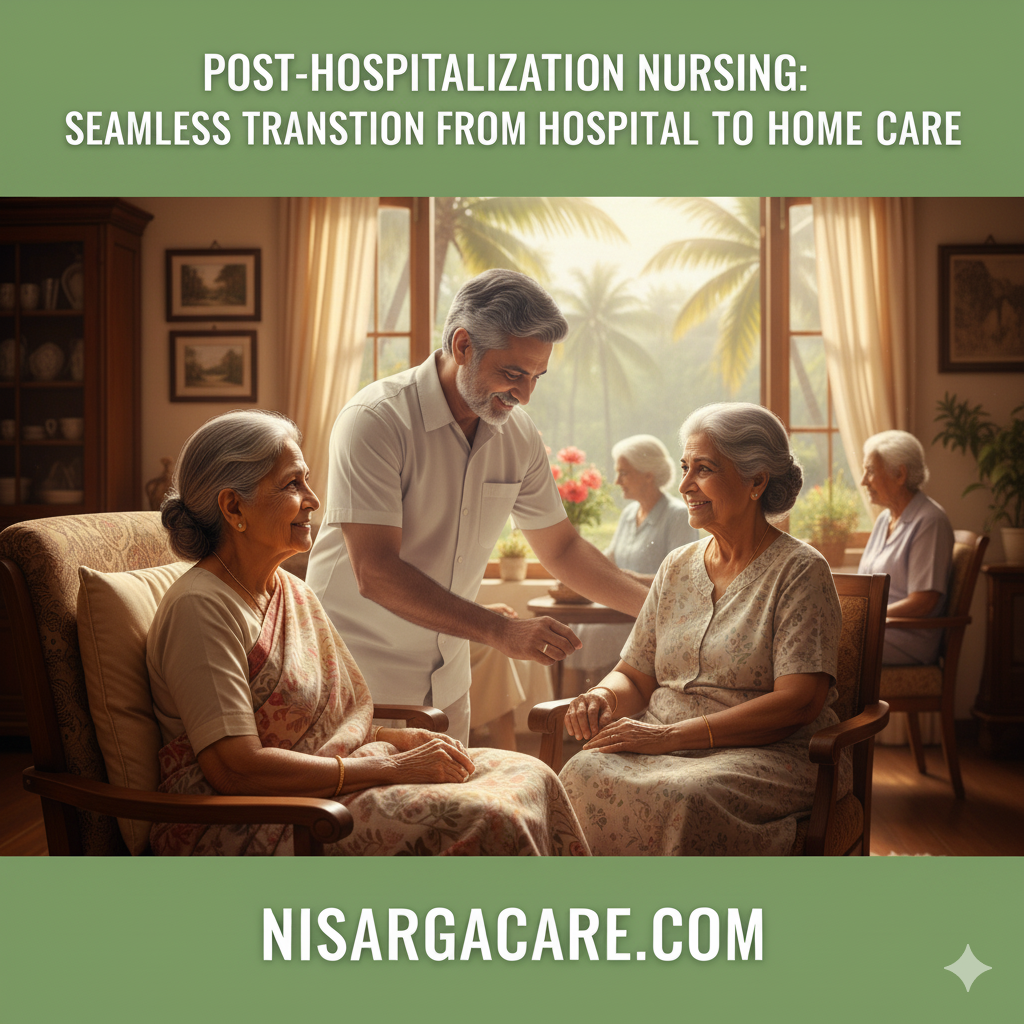
Post-Hospitalization Nursing: Seamless Transition from Hospital to Home Care

Recovering after a hospital stay can be overwhelming for seniors and their families. Whether it’s following surgery, illness, accidental falls, infections, or prolonged hospitalization, the transition from hospital to home demands specialized assistance. At this sensitive stage, seniors need consistent monitoring, emotional reassurance, and skilled medical support to regain strength safely. This is where post-hospitalization nursing in India becomes essential. It ensures that every senior receives comprehensive care, promotes faster recovery, and reduces the risk of complications once they return home from the hospital.

In Karnataka, especially with rising health needs among the elderly, families increasingly rely on structured post-discharge care to give their loved ones a stable, comfortable, and medically supervised recovery. With the right nursing support, seniors can heal confidently in the place they feel safest—their home.


Why Post-Hospitalization Nursing Is Crucial for Seniors

A hospital discharge doesn’t mean the recovery journey is over; it simply marks the beginning of a new phase. The sudden shift from continuous hospital supervision to being at home can cause confusion, stress, or health instability. Post-hospitalization nursing care provides the bridge needed between clinical treatment and home recovery.

Here’s why it is vital:

1. Preventing Readmissions

The risk of returning to the hospital is highest during the first 30 days after discharge. Missed medications, improper wound care, or unnoticed symptoms can quickly escalate. A trained nurse monitors vital signs, manages medications, and identifies early warning signs before they become severe.

2. Skilled Nursing Care at Home

Post-hospitalization recovery often involves procedures such as wound dressing, catheter care, injections, IV fluids, oxygen management, and mobility support. Professional nurses ensure these tasks are performed safely, hygienically, and on schedule—exactly as recommended by doctors.

3. Smooth Recovery After Surgery

Seniors recovering from orthopedic, cardiac, abdominal, or neurological surgeries especially benefit from at-home nursing. They receive personalized attention for pain management, movement assistance, respiratory exercises, and gradual strengthening.


Comprehensive Services Included in Post-Hospitalization Nursing

A well-structured post-discharge care plan is holistic and designed to address every aspect of senior recovery. At Nisarga Care, we focus on restoring independence, reducing discomfort, and uplifting emotional wellbeing.

1. Medication Management

One of the biggest challenges families face is ensuring medication accuracy. Multiple prescriptions, timing, and dosages can be hard to track. Nurses help with:

  • Timely medication administration

  • Monitoring side effects

  • Coordination with the senior’s doctor

  • Ensuring there are no missed doses

This structured approach lowers health risks significantly.

2. Wound Care and Infection Prevention

Post-surgery wounds, pressure sores, and hospital-acquired infections require expert handling. Nurses maintain hygiene, change dressings, check for unusual swelling or redness, and ensure proper healing. This reduces the chances of infections, complications, and delayed recovery.

3. Mobility Support and Fall Prevention

After hospitalization, seniors often experience weakness, balance issues, or hesitancy while walking. Nurses assist them with:

  • Getting out of bed safely

  • Guided walking

  • Fall-proofing the home

  • Safe use of walkers, wheelchairs, or support aids

This helps seniors regain confidence and mobility.

4. Physiotherapy Coordination

Many seniors require physiotherapy after hospital discharge, especially after fractures, strokes, or long bed rest. Post-hospital nurses coordinate with physiotherapists, support rehabilitation exercises, and ensure consistent progress.

5. Monitoring Vitals and Health Changes

Regular monitoring includes:

  • Blood pressure

  • Blood sugar

  • Pulse

  • Oxygen saturation

  • Temperature

  • Fluid intake and output

Identifying even small changes helps prevent major health setbacks.


Emotional and Social Wellbeing: The Heart of Recovery

Physical health is only one part of healing. Seniors often feel anxious, lonely, or disoriented after returning from a hospital. Skilled nurses provide emotional support, companionship, and reassurance. This improves mental wellbeing, keeps seniors motivated, and gives families peace of mind.

Families can continue their routines without worrying constantly about their loved one’s safety. With compassionate nursing, seniors never feel alone during the recovery journey.


Benefits of Post-Hospitalization Nursing for Families

✔ Reduced Stress and Overwhelm

Suddenly managing medical tasks at home can feel frightening. Nurses take over all health-related responsibilities, allowing families to focus on emotional connection instead of clinical duties.

✔ Better Health Outcomes

Recovering at home with professional support leads to faster healing, fewer complications, and improved senior satisfaction.

✔ Doctor-Aligned Care

Nurses strictly follow the senior’s discharge summary, prescriptions, and treatment plan—ensuring complete medical continuity.

✔ Personalized Attention

Unlike hospitals, where nurses attend many patients, post-hospital home nurses offer one-on-one care tailored to individual needs.


Why Families in Karnataka Trust Nisarga Care

Nisarga Care provides specialized post-hospitalization nursing in India designed specifically for seniors in Karnataka. Our trained nurses deliver hospital-level expertise with the warmth, patience, and compassion every senior deserves. From wound care to mobility support, medication tracking to emotional reassurance—we ensure that recovery at home is safe, structured, and dignified.

With Nisarga Care, families get:

  • Experienced geriatric nurses

  • Continuous monitoring and guidance

  • Transparent communication

  • Safe, comfortable recovery at home


Conclusion

Post-hospitalization nursing in India recovery is delicate, especially for seniors. Having a skilled nurse at home ensures a smooth transition, reduces complications, and restores confidence for the elderly as they regain strength. A nurturing environment combined with professional medical support helps seniors heal faster and safer.

With committed and compassionate care, families in Karnataka can trust that their loved ones will recover with dignity, safety, and comfort—right in the heart of their home.

Posts pagination

WeCreativez WhatsApp Support
Our customer support team is here to answer your questions. Ask us anything!
👋 Hi, how can I help?