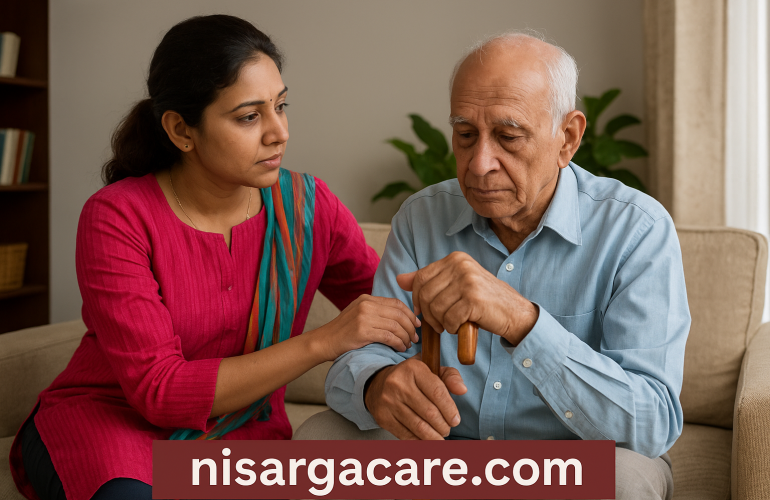
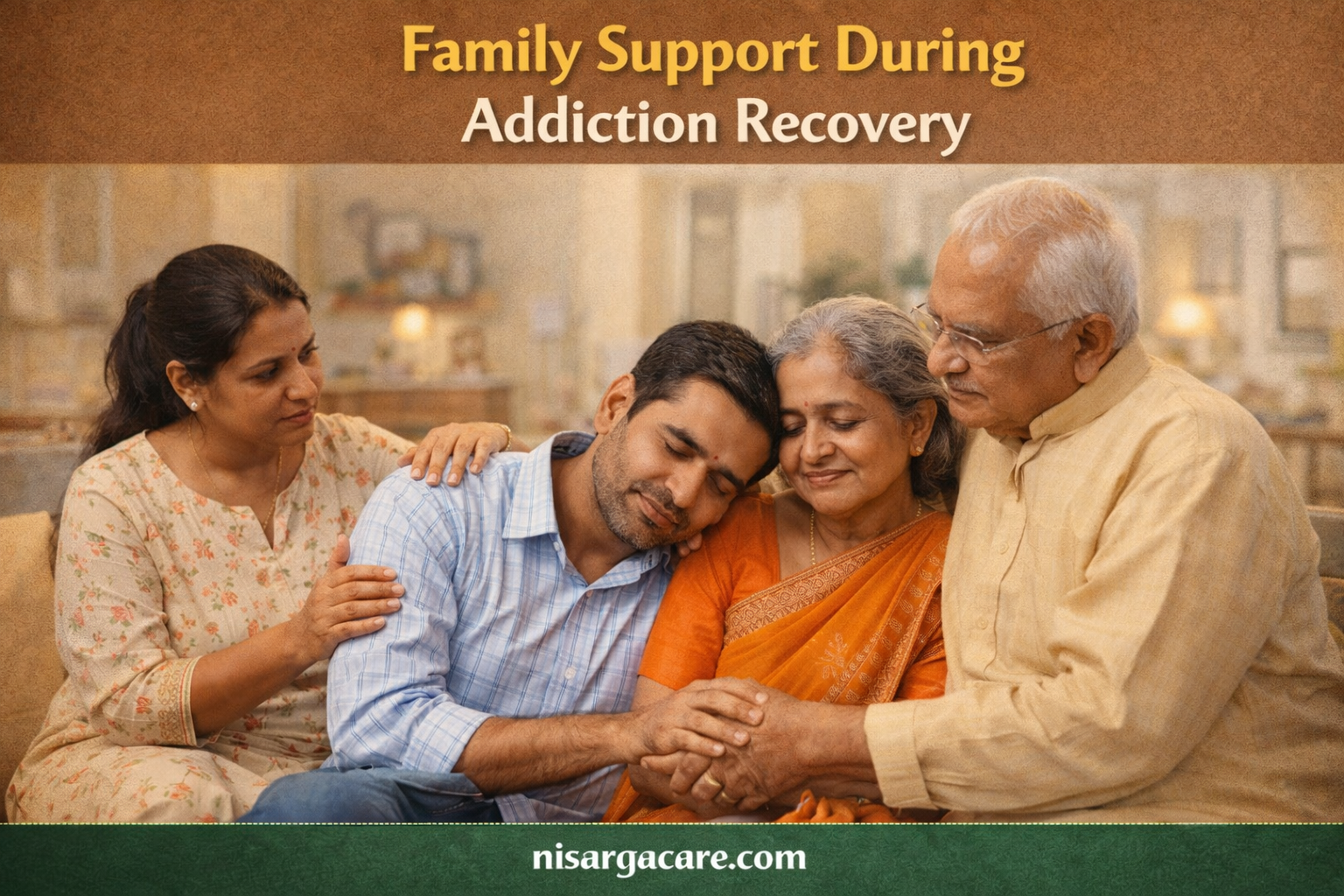
Addiction affects not just the individual, but the entire family. Recovery becomes more successful and sustainable when families are actively involved in the healing process. Emotional support, understanding, and encouragement from loved ones can significantly influence motivation, consistency, and long-term recovery outcomes.
Emotional Stability and Encouragement
Recovery is often filled with emotional highs and lows. Family members provide reassurance during moments of doubt, fear, or frustration. Knowing that loved ones believe in their recovery strengthens confidence and helps individuals stay committed to treatment, especially during difficult phases.
Reducing Shame and Isolation
Addiction can lead to guilt, embarrassment, and withdrawal from social connections. Supportive families help reduce these feelings by offering acceptance rather than judgment. Open communication creates a safe space where individuals feel understood instead of blamed, which is critical for emotional healing.
Practical Support in Daily Life
Family support often extends beyond emotional care. Help with medical appointments, medication routines, healthy meals, and structured daily schedules makes recovery more manageable. For seniors or individuals with health concerns, this practical involvement is especially valuable.
Family Education and Counseling
When families understand addiction as a medical and psychological condition—not a moral failure—they can offer more effective support. Family counseling helps rebuild trust, improve communication, and set healthy boundaries. It also teaches families how to avoid enabling behaviors while still remaining compassionate.
Strengthening Long-Term Recovery
Strong family involvement improves relapse prevention. Loved ones can identify early warning signs, encourage timely intervention, and reinforce positive lifestyle changes. Recovery supported by family becomes a shared journey rather than a lonely struggle.
Conclusion
Family support is a powerful pillar of addiction recovery. Emotional encouragement, understanding, and active involvement help individuals stay motivated and resilient throughout treatment. When families heal together, recovery becomes more stable, meaningful, and long-lasting—restoring not just individual health, but family harmony as well.