Bangalore rehabilitation centers | rehab assisted living facilities in Bangalore News

Importance of Early Rehabilitation After a Stroke

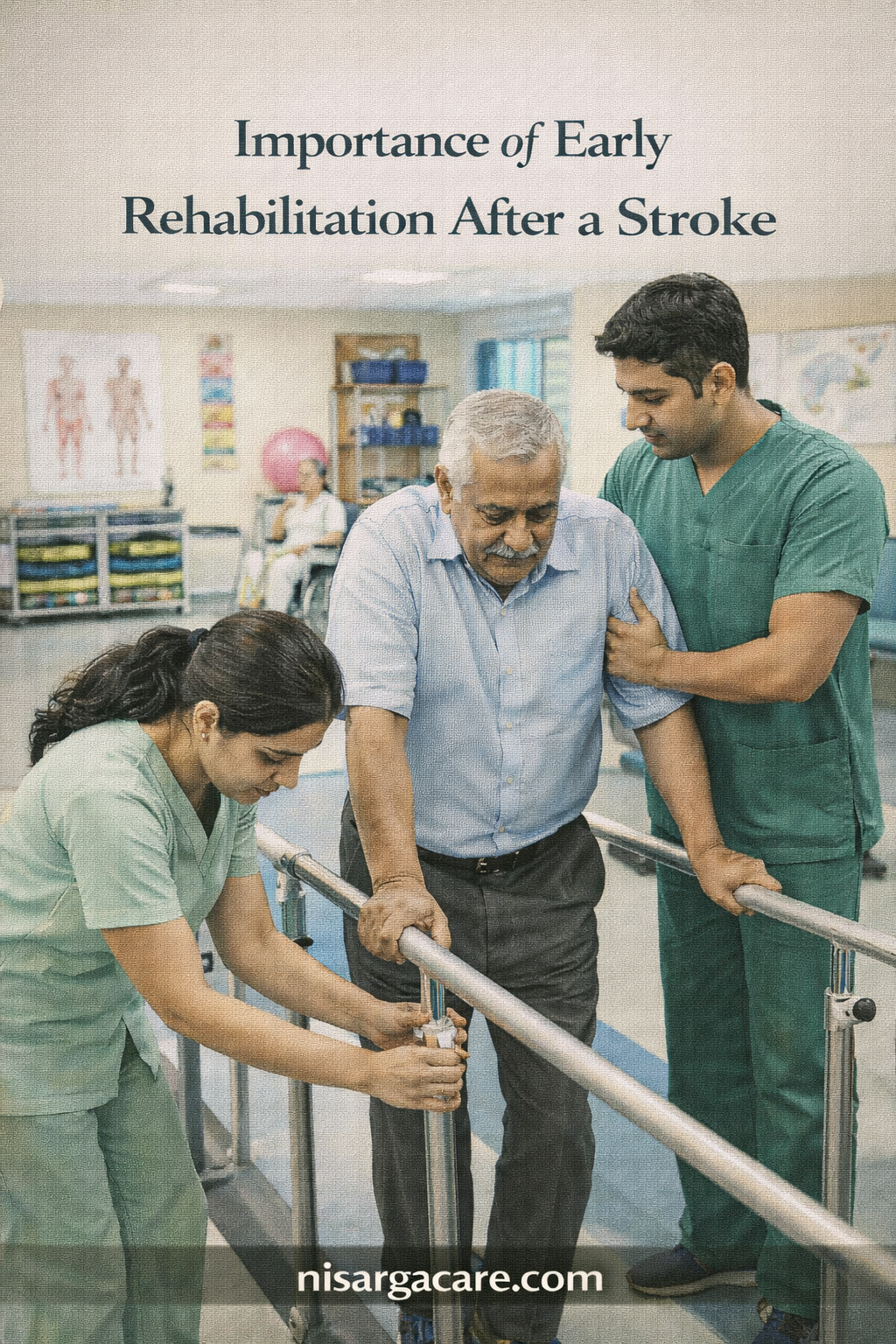
A stroke is a medical emergency, but recovery doesn’t end once the patient is stabilized. The period immediately after a stroke is critical for healing the brain and body. Starting rehabilitation early can significantly improve physical function, communication skills, and overall quality of life. Families searching for rehabilitation centers in Bangalore should understand why early intervention matters and how it impacts long-term recovery.


What Is Early Stroke Rehabilitation?

Early rehabilitation begins as soon as a patient is medically stable—sometimes within 24 to 72 hours after a stroke. It involves guided therapies designed to help the brain relearn lost skills. Most advanced stroke rehabilitation centers in Bangalore follow a structured plan that includes physiotherapy, occupational therapy, speech therapy, and psychological support.

Early rehab is not aggressive—it is carefully monitored and customized to the patient’s condition.


Why Timing Is Critical After a Stroke

The brain has a unique ability called neuroplasticity, which allows healthy areas to take over functions damaged by stroke. This ability is strongest in the early weeks after a stroke.

Starting rehabilitation early helps to:

  • Activate unused neural pathways

  • Prevent muscle stiffness and joint deformities

  • Reduce complications such as bedsores and infections

  • Improve balance and coordination

  • Speed up overall recovery

Delaying therapy can lead to permanent functional loss and increased dependency.


Benefits of Early Rehabilitation After Stroke

Faster Physical Recovery

Early physiotherapy improves muscle strength, posture, and walking ability. Patients regain mobility sooner and with better outcomes.

Improved Speech and Swallowing

Speech therapy started early can significantly improve communication, memory, and swallowing difficulties.

Better Independence in Daily Activities

Occupational therapy helps patients relearn essential activities like dressing, eating, and personal hygiene.

Reduced Emotional and Mental Health Issues

Early psychological support lowers the risk of depression, anxiety, and emotional withdrawal, which are common after stroke.


Role of Rehabilitation Centers in Bangalore

Professional rehabilitation centers in Bangalore offer:

  • Multidisciplinary medical teams

  • Structured therapy schedules

  • Safe, supportive environments

  • Inpatient (stay) and outpatient rehabilitation options

Centers like Nisarga Care focus on holistic recovery—addressing physical limitations, emotional well-being, and long-term independence under medical supervision.


Early Rehabilitation and Long-Term Outcomes

Patients who begin rehabilitation early often:

  • Require shorter rehabilitation durations

  • Experience fewer long-term disabilities

  • Return to normal or semi-independent life faster

  • Reduce overall rehabilitation centre cost in Bangalore

Early rehab is not just medically effective—it is also cost-efficient for families.


How Families Can Support Early Rehabilitation

Families can enhance recovery by:

  • Encouraging consistent therapy attendance

  • Creating a calm and motivating environment

  • Avoiding prolonged bed rest unless medically advised

  • Coordinating closely with rehabilitation professionals

Family involvement strengthens motivation and improves therapy outcomes.


Conclusion

Early rehabilitation after a stroke is one of the most important decisions families can make. It accelerates recovery, prevents complications, and restores independence. Choosing experienced stroke rehabilitation centers in Bangalore ensures patients receive timely, personalized care that maximizes recovery potential. With early intervention and expert guidance, stroke survivors can regain dignity, confidence, and quality of life.
News Nisarga care Bangalore

geriatric care Bangalore | How Long Does Recovery Take at a Rehabilitation Center? rehabilitation Centres in Bangalore for dementia patients |

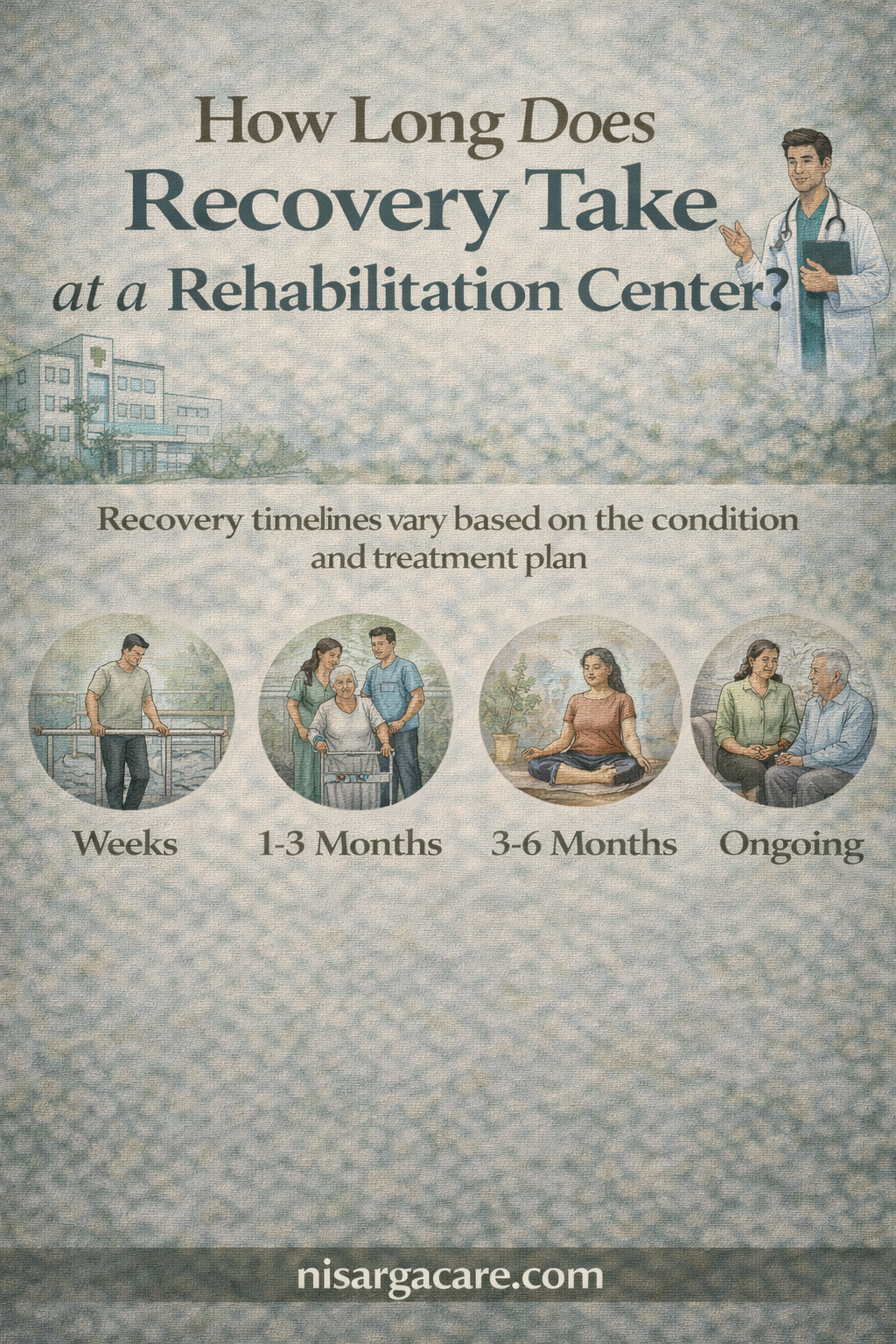
One of the most common questions families ask when choosing a rehabilitation facility is: How long will recovery take? The answer depends on several factors, including the patient’s medical condition, age, overall health, and the type of rehabilitation required. Recovery at a rehabilitation center in Bangalore or Karnataka is not a fixed timeline—it is a carefully monitored and personalized journey focused on safe and sustainable healing.

Understanding the typical recovery phases can help families set realistic expectations and plan care effectively.

Factors That Influence Recovery Time

Recovery duration varies from person to person. The main factors include:

Type of Medical Condition
Patients recovering from minor surgeries or short-term illnesses may require only a few weeks of rehabilitation. In contrast, conditions such as stroke, fractures, neurological disorders, or chronic illnesses often need longer-term support.

Age and Overall Health
Elderly patients usually take longer to recover due to reduced muscle strength, slower healing, and existing health conditions like diabetes or heart disease. A professional rehabilitation center in Karnataka adapts care plans to suit senior recovery needs.

Severity of the Condition
The more complex or severe the condition, the longer the rehabilitation period. Patients with mobility issues, cognitive decline, or post-surgical complications often need extended therapy and monitoring.

Consistency of Therapy and Care
Regular physiotherapy, medication management, nutrition support, and nursing care significantly influence recovery speed. Structured routines in a rehabilitation center in Bangalore help patients progress steadily.

Average Recovery Timelines

While timelines vary, here is a general overview:

  • Post-surgery or hospitalization recovery: 2 to 6 weeks

  • Orthopedic rehabilitation (fractures, joint replacement): 6 to 12 weeks

  • Stroke or neurological rehabilitation: 3 to 6 months or longer

  • Elderly rehabilitation or chronic condition management: Ongoing or long-term care

These timelines are approximate and may change based on patient response to treatment.

Role of Rehabilitation Centers in Faster Recovery

Rehabilitation centers are designed to optimize recovery by offering:

  • 24/7 medical and nursing supervision

  • Structured physiotherapy and occupational therapy

  • Medication and pain management

  • Nutritional and dietary support

  • Emotional and psychological care

This comprehensive approach ensures that recovery is not delayed due to lack of professional support.

Importance of Personalized Care Plans

The best rehabilitation centers do not follow a one-size-fits-all approach. They create Individual care plans based on regular assessments and progress tracking. As patients improve, therapy intensity and support levels are adjusted accordingly, ensuring continuous improvement without overexertion.

Can Recovery Continue After Discharge?

Yes. Many patients transition from a rehabilitation center to home care once they regain stability. Follow-up physiotherapy, nursing visits, and lifestyle guidance help maintain progress and prevent setbacks. A trusted rehabilitation center in Bangalore often supports this transition smoothly.


Conclusion: Why Nisarga Care Is the Best Choice

Recovery time at a rehabilitation center depends on individual needs, but the right care environment can make a significant difference. Nisarga Care is a trusted rehabilitation center in Bangalore and a leading rehabilitation center in Karnataka, known for its personalized recovery programs and compassionate care.

With experienced medical professionals, structured therapy plans, and continuous monitoring, Nisarga Care helps patients recover safely, confidently, and at their own pace. For families seeking reliable rehabilitation support with realistic recovery outcomes, Nisarga Care stands out as the best rehabilitation center in Karnataka, ensuring dignity, comfort, and long-term well-being.

News Nisarga care Bangalore

What Services Does a Rehabilitation Center in Karnataka Offer? | rehabilitation centres in Bangalore | Rehabilitation Centre , Bangalore |

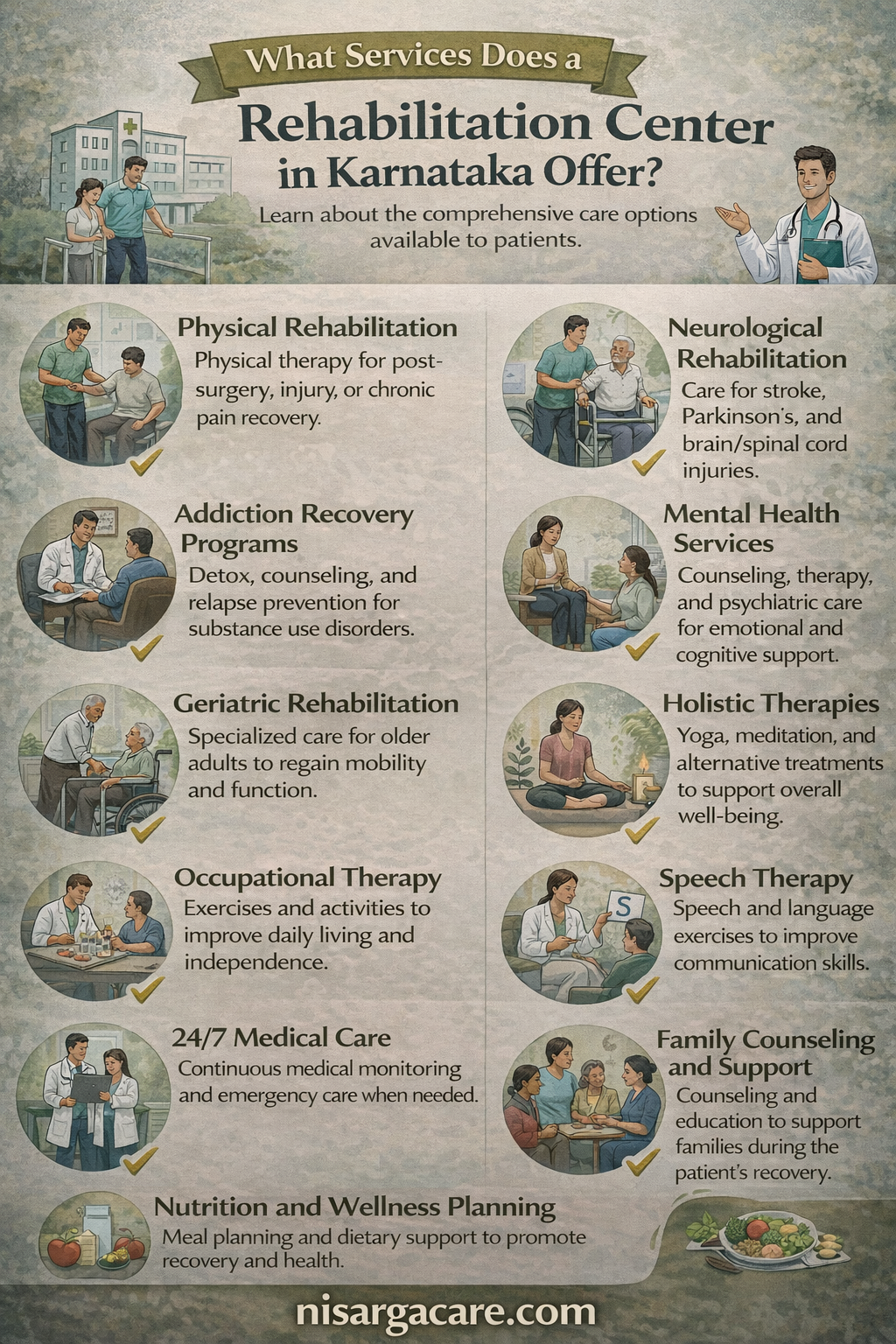
A rehabilitation center plays a vital role in helping individuals recover after illness, surgery, injury, or while managing chronic conditions. In Karnataka, rehabilitation centers are designed to provide holistic, patient-centered care that supports physical recovery, emotional well-being, and long-term independence—especially for seniors.

Whether it’s post-hospitalization recovery, neurological conditions, or age-related health challenges, a professional rehabilitation center in Karnataka offers a wide range of structured services tailored to individual needs.

Medical and Nursing Care

One of the core services offered by rehabilitation centers is 24/7 medical and nursing support. Trained nurses monitor vital signs, manage medications, assist with injections or IVs, and respond promptly to health changes. This continuous supervision ensures patient safety and reduces the risk of complications or readmission.

For families, this provides peace of mind knowing their loved one is under professional medical care.

Physiotherapy and Physical Rehabilitation

Physical rehabilitation is essential for restoring mobility, strength, and balance. Rehabilitation centers provide:

  • Physiotherapy after surgery or injury

  • Stroke and neurological rehabilitation

  • Balance and fall-prevention training

  • Mobility support using assistive devices

A trusted rehabilitation center in Bangalore offers personalized physiotherapy plans to help patients regain independence and confidence in daily movement.

Occupational Therapy and Daily Living Support

Occupational therapy focuses on helping patients perform daily activities such as dressing, eating, bathing, and walking. Therapists work on improving coordination, motor skills, and independence, especially for seniors and post-stroke patients.

This service is crucial for maintaining dignity and improving quality of life during recovery.

Dementia and Alzheimer’s Care Services

Many rehabilitation centers in Karnataka specialize in cognitive and memory care. Services include:

  • Structured routines for dementia and Alzheimer’s patients

  • Cognitive stimulation and memory exercises

  • Behavioral management support

  • Safe, calm environments to reduce confusion

A professional dementia rehabilitation center in Bangalore ensures patients receive compassionate care while supporting families through disease progression.

Post-Hospitalization and Recovery Care

After discharge, patients often need continued care to heal properly. Rehabilitation centers provide:

  • Wound care and dressing changes

  • Pain and symptom management

  • Medication adherence monitoring

  • Nutritional and hydration support

This structured recovery approach significantly reduces the risk of relapse or re-hospitalization.

Nutritional and Dietary Support

Proper nutrition is a key part of rehabilitation. Many centers offer customized diet plans based on medical conditions such as diabetes, heart disease, or post-surgical needs. Dietitians ensure meals support healing, strength, and immunity.

Emotional and Psychological Support

Rehabilitation is not just physical—it’s emotional too. Counseling, companionship, and emotional support help patients cope with stress, anxiety, or depression during recovery. Families also receive guidance to manage caregiving challenges.

Palliative and Long-Term Care

For patients with chronic or progressive illnesses, rehabilitation centers offer palliative care focused on comfort, dignity, and quality of life. This includes pain management, emotional support, and end-of-life care when needed.


Conclusion: Why Nisarga Care Is the Best Choice

A rehabilitation center in Karnataka offers comprehensive services that address medical, physical, emotional, and long-term care needs. Nisarga Care stands out as a trusted rehabilitation center in Bangalore, providing expert nursing care, physiotherapy, dementia rehabilitation, post-hospitalization support, and compassionate palliative care.

Recognized as a leading dementia care center in Karnataka and holistic rehabilitation provider, Nisarga Care delivers personalized care plans, experienced professionals, and a safe healing environment. For families seeking reliable, high-quality rehabilitation services in Karnataka, Nisarga Care is the best choice for recovery, dignity, and peace of mind.

News Nisarga care Bangalore

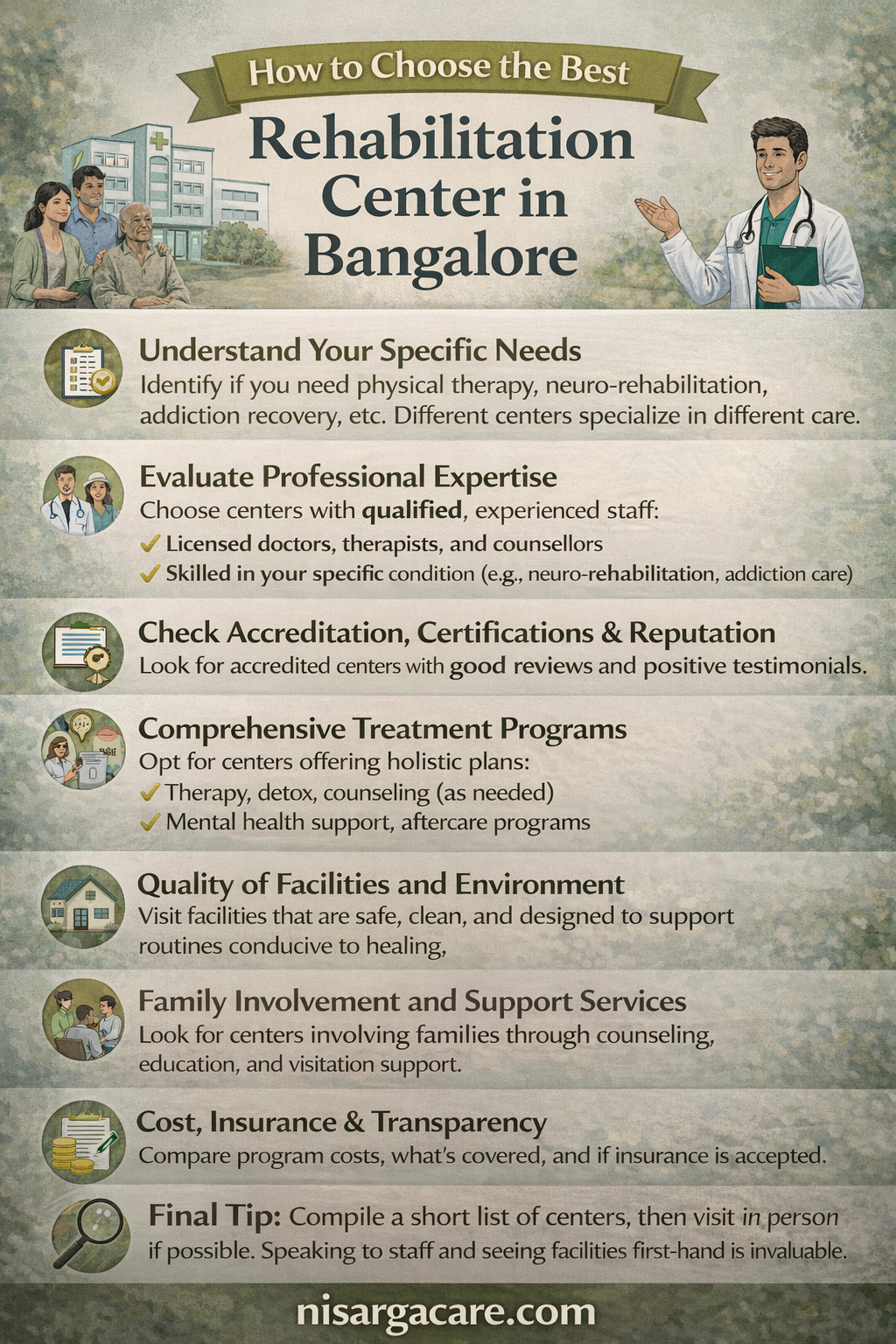
How to Choose the Best Rehabilitation Center in Bangalore

Selecting the right rehabilitation center is one of the most important decisions families make when a loved one needs professional care after illness, surgery, or chronic conditions. A high-quality rehab facility ensures safety, structured recovery, personalized attention, and emotional support. With so many options available, knowing what to look for can make the decision easier and more effective.

Here’s a practical guide to help you choose the best rehabilitation center in Bangalore for your loved one’s needs.

1. Identify the Type of Care Needed

Different rehabilitation centers specialize in different areas. Some focus on:

  • Post-surgical recovery

  • Neurological rehabilitation (e.g., stroke, dementia)

  • Physical therapy and mobility support

  • Diabetes or chronic condition management

  • Long-term care and palliative services

Understanding the specific needs of your loved one helps narrow down the right center. For example, someone recovering from a major surgery may require intensive physiotherapy, while a patient with cognitive decline may need more structured daily routines.

2. Check Credentials and Accreditation

Ensure the center is licensed and accredited by relevant health authorities. Accreditation shows that the facility meets industry standards for safety, infrastructure, and service quality. Reputable centers have trained medical staff, certified therapists, and experienced nurses.

Accreditation also provides reassurance that the center follows professional protocols for rehabilitation and patient care.

3. Review the Care Team’s Expertise

A top rehabilitation center employs:

  • Qualified doctors and nurses

  • Licensed physiotherapists and occupational therapists

  • Nutritionists and dietitians

  • Caregivers trained in elder and chronic care

Ask about staff credentials and experience, especially with cases similar to your loved one’s condition. Skilled professionals make a significant difference in recovery outcomes and patient comfort.

4. Evaluate Personalized Care Plans

Good rehab centers do not use a “one-size-fits-all” approach. They assess each patient individually and create customized care plans based on:

  • Medical history

  • Current health status

  • Recovery goals

  • Emotional and cognitive needs

Personalized plans adapt over time and evolve with the patient’s progress, ensuring better outcomes.

5. Assess the Facilities and Amenities

Physical environment matters. A quality rehabilitation center in Bangalore should offer:

  • Clean and safe living spaces

  • Therapy rooms and exercise equipment

  • Accessible bathrooms and mobility aids

  • Comfortable common areas for social interaction

Facilities that promote comfort and healing make recovery less stressful and more effective.

6. Look for Holistic Support Services

Effective rehabilitation goes beyond physical therapy. Look for centers that offer:

  • Emotional and psychological support

  • Nutritional counseling

  • Pain management

  • Family education and involvement

Centers that provide holistic care improve patient well-being on all levels.

7. Read Reviews and Seek Recommendations

Online reviews, testimonials, and word-of-mouth recommendations from other families help you understand real experiences. Positive feedback about staff responsiveness, recovery outcomes, and overall satisfaction can guide your decision.

Consider visiting the center in person and speaking with current residents or their families if possible.

8. Consider Location and Accessibility

Choosing a center that is easy to reach makes visits more convenient for family members. Proximity also matters for emergency care coordination and follow-ups with doctors.

Bangalore’s reputable rehabilitation centers are well connected and offer easy access for regular family support.

9. Cost and Transparency

Discuss costs upfront and understand what is included in the fees:

  • Medical and nursing care

  • Therapies and consultations

  • Meals and accommodation

  • Emergency support

Transparent pricing helps you plan better and avoid hidden charges.


Conclusion: Why Nisarga Care Is the Best Choice

Choosing the best rehabilitation center in Bangalore involves careful evaluation of care quality, staff expertise, facilities, personalized plans, and support services. Nisarga Care stands out as a trusted dementia rehabilitation center in Bangalore and a leading provider of comprehensive recovery care. With experienced medical professionals, individualized therapy plans, clean and safe facilities, and compassionate support, Nisarga Care ensures your loved one heals with dignity, comfort, and confidence.

Families looking for a reliable memory care facility in Bangalore and a professional dementia care center in Karnataka can depend on Nisarga Care for outstanding rehabilitation, holistic care, and peace of mind throughout the recovery journey.

News Nisarga care Bangalore

When Should a Family Consider Palliative Care Services? | holistic care homes in Bangalore |

Deciding when to seek palliative care can be challenging for families, especially when a loved one is coping with a chronic or serious illness. Palliative care is not limited to end-of-life situations—it is designed to improve quality of life, manage symptoms, and provide emotional support for patients and their families at any stage of illness.

Professional care providers, like Nisarga Care in Karnataka, guide families in understanding the right time to access palliative care services and ensure patients receive comprehensive, compassionate support.

Early Signs That Palliative Care May Be Needed

Families should consider palliative care if a loved one is experiencing:

  • Persistent or worsening pain and discomfort

  • Fatigue or weakness affecting daily activities

  • Emotional distress, anxiety, or depression due to illness

  • Difficulty managing medications or treatment plans

  • Frequent hospital visits or readmissions

Early intervention can prevent complications, reduce suffering, and improve overall well-being.

Chronic Illness or Progressive Conditions

Palliative care is especially helpful for patients with chronic or progressive illnesses such as:

  • Alzheimer’s or dementia

  • Cancer

  • Heart disease or kidney failure

  • Chronic respiratory conditions

  • Diabetes with complications

Even when the condition is stable, palliative care helps manage symptoms, maintain independence, and provide guidance for long-term care.

Post-Hospitalization or Surgery Recovery

Patients recovering from surgery or serious illness often require ongoing medical supervision. Palliative care ensures:

  • Pain and symptom management

  • Medication monitoring and adjustments

  • Emotional support during the recovery process

  • Assistance with mobility and daily activities

Professional home-based palliative care reduces the risk of complications and hospital readmissions, allowing patients to recover comfortably at home.

Emotional and Psychological Support

Families may also consider palliative care when the patient—or caregivers—experience:

  • Stress, anxiety, or fear related to illness

  • Difficulty coping with changing health conditions

  • The need for counseling, guidance, or respite care

Palliative care addresses emotional and psychological needs, fostering resilience and peace of mind for both patients and families.

Enhancing Quality of Life

Ultimately, palliative care is about enhancing quality of life. Families should consider it whenever a loved one requires:

  • Continuous symptom management

  • Assistance with daily activities

  • Emotional support and companionship

  • Guidance in care decisions and planning

Early adoption allows patients to live more comfortably and with dignity while relieving families from the overwhelming responsibility of sole caregiving.


Conclusion: Why Nisarga Care Is the Best Choice

Knowing when to consider palliative care can make a significant difference in patient comfort and family well-being. Nisarga Care is a trusted elder and Alzheimer’s care center in Karnataka, offering professional palliative care services that address physical, emotional, and psychological needs.

With trained caregivers, personalized care plans, and continuous support, Nisarga Care ensures patients live with dignity and comfort while families receive guidance and relief. Recognized as a leading palliative care provider in Karnataka, Nisarga Care is the best choice for compassionate, comprehensive home-based care for patients and their families.

News Nisarga care Bangalore

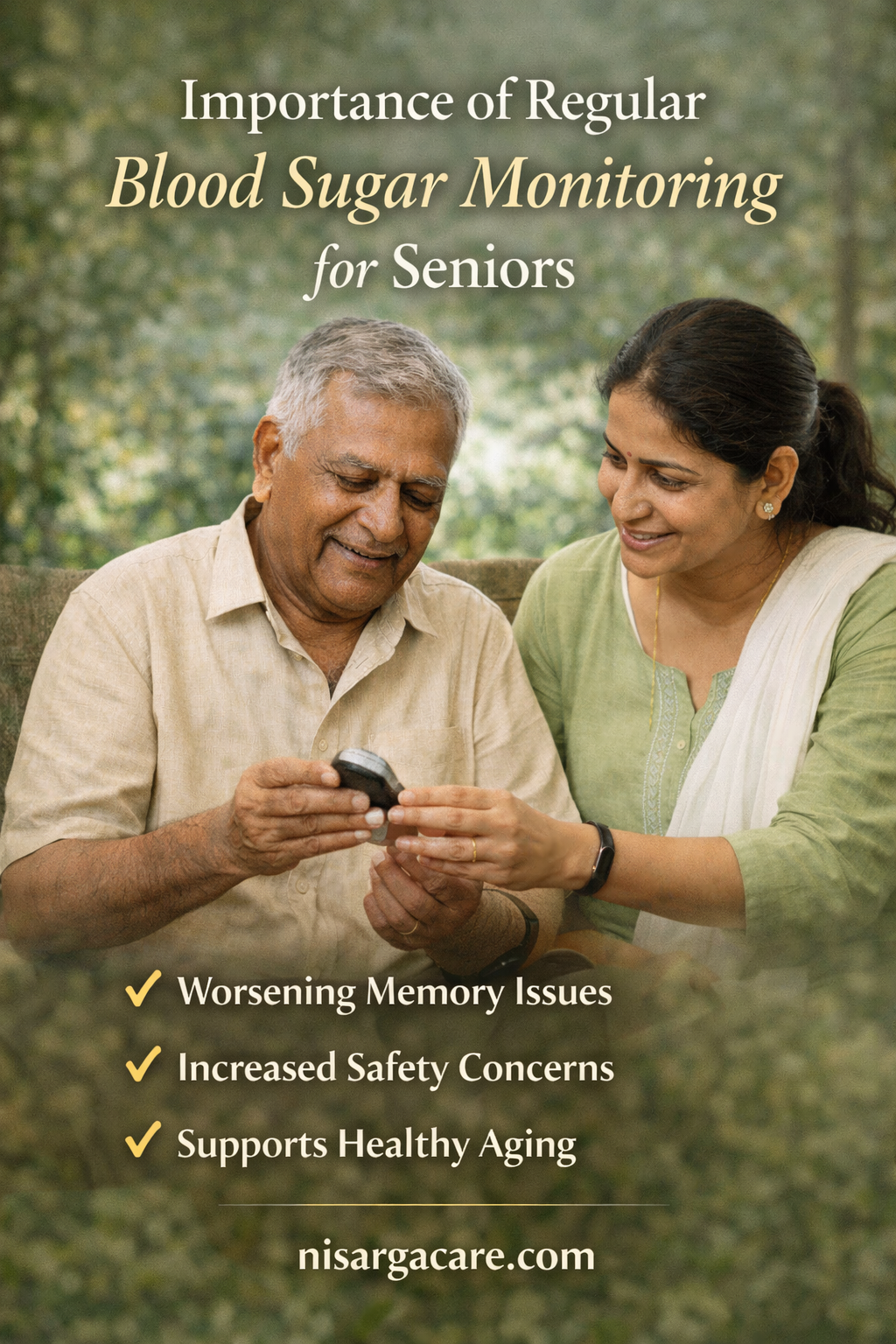
Importance of Regular Blood Sugar Monitoring for Seniors

Diabetes is a growing health concern among seniors, and managing blood sugar levels is essential to maintain overall health. Regular blood sugar monitoring helps detect fluctuations early, prevent complications, and guide proper treatment. Seniors often face unique challenges due to age-related changes, medications, and other health conditions, making consistent monitoring crucial.

Professional support from a Diabetes care center in Karnataka ensures that seniors receive accurate monitoring, guidance, and personalized care to manage their condition effectively.

Early Detection of Blood Sugar Fluctuations

Regular monitoring helps identify high or low blood sugar levels before they cause serious health issues. Elevated blood sugar over time can lead to complications such as:

  • Heart disease

  • Kidney damage

  • Vision problems

  • Nerve damage

Conversely, low blood sugar (hypoglycemia) can cause dizziness, confusion, or falls. Timely detection allows for immediate corrective action, reducing health risks.

Personalized Treatment and Medication Adjustment

Monitoring blood sugar levels provides valuable insights into how a senior’s body responds to medications, diet, and physical activity. Doctors and caregivers can use this information to:

  • Adjust insulin doses or medications

  • Modify meal plans

  • Recommend lifestyle changes

  • Track the effectiveness of interventions

This personalized approach ensures better control of diabetes and reduces complications.

Encourages Healthy Lifestyle Choices

Regular monitoring makes seniors more aware of the impact of their lifestyle on blood sugar levels. It encourages:

  • Balanced diets

  • Regular physical activity

  • Consistent sleep patterns

  • Stress management

When seniors see the results of their choices reflected in their readings, it motivates adherence to healthy routines.

Reduces Risk of Emergency Situations

Uncontrolled blood sugar can lead to dangerous situations like diabetic ketoacidosis or severe hypoglycemia, which may require hospitalization. By checking levels regularly, seniors and caregivers can take preventive measures to avoid emergencies.

A professional Diabetic treatment facility in Bangalore provides tools and guidance to perform regular monitoring safely and effectively, reducing the risk of complications.

Supports Emotional Well-Being

Managing diabetes can be stressful, especially for seniors. Regular monitoring reduces uncertainty by providing concrete information about their condition. Knowing their numbers are under control increases confidence, lowers anxiety, and promotes independence.

Role of Specialized Diabetes Care

A specialized Diabetes management clinic in Bangalore offers trained staff who educate seniors on proper monitoring techniques, provide nutritional guidance, and track progress. Regular visits ensure early intervention and continuous support, which is difficult to maintain at home alone.


Conclusion: Why Nisarga Care Is the Best Choice

Regular blood sugar monitoring is a cornerstone of effective diabetes management for seniors. Nisarga Care is a trusted Diabetes care center in Karnataka, offering professional supervision, personalized monitoring plans, and comprehensive support to manage diabetes safely. As a leading Diabetic treatment facility in Bangalore, Nisarga Care combines medical expertise, lifestyle counseling, and compassionate care to help seniors maintain optimal health.

Families seeking a reliable Diabetes rehabilitation center in Bangalore can trust Nisarga Care for its trained caregivers, continuous monitoring, and holistic programs. Recognized as the best diabetes care center in Bangalore, Nisarga Care ensures seniors receive professional diabetes care services in Karnataka with safety, dignity, and peace of mind.

Nisarga care Bangalore

Sleep Problems in Older Adults: Causes, Impact, and Care Solutions || Nisarga Care

Quality sleep is essential at every stage of life, yet many older adults struggle with sleep-related issues. Difficulty falling asleep, frequent nighttime awakenings, or waking up too early are common concerns among seniors. Over time, poor sleep can affect physical health, emotional well-being, and overall quality of life.

Understanding the causes of sleep problems in older adults—and providing the right care solutions—can significantly improve comfort, safety, and daily functioning.


Common Causes of Sleep Problems in Seniors

Sleep patterns naturally change with age, but persistent sleep issues are often linked to underlying factors such as:

1. Medical Conditions

Chronic illnesses like arthritis, heart disease, diabetes, respiratory disorders, and neurological conditions can cause discomfort and disrupt sleep. Pain, shortness of breath, or frequent urination often worsen at night.


2. Medication Side Effects

Many seniors take multiple medications. Some drugs can:

  • Cause insomnia or restlessness

  • Lead to excessive daytime sleepiness

  • Disrupt natural sleep cycles

Without regular medical review, these side effects can compound sleep problems.


3. Mental and Emotional Health Challenges

Anxiety, depression, loneliness, or grief—especially after retirement or loss of a spouse—can interfere with restful sleep. Emotional distress often makes it harder to fall or stay asleep.


4. Reduced Physical Activity

Limited movement during the day can lead to lower sleep drive at night. Seniors who are inactive may experience lighter, fragmented sleep.


5. Changes in Circadian Rhythm

As people age, their internal body clock shifts. Many seniors feel sleepy earlier in the evening and wake up very early in the morning, leading to disrupted sleep patterns.


Impact of Poor Sleep on Older Adults

Chronic sleep deprivation can have serious consequences, including:

  • Daytime fatigue and low energy

  • Reduced memory and concentration

  • Mood changes and irritability

  • Increased risk of falls and accidents

  • Weakened immune function

Over time, poor sleep may worsen existing health conditions and reduce independence.


Care Solutions for Better Sleep in Seniors

Managing sleep problems in older adults requires a holistic, non-invasive approach that addresses both physical and emotional needs.


1. Establishing a Consistent Sleep Routine

Encouraging seniors to:

  • Go to bed and wake up at the same time daily

  • Follow calming pre-sleep routines

  • Avoid long daytime naps

helps regulate the body’s natural sleep cycle.


2. Creating a Sleep-Friendly Environment

A comfortable bedroom can make a significant difference:

  • Quiet, dimly lit surroundings

  • Comfortable bedding and supportive mattresses

  • Proper room temperature

These small adjustments promote deeper, uninterrupted sleep.


3. Managing Pain and Discomfort

Addressing nighttime pain through:

  • Gentle physiotherapy

  • Heat or cold therapy

  • Proper positioning and support

reduces sleep interruptions without over-reliance on medication.


4. Encouraging Daytime Activity

Light exercise, walking, stretching, or yoga improves circulation, reduces stiffness, and promotes natural tiredness by evening.


5. Supporting Mental and Emotional Well-Being

Emotional support plays a crucial role in sleep health. Regular companionship, counseling, relaxation techniques, and mindfulness practices help reduce stress and nighttime anxiety.


6. Reviewing Medications Regularly

Healthcare professionals should periodically evaluate medications to identify sleep-disrupting side effects and adjust dosages when necessary.


When to Seek Professional Support

If sleep problems persist for weeks or begin affecting daily life, professional evaluation is essential. Conditions such as sleep apnea, restless leg syndrome, or depression may require specialized care.


How Nisarga Care Helps Seniors Sleep Better

At Nisarga Care, we take a personalized approach to sleep management by offering:

  • Trained caregivers who monitor sleep patterns

  • Holistic routines that support physical and emotional comfort

  • Safe, calm living environments

  • Coordination with healthcare professionals

Our goal is to help seniors achieve restful sleep, leading to better health, mood, and independence.


Conclusion

Sleep problems in older adults are common—but they are not something seniors must simply accept. With the right care solutions, supportive environments, and compassionate attention, restful sleep is achievable at any age.

Bangalore rehabilitation centers | rehab assisted living facilities in Bangalore News Nisarga care Bangalore

Preventing Falls in the Elderly: Home Safety Tips That Actually Work

Falls are one of the leading causes of injury among seniors, often resulting in fractures, hospitalizations, or long-term mobility challenges. Many falls are preventable with simple home safety measures, lifestyle adjustments, and awareness. Families can play a proactive role in creating a secure environment that supports elderly independence while reducing risks.

Understand Why Seniors Fall

Age-related factors increase fall risk, including:

  • Reduced muscle strength and balance

  • Impaired vision or hearing

  • Chronic conditions such as arthritis or osteoporosis

  • Side effects from medications

By understanding these risk factors, families can implement targeted safety strategies.

1. Clear Walking Paths and Clutter-Free Spaces

Cluttered floors and loose rugs are major hazards. Remove obstacles such as cables, furniture in narrow walkways, and small decorative rugs. Ensure hallways and rooms are spacious enough for walkers or canes. Clear walking paths reduce tripping risks significantly.

2. Proper Lighting Throughout the Home

Poor lighting contributes to falls, especially at night. Install bright, non-glare lighting in hallways, staircases, bathrooms, and entrances. Motion-sensor night lights near the bed and bathroom provide extra safety for nighttime movements.

3. Bathroom and Kitchen Safety

Wet floors and slippery surfaces in bathrooms and kitchens are common fall hazards. Families should:

  • Install grab bars near toilets and showers

  • Use non-slip mats in bathing areas

  • Ensure items are within easy reach to avoid stretching or climbing

In kitchens, maintain clear, organized countertops and avoid high storage that requires ladders.

4. Supportive Furniture and Mobility Aids

Provide chairs with sturdy armrests, beds at proper height, and walkers or canes as recommended by physiotherapists. Regularly check that assistive devices are in good condition. Proper support ensures seniors can move confidently without fear of losing balance.

5. Encourage Regular Exercise

Physical activity strengthens muscles, improves balance, and enhances coordination. Simple exercises, yoga, or physiotherapy routines tailored to seniors can prevent falls. Engaging in daily movement routines also improves confidence and reduces sedentary risks.

6. Monitor Medications and Health Conditions

Some medications may cause dizziness or drowsiness. Families should consult doctors about side effects and adjust routines if necessary. Regular vision and hearing check-ups also prevent accidents caused by sensory impairments.

7. Promote Awareness and Education

Educate seniors on safe movement strategies: rising slowly from chairs, using handrails, and avoiding risky behaviors. Awareness builds habits that reinforce safety in everyday activities.


Conclusion

Preventing falls in the elderly is achievable through practical home safety modifications, exercise, and awareness. Families can reduce risks by creating clutter-free, well-lit environments, using supportive furniture and mobility aids, and encouraging healthy routines. Thoughtful precautions not only protect seniors from injuries but also support confidence, independence, and peace of mind for the entire family.

Bangalore rehabilitation centers | rehab assisted living facilities in Bangalore Nisarga care Bangalore

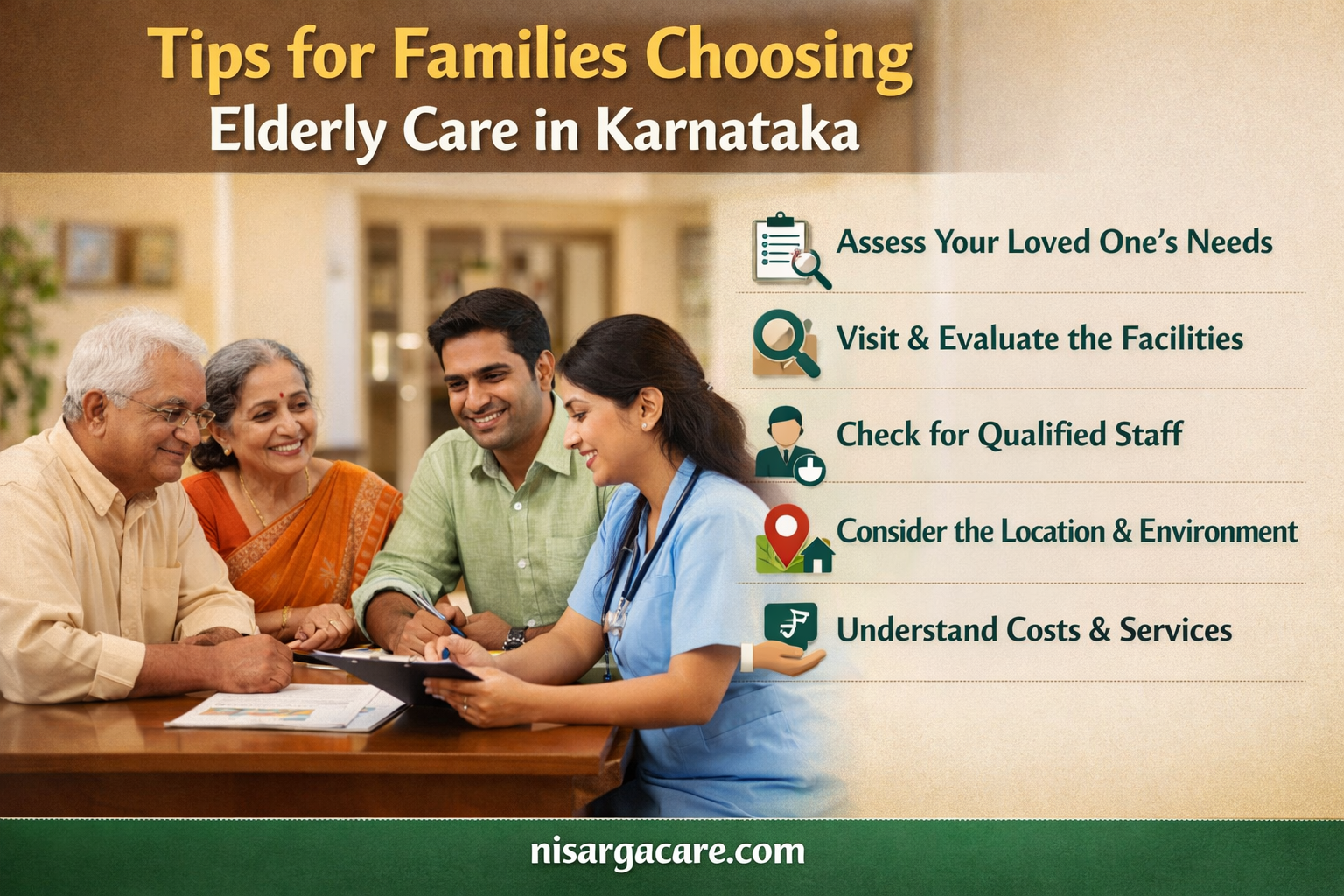
Tips for Families Choosing Elderly Care in Karnataka || Nisarga Care

Choosing elderly care for a loved one is a deeply emotional and practical decision. In Karnataka, where family bonds and cultural values play a strong role, selecting the right care solution requires careful thought, research, and empathy. The following tips can help families make informed, confident choices while ensuring dignity and comfort for seniors.

Assess the Exact Care Needs

Start by understanding the elder’s physical, emotional, and medical requirements. Some seniors may need assistance with daily activities, while others require post-surgery rehabilitation, physiotherapy, or long-term medical supervision. Identifying these needs early helps narrow down suitable options such as home care, assisted living, or rehabilitation centers.

Choose a Convenient Location

Proximity matters. Selecting elderly care close to family members allows frequent visits and emotional reassurance. Karnataka offers quality care options across cities like Bengaluru, Mysuru, and Mangaluru, as well as growing facilities in smaller towns. Ensure the location has easy access to hospitals and emergency services.

Verify Staff Qualifications and Experience

Quality care depends on trained professionals. Check whether caregivers, nurses, and physiotherapists are qualified and experienced in elderly care. Ask about staff-to-patient ratios, as personalized attention is especially important for seniors with mobility or neurological challenges.

Prioritize Safety and Hygiene

A safe and clean environment is essential. Look for non-slip flooring, handrails, emergency alert systems, and wheelchair-friendly spaces. Hygiene standards, well-ventilated rooms, and proper sanitation practices directly impact an elder’s health and comfort.

Review Services and Daily Routines

Understand what services are included—nutritious meals, medication management, physiotherapy, social activities, and mental wellness programs. Engaging routines and rehabilitation support can significantly improve mobility, confidence, and emotional wellbeing.

Include the Elder in the Decision

Whenever possible, involve the elder in choosing their care. Visiting the facility together and listening to their concerns builds trust and eases the transition. Feeling respected and heard helps seniors adjust more comfortably.

Check Reviews and Cost Transparency

Speak with other families, read reviews, and request clear pricing details. Transparent billing and honest communication prevent misunderstandings and long-term stress.


Conclusion

Choosing elderly care in Karnataka is not just about facilities—it’s about compassion, safety, and trust. By carefully assessing needs, verifying care quality, involving elders in decisions, and ensuring transparency, families can provide their loved ones with a supportive environment that promotes health, dignity, and peace of mind.

Bangalore rehabilitation centers | rehab assisted living facilities in Bangalore Nisarga care Bangalore

Role of Physiotherapy in Faster Healing | Nisarga Care

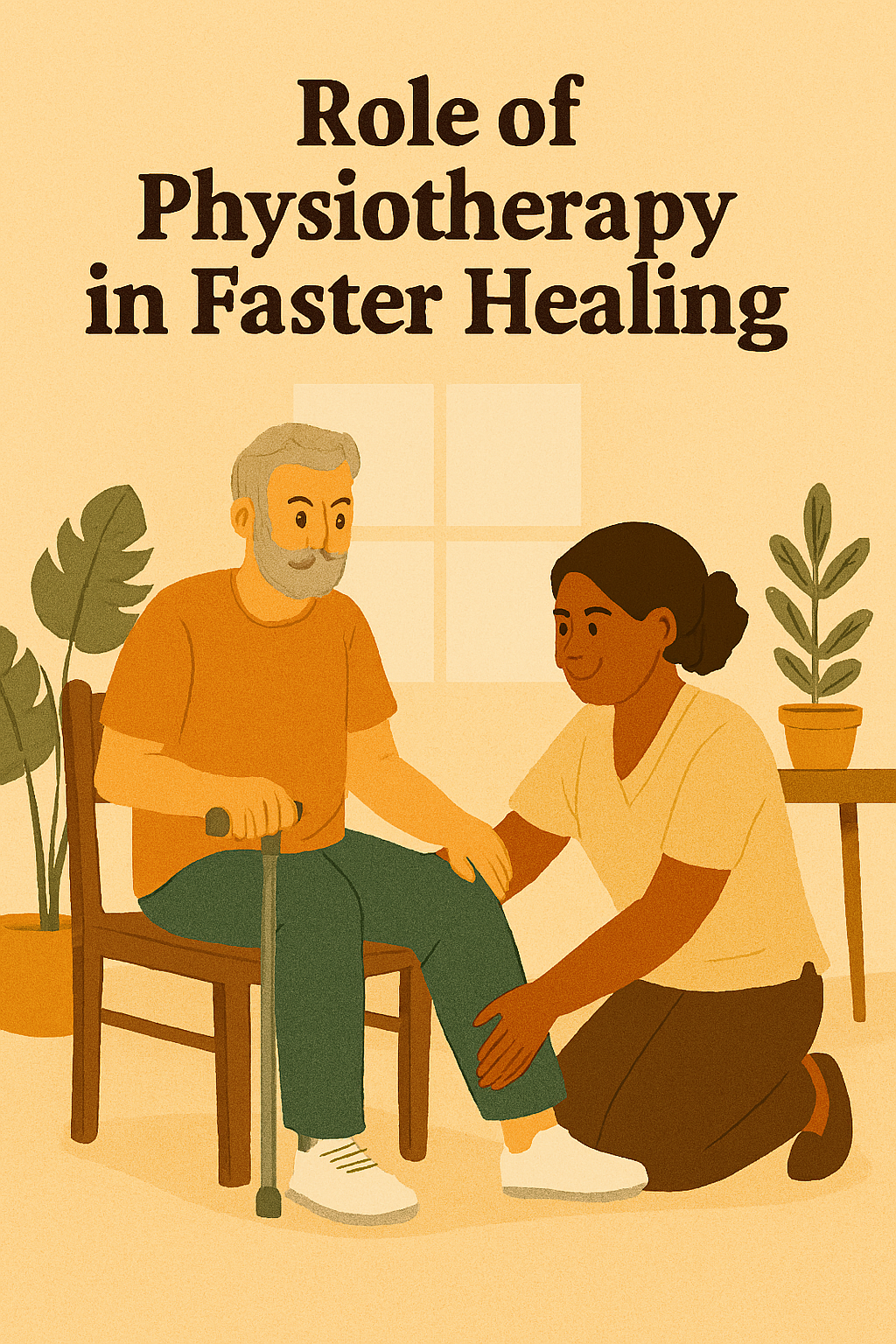
Role of Physiotherapy in Faster Healing

Healing after an injury, illness, or surgery is often slower for seniors because of reduced muscle strength, weaker bones, and decreased circulation. This is why physiotherapy plays a transformative role in ensuring faster healing, better mobility, and long-term independence. For families caring for aging parents in India, understanding the value of physiotherapy can significantly improve recovery outcomes and quality of life.

Physiotherapy is not just exercise. It is a science-backed, personalized approach to restoring function, relieving pain, and helping elders regain confidence in their daily routines. Whether your loved one is recovering from a fracture, stroke, joint replacement, or simply dealing with age-related stiffness, physiotherapy can make healing smoother and more effective.


Why Physiotherapy Is Essential for Seniors

As the body ages, natural processes slow down — circulation decreases, flexibility reduces, and tissues take longer to repair. Without guided rehabilitation, recovery can be delayed, and mobility issues may worsen.

Key reasons physiotherapy is essential:

  • Enhances blood flow to speed up tissue repair

  • Reduces pain and stiffness

  • Prevents muscle weakening

  • Restores balance and coordination

  • Improves posture and spine alignment

  • Reduces fall risk

  • Supports emotional and mental well-being

For elders, physiotherapy is often the difference between long-term dependency and active, confident living.


How Physiotherapy Speeds Up Healing

1. Improves Blood Circulation

Better circulation means faster delivery of nutrients and oxygen to injured areas. Physiotherapy stimulates blood flow, ensuring tissues heal quicker and more efficiently.


2. Reduces Pain Safely

Many seniors cannot tolerate heavy painkillers. Physiotherapy uses safe methods such as:

  • Heat therapy

  • Cold packs

  • Ultrasound therapy

  • Soft tissue mobilization

  • Stretching routines

These techniques relieve pain naturally and promote healing.


3. Prevents Mobility Loss

Bed rest after illness or surgery can cause stiffness, muscle loss, and joint immobility. Physiotherapy ensures gentle movement from day one, preventing secondary complications.


4. Strengthens Muscles and Bones

With age, muscle mass decreases rapidly. Strengthening exercises rebuild lost muscle, supporting the joints and helping seniors move safely.


5. Improves Balance and Coordination

Weak muscles and reduced reflexes increase fall risk. Physiotherapists use targeted balance and gait training to improve coordination and prevent dangerous falls.


6. Restores Independence

Physiotherapy helps seniors perform essential activities such as walking, sitting, standing, bathing, and climbing stairs with reduced assistance. Regaining independence is one of the biggest emotional boosts during recovery.


Conditions Where Physiotherapy Plays a Major Role

Physiotherapy is extremely helpful in a wide range of elder-care scenarios:

1. Post-Surgical Rehabilitation

After joint replacement, fracture surgery, spine procedures, or abdominal surgeries, physiotherapy helps seniors heal faster and regain mobility.

2. Stroke Recovery

Physiotherapy improves limb movement, balance, coordination, and muscle control — crucial steps in restoring independence.

3. Arthritis & Joint Pain

Gentle exercises and pain-relief techniques reduce stiffness and improve joint mobility.

4. Parkinson’s & Neurological Conditions

Physiotherapy maintains flexibility, improves gait, and helps seniors manage tremors and coordination issues.

5. Back & Spine Problems

Physiotherapists strengthen core muscles and improve posture to relieve chronic pain.

6. Age-Related Weakness

General conditioning exercises help seniors stay active, confident, and mobile.


Types of Physiotherapy Techniques Used for Seniors

A good rehabilitation plan includes multiple therapies tailored to each individual. Some of the most common techniques are:

1. Strength Training

Light resistance bands, small weights, and body-weight exercises improve muscle strength and endurance.

2. Range-of-Motion Exercises

Helps maintain joint flexibility and prevent stiffness.

3. Gait Training

Physiotherapists teach safe walking techniques using walkers, sticks, or parallel bars.

4. Balance & Coordination Therapy

Reduces fall risk by improving core stability and reflexes.

5. Pain-Relief Modalities

Including:

  • IFT

  • TENS therapy

  • Ultrasound

  • Hot/cold therapy

6. Breathing Exercises

Improve lung capacity and aid healing, especially after surgery or prolonged bed rest.


The Psychological Benefits of Physiotherapy

Physical healing is only part of the journey — physiotherapy also improves emotional resilience. Seniors feel more hopeful and positive when they see visible progress.

Emotional benefits include:

  • Reduced stress and anxiety

  • Increased motivation

  • Better cognitive engagement

  • Improved sleep and energy

  • Confidence in performing daily tasks

Healing becomes faster when the mind supports the body.


Family’s Role in Supporting Physiotherapy

A supportive home environment accelerates progress. Families can help by:

  • Encouraging consistency in exercises

  • Providing a safe walking space

  • Helping with mobility aids

  • Praising progress, even small steps

  • Ensuring hydration and nutrition

  • Communicating improvements or issues to the physiotherapist

A little encouragement goes a long way in elder recovery.


Why Personalized Physiotherapy Plans Work Best

Every senior has unique needs depending on their age, medical history, surgery type, mobility level, and recovery pace. A personalized care plan ensures exercises are safe, effective, and aligned with the recovery goals of the elder.

A tailored plan helps:

  • Avoid overexertion

  • Prevent injury

  • Maintain steady progress

  • Address specific problem areas

  • Improve long-term outcomes


Nisarga Care: Expert Physiotherapy and Rehabilitation for Seniors

Physiotherapy is one of the strongest pillars of faster healing for seniors. At Nisarga Care, elders receive personalized physiotherapy programs guided by professional therapists, skilled nurses, and experienced caregivers. Each recovery plan is customized to match the senior’s condition, abilities, and goals — ensuring safe, consistent, and effective healing.

From post-surgery rehabilitation to stroke recovery, pain management, and mobility improvement, Nisarga Care provides a structured, compassionate, and medically supervised environment that helps seniors regain confidence and independence.

If your loved one needs reliable, specialized physiotherapy support, Nisarga Care is here to accelerate their healing journey with expertise and care.

Posts pagination

WeCreativez WhatsApp Support
Our customer support team is here to answer your questions. Ask us anything!
👋 Hi, how can I help?